

01 / APPLICATION OVERVIEW
Galvanized Steel Grating for Gully and Well Covers
Galvanized steel grating provides durable, free-draining covers for gullies, drainage channels, inspection wells, and utility openings.
The covers are installed in industrial yards, treatment plants, service roads, loading areas, and pedestrian zones to maintain drainage while restricting access to the opening below.
Engineering selection should consider clear opening, design load, traffic type, support width, bearing direction, bar size and spacing, frame condition, slip risk, fixing, and lifting requirements.
Discuss Your Walkway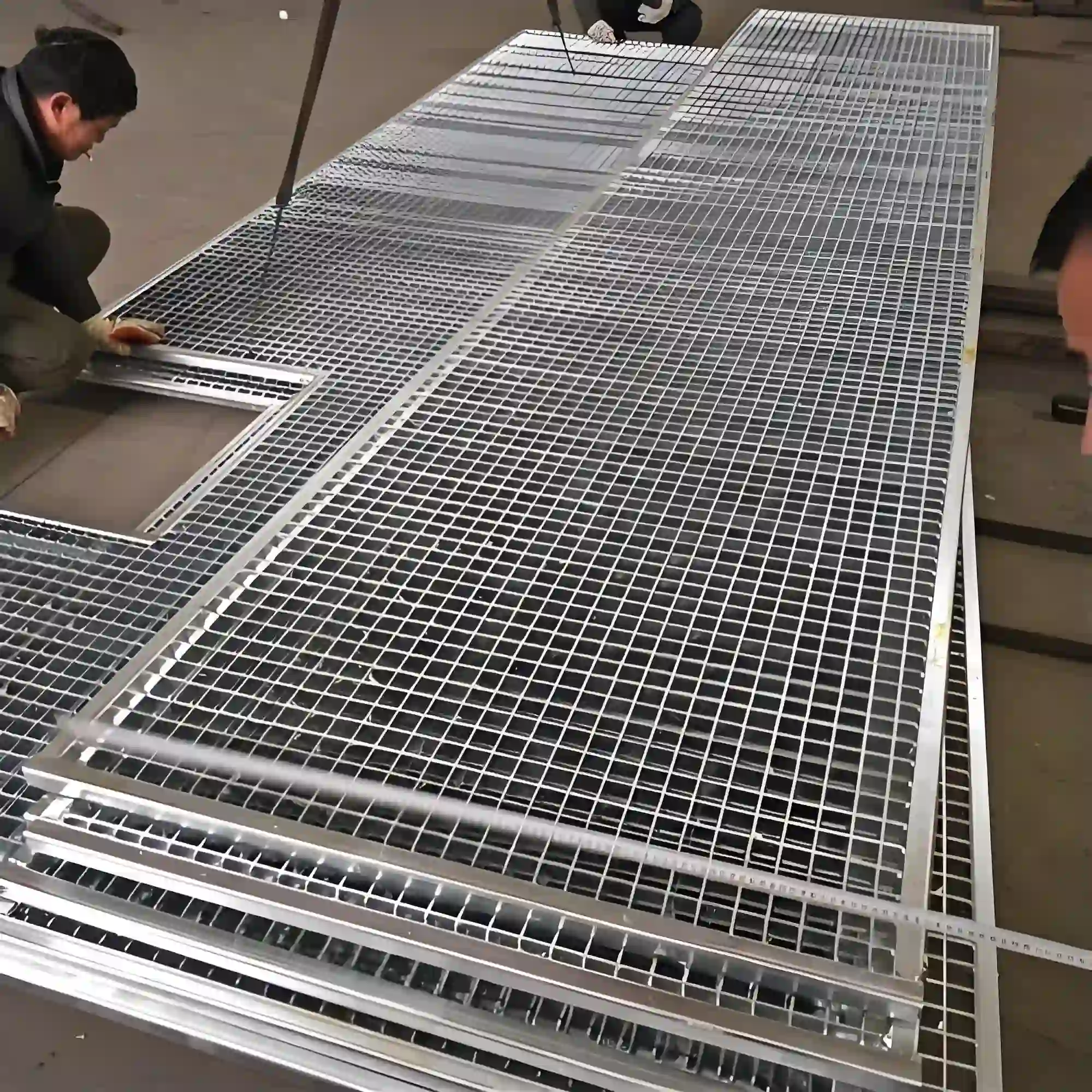
02 / APPLICATION SCENARIOS & REQUIREMENTS
Application Scenarios & Project Requirements
Review the operating conditions, users, loads, environment and project requirements before selecting the appropriate steel grating specification.
Stormwater Gullies
Galvanized grating covers allow surface runoff to enter roadside and yard drainage gullies while intercepting larger debris. Bar spacing should reflect drainage capacity, pedestrian exposure, and local safety requirements.
Industrial Drainage Channels
Removable grating panels cover channels in factories, loading yards, and washdown areas. The open surface supports rapid drainage and permits access for sediment removal and channel inspection.
Utility Inspection Wells
Framed grating covers provide ventilation and visible inspection access over utility wells, valve chambers, and service pits. Secured or lockable panels may be specified where unauthorized removal is a concern.
Treatment Plant Openings
Galvanized covers are used over drainage sumps, pump wells, and process openings in water and wastewater facilities. Custom panels can include lifting points, toe plates, and access hatches.
03 / SPECIFICATIONS & PRODUCT OPTIONS
Common Specifications & Available Options
Compare materials, bearing bar sizes, spacing, surface types, finishes and panel dimensions to match the requirements of the application.
Specifications
| Parameter | Specification / Options |
|---|---|
| Material | Carbon steel manufactured to the project-specified structural grade. |
| Surface treatment |
Hot-dip galvanized after fabrication. Coating requirements should follow the specified galvanizing standard and exposure category. |
| Bearing bar size |
25 × 3, 30 × 3, 30 × 5, 32 × 5, or 40 × 5 mm. Height × thickness; final size depends on load and clear span. |
| Bearing bar spacing | 30 or 40 mm, with closer spacing available for specific pedestrian or debris-control requirements. |
| Cross bar spacing | 50 or 100 mm. |
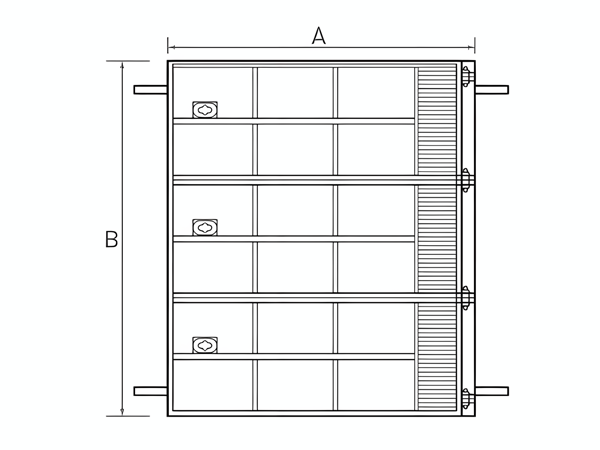
| Cover dimensions | Manufactured to the clear opening, frame dimensions, required bearing width, and approved layout. |
| Walking surface | Plain or serrated bearing bars selected according to pedestrian and slip-risk conditions. |
| Edge treatment | Banded edges, load-carrying end bands, framed panels, or toe plates as specified. |
| Bearing direction | Bearing bars must span across the clear opening and seat on the supporting frame. |
| Fixing | Galvanized clips, bolts, hold-down devices, hinges, or lockable fasteners according to the access requirement. |
| Custom fabrication | Available with lifting handles, hinged sections, access hatches, irregular shapes, and panel identification from approved drawings. |
Need a different size? Send your layout for a custom panel review.
Request Your SpecificationThe sizes above are reference examples, not approved combinations for every span. Confirm the bearing direction, loads, clear span and material before ordering. Panel size does not indicate the allowable unsupported span.
WHY USE STEEL GRATING?
Advantages for Steel Grating Applications
Unobstructed Drainage
The open grid allows runoff to enter gullies and channels quickly while intercepting larger debris that could obstruct the drainage system.
Defined Load Capacity
Bearing bar depth, thickness, spacing, and span can be selected for specified pedestrian, maintenance, or vehicle loads at the installation location.
Galvanized Protection
Hot-dip galvanizing coats the fabricated panel, welded joints, and banded edges to slow corrosion in wet drainage and outdoor environments.
Removable Access
Individual covers can be lifted or hinged for gully cleaning, sediment removal, pump servicing, and inspection of the well or channel below.
Secure Installation
Hold-down clips, bolts, hinges, or locking devices can limit cover movement, uplift, and unauthorized removal where operating conditions require restraint.
Custom Frame Fit
Cover dimensions, banding, support direction, and lifting details can be fabricated to match new or existing gully and well frames.
04 / INSTALLATION & PROJECT PHOTOS
Installation Guidance & Application Photos
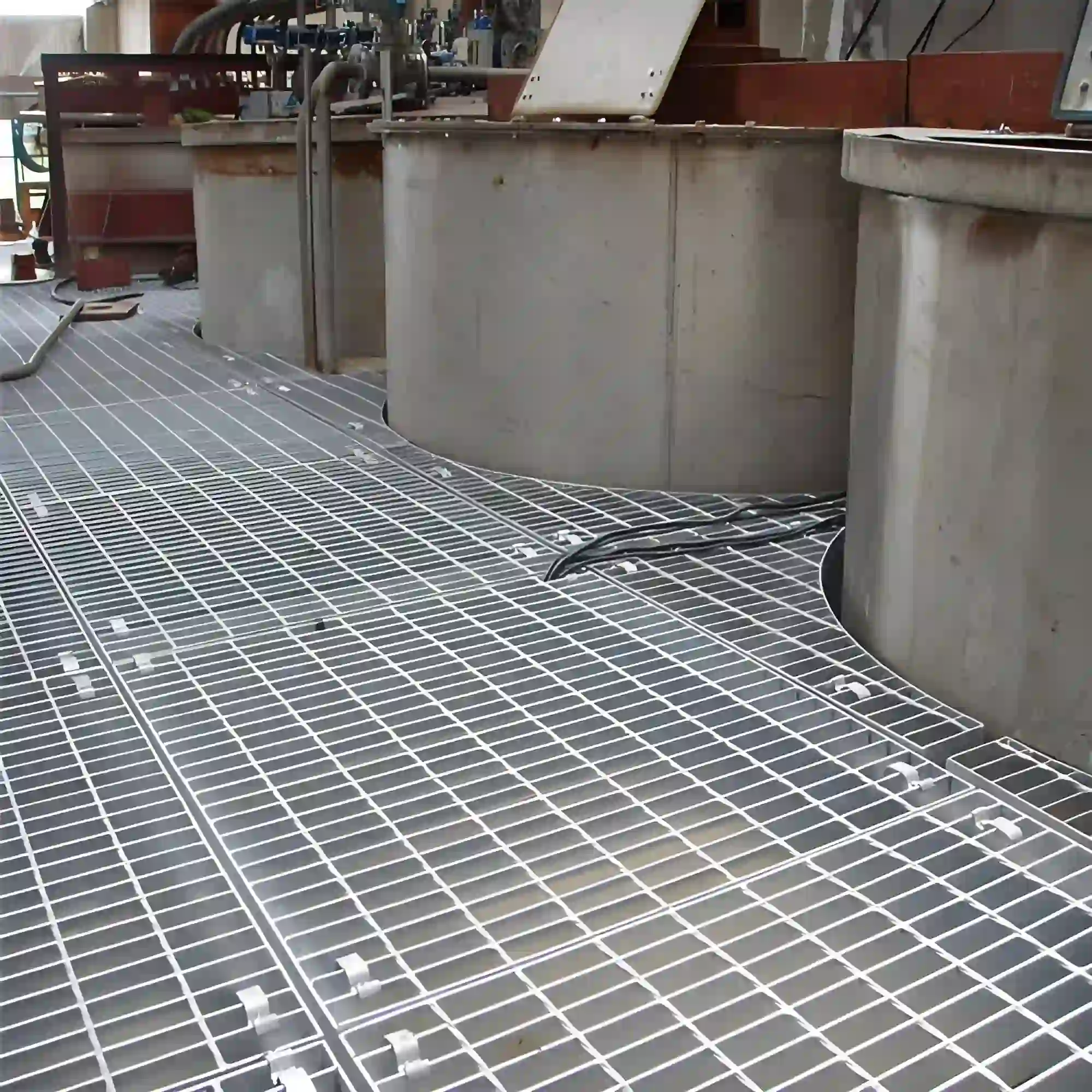
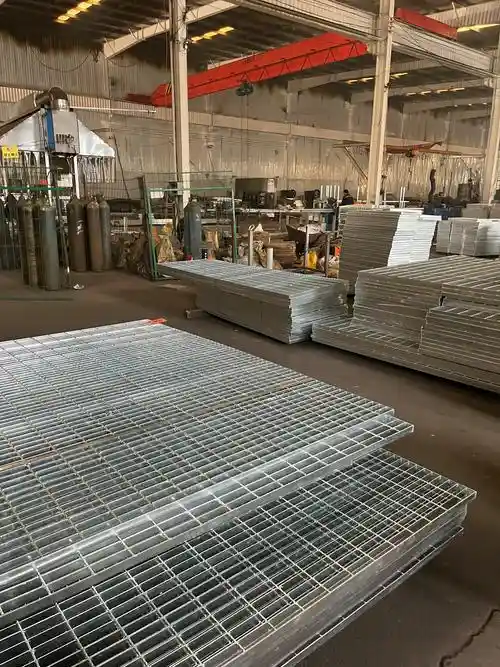
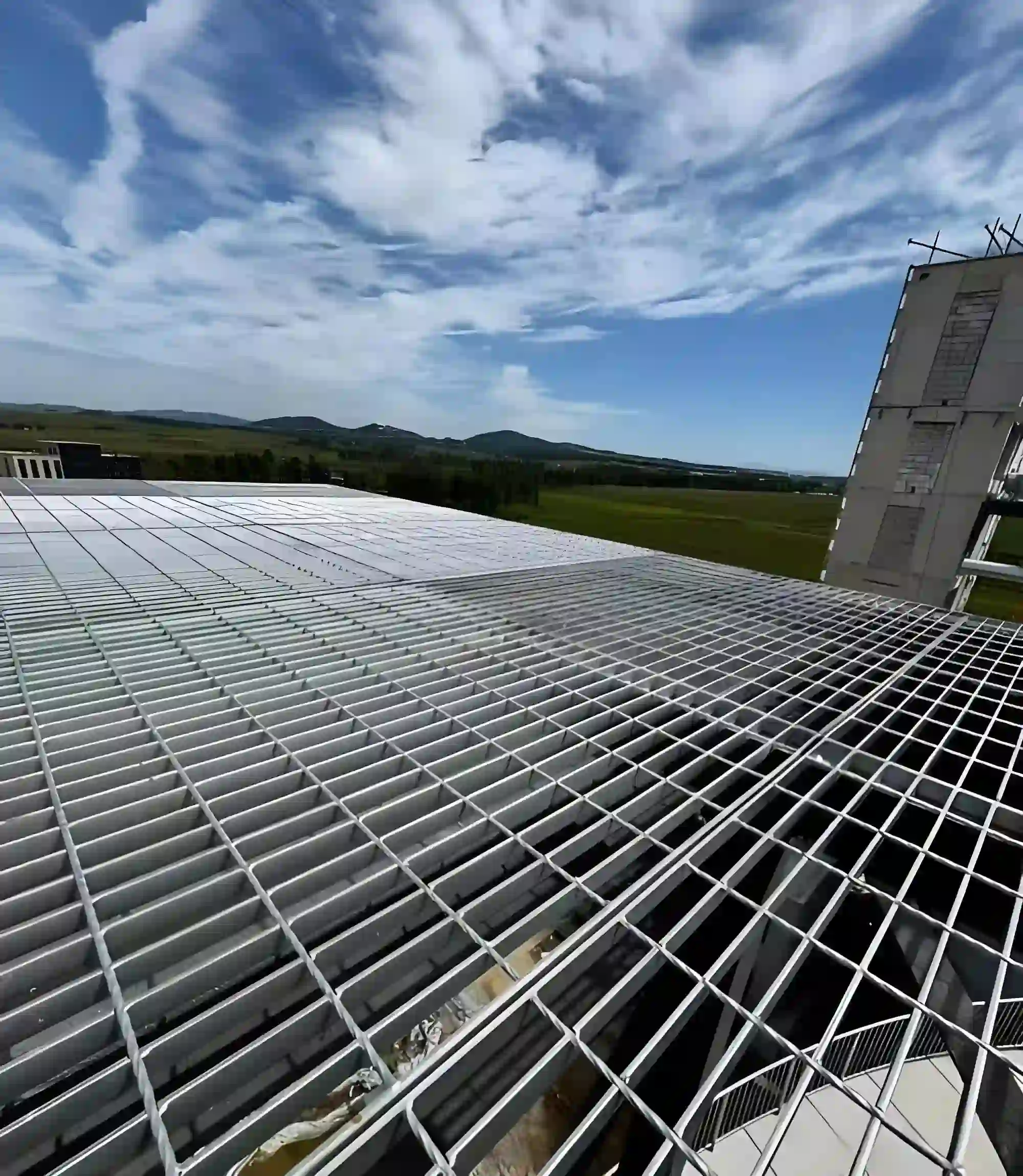
Review the panel layout, support conditions, fixing methods and fabrication details before installation, and refer to the application photos for practical examples.
-
Inspect the Opening and Frame
Measure the clear opening, frame dimensions, support width, level, and condition. Verify the required load category and confirm that the supporting structure can carry the complete design load.
-
Confirm Cover Orientation
Match panel identification to the approved layout and position bearing bars across the clear opening. Check that every cover has adequate seating on the supporting frame.
-
Install the Restraints
Fit the specified clips, bolts, hinges, or locking devices without blocking the drainage path. Confirm that removable panels and lifting points remain accessible for maintenance.
-
Complete the Safety Inspection
Check for rocking panels, uneven edges, excessive gaps, loose fasteners, coating damage, and blocked openings. Repair damaged galvanized surfaces and verify that each cover is stable before opening the area.
05 / RELATED REFERENCE & FAQ
Frequently Asked Questions
How is the load capacity of a grating cover determined?
Load capacity depends on the bearing bar size, bar spacing, clear span, support width, steel grade, and expected load type. Pedestrian, maintenance, and vehicle areas require different designs, so project-specific load tables or engineering calculations should be used.
Can galvanized grating covers be used in vehicle areas?
Yes, provided the cover, frame, supports, and fixings are designed for the specified wheel loads and traffic conditions. Standard pedestrian grating should not be assumed suitable for forklifts, trucks, or other vehicles without structural verification.
Which bearing bar direction is required for a gully cover?
The bearing bars must span across the clear opening and rest on the supporting frame at both ends. Cross bars do not provide the primary spanning capacity, so panel orientation must be checked before installation.
Should gully grating use plain or serrated bearing bars?
Serrated bars may be appropriate where pedestrians encounter rainwater, mud, oil, or process residue. Plain bars may suit drainage locations without regular foot traffic. Selection should follow the site slip-risk assessment and applicable access requirements.
Can covers be manufactured for existing frames and irregular openings?
Yes. Covers can be fabricated to measured frame dimensions and supplied in rectangular, angled, or multi-panel layouts. Accurate information is required for the clear opening, bearing ledges, obstructions, lifting access, and required panel joints.
How should grating well covers be secured?
Depending on the location, covers may use clips, bolts, hold-down brackets, hinges, or lockable fasteners. Restraints should prevent displacement and unauthorized removal while allowing authorized personnel to open the cover safely for inspection and maintenance.
06 / PROJECT ENQUIRY
Tell Us About Your Walkway
Share your layout and operating requirements so our team can review the grating, fabrication and supply scope.
Send Drawings by Email Discuss on WhatsAppThe email button opens your mail app. Attach your drawings before sending.
Include these details
- Application location and exposure conditions
- Drawings, panel dimensions and quantities
- Support layout, clear span and design loads
- Material, finish and walking-surface requirements
- Cut-outs, fixings and removable access sections
- Destination, required delivery date and project standards
Already have a specification? Send it with your enquiry.