
Home > Products > Steel Grating > Plain Stainless Steel Grating
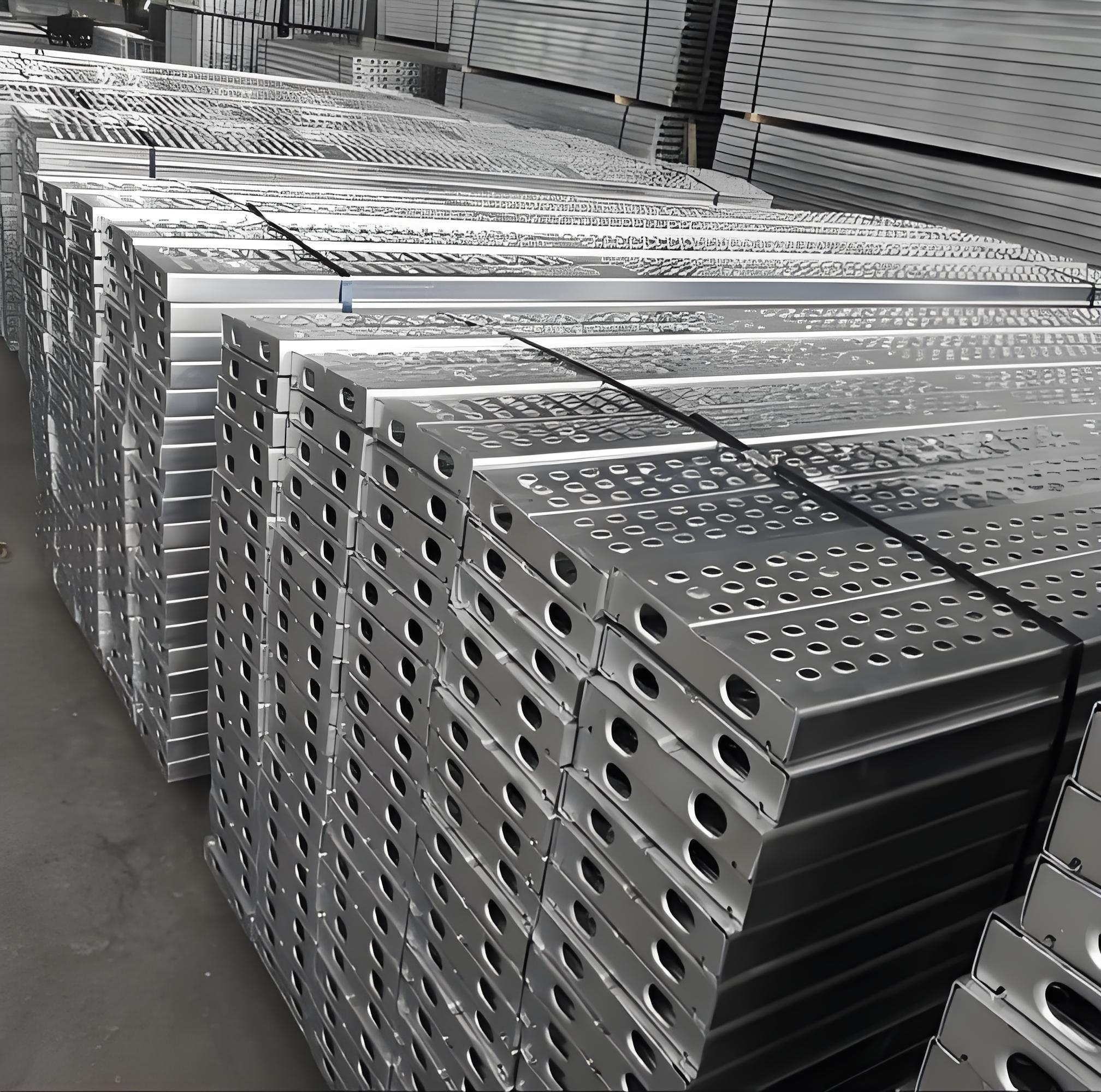
Plain stainless steel grating is a corrosion-resistant open-grid flooring and covering product made from stainless steel bearing bars and cross bars. …
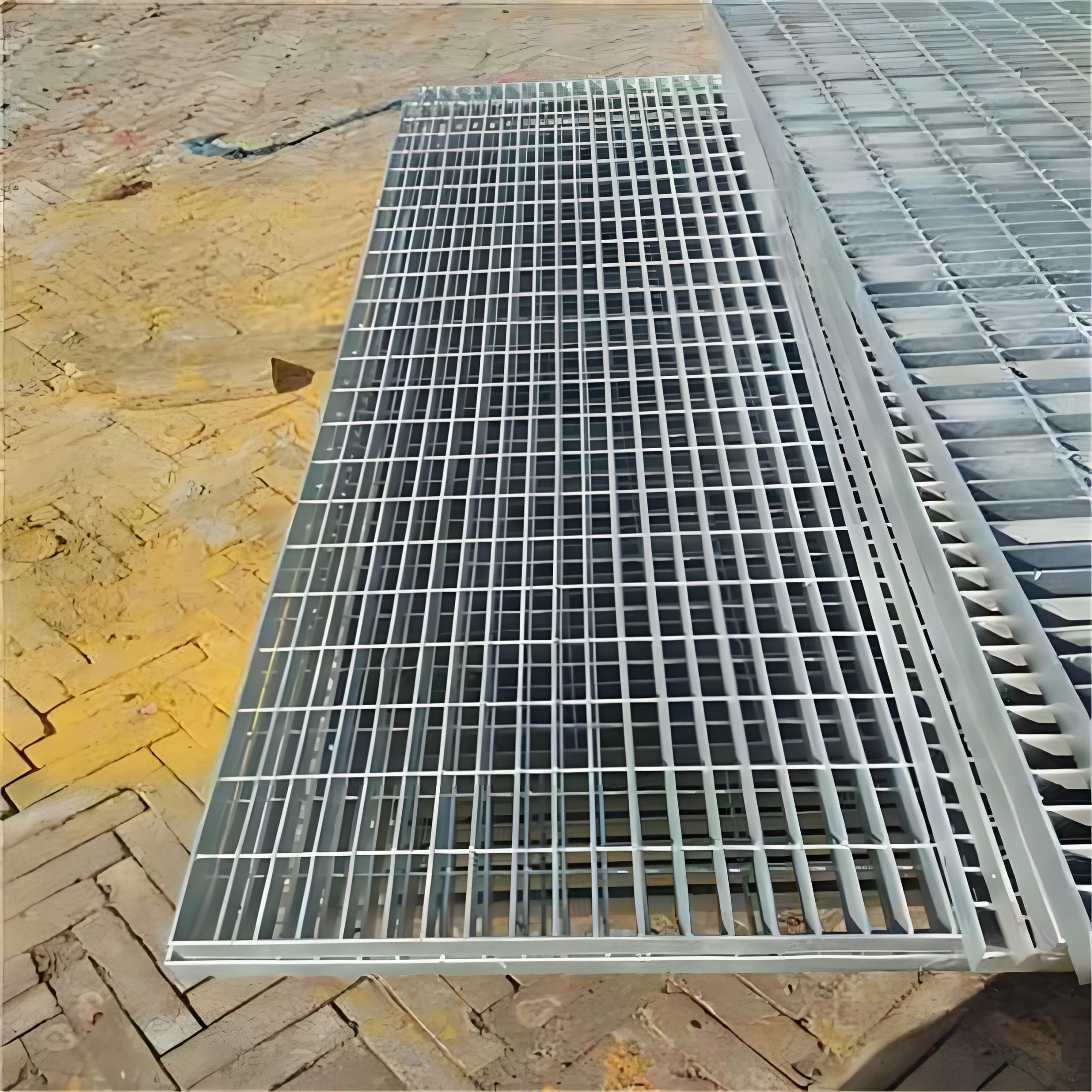
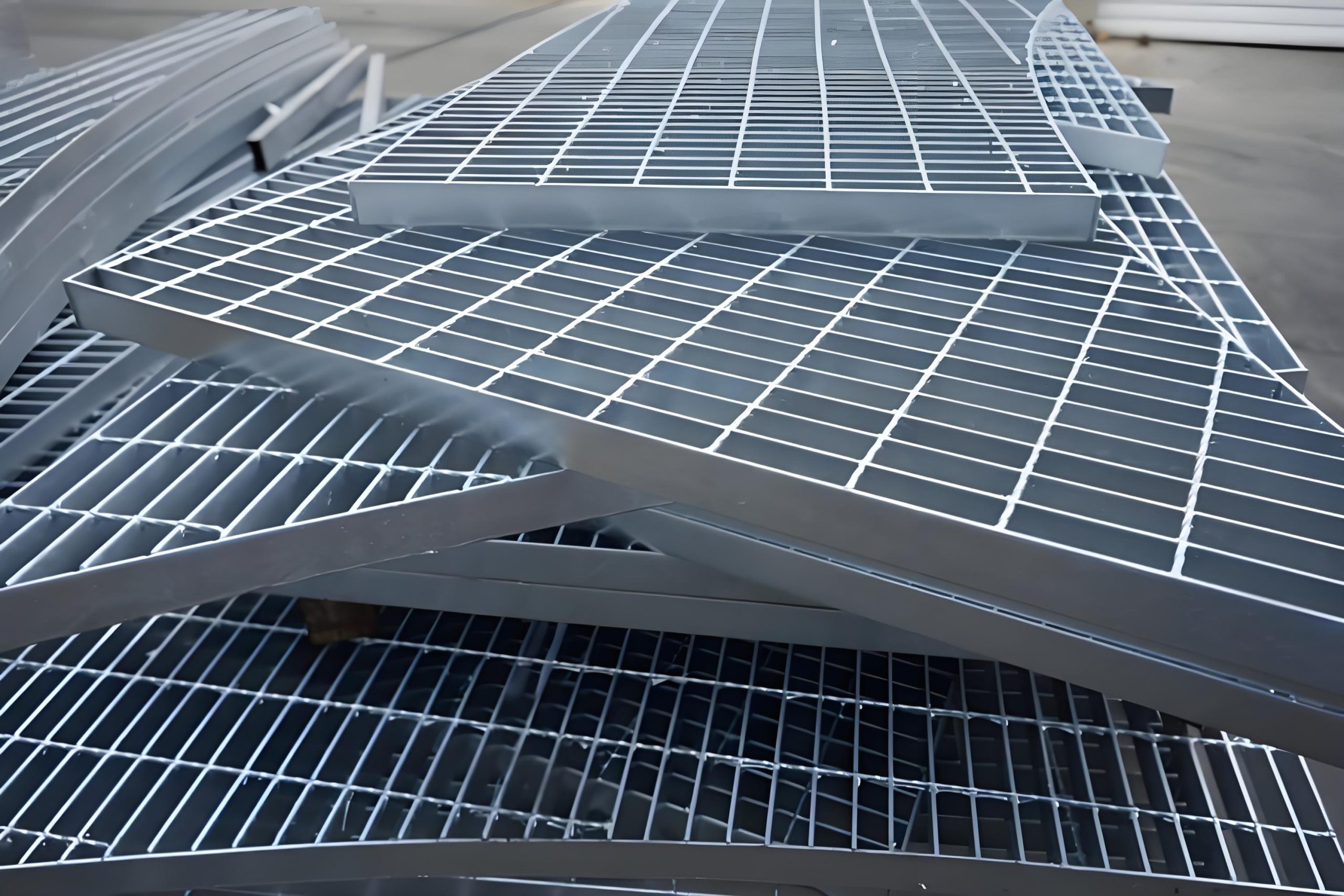
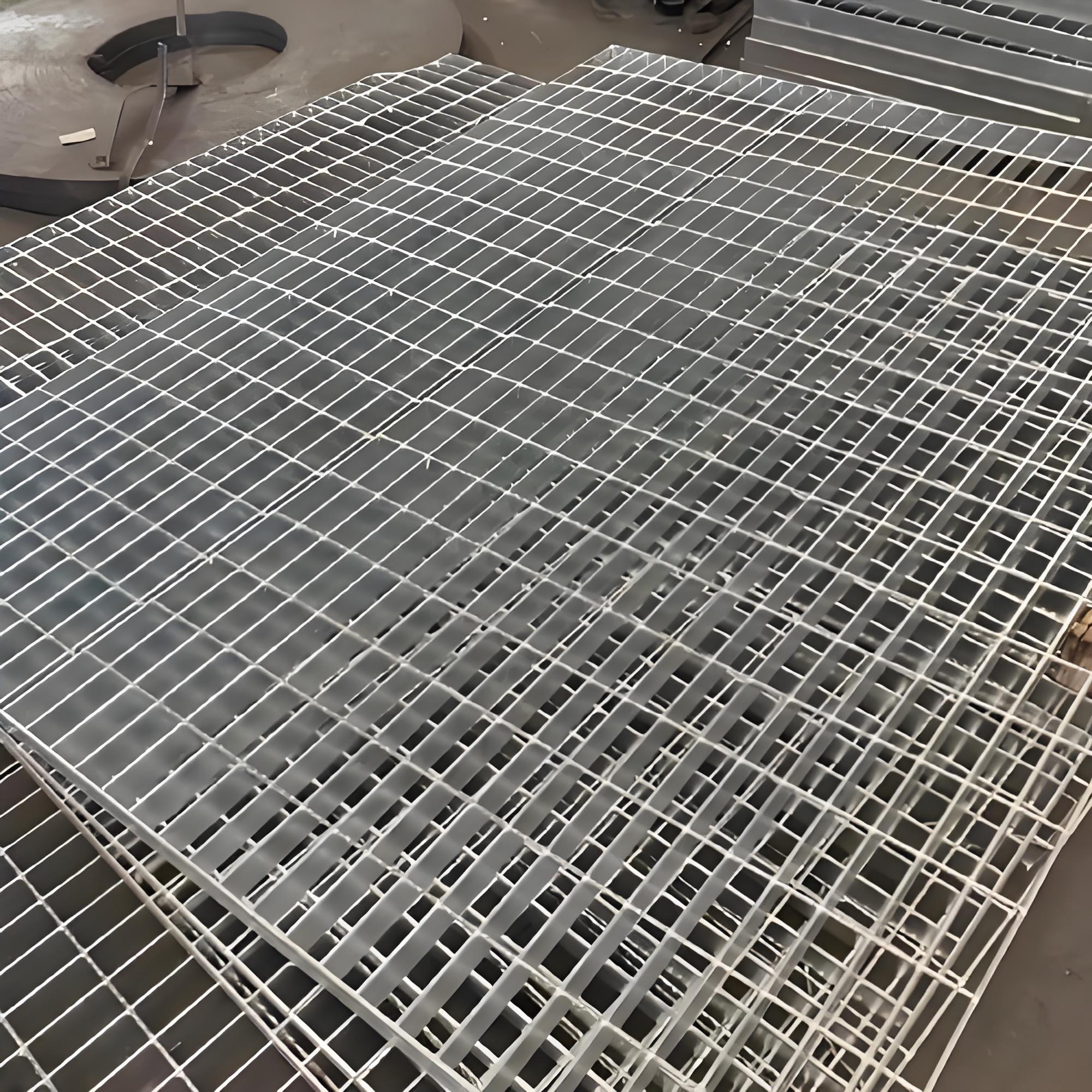
Plain stainless steel grating is a corrosion-resistant open-grid flooring and covering product made from stainless steel bearing bars and cross bars. The word “plain” means the top surface of the bearing bars is smooth and non-serrated, giving the grating a clean appearance, easier cleaning performance, and comfortable walking surface. It is widely used for platforms, walkways, drainage trench covers, mezzanine floors, industrial floors, food processing areas, chemical plants, marine environments, and other places where strength, drainage, ventilation, and corrosion resistance are required. For buyers and project engineers, choosing plain stainless steel grating is not only about selecting a stainless steel material. It also involves bearing bar size, bar spacing, span direction, load capacity, surface finish, installation method, and the actual service environment.
Plain stainless steel grating is a type of metal grating panel produced from stainless steel flat bars, cross bars, or other connecting bars. It has an open mesh structure that allows water, air, light, heat, and small debris to pass through while providing a strong and stable surface for walking, maintenance, drainage, ventilation, or equipment access. Compared with solid plate flooring, stainless steel grating is lighter, easier to drain, easier to ventilate, and more suitable for industrial areas where liquid, dust, vapor, or cleaning water may be present.
The main feature of this product is its smooth bearing bar surface. Unlike serrated stainless steel grating, plain stainless steel grating does not have teeth or notches on the top edge of the bearing bars. This makes it suitable for areas where anti-slip demand is moderate, but hygiene, cleanability, appearance, corrosion resistance, and walking comfort are more important. In many food processing plants, chemical workshops, water treatment facilities, and stainless steel platforms, plain surface grating is often preferred because it does not trap dirt as easily as serrated grating.
Plain stainless steel grating can be supplied in different materials, including 304, 316, 316L, and other stainless steel grades. It can also be manufactured in welded, press locked, or swage locked structures. Each structure has its own advantages. Welded stainless steel grating is strong and commonly used in industrial areas. Press locked stainless steel grating has a neat appearance and accurate spacing. Swage locked stainless steel grating provides a mechanically locked structure with good stability and clean surface appearance.
Plain stainless steel grating means a stainless steel grating panel with smooth, non-serrated bearing bars. The bearing bars are the main load-carrying bars that run in one direction, while the cross bars hold the bearing bars together and maintain the mesh spacing. In plain grating, the upper edge of each bearing bar remains flat and smooth instead of being cut into teeth.
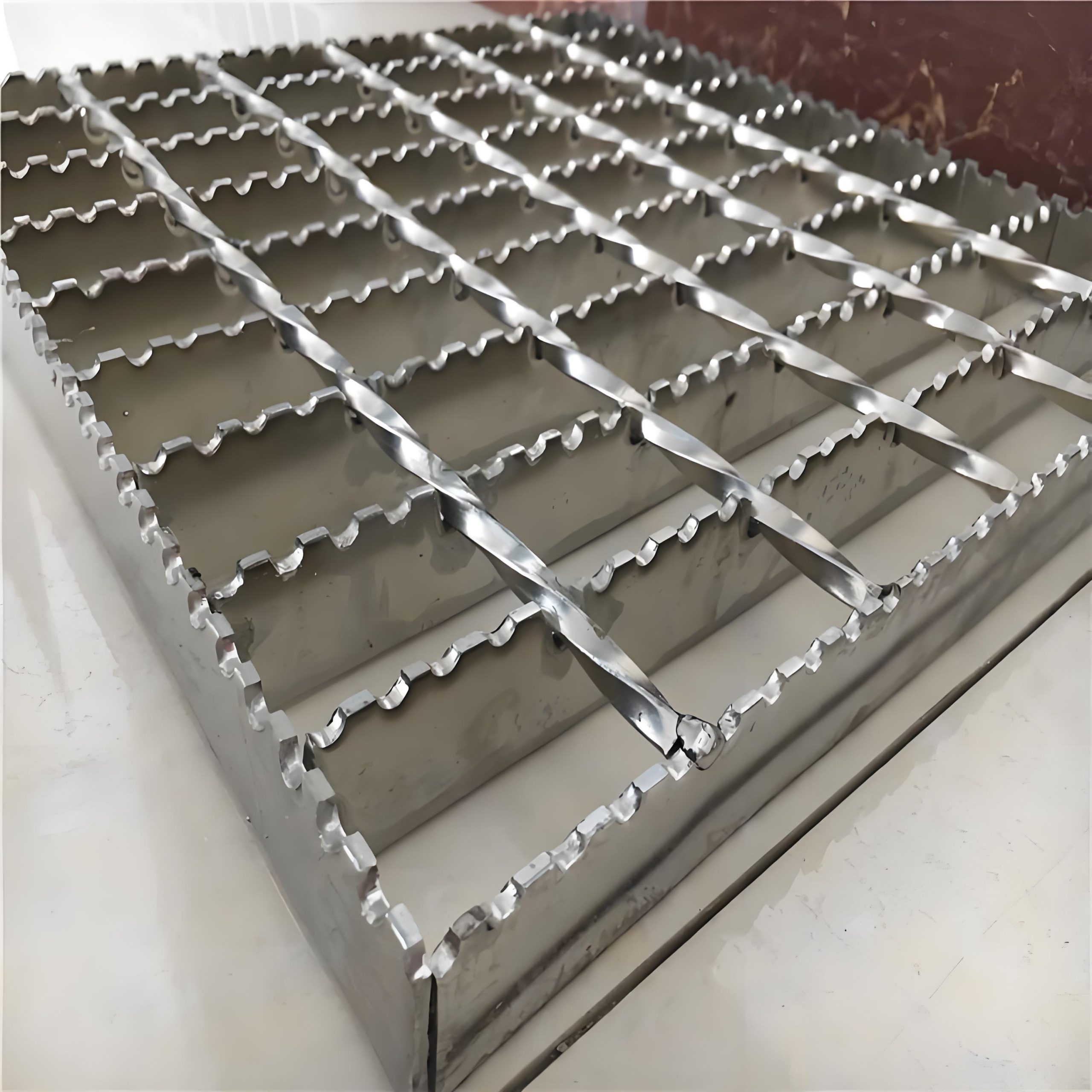
This design is different from serrated grating. Serrated grating is made with notched bearing bars to increase friction underfoot, especially in oily, muddy, wet, or slippery environments. Plain grating, on the other hand, gives a cleaner top surface. It is easier to wash, easier to inspect, and more suitable for areas where hygiene or visual appearance matters.
Plain stainless steel grating does not mean the grating is only for light-duty use. Its load capacity depends on the bearing bar height, bearing bar thickness, bar spacing, panel span, support condition, stainless steel grade, and manufacturing method. A properly designed plain stainless steel grating panel can be used for pedestrian walkways, drainage trench covers, working platforms, mezzanine floors, and even some heavy-duty industrial applications.
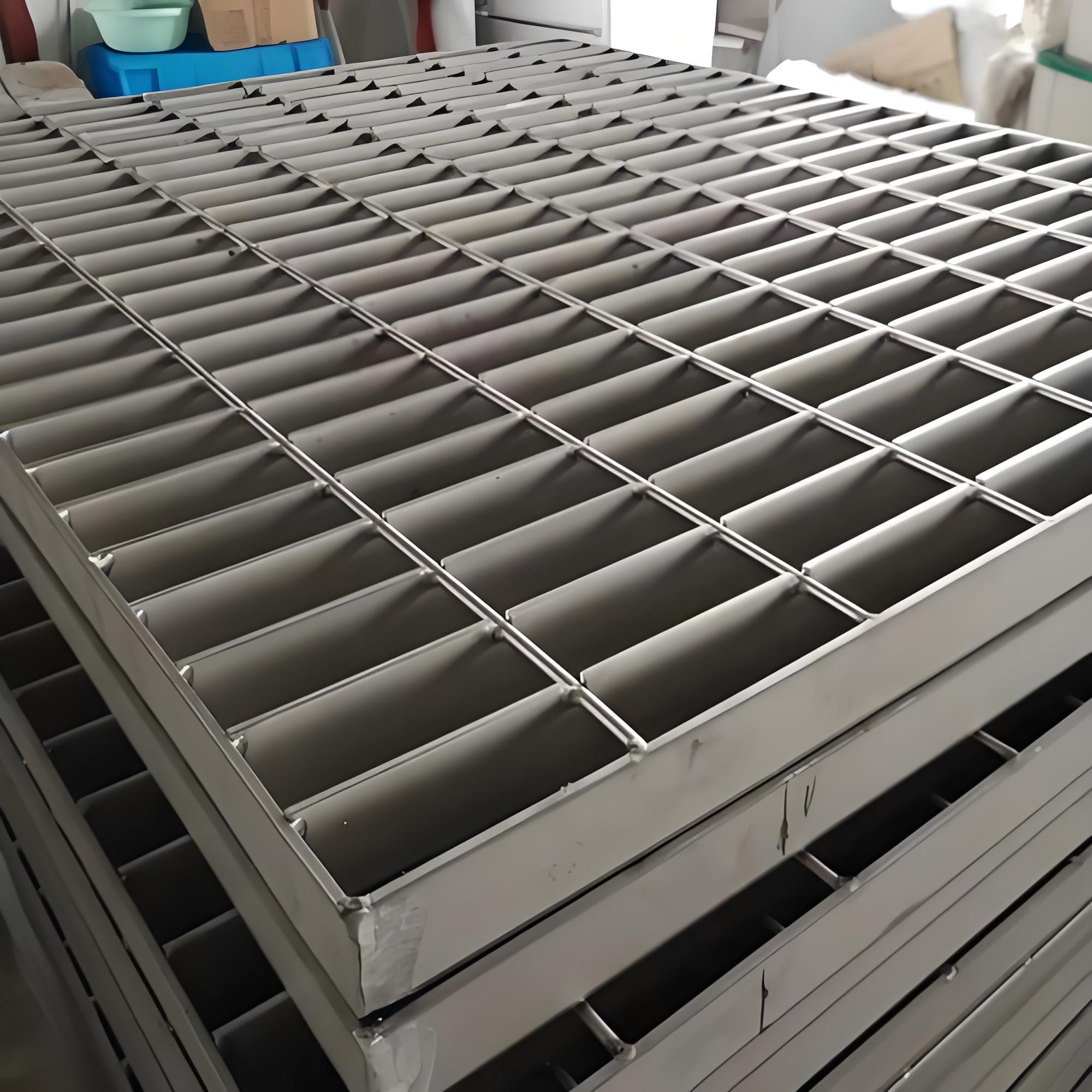
The plain surface design is one of the most important characteristics of this product. The bearing bars have a smooth top edge, which gives the grating a simple, clean, and practical surface. For many industrial users, this is a key reason for choosing plain stainless steel grating instead of serrated stainless steel grating.
The smooth bearing bar surface provides a more comfortable walking experience in normal working conditions. It is suitable for areas where workers walk frequently, where operators need to stand for inspection or maintenance, or where carts and light handling equipment may pass. A smooth surface also reduces the risk of dirt and residue collecting in the top edge of the bearing bars.
Although the top surface is smooth, the grating still has an open grid structure. This open design allows water and liquids to drain quickly. It also allows air circulation and light transmission. In wet processing areas, open mesh stainless steel grating can help reduce standing water and improve floor cleanliness.
The main advantage of non-serrated bars is easier cleaning. Serrated teeth can improve grip, but they can also hold dust, grease, food residue, chemical deposits, or other contaminants. In food processing, beverage production, pharmaceutical, drainage, and clean industrial areas, a plain surface is often easier to maintain.
Material selection has a direct effect on corrosion resistance, service life, price, welding performance, and long-term maintenance. Stainless steel grating is not one fixed material. Different stainless steel grades perform differently in different environments. The most common materials for plain stainless steel grating are 304, 316, and 316L.
| Stainless Steel Grade | Main Features | Common Use |
| 304 Stainless Steel | Good general corrosion resistance, widely available, suitable for many indoor and mild outdoor applications. | General platforms, walkways, drainage covers, workshops, warehouses, and light industrial floors. |
| 316 Stainless Steel | Better resistance to chloride and chemical corrosion than 304 due to molybdenum content. | Marine areas, coastal projects, chemical plants, wastewater treatment, food processing, and humid environments. |
| 316L Stainless Steel | Low-carbon version of 316, better for welded fabrication and corrosion-sensitive applications. | Welded stainless steel grating, chemical processing areas, hygienic facilities, and harsh wet environments. |
| 201 Stainless Steel | Lower nickel content and lower cost, but weaker corrosion resistance than 304 and 316. | Dry indoor areas, decorative use, and cost-sensitive light-duty projects with limited corrosion exposure. |
| Special Stainless Grades | Selected according to special corrosion, temperature, hygiene, or project requirements. | Offshore platforms, special chemical plants, high-end architectural projects, and customized engineering use. |
For general indoor use, 304 stainless steel is usually a practical choice. For wet, coastal, marine, chemical, or food processing environments, 316 or 316L stainless steel is often recommended. If the grating requires welding, edge banding, framing, or complex fabrication, 316L can be a better option in corrosive environments because its low carbon content helps reduce corrosion risk near welded areas.
The main difference between plain stainless steel grating and serrated stainless steel grating is the top surface of the bearing bar. Plain grating has smooth bearing bars, while serrated grating has toothed or notched bearing bars. The two products can look similar from a distance, but their use conditions are different.
| Item | Plain Stainless Steel Grating | Serrated Stainless Steel Grating |
| Surface Type | Smooth and non-serrated bearing bar surface. | Toothed or notched bearing bar surface. |
| Slip Resistance | Suitable for normal dry or controlled wet areas. | Better for oily, muddy, rainy, or slippery areas. |
| Cleaning | Easier to clean because there are no serration gaps on the top edge. | More difficult to clean because dirt may stay inside serrations. |
| Appearance | Cleaner, simpler, and more uniform appearance. | More industrial and aggressive surface appearance. |
| Walking Comfort | More comfortable for frequent walking and standing. | Better grip, but less smooth underfoot. |
| Typical Applications | Food plants, drainage covers, clean platforms, walkways, mezzanines, and architectural floors. | Outdoor stairs, oily platforms, wet industrial floors, and high-slip-risk work areas. |
Plain stainless steel grating is the better choice when easy cleaning, corrosion resistance, visual appearance, and normal walking comfort are the main requirements. Serrated stainless steel grating is the better choice when the working area is often exposed to oil, mud, rainwater, or other slippery substances. For this reason, the final selection should be based on the actual site condition rather than only the product name.
Plain stainless steel grating can be manufactured in different structures. The three common types are welded stainless steel grating, press locked stainless steel grating, and swage locked stainless steel grating. These structures all use stainless steel bars, but the connection method and final appearance are different.
Welded plain stainless steel grating is made by welding the cross bars to the bearing bars. This type has strong connection strength and is widely used for industrial platforms, walkways, drainage trench covers, maintenance floors, and stair treads. It is a practical choice for many industrial projects because of its stable structure and reliable load-bearing performance.
Press locked plain stainless steel grating is manufactured by pressing cross bars into pre-slotted bearing bars. The result is a neat and uniform grid structure. Press locked grating is often used where appearance, tight spacing, and clean lines are important. It is suitable for architectural flooring, public access areas, stainless steel drainage grilles, and decorative industrial platforms.
Swage locked plain stainless steel grating is produced by mechanically locking the cross bars into the bearing bars through pressure. This structure offers good stability and a clean stainless steel appearance. It can be used in walkways, platforms, marine access areas, and custom grating projects where welded marks should be reduced.
| Grating Type | Connection Method | Main Advantage | Common Application |
| Welded Stainless Steel Grating | Cross bars are welded to bearing bars. | Strong and practical for industrial use. | Platforms, walkways, drainage covers, and industrial floors. |
| Press Locked Stainless Steel Grating | Cross bars are pressed into slotted bearing bars. | Clean appearance and accurate spacing. | Architectural floors, public walkways, and decorative grating. |
| Swage Locked Stainless Steel Grating | Cross bars are mechanically locked by pressure. | Stable structure with neat surface appearance. | Marine platforms, walkways, and custom stainless grating panels. |
Plain stainless steel grating can be produced with different bar spacing, mesh sizes, and panel dimensions. These details affect load capacity, walking comfort, drainage performance, open area, weight, and cost. For a correct quotation or technical selection, the buyer should confirm bearing bar size, bearing bar spacing, cross bar spacing, panel length, panel width, and span direction.
| Design Item | Common Options | Selection Notes |
| Bearing Bar Spacing | 19 mm, 25 mm, 30 mm, 32 mm, 40 mm, or customized spacing. | Closer spacing improves walking comfort and safety, but increases material quantity. |
| Cross Bar Spacing | 50 mm, 76 mm, 100 mm, or customized spacing. | Affects panel stability, appearance, and open area. |
| Bearing Bar Height | Selected according to load and span. | Higher bearing bars usually provide stronger load capacity. |
| Bearing Bar Thickness | Selected according to strength, impact, and service requirement. | Thicker bars increase strength, weight, and cost. |
| Panel Dimension | Standard panels or customized sizes. | Panel size should match support frame, installation area, and transport limits. |
For pedestrian walkways, smaller openings may be required for walking comfort and safety. For drainage trench covers, the opening should allow water flow while preventing unsafe gaps. For industrial floors, the bearing bar size should be calculated according to span and load. For food processing or clean areas, the mesh should also allow easy washing and reduce residue accumulation.
The bearing bar is the most important load-carrying part of plain stainless steel grating. It usually runs in one direction and transfers the load to the support structure. The cross bars mainly hold the bearing bars in position and maintain the grating mesh. When selecting plain stainless steel grating, the bearing bar size and span direction must be confirmed clearly.
Bearing bar height has a large influence on load capacity. A deeper bearing bar can usually support a longer span or heavier load. For light pedestrian use, a smaller bearing bar may be enough. For industrial platforms, equipment access, maintenance floors, or trench covers exposed to wheel loads, a larger bearing bar may be required.
Bearing bar thickness affects strength, rigidity, impact resistance, and long-term durability. Thicker bearing bars improve load performance but also increase the weight and cost of the grating. The correct thickness should be selected according to the required load, support distance, and working environment.
Span direction is critical. The bearing bars must span between the supports. If the grating panel is installed in the wrong direction, the load capacity will be reduced and the panel may deflect too much. For this reason, drawings should clearly show bearing bar direction, support position, panel size, and installation location.
Load capacity depends on bearing bar size, bearing bar spacing, clear span, support condition, stainless steel grade, and safety requirements. A walkway used only by workers does not need the same design as a heavy-duty platform carrying equipment or concentrated wheel loads. If the grating will support carts, tools, machines, or vehicles, the load information should be provided before production.
| Selection Factor | Why It Matters |
| Clear Span | Longer spans require stronger bearing bars to control deflection. |
| Load Type | Pedestrian load, equipment load, and wheel load require different designs. |
| Bearing Bar Direction | Correct direction ensures the main load is transferred to the support structure. |
| Support Width | Adequate support prevents unstable seating and edge failure. |
| Panel Size | Large panels may need stronger framing or more fixing points. |
Corrosion resistance is one of the main reasons buyers choose plain stainless steel grating. In many industrial areas, floor panels are exposed to moisture, cleaning water, salt spray, chemical vapor, wastewater, food residue, or outdoor weather. Stainless steel grating can provide better long-term performance than painted carbon steel or galvanized steel in many corrosive environments.
Plain stainless steel grating is suitable for wet and humid environments because stainless steel resists rust better than ordinary carbon steel. It is commonly used around pumps, tanks, washing areas, drainage channels, water treatment facilities, and outdoor platforms. The open mesh structure helps water drain away quickly, reducing the chance of standing water on the floor.
In chemical plants, the correct stainless steel grade is very important. 304 stainless steel may be enough for mild environments, but 316 or 316L is often a safer choice when chlorides, acids, cleaning chemicals, or chemical vapors are present. The grating should also be designed to avoid liquid accumulation in corners or closed areas.
Marine and coastal areas contain salt, which can be aggressive to many metals. For these environments, 316 or 316L plain stainless steel grating is usually more suitable than 304 stainless steel grating. Surface cleaning, welding quality, pickling, and passivation can also affect the long-term corrosion resistance of the finished grating.
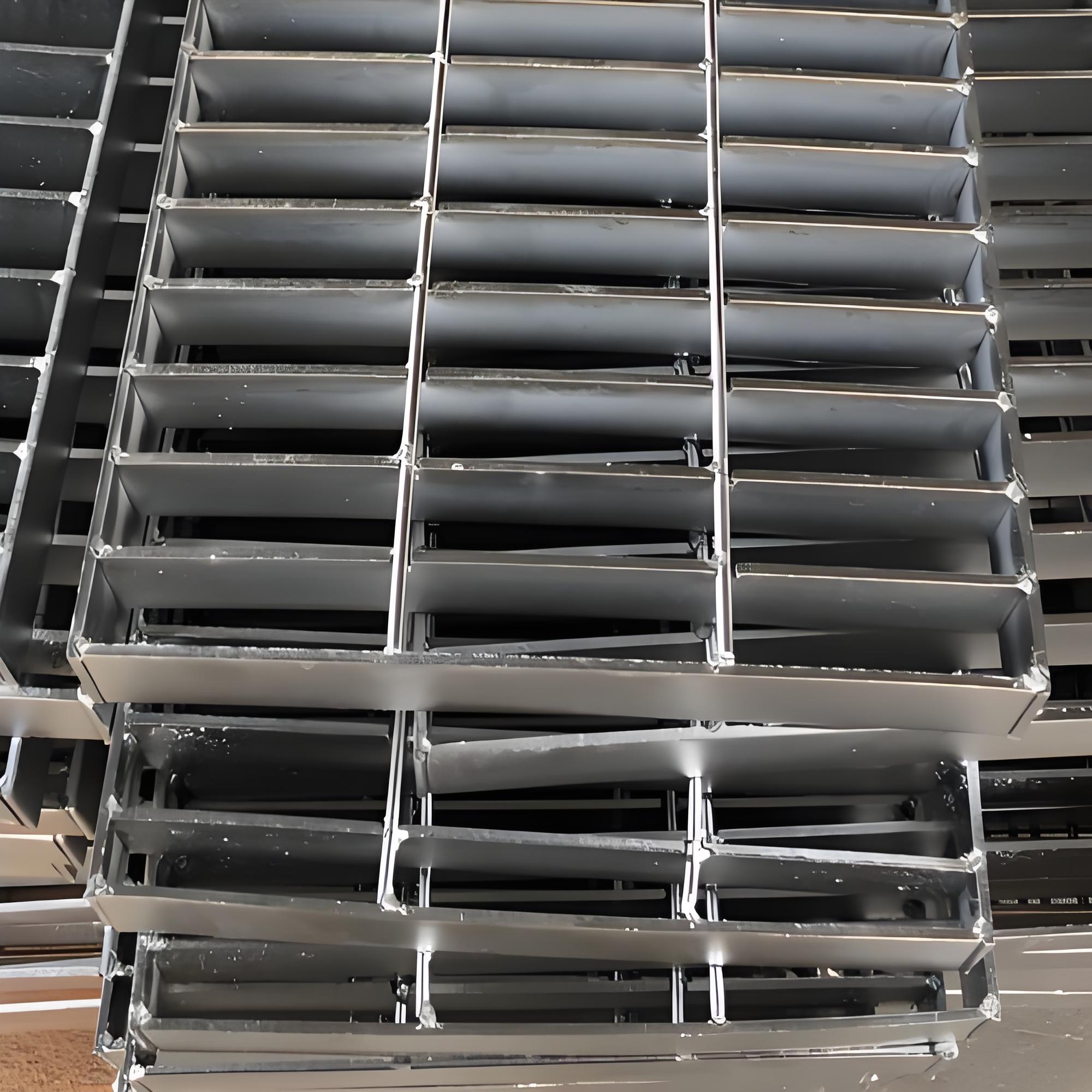
Plain stainless steel grating is widely used in food processing plants because it is easy to clean and has good corrosion resistance. The smooth bearing bar surface does not hold residue as easily as serrated bars. For food and beverage production areas, buyers often consider 304, 316, or 316L stainless steel, depending on cleaning chemicals, salt content, humidity, and hygiene requirements.
Surface finish affects appearance, corrosion resistance, cleaning performance, and final cost. Plain stainless steel grating can be supplied with different finishes according to project requirements. The most common options include mill finish, pickled finish, polished finish, and passivated finish.
| Surface Finish | Description | Recommended Use |
| Mill Finish | Standard stainless steel surface after material production and fabrication. | General industrial platforms, walkways, and drainage covers. |
| Pickled Finish | Chemically cleaned surface used to remove welding scale, heat tint, and surface contamination. | Welded stainless steel grating, wet environments, and chemical areas. |
| Passivated Finish | Surface treatment that helps improve the protective chromium oxide layer. | Food processing, pharmaceutical, marine, and corrosion-sensitive projects. |
| Polished Finish | Smoother and brighter surface for improved appearance and cleanability. | Architectural floors, visible walkways, clean areas, and decorative applications. |
For ordinary industrial use, mill finish is often acceptable. For welded stainless steel grating used in wet or corrosive environments, pickling or passivation is often recommended. For architectural and public areas, polished surfaces may be selected for a cleaner appearance. For food processing or pharmaceutical areas, surface smoothness and cleanability may be as important as load capacity.
Plain stainless steel grating is used in many industrial, commercial, and architectural applications. Its combination of strength, open area, corrosion resistance, and clean surface makes it suitable for both functional and visible areas.
Plain stainless steel grating is commonly used for equipment platforms, service platforms, tank platforms, pipe rack access, and inspection floors. It allows workers to walk safely while allowing air, light, water, and debris to pass through the floor.
For industrial walkways, plain stainless steel grating provides a strong and corrosion-resistant walking surface. It is suitable for controlled indoor areas, outdoor access routes, processing areas, and maintenance walkways where a smooth surface is preferred.
Drainage trench covers made from plain stainless steel grating are widely used in food factories, beverage plants, commercial kitchens, chemical workshops, wastewater treatment areas, and washdown zones. The open mesh allows water to flow into the trench while the stainless steel structure resists rust and corrosion.
Plain stainless steel grating can be used for mezzanine floors where ventilation, light transmission, drainage, and corrosion resistance are needed. Compared with solid plates, grating reduces weight and allows better air movement between different levels.
In industrial flooring applications, plain stainless steel grating can be used around machines, tanks, production lines, maintenance areas, and service corridors. Before use, the load capacity, bar spacing, bearing bar direction, and fixing method should be confirmed.
| Application Area | Reason for Using Plain Stainless Steel Grating |
| Food Processing Plants | Easy cleaning, corrosion resistance, drainage performance, and smooth surface. |
| Chemical Plants | Resistance to moisture, chemical vapor, and corrosive working conditions. |
| Marine Facilities | Good corrosion resistance when 316 or 316L stainless steel is selected. |
| Drainage Channels | Open mesh allows water flow and easy cleaning. |
| Industrial Platforms | Strong load-bearing surface with ventilation and light transmission. |
| Architectural Areas | Clean appearance, stainless steel finish, and custom design options. |
Plain stainless steel grating is often customized according to project drawings. Standard panels may not fit every floor opening, platform frame, trench, machine base, or building structure. Custom fabrication helps improve installation accuracy and reduce site cutting work.
Panels can be cut to required length and width. Cutouts can also be made for pipes, columns, drains, machine bases, or special openings. Accurate cutting is especially important for stainless steel grating because poor site cutting may damage the surface and reduce appearance quality.
Edge banding is often added around the grating panel. It closes the open ends of bearing bars, improves safety, strengthens the panel edge, and gives the product a cleaner appearance. Drainage covers, removable panels, and visible stainless steel grating often use edge banding.
Frames can be supplied for trench covers, floor openings, and removable panels. Stainless steel angle frames or flat bar frames are commonly used. The frame must match the grating panel size, support condition, and expected load.
Plain stainless steel grating can be fabricated into irregular shapes, round shapes, curved edges, sector shapes, or panels with multiple cutouts. For special shapes, detailed drawings are necessary. The drawing should show outside dimensions, cutout dimensions, bearing bar direction, banding requirement, and installation position.
Correct installation is essential for plain stainless steel grating. Even if the grating panel is well manufactured, poor installation may cause movement, vibration, noise, uneven walking surfaces, or reduced load capacity. The installation method should be selected according to whether the panel needs to be fixed permanently or removed regularly.
The bearing bars should be supported at both ends. The support surface must be flat, strong, and wide enough. For trench covers, the frame should allow the panel to sit evenly without rocking. For platforms, the support steel should match the bearing bar direction and design load.
Grating clips are commonly used when panels need to be removable. Stainless steel clips are recommended for stainless steel grating to avoid material mismatch and corrosion problems. The number and position of clips should be selected according to panel size, traffic condition, and vibration level.
Some stainless steel grating panels can be welded to the support structure. Welding provides a strong fixing method, but the welded area should be cleaned properly after installation. Heat tint, weld scale, and surface contamination may affect corrosion resistance if not treated.
Before installation, the site should check bearing bar direction, panel size, support width, fixing method, opening size, and edge condition. If the area is exposed to oil, mud, or heavy rain, plain grating may not provide enough slip resistance, and serrated grating may be more suitable.
| Installation Item | What to Check |
| Bearing Bar Direction | Make sure the bearing bars span between supports. |
| Panel Seating | Check that the panel sits flat and does not rock. |
| Fixing Clips | Use suitable clips and enough fixing points. |
| Support Width | Confirm enough support at the ends of bearing bars. |
| Surface Condition | Remove sharp edges, oil, welding marks, and contamination. |
Quality control is important because plain stainless steel grating is often used in environments where corrosion resistance, safety, and long service life are required. A good grating panel should have accurate dimensions, correct material grade, stable mesh spacing, clean welding, good flatness, smooth edges, and proper surface finish.
The stainless steel material should be checked before production. If the project requires 304, 316, or 316L stainless steel, the grade should match the order and project specification. For marine, food processing, or chemical applications, material traceability is especially important.
Panel length, width, bearing bar size, bearing bar spacing, cross bar spacing, cutout size, and banding dimensions should be inspected according to the drawing. Accurate dimensions help reduce installation problems and improve the final appearance.
For welded plain stainless steel grating, welding quality should be checked carefully. The welds should be firm, clean, and properly positioned. Poor welding may reduce load performance and create corrosion points. For corrosive environments, weld cleaning, pickling, or passivation may be needed.
Flatness affects installation and walking comfort. A panel with serious warping may not sit well on the support frame. Stainless steel grating can deform during welding or fabrication, so flatness control is an important part of production inspection.
The stainless steel surface should be inspected for scratches, carbon steel contamination, rust-like stains, welding discoloration, sharp edges, and oil. Stainless steel can still develop surface problems if it is contaminated during production, storage, or transportation. Proper handling and cleaning help maintain corrosion resistance and appearance.
| Quality Control Item | Inspection Purpose |
| Material Grade | Confirm the stainless steel grade matches the order. |
| Bar Size | Ensure bearing bar height and thickness meet load requirements. |
| Mesh Spacing | Check safety, drainage, and drawing accuracy. |
| Welding Quality | Confirm connection strength and surface cleanliness. |
| Flatness | Prevent rocking, poor installation, and uneven walking surfaces. |
| Surface Finish | Improve corrosion resistance, cleanability, and appearance. |
Choosing plain stainless steel grating requires a clear understanding of the working environment and structural requirements. Buyers should not select only by panel size or material price. The correct product depends on material grade, bar spacing, bearing bar size, span direction, load capacity, finish, fabrication details, and installation method.
For dry indoor walkways, 304 plain stainless steel grating is often practical and cost-effective. For outdoor, coastal, wet, chemical, or washdown areas, 316 or 316L stainless steel grating is usually a safer choice. For food processing plants, plain surface grating is often preferred because it is easier to clean than serrated grating. For areas with high slip risk, serrated grating should be considered instead.
| Project Condition | Recommended Selection Direction |
| General indoor platform | 304 plain stainless steel grating with suitable bearing bar size. |
| Wet drainage area | 304 or 316 stainless steel grating with open mesh and easy cleaning design. |
| Marine or coastal project | 316 or 316L stainless steel grating with proper surface treatment. |
| Food processing plant | Plain surface, easy cleaning, passivated finish, and suitable drainage spacing. |
| Chemical plant | 316 or 316L stainless steel, depending on chemical exposure. |
| Heavy-duty platform | Confirm bearing bar height, thickness, span, and concentrated load. |
Before ordering, it is helpful to prepare the required panel size, stainless steel grade, bearing bar direction, support span, load requirement, surface finish, edge banding requirement, cutout drawing, and installation method. These details allow the grating to be manufactured more accurately and reduce the risk of installation problems.
Is plain stainless steel grating slippery?
Plain stainless steel grating is suitable for normal dry or controlled wet areas, but it is not as slip-resistant as serrated stainless steel grating. If the working area is often exposed to oil, mud, rainwater, or slippery residue, serrated grating or additional anti-slip treatment may be a better choice.
What is the best stainless steel grade for grating?
The best grade depends on the environment. 304 stainless steel is suitable for many general indoor and mild outdoor applications. 316 stainless steel is better for coastal, marine, chemical, and wet environments. 316L is often selected for welded stainless steel grating used in corrosion-sensitive areas.
Can plain stainless steel grating be cut to size?
Yes, plain stainless steel grating can be cut to size and fabricated according to project drawings. It can be supplied with edge banding, frames, pipe cutouts, special shapes, and customized panel dimensions. For accurate production, the drawing should show panel size, bearing bar direction, cutout position, support location, and load requirement.
Please Feel free to give your inquiry in the form below.we will reply you in 24 hours.