
Home > Products > Steel Grating > Press Locked Grating
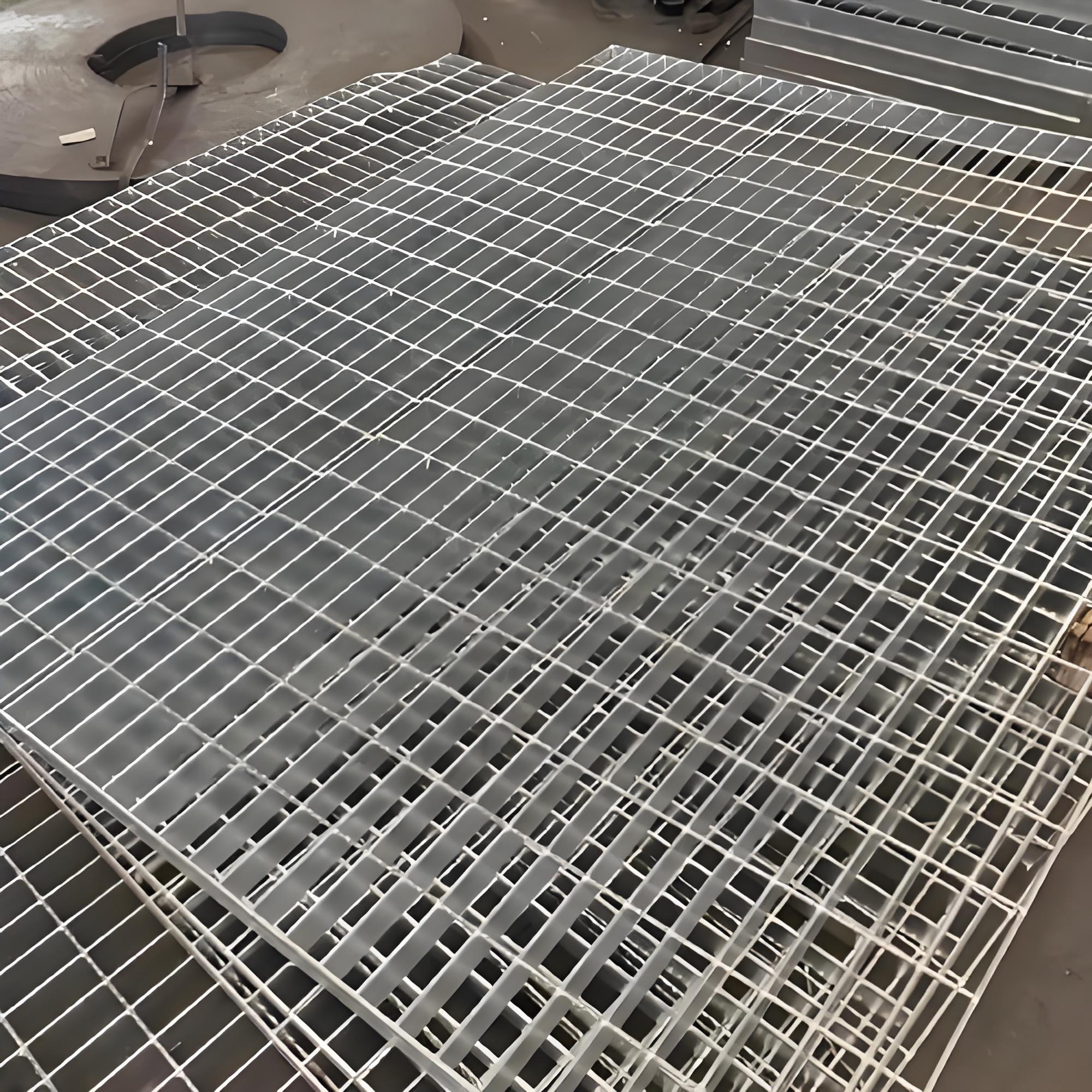
Press locked grating is a type of steel grating or metal grating manufactured by pressing cross bars into pre-slotted bearing bars under high pressure…
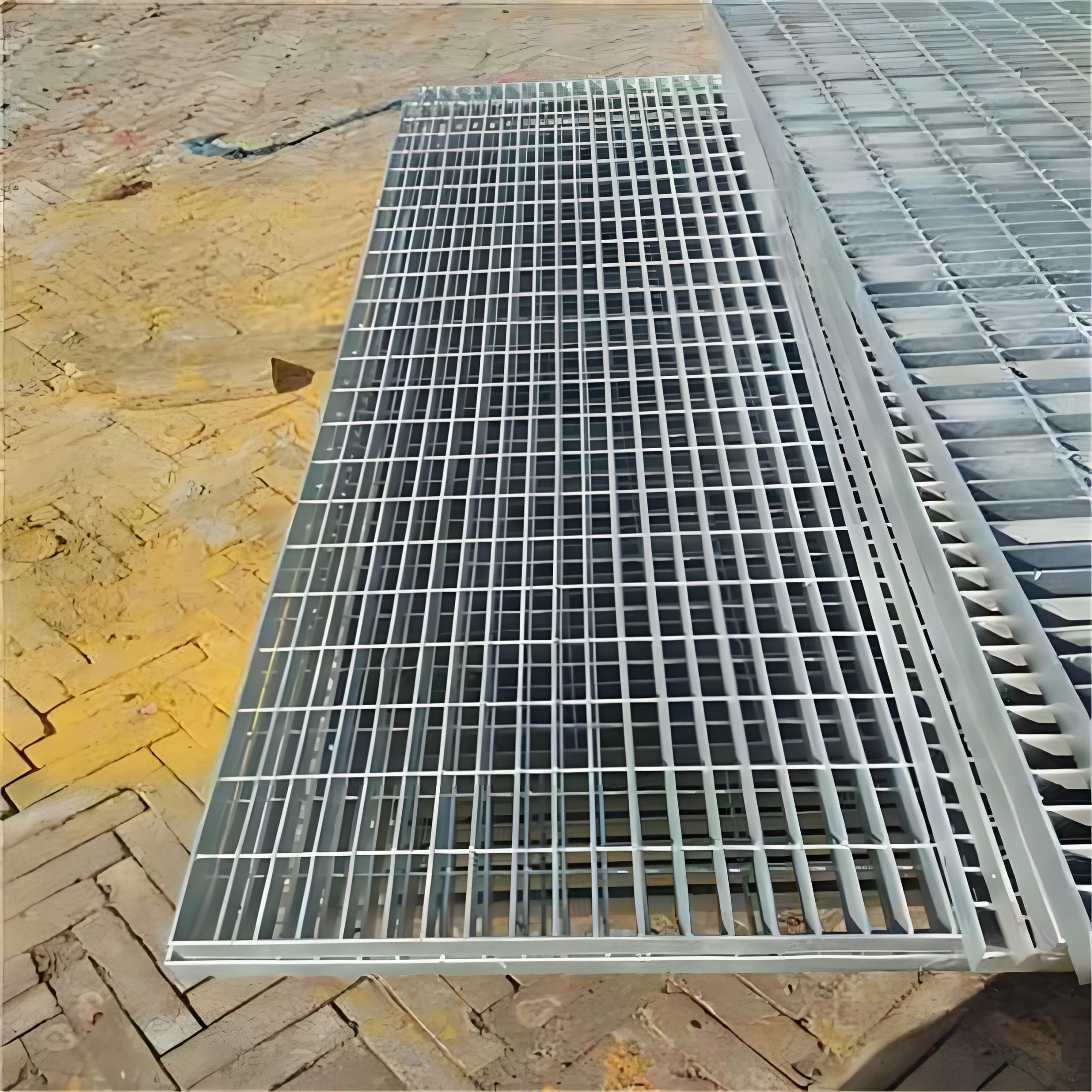
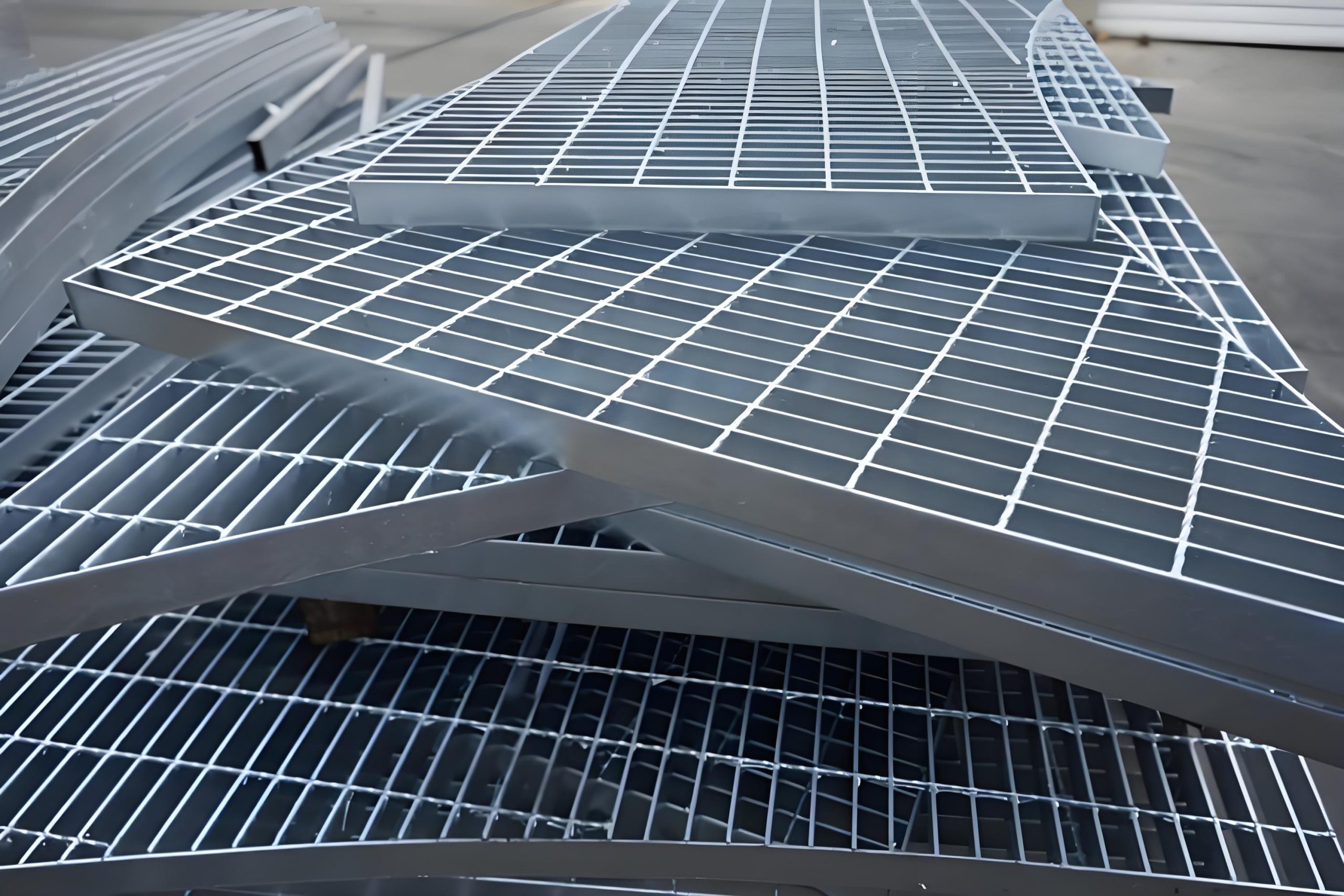
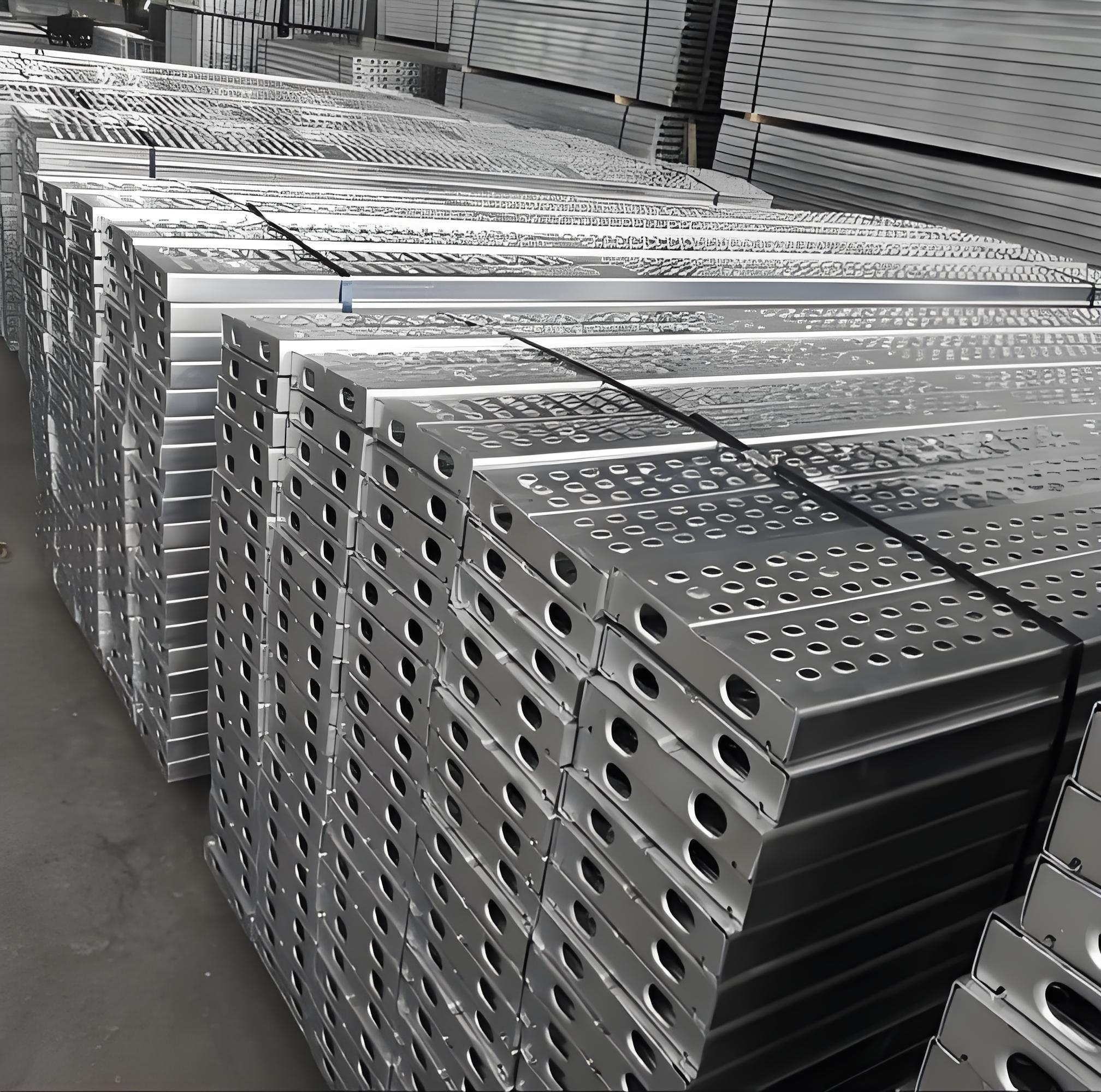
Press locked grating is a type of steel grating or metal grating manufactured by pressing cross bars into pre-slotted bearing bars under high pressure, creating a clean, rigid, and accurately aligned grating panel without the typical welded intersection appearance. It is widely used for walkways, platforms, stair treads, drainage covers, trench covers, facades, sunscreens, ventilation panels, security screens, and architectural flooring systems. Compared with standard welded steel grating, press locked grating offers a neater visual appearance, tighter bar alignment, flexible mesh design, and strong suitability for architectural and industrial projects where both function and appearance matter. To select the right press locked grating, buyers should consider material, bar spacing, bearing bar size, span direction, load capacity, surface finish, corrosion environment, panel dimensions, fabrication details, and installation method.
Press locked grating is made by mechanically locking bearing bars and cross bars together through pressure rather than welding every intersection. The bearing bars are usually slotted or notched first, and the cross bars are then pressed into the slots to form a tight interlocked structure. This manufacturing method gives the grating a clean grid appearance and accurate spacing, making it suitable for projects where appearance, dimensional control, and structural function are all important.
In industrial projects, press locked grating can be used as flooring, walkways, platforms, drainage covers, trench covers, stair treads, equipment access panels, and maintenance floors. In architectural projects, it is also used for facades, sunshades, ceiling panels, decorative screens, ventilation panels, balcony floors, and modern building envelopes. Because the cross bars can be aligned neatly and the surface can be made visually uniform, press locked grating is often preferred in projects where ordinary welded grating looks too industrial.
The product can be manufactured from carbon steel, hot-dip galvanized steel, stainless steel, aluminum, or other project-specific metal materials. Surface treatment may include hot-dip galvanizing, painting, powder coating, anodizing for aluminum, pickling and passivation for stainless steel, or untreated black steel for temporary or indoor applications. The final choice depends on the project’s load requirement, corrosion exposure, appearance requirement, and budget.
| Product Name | Press Locked Grating |
| Manufacturing Method | Cross bars are pressed into slotted bearing bars under pressure |
| Main Structure | Bearing bars and cross bars mechanically locked together |
| Common Materials | Carbon steel, galvanized steel, stainless steel, aluminum |
| Surface Options | Smooth, serrated, galvanized, painted, powder coated, untreated, stainless finished |
| Main Applications | Walkways, platforms, facades, drainage covers, trench covers, stair treads, architectural screens |
| Main Advantages | Clean appearance, accurate spacing, flexible mesh design, good rigidity, strong architectural suitability |
Press locked grating refers to a grating manufacturing method in which the cross bars are mechanically pressed into bearing bars. The bearing bars normally carry the main load, while the cross bars hold the bearing bars in position and create the grid pattern. Unlike welded steel grating, press locked grating does not rely on welded joints at every cross point. Instead, the bars are locked together by pressure and tight mechanical engagement.
The term “press locked” describes the way the bars are assembled. The bearing bars are prepared with slots or openings. The cross bars are then placed into these slots and pressed down using strong mechanical pressure. This creates a tight connection between the bearing bars and cross bars. The result is a grating panel with a flat, regular, and visually clean surface.
In welded grating, cross bars are welded to bearing bars. The welded points are visible and the product has a more conventional industrial appearance. In press locked grating, the bars are mechanically inserted and locked, giving a cleaner intersection. This makes press locked grating more suitable for decorative, architectural, public access, and visible industrial areas.
Press locked grating is not only a decorative product. It can also be designed for load-bearing applications when the bearing bar size, material, span, and support conditions are correctly selected. It is used in industrial flooring and access systems, but its neat grid structure also makes it suitable for facades, sunshades, screens, and other building design elements.
When buyers request press locked grating, the product name alone is not enough. A complete specification should include material, bearing bar size, cross bar size, bar spacing, panel size, surface finish, load requirement, span direction, fabrication details, and quantity. Without these details, suppliers can only provide a rough quotation.
| Term | Meaning | Why It Matters |
| Press locked | Cross bars are pressed into bearing bars | Creates a tight mechanical connection and clean grid appearance |
| Bearing bar | Main load-carrying bar | Determines load capacity and span performance |
| Cross bar | Bar pressed across bearing bars | Controls spacing, stability, and visual grid pattern |
| Mesh size | Opening created by bar spacing | Affects appearance, drainage, ventilation, safety, and cost |
| Surface finish | Galvanized, painted, stainless, aluminum finish, or untreated | Affects corrosion resistance, appearance, and service life |
The basic structure of press locked grating includes bearing bars and cross bars. The bearing bars are arranged in the load-bearing direction, while cross bars are inserted into the bearing bars to form the grid. The accuracy of slotting, pressing, bar alignment, and panel flatness directly affects the quality of the finished product.
Bearing bars are the primary structural members of press locked grating. They carry the main load and transfer it to the supports. Bearing bar height, thickness, spacing, and material strength determine the load-bearing capacity of the panel. For flooring, walkways, platforms, and trench covers, bearing bar direction is critical. The bearing bars must span across the support opening, not run parallel to the unsupported span.
Cross bars are pressed into the slots of the bearing bars. They hold the bearing bars in position, stabilize the panel, and create the visual grid pattern. In architectural applications, the size, spacing, and alignment of cross bars strongly affect appearance. In industrial applications, cross bars help maintain panel rigidity and improve handling strength.
The connection between bearing bars and cross bars is created by pressure. A tight fit is important. If the bars are not pressed correctly, the panel may have loose cross bars, poor alignment, rattling, or uneven appearance. High-quality press locked grating should have consistent bar engagement and stable intersections.
Press locked grating panels are often supplied with edge banding or frames. Edge banding improves appearance, protects the bar ends, strengthens the perimeter, and makes handling safer. Frames are useful for drainage covers, trench covers, removable panels, facade systems, and architectural installations where clean edges and accurate fit are required.
| Structural Part | Function | Selection Point |
| Bearing bar | Carries the main load | Choose height and thickness according to span and load |
| Cross bar | Locks into bearing bars and stabilizes spacing | Choose spacing according to mesh, appearance, and function |
| Slot | Allows cross bar insertion | Must be accurate for tight bar locking |
| Edge banding | Closes and strengthens panel edges | Recommended for cut panels, walkways, covers, and visible areas |
| Frame | Provides support, seating, or installation border | Useful for trench covers, drainage covers, facades, and removable panels |
Press locked grating and welded steel grating are both widely used metal grating products, but they are manufactured differently and often selected for different project priorities. Welded steel grating is commonly used in heavy industrial flooring and general platforms. Press locked grating is often selected where appearance, bar alignment, flexible mesh layout, and clean intersections are important.
Welded steel grating is produced by welding cross bars to bearing bars. Press locked grating is produced by pressing cross bars into slotted bearing bars. This gives press locked grating a more uniform and refined appearance. Welded grating may have visible weld marks at intersections, while press locked grating has cleaner bar intersections.
Press locked grating generally has a neater appearance, making it suitable for architectural facades, commercial walkways, public spaces, screens, and decorative panels. Welded grating has a more traditional industrial look and is widely used where appearance is less important than economical strength and availability.
Both types can be designed for load-bearing applications. Welded grating is often preferred for rugged industrial use and heavy-duty standard applications. Press locked grating can also carry loads when the correct bearing bar size and span are selected, but buyers should confirm load performance with the supplier, especially for platforms, trench covers, and vehicle-exposed areas.
Both products can be cut, banded, framed, and fabricated. Press locked grating may require more careful fabrication to preserve bar alignment and visual quality. For architectural projects, edge finish, panel flatness, and consistent spacing are especially important.
Choose welded steel grating when the main concern is economical industrial flooring, standard platform use, and rugged utility. Choose press locked grating when the project requires clean appearance, accurate grid alignment, architectural style, or a refined surface for visible installations.
| Comparison Item | Press Locked Grating | Welded Steel Grating |
| Manufacturing method | Cross bars pressed into slotted bearing bars | Cross bars welded to bearing bars |
| Appearance | Cleaner and more regular grid appearance | More industrial appearance with visible welded points |
| Common use | Architecture, facades, walkways, screens, platforms, covers | Industrial flooring, platforms, catwalks, trench covers |
| Bar alignment | Very important for visual quality | Important, but appearance is usually less decorative |
| Load capacity | Depends on bearing bar size, material, and span | Depends on bearing bar size, material, and span |
| Best choice when | Appearance and precision matter | Economy and rugged industrial use matter |
The pressure-locked manufacturing process requires accurate slotting, bar preparation, pressing, alignment, and finishing. Because press locked grating often appears in visible applications, dimensional accuracy and visual consistency are important quality factors.
The process starts with preparing bearing bars and cross bars according to the required material, size, and length. Carbon steel, stainless steel, and aluminum bars must be selected according to the project environment and load requirement. The bearing bars must be straight and consistent because poor raw material quality can affect panel flatness and grid alignment.
Bearing bars are slotted or notched at regular intervals. The slot size and spacing must match the cross bar size and mesh design. If the slots are too loose, cross bars may not lock tightly. If the slots are too tight or inaccurate, pressing may distort the panel or damage the bars.
Cross bars are inserted and pressed into the slotted bearing bars. High pressure forces the bars into tight engagement. This creates the locked structure. During pressing, the manufacturer must control bar alignment, panel squareness, and flatness. Uneven pressing can result in twisted panels, uneven spacing, or loose intersections.
Bar alignment is one of the most important features of press locked grating. The grid should look straight, uniform, and consistent. This is especially important for facades, decorative screens, ceilings, and architectural panels where the grating is highly visible. For flooring and covers, alignment also affects installation fit and panel stability.
After assembly, panels may be cut, banded, framed, cleaned, galvanized, painted, powder coated, anodized, pickled, passivated, or polished depending on material and project requirement. For carbon steel press locked grating, hot-dip galvanizing is often used for outdoor corrosion protection. For stainless steel, pickling and passivation may be used after fabrication. For aluminum, anodizing or powder coating may be selected for appearance and corrosion resistance.
| Manufacturing Step | Main Purpose | Quality Risk if Poorly Controlled |
| Material preparation | Prepare correct bars and material grade | Wrong strength, poor straightness, inconsistent panel quality |
| Slotting | Create slots in bearing bars for cross bars | Loose fit, bar distortion, poor grid accuracy |
| Pressing | Lock cross bars into bearing bars | Loose bars, uneven panel, poor tightness |
| Alignment checking | Control grid appearance and squareness | Visible defects, installation gaps, poor appearance |
| Edge fabrication | Add banding, frames, or special shapes | Sharp edges, weak perimeter, poor fit |
| Surface finishing | Improve corrosion resistance or appearance | Rust, poor coating, scratches, contamination |
Press locked grating can be manufactured from different materials depending on project function, load capacity, corrosion environment, appearance requirement, and budget. The most common materials are carbon steel, hot-dip galvanized steel, stainless steel, and aluminum.
Carbon steel press locked grating is strong and economical. It is suitable for general industrial use, indoor platforms, walkways, drainage covers, screens, and access panels. However, untreated carbon steel can rust when exposed to moisture. For outdoor or wet environments, carbon steel should usually be painted, powder coated, or hot-dip galvanized.
Hot-dip galvanized press locked grating is produced from carbon steel and galvanized after fabrication. The zinc coating improves corrosion resistance and makes it suitable for outdoor walkways, platforms, drainage covers, trench covers, industrial yards, and municipal access areas. Galvanizing is commonly used when buyers need a strong steel grating with practical corrosion protection.
Stainless steel press locked grating is used where corrosion resistance, hygiene, or clean appearance is important. Common grades include 304 and 316. Stainless steel 304 is suitable for many indoor wet and architectural applications. Stainless steel 316 is better for coastal, marine, chemical, wastewater, and chloride-containing environments. Stainless steel press locked grating is often selected for food plants, chemical facilities, public architecture, and corrosive drainage systems.
Aluminum press locked grating is lightweight, corrosion-resistant, and visually clean. It is suitable for architectural facades, sunshades, ceilings, pedestrian walkways, screens, and areas where low weight is important. Aluminum grating can be anodized, powder coated, or supplied with mill finish depending on appearance and corrosion requirements. It is not always suitable for heavy industrial loads unless properly designed.
| Material | Main Advantage | Typical Application | Selection Note |
| Carbon steel | Strong and economical | Indoor platforms, walkways, access panels, general industry | Needs coating for wet or outdoor use |
| Hot-dip galvanized steel | Good strength with corrosion protection | Outdoor walkways, drainage covers, trench covers, industrial platforms | Practical choice for many outdoor projects |
| Stainless steel 304 | Good corrosion resistance and clean appearance | Food plants, indoor wet areas, architectural projects | Suitable where chloride exposure is not severe |
| Stainless steel 316 | Better chloride and chemical resistance | Marine, coastal, chemical, wastewater areas | Higher cost but better corrosion performance |
| Aluminum | Lightweight and clean visual appearance | Facades, sunshades, screens, architectural walkways | Check load capacity for heavy-duty use |
Surface options for press locked grating depend on the material and project environment. Buyers should separate surface profile from surface finish. Surface profile refers to smooth or serrated bar top. Surface finish refers to galvanizing, painting, powder coating, stainless finishing, anodizing, or untreated condition.
Smooth press locked grating uses plain-top bars. It provides a clean appearance and is easier to clean than serrated grating. Smooth surface is suitable for architectural panels, facades, dry walkways, indoor platforms, ceilings, screens, and areas where slip risk is low. In visible building applications, smooth press locked grating often provides a more refined appearance.
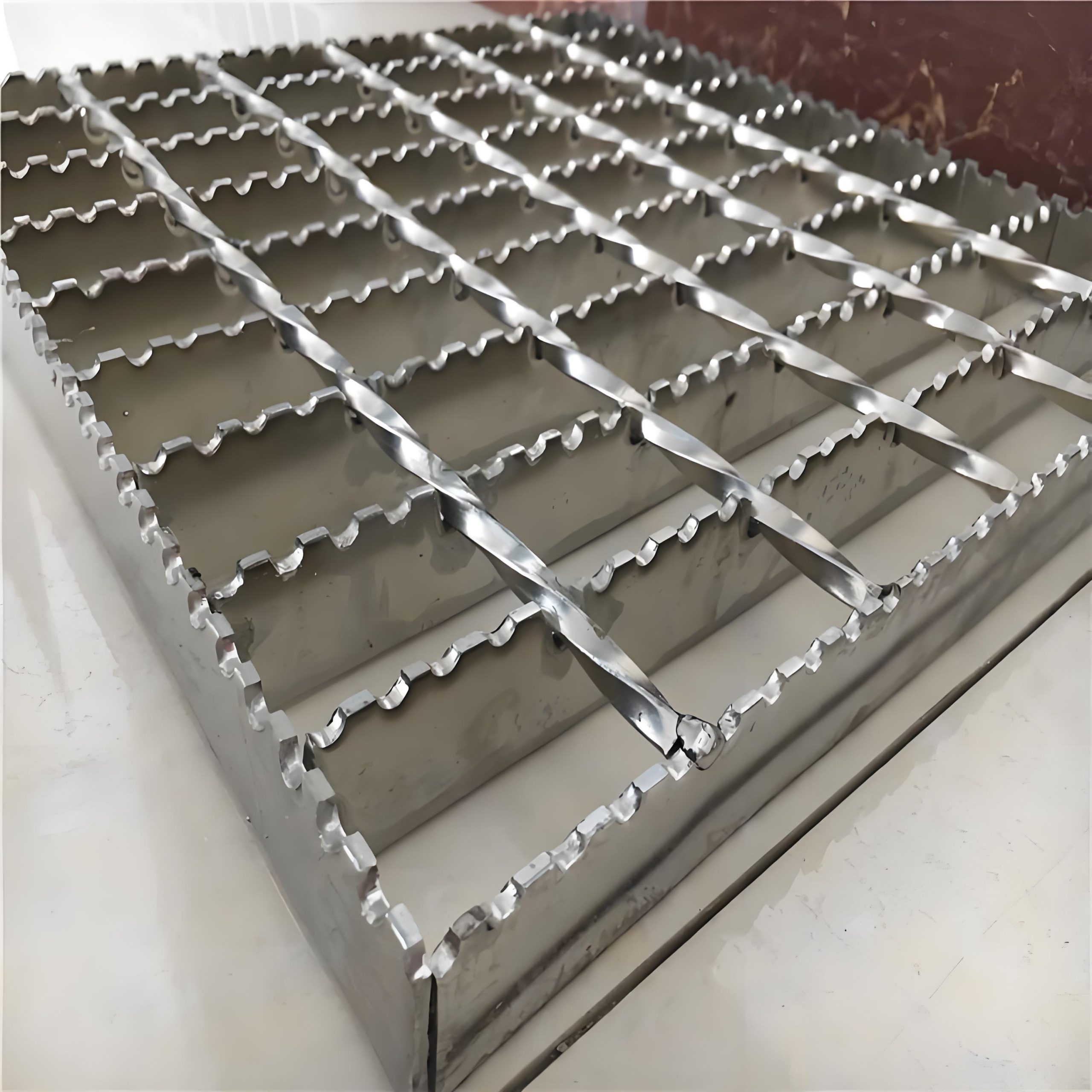
Serrated press locked grating has notched bearing bars to improve traction. It is suitable for wet walkways, outdoor platforms, stair treads, drainage areas, and industrial floors where slip resistance is important. Serrated surface may be less common in decorative facade panels but is useful for functional walking surfaces.
Hot-dip galvanizing is commonly used for carbon steel press locked grating installed outdoors or in wet environments. It provides zinc corrosion protection and is suitable for industrial walkways, drainage covers, trench covers, platforms, and utility access areas. Galvanizing should be considered when the grating is exposed to rain, humidity, or general outdoor conditions.
Painting and powder coating are used when color, appearance, or additional surface protection is needed. Powder coating is common in architectural projects because it provides color consistency and a cleaner appearance. However, coating durability should be considered in high-wear industrial floors or abrasive environments.
Untreated carbon steel press locked grating may be used for temporary applications, dry indoor projects, or when the buyer plans to apply a local coating after installation. It has the lowest initial cost but limited corrosion resistance. Untreated steel should not be used in outdoor or wet environments without protection.
Stainless steel may be pickled, passivated, brushed, polished, or bead blasted. Aluminum may be anodized, powder coated, or supplied with mill finish. These options are often selected for architectural appearance, corrosion resistance, or cleanability.
| Surface Option | Main Benefit | Suitable Application |
| Smooth surface | Clean appearance and easier cleaning | Facades, indoor walkways, screens, ceilings, dry platforms |
| Serrated surface | Better slip resistance | Wet walkways, stair treads, drainage covers, outdoor platforms |
| Hot-dip galvanized finish | Outdoor corrosion protection | Steel walkways, trench covers, industrial platforms |
| Painted finish | Basic protection and color | Indoor or low-corrosion applications |
| Powder coated finish | Better decorative color appearance | Architectural panels, facades, commercial projects |
| Untreated finish | Lowest initial cost | Temporary or dry indoor applications |
| Stainless finish | Clean surface and corrosion resistance | Food, chemical, marine, and architectural projects |
| Anodized aluminum | Improved aluminum appearance and corrosion resistance | Facades, sunshades, decorative screens |
Press locked grating can be produced with different mesh sizes and bar spacing to match industrial or architectural requirements. Unlike some standard welded grating patterns, press locked grating is often valued for its flexible spacing and clean grid layout. Mesh size affects appearance, open area, drainage, ventilation, light transmission, walking safety, load performance, and price.
Mesh size refers to the opening formed between bearing bars and cross bars. A smaller mesh creates a tighter surface, better visual density, and improved support for walking or small objects. A larger mesh creates more open area, better ventilation, more light transmission, and lower material weight. The correct mesh depends on the application.
Bearing bar spacing affects both load capacity and appearance. Closer bearing bar spacing usually increases material weight and cost, but it improves surface support and visual density. Wider spacing reduces weight and increases open area, but it may not be suitable for all walking surfaces or small-wheel traffic. For load-bearing floors, bearing bar spacing should be selected together with bearing bar size and span.
Cross bar spacing affects panel appearance and stability. In architectural applications, cross bar spacing is often selected for visual rhythm. In industrial flooring, it supports panel rigidity and helps maintain alignment. Press locked grating can be made with different cross bar spacing depending on the project design.
Press locked grating can be supplied in standard panels or custom sizes. Standard panels are useful for stock and simple projects. Custom panels are needed for facades, walkways, trench covers, stair treads, curved areas, machine openings, and architectural layouts. Panel dimensions should consider handling, installation, support spacing, and transport.
For walking surfaces, the opening size should be reviewed carefully. Public pedestrian areas, small-wheel carts, high-heel traffic, and maintenance walkways may require smaller openings or special design. For facades and screens, opening size may be selected mainly for appearance, shading, ventilation, or visibility control.
| Spacing Factor | Effect on Performance | Effect on Appearance |
| Closer bearing bar spacing | Better surface support and higher material weight | Denser visual grid |
| Wider bearing bar spacing | More open area and lower weight | Lighter and more transparent appearance |
| Closer cross bar spacing | Improved rigidity and tighter mesh | More regular and dense pattern |
| Wider cross bar spacing | Reduced material and more openness | More open visual effect |
| Large panel size | Fewer joints but harder handling | Cleaner large surface |
| Small panel size | Easier handling and replacement | More panel joints visible |
Load capacity is one of the most important factors when press locked grating is used for flooring, platforms, walkways, stair treads, drainage covers, or trench covers. The visual grid pattern alone does not determine strength. Load capacity depends on bearing bar size, material, span direction, support condition, mesh spacing, and load type.
Bearing bars must span across the support opening. This rule applies to both press locked grating and other types of steel grating. If the bearing bars run in the wrong direction, the grating may bend or fail under load. Drawings should clearly mark bearing bar direction, especially for custom panels, platforms, and trench covers.
Bearing bar height affects bending resistance, while thickness affects durability, strength, and weight. A taller bearing bar can generally span farther than a shorter bar. A thicker bearing bar can improve load capacity and service life but increases cost. The correct bearing bar size should be selected according to clear span and expected load.
For pedestrian walkways, facades with maintenance access, platforms, and general floors, press locked grating can be designed with moderate bearing bar sizes. Slip resistance, opening size, and panel fixing should also be considered. If the surface is wet or outdoor, serrated bars or anti-slip treatment may be required.
Wheel loads from carts, pallet jacks, forklifts, or vehicles require more careful review. Press locked grating may be used in some wheel traffic areas if the design is suitable, but the supplier should check wheel load, wheel size, support span, bar spacing, and frame support. For heavy-duty wheel traffic, welded heavy-duty grating or reinforced grating may sometimes be more appropriate.
When press locked grating is used as a trench cover or drainage cover, the trench opening becomes the clear span. Pedestrian drainage covers may use lighter structures. Forklift, vehicle, or heavy equipment areas require stronger bearing bars and stable frames. Removable covers should also be sized for safe handling.
| Load Factor | Why It Matters | Buyer Should Provide |
| Clear span | Determines bearing bar strength requirement | Unsupported distance between supports |
| Load type | Walking load, equipment load, and wheel load are different | Pedestrian, cart, forklift, vehicle, or special load |
| Bearing bar size | Controls strength, stiffness, weight, and price | Height and thickness if known |
| Material | Affects strength, corrosion resistance, and cost | Carbon steel, galvanized steel, stainless steel, aluminum |
| Support condition | Affects load transfer and stability | Beam spacing, trench frame, support ledge, mounting detail |
| Panel fixing | Prevents movement and improves safety | Clips, bolts, frames, welding, or removable installation |
Press locked grating is selected for both architectural and industrial projects because it combines functional performance with a clean and orderly appearance. Its main advantages include visual quality, accurate bar spacing, flexible mesh design, stable panel structure, material variety, and custom fabrication capability.
The most visible advantage of press locked grating is its clean grid pattern. Because the cross bars are pressed into the bearing bars, the intersections appear neat and consistent. This makes it suitable for building facades, sunshades, ceilings, decorative screens, public walkways, and commercial projects where appearance matters.
Press locked grating can be produced with different bar spacing and mesh sizes. This flexibility allows designers and engineers to balance open area, ventilation, shading, safety, load capacity, and appearance. For facades, wider openings may create a transparent look. For walkways, closer spacing may improve walking comfort.
The open grid structure allows water and air to pass through. This makes press locked grating useful for drainage covers, trench covers, platform floors, ventilation panels, and screens. In industrial spaces, the open area helps reduce liquid accumulation and supports easier cleaning.
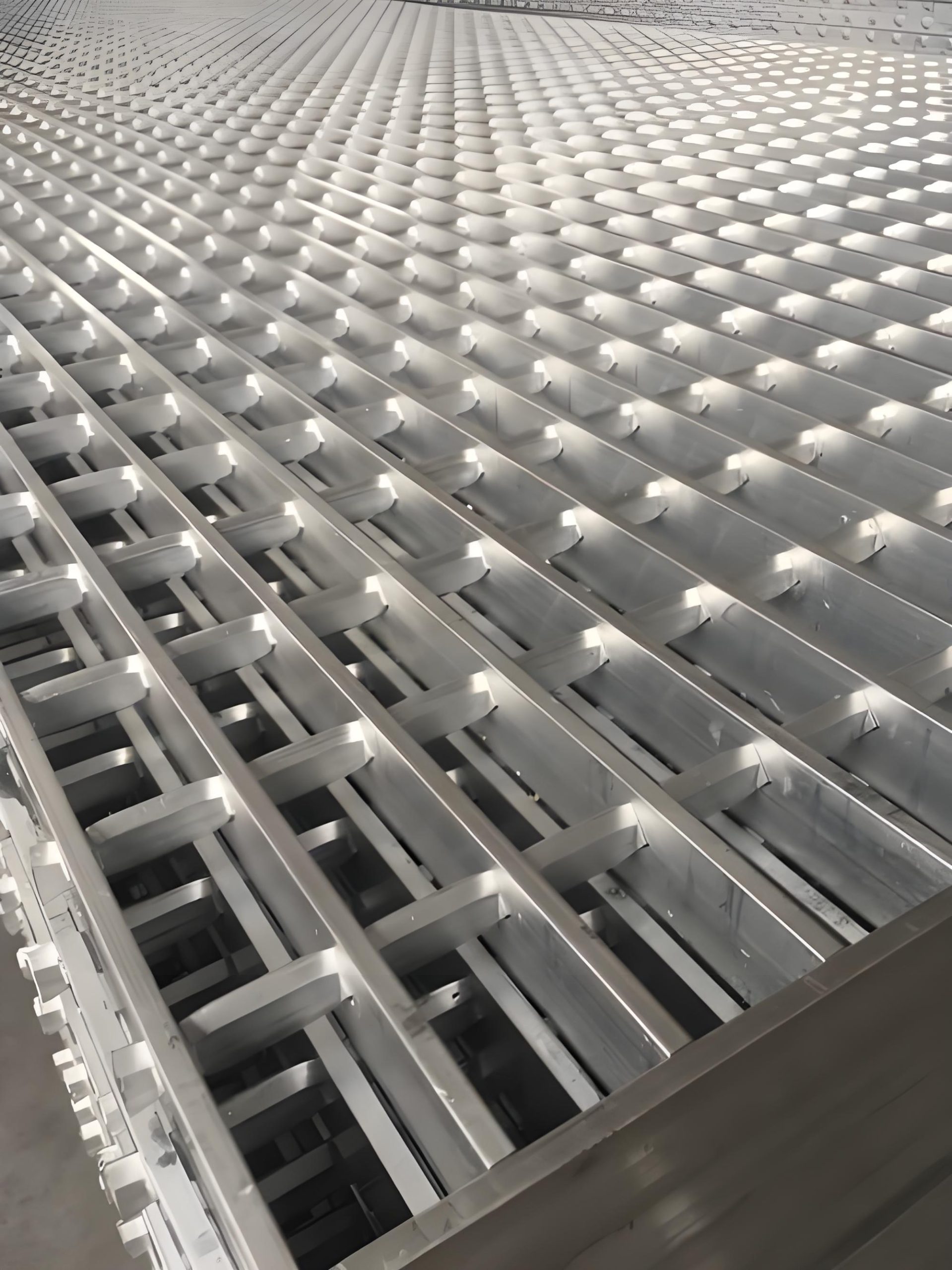
Press locked grating can be produced from carbon steel, galvanized steel, stainless steel, and aluminum. This gives buyers flexibility. Carbon steel is economical. Galvanized steel is suitable for many outdoor applications. Stainless steel is suitable for corrosive or hygienic areas. Aluminum is lightweight and attractive for architectural use.
Press locked grating can be cut, banded, framed, notched, curved in design layouts, or fabricated into special panels. This makes it suitable for project-specific applications such as facades, access floors, trench covers, drainage covers, stair treads, and special-shaped architectural panels.
| Advantage | Benefit | Typical Application |
| Clean appearance | More refined than ordinary welded grating | Facades, screens, commercial walkways, public spaces |
| Accurate spacing | Consistent visual and functional grid | Architectural panels, flooring, ventilation covers |
| Open structure | Supports drainage, airflow, light, and visibility | Walkways, platforms, drainage covers, facades |
| Material flexibility | Matches different corrosion and appearance needs | Industrial, marine, food, chemical, architectural projects |
| Custom fabrication | Fits project drawings and special sizes | Frames, cut-outs, stair treads, trench covers, special panels |
Press locked grating is used in a wide range of applications because it offers both function and appearance. It can serve as a walking surface, drainage cover, decorative screen, ventilation panel, stair tread, or architectural facade component.
Press locked grating is used for pedestrian walkways in industrial buildings, commercial facilities, public areas, and maintenance access systems. It provides an open surface that supports ventilation and drainage. When used in wet areas, serrated surface or anti-slip treatment may be required. For public walkways, opening size and walking comfort should be checked carefully.
Industrial platforms use press locked grating when a clean appearance and functional flooring surface are both needed. It can be used around machines, tanks, pipes, conveyors, and equipment access areas. Bearing bar size and support span must be selected according to load requirements.
Architectural facades are one of the important applications for press locked grating. The regular grid pattern can be used as a sunshade, privacy screen, ventilation panel, decorative wall, or secondary facade. Aluminum and stainless steel are often selected for architectural projects because of their appearance and corrosion resistance.
Press locked grating can be used as drainage covers and trench covers where water flow, ventilation, and appearance are important. It may be used in commercial drainage channels, industrial floor drains, utility trenches, and public areas. For heavy-duty drainage covers, load and span should be reviewed carefully.
Press locked grating can be fabricated into stair treads with end plates and nosing. For industrial stairs and outdoor steps, serrated surface may be used to improve slip resistance. For architectural stairs, clean appearance and consistent spacing may be important. The stair tread must be designed for safe load capacity and secure installation.
Press locked grating is also used in suspended ceilings, louvers, sunshades, and ventilation covers. Its open structure allows airflow and light transmission while creating a modern industrial appearance. Aluminum or stainless steel may be selected when weight and appearance are important.
| Application | Why Press Locked Grating Is Used | Recommended Detail |
| Walkways | Open surface with clean appearance | Check slip resistance and opening size |
| Platforms | Functional flooring with neat grid design | Select bearing bar size by span and load |
| Facades | Decorative grid, shading, ventilation, and visibility control | Use aluminum, stainless steel, or coated steel |
| Drainage covers | Allows water flow and visual consistency | Confirm support frame and load capacity |
| Trench covers | Provides removable access and open structure | Use banding and correct bearing bar direction |
| Stair treads | Can be fabricated with nosing and end plates | Use serrated surface for wet or outdoor stairs |
| Sunshades | Controls light and adds architectural texture | Consider aluminum or powder coated finish |
Many press locked grating projects require custom fabrication because panel sizes, shapes, supports, and appearance requirements vary from project to project. A manufacturer should be able to cut panels accurately, add edge banding, fabricate frames, create notches, and prepare special shapes according to drawings.
Custom cutting allows press locked grating panels to match platform sizes, trench openings, facade layouts, drainage channels, stair widths, and architectural modules. Accurate cutting reduces site work and improves installation efficiency. For architectural panels, cutting accuracy also affects visual alignment between panels.
Edge banding improves panel appearance, strengthens the perimeter, closes exposed bar ends, and makes handling safer. It is commonly used for walkway panels, trench covers, drainage covers, stair treads, facade panels, and visible architectural applications. In decorative projects, edge banding can give the panel a more finished look.
Frames may be required for drainage covers, trench covers, facade systems, ventilation panels, and removable access covers. A frame helps support the panel, control installation position, reduce movement, and protect surrounding edges. For architectural panels, frames can also help create a clean installation line.
Notching allows panels to fit around columns, pipes, walls, posts, equipment bases, supports, or facade brackets. Notched areas should be designed carefully so that panel strength and appearance are not affected. For load-bearing panels, notches may need reinforcement or banding.
Some projects require non-rectangular panels, curved layout panels, angled panels, or shaped grating for architectural design. Press locked grating can be fabricated into special shapes when drawings are clear. For complex designs, the supplier may need CAD drawings and installation layout information.
| Fabrication Option | Purpose | Common Use |
| Custom cutting | Matches project dimensions | Walkways, platforms, facades, trench covers |
| Edge banding | Improves edge strength and appearance | Visible panels, covers, stair treads, access panels |
| Framing | Provides support and installation border | Drainage covers, facades, removable panels |
| Notching | Fits around site obstacles | Pipes, columns, brackets, machines |
| Special shape fabrication | Supports project-specific design | Architectural panels, angled layouts, custom covers |
| Stair tread fabrication | Adds end plates and nosing | Industrial stairs and architectural steps |
Installation method affects the safety and performance of press locked grating. A properly manufactured panel can still perform poorly if it is installed with wrong bearing bar direction, insufficient support, loose fixing, or unsuitable clearance. Installation should be considered during the design and quotation stage.
The bearing bars should span across the support opening. For flooring and walkways, they should span between structural beams. For trench covers, they should span across the trench width. For facade panels, bearing direction may be selected according to structural support and visual design. The direction should be clearly shown in drawings.
Press locked grating needs adequate support at the bearing ends. Insufficient support can cause movement, bending, or local damage. For trench covers and drainage covers, support frames or ledges should be stable and level. For platforms, support beams should match the grating span direction.
Grating clips, clamps, bolts, brackets, or custom fasteners may be used to secure press locked grating. Clips are common for flooring and walkways because they allow panel removal when needed. Bolts or brackets may be used for facades and architectural panels. Fixed installation may be used where movement must be prevented.
Removable press locked grating panels are useful for drainage covers, trench covers, utility access panels, and maintenance openings. Panel weight should be manageable, and lifting holes or handles may be added when frequent access is required. The frame should hold the panel securely without excessive looseness.
Safety considerations include slip resistance, opening size, load capacity, panel fixing, edge treatment, and maintenance access. For wet walking surfaces, serrated bars may be needed. For public areas, opening size should be safe for pedestrians. For elevated platforms, toe plates, handrails, and secure fixing may be required as part of the overall safety system.
| Installation Point | Why It Matters | Recommended Practice |
| Bearing bar direction | Controls load-bearing performance | Install bearing bars across the support span |
| Support width | Affects seating and load transfer | Use stable beams, frames, or ledges |
| Clips and fasteners | Prevents movement and improves safety | Use suitable clips, bolts, brackets, or clamps |
| Opening size | Affects walking safety and small-wheel access | Check public access and project safety requirements |
| Slip resistance | Affects walking safety in wet areas | Use serrated surface or anti-slip treatment when needed |
| Panel handling | Affects maintenance and installation | Use manageable panel sizes or lifting details |
Quality control for press locked grating should focus on dimensional accuracy, panel flatness, bar tightness, mesh consistency, edge finish, surface treatment, and packaging. These factors are especially important because press locked grating is often used in visible applications where appearance and alignment matter.
Panel length, width, diagonal tolerance, mesh spacing, bearing bar direction, notching, frame dimensions, and fixing hole positions should be checked before shipment. For architectural projects, even small dimensional errors can affect panel alignment and appearance. For trench covers and drainage covers, incorrect dimensions can cause poor fit or unsafe gaps.
Flatness affects both appearance and installation. A warped panel may not sit properly on supports or may create an uneven visual plane in facade applications. Pressing, cutting, welding of banding, galvanizing, and coating can all affect flatness. Finished panels should be inspected before packing.
Bar tightness is a key quality factor for press locked grating. Cross bars should be firmly locked into the bearing bars without looseness. Loose bars can cause rattling, poor appearance, reduced panel stability, and quality complaints. The pressing process must be controlled carefully to achieve consistent locking.
Surface finish should match the project requirement. Galvanized panels should have good zinc coverage and safe edges. Painted or powder coated panels should have consistent coating. Stainless steel panels should be clean and free from contamination. Aluminum panels should have suitable anodized, coated, or mill finish condition according to the project.
Edge banding, frames, notches, and special shapes should be inspected for clean workmanship. Sharp edges, burrs, uneven welds, poor frame alignment, or damaged coating can affect safety and appearance. For visible architectural panels, edge quality is especially important.
Press locked grating panels should be packed to prevent deformation, scratches, coating damage, and mixed-size confusion. Architectural panels may need extra surface protection. Stainless steel and aluminum should be protected from carbon steel contamination and rough handling. Export packing should match product weight and shipping method.
| Quality Item | Inspection Focus | Risk if Ignored |
| Dimensions | Length, width, diagonal, mesh spacing, holes, notches | Poor fit, installation delay, visible misalignment |
| Flatness | Panel levelness after pressing and finishing | Rocking, uneven appearance, poor seating |
| Bar tightness | Cross bars firmly locked into bearing bars | Loose bars, rattling, reduced stability |
| Bar alignment | Straight grid and consistent spacing | Poor appearance and quality complaints |
| Surface finish | Galvanizing, coating, stainless finish, aluminum finish | Rust, scratches, contamination, poor appearance |
| Edge finish | Banding, frames, burr removal, sharp edge control | Handling risk and poor visual quality |
| Packaging | Protection, labels, stacking, export loading | Damage during transport and installation confusion |
To receive an accurate quotation for press locked grating, buyers should provide complete project information. Because press locked grating can be used for both architectural and industrial applications, the supplier needs to understand not only the product size but also the function, appearance requirement, load condition, and installation method.
The buyer should specify press locked grating and the required material, such as carbon steel, hot-dip galvanized steel, stainless steel 304, stainless steel 316, or aluminum. If the material is not confirmed, the working environment should be described so the supplier can recommend a suitable option.
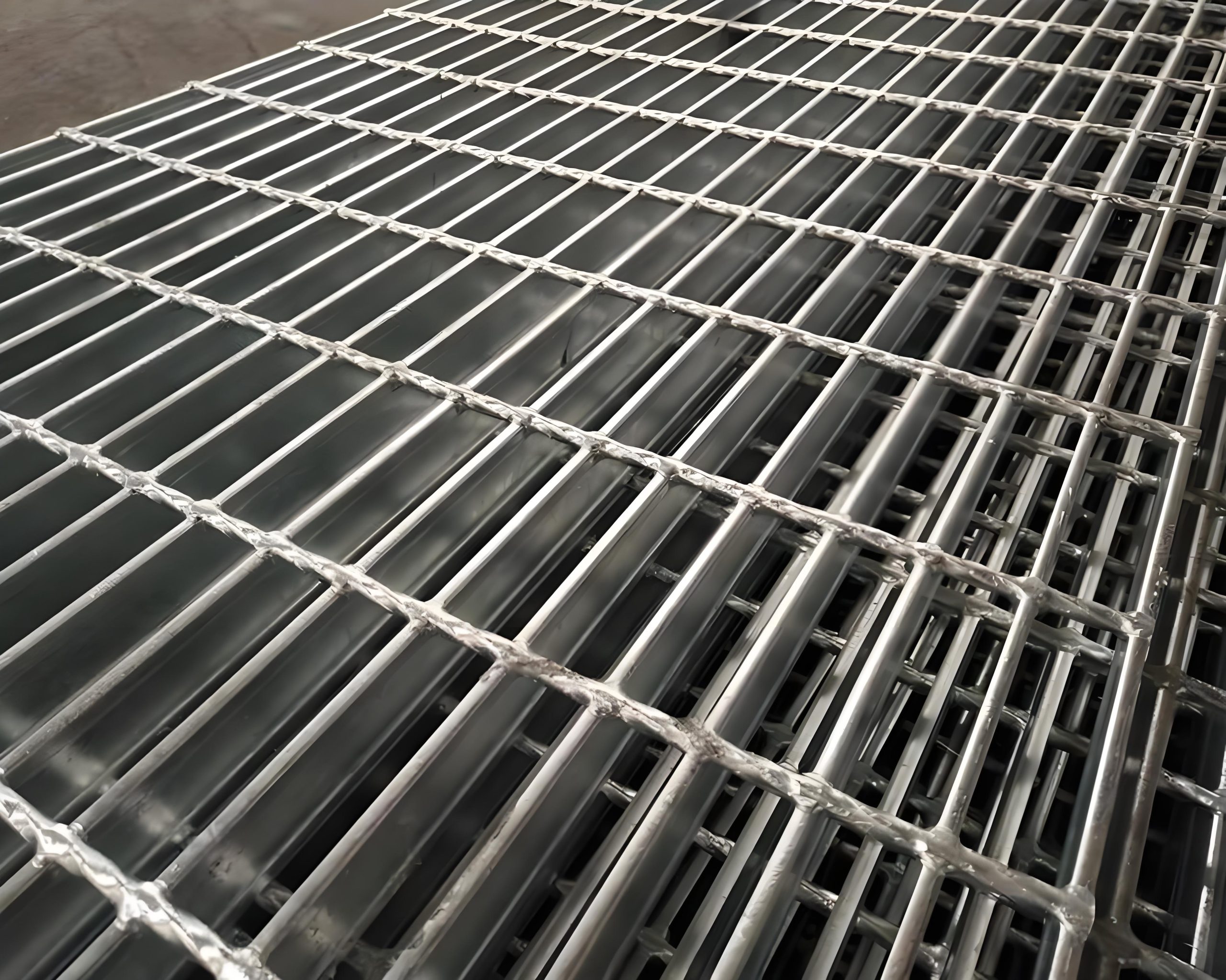
Bar size and spacing are important for price, appearance, and performance. The buyer should provide bearing bar height, bearing bar thickness, cross bar size, bearing bar spacing, and cross bar spacing if known. If not known, the supplier should be told the application, load, and span so a suitable specification can be recommended.
Panel width, length, bearing bar direction, and quantity should be provided clearly. For facade or architectural panels, installation layout and visual alignment are important. For flooring and covers, support spacing and load direction should be confirmed.
If the press locked grating will be used as a walking surface, platform, stair tread, drainage cover, or trench cover, the supplier needs clear span and load information. The buyer should describe whether the grating will carry pedestrians, carts, maintenance equipment, forklifts, or vehicles.
The buyer should specify untreated, painted, powder coated, hot-dip galvanized, stainless finished, anodized, or other surface requirements. For architectural projects, color and surface appearance should be confirmed before production. For outdoor projects, corrosion protection should be selected carefully.
Fabrication requirements may include cutting, banding, framing, notching, special shapes, holes, brackets, clips, stair tread end plates, nosing, lifting handles, or labels. Drawings are strongly recommended for custom fabrication.
| Quotation Information | Details to Provide |
| Product type | Press locked grating |
| Material | Carbon steel, galvanized steel, stainless steel 304, stainless steel 316, aluminum |
| Bar size | Bearing bar height and thickness, cross bar size |
| Mesh spacing | Bearing bar spacing and cross bar spacing |
| Panel size | Width, length, bearing bar direction, quantity |
| Application | Walkway, platform, facade, drainage cover, trench cover, stair tread, screen |
| Load condition | Pedestrian, cart, equipment, forklift, vehicle, or non-load-bearing decorative use |
| Clear span | Unsupported distance between supports |
| Surface finish | Untreated, painted, galvanized, powder coated, stainless finish, anodized |
| Fabrication | Cutting, banding, framing, notching, holes, clips, brackets, special shapes |
| Delivery | Destination, packing requirement, delivery term, required lead time |
Press locked grating often requires more project-specific communication than ordinary standard grating because it is frequently used in visible architectural areas or custom industrial installations. Buyers may need specific mesh spacing, accurate panel size, clean edge finishing, special surface treatment, or coordinated installation layout. A manufacturer with custom fabrication ability can help reduce site work and improve final appearance.
Anping County Chuansen Silk Screen Products Co., Ltd. supplies press locked grating for industrial walkways, platforms, drainage covers, trench covers, stair treads, facades, screens, and custom metal grating projects. From a factory perspective, the key is to confirm whether the grating is mainly load-bearing, decorative, drainage-focused, ventilation-focused, or used for combined architectural and functional purposes. This determines material, bar size, spacing, finishing, and fabrication method.
For industrial flooring, the supplier should check span, load, bearing bar direction, and fixing method. For trench covers and drainage covers, the supplier should confirm clear opening, frame support, removable design, and load condition. For architectural facades and screens, the supplier should focus on panel alignment, mesh consistency, edge finish, coating appearance, and installation brackets. Clear drawings and technical communication help ensure that the finished press locked grating matches both the engineering requirement and the visual design.
What is press locked grating?
Press locked grating is a metal grating made by pressing cross bars into slotted bearing bars under high pressure. The bars are mechanically locked together instead of being welded at every intersection. This creates a clean, accurate, and regular grid structure. Press locked grating is used for walkways, platforms, facades, drainage covers, trench covers, stair treads, screens, and architectural panels.
What is the difference between press locked grating and welded grating?
The main difference is the manufacturing method and appearance. Press locked grating is made by pressing cross bars into slotted bearing bars, giving it a cleaner and more architectural appearance. Welded grating is made by welding cross bars to bearing bars, giving it a more traditional industrial appearance. Welded grating is often selected for economical industrial flooring, while press locked grating is preferred when visual quality, accurate spacing, and clean bar alignment are important.
Where is press locked grating used?
Press locked grating is used in industrial and architectural projects, including walkways, platforms, stair treads, drainage covers, trench covers, facades, sunshades, ventilation panels, security screens, ceiling panels, and decorative metal panels. Carbon steel and galvanized steel are common for industrial use, stainless steel is suitable for corrosive or hygienic environments, and aluminum is often selected for lightweight architectural applications.
Please Feel free to give your inquiry in the form below.we will reply you in 24 hours.