

01 / APPLICATION OVERVIEW
Steel Grating for Dense Medium Separation Systems
Steel grating for dense medium separation systems provides durable access platforms, walkways, and service floors around wet mineral processing equipment.
Typical locations include dense medium drums, cyclones, vibrating screens, magnetite recovery units, pumps, thickeners, and feed preparation areas. Open grating supports personnel access while allowing dense medium slurry, washwater, and spilled material to drain from elevated platforms. Layouts should provide clear routes to inspection doors, valves, spray bars, and maintenance lifting points.
Selection should consider wet and abrasive service, magnetite or ferrosilicon slurry, chemical cleaning, design loads, support spans, bearing direction, vibration, slip resistance, and panel retention. Engineers should also assess solids buildup, corrosion exposure, removable sections, equipment openings, and the effect of frequent washdown on the selected material and finish.
Discuss Your Walkway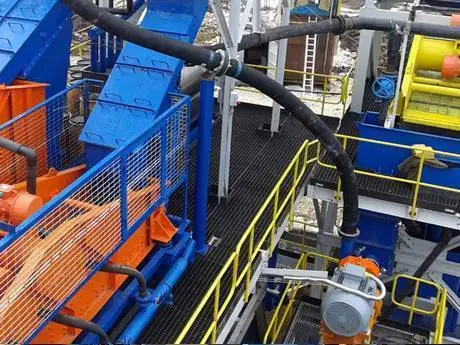
02 / APPLICATION SCENARIOS & REQUIREMENTS
Application Scenarios & Project Requirements
Review the operating conditions, users, loads, environment and project requirements before selecting the appropriate steel grating specification.
Dense Medium Drum Platforms
Grating platforms around dense medium drums provide access to drive units, feed chutes, discharge points, inspection covers, and spray systems. Panels should withstand wet service and abrasive solids while allowing washwater and spilled medium to drain through the platform.
Cyclone and Pump Access Areas
Walkways around dense medium cyclones, slurry pumps, and pipe manifolds support inspection, valve operation, and maintenance. Cut-outs should be coordinated with cyclone bodies, flanges, hoses, and lifting paths, with fixings selected for vibration and slurry exposure.
Vibrating Screen Platforms
Steel grating provides service access around sizing and drain-and-rinse screens. Platform connections must resist vibration, while the surface profile and cleaning arrangement should address wet magnetite, coal fines, and material accumulation near the screen structure.
Magnetite Recovery and Wash Areas
Grating walkways around magnetic separators, dilution points, and recovery screens allow operators to inspect medium density and wash circuits. Corrosion protection and drainage details should suit continuous wetting, ferrous solids, process chemicals, and frequent hose cleaning.
03 / SPECIFICATIONS & PRODUCT OPTIONS
Common Specifications & Available Options
Compare materials, bearing bar sizes, spacing, surface types, finishes and panel dimensions to match the requirements of the application.
Specifications
| Parameter | Specification / Options |
|---|---|
| Material |
Carbon steel, commonly Q235B, Q355B, ASTM A36, or ASTM A572 Grade 50; stainless steel grades such as 304 or 316 may be considered for aggressive wet or chemical exposure. State the required material standard and grade for each process area. Material selection should follow the plant corrosion and abrasion assessment. |
| Surface treatment |
Hot-dip galvanized after fabrication for suitable general wet service; epoxy, polyurethane, abrasion-resistant paint, or stainless steel finishes can be specified where slurry, chlorides, or cleaning chemicals require additional resistance. Confirm magnetite or ferrosilicon contact, pH, chlorides, temperature, abrasion, and washdown frequency before selecting the finish. |
| Bearing bar size |
Common options include 25 × 3, 30 × 3, 30 × 5, 32 × 5, and 40 × 5 mm. Heavy equipment platforms may use 50 × 5, 50 × 6, 60 × 6, or 65 × 6 mm sections. Bar depth × thickness. Capacity depends on material, clear span, spacing, support condition, vibration, and maintenance loads. |
| Bearing bar spacing |
Common center-to-center pitches include 30, 34.3, and 40 mm. Pitches around 20 mm may be specified where smaller clear openings are required near pumps, screens, or operator stations. Clear opening equals pitch minus bar thickness and must satisfy access, drainage, and object-retention requirements. |
| Cross bar spacing | Typical center-to-center pitches include 50 and 100 mm; 50.8 and 101.6 mm series are also available. Welded or pressure-locked construction should be identified in the specification. |
| Panel dimensions |
Common panel examples include 600 × 1,000, 800 × 1,200, 1,000 × 1,000, 1,000 × 1,200, and 1,000 × 3,000 mm, with cut-to-size fabrication from approved processing layouts. State bearing bar length and panel width separately. Panel dimensions do not establish allowable unsupported span or vibration performance. |
| Walking surface |
Plain or serrated bearing bars. Serrated profiles are commonly considered for slurry, washwater, coal fines, and magnetite-contaminated routes. Verify load data for the selected serrated section. Slip resistance still depends on drainage, cleaning, footwear, and the material deposited on the surface. |
| Stair tread dimensions |
Common tread widths include 600, 800, 900, 1,000, and 1,200 mm, with front-to-back depths around 240, 270, or 300 mm. End plates and anti-slip nosings can be supplied. Final rise, run, width, nosing, and connections must match the approved mineral processing access design. |
| Edges and openings |
Banded edges, reinforced openings, toe plates, removable hatch panels, and cut-outs for cyclones, pumps, chutes, hoses, and pipe manifolds are available. Cut bearing bars may require additional framing or reinforcement. Openings around wet equipment should include suitable edge protection. |
| Fixings and retention |
Grating clamps, bolted retaining plates, or welded connections can be specified. M8 and M10 fasteners are common, with stainless or coated fixings selected for compatible wet and chemical exposure. Define fixing quantity, location, tightening requirements, and resistance to vibration from screens, pumps, and rotating drives. |
| Load and bearing direction |
Bearing bars span between supporting members. Confirm clear span in mm, uniform load in kN/m², concentrated load in kN, contact area, vibration allowance, and allowable deflection in mm. Check screen maintenance loads, pump removal, hoses, tools, and temporary components separately. Specify minimum end bearing and support details. |
Need a different size? Send your layout for a custom panel review.
Request Your SpecificationThe sizes above are reference examples, not approved combinations for every span. Confirm the bearing direction, loads, clear span and material before ordering. Panel size does not indicate the allowable unsupported span.
WHY USE STEEL GRATING?
Advantages for Steel Grating Applications
Drainage for Wet Processing
The open grid allows dense medium slurry, washwater, and minor spills to pass through elevated platforms. This helps reduce standing liquid, although magnetite, coal fines, and settled solids still require planned cleaning.
Serrated Slip Resistance
Serrated bearing bars provide additional footwear contact on walkways exposed to ferrosilicon slurry, water, coal fines, and cleaning residues. Surface selection should be combined with drainage, housekeeping, and verified load data.
Abrasion-Aware Construction
Suitable bar sections, edge banding, and protective finishes can be selected for contact with abrasive mineral solids. Local areas receiving concentrated discharge or dropped material can be reinforced or designed with heavier supports.
Vibration-Resistant Retention
Specified clamps and retaining plates help keep panels secure near vibrating screens, pumps, and drives. Connection design can address movement, repeated loading, wet fastener exposure, and the need for periodic inspection.
Corrosion-Suitable Finishes
Galvanizing, epoxy systems, abrasion-resistant coatings, or stainless steel can be selected according to medium chemistry, chlorides, pH, and cleaning practices. Fastener materials should be checked with the grating and supporting steel.
Custom Process Equipment Fit
Panels can be cut, banded, and reinforced around cyclones, pumps, screens, chutes, hoses, and pipe manifolds. Drawing-based fabrication helps preserve support continuity and limits uncontrolled modifications beside wet operating equipment.
04 / INSTALLATION & PROJECT PHOTOS
Installation Guidance & Application Photos
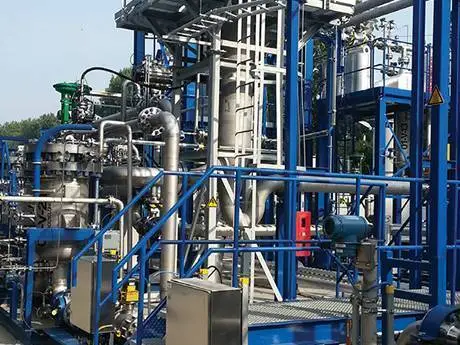
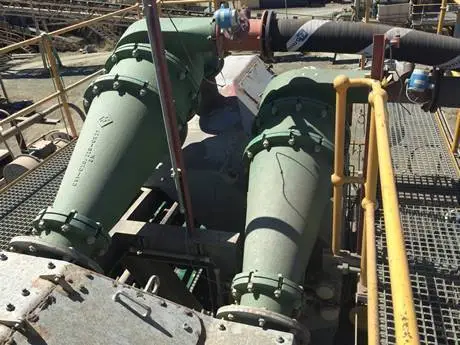
Review the panel layout, support conditions, fixing methods and fabrication details before installation, and refer to the application photos for practical examples.
-
Verify Supports and Process Exposure
Check support locations, elevations, clear spans, and required end bearing against the approved drawings. Confirm uniform and concentrated loads, vibration sources, medium chemistry, abrasion, and coating requirements for each platform area. Apply plant isolation controls before installation.
-
Position Panels in the Approved Direction
Match panel identification to the processing layout and orient bearing bars across the designated supports. Check joints, screen clearances, cyclone and pump openings, hose routes, toe plates, and removable sections. Do not cut bearing bars without design approval.
-
Install Secure and Compatible Fixings
Secure each panel with the specified clamps, retaining plates, or welds. Use fasteners compatible with the grating, slurry exposure, and supporting steel. Apply the required tightening procedure and confirm that removable sections remain restrained during screen and pump operation.
-
Inspect Drainage and Walking Conditions
Check for rocking panels, unsupported edges, loose fixings, sharp projections, excessive deflection, and blocked drainage. Repair coating damage using the approved method. Establish routine inspections for magnetite buildup, coal fines, corrosion, wear, and fixing movement.
05 / RELATED REFERENCE & FAQ
Frequently Asked Questions
What type of grating is suitable for dense medium separation platforms?
The suitable type depends on the slurry chemistry, abrasive solids, wetting frequency, support span, and operating loads. Hot-dip galvanized carbon steel may suit general areas, while epoxy-coated steel, abrasion-resistant finishes, or stainless steel may be required in aggressive zones. Serrated grating is commonly considered for wet operator routes and stairs.
Should dense medium plant walkways use serrated grating?
Serrated grating is often selected where ferrosilicon or magnetite slurry, water, coal fines, or cleaning residues can affect footing. It provides additional contact edges for footwear, but it does not replace housekeeping, drainage, or suitable footwear. The chosen serrated section must also be checked for the required load and deflection.
How can grating resist magnetite slurry and abrasive solids?
Resistance depends on the steel section, coating system, edge treatment, and the way slurry reaches the platform. Heavier bearing bars and reinforced discharge areas can address local impact and abrasion. Galvanizing or a specified chemical-resistant coating may protect against corrosion, but the actual pH, chlorides, solids concentration, and cleaning method should be reviewed first.
How should grating be fixed near vibrating screens and pumps?
Panels should use clamps, retaining plates, or welded connections designed for repeated vibration and wet service. Fixings must engage the supporting steel securely and use compatible materials. Quantity, position, and tightening requirements depend on the panel and support arrangement. Inspect connections regularly near screens, pumps, drives, and cyclone feed equipment.
Can panels be removed around dense medium equipment?
Yes. Removable sections can provide access to screens, pumps, valves, cyclone components, and pipe manifolds. Panels should be identified on the approved layout, sized for safe handling, and retained against movement during operation. Openings may require additional framing, edge banding, toe plates, or temporary covers during maintenance.
What information is needed for a dense medium grating quotation?
Provide process layout drawings, panel quantities, clear spans, bearing direction, uniform and concentrated loads, vibration sources, material grade, bar sizes and spacing, surface profile, finish, and fixing details. Identify magnetite or ferrosilicon chemistry, abrasive solids, washdown frequency, screen and pump openings, stairs, toe plates, and removable panels before fabrication.
06 / PROJECT ENQUIRY
Tell Us About Your Walkway
Share your layout and operating requirements so our team can review the grating, fabrication and supply scope.
Send Drawings by Email Discuss on WhatsAppThe email button opens your mail app. Attach your drawings before sending.
Include these details
- Application location and exposure conditions
- Drawings, panel dimensions and quantities
- Support layout, clear span and design loads
- Material, finish and walking-surface requirements
- Cut-outs, fixings and removable access sections
- Destination, required delivery date and project standards
Already have a specification? Send it with your enquiry.