
Home > Products > Steel Grating > Type DT Dovetail Pressure Locked Steel Grating
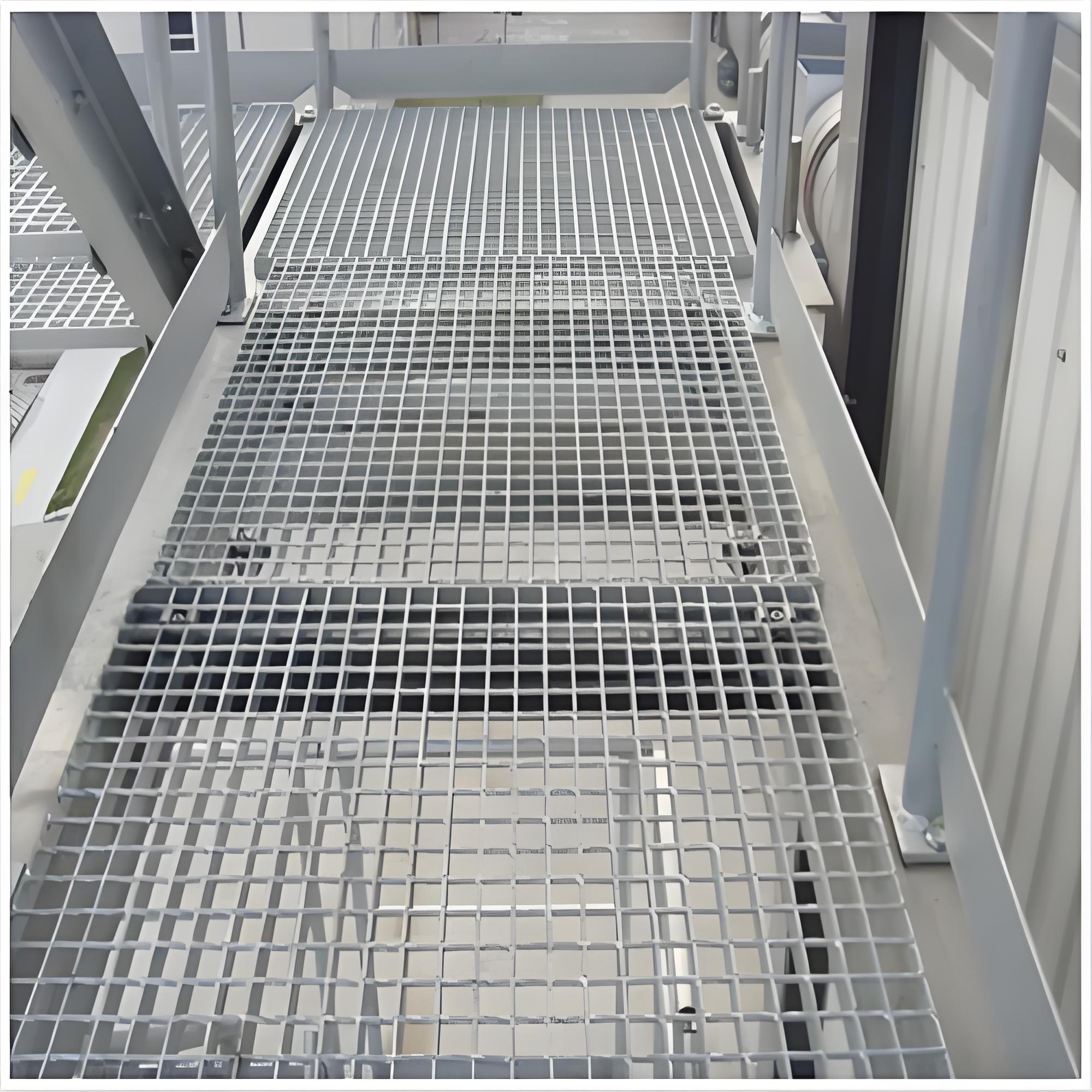
Type DT dovetail pressure locked steel grating is a mechanically locked bar grating made by pressing cross bars into dovetail-shaped slots in the bear…
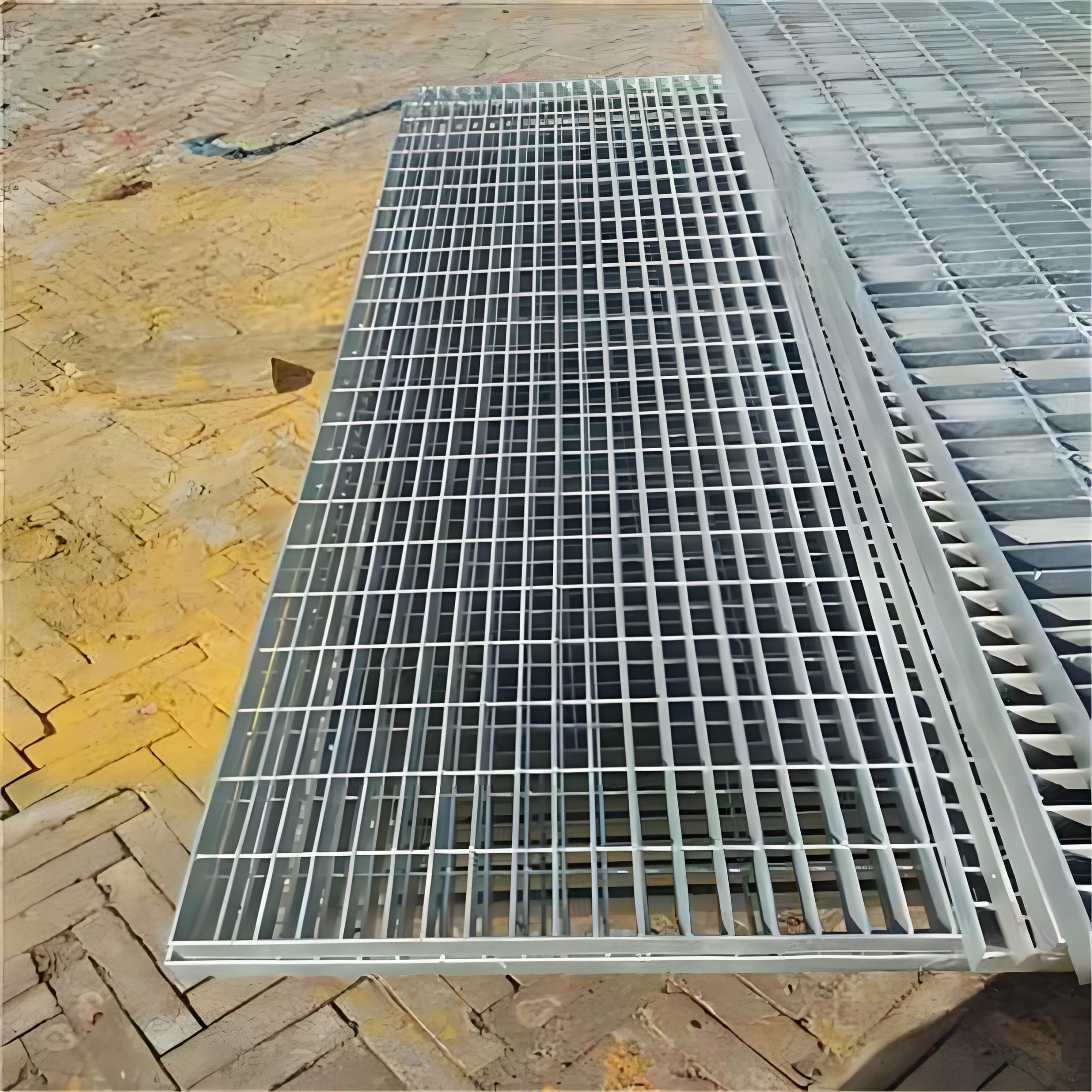
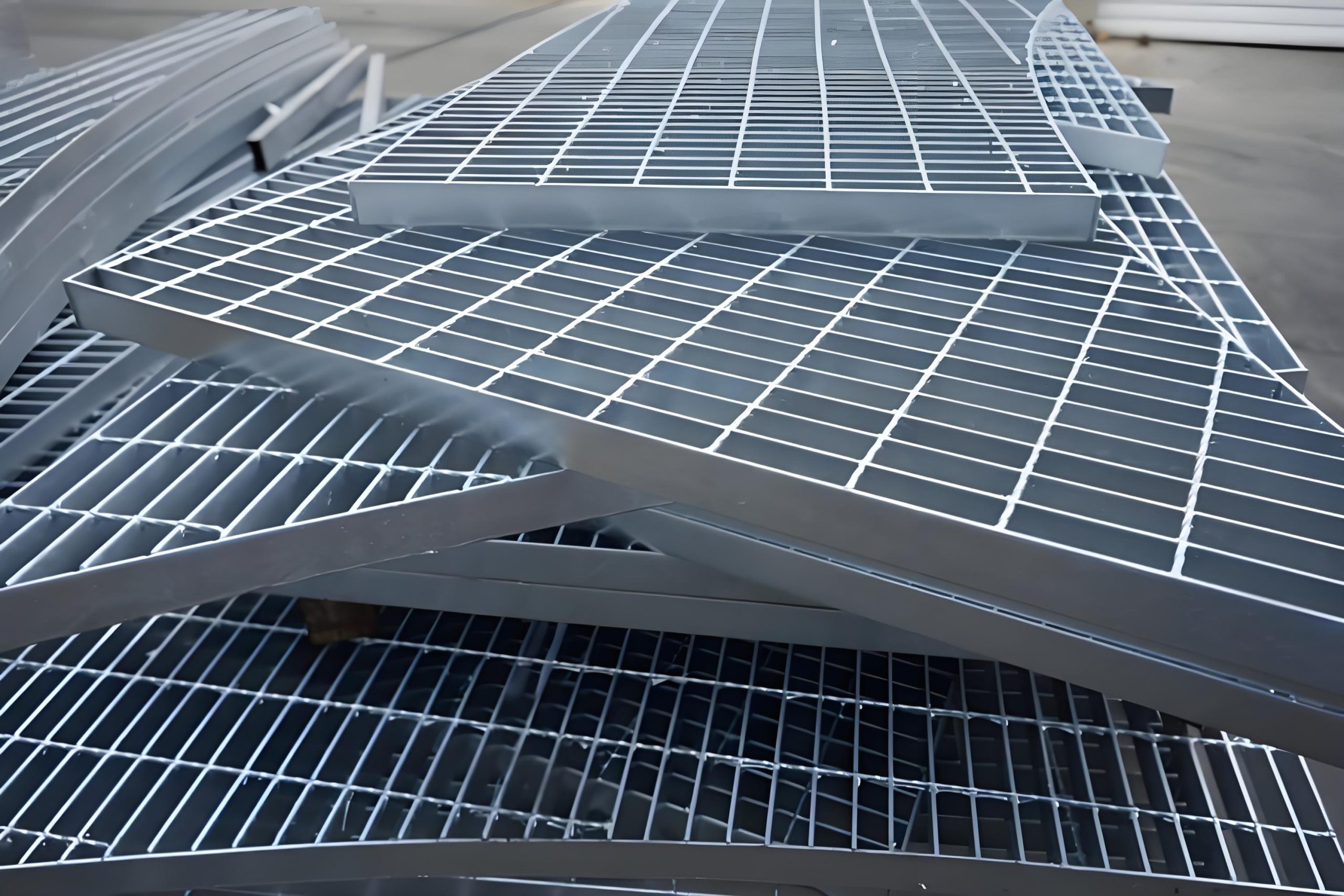
Type DT dovetail pressure locked steel grating is a mechanically locked bar grating made by pressing cross bars into dovetail-shaped slots in the bearing bars. Instead of welding the bar intersections, the pressure locking process forms a tight mechanical connection that gives the panel a clean appearance, accurate spacing, and stable grid structure. Type DT dovetail pressure locked steel grating is often used for architectural walkways, industrial platforms, pedestrian access areas, mezzanine floors, stair treads, trench covers, drainage zones, and applications where appearance, dimensional accuracy, and structural stability are important.
Type DT dovetail pressure locked steel grating is a type of pressure locked grating with a dovetail joint structure. The cross bars are pressed into special dovetail-shaped slots or openings in the bearing bars. Under pressure, the bars interlock tightly, creating a strong mechanical connection without conventional welding at each intersection.
The “DT” in the product name generally refers to the dovetail locking form. Compared with ordinary welded grating, Type DT grating usually has a cleaner, more architectural appearance. Compared with general pressure locked grating, the dovetail joint provides a more defined locking geometry. This makes it suitable for projects where the grating is not only a load-bearing surface but also part of the visible design.
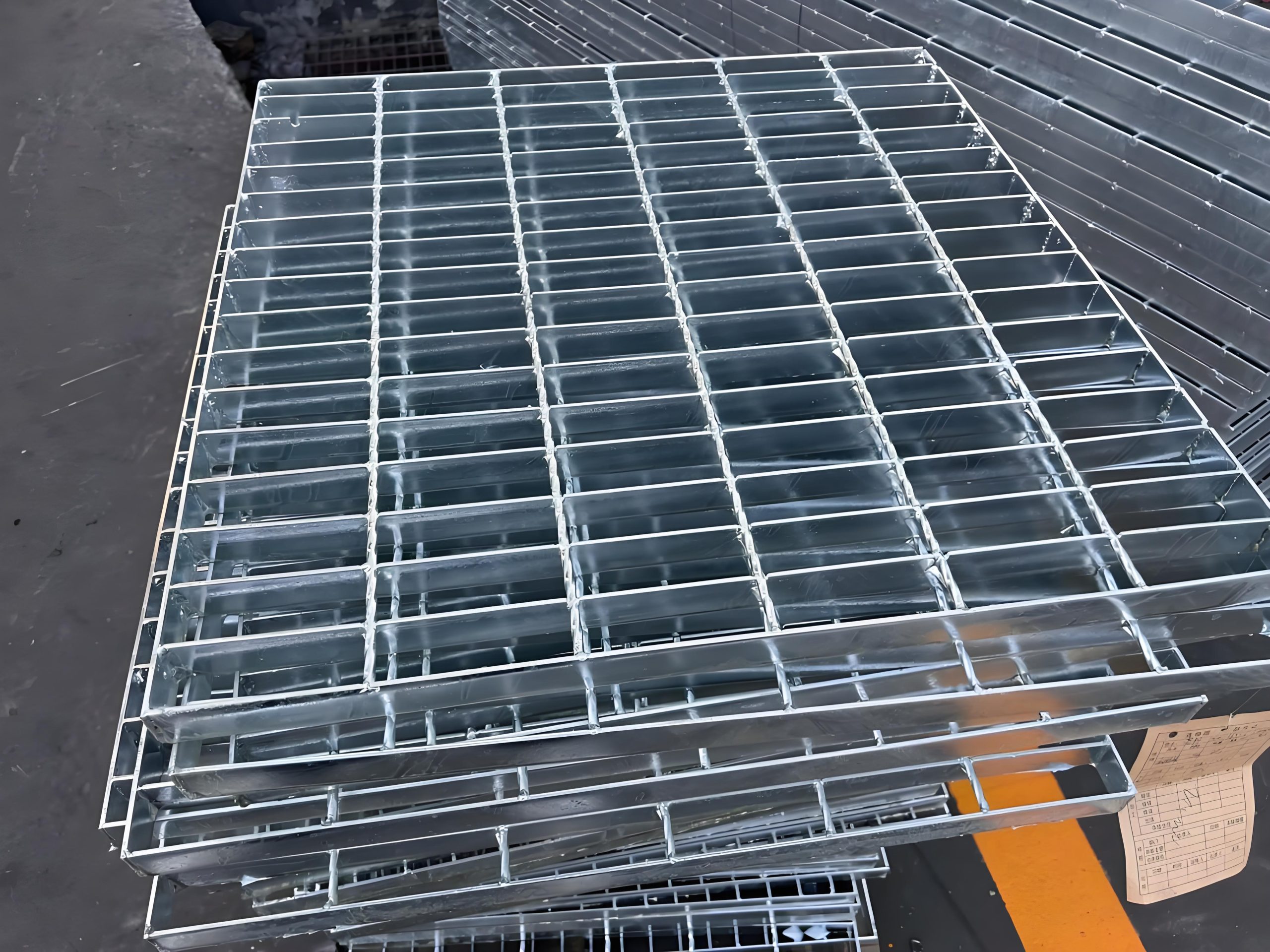
Type DT dovetail pressure locked steel grating is selected when buyers need a rigid open-grid panel with accurate bar spacing, a neat surface, and a mechanically locked structure. It can be manufactured from carbon steel, stainless steel, or aluminum depending on load requirement, corrosion environment, appearance expectation, and budget.
| Product Name | Main Feature | Common Use |
|---|---|---|
| Type DT dovetail pressure locked steel grating | Cross bars locked into dovetail-shaped bearing bar slots | Architectural floors, walkways, platforms, public access areas |
| Carbon steel Type DT grating | Strong and economical with surface treatment | Industrial platforms, walkways, trench covers |
| Stainless steel Type DT grating | Corrosion resistant and clean appearance | Food, chemical, coastal, architectural, and hygienic areas |
| Aluminum Type DT grating | Lightweight and corrosion resistant | Rooftop access, marine walkways, decorative platforms |
The manufacturing of Type DT dovetail pressure locked steel grating requires accurate slotting, bar alignment, and high-pressure locking. Since the panel depends on mechanical interlocking instead of welded intersections, the precision of the bearing bar slots and cross bar fitting is very important.
The factory first prepares bearing bars and cross bars according to the required material grade and specification. The bars must have consistent thickness, straightness, and surface condition. If the bars are uneven or twisted, the dovetail locking process may not create a neat and stable panel.
The bearing bars are processed with dovetail-shaped slots or openings. These slots must match the cross bar profile and locking design. Accurate slot position controls the final bar spacing, panel squareness, and visual consistency.
After the bearing bars are arranged, the cross bars are inserted into the dovetail slots. Each cross bar must sit properly inside the slot before pressure locking. Misalignment at this stage can affect panel flatness and locking strength.
The cross bars are pressed into the dovetail slots under controlled pressure. This pressure creates a tight mechanical lock between the cross bars and bearing bars. The dovetail shape helps prevent movement and keeps the grid stable.
After locking, the panel can be cut to size, banded around the edges, drilled, notched, or fabricated with openings according to project drawings. Depending on the material, the panel may then receive hot dip galvanizing, painting, powder coating, anodizing, pickling, passivation, or polishing.
| Manufacturing Step | Main Control Point | Why It Matters |
|---|---|---|
| Material preparation | Bar size, grade, straightness, surface condition | Ensures stable fabrication and accurate locking |
| Dovetail slot processing | Slot shape, depth, position, and tolerance | Controls locking strength and grid appearance |
| Cross bar insertion | Correct alignment and seating | Prevents twisting and uneven panel surface |
| Pressure locking | Locking pressure and bar engagement | Creates the main mechanical connection |
| Banding and fabrication | Panel size, edge treatment, cut-outs, holes | Improves installation fit and handling safety |
| Surface treatment | Galvanizing, coating, anodizing, or stainless finishing | Improves corrosion resistance and appearance |
The key feature of Type DT dovetail pressure locked steel grating is the dovetail joint. A dovetail joint uses a wider internal locking shape that resists pull-out and movement after pressure is applied. This design helps the cross bars remain firmly locked inside the bearing bars.
The dovetail slot is not a simple straight cut. It is shaped to hold the cross bar securely after pressing. Once the cross bar is forced into the slot, the geometry of the dovetail helps prevent loosening. This creates a clean mechanical connection without visible welds at every intersection.
Pressure locking uses force to seat and lock the cross bars into the bearing bars. The process must be controlled carefully. Too little pressure may create loose joints. Too much pressure may deform the bars or affect panel flatness. A well-controlled process produces a stable panel with consistent spacing.
The dovetail design improves the mechanical engagement between bars. This is useful in grating panels where appearance, stability, and precise spacing are important. It also helps create a panel with a clean top surface, making Type DT grating suitable for visible walkways and architectural flooring.
| Design Feature | Function | Project Value |
|---|---|---|
| Dovetail-shaped slot | Locks the cross bar into the bearing bar | Improves mechanical connection and panel stability |
| Pressure locking | Seats the cross bar under controlled force | Creates a firm joint without ordinary welding |
| Accurate bar spacing | Keeps the grid uniform | Improves appearance and installation consistency |
| Clean intersection | Reduces visible weld marks | Suitable for architectural and public-facing areas |
Type DT dovetail pressure locked steel grating is mainly built from bearing bars, cross bars, locking slots, open grid areas, and edge banding. Each part affects the load capacity, stability, appearance, and installation performance of the finished panel.
Bearing bars are the main load-carrying elements. They run in one direction and should span between supports during installation. Bearing bar height, thickness, spacing, and material grade directly affect load capacity and deflection.
Cross bars pass through or fit into the dovetail slots in the bearing bars. They help hold the grid together and maintain lateral stability. In Type DT grating, the cross bars are locked mechanically rather than simply welded on top of the bearing bars.
The locking slots are the special dovetail-shaped openings prepared in the bearing bars. Their shape and accuracy are critical. Poor slot tolerance may cause loose joints, uneven spacing, or panel distortion.
Edge banding closes the panel perimeter and improves handling safety. It is often used for custom panels, exposed edges, trench covers, stair treads, and panels with cut-outs. Edge banding also gives the panel a more finished appearance.
| Component | Function | Selection Note |
|---|---|---|
| Bearing bar | Carries the main load | Size and spacing must match span and load requirement |
| Cross bar | Locks into bearing bars and stabilizes the grid | Profile and spacing affect panel stability |
| Dovetail locking slot | Provides mechanical locking geometry | Slot accuracy is important for tight connection |
| Edge banding | Closes panel edges and improves handling | Recommended for custom panels and exposed edges |
| Open grid | Allows drainage, ventilation, and light passage | Useful for walkways, platforms, and drainage areas |
Type DT dovetail pressure locked steel grating and welded steel grating are both used for flooring, platforms, walkways, and covers. The main difference is how the cross bars and bearing bars are connected.
Welded steel grating uses welded intersections between cross bars and bearing bars. Type DT dovetail pressure locked grating uses dovetail slots and mechanical pressure locking. This gives Type DT grating a cleaner appearance and avoids visible welds at every intersection.
Welded grating has a practical industrial appearance. It is widely accepted in factories, trench covers, platforms, and heavy-duty areas. Type DT pressure locked grating usually looks neater and more uniform, which makes it suitable for architectural floors, public walkways, mezzanines, and visible access areas.
Welded steel grating is often more economical for large-volume industrial applications because welding production is efficient. Type DT grating may cost more because of slot processing, pressure locking, tighter tolerance control, and appearance requirements.
If the project needs economical industrial flooring or heavy-duty drainage covers, welded grating may be more practical. If the project needs a clean pressure locked appearance, accurate spacing, and a more refined grid structure, Type DT dovetail pressure locked grating can be a better option.
| Comparison Item | Type DT Dovetail Pressure Locked Grating | Welded Steel Grating |
|---|---|---|
| Connection method | Cross bars locked into dovetail slots by pressure | Cross bars welded to bearing bars |
| Appearance | Clean and uniform | Industrial and practical |
| Typical use | Architectural walkways, mezzanines, public platforms | Industrial floors, trench covers, heavy-duty platforms |
| Cost level | Usually higher due to locking and slot processing | Usually more economical for industrial use |
| Surface style | Neat pressure locked grid | Welded grid with visible industrial joints |
Type DT dovetail pressure locked steel grating and swage locked grating are both mechanically locked grating types. However, their locking mechanisms are different. Type DT uses dovetail slots and pressure locking, while swage locked grating uses a swaging process to lock cross bars into the bearing bars.
Type DT grating relies on a dovetail-shaped slot that holds the cross bar after pressure is applied. Swage locked grating relies on deformation and mechanical engagement created during the swaging process. Both methods avoid ordinary welded intersections, but the joint shape and production process differ.
Swage locked grating is commonly associated with aluminum grating because the swaging process works well with aluminum profiles. Type DT dovetail pressure locked grating can be produced in carbon steel, stainless steel, or aluminum depending on factory capability and project requirements.
Both types can provide a clean appearance. Type DT dovetail pressure locked grating is often chosen for a strong pressure locked grid with a defined dovetail joint. Swage locked grating is often selected for lightweight aluminum walkways, rooftop access, marine areas, and architectural platforms.
| Comparison Item | Type DT Dovetail Pressure Locked Grating | Swage Locked Grating |
|---|---|---|
| Locking method | Cross bars pressed into dovetail slots | Cross bars swaged into bearing bars |
| Joint feature | Dovetail-shaped mechanical lock | Swaged mechanical deformation lock |
| Common material | Carbon steel, stainless steel, aluminum | Often aluminum, also other materials depending on supplier |
| Typical use | Architectural floors, platforms, visible access areas | Lightweight walkways, marine access, rooftop platforms |
| Buyer focus | Neat dovetail locked grid and pressure locked strength | Lightweight mechanical locked panel and corrosion resistance |
Type DT dovetail pressure locked steel grating can be manufactured from different materials according to the project environment and performance requirement. The most common options are carbon steel, stainless steel, and aluminum. Each material has different advantages in strength, corrosion resistance, weight, appearance, and price.
Carbon steel Type DT grating provides strong load capacity and economical cost. It is suitable for industrial platforms, walkways, trench covers, equipment access areas, and general flooring applications. Since carbon steel can rust, it usually needs hot dip galvanizing, painting, or powder coating for corrosion protection.
Stainless steel Type DT grating offers better corrosion resistance and a cleaner appearance. It is suitable for food processing, chemical plants, coastal areas, wastewater facilities, public architectural projects, and environments where hygiene or corrosion resistance is important.
Aluminum Type DT grating is lightweight and corrosion resistant. It is useful for rooftop access, marine walkways, architectural floors, wastewater platforms, and areas where lighter panels are easier to install or remove. Aluminum is often selected when handling weight is a major concern.
| Material | Main Advantage | Common Application | Buyer Note |
|---|---|---|---|
| Carbon steel | Strong and economical | Industrial platforms, walkways, trench covers | Usually needs galvanizing or coating |
| Stainless steel | High corrosion resistance and clean surface | Chemical, food, coastal, and architectural areas | Higher cost but better durability in harsh environments |
| Aluminum | Lightweight and corrosion resistant | Marine access, rooftop platforms, decorative walkways | Load capacity should be checked carefully by span |
When choosing Type DT dovetail pressure locked grating, material selection should be based on the full project condition. Buyers should not compare carbon steel, stainless steel, and aluminum only by panel size. Their weight, load performance, surface treatment, corrosion resistance, and price are different.
Carbon steel Type DT grating is suitable when strength and cost control are important. It is often used in industrial and commercial flooring where the environment is not extremely corrosive. For outdoor use, hot dip galvanizing is commonly recommended because it provides stronger corrosion protection than untreated steel.
Stainless steel Type DT grating is suitable for corrosive or hygienic environments. It may be used in food plants, chemical processing areas, coastal facilities, pharmaceutical areas, wastewater plants, and architectural projects where clean appearance matters. Stainless steel costs more but can reduce long-term maintenance in suitable environments.
Aluminum Type DT grating is preferred when low weight is important. It is easier to handle and install than carbon steel grating. It is suitable for rooftop walkways, marine access, light service platforms, decorative areas, and locations where reducing structural dead load is beneficial.
| Selection Factor | Carbon Steel Type DT | Stainless Steel Type DT | Aluminum Type DT |
|---|---|---|---|
| Weight | Heavy | Medium to heavy | Light |
| Strength | High | High | Good when correctly designed |
| Corrosion resistance | Needs coating or galvanizing | Very good depending on grade | Good in many environments |
| Cost | Usually economical | High | Medium to high |
| Best use | Industrial platforms and general access areas | Chemical, food, coastal, and architectural projects | Rooftop, marine, lightweight, and decorative applications |
Type DT dovetail pressure locked steel grating can be supplied with a smooth or serrated bearing bar surface. The surface choice affects walking safety, cleaning, appearance, and cost. Buyers should select the surface based on the actual site condition.
Smooth Type DT grating has flat bearing bar tops. It is suitable for dry indoor walkways, mezzanine floors, architectural platforms, public access areas, and equipment floors where slip risk is low. It provides a clean appearance and is usually easier to clean than serrated grating.
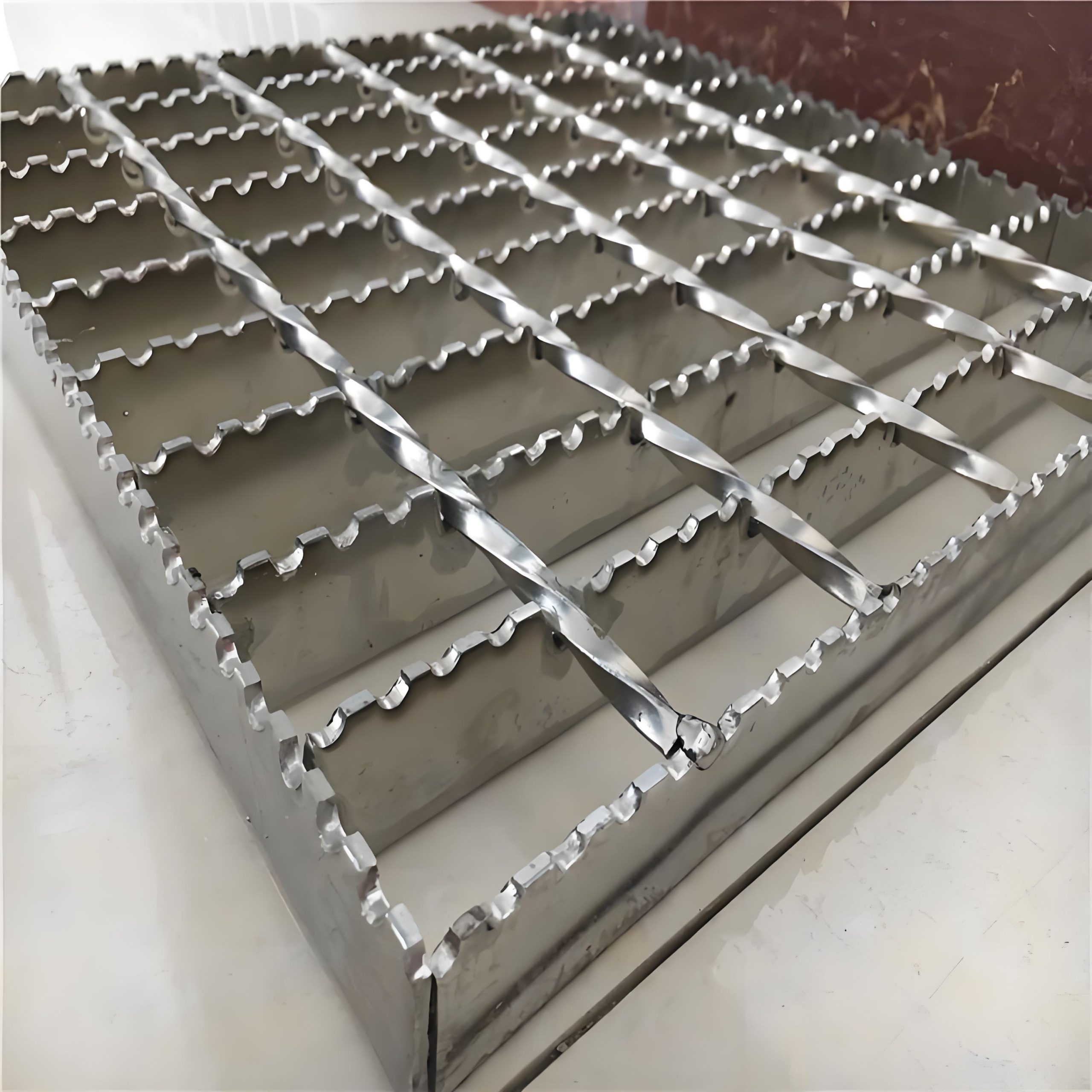
Serrated Type DT grating has toothed bearing bar surfaces to improve traction. It is recommended for wet, oily, dusty, outdoor, sloped, or industrial areas where slipping risk is higher. Serrated Type DT grating may also be used for stair treads and drainage zones.
If the grating is used in a dry indoor area or an architectural floor where appearance and easy cleaning are important, smooth surface is often suitable. If the grating is used outdoors, near water, in oily areas, or on stairs, serrated surface is usually the safer choice because it improves foot grip.
| Comparison Item | Smooth Type DT Grating | Serrated Type DT Grating |
|---|---|---|
| Top surface | Flat bearing bar top | Toothed bearing bar top |
| Anti-slip performance | Suitable for dry areas | Better for wet and outdoor areas |
| Cleaning | Easier to clean | Serrations may hold more dirt |
| Appearance | Clean and architectural | More functional and safety-focused |
| Common use | Mezzanines, architectural walkways, indoor platforms | Outdoor platforms, stair treads, wet floors, drainage areas |
The load capacity of Type DT dovetail pressure locked steel grating depends on bearing bar size, bar spacing, material, clear span, cross bar design, support condition, and installation direction. A correct specification must be selected according to the real load and support span.
Bearing bar size is commonly described by height and thickness. Higher bearing bars provide better load capacity over longer spans. Thicker bars improve strength and durability. For architectural or pedestrian areas, lighter specifications may be sufficient. For industrial platforms or service areas, stronger bearing bars may be required.
Bearing bar spacing affects load distribution, open area, walking comfort, panel weight, and price. Closer spacing means more bearing bars per square meter, which improves walking comfort and load distribution. Wider spacing reduces weight and cost but may not be suitable for all walking or loading conditions.
The clear span is the unsupported distance between support beams or frames. It is one of the most important details in grating selection. A Type DT grating panel may be strong enough for a short span but may deflect too much on a longer span. The bearing bars must be installed so they span in the correct load direction.
Different projects have different load types. Pedestrian walkways, public platforms, maintenance floors, carts, equipment access areas, and trench covers all require different grating designs. If the grating may receive concentrated loads or small wheel traffic, the spacing and bearing bar size should be checked carefully.
| Selection Item | Effect on Performance | Buyer Advice |
|---|---|---|
| Bearing bar height | Higher bars improve load capacity over longer spans | Confirm clear span before choosing specification |
| Bearing bar thickness | Thicker bars improve strength and durability | Use stronger bars for heavier traffic or industrial areas |
| Bearing bar spacing | Closer spacing improves load distribution and walking comfort | Select spacing according to safety and open area requirements |
| Material | Carbon steel, stainless steel, and aluminum have different strength and weight | Do not compare different materials by outside size only |
| Support direction | Bearing bars must span between supports | Mark bearing bar direction clearly on drawings |
| Bearing Bar Spacing | Opening and Weight Effect | Typical Use |
|---|---|---|
| 19 mm | Small openings and higher bar density | Public access areas and close-mesh requirements |
| 25 mm | Good walking comfort with moderate open area | Walkways, mezzanines, platforms |
| 30 mm | Balanced load performance and open area | General pressure locked grating panels |
| 34 mm | Moderate weight and larger opening | Industrial and architectural access areas |
| 40 mm | Larger openings and lower weight | Drainage or light-duty areas where allowed |
Cross bar design is important in Type DT dovetail pressure locked steel grating because the cross bars are part of the locking system. Their shape, spacing, material, and fit inside the dovetail slots affect the panel’s rigidity and long-term stability.
The cross bar must match the dovetail slot design. If the cross bar profile does not fit correctly, the pressure locked joint may not be stable. A proper cross bar design helps create a tight lock and consistent grid pattern.
Common cross bar spacing may include 50 mm, 76 mm, 100 mm, or custom spacing. Closer cross bar spacing can improve stability and create a denser appearance. Wider spacing reduces weight and cost while keeping more open area.
A stable Type DT panel should not feel loose, twisted, or uneven under normal use. Stability depends on accurate slotting, correct pressure locking, proper cross bar spacing, suitable bearing bar size, and good support structure.
Because Type DT grating is often used in visible areas, appearance consistency matters. Straight bars, uniform spacing, square panels, clean edges, and smooth surface treatment all affect the final project quality.
| Cross Bar Factor | Effect on Panel | Recommended Focus |
|---|---|---|
| Cross bar profile | Affects locking quality | Must match dovetail slot design |
| Cross bar spacing | Affects stability, appearance, and open area | Select according to use and visual requirement |
| Locking pressure | Affects joint tightness | Pressure must be controlled during production |
| Panel flatness | Affects installation and walking comfort | Check after locking and surface treatment |
| Bar alignment | Affects appearance and load distribution | Keep bearing bars and cross bars straight and consistent |
Type DT dovetail pressure locked steel grating can be supplied in standard panel sizes or custom-fabricated panels. Standard sizes are useful for stock, simple platform flooring, and regular walkway areas. Custom fabrication is more suitable for architectural projects, industrial platforms, stair systems, trench covers, and areas with pipes, columns, or equipment.
Common panel widths may include 500 mm, 600 mm, 750 mm, 900 mm, 1000 mm, and 1200 mm. Common panel lengths may range from 1000 mm to 6000 mm, depending on material, production capacity, shipping method, surface treatment, and installation requirements.
Custom panels can be produced according to drawings. The factory can cut panels to required length and width, prepare irregular shapes, and add edge banding. This reduces site cutting and improves installation accuracy.
Platforms often require openings for pipes, columns, equipment bases, handrails, drains, and cable routes. Factory-made cut-outs are usually cleaner than site cutting and can be finished with proper edge treatment.
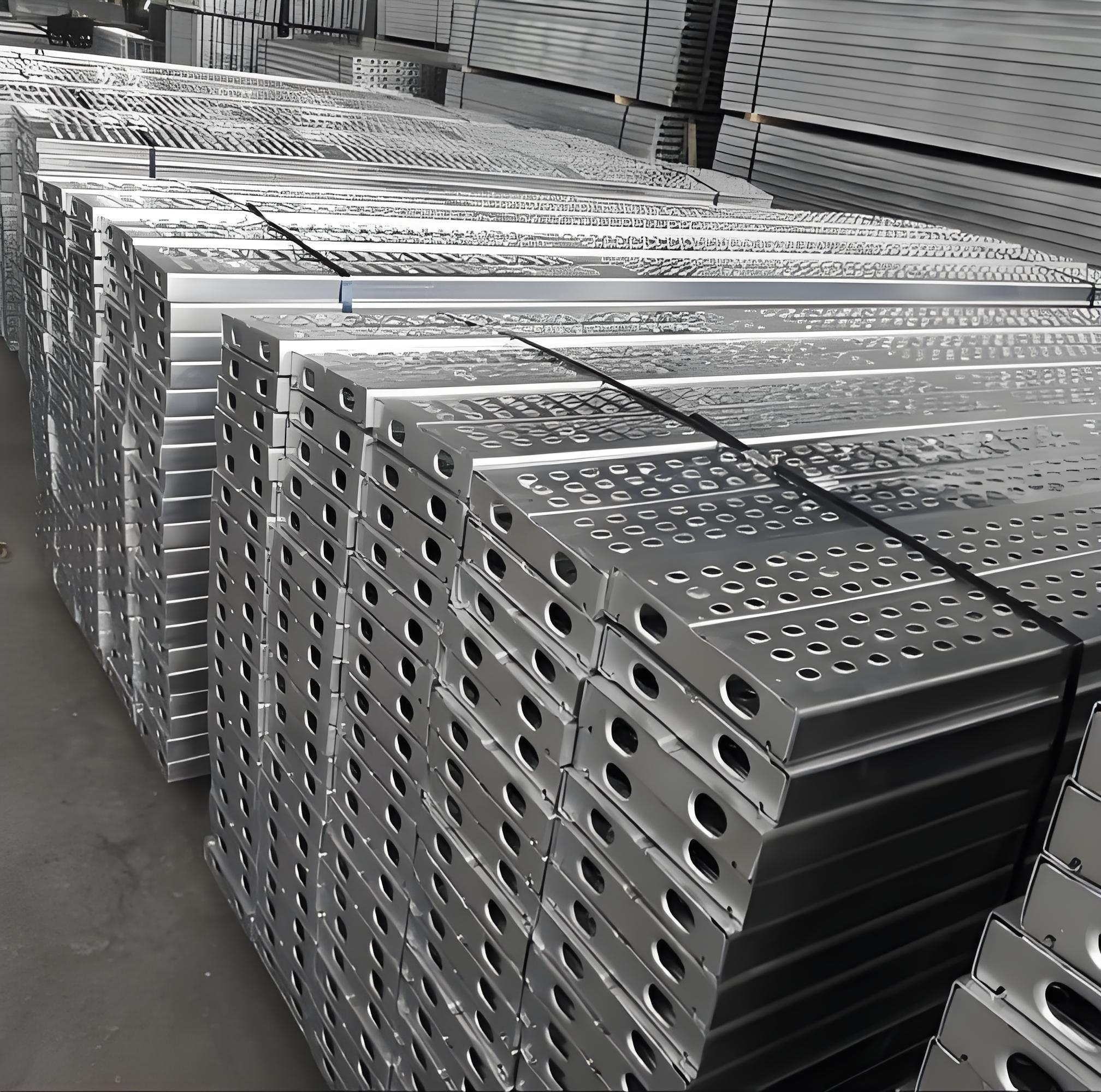
Type DT grating can be fabricated into stair treads if the design and load requirements allow. Stair treads may include side plates, bolt holes, front nosing, serrated surface, and special widths according to stair structure.
For large projects, panel marking helps installers identify each panel according to the layout drawing. This is useful for platforms with many panel sizes, cut-outs, and installation directions.
| Fabrication Option | What It Includes | Project Benefit |
|---|---|---|
| Standard panel | Regular size and specification | Faster production and easier stock management |
| Cut-to-size panel | Custom length and width | Improves fit and reduces site cutting |
| Cut-outs and notches | Openings around pipes, columns, machines, and frames | Allows accurate installation around site obstacles |
| Edge banding | Finished edge around panel perimeter or cut-outs | Improves safety, appearance, and handling |
| Stair tread details | Side plates, bolt holes, nosing, serrated surface | Supports direct stair installation |
| Panel numbering | Marks panels according to project layout | Improves installation speed and reduces errors |
Surface treatment should be selected according to material, corrosion environment, appearance requirement, and service life expectation. Type DT dovetail pressure locked steel grating may use hot dip galvanizing, painting, powder coating, anodizing, pickling, passivation, or polishing depending on whether the grating is carbon steel, stainless steel, or aluminum.
Carbon steel Type DT grating used outdoors or in humid environments usually needs hot dip galvanizing. The zinc coating protects the steel from corrosion and helps extend service life. For pressure locked grating, coating quality should be checked carefully around slots and bar intersections.
Painting or powder coating can provide color options and improve appearance. These finishes are often used for indoor projects, architectural areas, or projects requiring a specific color. For outdoor use, the coating system should match the exposure environment.
Stainless steel Type DT grating can be supplied with natural finish, pickled finish, passivated finish, brushed finish, or polished finish. Pickling and passivation can improve corrosion performance and surface cleanliness after fabrication.
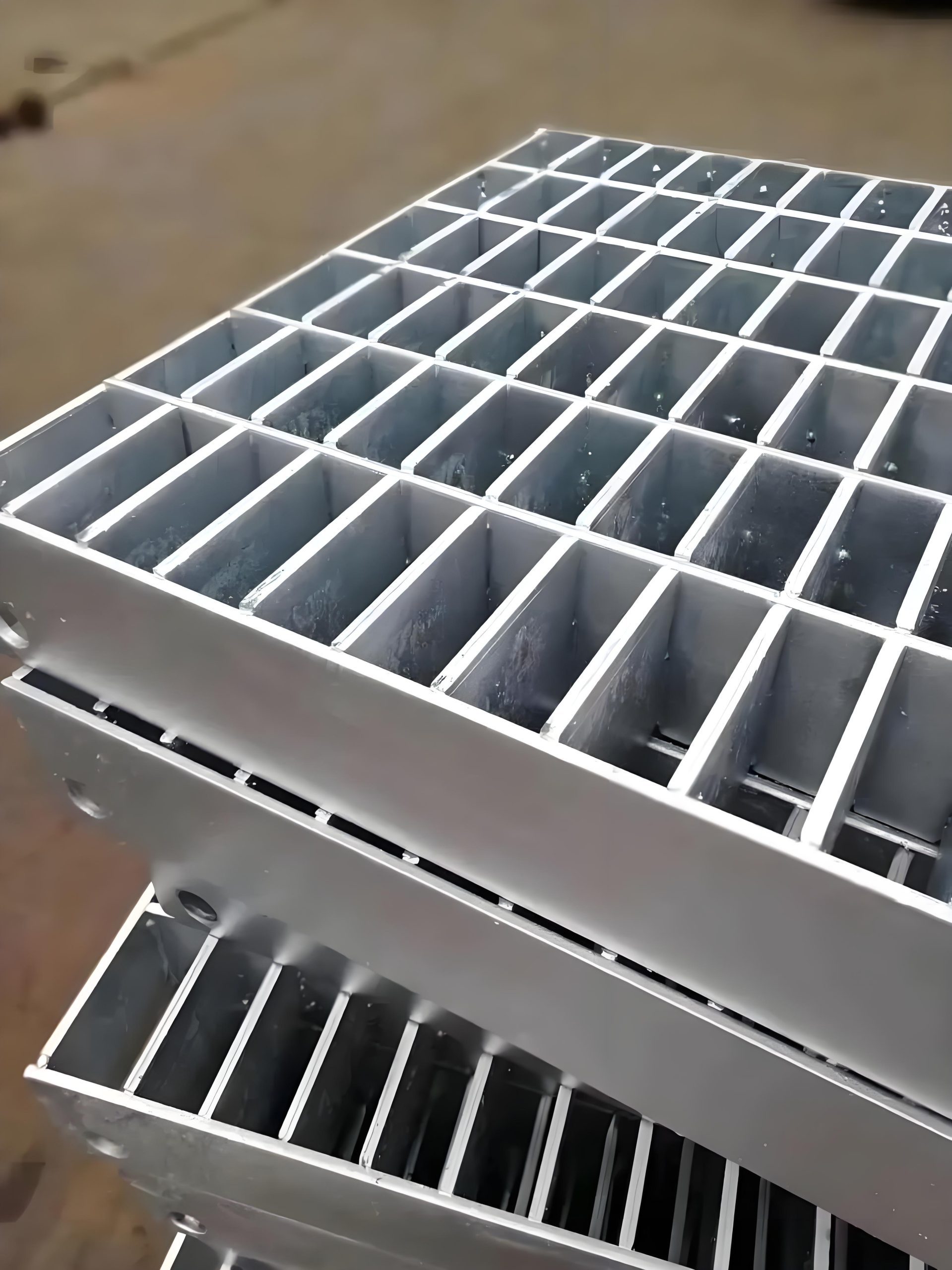
Aluminum Type DT grating may be supplied with mill finish, anodized finish, or powder coating. Anodizing improves surface appearance and corrosion resistance, while powder coating provides color options for architectural projects.
| Material | Surface Treatment Options | Common Use |
|---|---|---|
| Carbon steel | Hot dip galvanizing, painting, powder coating | Industrial platforms, walkways, trench covers, outdoor access |
| Stainless steel | Natural finish, pickling, passivation, brushing, polishing | Chemical, food, coastal, and architectural areas |
| Aluminum | Mill finish, anodizing, powder coating | Rooftop access, marine walkways, decorative platforms |
Type DT dovetail pressure locked steel grating is used in projects where a clean appearance, mechanical locking, open-grid structure, and stable panel performance are required. Its applications include architectural flooring, industrial walkways, mezzanines, platforms, drainage areas, stair treads, public access zones, and service floors.
Because Type DT grating has a neat pressure locked appearance, it is suitable for architectural walkways, public platforms, commercial access floors, bridge pedestrian paths, and visible service areas. The grid can provide drainage and light transmission while maintaining a clean visual effect.
Type DT grating can be used for equipment platforms, maintenance floors, mezzanines, and access routes. It provides a stable walking surface while allowing water, air, dust, and debris to pass through the open grid.
Mezzanine floors often need lightweight and open flooring that allows light and air movement. Type DT pressure locked grating can be selected when the project requires a cleaner appearance than ordinary welded grating.
The open-grid structure allows water drainage, making Type DT grating useful for trench covers, drainage areas, utility access panels, and service covers. For heavy vehicle traffic, load capacity and support structure should be checked carefully.
Type DT grating can be made into stair treads with side plates and anti-slip nosing when required. Serrated surface may be selected for outdoor or wet stairs to improve traction.
Aluminum and stainless steel Type DT grating can be used in rooftop access, marine walkways, coastal platforms, wastewater facilities, and areas where corrosion resistance or lighter panel weight is important.
| Application | Why Type DT Grating Is Used |
|---|---|
| Architectural walkway | Clean appearance and consistent pressure locked grid |
| Industrial platform | Stable open-grid flooring with load-bearing capability |
| Mezzanine floor | Allows light, air, and drainage while reducing solid flooring weight |
| Drainage cover | Open grid allows water flow and service access |
| Stair tread | Can be fabricated with side plates, holes, and anti-slip surface |
| Marine or rooftop access | Aluminum or stainless steel options help reduce corrosion concerns |
What does Type DT dovetail pressure locked steel grating mean?
Type DT dovetail pressure locked steel grating means a mechanically locked grating panel where cross bars are pressed into dovetail-shaped slots in the bearing bars. The dovetail joint and pressure locking process create a clean, stable, and uniform grid without ordinary welded intersections.
Is Type DT grating better than welded steel grating?
Type DT grating is better when the project needs a clean appearance, accurate bar spacing, and a pressure locked structure for architectural walkways, mezzanines, or visible access areas. Welded steel grating is often better for economical industrial flooring, heavy-duty trench covers, and large-volume carbon steel platform projects. The better choice depends on load, budget, appearance, material, and application environment.
What materials are available for Type DT pressure locked grating?
Type DT pressure locked grating can be made from carbon steel, stainless steel, or aluminum depending on project requirements and supplier capability. Carbon steel is strong and economical but usually needs galvanizing or coating. Stainless steel is suitable for corrosive or hygienic environments. Aluminum is lightweight and useful for rooftop, marine, decorative, and corrosion-resistant access applications.
Please Feel free to give your inquiry in the form below.we will reply you in 24 hours.