
Home > Products > Steel Grating > Serrated Stainless Steel Grating
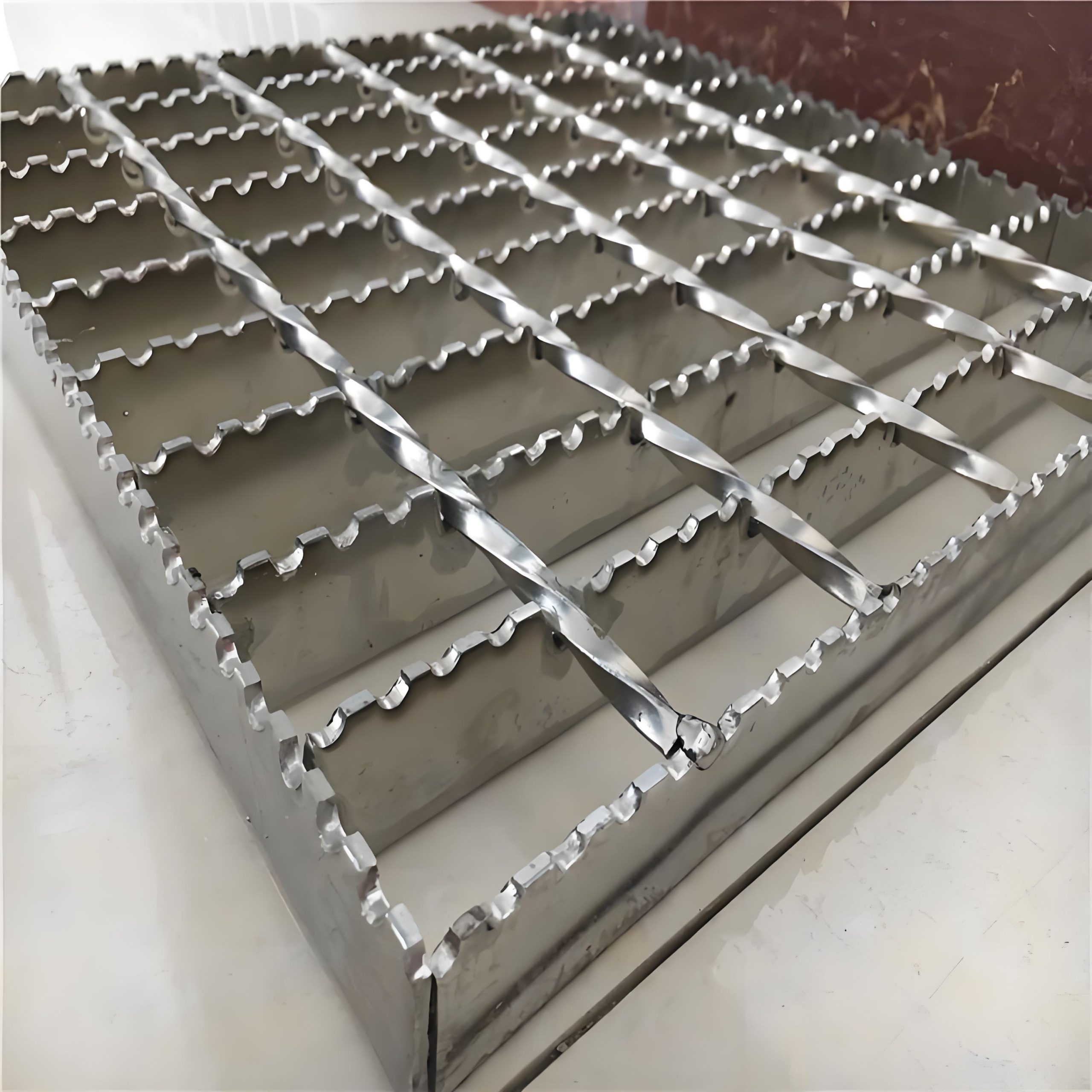
Serrated stainless steel grating is a corrosion-resistant metal grating product designed with serrated bearing bars to improve slip resistance in wet,…
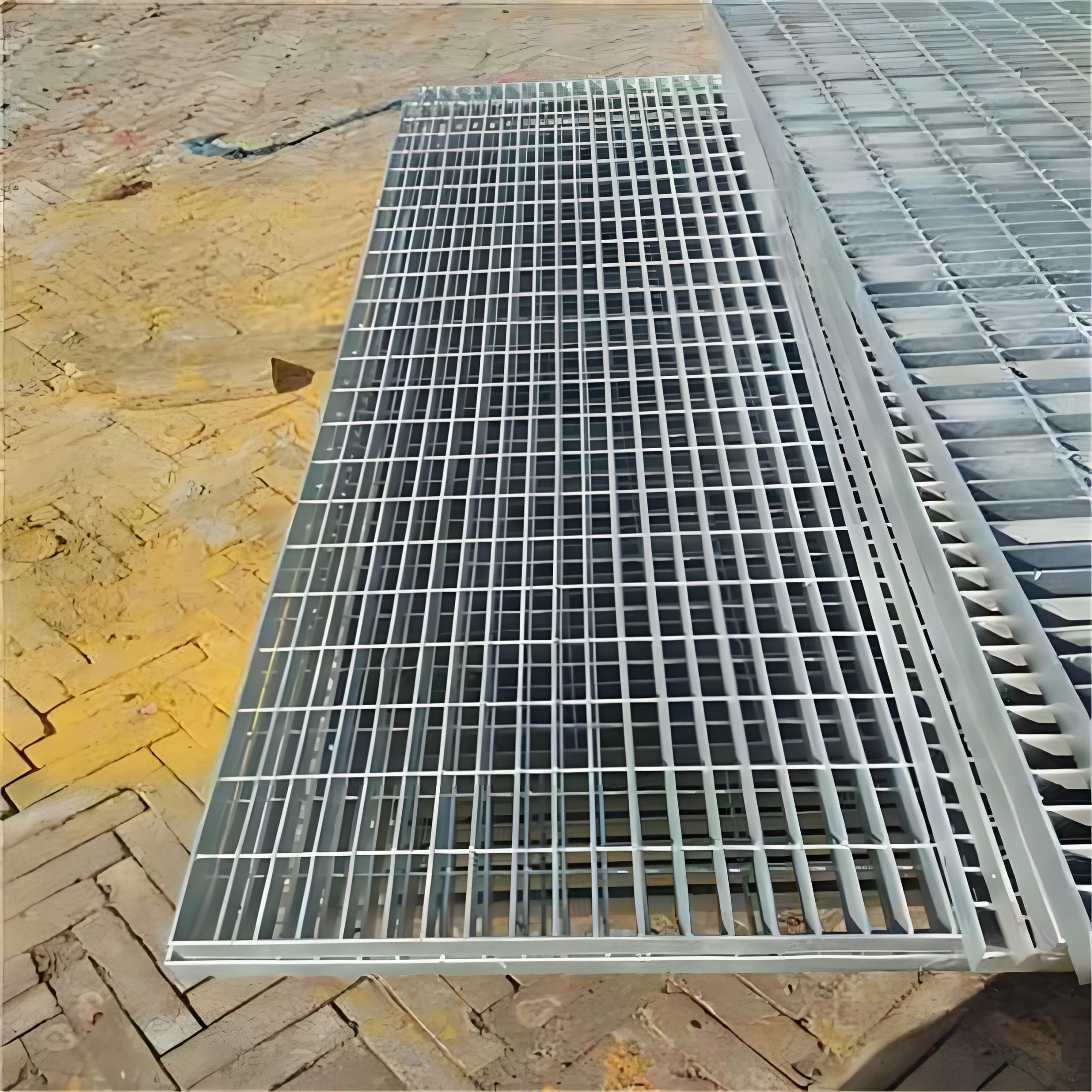
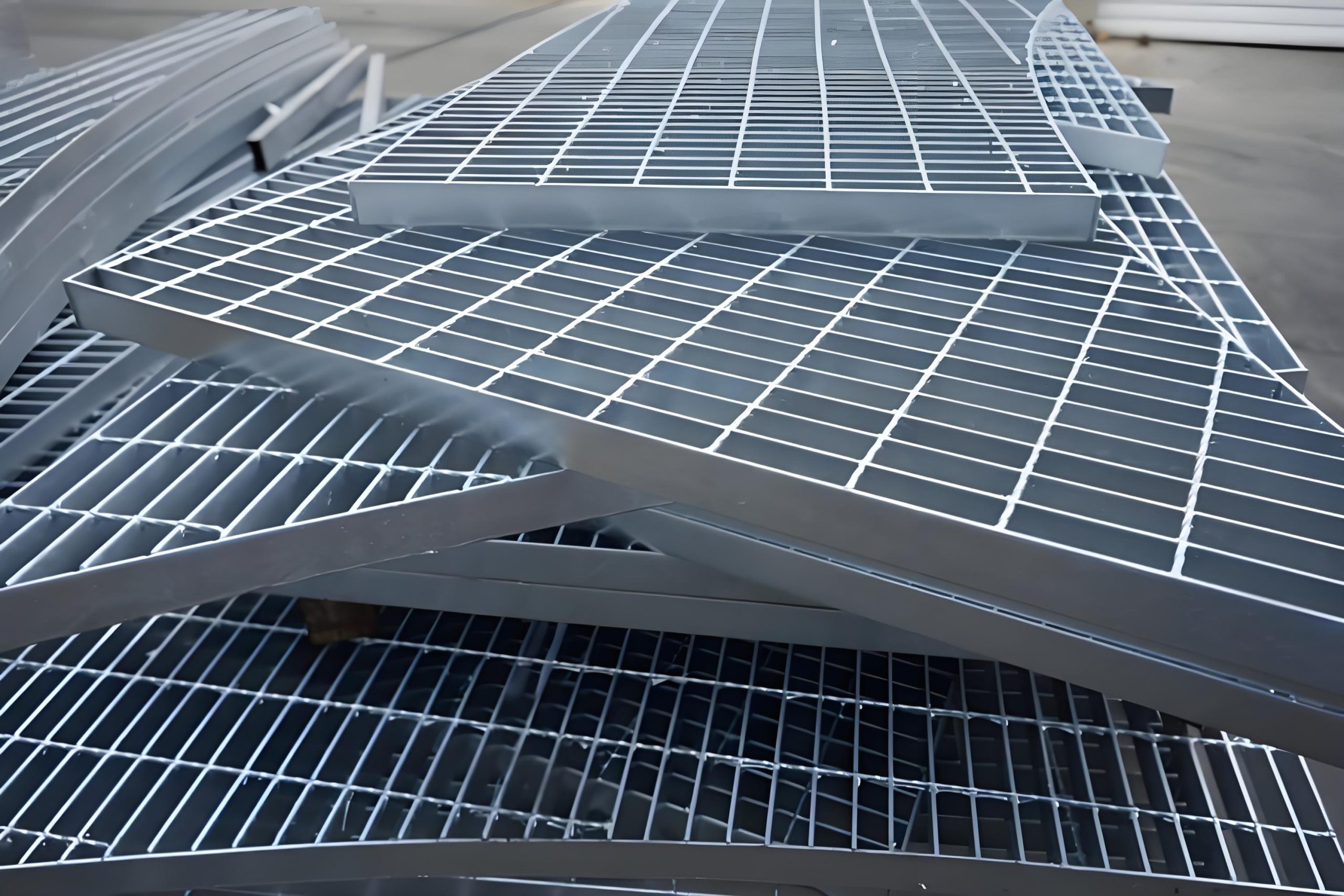
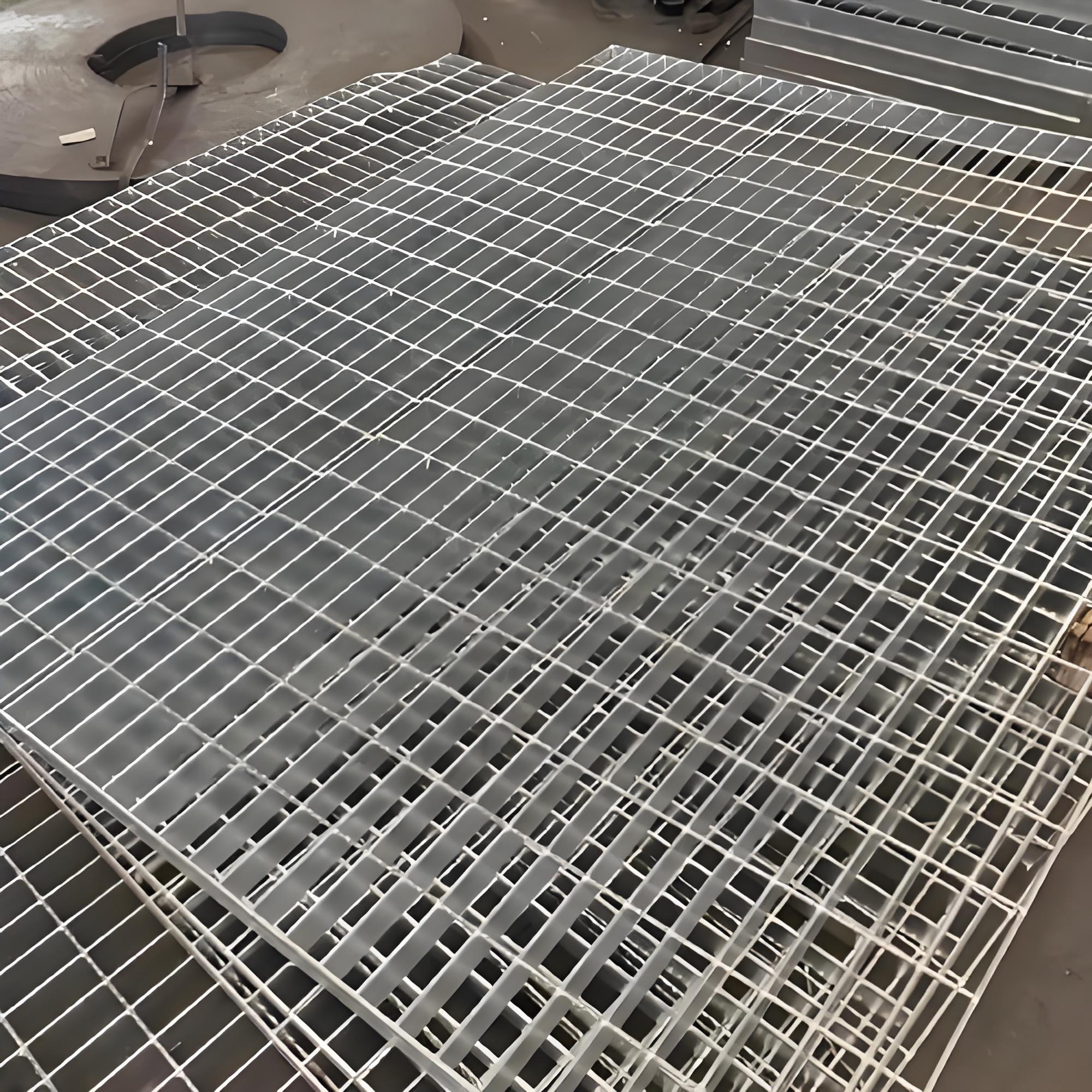
Serrated stainless steel grating is a corrosion-resistant metal grating product designed with serrated bearing bars to improve slip resistance in wet, oily, marine, chemical, and industrial walking areas. Compared with plain stainless steel grating, serrated stainless steel grating has a toothed or notched top surface that provides better grip underfoot, making it suitable for slippery walkways, platforms, drainage covers, stair treads, maintenance floors, and industrial access systems. It combines the corrosion resistance of stainless steel with the anti-slip performance of serrated bar grating, so it is often selected for environments where safety, drainage, ventilation, durability, and long service life are required at the same time.
Serrated stainless steel grating is made from stainless steel bearing bars and cross bars. The bearing bars are the main load-carrying bars, while the cross bars keep the structure stable and maintain the mesh spacing. The key feature of this product is the serrated surface on the top edge of the bearing bars. These serrations create extra contact points between footwear and the grating surface, helping reduce the risk of slipping in demanding working environments.
This type of grating is widely used where ordinary smooth grating may not provide enough walking safety. In many industrial sites, floors are often exposed to rainwater, cleaning water, oil, mud, grease, chemical liquid, seawater, or food residue. A smooth stainless steel surface may become slippery under these conditions. Serrated stainless steel grating helps improve traction while still keeping the advantages of stainless steel, such as rust resistance, clean appearance, washdown performance, and long-term durability.
The product can be manufactured from 304, 316, 316L, and other stainless steel grades. It can also be supplied as welded serrated stainless steel grating, press locked serrated stainless steel grating, or swage locked serrated stainless steel grating. The right structure depends on the project’s load requirement, appearance requirement, corrosion environment, bar spacing, installation method, and budget.
Serrated stainless steel grating means that the top surface of the stainless steel bearing bars is cut, punched, or formed with serrations. These serrations are usually small teeth or notches along the upper edge of each bearing bar. Their purpose is to increase friction and improve walking safety, especially in areas where water, oil, dust, mud, or other slippery substances may be present.
The word “serrated” does not refer to the entire panel shape. It refers mainly to the top edge of the load-bearing bars. The open-grid structure remains similar to ordinary stainless steel grating, but the walking surface is more aggressive. Because of this design, serrated stainless steel grating is commonly used for stair treads, outdoor platforms, loading areas, drainage covers, marine walkways, food processing floors, chemical plant access areas, and industrial floors where slip resistance is a major concern.
Serrated stainless steel grating does not automatically mean higher load capacity than plain stainless steel grating. Load capacity is still determined by bearing bar size, bar thickness, bar spacing, span direction, support condition, material grade, and manufacturing method. Serration mainly improves anti-slip performance, while structural strength comes from the bearing bar design and support layout.
The serrated surface is the most important feature of this grating. When workers walk on wet or oily flooring, the contact between shoe soles and smooth metal surfaces may not be enough. Serrations help create additional grip by breaking the smooth surface and increasing friction.
The serrated teeth on the bearing bars create small raised and recessed contact points. These contact points help the shoe sole hold the surface more firmly than a completely smooth bar. This is especially useful when water, mud, oil, or cleaning liquid is present on the grating surface. The open mesh also allows liquid to pass through the panel, reducing the chance of standing water on the walking surface.
In outdoor platforms, drainage areas, washing zones, and water treatment plants, wet surfaces are difficult to avoid. Serrated stainless steel grating is often selected because it offers better walking safety than plain stainless steel grating. It is not a replacement for complete safety management, but it can help reduce slip risk when the grating is correctly selected and installed.
Some industrial floors are exposed to oil, grease, or process residue. In these conditions, plain grating may become slippery. Serrated stainless steel grating provides a more aggressive walking surface. For workshops, machine platforms, maintenance floors, and production lines where oil contamination is possible, serrated grating is usually more suitable than plain grating.
Although serrated stainless steel grating improves grip, it is not always the best choice for every project. The serrated surface is more difficult to clean than a plain surface because dust, grease, food residue, or chemical deposits can stay around the notches. It may also feel more aggressive underfoot. For clean areas where slip risk is low and hygiene is the main requirement, plain stainless steel grating may be more suitable.
Material selection is a key part of choosing serrated stainless steel grating. Stainless steel offers better corrosion resistance than carbon steel, but different stainless steel grades perform differently in different environments. The most common grades for serrated stainless steel grating are 304, 316, and 316L.
| Material Grade | Main Features | Common Applications |
| 304 Stainless Steel | Good general corrosion resistance, widely available, practical for indoor and mild outdoor environments. | Industrial walkways, platforms, drainage covers, stair treads, and general working floors. |
| 316 Stainless Steel | Better chloride and chemical corrosion resistance than 304 because of molybdenum content. | Marine walkways, coastal platforms, chemical plants, wastewater areas, and food processing environments. |
| 316L Stainless Steel | Low-carbon version of 316, better for welded fabrication and corrosion-sensitive applications. | Welded serrated stainless steel grating, chemical processing areas, hygienic plants, and harsh wet environments. |
| 201 Stainless Steel | Lower cost stainless steel with lower corrosion resistance compared with 304 and 316. | Dry indoor areas, decorative use, and light-duty projects with limited corrosion exposure. |
| Special Stainless Steel Grades | Selected for special temperature, corrosion, hygiene, or engineering requirements. | Offshore projects, special chemical plants, high-end industrial systems, and customized engineering use. |
For normal indoor industrial applications, 304 stainless steel is often a cost-effective option. For outdoor, coastal, marine, chemical, or frequent washdown environments, 316 or 316L stainless steel is usually a better choice. If the grating requires welding, edge banding, framing, or complex fabrication, 316L may provide better corrosion performance around welded areas.
The difference between serrated stainless steel grating and plain stainless steel grating is mainly the surface of the bearing bars. Serrated grating has a toothed top edge, while plain grating has a smooth top edge. This difference affects slip resistance, cleaning, appearance, comfort, and application suitability.
| Item | Serrated Stainless Steel Grating | Plain Stainless Steel Grating |
| Surface Design | Toothed or notched bearing bar surface. | Smooth and non-serrated bearing bar surface. |
| Slip Resistance | Better grip in wet, oily, muddy, or slippery areas. | Suitable for dry or controlled walking areas. |
| Cleaning | More difficult to clean because residue may stay around serrations. | Easier to clean because the surface is smooth. |
| Walking Comfort | More aggressive underfoot, suitable for safety-focused areas. | More comfortable for frequent walking and standing. |
| Appearance | More industrial and functional appearance. | Cleaner and smoother visual appearance. |
| Typical Use | Outdoor platforms, stair treads, slippery walkways, drainage covers, and oily floors. | Clean platforms, food areas, architectural floors, mezzanines, and normal walkways. |
Serrated stainless steel grating is better when slip resistance is the main concern. Plain stainless steel grating is better when cleanability, smooth appearance, and walking comfort are more important. For example, a wet outdoor stair tread or oily maintenance platform may need serrated grating, while a clean indoor drainage cover in a controlled area may use plain stainless steel grating.
Serrated stainless steel grating can be manufactured in different structural forms. The main types include welded serrated stainless steel grating, press locked serrated stainless steel grating, and swage locked serrated stainless steel grating. The choice depends on strength requirement, appearance, cost, manufacturing feasibility, and project specification.
Welded serrated stainless steel grating is produced by welding cross bars to serrated bearing bars. It provides strong connection strength and is commonly used for industrial platforms, walkways, stair treads, drainage covers, and maintenance floors. This structure is practical for many heavy-use environments where strength and durability are important.
Press locked serrated stainless steel grating is made by pressing cross bars into pre-slotted bearing bars. It offers a neat appearance, accurate spacing, and a stable grid structure. This type can be used for architectural areas, public walkways, stainless steel drainage systems, and platforms where both appearance and slip resistance are required.
Swage locked serrated stainless steel grating is manufactured by mechanically locking cross bars into the bearing bars through pressure. It can provide a clean appearance and stable structure without relying completely on welding. This structure is suitable for walkways, platforms, marine areas, and custom stainless steel grating panels.
| Grating Type | Connection Method | Main Advantage | Common Use |
| Welded Serrated Stainless Steel Grating | Cross bars are welded to serrated bearing bars. | Strong structure and good industrial durability. | Platforms, stair treads, drainage covers, and heavy-use walkways. |
| Press Locked Serrated Stainless Steel Grating | Cross bars are pressed into slotted bearing bars. | Clean appearance and accurate spacing. | Architectural walkways, public access areas, and stainless drainage grilles. |
| Swage Locked Serrated Stainless Steel Grating | Cross bars are mechanically locked by pressure. | Stable structure with neat stainless steel appearance. | Marine walkways, platforms, custom grating, and industrial floors. |
Serrated stainless steel grating can be produced with many bar spacing and mesh size options. These dimensions affect slip resistance, walking comfort, drainage, open area, strength, weight, and cost. Before ordering, buyers should confirm bearing bar spacing, cross bar spacing, bearing bar height, bearing bar thickness, panel size, and support span.
| Design Item | Common Options | Selection Notes |
| Bearing Bar Spacing | 19 mm, 25 mm, 30 mm, 32 mm, 40 mm, or customized spacing. | Closer spacing improves walking comfort and reduces open gaps. |
| Cross Bar Spacing | 50 mm, 76 mm, 100 mm, or customized spacing. | Affects panel stability, appearance, and open area. |
| Bearing Bar Height | Selected according to span and load requirement. | Higher bearing bars usually provide stronger load capacity. |
| Bearing Bar Thickness | Selected according to duty level and project requirement. | Thicker bars improve strength but increase weight and cost. |
| Panel Size | Standard panels or customized dimensions. | Panel size should match the support frame, installation opening, and transport condition. |
For pedestrian walkways and stair treads, closer bar spacing may provide better walking comfort. For drainage covers, the opening should allow water to pass while preventing unsafe foot gaps. For industrial floors, bar size and spacing must be selected according to the expected load and span. For areas where small tools or objects may fall through the grating, smaller openings may be required.
The bearing bars carry the main load of serrated stainless steel grating. Serrations improve grip, but they do not replace structural design. A safe grating panel must have the correct bearing bar size, correct span direction, proper support width, and enough fixing points.
Bearing bar height has a major effect on load capacity. A deeper bearing bar can usually carry heavier loads or span a longer distance. For light pedestrian use, a smaller bearing bar may be enough. For heavy industrial platforms, equipment access floors, or trench covers exposed to concentrated loads, a larger bearing bar may be needed.
Bearing bar thickness affects strength, rigidity, impact resistance, and service life. Thicker bars increase material weight and cost, but they also improve durability. In areas with frequent impact, heavy foot traffic, or equipment movement, thicker bearing bars may be more suitable.
Span direction is one of the most important details in grating design. The bearing bars must run between the supports. If the panel is installed in the wrong direction, the load capacity will be much lower than expected. Drawings should clearly show the bearing bar direction, panel length, panel width, support locations, and installation position.
Load capacity depends on bearing bar size, spacing, clear span, material grade, support condition, and installation method. A walkway used only by workers has different requirements from a platform carrying tools, carts, maintenance equipment, or concentrated wheel loads. For safety, buyers should provide actual load requirements before production.
| Load Design Factor | Why It Matters |
| Clear Span | Longer spans require deeper or thicker bearing bars. |
| Bearing Bar Direction | Correct direction transfers load properly to the support structure. |
| Load Type | Pedestrian load, concentrated load, and wheel load require different designs. |
| Support Width | Insufficient support can cause movement, deflection, or unsafe seating. |
| Fixing Method | Clips, welding, or frames help prevent panel movement during use. |
Serrated stainless steel grating is often used in corrosive environments because stainless steel has better resistance to rust than carbon steel. However, corrosion resistance depends on the stainless steel grade, surface finish, welding quality, cleaning method, and actual chemicals present in the environment.
In wet areas, stainless steel grating resists rust better than ordinary steel. Serrated stainless steel grating is commonly used around water treatment equipment, washing areas, pumps, tanks, drainage systems, and outdoor platforms. The serrated surface improves grip, while the open grid allows water to drain through the panel.
In chemical plants, stainless steel grade selection must be handled carefully. Grade 304 may be suitable for mild environments, but 316 or 316L is usually preferred where chlorides, acids, cleaning agents, or chemical vapors are present. If the grating is welded, post-weld cleaning or passivation may help improve corrosion performance.
Marine and coastal environments expose grating to salt air and chloride. In these areas, 316 or 316L stainless steel is usually more suitable than 304 stainless steel. Serrated stainless steel grating is often used on ship access areas, coastal walkways, dock platforms, offshore structures, and marine maintenance zones where both corrosion resistance and slip resistance are required.
Food processing areas often require corrosion resistance, drainage, and safe walking surfaces. Serrated stainless steel grating can be used in wet or slippery zones, but cleaning requirements should be considered. Because serrations can hold residue more easily than plain bars, surface treatment, cleaning access, and drainage design should be reviewed carefully before selection.
| Environment | Recommended Material Direction | Key Consideration |
| General Wet Area | 304 or 316 stainless steel. | Water drainage, slip resistance, and cleaning frequency. |
| Chemical Plant | 316 or 316L stainless steel. | Chemical type, concentration, vapor, and cleaning method. |
| Marine or Coastal Area | 316 or 316L stainless steel. | Salt exposure, surface finish, and regular maintenance. |
| Food Processing Area | 304, 316, or 316L stainless steel. | Hygiene, washdown, residue control, and slip resistance. |
| Dry Indoor Area | 304 stainless steel or selected according to budget. | Load capacity, appearance, and installation method. |
Surface finish affects the final appearance, corrosion resistance, cleaning performance, and cost of serrated stainless steel grating. Because serrated bars have more edges and surface details than plain bars, surface cleaning and finishing are especially important after fabrication.
| Surface Finish | Description | Recommended Use |
| Mill Finish | Standard stainless steel surface after material production and fabrication. | General industrial platforms, walkways, and drainage covers. |
| Pickled Finish | Chemically cleaned surface used to remove welding scale, heat tint, and surface contamination. | Welded serrated stainless steel grating, wet areas, and chemical environments. |
| Passivated Finish | Treatment that helps restore and improve the protective chromium oxide layer. | Marine, food processing, pharmaceutical, and corrosion-sensitive applications. |
| Polished Finish | Smoother and brighter surface for better appearance and easier cleaning. | Visible walkways, architectural areas, clean industrial platforms, and special projects. |
For normal industrial applications, mill finish may be acceptable. For welded stainless steel grating used in wet, marine, or chemical areas, pickling or passivation is often recommended. For visible architectural projects, polishing can improve appearance, but the serrated surface must still be handled carefully to avoid reducing its anti-slip function.
Serrated stainless steel grating is selected when both slip resistance and corrosion resistance are important. It is used in many industries where workers need safe access over wet, oily, or corrosive surfaces.
Outdoor walkways, marine walkways, and wet industrial access routes often require serrated stainless steel grating. The serrated surface improves grip, while the open grid allows rainwater or process liquid to drain away. This makes it suitable for areas where smooth metal flooring may become unsafe.
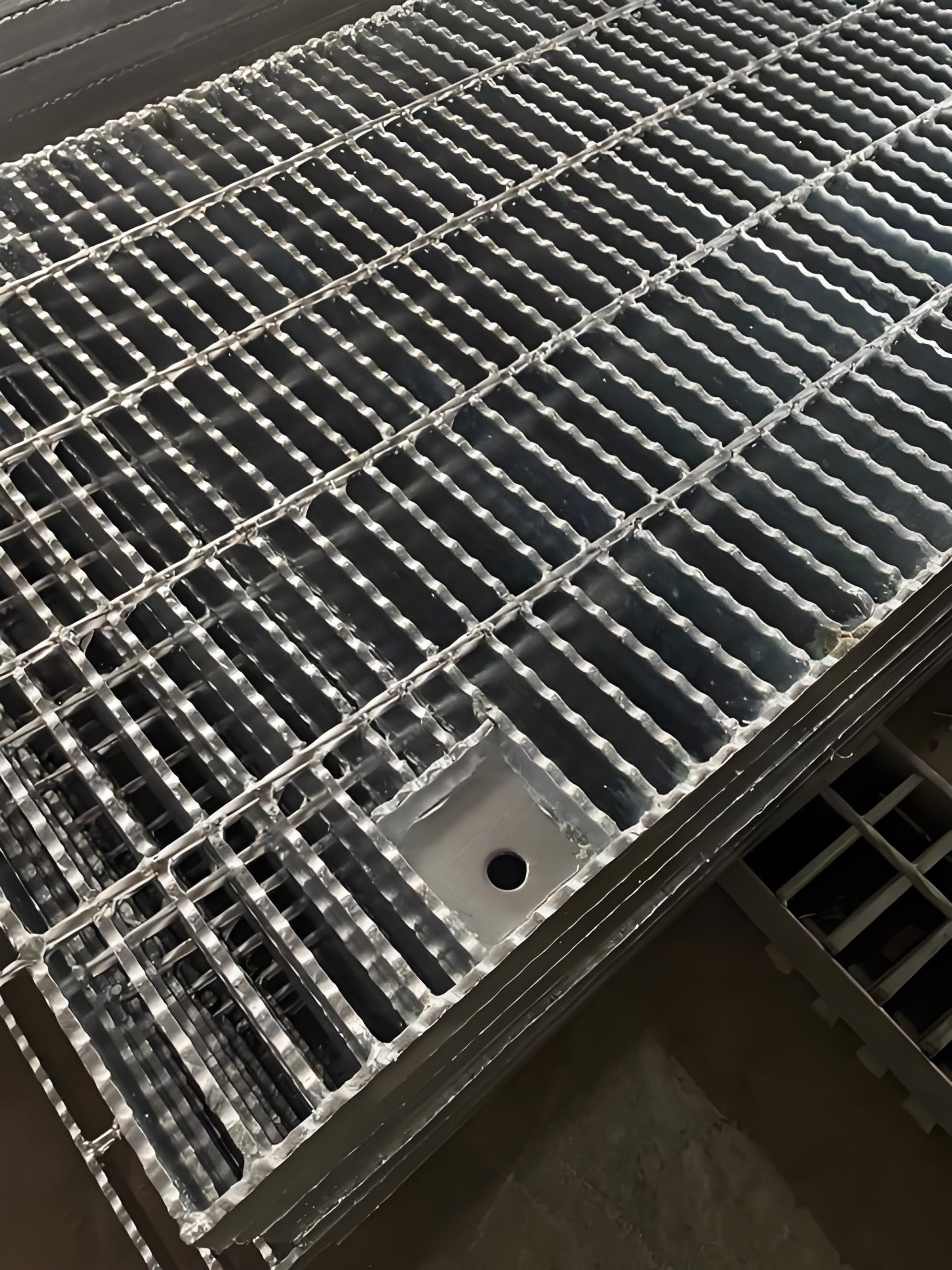
Serrated stainless steel grating is used for equipment platforms, tank platforms, maintenance platforms, and inspection platforms. These areas may be exposed to water, oil, chemicals, or outdoor weather. Serrated grating helps provide a safer walking surface for workers performing inspection or maintenance work.
Drainage trench covers often become wet, especially in food processing plants, kitchens, chemical workshops, and washdown areas. Serrated stainless steel drainage grating provides water flow, corrosion resistance, and better traction for workers walking across the trench cover.
Stair treads are one of the most common applications for serrated stainless steel grating. Stairs have higher slip risk than flat floors, especially outdoors or in wet environments. Serrated grating stair treads can improve footing and drainage, making them suitable for industrial stairs, marine stairs, platform stairs, and maintenance ladders.
In industrial floors, serrated stainless steel grating can be used around machines, production lines, tanks, pumps, washing areas, and maintenance zones. It is especially useful where liquid may fall onto the floor and where workers need a more secure walking surface.
| Application | Why Serrated Stainless Steel Grating Is Used |
| Outdoor Walkways | Improves grip in rain and allows water drainage. |
| Industrial Platforms | Provides corrosion resistance and safer walking in wet or oily areas. |
| Drainage Covers | Allows liquid flow while improving anti-slip performance. |
| Stair Treads | Reduces slip risk on stairs and improves footing. |
| Marine Access Areas | Resists salt exposure when 316 or 316L stainless steel is used. |
| Food Processing Floors | Provides drainage and slip resistance in washdown areas. |
Serrated stainless steel grating is often customized according to the installation area. Standard panels may not fit every platform, trench, stair, machine base, or floor opening. Custom fabrication allows the grating to match project drawings and reduce site cutting work.
Panels can be cut to required length and width. Cutouts can also be made for pipes, columns, drainage outlets, equipment bases, or special openings. For stainless steel grating, accurate factory cutting is usually better than rough site cutting because it helps maintain edge quality and surface appearance.
Edge banding is commonly used to close the open ends of the bearing bars. It improves safety, strengthens the panel edge, and gives the grating a more finished appearance. For removable drainage covers, stair treads, and custom-shaped panels, edge banding is especially useful.
Frames can be supplied for trench covers, floor openings, and removable grating panels. Stainless steel angle frames or flat bar frames can be matched with the grating panel. The frame design should consider panel seating, load transfer, drainage, cleaning, and removal requirements.
Serrated stainless steel grating can be fabricated into irregular shapes, curved panels, round tank platforms, sector panels, or panels with multiple cutouts. For special shapes, drawings should clearly show outside dimensions, cutout locations, bearing bar direction, banding requirement, frame requirement, and installation position.
Correct installation is essential for serrated stainless steel grating. The grating must be supported, fixed, and aligned properly. Even a strong grating panel may become unsafe if it is installed in the wrong direction, placed on insufficient supports, or left loose without proper clips.
The bearing bars should span between the supports. The support width must be enough to carry the load and prevent unstable seating. For trench covers, the frame should allow the panel to sit flat without rocking. For platforms and walkways, the support structure must match the bearing bar direction shown on the drawing.
Grating clips are often used when panels need to be removable for inspection, cleaning, or maintenance. Stainless steel clips are recommended for stainless steel grating because they reduce the risk of material mismatch and corrosion. The number of clips should be selected according to panel size, vibration, foot traffic, and safety requirement.
Some serrated stainless steel grating panels are welded directly to the support structure. Welding provides strong fixing, but the welded area should be cleaned after installation. Heat tint, weld scale, and surface contamination may reduce corrosion resistance if they are not treated properly.
Serrated stainless steel grating helps improve slip resistance, but it should still be selected and installed according to the actual working condition. The project should check load capacity, opening size, support span, fixing method, edge protection, surface finish, and cleaning access. For public areas or areas with special footwear requirements, mesh spacing and walking comfort should also be considered.
| Installation Item | Recommended Check |
| Bearing Bar Direction | Make sure the bearing bars span between supports. |
| Support Width | Confirm enough support at the bearing bar ends. |
| Fixing Clips | Use suitable stainless steel clips and enough fixing points. |
| Panel Flatness | Check that the panel sits evenly and does not rock. |
| Edge Condition | Remove sharp edges and ensure banding is properly finished. |
| Surface Cleanliness | Clean oil, welding marks, carbon steel contamination, and debris. |
Quality control is important because serrated stainless steel grating is often used in safety-related walking areas. A good serrated grating panel should have accurate serration, correct material grade, stable mesh spacing, strong connection, controlled flatness, clean surface finish, and accurate panel dimensions.
Serration accuracy affects anti-slip performance and appearance. The serrations should be consistent along the bearing bars. Uneven or poorly formed serrations may reduce grip, create sharp irregular edges, or make the panel look rough. For stair treads and safety walkways, serration quality should be inspected carefully.
The stainless steel grade should match the order and project requirement. For marine, chemical, or food processing applications, using the correct grade is especially important. Material certificates may be required for projects that need traceability.
For welded serrated stainless steel grating, the welds between bearing bars and cross bars should be strong and clean. Poor welding may reduce structural stability and create corrosion-sensitive areas. After welding, surface cleaning, pickling, or passivation may be required depending on the environment.
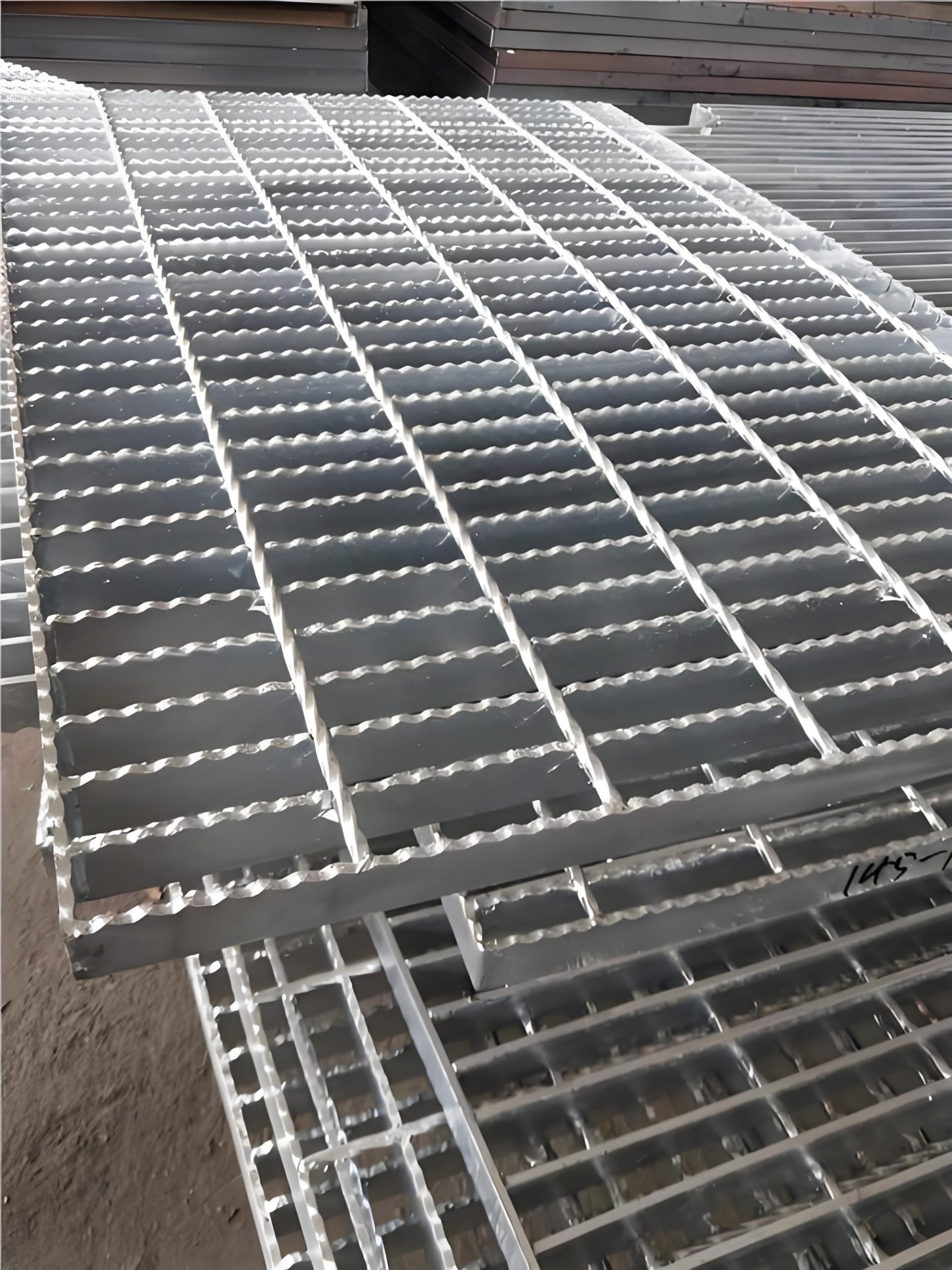
Panel length, width, bar spacing, bearing bar size, cross bar spacing, cutout position, banding size, and frame dimensions should be checked according to drawings. Accurate dimensions reduce installation problems and improve site efficiency.
Flatness affects installation and walking safety. A warped panel may rock on the support frame or create uneven walking conditions. Stainless steel can deform during welding and fabrication, so flatness control is an important production step.
The surface should be checked for scratches, oil, carbon steel contamination, weld discoloration, sharp burrs, and rust-like stains. Stainless steel can still develop surface corrosion if contaminated during fabrication or storage. Proper handling, cleaning, and packaging help maintain surface quality.
| Quality Control Item | Inspection Purpose |
| Serration Accuracy | Ensure consistent anti-slip performance and neat appearance. |
| Material Grade | Confirm 304, 316, 316L, or specified stainless steel grade. |
| Welding Strength | Ensure strong connection between bearing bars and cross bars. |
| Panel Dimensions | Make sure the grating matches drawings and installation openings. |
| Flatness | Prevent rocking, uneven installation, and poor walking comfort. |
| Surface Finish | Improve corrosion resistance, cleanliness, and final appearance. |
Choosing the right serrated stainless steel grating requires a balance between slip resistance, corrosion resistance, load capacity, cleanability, and cost. The first question should be whether the working area truly needs a serrated surface. If the site is wet, oily, muddy, exposed to rain, or located outdoors, serrated grating is usually a strong option. If the site is dry, clean, and mainly focused on easy cleaning, plain stainless steel grating may be more suitable.
The second question is the stainless steel grade. 304 stainless steel is suitable for many general applications, but 316 or 316L should be considered for marine, coastal, chemical, or harsh wet environments. The third question is the load requirement. The bearing bar height, thickness, spacing, and span direction must match the actual load and support structure.
Buyers should also consider installation details. If the panels need to be removed for cleaning or inspection, stainless steel clips and edge banding may be needed. If the panels are welded to the structure, post-weld cleaning may be required. If the grating is used as stair treads, nosing, side plates, and fixing holes may need to be included in the design.
| Project Condition | Recommended Selection Direction |
| Wet outdoor walkway | Serrated stainless steel grating with proper drainage and fixing clips. |
| Marine platform | 316 or 316L serrated stainless steel grating with corrosion-resistant surface treatment. |
| Food processing washdown area | 304, 316, or 316L serrated grating depending on cleaning chemicals and hygiene needs. |
| Industrial stair tread | Serrated bearing bars with edge banding, nosing, and secure fixing holes. |
| Chemical plant access floor | 316 or 316L stainless steel with suitable finish and post-weld cleaning. |
| Heavy-duty platform | Confirm bearing bar size, span direction, concentrated load, and support condition. |
Is serrated stainless steel grating better than plain grating?
Serrated stainless steel grating is better when slip resistance is the main requirement, especially in wet, oily, muddy, outdoor, or marine environments. Plain stainless steel grating is better when easy cleaning, smooth appearance, and walking comfort are more important. The best choice depends on the actual working condition.
What grade is best for serrated stainless steel grating?
304 stainless steel is suitable for many general indoor and mild outdoor applications. 316 stainless steel is better for marine, coastal, chemical, and wet environments. 316L is often selected for welded serrated stainless steel grating used in corrosion-sensitive areas because it performs better around welded zones.
Can serrated stainless steel grating be used for stair treads?
Yes, serrated stainless steel grating is commonly used for stair treads because the serrated bearing bars improve grip on steps. Stainless steel grating stair treads can also be supplied with side plates, fixing holes, edge banding, and nosing according to the stair structure and project drawings.
Please Feel free to give your inquiry in the form below.we will reply you in 24 hours.
 English English
  Arabic
 Vietnamese
 German
 French