
Home > Products > Steel Grating > Anti-slip steel grating
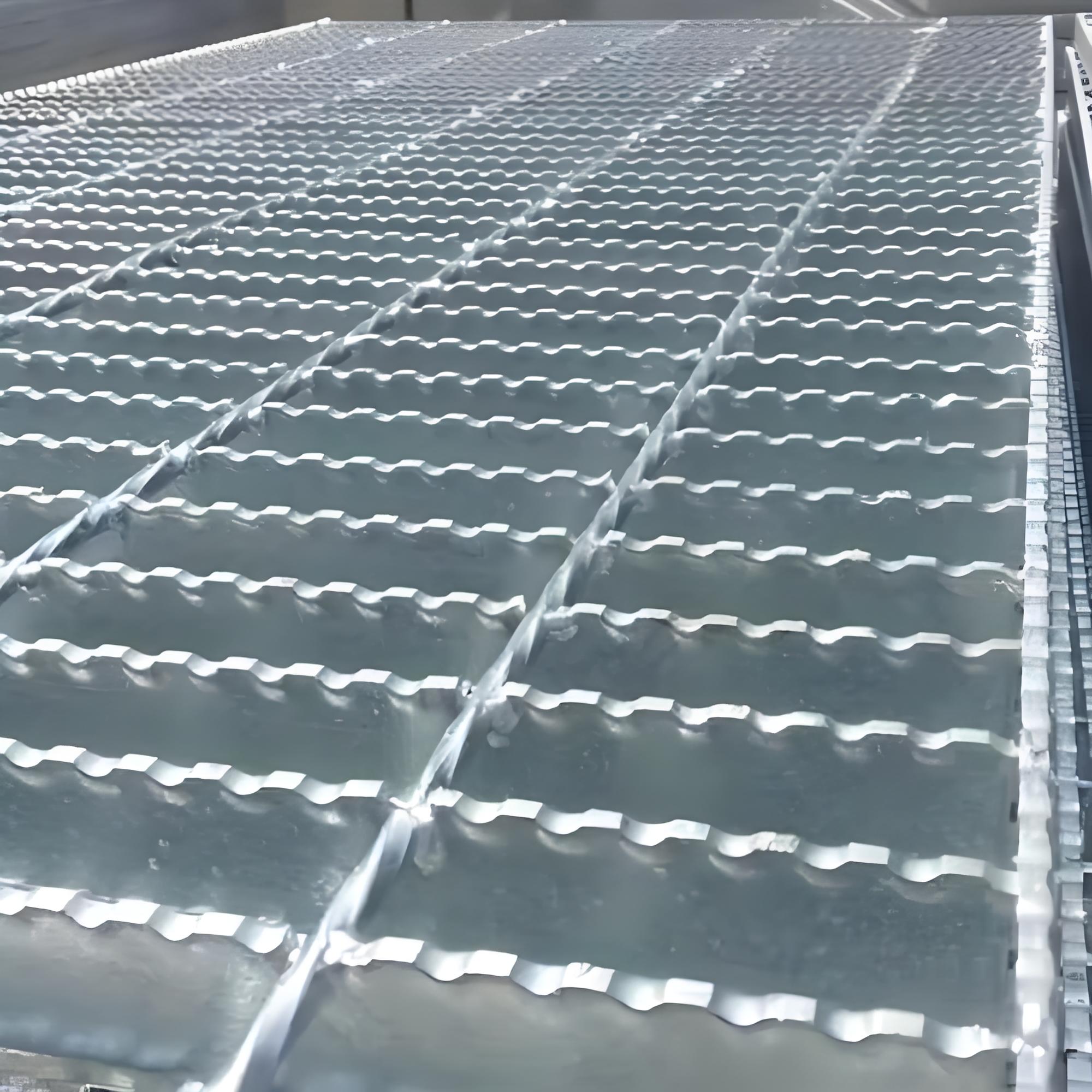
Anti-slip steel grating is a high-performance metal grating product engineered with specialized surface treatments to provide exceptional traction and…
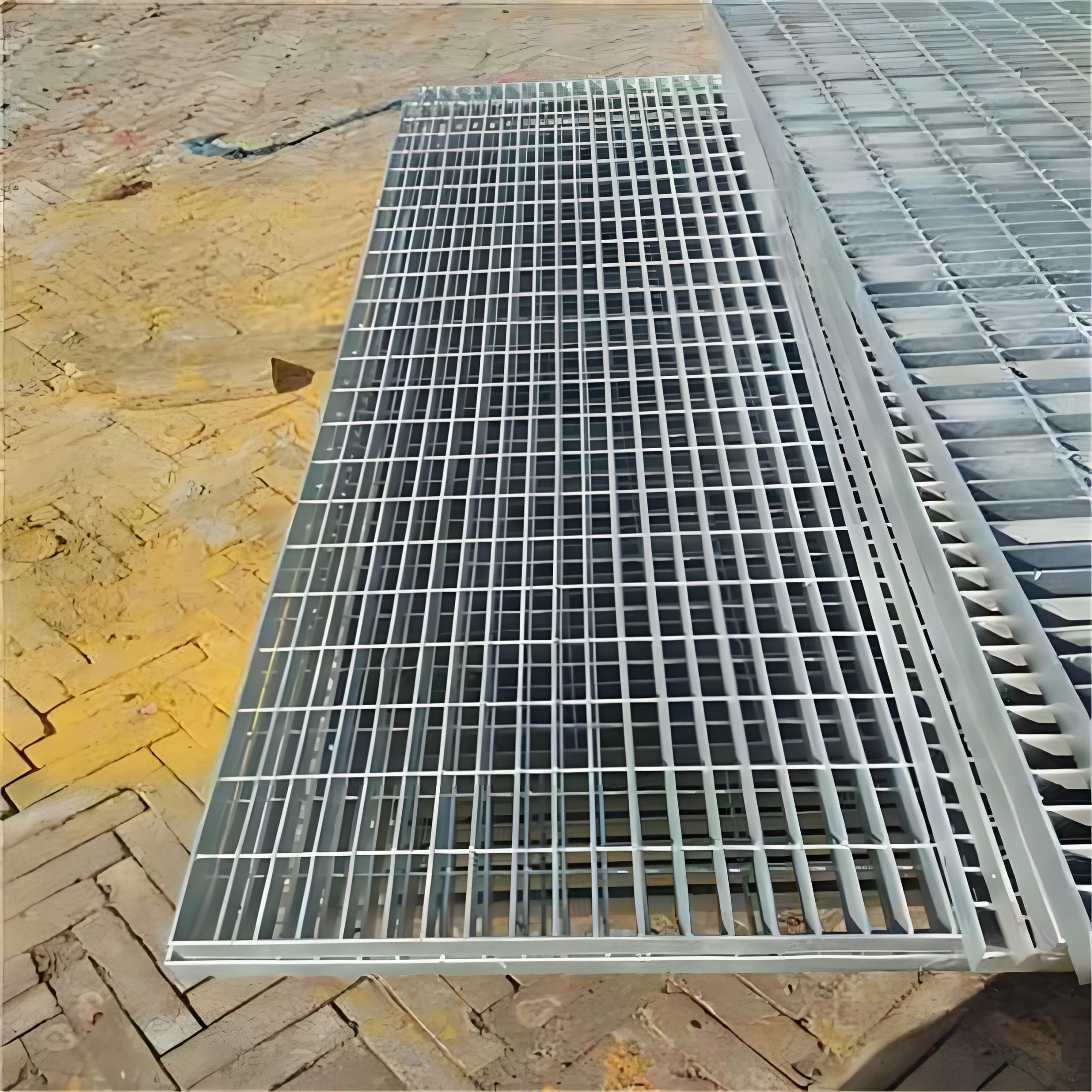
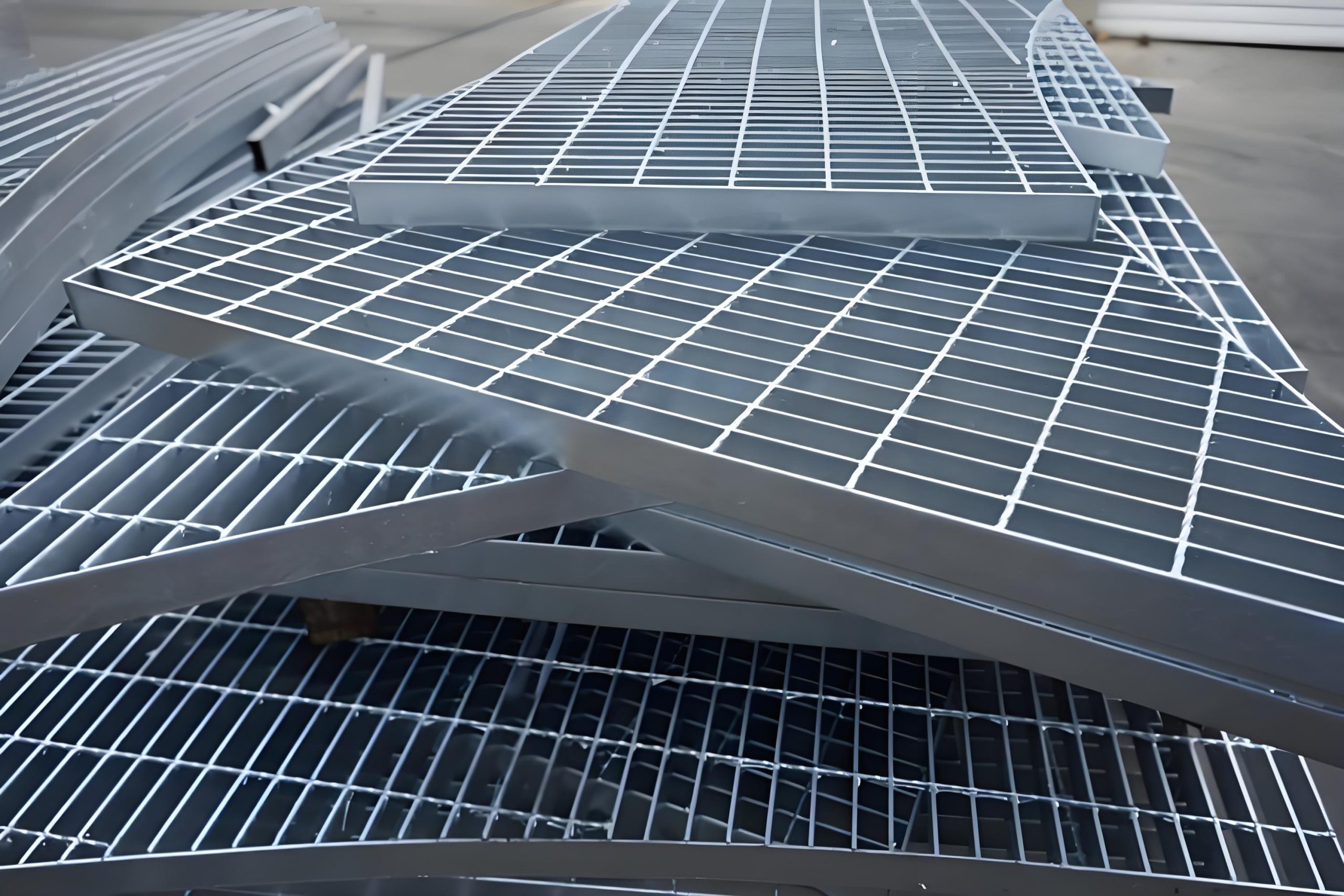
Anti-slip steel grating is a high-performance metal grating product engineered with specialized surface treatments to provide exceptional traction and safety in wet, oily, icy, or otherwise slippery environments. As a critical safety component across industrial, commercial, and municipal projects, this type of grating combines robust structural strength with enhanced slip-resistant properties, effectively reducing the risk of workplace falls and accidents. Unlike standard steel grating with smooth surfaces, anti-slip steel grating features specially designed textures, serrations, or perforations that dramatically increase friction coefficients, ensuring secure footing even under the most demanding conditions. Manufactured from high-quality carbon steel, stainless steel, or aluminum alloy, it offers long-lasting durability, corrosion resistance, and low maintenance requirements, making it an indispensable safety solution for walkways, platforms, stair treads, trench covers, and industrial flooring worldwide.
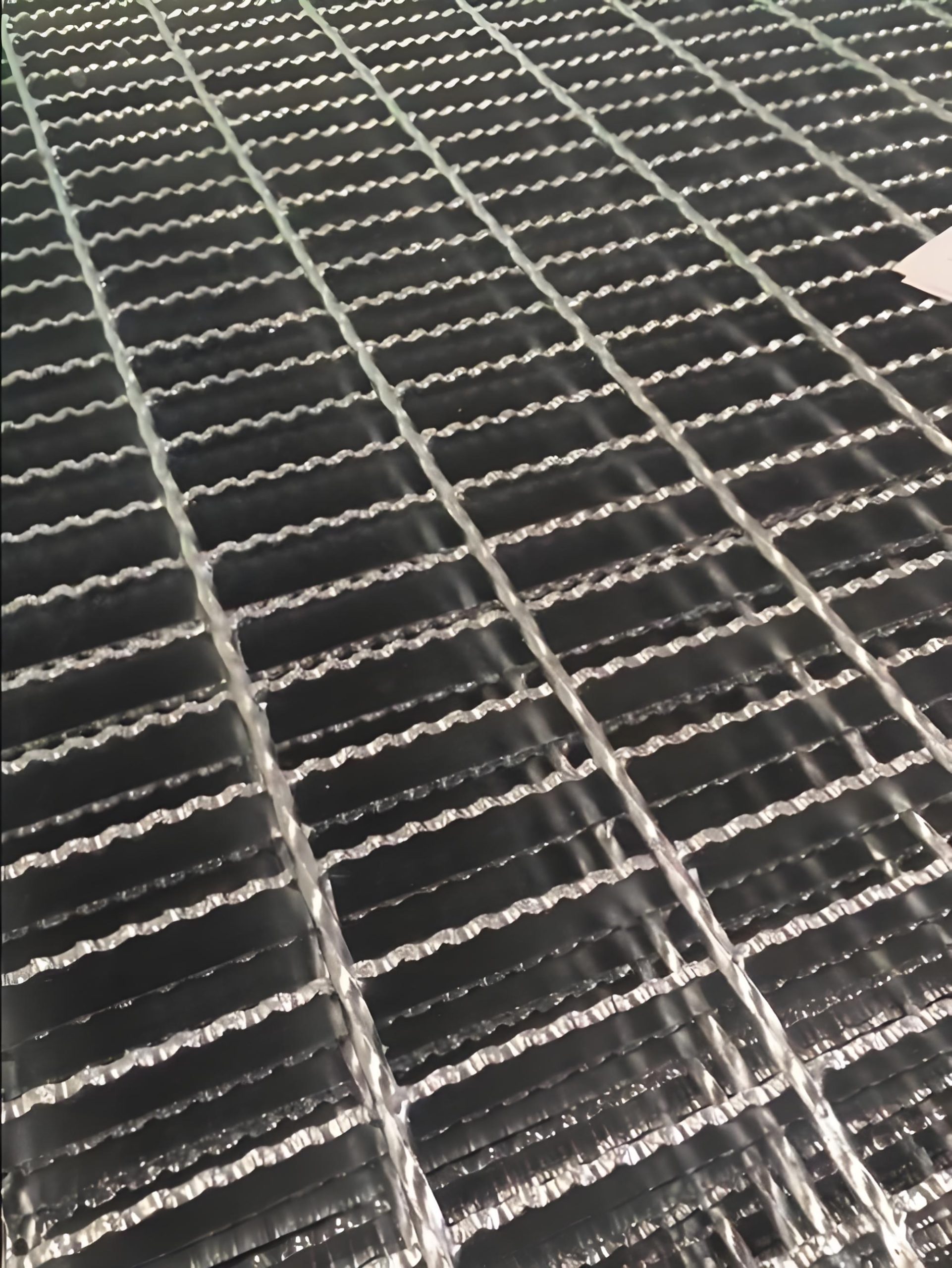
Anti-slip steel grating, also referred to as slip-resistant steel grating, is a precision-engineered metal grating product characterized by its specialized surface design that delivers superior traction. It is constructed from load-bearing flat bars and cross bars interconnected via welding, press-locking, or plug-in methods, with the bearing bars featuring intentional anti-slip modifications to prevent slipping. The core anti-slip mechanism is achieved through serrated notches, perforated buttons, raised dimples, or other textured patterns formed on the surface of the bearing bars, creating multiple contact points that grip footwear soles effectively.
This product is defined not only by its physical structure but also by its compliance with international safety standards for slip resistance, with tested friction coefficients typically ranging from 0.6 to 0.8 in wet conditions—significantly higher than the 0.2 to 0.3 offered by smooth standard grating. Anti-slip steel grating is designed to maintain its traction properties over its entire service life, resisting wear, corrosion, and degradation that could compromise safety. It represents a proactive safety investment for facilities prioritizing worker protection, compliance with occupational health regulations, and risk reduction in high-hazard areas.
Every aspect of anti-slip steel grating is optimized for safety and performance, from material selection to surface treatment and structural design. Manufacturers adhere to strict production standards to ensure consistent anti-slip properties, load-bearing capacity, and durability, making it suitable for both indoor and outdoor applications where slipping hazards exist. Whether for heavy industrial use or public infrastructure, anti-slip steel grating provides reliable safety performance that stands up to continuous use and harsh environmental exposure.
Anti-slip steel grating is categorized into several distinct types based on anti-slip surface design, production technology, and material composition, each offering unique traction characteristics for specific operating conditions.
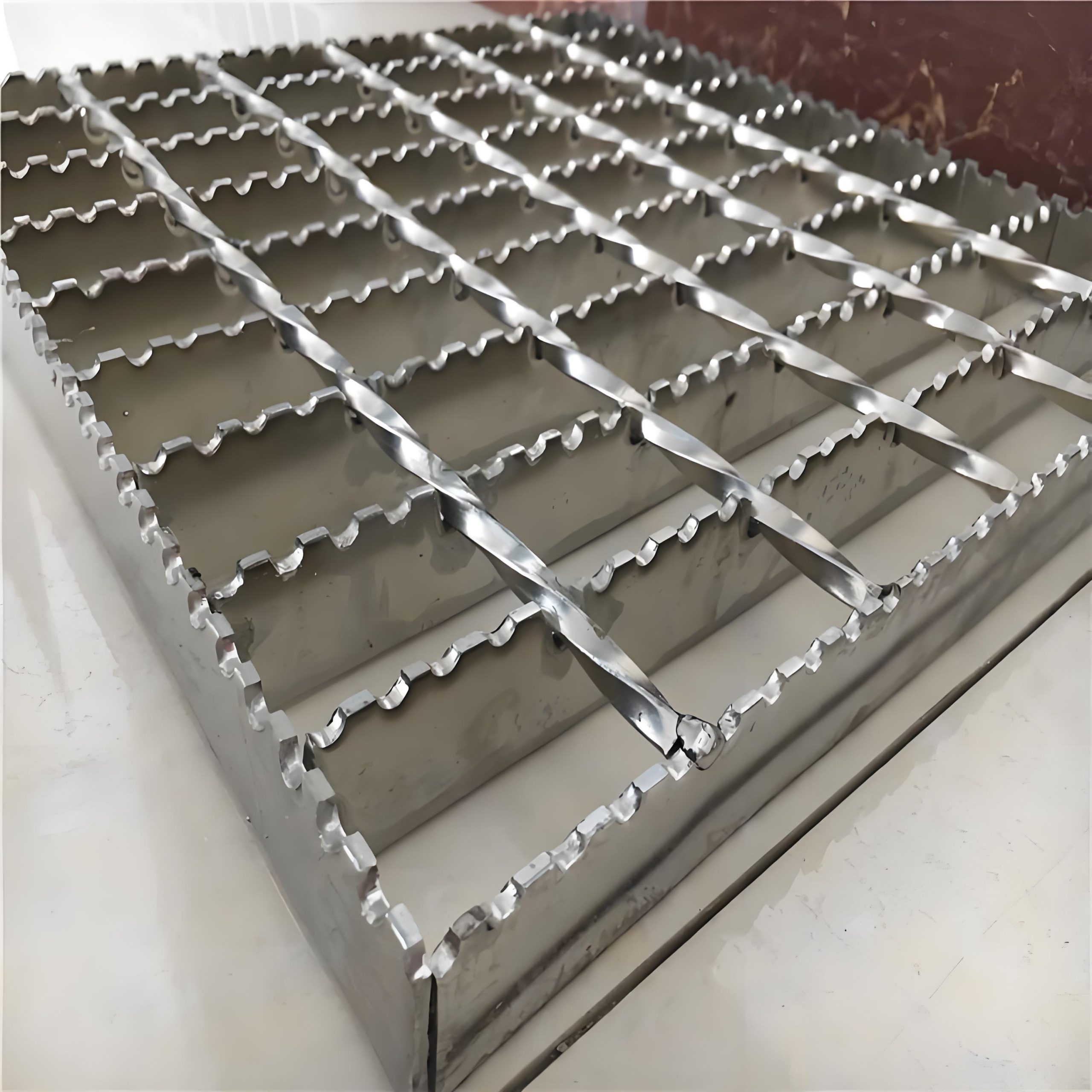
Serrated anti-slip steel grating is the most common and cost-effective type, featuring bearing bars with precision-cut serrations or notches along their edges. These serrations run parallel to the walking direction, creating sharp, raised edges that penetrate mud, ice, and grease to provide reliable traction. Available in semicircular, sharp, or trapezoidal serration profiles, this type is ideal for general industrial platforms, outdoor walkways, and areas with moderate moisture or oil exposure. It can be produced via welded, press-locked, or plug-in construction methods, offering flexibility in strength and installation.
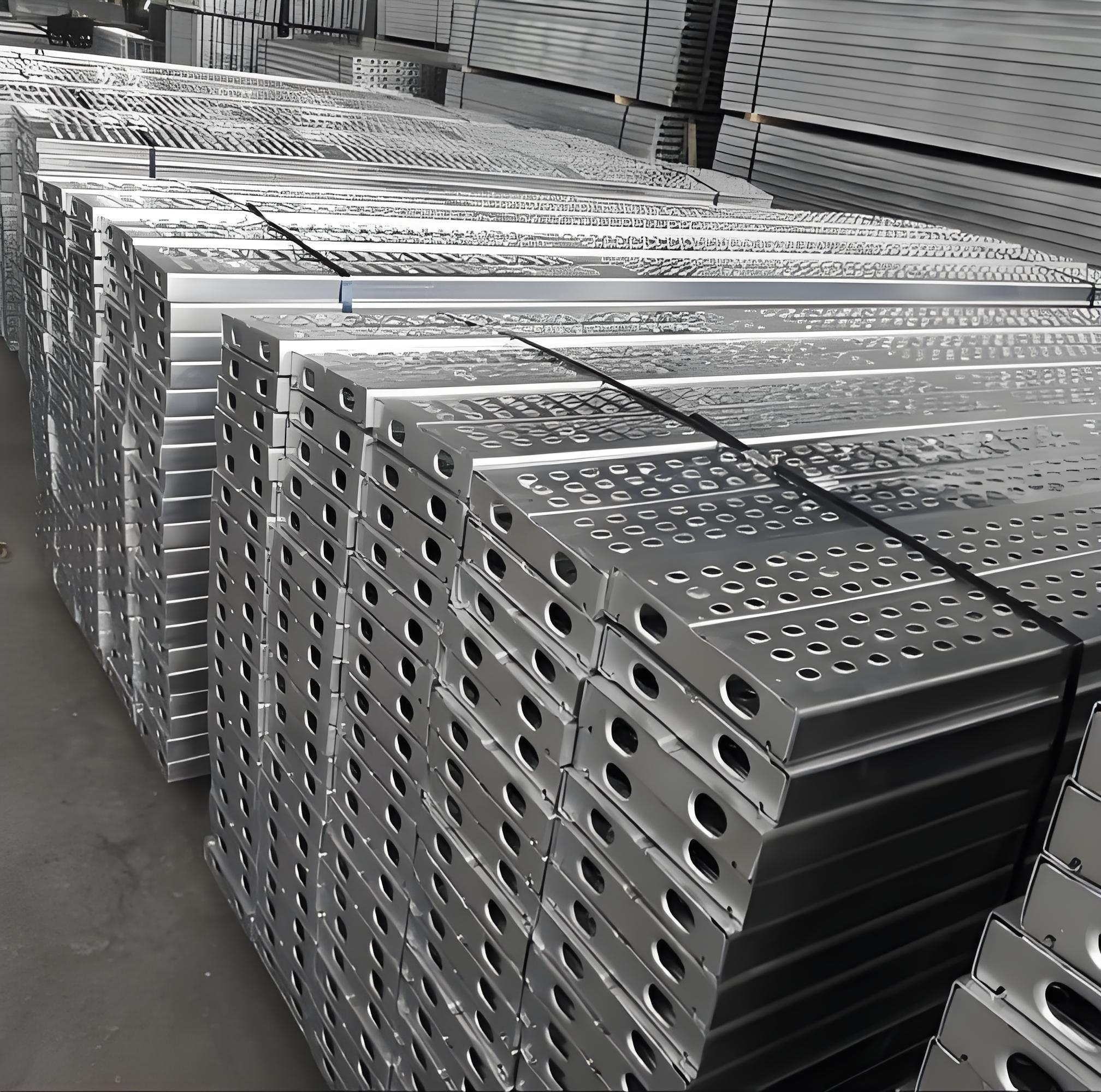
Perforated anti-slip steel grating, also known as safety grating, is manufactured from solid steel sheets stamped with a regular pattern of raised buttons or perforations. The three-dimensional raised buttons provide multi-directional traction, making this type superior for applications where foot traffic occurs at various angles. With approximately 35% open area for drainage, it excels in extremely wet, oily, or debris-prone environments such as food processing plants, marine decks, and industrial ramps. This one-piece construction offers exceptional rigidity and eliminates loose components that could pose safety risks.
Heavy-duty anti-slip steel grating is engineered for extreme load conditions and high-traffic areas, combining thick, wide bearing bars with deep serrations or robust perforated surfaces. Designed to withstand forklift traffic, heavy machinery, and concentrated industrial loads, it features enhanced anti-slip properties that maintain traction even under heavy wheeled traffic. Common in oil refineries, steel mills, port terminals, and industrial loading docks, this type prioritizes both safety and structural durability in the harshest working environments.
Stainless steel anti-slip steel grating offers premium corrosion resistance alongside excellent slip resistance, manufactured from 304 or 316 stainless steel with serrated or perforated surfaces. Ideal for food and beverage facilities, pharmaceutical plants, coastal marine projects, and chemical processing areas, it withstands corrosive substances, salt spray, and frequent washdowns while maintaining hygienic, safe footing. The smooth, easy-to-clean surface meets strict sanitary standards without compromising anti-slip performance.
Aluminum alloy anti-slip steel grating provides lightweight yet effective slip resistance for applications where weight reduction is critical, such as rooftop walkways, aircraft access platforms, and shipboard installations. With natural corrosion resistance and serrated or textured surfaces, it offers durable safety performance without the need for protective coatings. This type combines easy handling, high strength-to-weight ratio, and reliable slip resistance for specialized lightweight applications.
Specialized anti-slip variants include trench cover anti-slip grating, stair tread anti-slip grating with nosing enhancements, and custom-designed grating with combined serration and perforation for maximum traction in extreme conditions. Each type is engineered to address specific safety challenges while maintaining the structural integrity and functional benefits of traditional steel grating.
Anti-slip steel grating’s unique combination of safety, strength, and durability makes it indispensable across diverse industries and environments where slip hazards pose significant risks. Its versatility allows it to perform reliably in both dry and constantly wet conditions, indoors and outdoors, and under heavy industrial use.
In the industrial sector, anti-slip steel grating is essential for oil refineries, chemical plants, power generation facilities, steel mills, and manufacturing operations. It provides safe working surfaces for production platforms, machine walkways, pipeline access routes, offshore drilling rigs, and maintenance areas where oil, grease, chemicals, and water create persistent slipping risks. The enhanced traction prevents workplace falls, while the open grid design allows liquids and debris to pass through, maintaining cleaner, safer working conditions.
Municipal and public infrastructure projects extensively use anti-slip steel grating for pedestrian safety. Key applications include public walkways, bridge decks, subway station platforms, airport concourses, parking garage drainage covers, and outdoor staircases. In urban environments with high foot traffic, its anti-slip properties ensure safety during rain, snow, and ice conditions, while durable construction withstands continuous public use. Municipal engineers rely on it for road drainage trench covers that maintain traction even when completely submerged.
The marine and coastal industry depends on anti-slip steel grating for ship decks, port terminals, offshore platforms, docks, and coastal facility walkways. Constant exposure to saltwater, seawater spray, and persistent moisture creates extreme slipping hazards, making serrated or stainless steel anti-slip grating essential for crew safety. Its corrosion resistance and superior traction perform reliably in the harshest marine environments, from commercial vessels to coastal industrial installations.
Food processing, beverage, and pharmaceutical facilities utilize stainless steel anti-slip steel grating to meet strict hygiene and safety standards. The slip-resistant surface provides safe footing during wet production processes, frequent washdowns, and spill-prone operations, while the smooth, non-porous stainless steel surface prevents bacterial growth and facilitates thorough cleaning. This type ensures compliance with food safety regulations while protecting workers from slip accidents.
Commercial and residential architectural applications incorporate anti-slip steel grating for both safety and aesthetics. It is used for outdoor staircases, balcony flooring, patio decks, building entrance ramps, and landscape features where weather exposure creates slippery conditions. Aluminum and stainless steel options offer modern aesthetics alongside reliable slip resistance, blending functional safety with architectural design in commercial buildings and high-end residential properties.
Transportation and logistics facilities, including warehouses, distribution centers, loading docks, and airport cargo areas, use heavy-duty anti-slip steel grating to accommodate both pedestrian and vehicular traffic. The combination of high load capacity and superior traction ensures safe operations where forklifts, pallet jacks, and workers operate in close proximity, often in damp or dirty conditions.
Additional key applications include mining operations, water treatment plants, automotive manufacturing facilities, commercial kitchens, and cold storage warehouses. In every sector, anti-slip steel grating delivers targeted safety solutions that reduce accident risks, lower liability exposure, and ensure compliance with safety regulations.
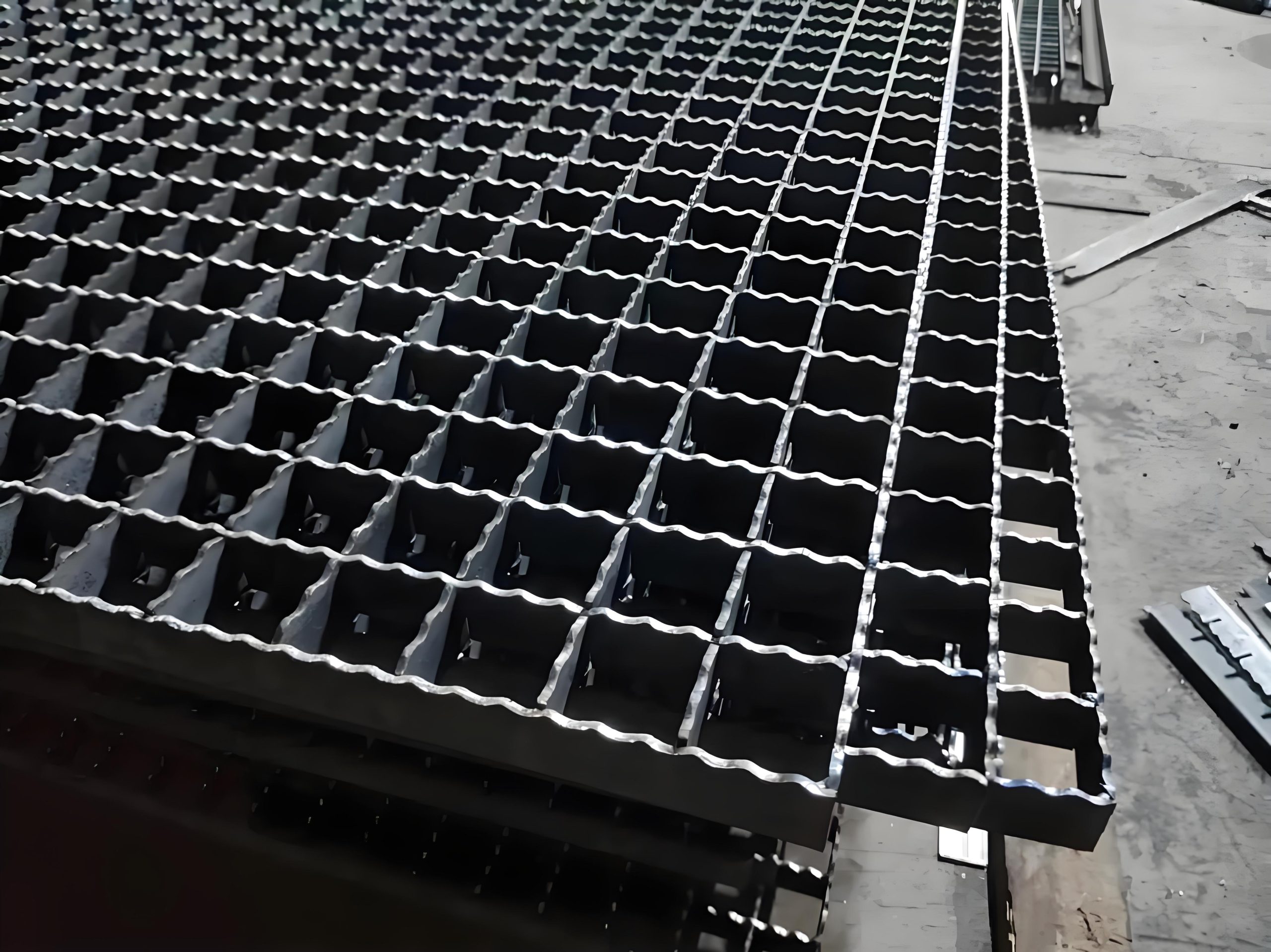
Anti-slip steel grating offers a comprehensive range of advantages that make it the superior choice for safety-critical applications, combining unmatched traction with structural performance, durability, and economic value.
Exceptional slip resistance is the primary advantage, with specialized surface designs delivering friction coefficients of 0.6–0.8 in wet conditions—three to four times higher than smooth grating. Serrations, perforations, or raised buttons maintain traction through water, oil, grease, mud, snow, and ice, dramatically reducing slip-and-fall accidents in hazardous environments. This enhanced safety protects workers, reduces downtime from injuries, and helps facilities meet occupational safety standards.
Superior structural strength and load-bearing capacity ensure reliable performance under heavy loads. Constructed from high-grade steel with robust connections, anti-slip steel grating supports pedestrian traffic, light equipment, and even heavy vehicle loads in heavy-duty configurations. The open grid structure distributes weight evenly, maintaining structural integrity without compromising safety or stability.
Excellent drainage and ventilation capabilities enhance both safety and functionality. The open design allows water, snow, and debris to pass through, preventing surface accumulation that could increase slipping risks. This self-cleansing property reduces maintenance requirements while continuously preserving traction performance, unlike solid surfaces that trap liquids and create persistent hazards.
Long service life and corrosion resistance deliver lasting value. Carbon steel models feature hot-dip galvanized coatings providing 15–30 years of outdoor service, while stainless steel variants offer decades of corrosion-free performance in harsh environments. The anti-slip surface maintains effectiveness through years of heavy use, resisting wear that diminishes lesser traction solutions.
Low maintenance requirements reduce operational costs. Unlike coated or painted anti-slip solutions that require regular reapplication, anti-slip steel grating needs only occasional cleaning to remove heavy debris. The durable surface treatment resists chipping, peeling, and wear, eliminating frequent maintenance cycles and associated downtime.
Easy installation and customization adapt to diverse project requirements. Available in standard sizes or custom dimensions, anti-slip steel grating can be cut, fitted, and secured with minimal labor. Modular designs allow for easy replacement of damaged sections, while various edge treatments and fixing options accommodate different installation scenarios.
Versatility across environments ensures reliable performance in diverse conditions. It withstands extreme temperatures, chemical exposure, UV radiation, and heavy impact without losing slip resistance or structural integrity. Suitable for indoor, outdoor, submerged, and corrosive environments, it provides a universal safety solution.
Cost-effective long-term value makes it a smart investment. While initial costs may exceed standard grating, extended service life, reduced maintenance, and eliminated accident expenses deliver significant savings over time. The prevention of workplace injuries alone provides substantial return on investment through reduced workers’ compensation claims and improved productivity.
Eco-friendly composition aligns with sustainable practices. Constructed from 100% recyclable materials, anti-slip steel grating minimizes environmental impact both in production and at the end of its life cycle. Long service life further reduces resource consumption by eliminating frequent replacements.
Selecting the appropriate anti-slip steel grating specifications requires careful consideration of environmental conditions, load requirements, traffic intensity, and material compatibility to ensure optimal safety and performance.
Material selection forms the foundation of performance. Carbon steel (Q235/A36) is the standard choice for most industrial and municipal applications, offering excellent strength and cost efficiency with hot-dip galvanizing for corrosion protection. Stainless steel 304 is recommended for mildly corrosive environments like food processing facilities, while 316 stainless steel provides maximum corrosion resistance for marine, coastal, and chemical-exposed areas. Aluminum alloy is ideal for weight-sensitive applications requiring moderate slip resistance and natural corrosion protection.
Anti-slip surface type selection matches traction to hazard levels. Serrated grating suffices for general moisture and light oil exposure, with standard 3–5mm serrations providing reliable everyday traction. Perforated/safety grating with raised buttons delivers superior multi-directional traction for extremely wet, oily, or high-traffic conditions. Heavy-duty deep serrations are recommended for areas with heavy mud, ice, or persistent contamination.
Bearing bar specifications determine load capacity. Common heights range from 25mm to 100mm, with thicknesses from 3mm to 10mm. Standard specifications like G355/30/50 (35mm height × 5mm thickness, 30mm bearing bar spacing, 50mm cross bar spacing) represent versatile medium-duty options. Heavy industrial applications require larger bars (50×6mm, 65×6mm), while light pedestrian use can utilize smaller dimensions (25×3mm, 30×3mm).
Spacing specifications balance strength, safety, and functionality. Standard bearing bar spacing options are 30mm (maximum strength), 40mm (general purpose), and 60mm (economic light-duty). Narrower spacing enhances load capacity and prevents small objects from falling through. Cross bar spacing typically ranges from 50mm to 100mm, with 100mm being standard for most applications.
Surface treatment ensures long-term durability. Hot-dip galvanizing (≥85μm zinc layer) is standard for carbon steel, providing excellent outdoor corrosion protection. Stainless steel requires no coating but benefits from passivation for enhanced corrosion resistance. Powder coating or painting offers custom color options for architectural applications while maintaining slip resistance.
Panel dimensions accommodate installation requirements. Standard sizes include 1000×1000mm, 1000×2000mm, and 1200×2400mm, with custom sizes available for unique projects. Accurate measurement of length, width, and installation clearances ensures proper fitting and maximum safety performance.
Load grade classification matches capacity to usage. Light-duty grating supports pedestrian traffic only; medium-duty handles light equipment and occasional vehicle traffic; heavy-duty withstands constant forklift and heavy machinery use. Always verify load tables or consult engineers to ensure selected specifications meet project load requirements.
Installation environment considerations finalize selection. For areas with slopes exceeding 15°, increased traction (perforated or heavy serration) is recommended. Coastal or chemical environments demand stainless steel or heavy galvanizing. Freeze-thaw climates require materials resistant to thermal expansion and ice damage. Proper specification ensures anti-slip steel grating delivers decades of safe, reliable performance.
The reference price of anti-slip steel grating varies significantly based on multiple technical and market factors, with no universal fixed pricing due to customization options and material fluctuations.
Raw material costs represent the primary pricing determinant. Carbon steel prices fluctuate with global market trends, while stainless steel (304/316) costs 2–4 times more than carbon steel. Aluminum alloy pricing follows independent market dynamics, generally higher than carbon steel but lighter in weight. Material quality and certification standards further influence base costs.
Anti-slip surface complexity directly impacts production costs. Serrated surfaces involve additional cutting processes, while perforated/safety grating requires specialized stamping equipment and longer production cycles. Heavy-duty or custom traction patterns increase manufacturing complexity and costs compared to standard serration.
Product specifications and dimensions affect material usage and production time. Larger, thicker panels with closer bar spacing require more raw material and processing, increasing reference prices. Custom sizes or non-standard specifications add engineering and setup costs compared to standard dimensions.
Production technology and construction method influence pricing. Welded anti-slip grating is most economical; press-locked and plug-in versions offer higher strength but cost 15–35% more. Automated precision production ensures quality but involves higher capital equipment costs reflected in pricing.
Surface treatment quality and type add cost variables. Hot-dip galvanizing with thicker zinc coatings provides superior corrosion resistance but costs more than thinner treatments. Stainless steel passivation, powder coating, or specialized anti-corrosion treatments increase surface protection and pricing.
Order quantity significantly affects unit pricing. Large bulk orders benefit from economies of scale, reducing per-unit production costs and lowering reference prices. Small trial orders or custom small-batch production carry higher unit costs due to fixed production expenses.
Market factors including supply-demand dynamics, production capacity, and transportation costs influence reference pricing. Peak construction seasons may increase prices due to high demand, while off-peak periods offer more competitive rates. International shipping, export packaging, and logistics add costs for global customers.
Quality certifications and testing compliance add value and cost. Products tested for slip resistance (ASTM, EN standards) and carrying material certifications command premium pricing compared to uncertified alternatives. Reputable manufacturers invest in quality control systems that ensure consistent performance but affect final pricing.
All prices mentioned are reference values only. Final quotations depend on specific technical requirements, material selection, order volume, and current market conditions at the time of purchase.
Anping County Chuansen Silk Screen Products Co., Ltd. stands as a leading professional manufacturer and global supplier of high-quality anti-slip steel grating, with extensive expertise in safety grating solutions for industrial, commercial, and municipal applications. Located in Anping, China’s Wire Mesh Industrial Base, the company combines advanced manufacturing technology, rigorous quality control, and engineering expertise to produce premium anti-slip steel grating that meets international safety and performance standards.
The company specializes in comprehensive anti-slip steel grating solutions, including serrated, perforated, heavy-duty, stainless steel, and aluminum alloy variants. Equipped with automated serration cutting, precision welding, press-locking, and hot-dip galvanizing facilities, it ensures consistent quality, precise dimensions, and reliable anti-slip performance across all product lines. Advanced production equipment enables efficient manufacturing of both standard and custom-designed anti-slip grating to meet diverse customer requirements.
Anping County Chuansen Silk Screen Products Co., Ltd. employs a dedicated team of technical professionals who provide expert guidance on product selection, specification customization, and application engineering. Engineers work closely with customers to recommend optimal anti-slip solutions based on environmental conditions, load requirements, and safety standards, ensuring the perfect balance of performance, safety, and cost-effectiveness.
Stringent quality control protocols govern every production stage, from raw material inspection to final product testing. Each anti-slip steel grating undergoes material composition verification, slip resistance testing, load capacity assessment, coating thickness measurement, and dimensional accuracy inspection. Products comply with ASTM, EN, and relevant international safety standards, with comprehensive quality documentation available for global customers.
The company offers complete customer support, including custom design services, sample provision, flexible order quantities, prompt delivery, and technical after-sales service. With a streamlined supply chain and efficient logistics network, it serves clients across Europe, North America, Southeast Asia, the Middle East, and Oceania, delivering reliable anti-slip steel grating solutions worldwide.
With years of focused experience in safety grating manufacturing, Anping County Chuansen Silk Screen Products Co., Ltd. has established a strong global reputation for product quality, technical expertise, and customer-centric service. The company remains committed to advancing anti-slip steel grating technology, enhancing workplace safety, and providing reliable, cost-effective safety solutions for projects worldwide.
What’s the difference between serrated and perforated anti-slip steel grating?
Serrated anti-slip steel grating features linear notches cut into bearing bars, providing directional traction along the walking path at a cost-effective price. It offers excellent slip resistance for most industrial and outdoor applications with moderate moisture or oil exposure. Perforated anti-slip steel grating (safety grating) is made from stamped steel sheets with raised buttons that provide multi-directional traction, superior for extremely wet, oily, or high-traffic environments where foot traffic occurs at various angles. Perforated grating offers better self-cleaning properties and maintains traction in more severe conditions but typically costs more than serrated grating. Serrated models suit general-purpose applications, while perforated types excel in extreme slip-hazard environments.
How long does anti-slip steel grating maintain its slip-resistant properties?
Anti-slip steel grating maintains effective slip resistance for 15–30 years under normal conditions, depending on material and environment. Hot-dip galvanized carbon steel serrated grating retains traction for 15–25 years in industrial environments, while stainless steel variants maintain performance for 25–40 years with proper maintenance. Heavy traffic or abrasive conditions may slightly accelerate wear, but the durable steel construction ensures significantly longer performance life than coated or plastic anti-slip solutions. Regular cleaning to remove heavy debris accumulation preserves optimal traction throughout the service life, with no need for reapplying traction treatments.
Can anti-slip steel grating be used in submerged or coastal environments?
Yes, anti-slip steel grating performs excellently in submerged and coastal environments when properly specified. For coastal saltwater exposure, 316 stainless steel anti-slip grating provides maximum corrosion resistance and maintains superior traction despite constant salt spray. Carbon steel models with heavy hot-dip galvanizing (minimum 85μm zinc layer) work well for occasional submersion in freshwater applications. The open grid design allows water circulation, preventing debris buildup that could reduce traction. Serrated surfaces maintain effective grip even when fully submerged, making it ideal for coastal walkways, marine decks, docks, and water treatment facilities where constant moisture and salt exposure create extreme slipping hazards.
Please Feel free to give your inquiry in the form below.we will reply you in 24 hours.