
Home > Products > Steel Grating > Composite steel grating
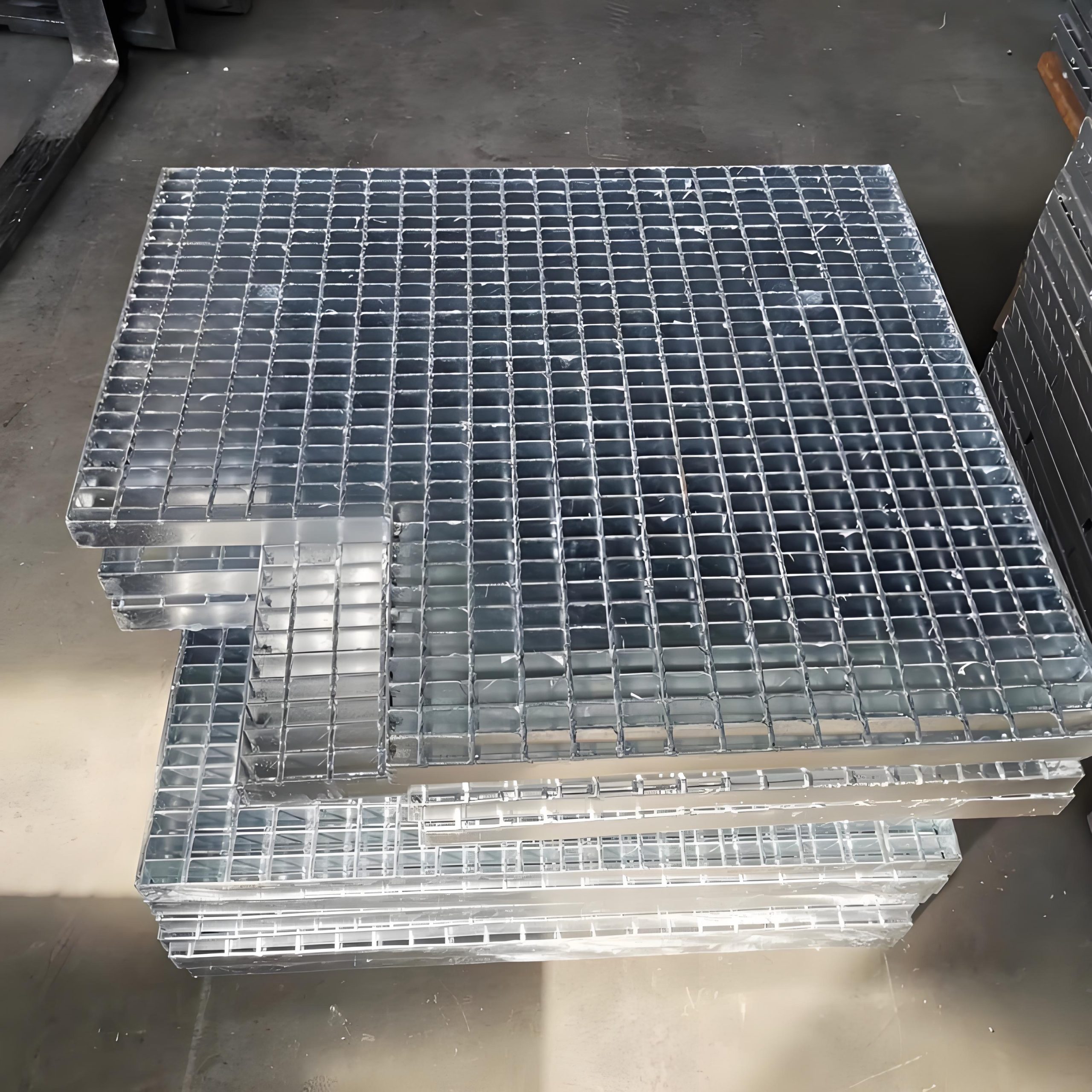
Composite steel grating is a high-performance, versatile industrial and architectural flooring product that combines the structural strength of carbon…
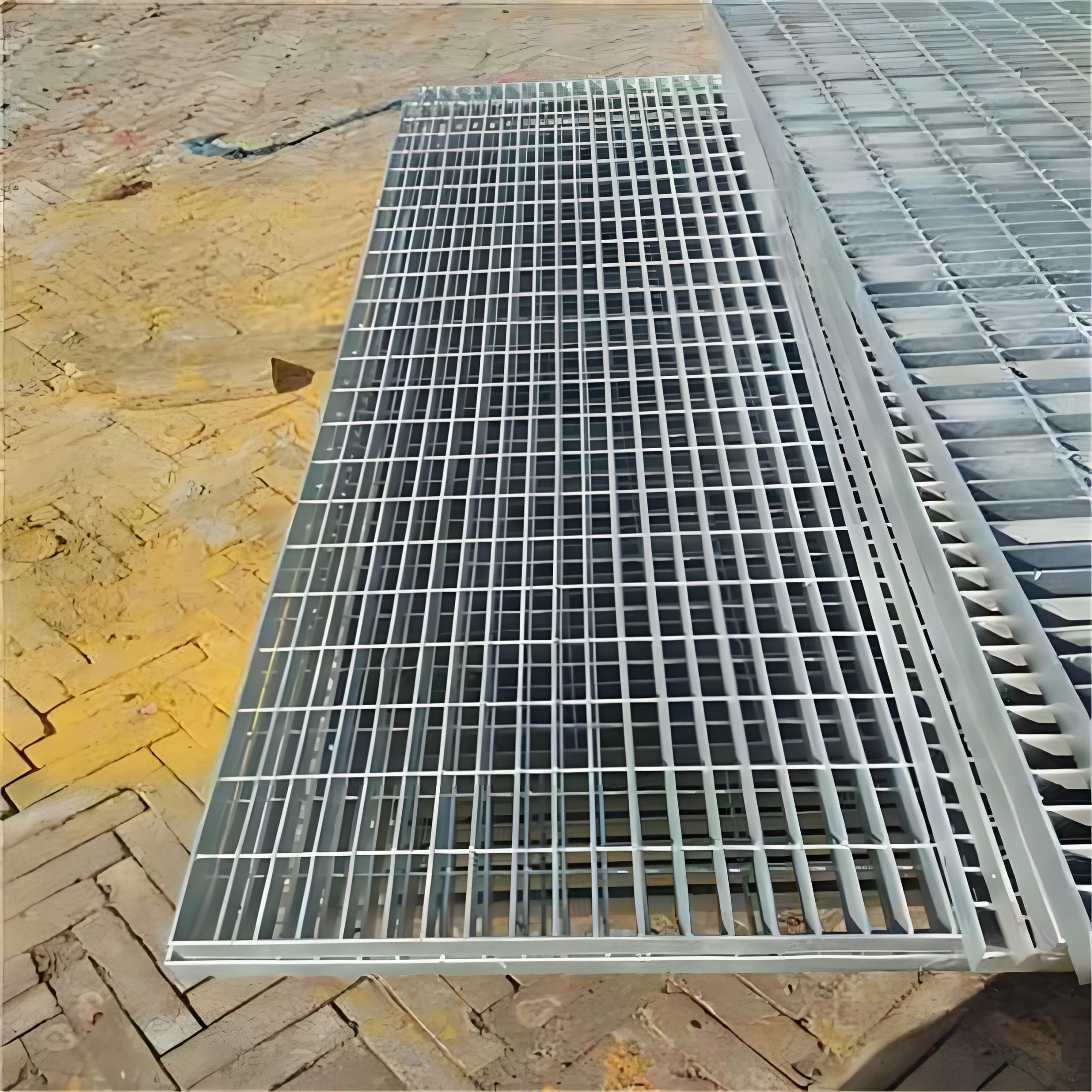
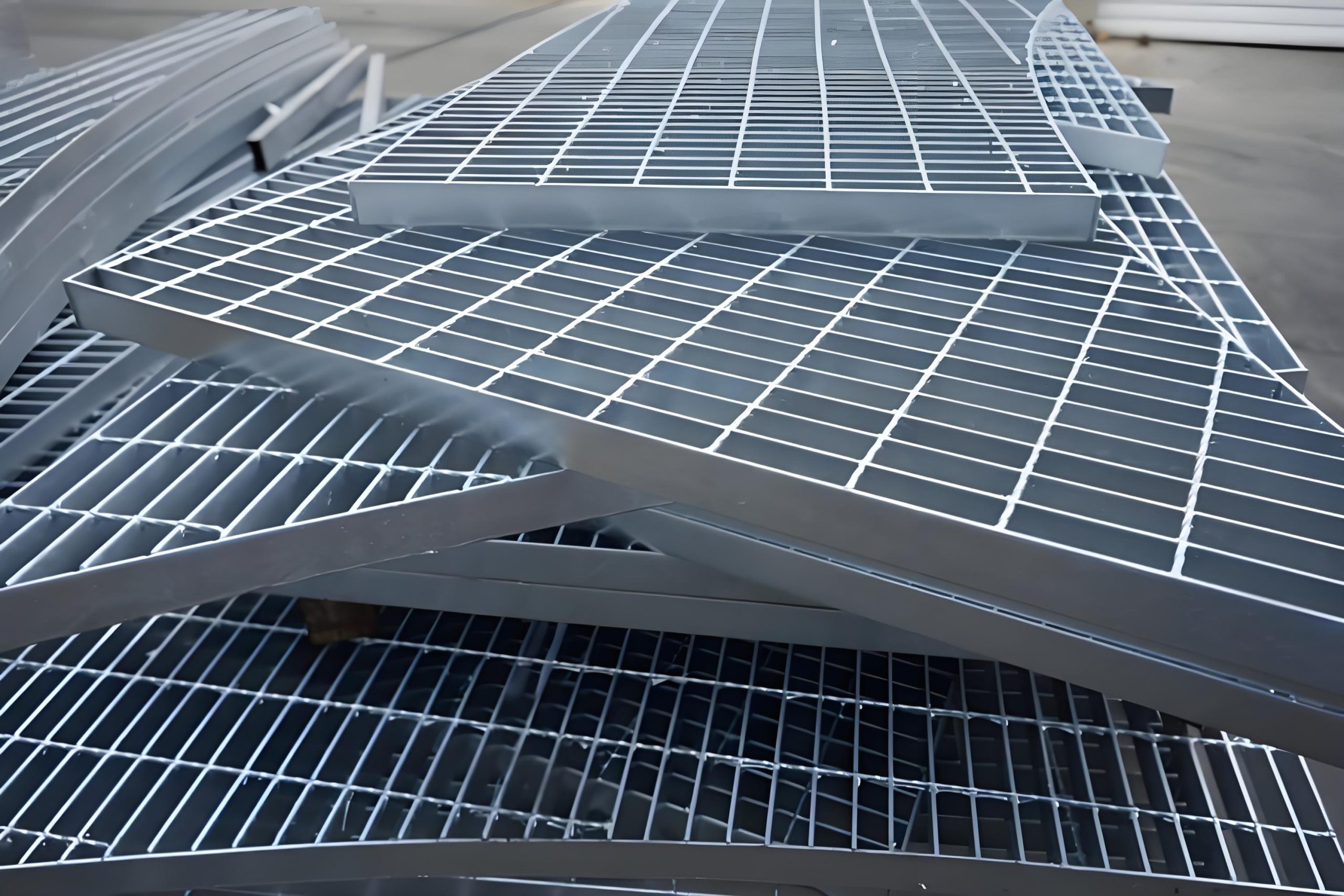
Composite steel grating is a high-performance, versatile industrial and architectural flooring product that combines the structural strength of carbon steel with the durable, non-slip surface of a top layer material, making it ideal for heavy-duty applications, commercial projects, and industrial infrastructure. Unlike standard steel grating, this composite design delivers enhanced safety, corrosion resistance, and longevity, solving common pain points for engineers, contractors, and project managers across global industries. As a leading solution in modern metal grating systems, composite steel grating meets international quality standards, supports custom fabrication, and adapts to diverse environmental conditions from indoor factories to outdoor construction sites. It is widely recognized for its cost-effectiveness, low maintenance requirements, and ability to withstand heavy loads, foot traffic, and harsh weather exposure without warping, cracking, or deteriorating prematurely. For businesses seeking reliable, long-lasting grating solutions that balance performance and affordability, composite steel grating stands out as a top choice in the global market.
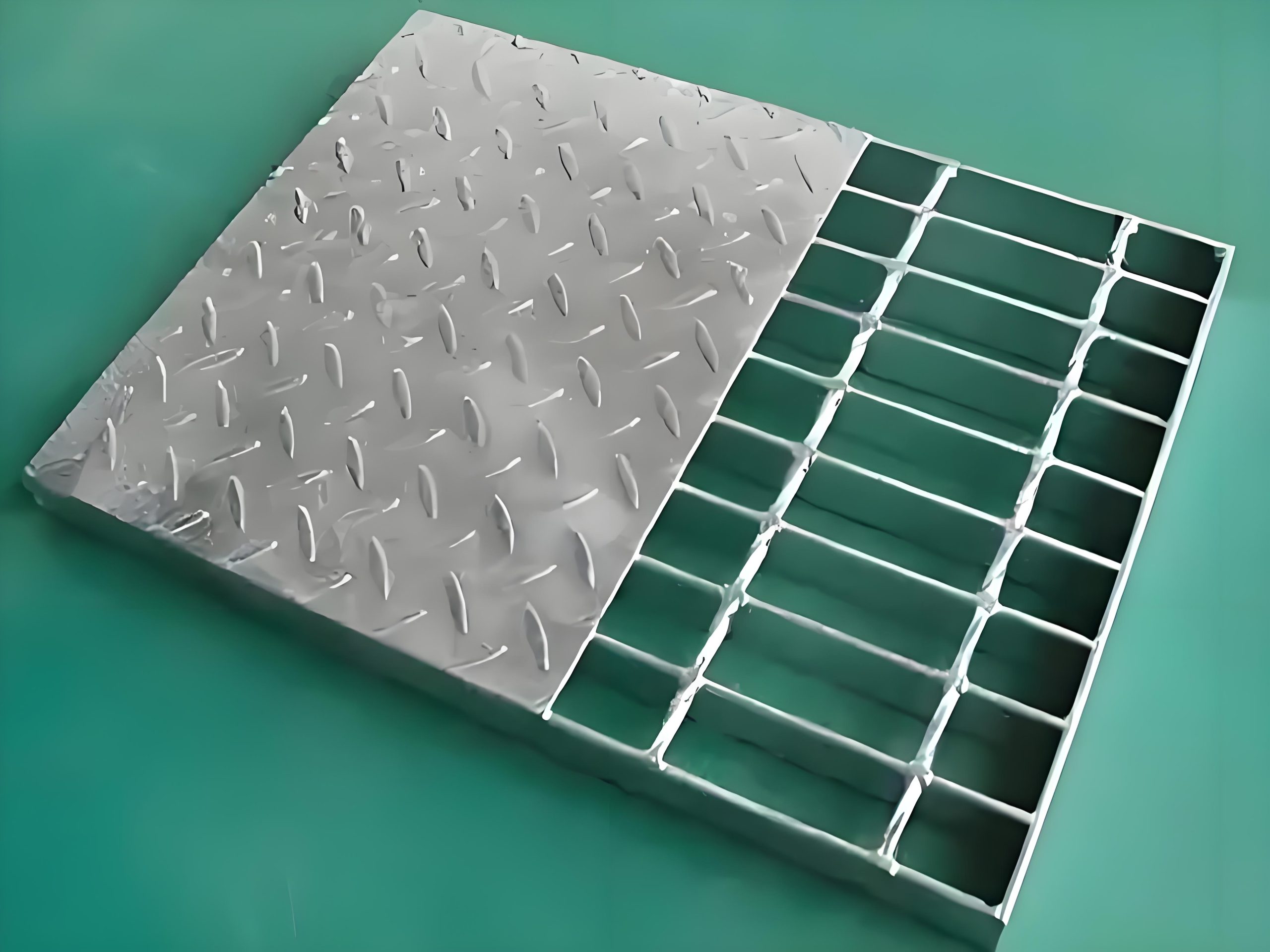
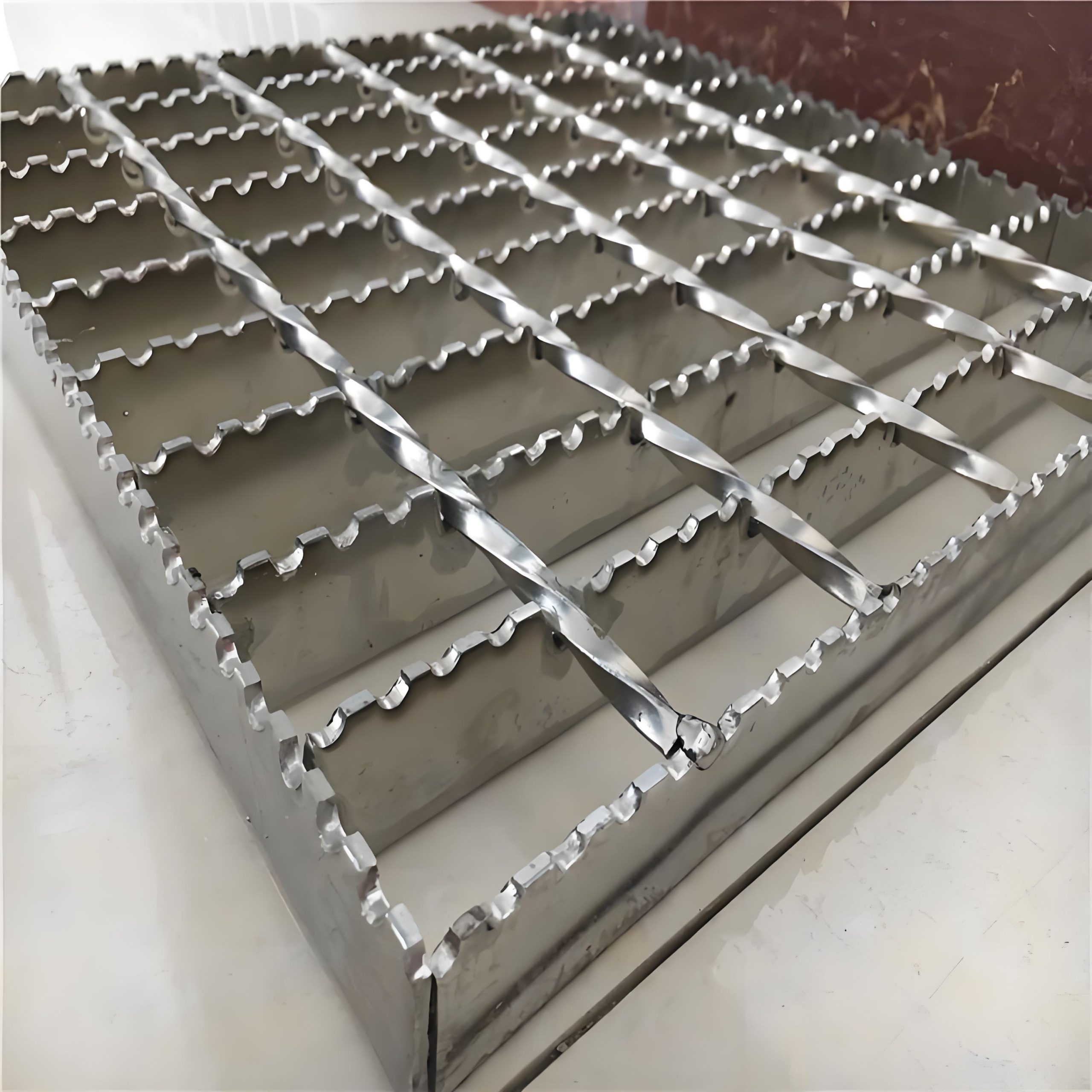
Composite steel grating is a specialized grating structure manufactured by bonding a reinforced steel bearing bar framework with a protective, functional top surface, typically made of resin, rubber, or anti-slip coating. This engineered combination creates a dual-purpose product that retains the load-bearing capacity and structural integrity of traditional steel grating while adding critical benefits such as slip resistance, noise reduction, and corrosion protection. The core steel structure is crafted from high-quality carbon steel or galvanized steel for maximum strength, while the composite top layer is designed to enhance safety and durability in high-traffic or harsh environments.
This type of grating is distinct from plain steel grating, molded grating, and aluminum grating due to its composite construction. It is not a single-material product but a precision-engineered assembly that merges the best properties of metal and composite materials. Composite steel grating is factory-fabricated to precise measurements, ensuring consistency in quality, performance, and fit for various installation scenarios. It is compliant with international manufacturing standards, making it suitable for export to global markets including North America, Europe, Southeast Asia, and the Middle East.
At its core, composite steel grating is designed to address real-world operational needs: preventing slips and falls in wet or oily areas, reducing maintenance costs associated with rust and wear, and extending the service life of grating installations in industrial and public settings. Its versatile design allows it to be used as walkways, platforms, trench covers, and stair treads, making it a multifunctional solution for a wide range of projects.
There are several primary types of composite steel grating tailored to different application requirements, each featuring unique design elements and performance characteristics. The most common variations include resin composite steel grating, rubber-top composite steel grating, anti-slip coated composite steel grating, and galvanized composite steel grating. Each type is engineered to deliver specific benefits such as chemical resistance, enhanced traction, or improved weather protection.
Resin composite steel grating is one of the most popular options, featuring a durable resin top surface bonded to a steel grating base. This type offers excellent resistance to chemicals, moisture, and UV exposure, making it ideal for wastewater treatment plants, chemical factories, and marine environments. It is lightweight compared to solid metal panels while maintaining exceptional load capacity.
Rubber-top composite steel grating is designed for maximum slip resistance, making it perfect for industrial workplaces, food processing plants, and commercial kitchens where liquids or oils create hazardous walking surfaces. The rubber layer absorbs impact, reduces noise, and provides a secure footing even in wet, greasy, or icy conditions. This type is also highly durable and resistant to tearing and abrasion.
Anti-slip coated composite steel grating features a heavy-duty protective coating applied to the steel surface, creating a textured, non-slip finish without a full composite layer. This option is cost-effective and suitable for general industrial platforms, walkways, and outdoor access routes. The coating enhances corrosion resistance and extends the lifespan of the grating in outdoor environments.
Galvanized composite steel grating combines hot-dip galvanized steel with a composite top layer, offering superior rust protection for outdoor and coastal applications. The galvanization process prevents oxidation, while the composite layer adds safety and durability, making this type ideal for bridge walkways, port facilities, and offshore structures.
Custom composite steel grating is also available, manufactured to meet specific project requirements including size, thickness, load rating, and surface material. Customization allows the product to fit unique installation spaces and performance needs, ensuring compatibility with specialized industrial systems and architectural designs.
Composite steel grating is used across countless industries and infrastructure projects worldwide due to its versatility, safety features, and durable construction. Its wide range of applications includes industrial manufacturing, construction, municipal engineering, petrochemical facilities, food and beverage plants, transportation hubs, and commercial buildings.
In industrial settings, composite steel grating serves as heavy-duty platform grating, machine access walkways, and operational flooring. It withstands heavy machinery traffic, tool drops, and exposure to industrial chemicals, making it a staple in factories, refineries, and processing plants. The non-slip surface reduces workplace accidents, a critical priority for industrial safety compliance.
Municipal and civil engineering projects rely on composite steel grating for trench covers, drain covers, sidewalk access panels, and park infrastructure. Its corrosion resistance makes it suitable for outdoor public spaces exposed to rain, snow, and soil moisture. It is also used in subway systems, airports, and railway stations for safe pedestrian walkways and maintenance access points.
The construction industry uses composite steel grating for building stair treads, mezzanine floors, roof access platforms, and safety barriers. It integrates seamlessly with modern architectural designs while meeting strict building code requirements for load capacity and fire resistance. Contractors prefer it for its ease of installation and long-term performance.
Marine and coastal applications benefit greatly from composite steel grating’s rust resistance and non-slip properties. It is used in ports, docks, shipyards, and offshore platforms where saltwater and high humidity would quickly damage standard steel grating. The composite layer protects against salt corrosion and provides secure footing in wet marine conditions.
Food processing plants, pharmaceutical facilities, and cleanroom environments use food-safe composite steel grating due to its hygienic, easy-to-clean surface. The non-porous composite layer resists bacteria growth, stains, and chemical cleaners, meeting strict health and sanitation standards for sensitive production areas.
Other key applications include parking garage walkways, stadium access routes, warehouse flooring, and agricultural facilities. From small commercial projects to large-scale industrial infrastructure, composite steel grating provides reliable performance and long service life in every setting.
Composite steel grating offers a comprehensive set of advantages that make it superior to traditional grating products for most modern applications. These benefits include exceptional non-slip safety, high load-bearing capacity, long-term corrosion resistance, low maintenance requirements, noise reduction, cost efficiency, and easy installation.
The most notable advantage is its superior non-slip surface, which drastically reduces slip-and-fall accidents in wet, oily, or icy conditions. This makes it a vital safety component for workplaces and public areas, lowering liability risks and improving overall operational safety.
Despite its composite surface layer, the product retains the outstanding load-bearing capacity of steel grating. It can support heavy foot traffic, equipment loads, and vehicle weight without bending, breaking, or deforming, making it suitable for both light-duty and heavy-duty applications.
Corrosion resistance is another major benefit. The composite top layer and optional galvanized steel base protect against rust, oxidation, chemical damage, and UV degradation. This extends the service life of the grating to decades, even in harsh outdoor or industrial environments.
Maintenance requirements are extremely low compared to wooden, painted steel, or uncoated metal grating. Composite steel grating does not require regular painting, sealing, or repairs. It can be cleaned quickly with water or standard cleaning solutions, saving time and labor costs over the product’s lifespan.
The composite material also reduces noise and vibration, creating a quieter working environment in factories, walkways, and stairwells. This improves comfort for workers and visitors alike, especially in high-traffic areas.
Cost efficiency is a key factor for global buyers. While the initial investment may be slightly higher than standard steel grating, the extended service life, minimal maintenance, and reduced safety risks deliver a much lower total cost of ownership. It is a long-term investment that delivers consistent value for years.
Finally, composite steel grating is lightweight and easy to install. It can be cut, drilled, and fitted on-site without specialized equipment, reducing installation time and labor expenses for contractors and project managers.
Selecting the right composite steel grating requires careful consideration of key specifications including material type, bearing bar size, mesh spacing, surface type, load class, and dimensions. Understanding these specifications ensures the product meets project requirements for safety, performance, and durability.
The core material is typically high-quality carbon steel or hot-dip galvanized steel. Galvanized steel is recommended for outdoor, coastal, or high-moisture environments, while carbon steel is suitable for indoor applications with standard environmental conditions. The composite top layer can be resin, rubber, or anti-slip coating, based on the level of slip resistance and chemical protection needed.
Bearing bar thickness and height are critical for load capacity. Thicker and taller bearing bars support heavier loads, making them ideal for industrial platforms and vehicle access areas. Standard bearing bar sizes range from 3mm x 25mm to 5mm x 50mm, with custom sizes available for specialized projects.
Mesh spacing, the distance between bearing bars and cross bars, affects both strength and debris passage. Common spacing options include 30x100mm and 40x200mm. Closer spacing provides greater strength, while wider spacing allows dirt, water, and debris to pass through, reducing buildup on the grating surface.
Surface type selection depends on the application: rubber tops for maximum slip resistance, resin tops for chemical resistance, and coated surfaces for general-purpose use. Each surface type is tested to meet international safety and quality standards.
Load class is determined by the intended use: light-duty for pedestrian walkways, medium-duty for industrial foot traffic, and heavy-duty for vehicle access and machinery platforms. Suppliers can provide detailed load tables to help buyers select the correct grade.
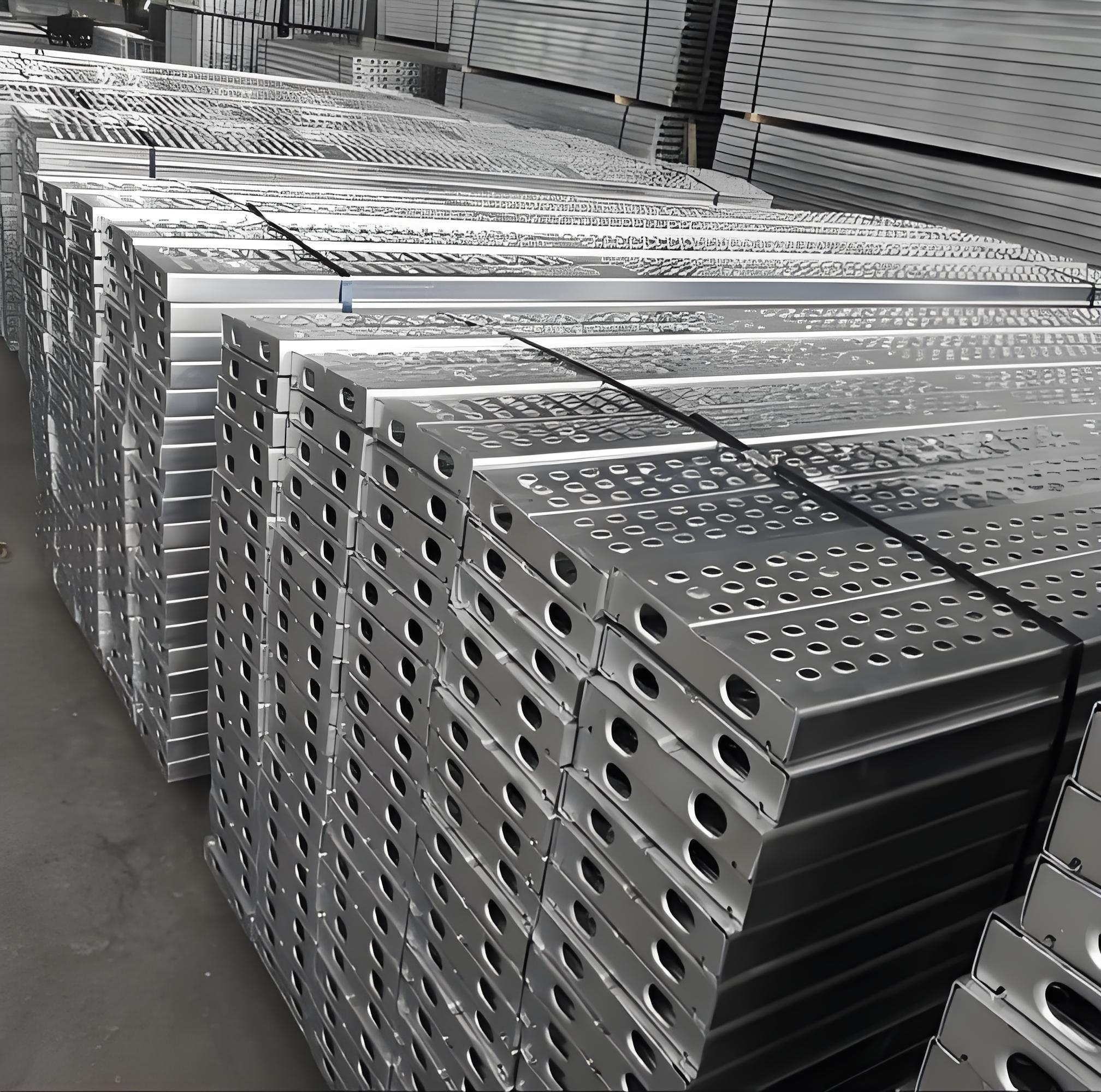
Standard panel sizes are commonly 1000mm x 1000mm, 1000mm x 2000mm, and 1220mm x 2440mm, with custom cutting available to fit exact project dimensions. Edge finishing, frame options, and fastening methods can also be customized for secure installation.
When selecting composite steel grating, buyers should evaluate environmental conditions, load requirements, safety standards, and budget constraints to choose the optimal specification. Working with an experienced supplier ensures accurate selection and reliable performance.
The price of composite steel grating varies based on several key factors, providing general reference ranges for global buyers without fixed quotations. Understanding these factors helps purchasers plan budgets and make informed sourcing decisions.
Raw material costs are the primary influence on pricing. Fluctuations in steel prices, resin materials, rubber components, and galvanization materials directly impact the final production cost. High-grade galvanized steel and premium composite materials increase the price slightly but deliver enhanced durability.
Product specifications also affect pricing. Heavy-duty composite steel grating with thicker bearing bars, larger panel sizes, and custom dimensions costs more than standard light-duty options. Specialized surface treatments such as food-grade resin or marine-grade rubber also add to the cost.
Order quantity is a significant factor. Bulk orders typically qualify for more favorable reference pricing due to production efficiency and reduced manufacturing costs. Small-batch custom orders may have a higher unit reference price due to setup and fabrication requirements.
Customization requirements, including cutting, framing, surface color, and labeling, can influence the reference price range. Standard off-the-shelf composite steel grating is more cost-effective than fully customized products designed for unique project needs.
Export and logistics factors, including packaging, shipping, and international trade requirements, contribute to the overall reference cost. Products manufactured for global export with standard export packaging may have a different reference price range than domestic supply.
Production technology and quality certification also play a role. Composite steel grating manufactured with automated precision equipment and certified to international standards (ISO, ASTM, etc.) reflects a reasonable reference price that aligns with its high quality and performance.
Buyers should note that price is closely linked to quality, durability, and long-term value. Choosing competitively priced composite steel grating from a reliable supplier ensures a balance between cost efficiency and product performance, avoiding the higher costs of premature replacement and repairs.
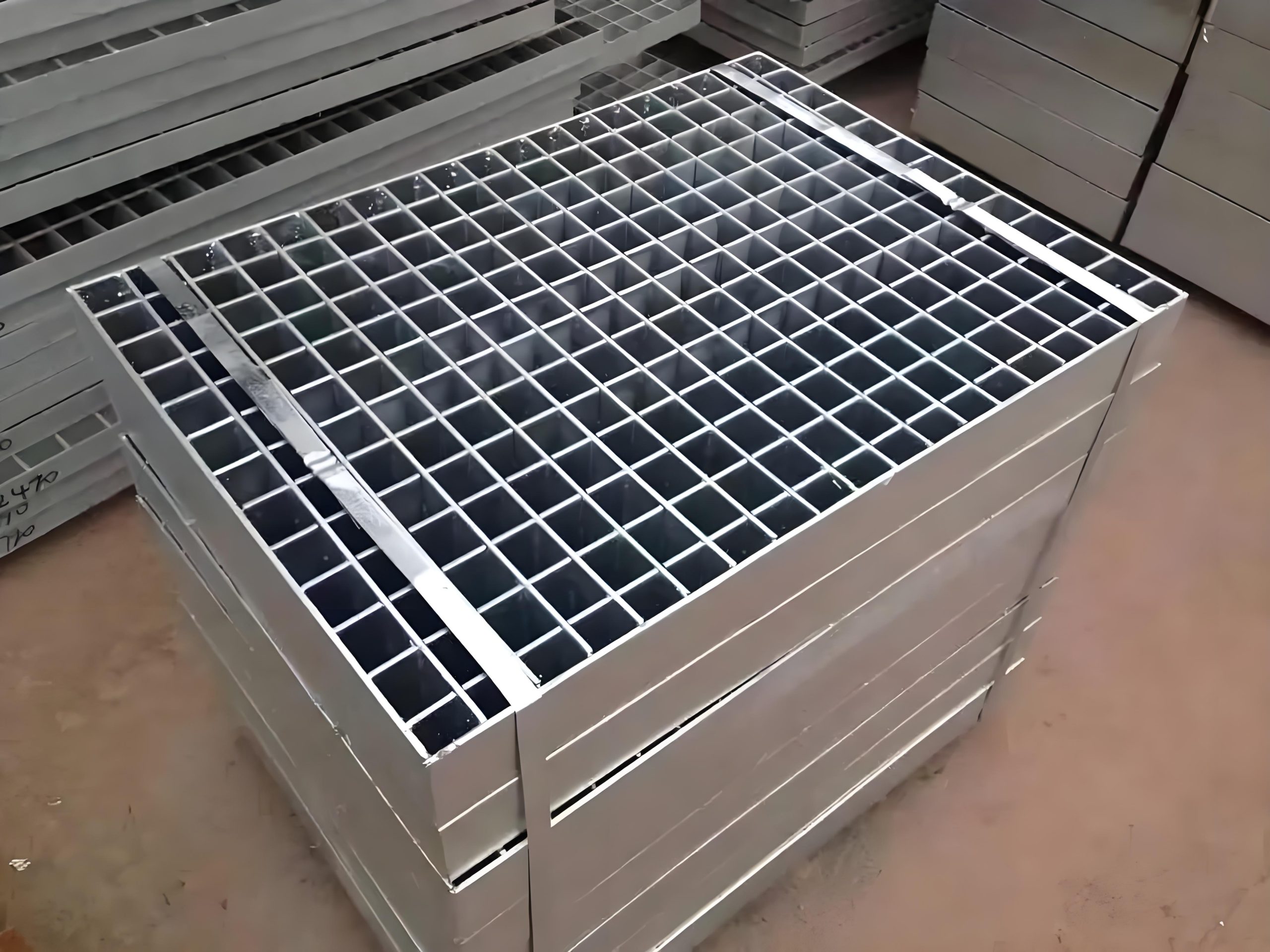
Anping County Chuansen Silk Screen Products Co., Ltd. is a leading professional manufacturer and exporter of high-quality composite steel grating, steel grating, trench covers, stair treads, and related metal products. With years of specialized manufacturing experience, the company has established a strong reputation for product excellence, reliable service, and global customer satisfaction in the international grating market.
Located in Anping, the renowned Wire Mesh Industrial Base of China, the company is equipped with advanced production lines, automated fabrication equipment, and a strict quality control system. Every composite steel grating product undergoes comprehensive testing for load capacity, corrosion resistance, slip resistance, and dimensional accuracy before shipment, ensuring compliance with international quality standards and customer specifications.
The company specializes in the production of standard and custom composite steel grating to meet diverse global project requirements. Its product range includes resin composite steel grating, rubber-top composite steel grating, anti-slip coated composite steel grating, and galvanized composite steel grating, all manufactured with premium materials and precise engineering.
Anping County Chuansen Silk Screen Products Co., Ltd. serves customers across the globe, including North America, Europe, Australia, Southeast Asia, the Middle East, and Africa. The company’s professional team provides personalized support including product selection guidance, custom design services, detailed specification consultation, and efficient after-sales support to ensure a seamless sourcing experience for every client.
Committed to innovation, quality, and customer-centric service, the company continuously improves its production technology and product performance to meet the evolving needs of the global industrial and construction markets. It prioritizes product durability, safety, and cost efficiency, making it a trusted long-term partner for importers, contractors, engineers, and project developers worldwide.
With strong production capacity, stable product quality, and competitive reference pricing, Anping County Chuansen Silk Screen Products Co., Ltd. has become a preferred supplier of composite steel grating for large-scale infrastructure projects, industrial facilities, and commercial construction applications around the world.
What is the difference between composite steel grating and standard steel grating?
Composite steel grating features a bonded composite top layer (resin, rubber, or anti-slip coating) that enhances slip resistance, corrosion protection, and durability, while standard steel grating has a plain metal surface without additional composite materials. Composite steel grating offers superior safety and longevity in harsh environments, whereas standard steel grating is a basic, cost-effective option for low-risk, dry indoor applications. The composite design also reduces noise and requires less maintenance compared to traditional steel grating.
Is composite steel grating suitable for outdoor and coastal environments?
Yes, composite steel grating is highly suitable for outdoor and coastal environments, especially when manufactured with a hot-dip galvanized steel base and weather-resistant composite top layer. The galvanized steel core prevents rust and oxidation, while the composite surface protects against saltwater, UV rays, rain, and snow. This combination makes it ideal for docks, ports, coastal walkways, bridge platforms, and outdoor industrial facilities where standard steel grating would corrode quickly.
How to maintain and clean composite steel grating for long service life?
Composite steel grating requires minimal maintenance for long service life. Regular cleaning can be done with clean water, mild detergent, or standard industrial cleaners to remove dirt, oil, and debris. Avoid using abrasive tools that may scratch the composite surface. Inspect the grating periodically for loose fastenings and ensure proper drainage to prevent standing water. Due to its corrosion-resistant and durable design, no painting, sealing, or frequent repairs are needed, making maintenance simple and cost-effective throughout its lifespan.
Please Feel free to give your inquiry in the form below.we will reply you in 24 hours.