
Home > Products > Steel Grating > Plug-in steel grating
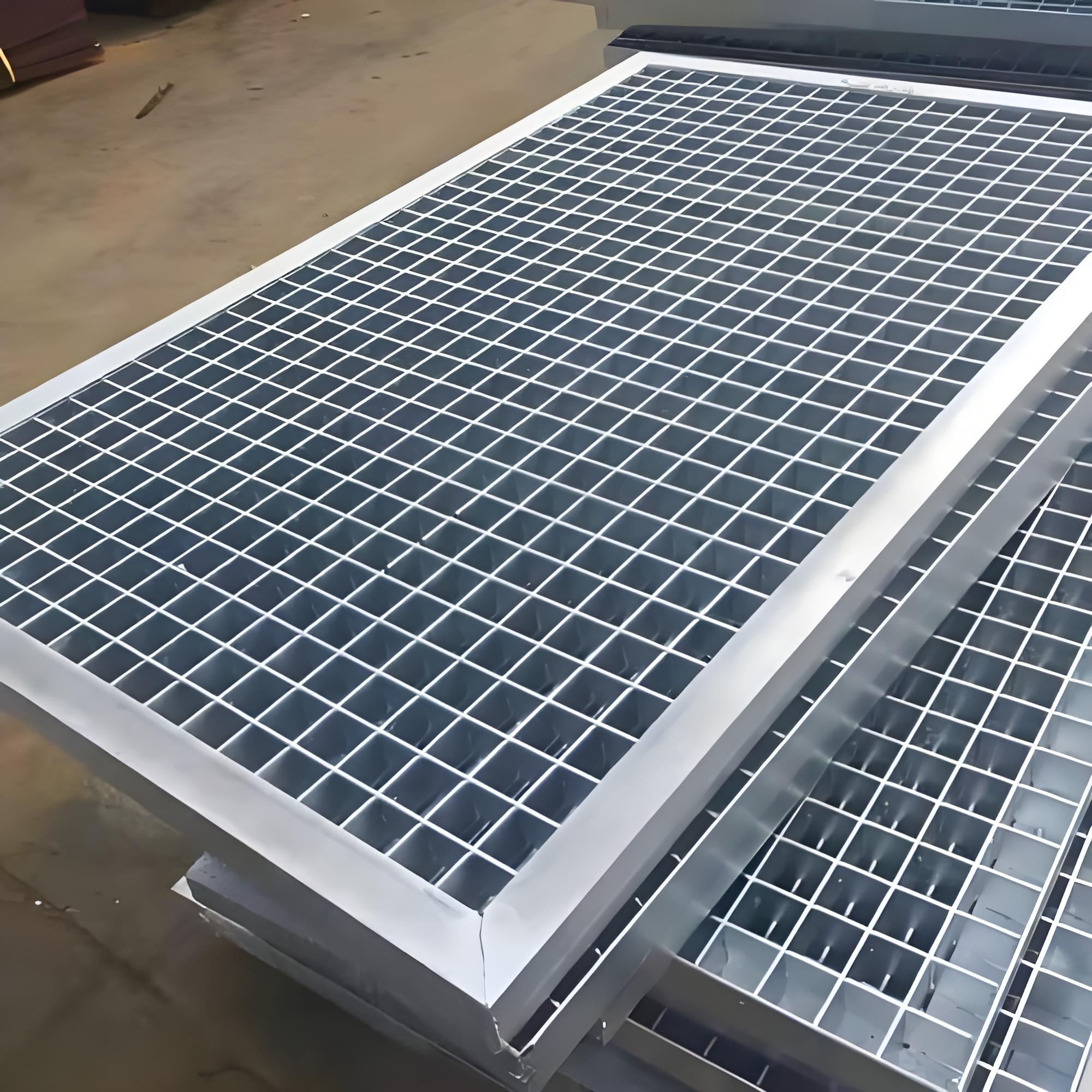
Plug-in Steel Grating
Plug-in steel grating is a high-strength, durable metal grating product widely used in industrial and commercial construction pr…
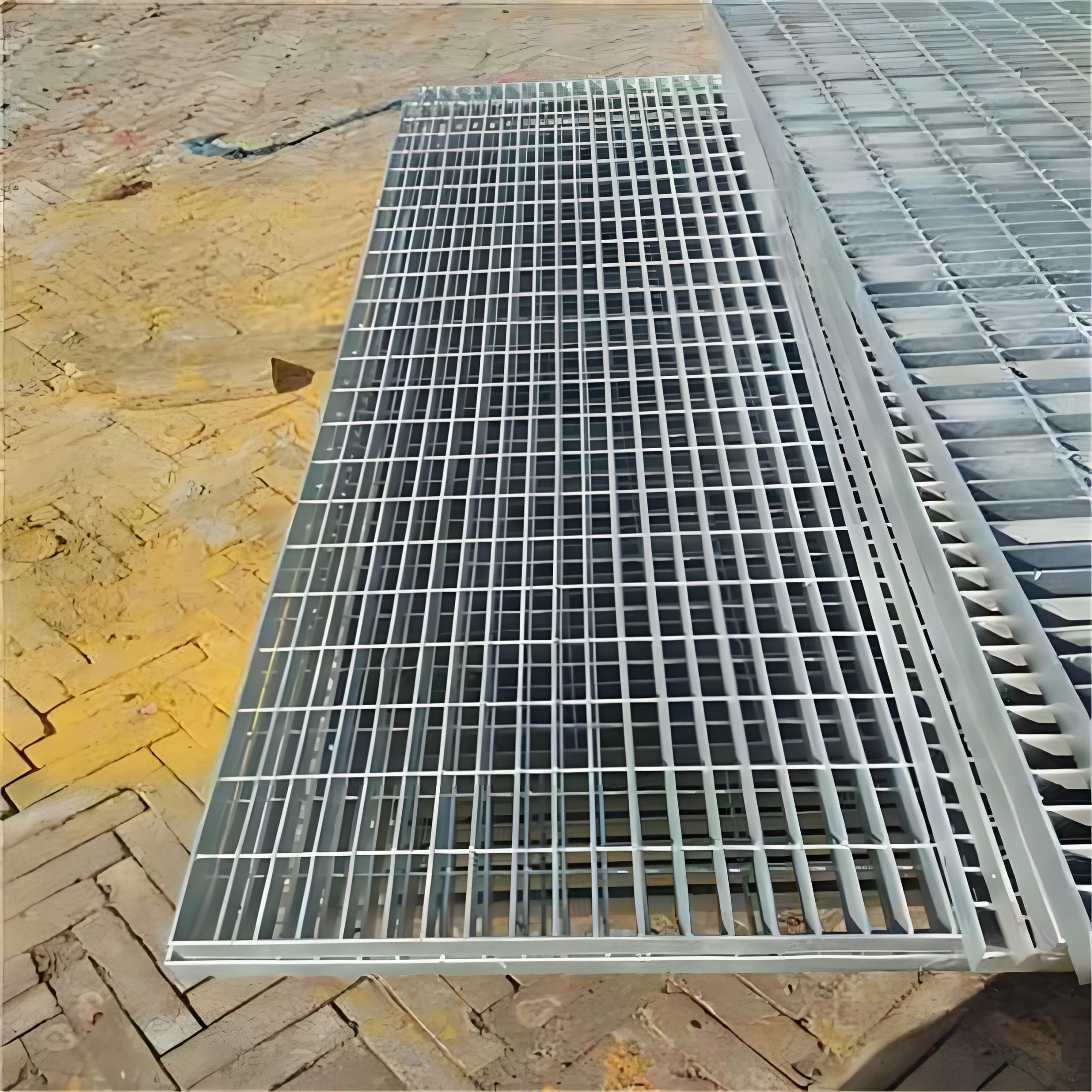
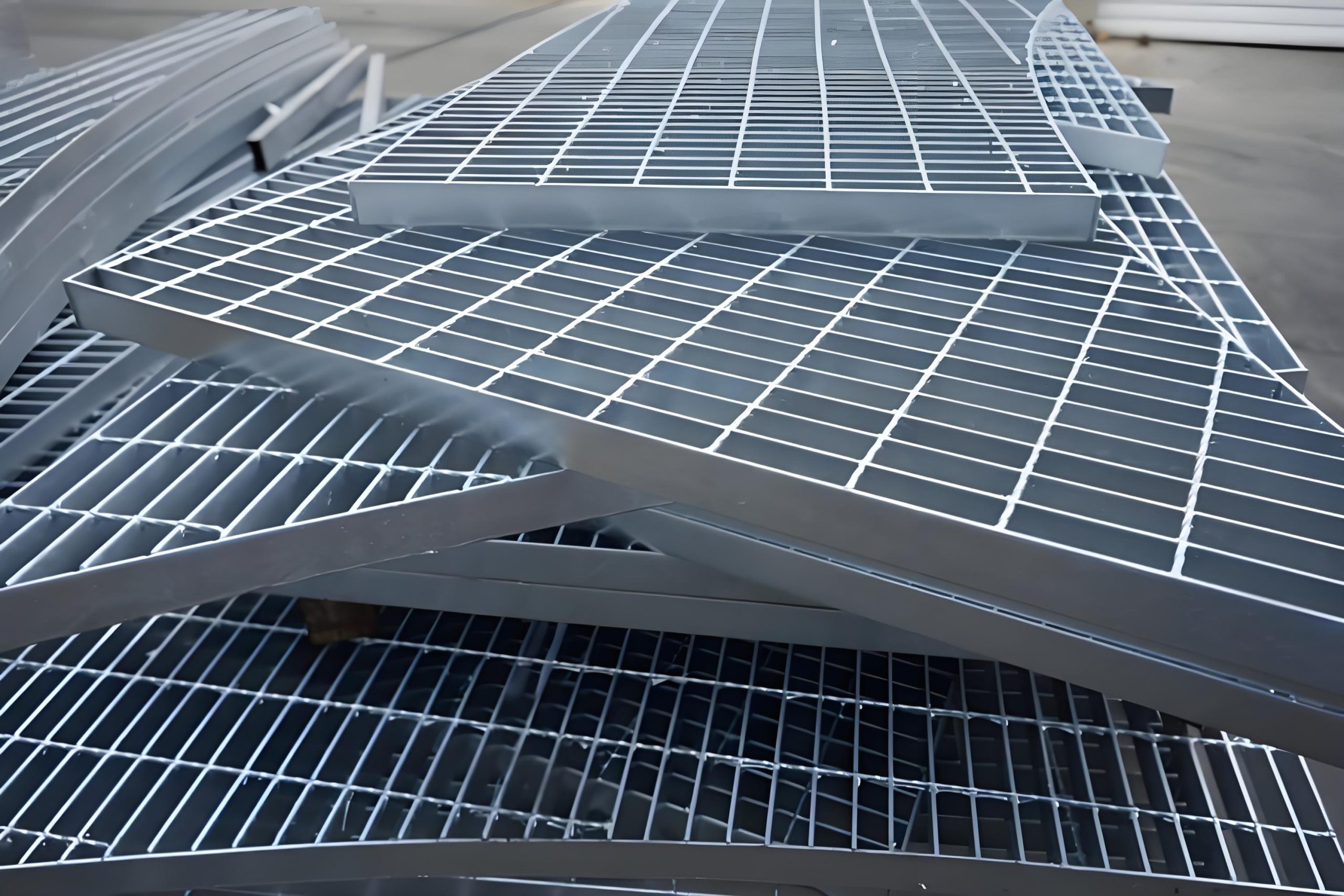
Plug-in steel grating is a highly versatile, durable, and professionally engineered metal product designed for heavy-duty industrial, commercial, and municipal applications. As a modern alternative to traditional welded and press-locked steel grating, this type of grating features a unique assembly structure that combines high strength, easy installation, and long service life. It is widely used across global infrastructure projects, manufacturing facilities, transportation hubs, and construction sites due to its exceptional load-bearing capacity, anti-slip performance, and corrosion resistance. Plug-in steel grating meets international manufacturing standards and can be customized to fulfill specific project requirements, making it a top choice for engineers, contractors, and project buyers seeking reliable and cost-effective floor and trench covering solutions.
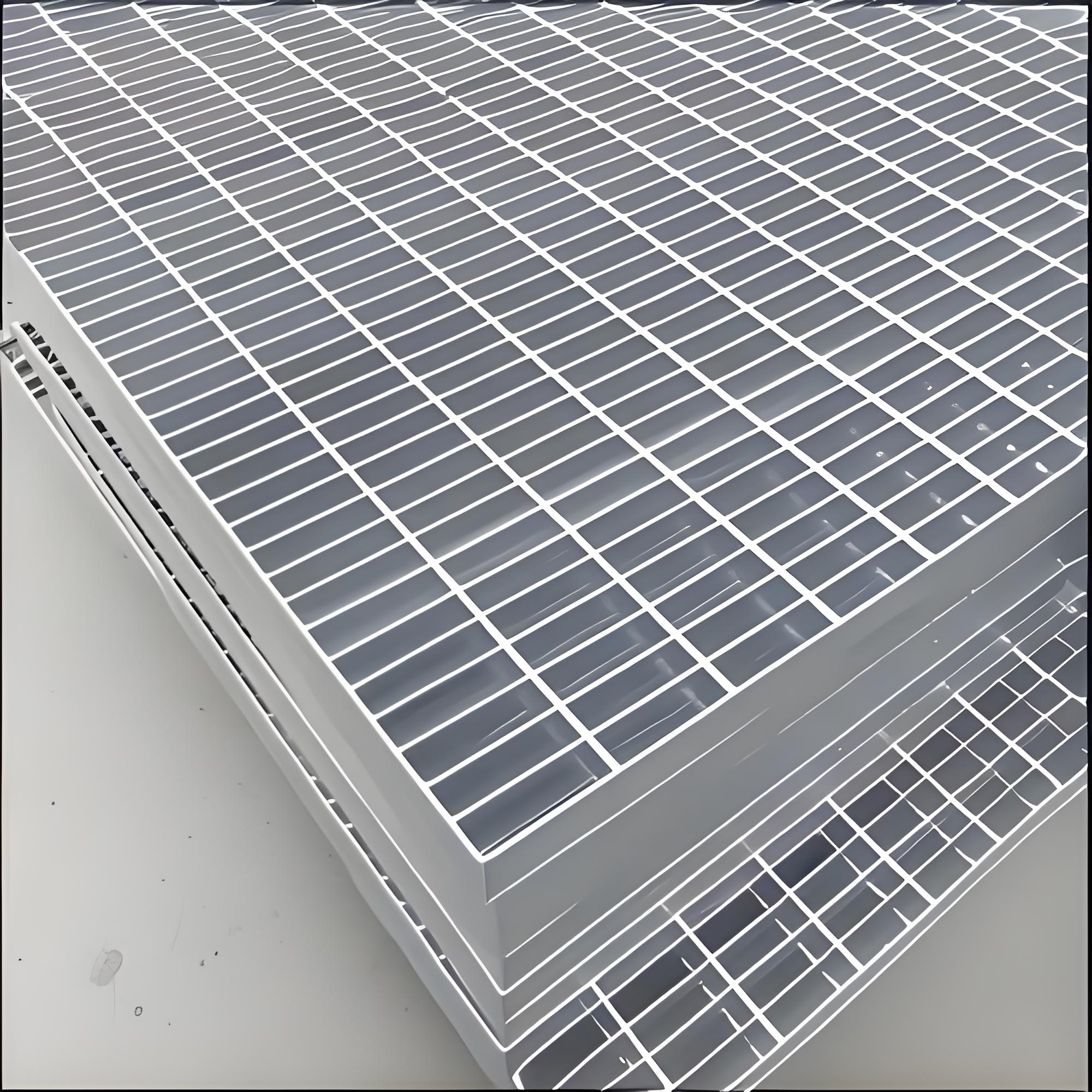
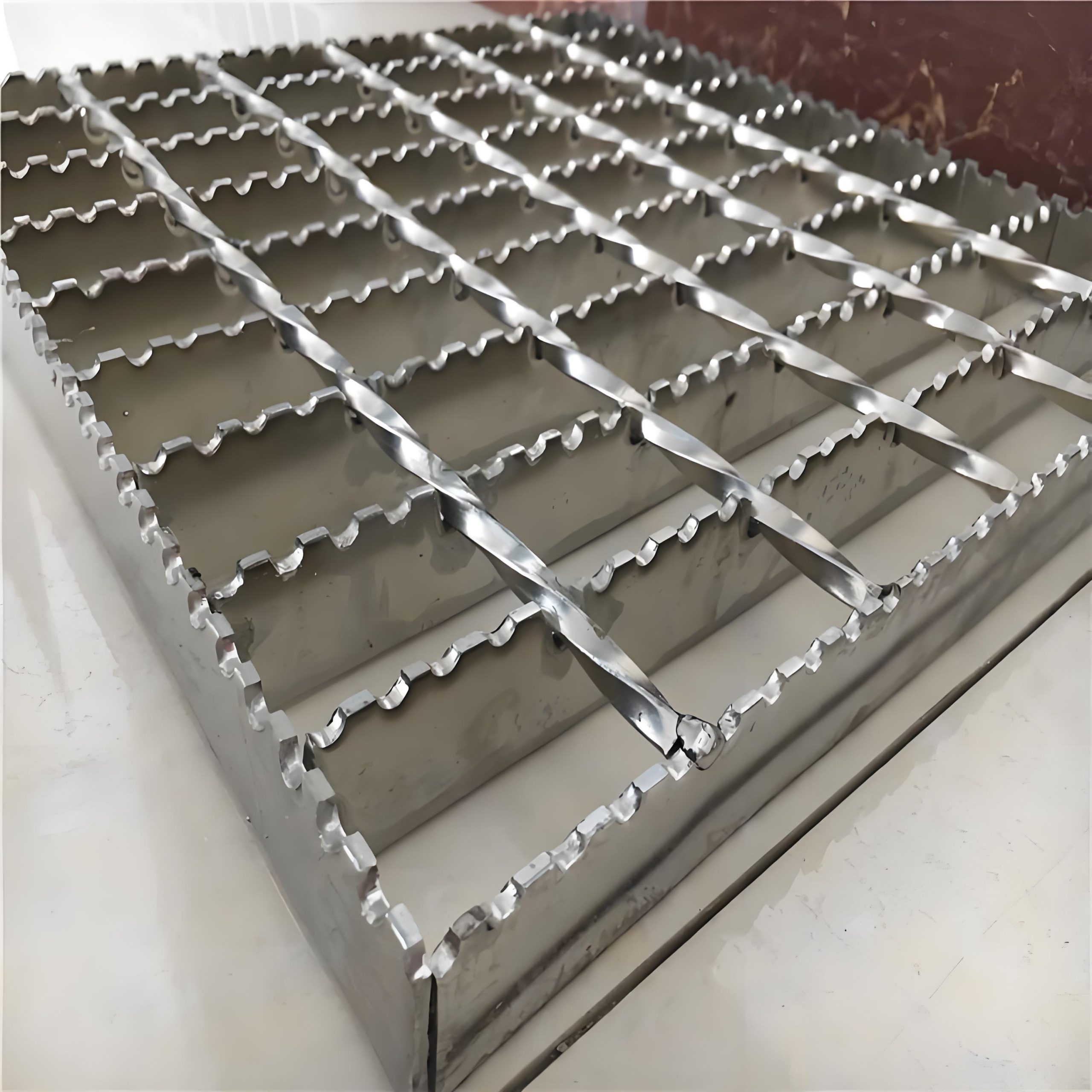
Plug-in steel grating, also known as inserted steel grating, is a precision-fabricated metal grating product formed by inserting flat steel bars and cross bars into pre-machined slots without full welding or pressure locking. The core production process involves precise slotting on bearing bars, where cross bars are firmly inserted to create a stable, integrated grid structure. This mechanical connection method ensures tight bonding between components while maintaining structural integrity under dynamic loads and harsh environmental conditions.
Different from welded steel grating that relies on fusion joints and press-locked grating formed by high-pressure compression, plug-in steel grating uses an interlocking plug-in system that enhances overall stability and reduces material deformation. It is manufactured using high-quality carbon steel, stainless steel, or galvanized steel, with surface treatments designed to extend service life and reduce maintenance costs. This product is defined by its modular design, uniform stress distribution, and adaptability to various installation environments, solidifying its position as a premium grating solution in the global market.
Plug-in steel grating is engineered to comply with international standards such as ASTM, EN, and JIS, ensuring consistent quality and performance for worldwide customers. Every piece of plug-in steel grating undergoes strict quality inspection during production, including slot precision testing, material strength verification, and surface coating thickness measurement, guaranteeing that each product meets industrial-grade application standards.
Plug-in steel grating is classified into multiple professional types based on production technology, material composition, surface treatment, and structural design, each tailored for specific application scenarios and performance needs.
The first category is carbon steel plug-in steel grating, the most widely used type in industrial and municipal projects. It features high strength and cost efficiency, with hot-dip galvanizing as the standard surface treatment to deliver outstanding rust and corrosion resistance. This type is the preferred option for platforms, trenches, stair treads, and drainage covers in factories, power plants, and municipal roads.
Stainless steel plug-in steel grating represents the high-end category, manufactured using 304 or 316 stainless steel. It offers superior corrosion resistance, hygiene, and aesthetic appeal, making it ideal for food processing plants, pharmaceutical facilities, marine engineering, coastal projects, and high-end architectural decorations where cleanliness and rust prevention are critical.
Aluminum alloy plug-in steel grating is a lightweight yet high-strength option, featuring excellent rust resistance and easy processing. It is commonly used in indoor decorative projects, shipbuilding, aerospace auxiliary facilities, and areas requiring lightweight structural components without compromising load capacity.
Based on structural design, plug-in steel grating is divided into double-sided plug-in steel grating and single-sided plug-in steel grating. Double-sided models feature inserted cross bars on both sides, delivering higher stability and load-bearing performance for heavy-duty applications. Single-sided models offer cost-effective performance for light and medium-load scenarios, balancing functionality and budget.
Additional specialized types include heavy-duty plug-in steel grating for ultra-high load applications like industrial platforms and forklift passages, and light-duty plug-in steel grating for interior decoration, maintenance walkways, and non-traffic areas. Each type is designed to meet specific project demands while retaining the core advantages of the plug-in assembly structure.
Plug-in steel grating’s robust structure, customizable specifications, and long service life make it applicable across a broad range of industries and infrastructure projects worldwide. Its versatility allows it to perform reliably in both indoor and outdoor, high-load and corrosive environments.
In the industrial sector, plug-in steel grating is extensively used in petrochemical plants, oil refineries, power plants, steel mills, and manufacturing facilities. It serves as industrial platform flooring, machine walkways, trench covers, pipeline protection covers, and equipment operating platforms, providing safe and stable working surfaces while resisting chemical corrosion and heavy mechanical stress.
Municipal engineering and construction projects rely heavily on plug-in steel grating for urban infrastructure. Key applications include road drainage trench covers, sewer covers, pedestrian platform panels, parking lot drainage systems, and landscape decorative grating. Its high load capacity supports pedestrian and light vehicle traffic, while its open design ensures efficient water drainage and ventilation.
The transportation industry utilizes plug-in steel grating in airports, railway stations, ports, and subway systems. It is used for passenger walkways, maintenance access platforms, drainage systems in parking areas, and safety barriers. The anti-slip surface and high structural stability enhance safety for high-volume public spaces.
Marine and coastal engineering applications benefit from stainless steel and hot-dip galvanized plug-in steel grating, which withstand salt spray, seawater corrosion, and harsh marine weather conditions. It is used on ship decks, port terminals, offshore platforms, and coastal facility walkways, maintaining performance in highly corrosive environments.
Architectural and decorative projects use plug-in steel grating for interior and exterior design elements, including building sunshades, facade decorations, ceiling panels, stair treads, and landscape barriers. Stainless steel and aluminum alloy versions offer modern aesthetics alongside functional performance for commercial and high-end residential buildings.
Other key applications include water treatment plants, food and beverage processing facilities, pharmaceutical factories, mining operations, and agricultural infrastructure. In every sector, plug-in steel grating delivers reliable performance, safety, and longevity, reducing long-term replacement and maintenance costs for project owners.
Plug-in steel grating offers a comprehensive set of advantages that distinguish it from traditional grating products, making it a preferred choice for professional projects across the globe. These benefits cover structural performance, installation efficiency, service life, and economic value.
Exceptional structural stability is a core advantage. The interlocking plug-in design creates uniform stress distribution across the entire grating panel, preventing deformation, loosening, or breakage even under long-term heavy loads. Unlike welded grating that may crack at joints, plug-in steel grating maintains its shape and strength for decades.
Easy and fast installation saves significant time and labor costs. The modular, lightweight design allows for quick on-site assembly without specialized equipment or complex welding processes. Panels can be easily cut, adjusted, and installed by a small team, reducing construction cycles and overall project expenses.
Long service life and low maintenance requirements deliver long-term economic benefits. Hot-dip galvanized carbon steel models offer 15-30 years of service life, while stainless steel versions last even longer with minimal upkeep. The corrosion-resistant surface requires no regular painting or repair, and the open grid structure prevents debris accumulation, simplifying cleaning.
High safety performance protects users in all environments. The flat steel surface provides excellent anti-slip performance, even in wet, oily, or icy conditions. The robust structure supports heavy loads safely, and the open design ensures ventilation, light transmission, and heat dissipation, reducing accident risks in industrial settings.
Customization flexibility allows plug-in steel grating to meet unique project requirements. Manufacturers can adjust bearing bar spacing, cross bar spacing, thickness, height, and dimensions to match load demands, installation spaces, and environmental conditions. Surface treatments and colors can also be customized for functional or aesthetic needs.
Eco-friendly and recyclable properties align with global sustainable development goals. All materials used in plug-in steel grating are 100% recyclable, reducing environmental impact. The long service life further minimizes resource waste from frequent replacements, supporting green construction initiatives.
Cost-effective performance makes plug-in steel grating a wise investment. While initial costs may be slightly higher than basic welded grating, its extended service life, low maintenance, and reduced installation costs result in a lower total cost of ownership over time, delivering superior value for long-term projects.
Selecting the correct specifications for plug-in steel grating is critical to ensuring performance, safety, and cost efficiency. Key parameters include material type, bearing bar size, spacing, surface treatment, and overall dimensions, all of which should be chosen based on load requirements, installation environment, and usage conditions.
Material selection is the first step. Carbon steel is recommended for general industrial and municipal projects with standard corrosion resistance needs. Stainless steel 304 suits indoor or mildly corrosive environments, while 316 stainless steel is ideal for marine, coastal, or chemical-exposed settings. Aluminum alloy is the best choice for lightweight, corrosion-resistant decorative applications.
Bearing bar specifications directly determine load-bearing capacity. Common height options range from 20mm to 100mm, with thickness from 3mm to 10mm. Heavy-duty applications require taller and thicker bearing bars, while light-duty projects can use smaller sizes. Standard bearing bar spacing options are 30mm, 40mm, and 60mm, with 30mm spacing offering the highest strength for heavy loads.
Cross bar specifications and spacing complement bearing bar performance. Common cross bar spacing is 50mm, 100mm, or 150mm, with closer spacing enhancing overall stability. Cross bar size is matched to bearing bars to maintain the interlocking plug-in structure’s integrity.
Surface treatment selection depends on environmental conditions. Hot-dip galvanizing is the most cost-effective for carbon steel, providing excellent outdoor corrosion resistance. Electro-galvanizing is suitable for indoor, dry environments. Stainless steel requires no additional coating, while painted or powder-coated options offer customized colors for decorative projects.
Overall dimensions are customized to installation spaces. Standard panel sizes include 1000mm×1000mm, 1000mm×2000mm, and 1200mm×2400mm, with non-standard sizes available for unique projects. Accurate measurement of installation length and width ensures a perfect fit and reduces on-site modification.
Load grade is a vital selection factor. Plug-in steel grating is divided into light-duty, medium-duty, and heavy-duty grades. Light-duty supports pedestrian traffic only, medium-duty suits light vehicles and equipment, and heavy-duty is engineered for forklifts, heavy machinery, and industrial vehicle traffic. Consulting load tables or professional engineers ensures the correct grade selection.
Installation method also influences specification choice. Top-mounted, side-mounted, and embedded installations have different requirements for grating thickness and fixing methods. Professional suppliers provide detailed installation guidelines to support proper specification selection.
The reference price of plug-in steel grating is determined by multiple interrelated factors, with no fixed unified price due to variations in raw materials, specifications, production processes, and order quantities. Understanding these factors helps buyers make informed purchasing decisions and obtain accurate quotations from suppliers.
Raw material cost is the primary price driver. Prices fluctuate with global steel market trends, with stainless steel costing significantly more than carbon steel, and 316 stainless steel priced higher than 304. Aluminum alloy prices also vary based on market conditions, directly impacting the final reference price.
Product specifications and size affect material consumption and production complexity. Larger, thicker panels with closer bar spacing require more raw materials and processing time, increasing the reference price. Custom or non-standard specifications also raise costs compared to standard sizes.
Surface treatment type influences production costs and reference pricing. Hot-dip galvanizing is more expensive than electro-galvanizing but offers better corrosion resistance. Stainless steel requires no coating but has a higher base material cost, while specialized coatings add to the total expense.
Production technology and processing difficulty impact pricing. Precision slotting for the plug-in structure requires advanced machinery, and complex custom designs increase processing time and labor costs. Heavy-duty grating with strict precision standards also has a higher reference price than standard models.
Order quantity is a key factor for bulk buyers. Large-scale orders reduce per-unit production costs through economies of scale, resulting in a lower reference price per square meter. Small trial orders typically have a higher unit price due to fixed production costs.
Transportation and packaging costs contribute to the final reference price. Long-distance shipping, export packaging, and special logistics requirements add to the total cost, especially for international orders. Delivery location and shipping method directly affect pricing.
Market demand and supply dynamics also influence reference prices. Peak construction seasons may increase prices due to high demand, while off-peak periods may offer more competitive pricing. Global supply chain conditions and production capacity further impact cost fluctuations.
It is important to note that all prices mentioned are reference values only, and the final quotation depends on detailed product requirements and market conditions at the time of purchase. Working with professional manufacturers ensures transparent pricing and cost-effective solutions tailored to project needs.
Anping County Chuansen Silk Screen Products Co., Ltd. is a leading professional manufacturer and supplier of plug-in steel grating, with years of dedicated experience in the design, production, and global export of high-quality steel grating products. Located in Anping, the renowned Wire Mesh Industrial Base of China, the company combines advanced production technology, strict quality control, and professional service to provide reliable grating solutions for customers worldwide.
The company specializes in the R&D and manufacturing of plug-in steel grating, including carbon steel, stainless steel, and aluminum alloy models, as well as customized products for special industrial and architectural applications. Equipped with fully automatic production lines, precision slotting machines, and hot-dip galvanizing equipment, it ensures consistent product quality, precise dimensions, and stable performance that meet international standards.
Anping County Chuansen Silk Screen Products Co., Ltd. employs a professional technical team that supports custom design, specification selection, and installation guidance for global customers. Engineers provide tailored solutions based on project load requirements, environmental conditions, and budget constraints, ensuring the final product fully meets application needs.
Strict quality control is implemented across every production stage, from raw material inspection to finished product testing. Each plug-in steel grating undergoes material composition analysis, load-bearing testing, surface coating thickness measurement, and dimensional inspection, ensuring compliance with ASTM, EN, and other international certifications.
The company offers a full range of services including sample provision, customized production, fast delivery, and after-sales support. With a complete supply chain and efficient logistics system, it delivers products to global customers in a timely manner, supporting both small batch orders and large-scale project procurement.
With years of export experience, Anping County Chuansen Silk Screen Products Co., Ltd. serves customers in Europe, North America, Southeast Asia, the Middle East, Africa, and other regions, earning a strong reputation for product quality, competitive reference prices, and professional service. The company prioritizes customer satisfaction, providing comprehensive support from initial inquiry to post-delivery assistance.
As a reliable long-term partner, Anping County Chuansen Silk Screen Products Co., Ltd. continues to invest in technological innovation and quality improvement, striving to provide the highest quality plug-in steel grating and professional services to global infrastructure, industrial, and construction projects.
What is the difference between plug-in steel grating and welded steel grating?
The core difference lies in the production process and structural performance. Plug-in steel grating uses an interlocking slot insertion method to connect bearing bars and cross bars without full welding, creating uniform stress distribution and higher structural stability. Welded steel grating uses fusion welding at joints, which may loosen or crack over time under heavy loads. Plug-in steel grating offers better deformation resistance, longer service life, and easier installation, while welded grating is more cost-effective for light-duty applications. Plug-in steel grating also features a more aesthetic appearance and is suitable for high-end industrial and decorative projects, with customizable specifications to meet complex project demands.
How to choose the right specifications of plug-in steel grating for trench cover projects?
To select suitable plug-in steel grating for trench covers, first determine the load grade based on usage: pedestrian-only areas use light-duty specifications with 20-30mm height bearing bars, while vehicle-passing areas require medium or heavy-duty models with 40-60mm height bearing bars. Next, choose the material: hot-dip galvanized carbon steel for standard municipal trenches, 304 or 316 stainless steel for coastal or chemical-exposed trenches. Bearing bar spacing of 30-40mm and cross bar spacing of 100mm are ideal for trench covers, balancing strength and drainage efficiency. Measure the trench’s length and width for customized panel sizes, and consult your supplier for load table verification to ensure the selected specifications meet safety and performance requirements.
What surface treatment is best for outdoor plug-in steel grating?
Hot-dip galvanizing is the optimal surface treatment for outdoor carbon steel plug-in steel grating. It forms a thick, uniform zinc coating on the surface, providing excellent rust, corrosion, and weather resistance, with a service life of 15-30 years in outdoor environments. This treatment withstands rain, snow, UV radiation, and mild chemical exposure, making it perfect for municipal, industrial, and transportation outdoor projects. For coastal or marine outdoor environments, 316 stainless steel plug-in steel grating is the best choice, offering superior salt spray and seawater corrosion resistance without additional coating. Aluminum alloy plug-in steel grating with natural oxidation resistance is also suitable for lightweight outdoor decorative applications.
Please Feel free to give your inquiry in the form below.we will reply you in 24 hours.