
Home > Products > Steel Grating > Stainless Steel Grating
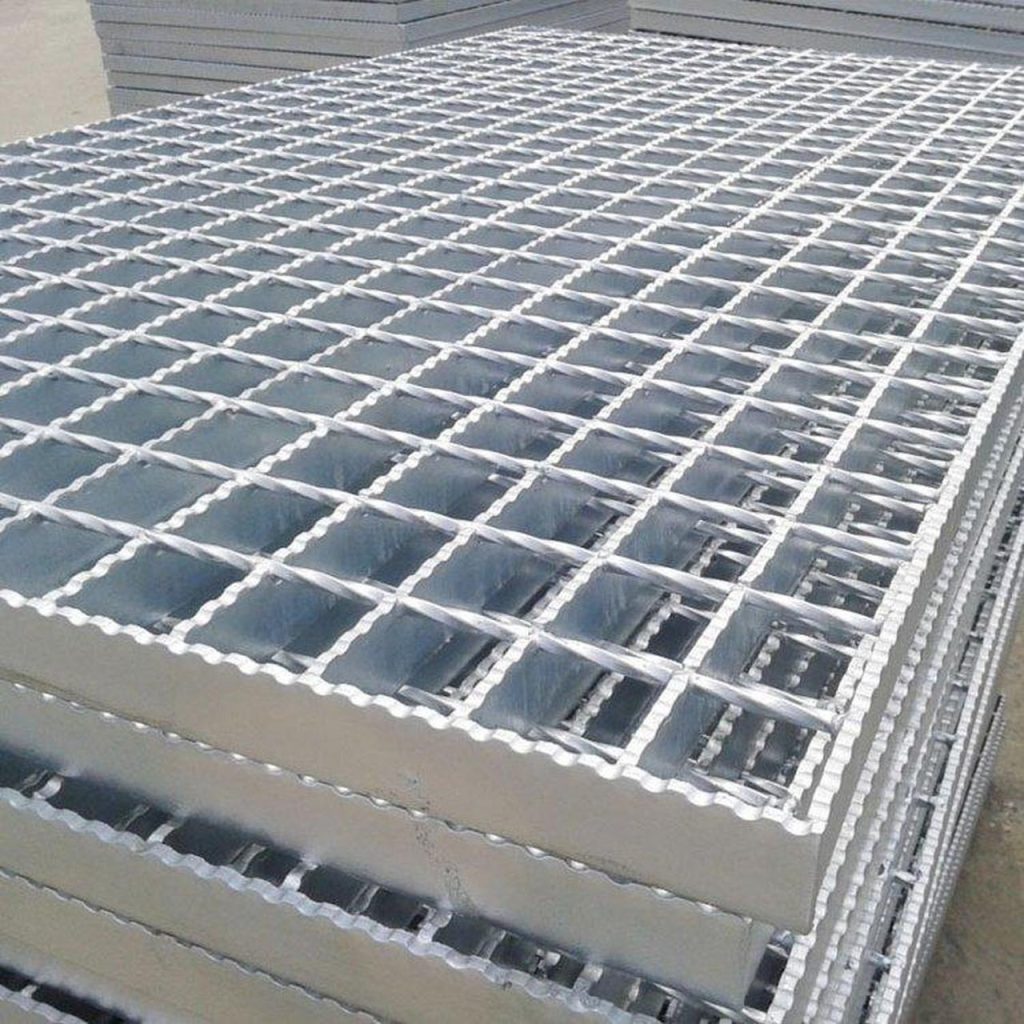
Stainless steel grating is widely recognized as a high-performance metal product designed for industrial and commercial applications where strength, c…
Stainless steel grating is widely recognized as a high-performance metal product designed for industrial and commercial applications where strength, corrosion resistance, and long service life are critical. As global demand continues to grow, keywords such as stainless steel grating, stainless steel bar grating, corrosion resistant grating, heavy duty steel grating, and industrial drainage grating are frequently searched by buyers seeking reliable solutions for flooring, walkways, and drainage systems. This type of grating is manufactured using premium stainless steel materials, offering exceptional durability in harsh environments such as chemical plants, offshore platforms, and food processing facilities.
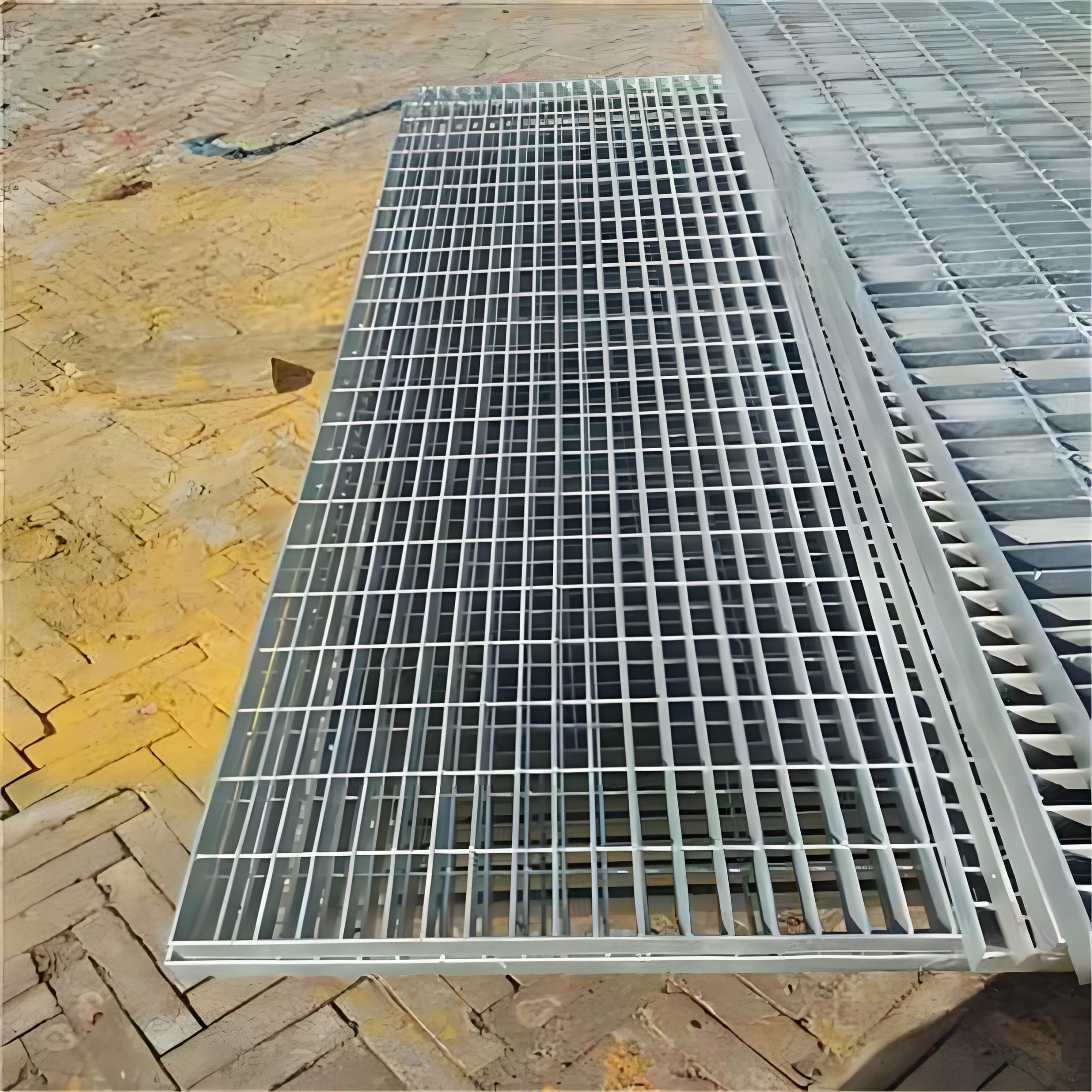
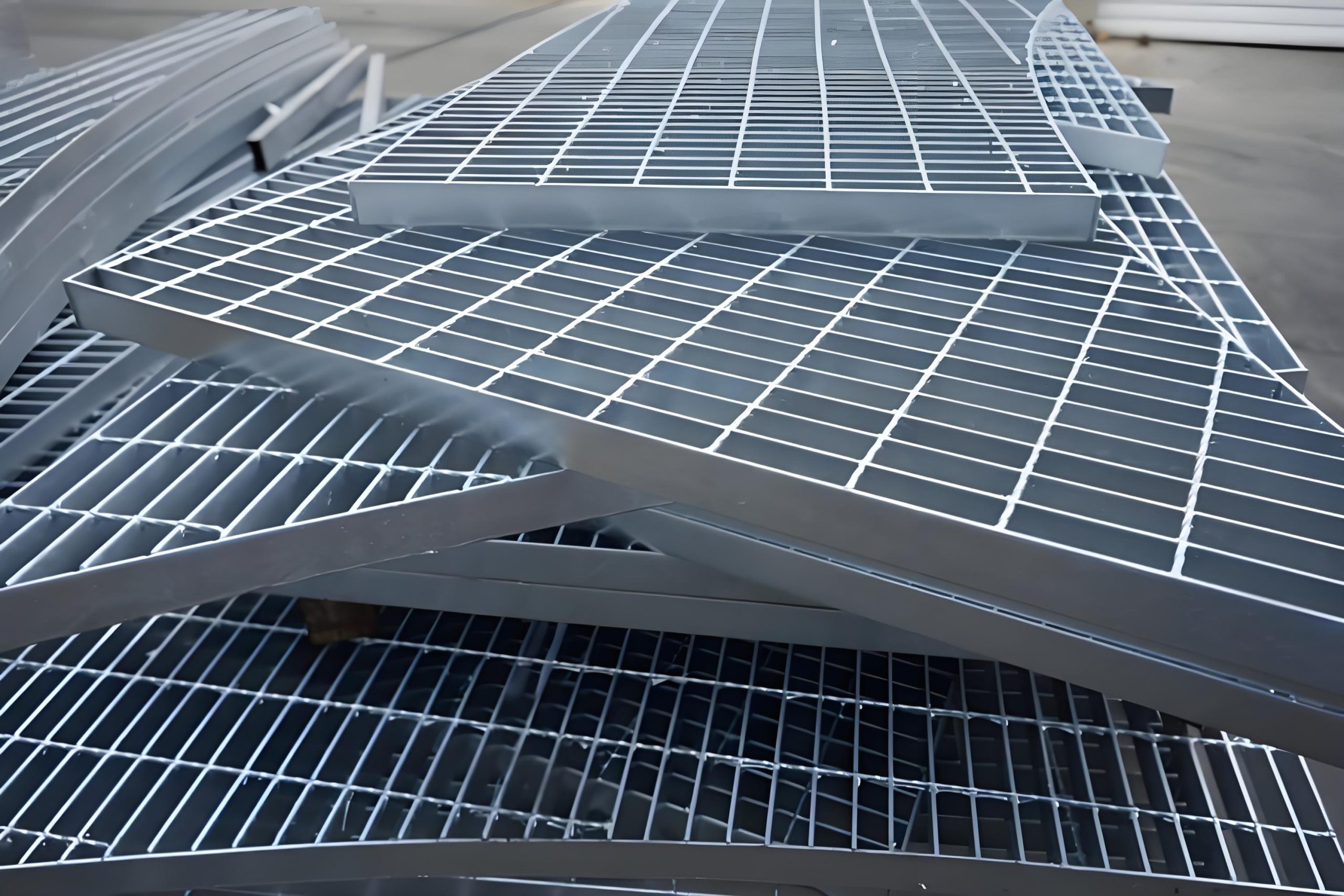
Stainless steel grating refers to a grid-like structure made from stainless steel bars that are welded, press-locked, or swaged together to form a strong and stable panel. The product typically consists of bearing bars and cross bars arranged in a precise pattern to ensure load-bearing capacity and slip resistance. Compared to carbon steel grating, stainless steel grating offers superior resistance to corrosion, oxidation, and extreme temperatures.
Due to its non-reactive properties, stainless steel grating is often used in environments where hygiene and cleanliness are essential. Industries such as pharmaceuticals, food processing, and water treatment rely heavily on this material. The combination of structural integrity and aesthetic appearance also makes it suitable for architectural applications.
Stainless steel grating is available in several types based on manufacturing methods and structural design. Welded stainless steel bar grating is the most common type, produced by resistance welding the cross bars to the bearing bars. This type provides excellent strength and is suitable for heavy-duty applications.
Press-locked stainless steel grating is manufactured by inserting cross bars into pre-slotted bearing bars and applying high pressure to lock them in place. This results in a smooth and aesthetically pleasing surface, making it ideal for architectural and decorative uses.
Swage-locked stainless steel grating uses a swaging process to secure the cross bars into the bearing bars. This type offers high strength while maintaining a clean appearance, often used in industrial platforms and walkways.
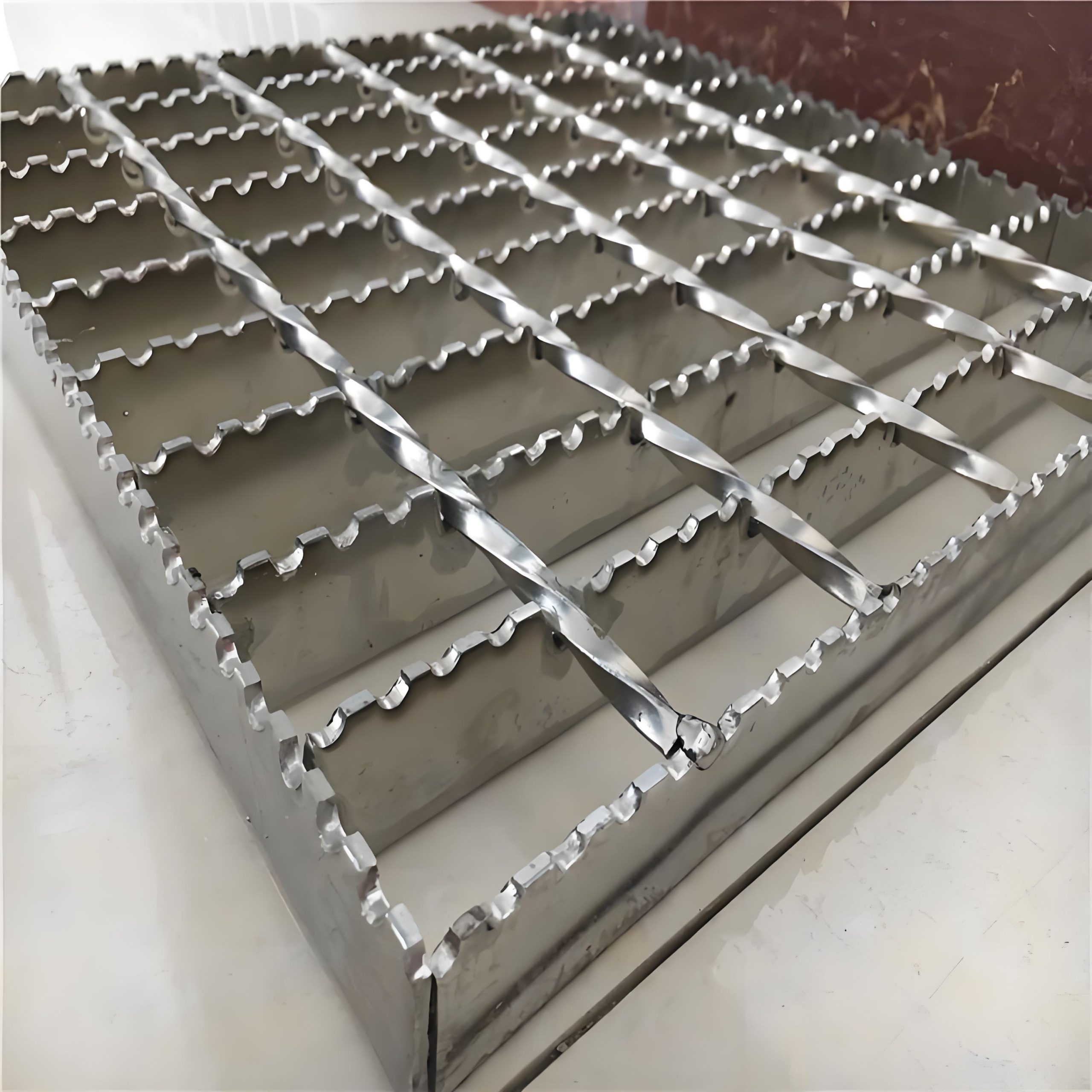
In addition, there are specialized types such as serrated stainless steel grating, which enhances slip resistance, and heavy duty stainless steel grating designed for high load-bearing requirements. Each type is selected based on specific project needs and environmental conditions.
Stainless steel grating is widely used across various industries due to its versatility and durability. In industrial settings, it serves as flooring for platforms, walkways, and stair treads. Its open design allows for efficient drainage and ventilation, making it ideal for environments where liquids or debris are present.
In the chemical and petrochemical industries, stainless steel grating is essential due to its resistance to corrosive substances. Offshore platforms and marine environments also rely on this material to withstand saltwater exposure.
Municipal infrastructure projects use stainless steel grating as trench covers and drainage systems. Its durability ensures long-term performance with minimal maintenance. In food processing plants, stainless steel grating meets hygiene standards, as it is easy to clean and resistant to contamination.
Architectural applications include facades, sunshades, and decorative walkways. The modern appearance of stainless steel enhances the visual appeal of buildings while maintaining functionality.
One of the most significant advantages of stainless steel grating is its excellent corrosion resistance. Unlike other materials, it does not rust easily, even in humid or chemically aggressive environments. This property extends the product’s lifespan and reduces maintenance costs.
High strength and load-bearing capacity make stainless steel grating suitable for heavy-duty applications. It can support substantial weight without deformation, ensuring safety in industrial settings.
Another key advantage is its resistance to extreme temperatures. Stainless steel maintains its structural integrity in both high and low temperature environments, making it suitable for a wide range of applications.
The material also offers superior hygiene performance. Its smooth surface prevents the accumulation of dirt and bacteria, which is particularly important in food and pharmaceutical industries.
Additionally, stainless steel grating provides an attractive appearance. Its clean and modern look makes it suitable for both functional and decorative purposes.
When selecting stainless steel grating, several specifications must be considered to ensure optimal performance. Bearing bar size and spacing are critical factors that determine load capacity and strength. Common bearing bar sizes vary depending on application requirements.
Cross bar spacing also plays a role in determining the overall strength and appearance of the grating. Closer spacing provides higher strength and better support, while wider spacing allows for improved drainage and ventilation.
Material grade is another important consideration. Stainless steel grades such as 304 and 316 are commonly used. Grade 304 is suitable for general applications, while grade 316 offers enhanced corrosion resistance, particularly in marine and chemical environments.
Surface type is also important. Smooth surfaces are suitable for clean environments, while serrated surfaces provide additional slip resistance in wet or oily conditions.
Load requirements must be carefully evaluated. Engineers typically consider factors such as traffic type, weight load, and support structure to determine the appropriate grating specification.
The cost of stainless steel grating can vary significantly depending on several factors. One of the primary factors is the raw material price, which fluctuates based on global stainless steel market conditions. Higher-grade materials such as 316 stainless steel generally cost more than standard grades.
Manufacturing method also affects pricing. Welded grating is typically more cost-effective for standard applications, while press-locked or swage-locked grating may involve higher production costs due to more complex processes.
Specifications such as bar thickness, spacing, and panel size directly influence the amount of material used, which in turn affects the overall price. Custom designs or non-standard sizes may also increase costs.
Surface treatment and finishing options, such as polishing or anti-slip treatments, can add to the total cost. Additionally, order quantity plays a role, as bulk orders often benefit from lower unit prices.
Transportation and packaging requirements may also impact the final price, especially for international shipments. Buyers typically consider these factors when evaluating suppliers and making purchasing decisions.
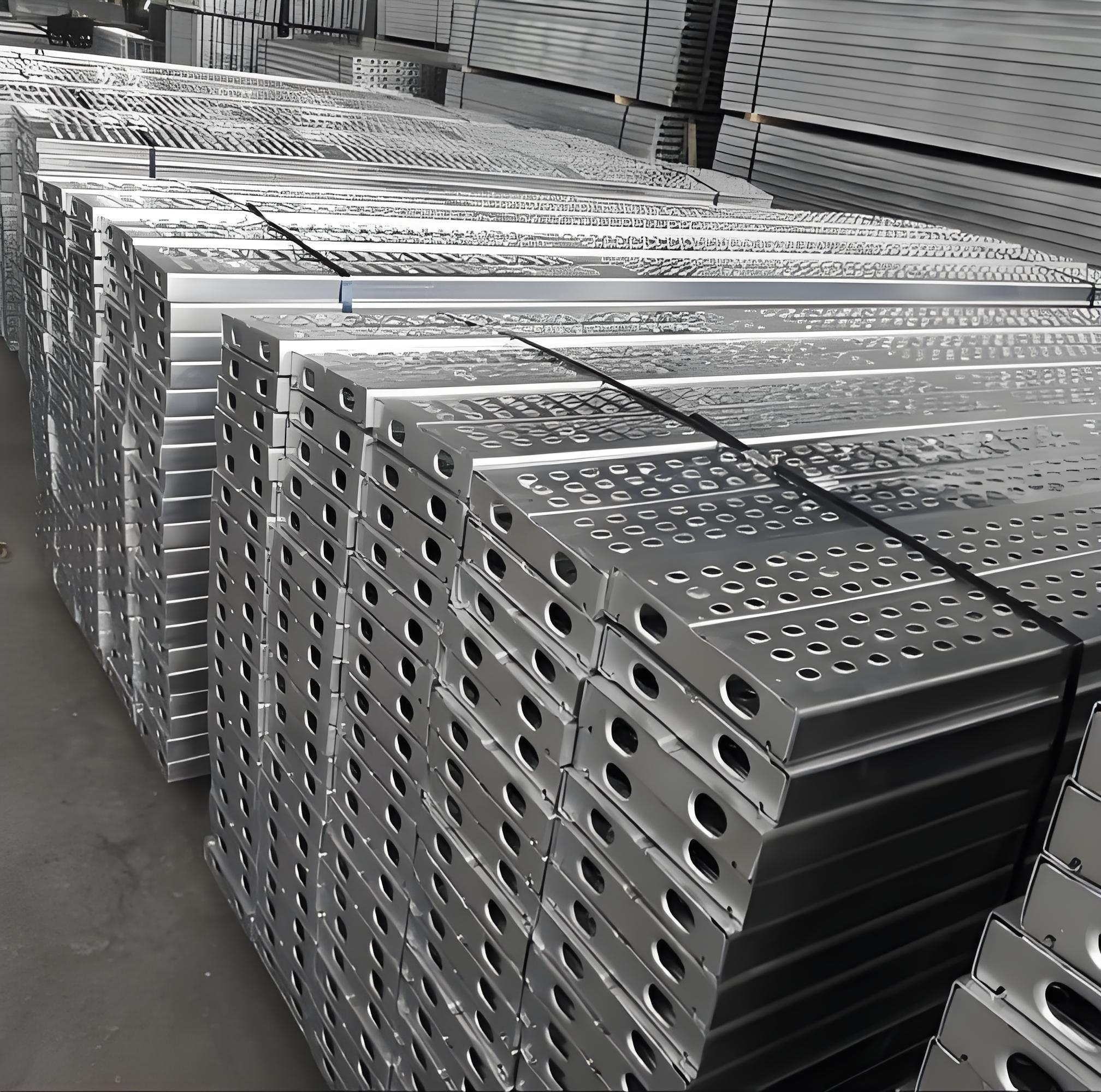
Anping County Chuansen Silk Screen Products Co., Ltd. is a professional manufacturer specializing in the production of stainless steel grating, trench covers, and step boards. With extensive experience in the metal products industry, the company has established a strong reputation for delivering high-quality products that meet international standards.
The company is equipped with advanced production facilities and employs skilled technicians to ensure precision manufacturing. Strict quality control measures are implemented throughout the production process, from raw material selection to final inspection.
Anping County Chuansen Silk Screen Products Co., Ltd. offers a wide range of stainless steel grating products in various specifications to meet diverse customer requirements. Customization services are available, allowing clients to tailor products according to specific project needs.
The company also provides professional technical support, helping customers select the most suitable grating solutions based on their application scenarios. With a focus on reliability and customer satisfaction, the supplier serves clients across multiple industries worldwide.
What is the difference between stainless steel grating and galvanized steel grating?
Stainless steel grating offers superior corrosion resistance compared to galvanized steel grating. While galvanized grating relies on a zinc coating for protection, stainless steel inherently resists rust and chemical damage. This makes it more suitable for harsh environments such as marine and chemical industries.
Which grade of stainless steel grating is best for marine environments?
Grade 316 stainless steel grating is generally considered the best choice for marine environments due to its enhanced resistance to saltwater corrosion. It contains molybdenum, which improves its ability to withstand aggressive conditions.
How do I choose the right stainless steel grating specification?
Choosing the right specification depends on factors such as load requirements, application environment, and safety needs. Key considerations include bearing bar size, spacing, material grade, and surface type. Consulting with a professional supplier like Anping County Chuansen Silk Screen Products Co., Ltd. can help ensure the correct selection.
Please Feel free to give your inquiry in the form below.we will reply you in 24 hours.