
Home > Products > Steel Grating > Type SL Swage Locked Steel Grating
Type SL swage locked steel grating is a mechanically locked grating product made by securing cross bars into bearing bars through a swaging or pressur…
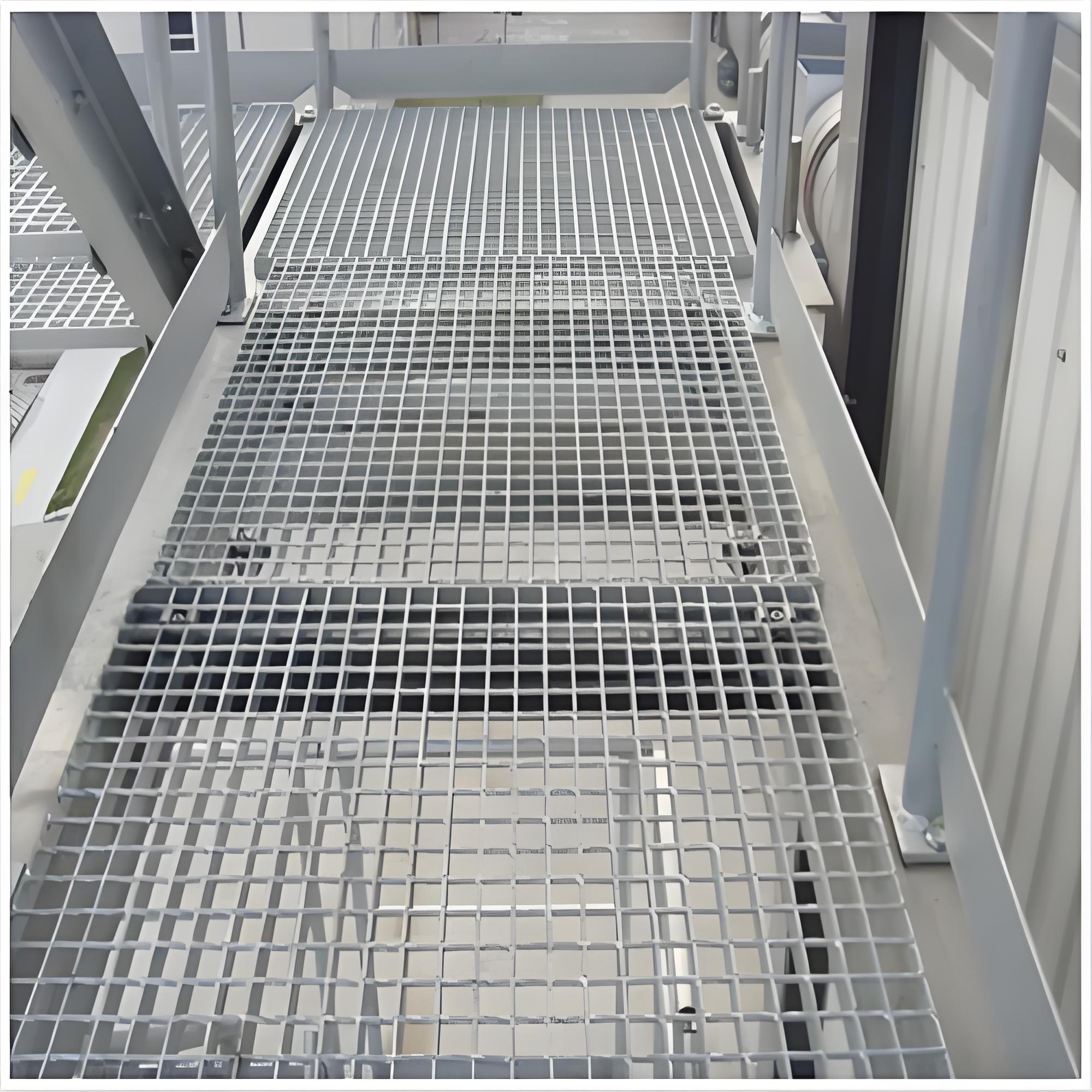
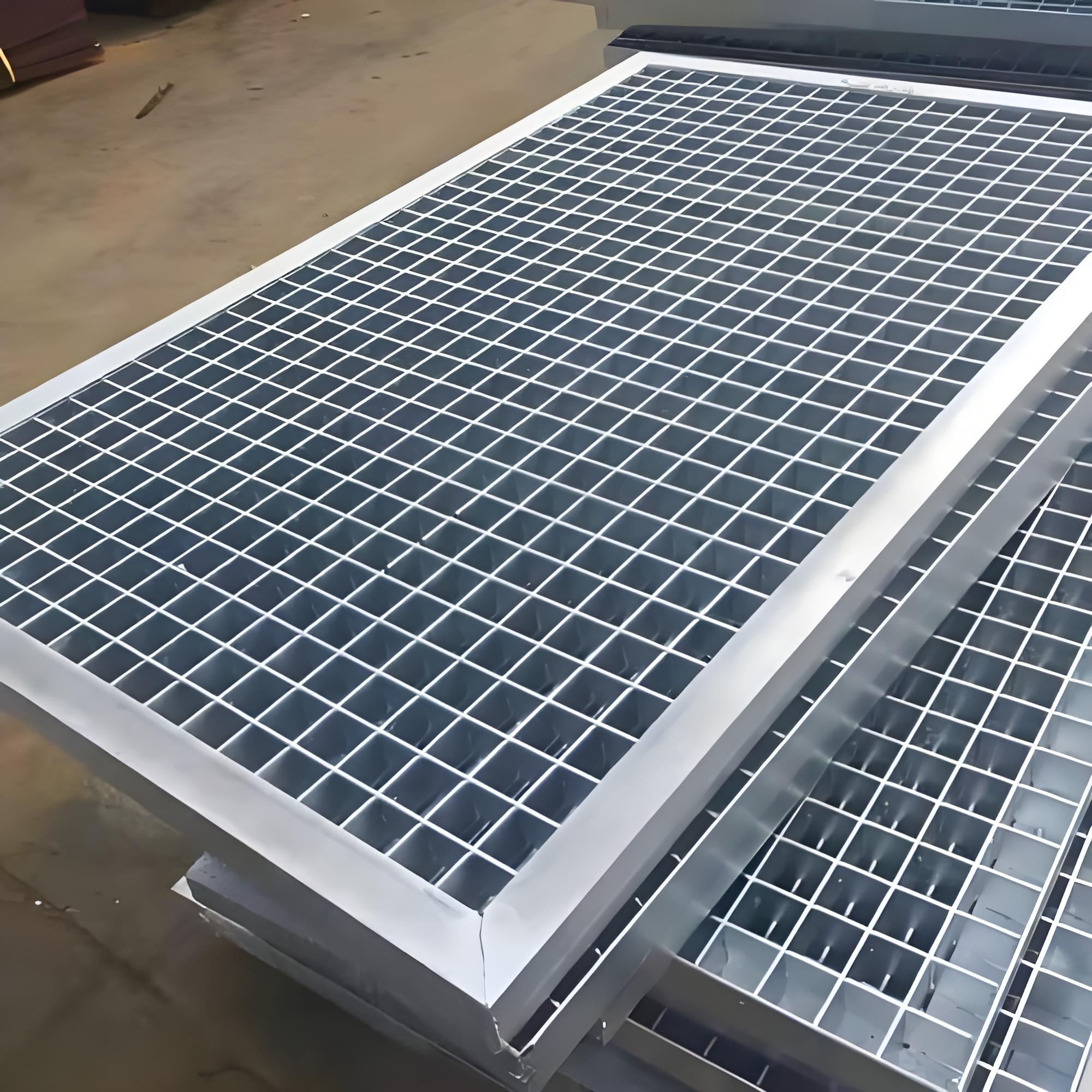
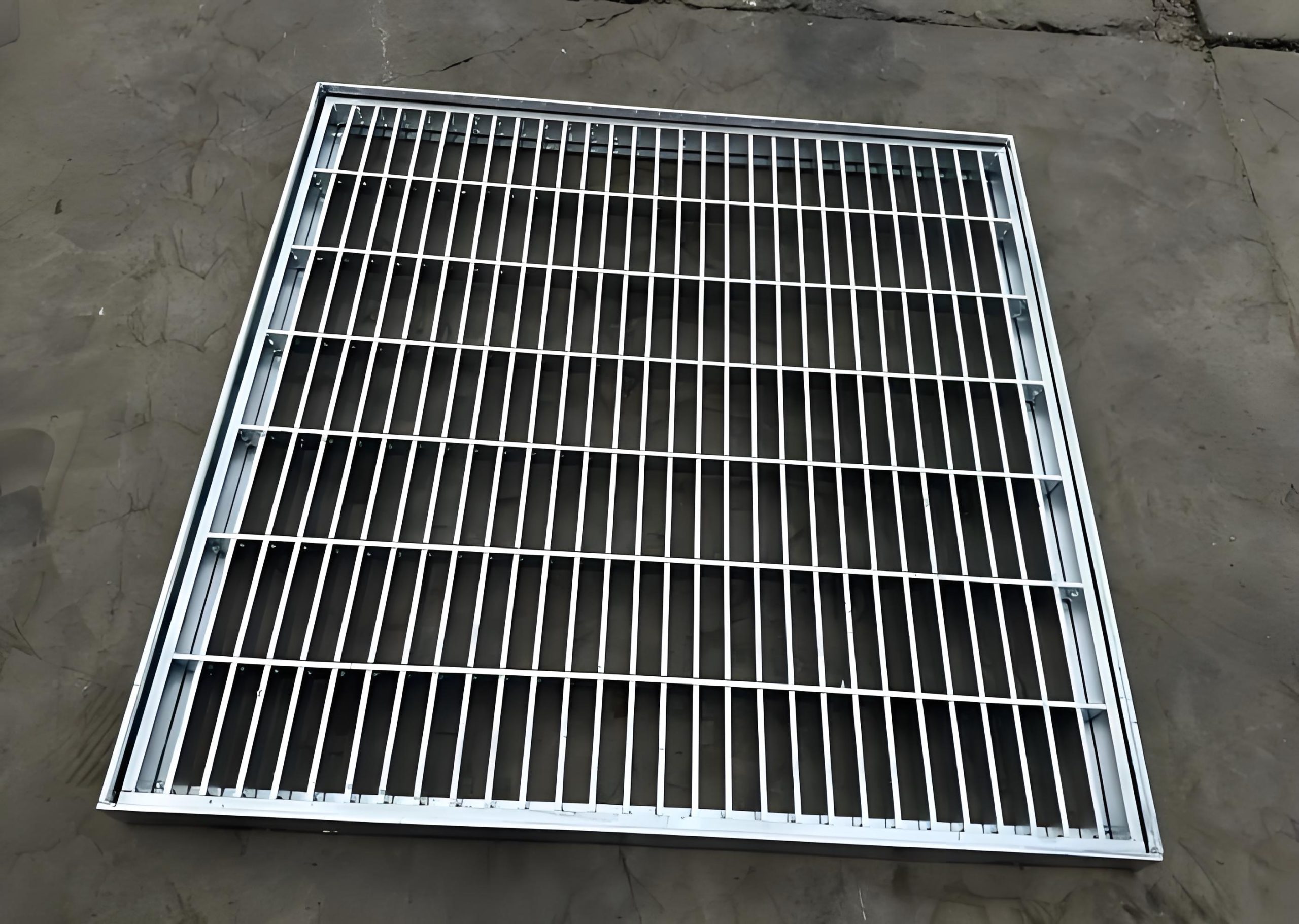
Type SL swage locked steel grating is a mechanically locked grating product made by securing cross bars into bearing bars through a swaging or pressure-locking process instead of ordinary welding. It is used for walkways, platforms, stair treads, trench covers, architectural floors, industrial access areas, and lightweight service structures where a clean appearance, stable grid, accurate spacing, and good load performance are required. In many projects, Type “SL” swage locked grating is selected when buyers want a grating panel with strong mechanical interlock, neat surface, good ventilation, drainage capacity, and flexible material options such as aluminum, carbon steel, or stainless steel.
Type “SL” swage locked steel grating is a type of bar grating where cross bars are mechanically locked into bearing bars by a swaging process. Instead of welding every cross bar connection, the cross bars are inserted through or into the bearing bars and then locked under pressure. This creates a rigid grating panel with a clean structure and consistent spacing.
The term “Type SL” is often used in grating classification to describe swage locked grating. In the market, swage locked grating is especially common in aluminum grating because aluminum is lightweight, corrosion resistant, and suitable for mechanical locking. However, depending on project requirements and factory capability, similar swage locked or mechanically locked grating structures may also be supplied in carbon steel or stainless steel.
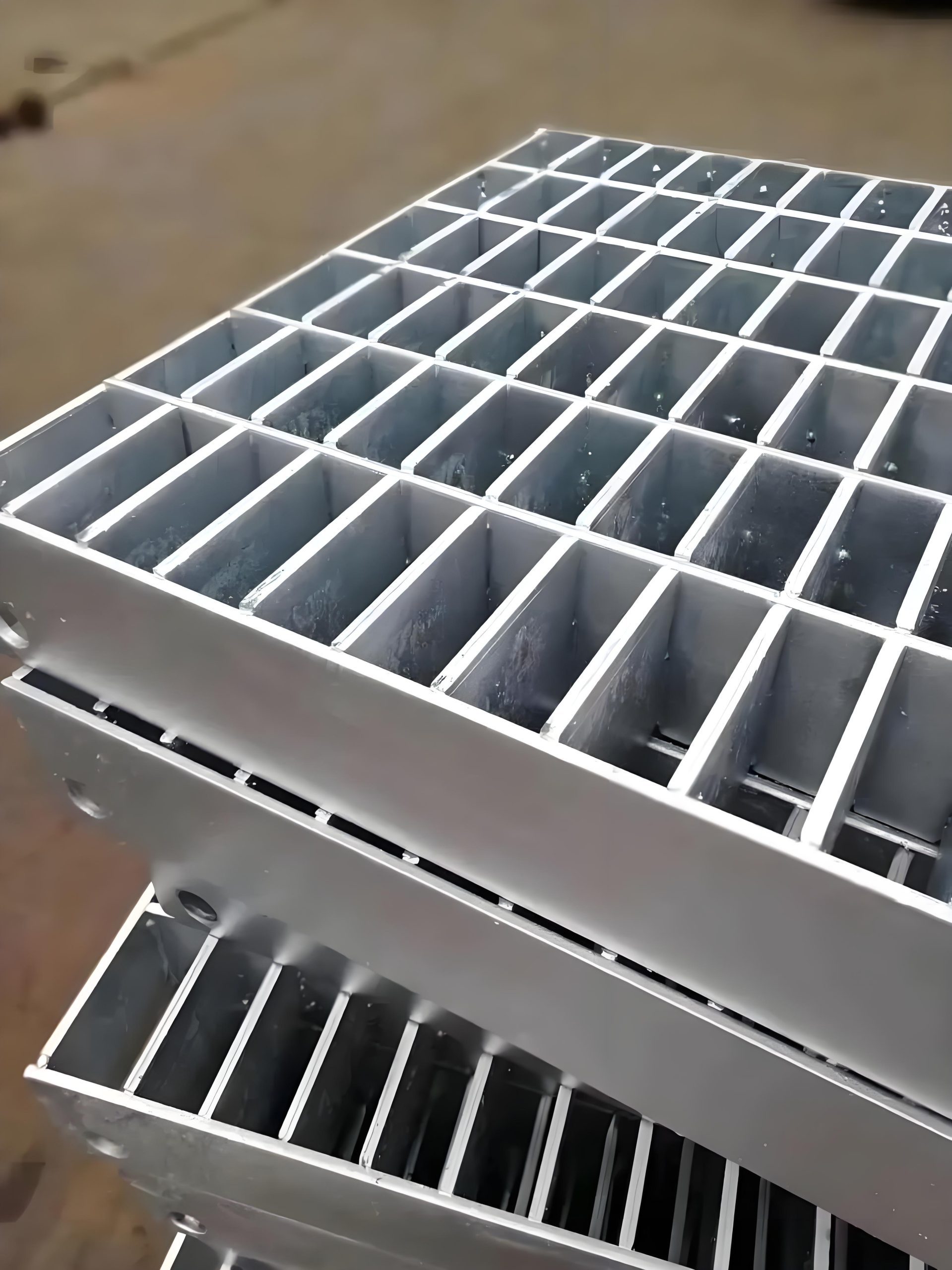
For buyers, Type “SL” swage locked steel grating should be understood as a mechanically assembled grating product. It is different from Type “W” welded steel grating, where cross bars are welded to bearing bars. It is also different from some press-locked grating styles, where bars are pressed into pre-slotted bearing bars mainly for a flat and architectural appearance. Type “SL” focuses on the swaged locking connection between bearing bars and cross bars.
| Product Name | Main Feature | Common Use |
|---|---|---|
| Type “SL” swage locked grating | Cross bars are mechanically swaged into bearing bars | Walkways, platforms, architectural floors, service access areas |
| Aluminum swage locked grating | Lightweight and corrosion resistant | Marine access, rooftop platforms, wastewater areas, architectural walkways |
| Carbon steel swage locked grating | Strong and economical when available | General industrial platforms and walkway applications |
| Stainless steel swage locked grating | Higher corrosion resistance and cleaner appearance | Chemical, food, coastal, and high-corrosion environments |
The manufacturing process of Type “SL” swage locked steel grating depends on accurate bar preparation, controlled spacing, and strong mechanical locking. A professional factory needs to control the bearing bar position, cross bar insertion, swaging pressure, panel flatness, edge banding, surface treatment, and final inspection.
The factory first prepares bearing bars and cross bars according to the required material and specification. The bearing bars may be aluminum, carbon steel, or stainless steel flat bars. The cross bars are prepared to match the swaging process. The raw material size, straightness, surface condition, and grade should be checked before production.
Bearing bars are arranged at fixed spacing according to the product specification. Common bearing bar spacing may include 19 mm, 25 mm, 30 mm, 34 mm, or 40 mm depending on the project standard and material. Correct spacing is important because it affects load capacity, open area, walking comfort, and panel weight.
The cross bars are inserted through or into the bearing bars according to the grating design. The position of each cross bar must be controlled to maintain consistent cross bar spacing. Poor cross bar alignment can affect appearance, stability, and installation accuracy.
The key step is swaging. Under pressure, the cross bar is mechanically locked into the bearing bar. This locking action creates a strong connection without relying on ordinary welded joints. The swaged points hold the grid together and help the panel maintain its shape during use.
After the panel is locked, it may be cut to size and banded around the edges. Custom fabrication can include notches, cut-outs, bolt holes, lifting holes, stair tread side plates, toe plates, or special shapes. Surface treatment is then applied according to material and project requirement.
| Manufacturing Step | Main Control Point | Why It Matters |
|---|---|---|
| Material preparation | Material grade, bar size, straightness | Ensures stable strength and accurate assembly |
| Bearing bar layout | Bar spacing and parallel alignment | Affects load capacity and panel appearance |
| Cross bar insertion | Cross bar position and spacing | Maintains structural consistency |
| Swaging process | Locking pressure and connection quality | Creates the mechanical lock between bars |
| Cutting and banding | Panel size, edge condition, custom openings | Improves installation fit and handling safety |
| Final inspection | Flatness, spacing, locking points, dimensions | Reduces installation and quality problems |
The structure of Type “SL” swage locked steel grating includes bearing bars, cross bars, swaged locking points, open grid areas, edge banding, and sometimes additional accessories. The product performance depends on how these parts work together.
Bearing bars are the main load-carrying members. They run in one direction and should span between supports during installation. Bearing bar height, thickness, spacing, and material grade directly affect load capacity and deflection performance.
Cross bars pass through or connect with the bearing bars and help keep the grating panel stable. In Type “SL” swage locked grating, the cross bars are not simply welded onto the top surface. They are mechanically locked by the swaging process, which creates a firm connection between bars.
The swaged locking point is the key feature of Type “SL” grating. At each intersection, pressure is applied so the cross bar is locked into the bearing bar. A well-formed locking point helps prevent looseness, controls spacing, and improves the panel’s overall rigidity.
The open grid allows water, air, light, dust, snow, and debris to pass through. This is useful for walkways, platforms, drainage areas, and outdoor access structures. The open area is affected by bearing bar spacing, cross bar spacing, bar size, and panel design.
| Structural Part | Function | Selection Note |
|---|---|---|
| Bearing bar | Carries the main load | Size and spacing must match span and load |
| Cross bar | Stabilizes the grid and connects bearing bars | Spacing affects panel stability and appearance |
| Swaged locking point | Mechanically locks the bar intersection | Critical for structural integrity |
| Edge banding | Closes panel edges and improves handling | Useful for custom panels and exposed edges |
| Open grid | Allows drainage and ventilation | Important for walkways and outdoor platforms |
Type “SL” swage locked steel grating and welded steel grating are both used for platforms, walkways, stair treads, and access flooring, but their connection methods are different. Welded grating uses welded joints between bearing bars and cross bars. Type “SL” grating uses a mechanical swaging process to lock the bars together.
The biggest difference is the connection point. In welded steel grating, the cross bars are welded to the bearing bars. In Type “SL” swage locked grating, the cross bars are mechanically locked under pressure. This can provide a clean appearance and avoid some heat-related effects associated with welding.
Swage locked grating often has a neat and consistent appearance, especially when supplied in aluminum or stainless steel. Welded steel grating usually has a more industrial appearance, which is acceptable for factories, platforms, drainage covers, and heavy-duty floors.
Welded steel grating is very common in carbon steel because welding is strong, economical, and efficient for industrial production. Swage locked grating is especially common in aluminum because mechanical locking works well with aluminum profiles and helps maintain a clean finish.
If the project needs economical industrial flooring, heavy-duty trench covers, or large-volume platform grating, welded steel grating is often the common choice. If the project needs lightweight panels, clean appearance, corrosion resistance, and good architectural or marine suitability, Type “SL” swage locked grating may be more suitable.
| Comparison Item | Type “SL” Swage Locked Grating | Welded Steel Grating |
|---|---|---|
| Connection method | Mechanical swaged locking | Welded cross bars and bearing bars |
| Appearance | Clean and consistent | Industrial and practical |
| Common material | Often aluminum, also steel or stainless steel depending on supplier | Mostly carbon steel and stainless steel |
| Heat effect | No ordinary welding heat at intersections | Welding heat is part of the fabrication process |
| Typical use | Walkways, architectural areas, lightweight platforms, marine access | Industrial platforms, trench covers, heavy-duty floors |
Type “SL” swage locked grating and press-locked steel grating are sometimes confused because both are mechanically assembled rather than simply welded at every intersection. However, their locking methods and typical applications can be different.
Type “SL” swage locked grating uses a swaging process to lock cross bars into bearing bars. The connection is created by pressure deformation at the bar intersection. This structure is commonly associated with aluminum grating and lightweight corrosion-resistant panels.
Press-locked steel grating is usually made by pressing cross bars into pre-slotted bearing bars. It has a very clean and uniform grid appearance and is often used in architectural floors, public walkways, commercial platforms, and decorative industrial areas.
If the buyer focuses on lightweight panels, corrosion resistance, marine use, or a swaged mechanical locking structure, Type “SL” may be preferred. If the buyer focuses on a flat, architectural, neatly aligned steel grid, press-locked steel grating may be a better match. For heavy industrial use, welded grating may still be more common.
| Comparison Item | Type “SL” Swage Locked Grating | Press-Locked Steel Grating |
|---|---|---|
| Locking method | Cross bars are swaged into bearing bars | Cross bars are pressed into slotted bearing bars |
| Typical appearance | Clean mechanical locked grid | Very neat architectural grid |
| Common material use | Often aluminum, also steel or stainless steel options | Often carbon steel or stainless steel |
| Common application | Walkways, light platforms, marine or outdoor access | Architectural walkways, public areas, decorative platforms |
| Buyer focus | Mechanical swaged lock and lightweight design | Appearance, alignment, and clean panel surface |
Type “SL” swage locked grating can be produced from different materials depending on the project requirement. The most discussed options are aluminum, carbon steel, and stainless steel. Material selection affects weight, corrosion resistance, strength, surface treatment, price, and long-term maintenance.
Aluminum is one of the most common materials for swage locked grating. It is lightweight, naturally corrosion resistant, and suitable for outdoor, marine, rooftop, wastewater, and architectural applications. Aluminum Type “SL” grating is especially useful when the project needs lighter panels that are easier to lift, install, and remove.
Carbon steel offers strong load capacity and economical cost. If Type “SL” grating is required in carbon steel, buyers should confirm supplier capability, surface treatment, and load requirement. Carbon steel usually needs hot dip galvanizing, painting, or powder coating for corrosion protection.
Stainless steel is used when corrosion resistance, hygiene, appearance, or chemical resistance is important. Stainless steel Type “SL” grating may be considered for food processing areas, chemical plants, coastal environments, wastewater facilities, and architectural applications where long service life is required.
| Material | Main Advantage | Common Application | Buyer Note |
|---|---|---|---|
| Aluminum | Lightweight and corrosion resistant | Marine walkways, rooftop access, wastewater platforms, architectural flooring | Very common for swage locked grating |
| Carbon steel | Strong and economical | Industrial platforms, walkways, access floors | Usually needs galvanizing or coating |
| Stainless steel | Excellent corrosion resistance and clean appearance | Chemical, food, coastal, and hygienic areas | Higher cost but strong durability |
When selecting Type “SL” swage locked grating, buyers should not only compare material price. They should evaluate the total project conditions, including corrosion exposure, load requirement, panel weight, installation method, surface appearance, maintenance access, and service life.
Aluminum Type “SL” grating is suitable where weight reduction is important. It is easier to move than carbon steel grating, which helps installation on rooftops, ships, wastewater platforms, bridges, and temporary access structures. Aluminum also performs well in many outdoor environments, although the exact alloy and surface finish should be confirmed.
Carbon steel Type “SL” grating can be used where higher strength and cost control are more important than weight reduction. If the grating is used outdoors, hot dip galvanizing is usually recommended. For indoor dry areas, painting may be enough depending on the service environment.
Stainless steel Type “SL” grating is selected for harsh corrosion environments or clean industrial spaces. It can be more expensive, but it may reduce maintenance and replacement costs in chemical, marine, food, or coastal projects.
| Selection Factor | Aluminum Type “SL” | Carbon Steel Type “SL” | Stainless Steel Type “SL” |
|---|---|---|---|
| Weight | Light | Heavy | Medium to heavy |
| Corrosion resistance | Good in many environments | Needs coating or galvanizing | Very good, depending on grade |
| Strength | Good for suitable spans and loads | High | High |
| Cost | Medium to high | Usually economical | High |
| Best use | Lightweight walkways and corrosion-resistant platforms | Industrial platforms and general access areas | Chemical, coastal, food, and high-corrosion projects |
Type “SL” swage locked steel grating can be supplied with smooth or serrated bearing bars depending on the walking environment. The surface choice affects slip resistance, cleaning, appearance, and price.
Smooth Type “SL” grating has flat bearing bar tops. It is suitable for dry walkways, architectural floors, equipment access areas, rooftop platforms, and service zones where slip risk is low. Smooth grating usually has a cleaner appearance and is easier to clean.
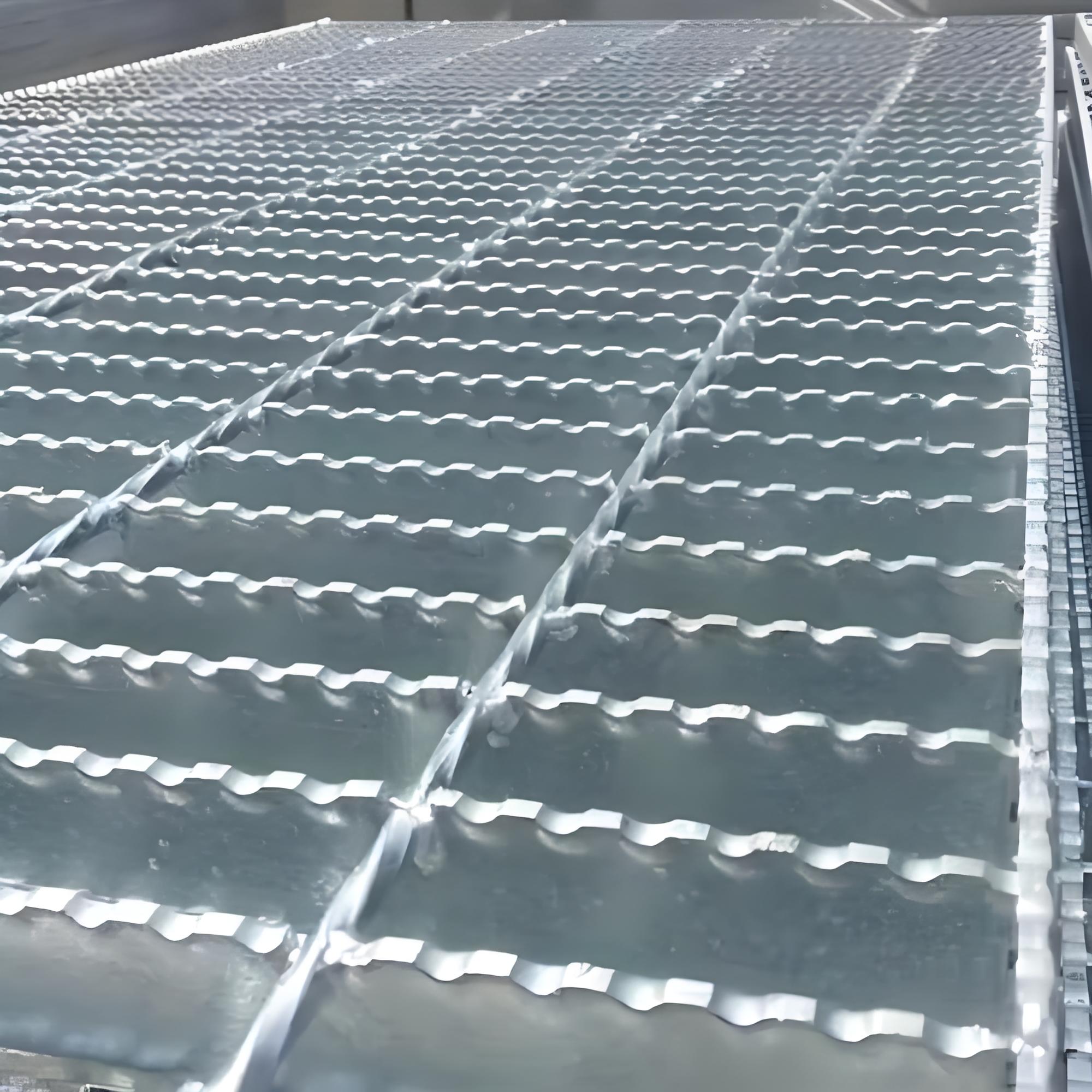
Serrated Type “SL” grating has toothed bearing bar surfaces to improve traction. It is recommended for outdoor walkways, wet platforms, wastewater areas, marine access, stair treads, and areas where oil, rain, dust, or moisture may be present.
The choice depends on the working environment. For dry indoor or architectural use, smooth Type “SL” grating may be enough. For wet, oily, outdoor, sloped, or stair applications, serrated Type “SL” grating provides better anti-slip performance and is usually safer.
| Comparison Item | Smooth Type “SL” Grating | Serrated Type “SL” Grating |
|---|---|---|
| Surface | Flat bearing bar top | Toothed bearing bar top |
| Anti-slip performance | Suitable for dry areas | Better for wet and outdoor areas |
| Cleaning | Easier to clean | Serrations may hold more dirt |
| Appearance | Clean and simple | More functional industrial appearance |
| Common use | Architectural walkways, dry platforms, rooftop access | Outdoor stairs, wet platforms, marine access, wastewater areas |
The load capacity of Type “SL” swage locked steel grating depends on bearing bar size, bar spacing, material, cross bar spacing, panel span, support condition, and installation direction. A correct specification should be selected according to actual load and clear span, not only panel length and width.
Bearing bar size is usually described by height and thickness. Higher bearing bars provide better bending strength for longer spans. Thicker bars improve strength and durability. For aluminum Type “SL” grating, bearing bar profile may be different from standard carbon steel flat bars, so supplier tables should be checked carefully.
Bar spacing affects strength, weight, open area, walking comfort, and drainage. Closer spacing provides smaller openings and better load distribution, but increases weight and price. Wider spacing improves open area and lowers weight, but may not be suitable for heavy loads or public walking areas.
The clear span between supports is one of the most important selection details. A grating panel may perform well on a short span but deflect too much on a long span. For walkways, platforms, and access floors, both load capacity and deflection should be considered.
| Selection Item | Effect on Performance | Buyer Advice |
|---|---|---|
| Bearing bar height | Higher bars improve load capacity over longer spans | Confirm clear span before selecting size |
| Bearing bar thickness | Thicker bars improve strength and durability | Use heavier bars for higher load or frequent traffic |
| Bearing bar spacing | Closer spacing improves load distribution and walking comfort | Select according to load, safety, and open area requirement |
| Material | Aluminum, carbon steel, and stainless steel have different strength and weight | Do not compare different materials by size only |
| Support condition | Good support improves real load performance | Ensure bearing bars span correctly between supports |
| Bearing Bar Spacing | Opening and Weight Effect | Typical Use |
|---|---|---|
| 19 mm | Smaller openings and higher bar density | Close-mesh walkways and public access areas |
| 25 mm | Good walking comfort and moderate open area | Platforms, walkways, service access |
| 30 mm | Balanced load capacity and open area | General industrial and architectural grating |
| 34 mm | Moderate weight and larger opening | General walkway and platform panels |
| 40 mm | Larger openings and lower weight | Drainage areas and light-duty access where allowed |
Cross bar spacing affects the stability, appearance, and structural consistency of Type “SL” swage locked grating. The cross bars help lock the bearing bars together and keep the grid aligned. If cross bar spacing is too wide for the application, the panel may feel less stable or may not provide the desired appearance.
Common cross bar spacing may include 50 mm, 76 mm, 100 mm, or other project-specific dimensions. Closer spacing creates a denser grid and can improve stability. Wider spacing reduces weight and cost while maintaining larger open areas.
For Type “SL” grating, the cross bar spacing must work together with the swaged locking quality. If the swaged points are weak or inconsistent, the panel may lose rigidity. A professional factory should check locking pressure, bar alignment, and panel flatness during production.
For walkways and platforms, the panel should feel stable under foot. Workers should not feel excessive movement, vibration, or looseness. Proper bearing bar spacing, cross bar spacing, material selection, and support design all contribute to stable walking performance.
| Cross Bar Spacing | Structural Effect | Common Use |
|---|---|---|
| 50 mm | Tighter grid and stronger stability feel | Stair treads, frequent traffic areas, close-grid panels |
| 76 mm | Balanced stability and open area | General walkways and platform grating |
| 100 mm | More open and economical structure | Standard service platforms and drainage areas |
| Customized spacing | Designed according to project requirement | Architectural, industrial, or special access applications |
Type “SL” swage locked steel grating can be supplied as standard panels or custom-fabricated panels. Standard panels are useful for stock, simple walkways, and general platform areas. Custom panels are better for projects with drawings, irregular layouts, stair systems, trench covers, equipment access, or architectural details.
Common panel widths may include 500 mm, 600 mm, 750 mm, 900 mm, 1000 mm, and 1200 mm. Panel lengths may range from 1000 mm to 6000 mm depending on material, fabrication method, shipping limit, and installation requirement. Aluminum panels may be easier to handle because of their lower weight, while steel panels may require more careful lifting planning.
| Panel Size Item | Common Range | Selection Advice |
|---|---|---|
| Panel width | 500 mm to 1200 mm or customized | Match walkway width, platform layout, and handling method |
| Panel length | 1000 mm to 6000 mm or customized | Confirm support span, shipping limit, and installation convenience |
| Bearing bar spacing | 19 mm, 25 mm, 30 mm, 34 mm, 40 mm or customized | Select according to load, walking comfort, and open area |
| Cross bar spacing | 50 mm, 76 mm, 100 mm or customized | Choose based on stability and appearance |
Custom Type “SL” grating can include cut-to-size panels, edge banding, notches, round holes, rectangular openings, stair tread side plates, bolt holes, lifting holes, toe plates, and special frame designs. For platforms around machines, columns, tanks, and pipes, factory-made cut-outs reduce site work and improve installation accuracy.
For large projects, panel marking is useful. Each panel can be marked according to the layout drawing so installers can place panels correctly. This reduces confusion during installation and helps prevent panels from being installed in the wrong direction.
| Custom Option | What It Includes | Project Benefit |
|---|---|---|
| Cut-to-size panels | Custom length and width | Improves fit and reduces site cutting |
| Cut-outs and notches | Openings for pipes, columns, equipment, and handrails | Allows panels to match actual structure |
| Edge banding | Flat bars or edge profiles around panel perimeter | Improves appearance and handling safety |
| Stair tread fabrication | Side plates, bolt holes, nosing, serrated surface | Supports safe and efficient stair installation |
| Panel numbering | Marks panels according to layout plan | Improves installation speed on large projects |
Surface treatment depends on the material and application environment. Type “SL” swage locked grating may use mill finish, anodizing, hot dip galvanizing, painting, powder coating, pickling, passivation, or polishing depending on whether the material is aluminum, carbon steel, or stainless steel.
Aluminum Type “SL” grating may be supplied with mill finish, anodized finish, or powder coating. Mill finish is common for industrial use. Anodizing improves surface protection and appearance. Powder coating can provide color options for architectural or public areas.
Carbon steel Type “SL” grating usually needs corrosion protection. Hot dip galvanizing is a common option for outdoor and industrial use. Painting or powder coating may be used for indoor or color-specific projects. For outdoor environments, galvanizing generally provides stronger corrosion protection than basic painting.
Stainless steel Type “SL” grating may be supplied with a natural finish, pickled finish, passivated finish, or polished surface depending on corrosion and appearance requirements. Stainless steel is often selected when the environment is corrosive or when hygiene is important.
| Material | Surface Treatment Options | Common Use |
|---|---|---|
| Aluminum | Mill finish, anodizing, powder coating | Rooftop access, marine walkways, architectural platforms |
| Carbon steel | Hot dip galvanizing, painting, powder coating | Industrial platforms, walkways, trench covers |
| Stainless steel | Natural finish, pickling, passivation, polishing | Chemical, coastal, food processing, and hygienic areas |
Type “SL” swage locked steel grating is used in projects that need a stable, clean, and open-grid flooring product. Its material flexibility makes it suitable for industrial, architectural, marine, municipal, and commercial applications.
Walkways and catwalks often require lightweight, strong, and corrosion-resistant flooring. Type “SL” grating is suitable for service walkways, elevated access routes, rooftop paths, pipe rack access, and maintenance catwalks.
Industrial platforms use grating for safe access around machines, tanks, valves, pipe racks, and equipment. Carbon steel or stainless steel Type “SL” grating may be selected depending on load and environment. Aluminum Type “SL” grating may be used where lightweight panels are important.
Because swage locked grating can have a clean and consistent appearance, it may be used for architectural walkways, commercial platforms, sunshades, screens, mezzanine areas, and public access floors. Surface finish and spacing should be selected according to appearance and safety requirements.
Aluminum and stainless steel Type “SL” grating are often considered for marine or coastal areas because corrosion resistance is important. Applications include dock walkways, ship access, offshore service platforms, and waterfront maintenance routes.
The open-grid structure makes Type “SL” grating useful for drainage zones, utility platforms, service covers, and maintenance access areas. For removable covers, panel weight and fixing method should be considered carefully.
| Application | Why Type “SL” Grating Is Used |
|---|---|
| Walkways | Provides open-grid access with stable mechanical locking |
| Platforms | Supports maintenance access and allows drainage |
| Architectural floors | Offers clean appearance and consistent grid pattern |
| Marine access | Aluminum or stainless steel options improve corrosion resistance |
| Rooftop access | Lightweight aluminum panels reduce structural load |
| Drainage areas | Open structure allows water and debris to pass through |
Type “SL” swage locked steel grating has several advantages for walkways and platforms. These advantages are most valuable when the project needs a balance of strength, appearance, drainage, corrosion resistance, and material flexibility.
The swage locked structure creates a clean and stable grid without ordinary welded intersections. This can be useful for architectural walkways, aluminum platforms, public access areas, and applications where appearance matters.
The open-grid panel allows water, dust, air, light, and debris to pass through. This helps reduce surface accumulation and makes the grating suitable for outdoor walkways, wet platforms, rooftop access, and maintenance floors.
Type “SL” grating can be supplied in aluminum, carbon steel, or stainless steel depending on the supplier and project requirement. This gives buyers more options when balancing weight, corrosion resistance, strength, and price.
Aluminum Type “SL” grating is especially useful when panel weight is important. Lighter panels are easier to lift, install, and remove. This can reduce installation labor and make maintenance access more practical.
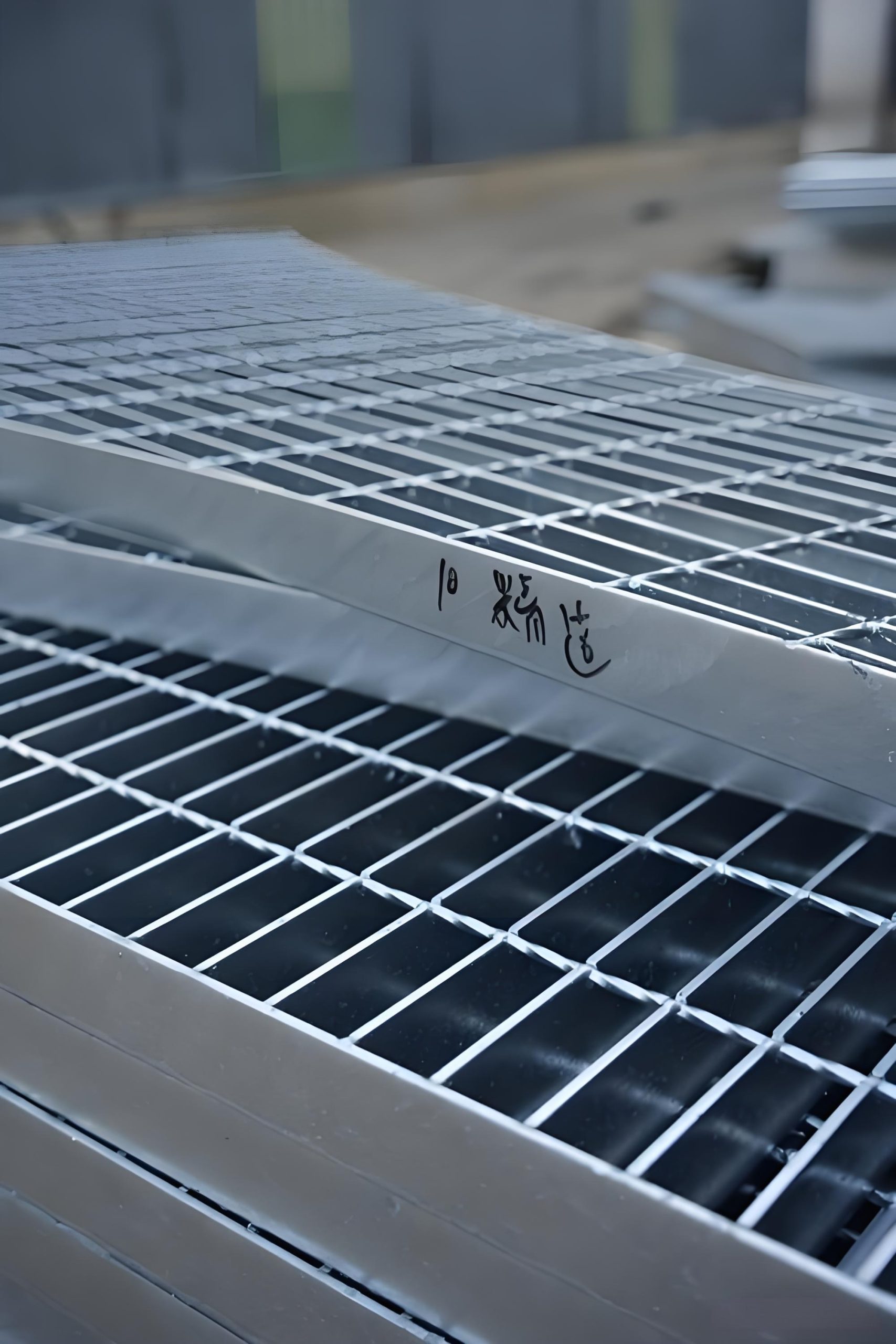
Type “SL” grating can be produced in standard panels or customized according to drawings. Cut-outs, banding, stair tread details, bolt holes, and panel numbering can be added to match project needs.
Depending on the site condition, buyers can choose smooth or serrated surface. Smooth grating is suitable for dry and clean areas. Serrated grating improves traction in wet, outdoor, or higher-risk locations.
| Advantage | Practical Value |
|---|---|
| Swage locked connection | Creates a stable mechanical grid without ordinary welded intersections |
| Clean appearance | Suitable for architectural and visible walkway areas |
| Open-grid design | Improves drainage, ventilation, and light transmission |
| Material options | Aluminum, carbon steel, and stainless steel can meet different project needs |
| Lightweight option | Aluminum Type “SL” grating reduces handling and structural load |
| Custom fabrication | Supports project drawings, cut-outs, stair treads, and special panels |
What does Type “SL” swage locked grating mean?
Type “SL” swage locked grating refers to a mechanically locked bar grating where cross bars are swaged into bearing bars under pressure. The swaged locking points hold the grid together without ordinary welded intersections. It is commonly used for walkways, platforms, architectural flooring, marine access, rooftop access, and service areas.
Is Type “SL” grating better than welded steel grating?
Type “SL” grating is better when the project needs a clean mechanical locked structure, lightweight aluminum panels, good appearance, or corrosion-resistant walkway design. Welded steel grating is often better for economical industrial flooring, heavy-duty trench covers, and large-volume carbon steel platform projects. The better choice depends on material, load, environment, budget, and appearance requirements.
What materials are used for Type “SL” swage locked grating?
Type “SL” swage locked grating can be made from aluminum, carbon steel, or stainless steel depending on the project and supplier capability. Aluminum is common for lightweight and corrosion-resistant walkways. Carbon steel is strong and economical but usually needs galvanizing or coating. Stainless steel is used for chemical, food, coastal, marine, and high-corrosion environments.
Please Feel free to give your inquiry in the form below.we will reply you in 24 hours.
 English English
  Arabic
 Vietnamese
 German
 French