
Home > Products > Trench Cover > cable trench cover slab
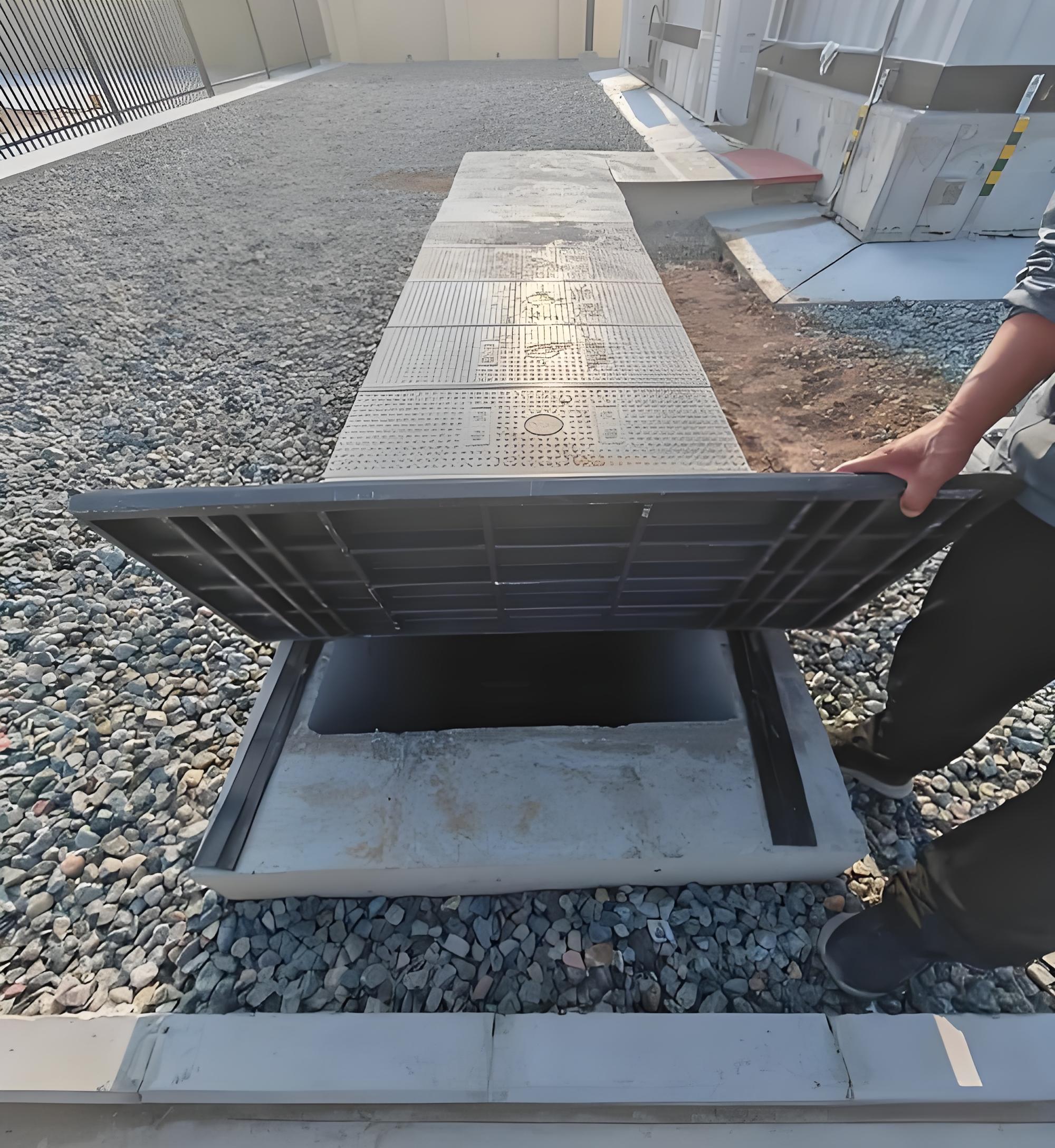
Cable Trench Cover Slab for Electrical, Utility, Substation, Industrial, and Outdoor Cable Protection Projects
A cable trench cover slab is used to…
Cable Trench Cover Slab for Electrical, Utility, Substation, Industrial, and Outdoor Cable Protection Projects
A cable trench cover slab is used to cover cable trenches, electrical cable channels, utility corridors, power plant trenches, substation cable routes, telecom trenches, factory floor cable pits, and outdoor service channels. Its main function is to protect cables, provide safe walking or maintenance access, and allow future inspection when cable systems need repair or replacement. Cable trench cover slabs can be made from composite material, concrete, steel, hot-dip galvanized steel, or other project-specific materials. For buyers, the correct cover slab should be selected according to trench width, load capacity, insulation requirement, material durability, anti-slip surface, weather exposure, slab thickness, removable design, lifting method, installation fit, and long-term maintenance needs.
Cable trench cover slabs are widely used in electrical and utility projects because cable trenches must remain protected while still being accessible for maintenance. These trenches may contain power cables, control cables, communication cables, grounding conductors, fiber optic cables, or utility lines. If the trench is left open, it creates fall hazards, cable damage risks, water accumulation problems, and maintenance safety issues.
In electrical projects, a cable trench cover slab is not only a floor cover. It is part of the cable protection system. The slab must prevent accidental stepping into the trench, protect cables from mechanical damage, support people or equipment passing over the trench, and allow workers to remove it when inspection is required.
Cable trench cover slabs are commonly installed in substations, power distribution rooms, transformer yards, power plants, industrial workshops, railway electrical systems, telecom facilities, municipal utility corridors, data centers, manufacturing plants, solar power stations, and outdoor cable routes. Different sites require different materials and load levels.
| Project Area | Main Requirement | Common Cover Slab Choice |
|---|---|---|
| Electrical substation | Insulation, safe access, outdoor durability | Composite or concrete cable trench cover slab |
| Power plant cable trench | High quantity, stable load, maintenance access | Composite, steel, or galvanized cover slab |
| Factory cable trench | Workshop access, cart movement, cable protection | Steel, galvanized steel, or composite cover slab |
| Outdoor utility corridor | Weather resistance and long-term service | Composite, galvanized steel, or concrete cover slab |
| Telecom cable route | Lightweight maintenance access | Composite or light-duty cover slab |
Cable trench cover slabs are used in many project environments where cables must be protected from traffic, weather, dust, debris, accidental impact, and unauthorized access. The correct slab design depends on whether the trench is indoors or outdoors, whether people or vehicles pass over it, and how often cable inspection is needed.
Substations often use cable trench cover slabs around switchgear, transformers, control rooms, and outdoor electrical yards. In these areas, insulation and non-conductive safety may be important. Composite cover slabs are often considered because they are lightweight and non-metallic.
Power plants have long cable trenches for power cables and control systems. Cover slabs must support maintenance workers, resist industrial environments, and allow easy removal when cables need inspection or replacement.
Industrial workshops use cable trench cover slabs to protect floor-level cable routes. Depending on traffic, covers may need to support pedestrians, carts, forklifts, or maintenance equipment. Steel or reinforced composite slabs may be used where load is higher.
Telecom and data facilities may use cable trench cover slabs for communication cables, fiber optic routes, and equipment access areas. Lightweight removable covers help maintenance teams open the trench without heavy lifting equipment.
Municipal utility corridors may require cable trench cover slabs with weather resistance, anti-slip surface, load capacity, and clear identification. Outdoor projects often need covers that resist water, UV exposure, corrosion, and repeated maintenance handling.
| Application | Cover Slab Requirement | Important Design Point |
|---|---|---|
| Substation cable trench | Electrical safety and outdoor durability | Insulation, anti-slip surface, removable design |
| Factory floor cable trench | Safe working surface and cable protection | Load capacity, slab thickness, edge fit |
| Power plant cable route | Large quantity and reliable maintenance access | Standard size, panel labeling, lifting holes |
| Telecom trench | Lightweight and easy removal | Composite material and manageable panel size |
| Outdoor utility corridor | Weather resistance and long service life | UV resistance, corrosion resistance, drainage design |
Cable trench cover slabs can be supplied in different materials. The most common choices include composite, concrete, steel, galvanized steel, stainless steel, and sometimes aluminum. Each material has its own advantages and limitations. Buyers should choose material according to electrical safety, load capacity, handling method, corrosion environment, project budget, and maintenance frequency.
Composite cover slabs are commonly used in electrical and utility projects because they are lightweight, non-conductive, corrosion resistant, and easier to remove than concrete or heavy steel covers. They are suitable for substations, telecom trenches, power distribution areas, outdoor utility trenches, and maintenance-heavy projects.
Concrete cover slabs are traditional and widely used in civil projects. They can be economical for large-scale utility trenches, but they are heavy and may crack or chip during repeated removal. They are less convenient when frequent cable inspection is required.
Steel cover slabs provide strong load capacity and are suitable for industrial floors, workshop trenches, and areas with carts or vehicles. However, steel is conductive and may require galvanizing, painting, or other corrosion protection if used outdoors or in wet conditions.
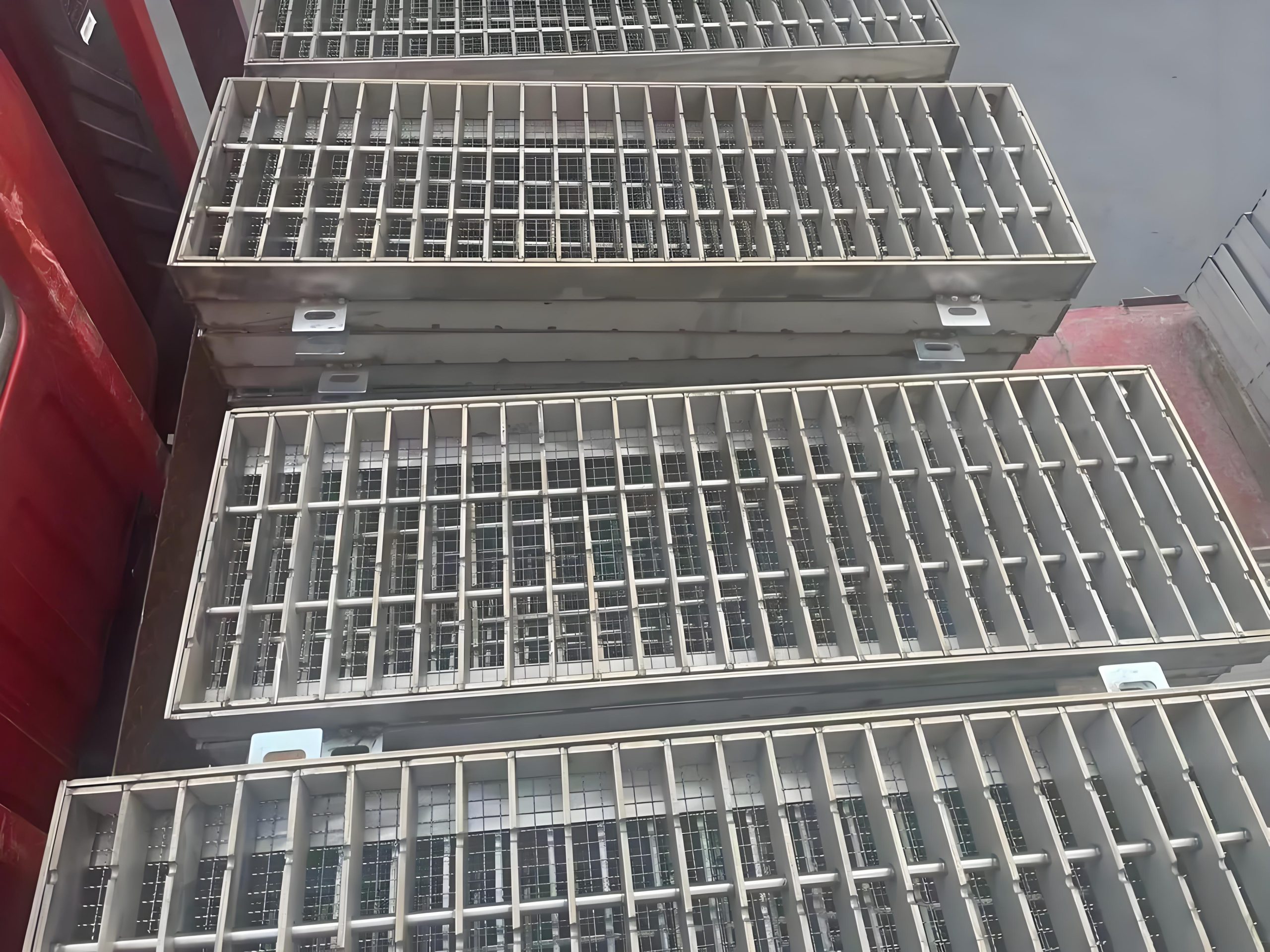
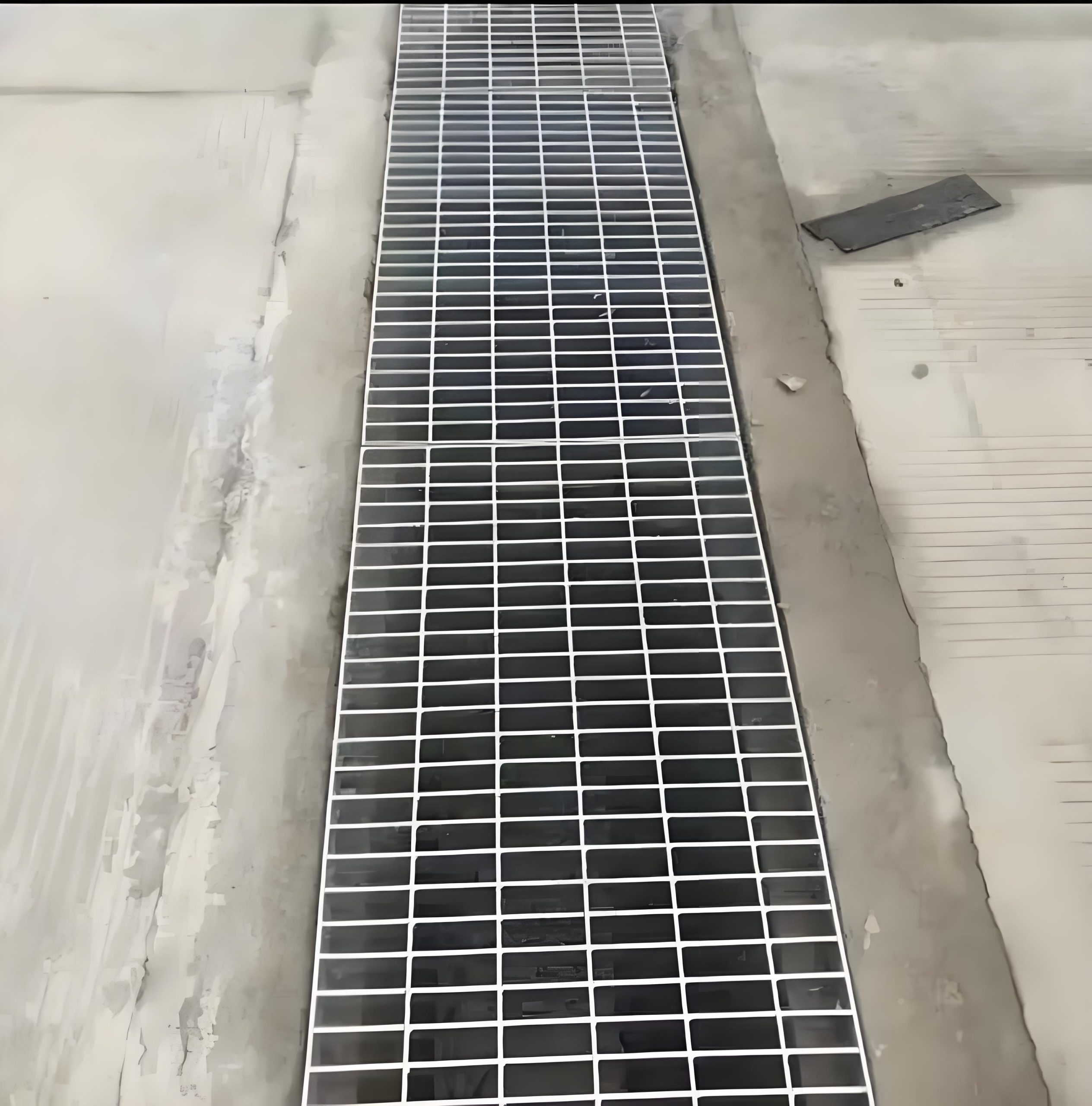
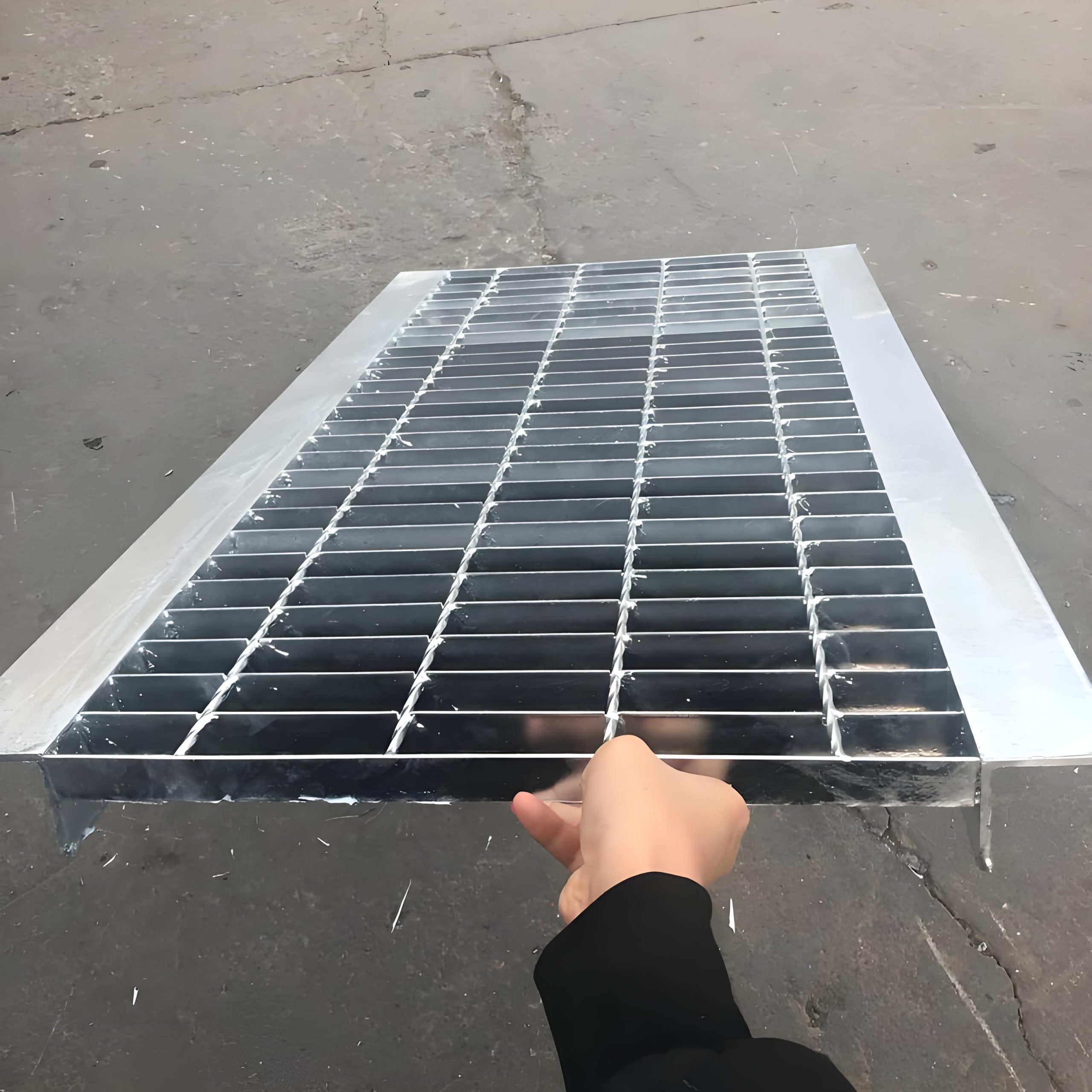
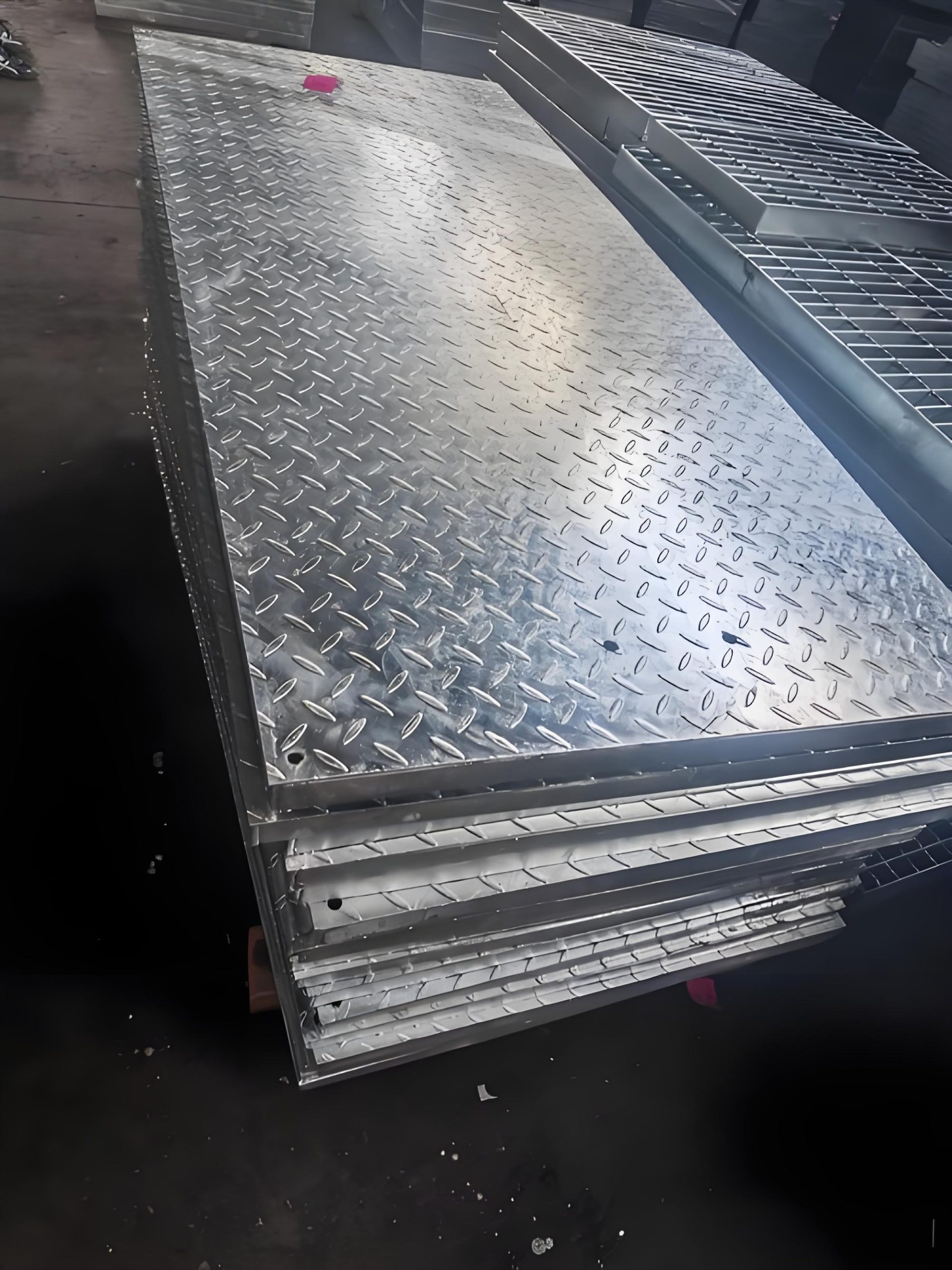
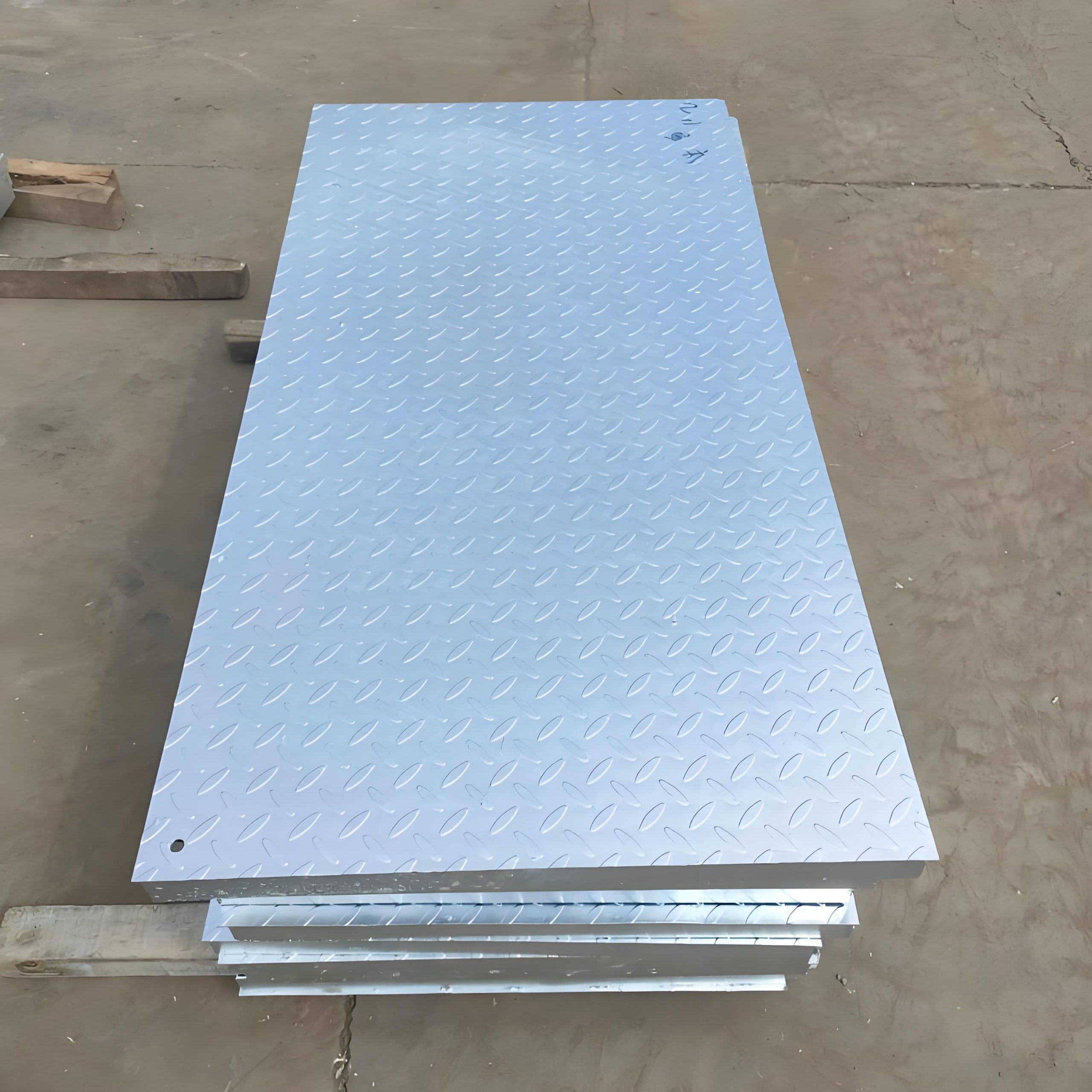
Hot-dip galvanized steel cover slabs are used when buyers need steel strength with improved corrosion resistance. They are suitable for outdoor cable trenches, factory yards, utility channels, and industrial access areas.
Stainless steel cover slabs are used in corrosive or hygienic environments, such as chemical plants, coastal sites, wastewater facilities, and special industrial areas. They cost more but provide better corrosion resistance than carbon steel.
| Material | Main Advantage | Main Limitation | Typical Use |
|---|---|---|---|
| Composite | Lightweight, non-conductive, corrosion resistant | Load grade must be confirmed for vehicles | Substations, telecom trenches, utility corridors |
| Concrete | Economical and common for civil projects | Heavy and may crack during handling | Large outdoor utility trenches |
| Steel | Strong and easy to fabricate | Conductive and needs corrosion protection | Industrial floors and heavy-duty trenches |
| Hot-dip galvanized steel | Strong with outdoor corrosion protection | Still conductive and heavier than composite | Outdoor cable trenches and factory yards |
| Stainless steel | High corrosion resistance | Higher price | Chemical, coastal, wastewater, special environments |
Composite, concrete, steel, and galvanized cover slabs are often compared in cable trench projects. The best choice depends on project priorities. Some buyers care most about electrical insulation and easy handling. Others focus on heavy load capacity, low initial cost, or outdoor durability.
Composite cover slabs are lighter and easier to remove than concrete slabs. They are more suitable for cable trenches requiring frequent inspection. Concrete slabs may be cheaper in some civil projects but are heavy and less convenient for maintenance.
Composite cover slabs are non-conductive and corrosion resistant, while steel cover slabs provide high strength but are conductive and may rust without proper surface protection. In electrical environments, composite slabs often have safety advantages.
Galvanized steel cover slabs are carbon steel slabs protected by zinc coating. They are better for outdoor or wet areas than black steel. However, they remain conductive and may require coating repair if cut or welded after galvanizing.
Concrete slabs are heavy and may crack, while steel slabs are strong and easier to fabricate into custom shapes. Steel slabs may be preferred where load capacity and thinner cover sections are required, but corrosion protection and electrical conductivity must be considered.
| Comparison Item | Composite Slab | Concrete Slab | Steel Slab | Galvanized Steel Slab |
|---|---|---|---|---|
| Weight | Light | Heavy | Medium to heavy | Medium to heavy |
| Electrical safety | Non-conductive | Non-metallic | Conductive | Conductive |
| Corrosion resistance | Good | Good but may degrade or crack | Low without coating | Good outdoor protection |
| Handling | Easy | Difficult | Depends on thickness | Depends on thickness |
| Custom fabrication | Possible by mold or cutting | Limited after casting | Easy cutting and welding | Easy before galvanizing |
| Best use | Electrical and maintenance access trenches | General civil utility trenches | Heavy industrial trenches | Outdoor industrial cable trenches |
Load capacity must be selected before cable trench cover slabs are ordered. A cover slab used in an electrical room walkway has different load requirements from one used in a factory road or outdoor vehicle area. The load rating should match the expected traffic and trench span.
Pedestrian-duty cable trench cover slabs are used where workers or maintenance staff walk over the trench. These covers should provide stable walking, anti-slip surface, safe edge design, and manageable removal weight.
Maintenance-duty covers may need to support workers with tools, small equipment, carts, or service devices. These loads are higher than simple foot traffic and may require thicker slabs, reinforced ribs, stronger steel plates, or closer support spacing.
Vehicle-duty cable trench cover slabs require careful design. Cars, forklifts, service trucks, and maintenance vehicles create wheel loads. For these applications, buyers should provide wheel load, vehicle type, trench width, support frame, and traffic frequency.
The cover slab itself is only one part of the load system. The trench support ledge, frame, concrete edge, or steel seat must also be strong enough. A strong cover on a weak support can still move, crack, or fail.
| Load Level | Typical Traffic | Recommended Design Focus |
|---|---|---|
| Pedestrian duty | Workers and foot traffic | Anti-slip surface, stable fit, easy handling |
| Maintenance duty | Workers with tools, light carts, service equipment | Higher stiffness and controlled deflection |
| Cart duty | Trolleys, small wheels, cleaning machines | Wheel load and slab thickness |
| Forklift duty | Forklifts and industrial handling equipment | Heavy-duty cover and frame design |
| Vehicle duty | Cars, service trucks, outdoor maintenance vehicles | Project-specific load review |
Insulation and non-conductive performance are important in many cable trench projects. Because cable trenches contain electrical cables, cover materials should be selected carefully when workers may stand, kneel, or work near energized equipment.
Composite cable trench cover slabs are often selected because they are non-metallic and generally non-conductive. This can improve safety in substations, switch rooms, telecom rooms, and power distribution systems compared with conductive steel covers.
Steel covers can provide strong load capacity, but they are conductive. If steel covers are used in electrical areas, the project engineer may need to consider grounding, bonding, insulation layers, or other safety measures. Buyers should not assume steel is suitable for every cable trench environment.
Some projects may require specific insulation resistance, dielectric strength, flame retardant performance, anti-static behavior, or electrical safety testing. These requirements should be stated before quotation.
When insulation performance is important, buyers should confirm the composite material type, test requirement, safety standard, and whether the supplier can provide relevant technical data.
| Safety Requirement | Why It Matters | Common Material Choice |
|---|---|---|
| Non-conductive surface | Reduces conductive metal exposure around cables | Composite cover slab |
| Electrical room safety | Supports safer worker access near cable routes | Composite or approved insulated cover |
| Grounding consideration | Required if steel covers are used near electrical systems | Steel or galvanized steel with project design review |
| Flame retardant performance | Important in cable trench systems | Flame-retardant composite or approved material |
| Technical verification | Confirms cover meets project safety requirements | Material test data or certificate if required |
Cable trench width, slab thickness, and span design directly affect cover slab strength and safety. The wider the trench opening, the stronger or thicker the cover slab usually needs to be. The cover must sit properly on both sides of the trench and transfer load into the support ledges.
The clear trench width is the actual unsupported opening between trench supports. This dimension is more important than the outer width of the cover slab. Buyers should measure the clear opening accurately before requesting a quote.
The cover slab must rest on a stable support ledge. A narrow or weak ledge can cause the slab to rock, slide, crack, or fail. Support ledge width should be provided with the trench drawing.
Thickness selection depends on material and load. A concrete slab, composite slab, steel plate, and galvanized steel slab do not use the same thickness logic. Composite covers may use ribbed reinforcement, while steel covers may use plate thickness or welded stiffeners.
Even if the slab does not break, excessive deflection can feel unsafe and may damage the cover over time. For maintenance or vehicle areas, deflection control should be considered along with ultimate load capacity.
| Design Item | Why It Matters | Buyer Should Provide |
|---|---|---|
| Clear trench width | Determines unsupported span | Actual opening width between supports |
| Support ledge | Controls seating and load transfer | Ledge width, frame size, support material |
| Slab thickness | Affects strength, weight, and cost | Required load level and material type |
| Panel length | Affects handling and maintenance | Preferred removable section length |
| Deflection requirement | Affects walking stability and long-term performance | Traffic type and project safety requirement |
Outdoor cable trench cover slabs may be exposed to rain, dust, mud, oil, snow, or industrial residue. Anti-slip surface design improves worker safety and reduces slipping risk during inspection and maintenance.
Composite cover slabs can be molded with raised patterns, textured surfaces, or ribbed anti-slip profiles. These surfaces help provide grip in outdoor utility corridors, substations, and maintenance routes.
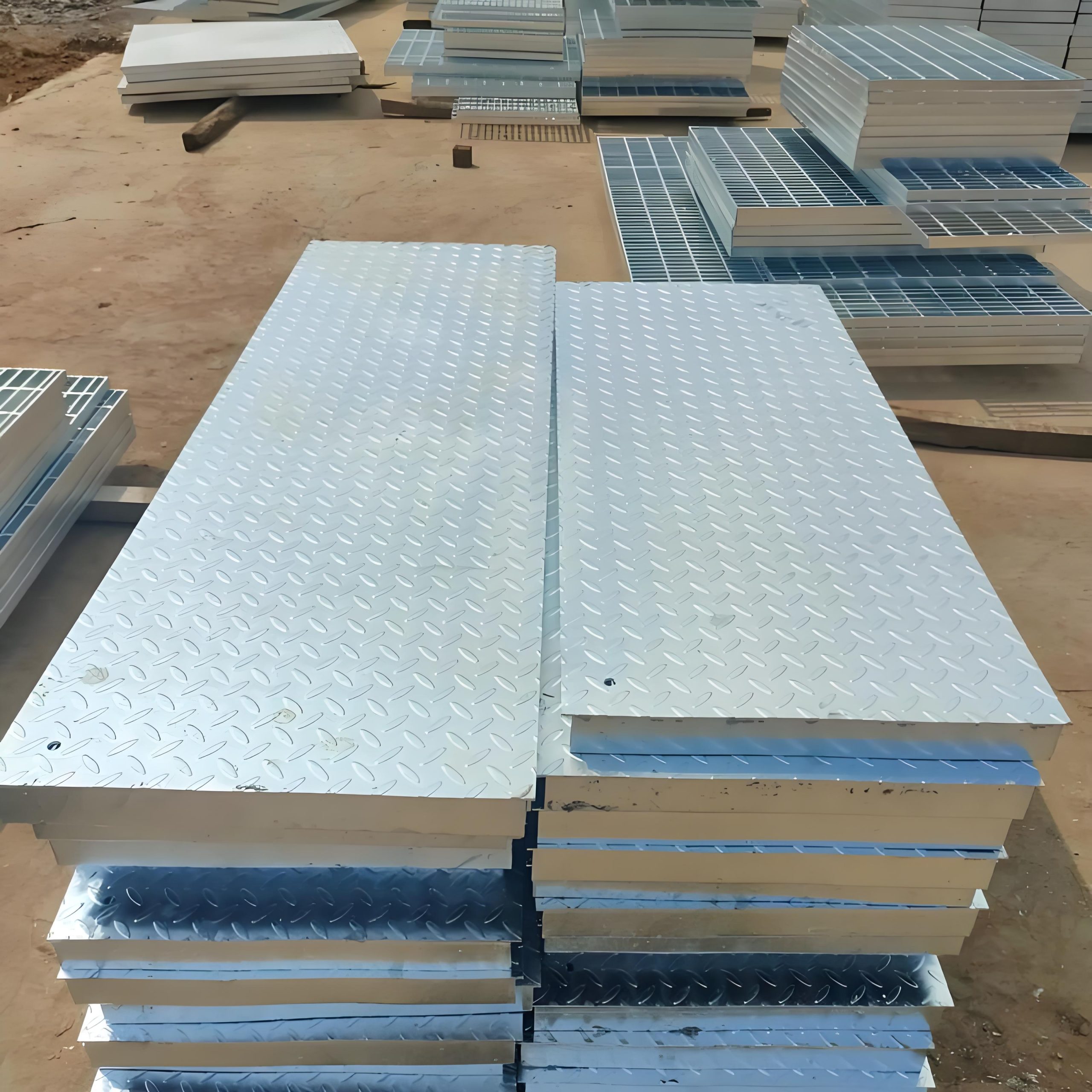
Steel cable trench covers may use chequered plate to improve traction. Chequered plate is more slip-resistant than smooth plate and is suitable for workshops, outdoor service areas, and industrial floors.
Concrete cover slabs can be made with rough surface texture to improve grip. However, concrete surfaces may wear, crack, or become uneven over time if exposed to heavy handling.
Outdoor cable trench covers may use warning colors, painted markings, embossed text, or identification signs. This is useful in electrical yards and utility areas where workers need to recognize cable routes clearly.
| Anti-Slip Option | Main Benefit | Suitable Material |
|---|---|---|
| Textured molded surface | Improves grip and walking safety | Composite cover slab |
| Raised rib surface | Increases surface friction | Composite or molded covers |
| Chequered plate pattern | Provides anti-slip solid steel surface | Steel or galvanized steel slab |
| Rough concrete finish | Improves traction on concrete slabs | Concrete cover slab |
| Warning marking | Improves visibility and cable trench identification | Composite, steel, galvanized steel, concrete |
Cable trench cover slabs may be used outdoors for many years. They may face rain, sunlight, humidity, temperature changes, groundwater, industrial dust, chemicals, and salt air. Long-term durability depends on material selection and surface protection.
Composite cover slabs resist rust and are suitable for many outdoor utility projects. Buyers should confirm UV resistance, flame retardant performance, surface wear resistance, and load grade before ordering.
Concrete cover slabs can be durable in many civil projects, but they may crack, chip, absorb water, or become difficult to move. In projects requiring frequent access, concrete weight and breakage risk should be considered.
Steel cover slabs are strong but need protection in outdoor or humid environments. Without painting, galvanizing, or other coating, carbon steel can rust. Galvanized steel provides better outdoor durability.
Stainless steel provides higher corrosion resistance in chemical, coastal, or wet environments. It is more expensive but may be necessary where galvanized steel or concrete does not provide enough service life.
| Environment | Main Risk | Recommended Cover Slab Approach |
|---|---|---|
| Indoor dry electrical room | Basic access and cable protection | Composite, steel, or concrete depending on load |
| Outdoor substation | Rain, UV, temperature change | Weather-resistant composite or galvanized steel |
| Coastal utility corridor | Salt air and corrosion | Composite, stainless steel, or suitable galvanized steel |
| Industrial plant | Dust, chemicals, carts, maintenance traffic | Steel, galvanized steel, or composite according to load |
| Wet cable trench | Moisture and long-term corrosion | Composite or galvanized steel with drainage design |
Cable trench cover slabs should often be removable because cable systems need inspection, repair, replacement, and expansion. A removable design improves maintenance efficiency and reduces cable service downtime.
Cables may need to be inspected after installation, during maintenance, or when adding new lines. If cover slabs are too heavy or fixed permanently, maintenance becomes difficult and labor-intensive.
Panel size should be practical for workers. Long panels reduce joints but are harder to lift. Shorter panels are easier to remove but increase the number of pieces. Composite covers are often preferred where frequent manual handling is expected.
Lifting holes, recessed handles, pull slots, or lifting hooks can be added to make removal easier. These details should not create trip hazards or damage cable protection performance.
For large projects, panel numbering helps workers reinstall cover slabs in the correct position after inspection. This is especially useful when custom sizes are used.
| Removable Design Item | Function | Buyer Advice |
|---|---|---|
| Manageable panel length | Makes lifting and maintenance easier | Balance fewer joints with safe handling |
| Lifting holes | Allows tool-assisted removal | Useful for heavier slabs |
| Recessed handles | Improves manual lifting | Avoid raised trip hazards |
| Panel numbering | Helps correct reinstallation | Recommended for project orders |
| Flush seating | Prevents movement and trip risk | Confirm support ledge and slab thickness |
Cable trench cover slabs must protect cables while also considering drainage and ventilation. Cable trenches may collect water, dust, heat, or debris if the cover design does not match site conditions. The cover slab should not create problems inside the trench.
The cover slab protects cables from foot traffic, tools, equipment, falling objects, dust, sunlight, and accidental impact. A closed slab provides better protection against objects falling into the trench than an open grating cover.
Some cable trenches need drainage because water may enter from rain, cleaning, or condensation. Solid slabs can limit water entry, but they may also trap moisture if the trench itself is not drained. Drainage holes, side gaps, or trench drainage outlets may be required.
Cables may generate heat depending on current load and installation design. Some trenches require ventilation or heat dissipation. If ventilation is important, the cover slab design should be reviewed with the electrical engineer.
Cable trench covers should help prevent debris, stones, and foreign objects from entering the trench. In some areas, pest or rodent protection may also be considered. A well-fitting cover reduces unwanted entry.
| Design Requirement | Why It Matters | Possible Cover Slab Solution |
|---|---|---|
| Cable protection | Prevents impact and debris from reaching cables | Closed slab with accurate fit |
| Drainage | Reduces water accumulation inside trench | Drainage gaps, holes, trench outlet, proper slope |
| Ventilation | Helps control heat and moisture | Vent openings or engineered cable trench design |
| Inspection access | Supports cable maintenance | Removable slabs with lifting holes |
| Debris control | Keeps trench cleaner and protects cables | Close-fitting slab and clean edge design |
Many cable trench cover slab projects require custom fabrication because trench widths, support ledges, cable routes, and maintenance layouts vary. Custom size and installation support help the cover slabs fit correctly and perform safely.
Custom cover slabs can be made according to trench width, trench length, support ledge, frame size, and panel layout. Accurate size reduces gaps, rocking, and installation problems.
Cover slab edges should be designed to reduce trip hazards and improve fit. Edges may be chamfered, rounded, banded, reinforced, or molded depending on material. Sharp or rough edges should be avoided, especially for removable covers.
Lifting holes and handles make maintenance easier. For composite slabs, molded lifting points may be used. For steel slabs, holes, slots, or welded handles may be added. The lifting design should not weaken the slab or interfere with walking safety.
Installation support may include frames, ledges, locating stops, fixing bolts, anti-theft fasteners, panel labels, and layout drawings. These details are important in large projects where many slabs must be installed correctly.
| Custom Feature | Function | Recommended Use |
|---|---|---|
| Custom panel size | Matches trench opening and layout | Project-based cable trench systems |
| Chamfered or finished edge | Reduces trip and handling hazards | Pedestrian and maintenance areas |
| Lifting holes | Supports easier slab removal | Inspection and maintenance trenches |
| Locating design | Prevents movement and improves fit | Outdoor and high-traffic trenches |
| Panel numbering | Helps installation and reinstallation | Large utility and power projects |
| Frame support | Provides stable seating and load transfer | Vehicle or heavy maintenance areas |
Quality control is essential for cable trench cover slabs because poor cover quality can affect safety, cable protection, maintenance access, and long-term service life. A reliable supplier should inspect material, dimensions, load performance, flatness, surface finish, edge condition, lifting details, packing, and labeling before delivery.
The supplier should confirm the correct material type, such as composite, concrete, steel, galvanized steel, or stainless steel. For composite slabs, formulation, reinforcement, flame retardant requirement, and insulation performance may need verification. For steel slabs, steel grade and thickness should be checked.
The slab must match the required load level and trench span. Pedestrian, maintenance, cart, forklift, and vehicle loads all require different design checks. Load performance should be confirmed before mass production.
Cover slabs should sit evenly on the trench support. Warped, twisted, or uneven slabs may rock, create noise, or cause trip hazards. Accurate length, width, diagonal dimension, and thickness are important for good fit.
Anti-slip texture, chequered pattern, galvanized coating, composite surface, concrete finish, burrs, sharp edges, cracks, and color should be checked. Outdoor covers should be inspected for weather-resistant surface quality.
For large cable trench projects, slabs should be packed by size, type, and panel number. Clear labels help installation teams identify the correct cover positions quickly.
| Quality Control Item | What to Check | Why It Matters |
|---|---|---|
| Material | Composite formulation, steel grade, concrete quality, coating | Ensures correct performance and durability |
| Strength | Load grade, thickness, reinforcement, span suitability | Prevents unsafe deflection or failure |
| Dimensions | Length, width, thickness, diagonal, tolerance | Improves installation fit |
| Flatness | Warping, rocking, uneven seating | Reduces trip hazards and noise |
| Surface finish | Anti-slip pattern, coating, burrs, cracks, scratches | Improves safety and appearance |
| Lifting details | Hole position, handle strength, edge condition | Supports safe maintenance access |
| Packing | Panel labels, stacking, protection, quantity | Reduces delivery damage and site confusion |
What is a cable trench cover slab used for?
A cable trench cover slab is used to cover electrical cable trenches, utility channels, telecom trenches, substation cable routes, factory floor cable pits, and outdoor cable corridors. It protects cables from damage, creates a safe walking or maintenance surface, and allows workers to remove the slab for cable inspection, repair, or replacement.
Which material is best for cable trench cover slabs?
The best material depends on the project environment. Composite cover slabs are lightweight, non-conductive, corrosion resistant, and suitable for many electrical and utility trenches. Concrete slabs are common and economical for civil trenches but are heavy. Steel and galvanized steel slabs provide strong load capacity but are conductive. Stainless steel is suitable for corrosive or special industrial environments.
How do I choose the right cable trench cover slab size and thickness?
Choose the correct size and thickness by confirming clear trench width, support ledge width, load condition, material type, maintenance frequency, and whether the cover must support pedestrians, carts, forklifts, or vehicles. The slab must sit securely on both trench edges, provide enough strength for the expected load, and remain removable if cable inspection is required.
Please Feel free to give your inquiry in the form below.we will reply you in 24 hours.