
Home > Products > Trench Cover > drainage trench cover
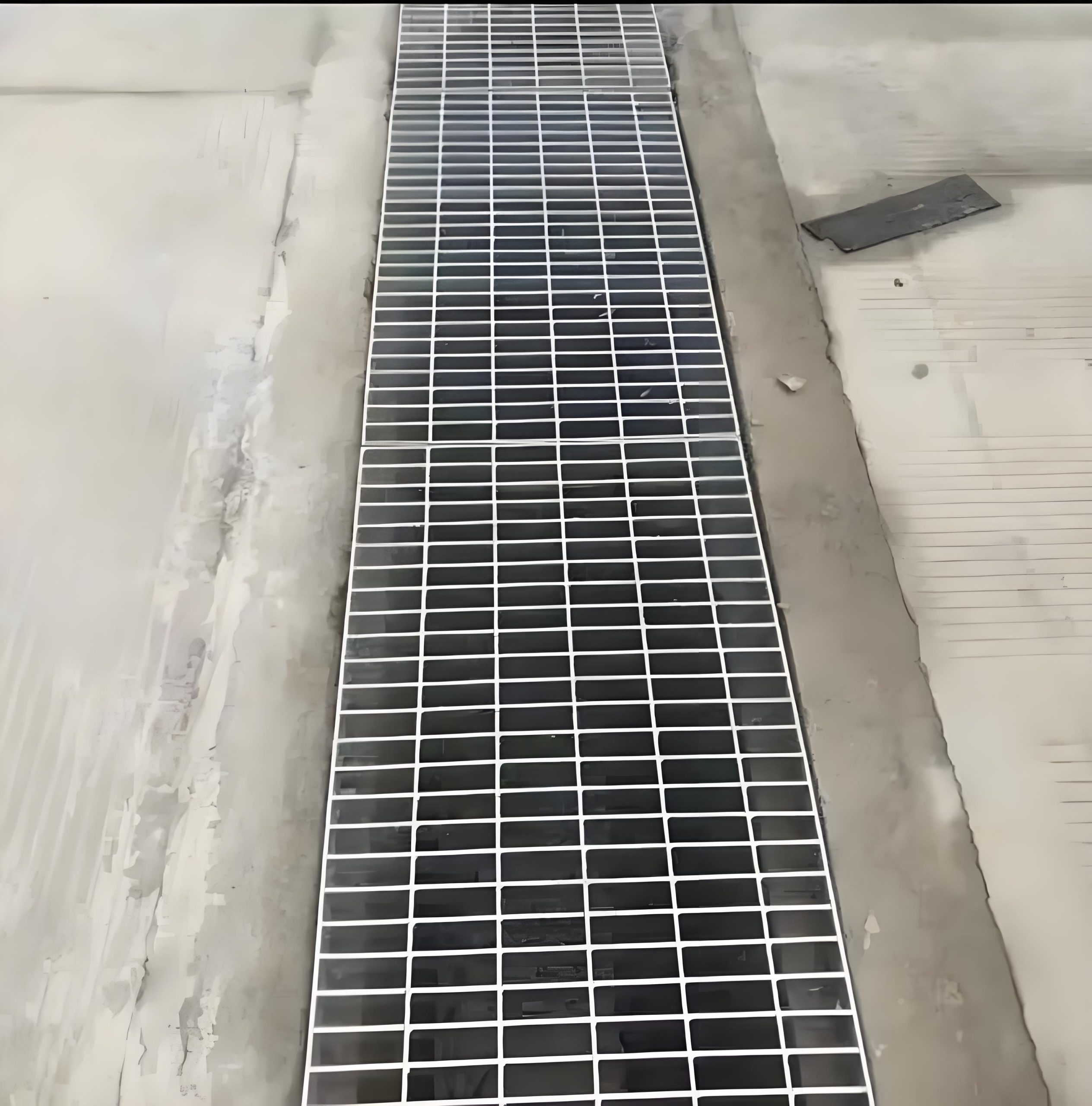
Drainage trench covers are crucial components of modern infrastructure, playing a dual role in ensuring safety and facilitating efficient water manage…
Drainage trench covers are crucial components of modern infrastructure, playing a dual role in ensuring safety and facilitating efficient water management. From urban sidewalks and roadways to industrial plants and utility projects, the selection, installation, and maintenance of trench covers directly affect operational safety, durability, and drainage performance. This comprehensive guide explores the types, materials, load considerations, design standards, surface treatments, and installation methods necessary to choose the right drainage trench cover for any application.
Drainage trench covers are installed across a wide range of infrastructure settings, including highways, commercial areas, industrial floors, airport tarmacs, and utility corridors. They protect pedestrians from accidental falls, prevent debris from entering the trench, and allow smooth operation for vehicles and forklifts. In utility projects, trench covers safeguard electrical conduits, communication cables, and plumbing pipelines, ensuring system longevity and safety compliance.
On sidewalks, pedestrian pathways, and vehicle roads, trench covers prevent accidents while enabling proper stormwater drainage. Heavy-duty covers in industrial zones support forklifts and small trucks, preventing damage to the trench structure.
Within factories, drainage covers protect floors from water accumulation, oil spills, and chemical exposure. They are designed to handle industrial traffic and heavy equipment loads without bending or cracking.
Utility corridors use trench covers to protect sensitive systems, including high-voltage cables, water pipes, and telecommunication lines. Covers allow easy access for inspection and maintenance while maintaining ventilation and safety standards.
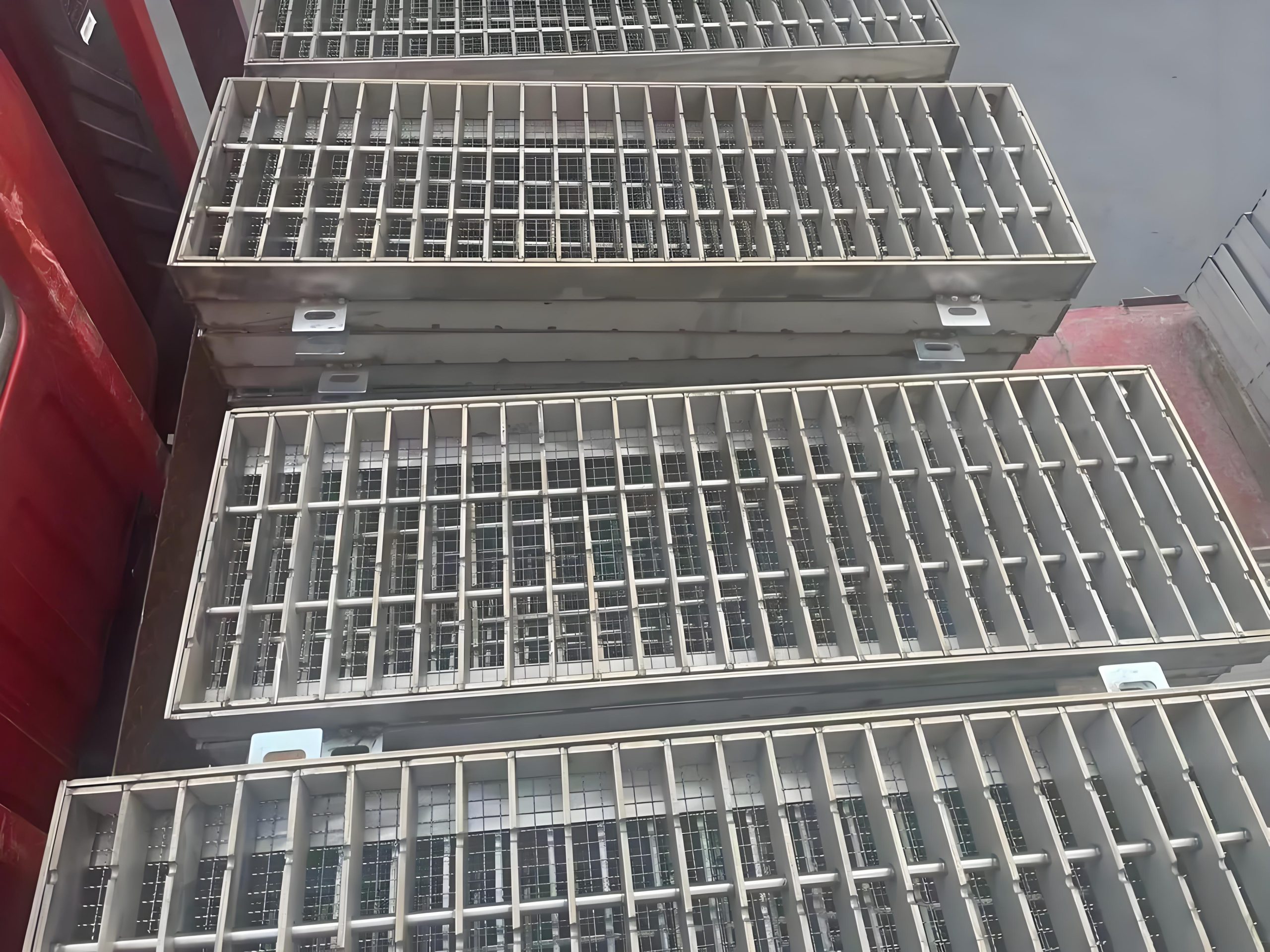
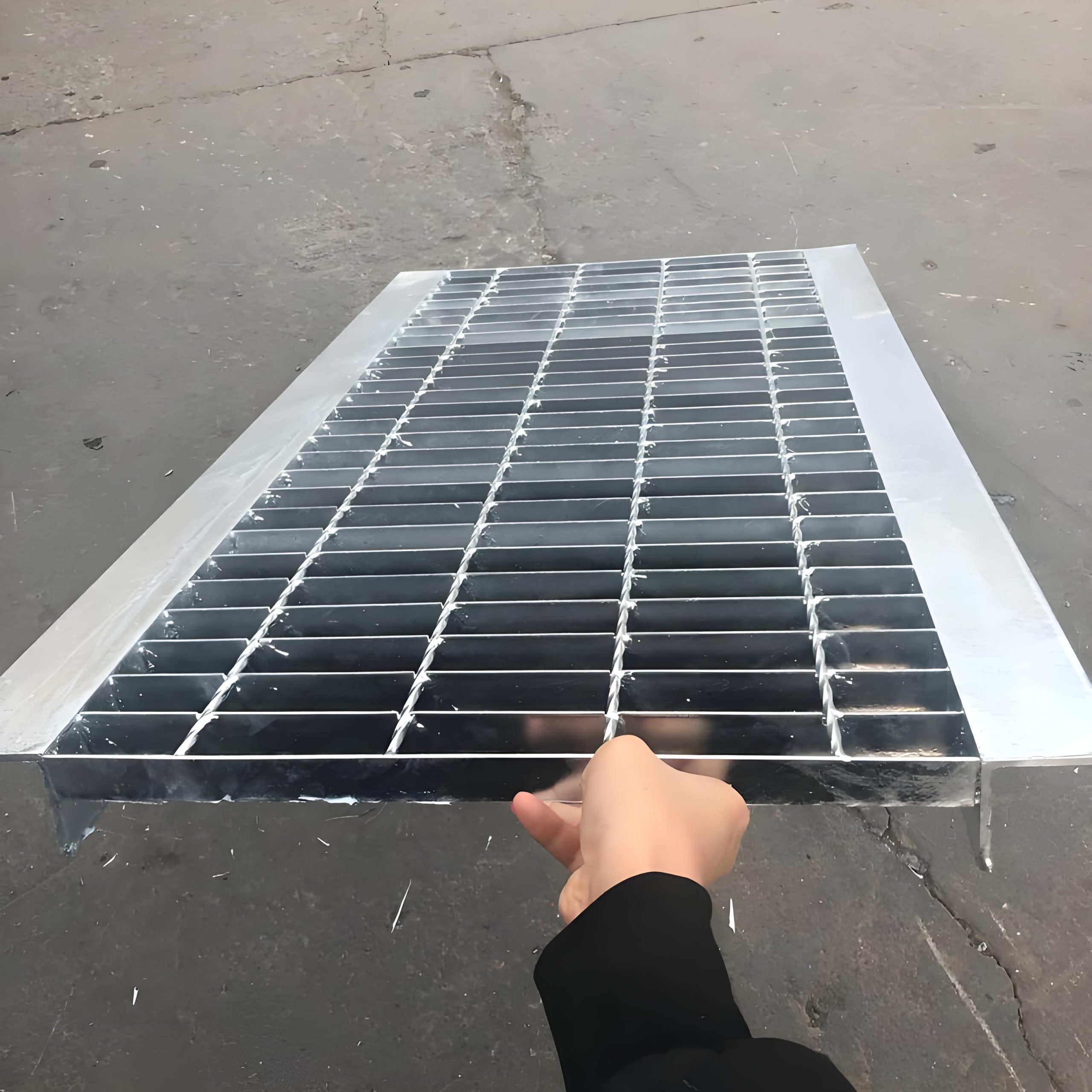
Carbon steel covers offer high mechanical strength and cost efficiency. They are suitable for roads and industrial areas with moderate exposure to moisture. Hot-dip galvanization extends their lifespan by preventing corrosion.
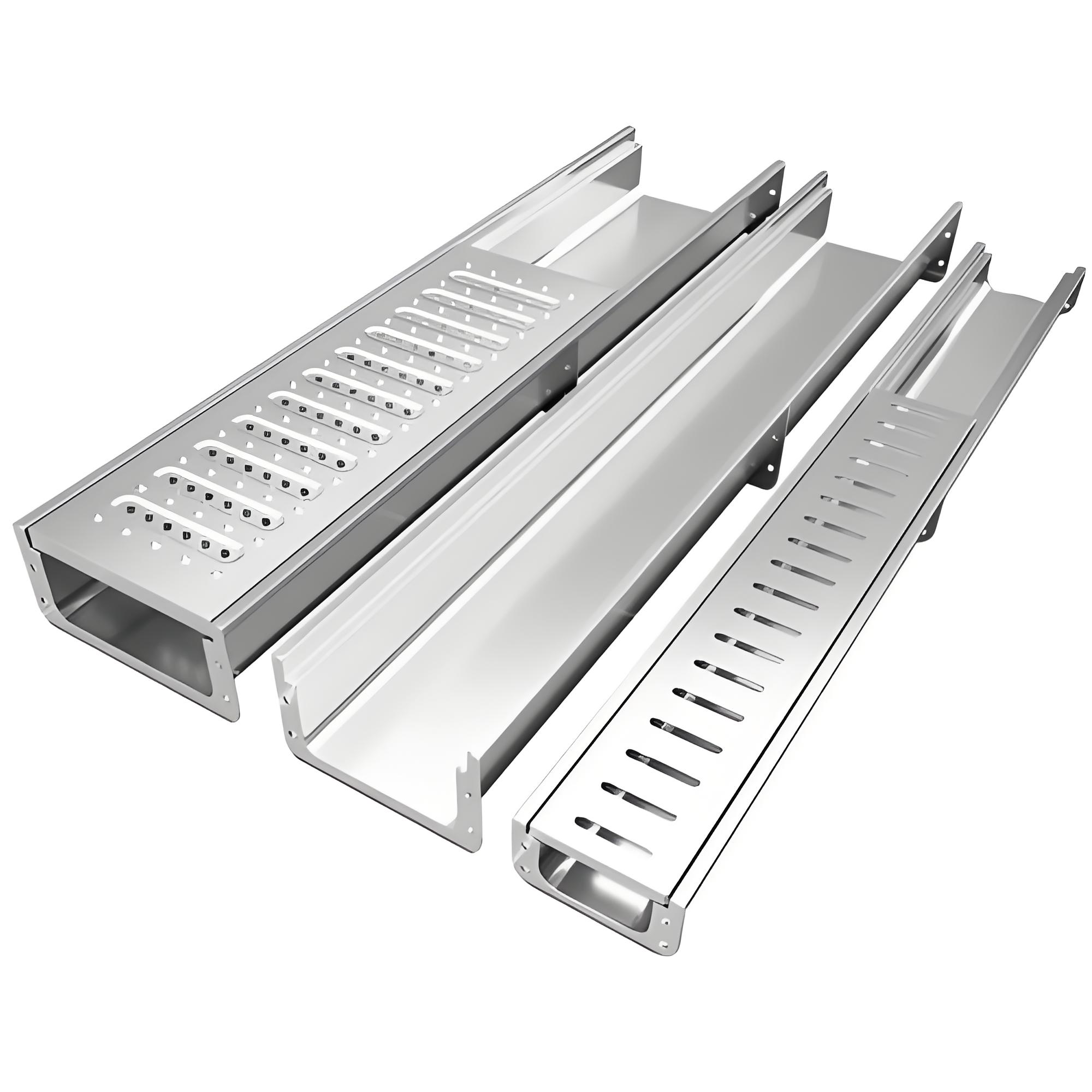
Stainless steel trench covers resist rust and chemical damage, making them ideal for chemical plants, coastal areas, and high-humidity environments. Common grades include 304 and 316 stainless steel, providing durability and aesthetic appeal.
Composite covers combine fiberglass, resin, and polymer materials to create lightweight, corrosion-resistant solutions. They often incorporate anti-slip surfaces and are suitable for medium-load pedestrian and industrial applications.
Precast concrete covers are extremely robust and suited for heavy-duty applications such as highways and utility tunnels. While they offer high load capacity, they require precise fitting and may limit ventilation compared to grating covers.
Choosing the correct load capacity ensures safety and longevity of the trench cover. Pedestrian areas require lighter load ratings, whereas industrial and vehicular zones demand covers that can withstand forklifts and trucks.
| Area Type | Recommended Load Capacity | Typical Cover Material |
| Pedestrian Sidewalk | 1–5 kN/m² | Steel, Composite |
| Light Industrial / Forklift Zone | 5–15 kN/m² | Steel, Stainless Steel, Composite |
| Heavy Vehicle Roads | 15–50 kN/m² | Steel, Stainless Steel, Concrete |
The width of the trench, cover thickness, and the maximum unsupported span are critical parameters. Wider trenches and high-load areas may require thicker steel grating or reinforced composite designs. Engineering calculations consider bending stress, deflection limits, and safety factors to ensure performance under continuous loads.
Trench covers may be supported at edges, intermediate points, or designed as continuous units. Load distribution and support location impact the choice of cover material and thickness. Open gratings reduce weight while maintaining strength.
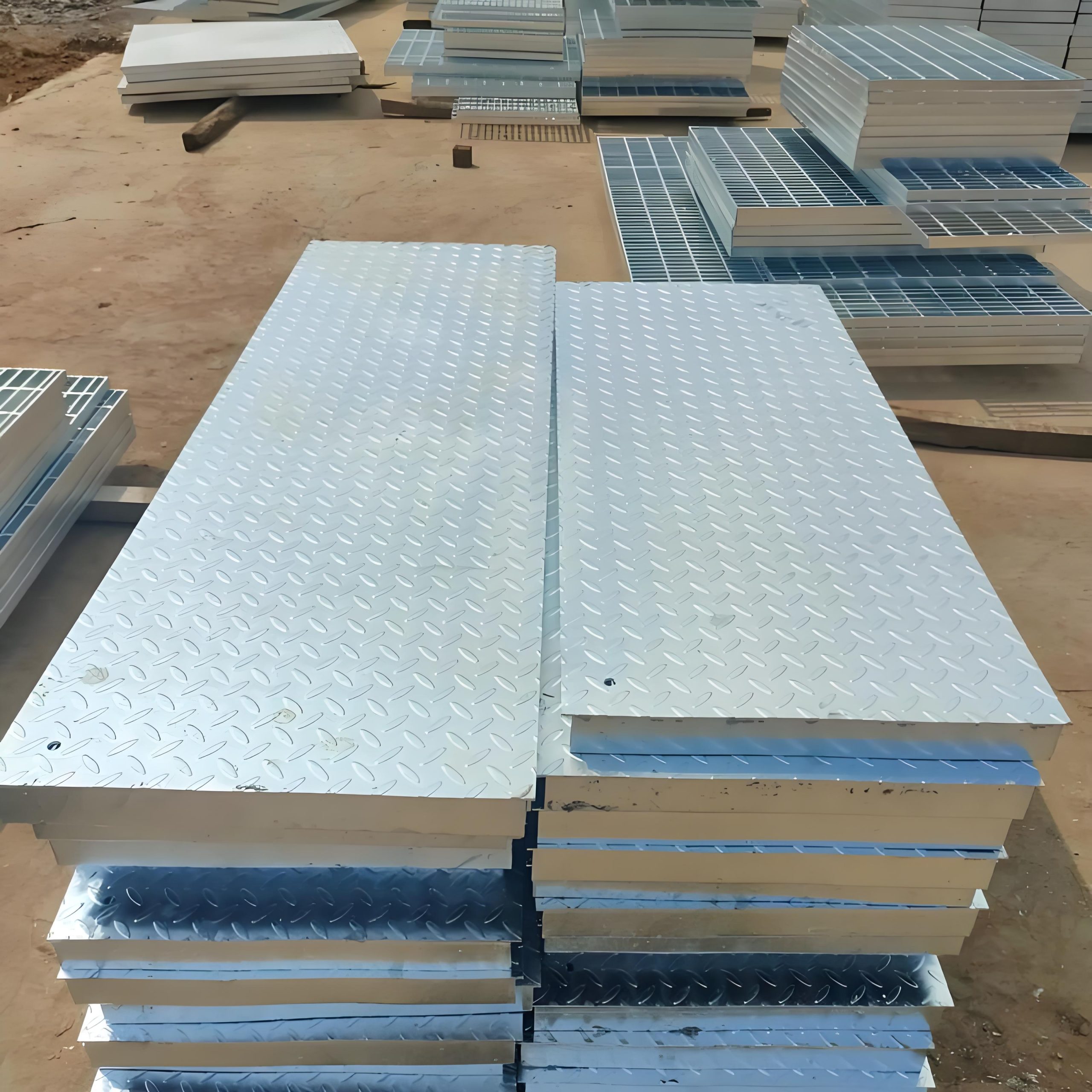
Anti-slip surfaces enhance traction for pedestrians, cyclists, and vehicles. Chequered plate patterns or raised ridges prevent slipping in wet conditions, while coatings such as epoxy or polymer provide additional grip and chemical resistance.
Outdoor and industrial environments require covers that maintain anti-slip performance despite rain, oil, or dust accumulation. Routine inspection and cleaning ensure continued effectiveness.
Drainage covers must allow efficient water passage to prevent pooling. Slot designs, open grating patterns, and calculated spacing balance load-bearing requirements with water flow and debris control.
In utility applications, covers with slots or perforations support airflow, reducing condensation and heat accumulation in cable or pipeline trenches.
Galvanized steel covers resist rust in outdoor and industrial environments. Additional coatings such as powder coating or chemical-resistant paint enhance durability, especially in coastal or chemical-exposed sites.
Corrosion-resistant treatments reduce the frequency of replacement and maintenance, ensuring long-term performance and cost savings.
Provide high structural integrity for heavy loads and long spans. Suitable for industrial and roadway applications where strength is a priority.
Offer excellent anti-slip properties and moderate strength. Often used in pedestrian pathways, light industrial areas, and factory floors.
Enhance drainage efficiency and ventilation while maintaining structural support. Ideal for areas where water flow is critical and debris clearance is needed.
Trench covers can be fabricated to specific dimensions and edge conditions. Edge banding prevents tripping hazards, while integrated handles simplify removal and replacement. Custom frames ensure precise fit in irregular trench shapes.
Frames provide added stability, protect trench edges, and prevent cover movement under dynamic loads.
Facilitate regular inspection, maintenance, and cleaning. Often designed with handles or locking mechanisms for safety during removal.
Provide permanent protection with minimal movement, suited for high-traffic areas where access is rarely required. Installation involves anchoring or welding to frames.
Solid covers offer maximum security and prevent intrusion, but reduce ventilation and drainage efficiency. Grated or composite covers allow water and air flow while providing structural support, striking a balance between accessibility, drainage, and load-bearing.
High-quality covers undergo rigorous testing for load-bearing strength, flatness, surface finish, and corrosion resistance. Tests include static load tests, impact tests, and dimensional inspections to ensure safety and longevity.
Covers are often produced to meet international standards such as DIN, EN, or ASTM specifications. These ensure reliability and compatibility with civil and industrial engineering requirements.
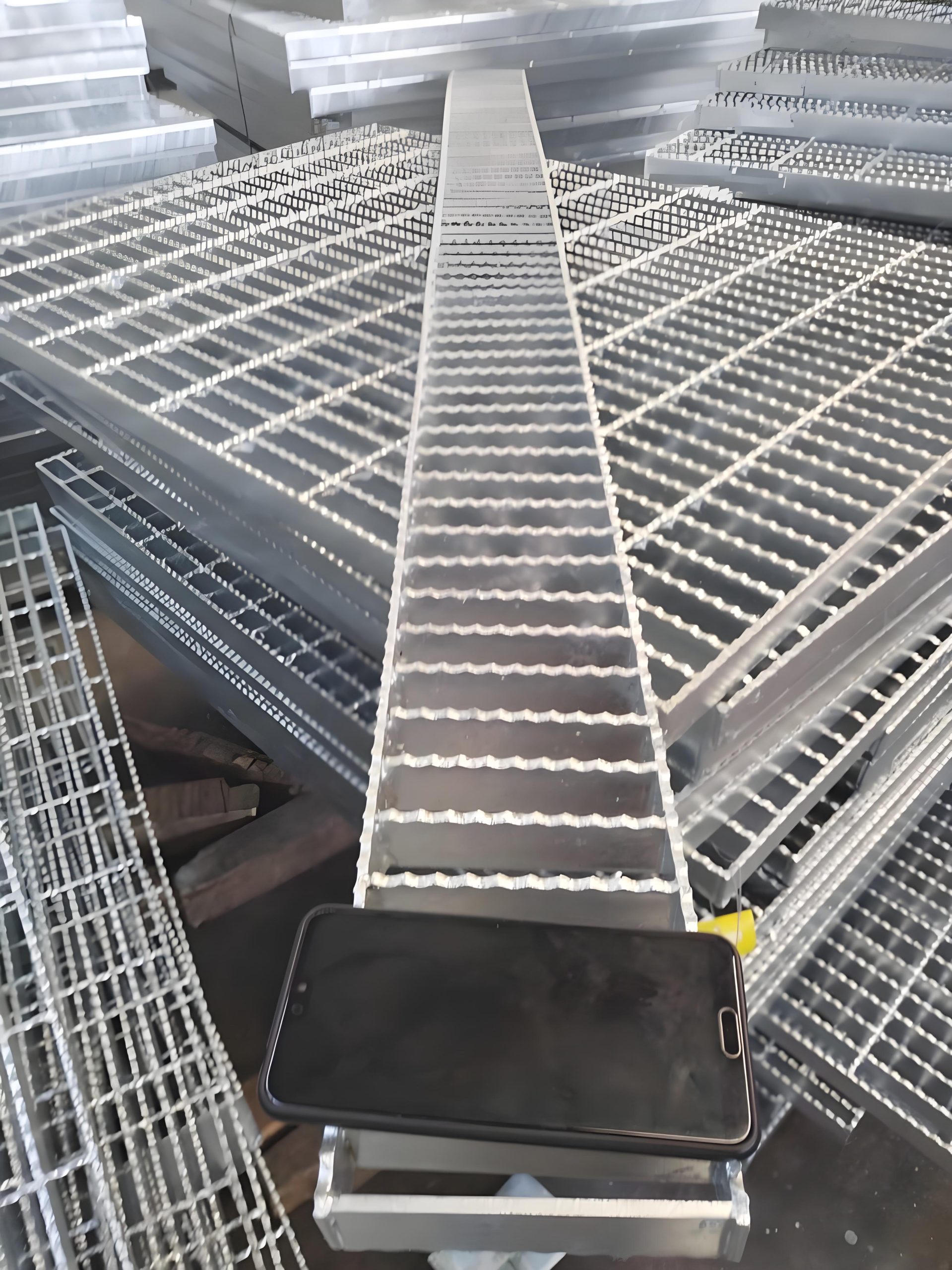
Question 1: What is the best material for drainage trench covers in coastal or chemical environments?
Answer: Stainless steel (grades 304 or 316) or high-quality composite materials are recommended due to superior corrosion resistance and long-term durability in harsh environments.
Question 2: How do I determine the correct load capacity for my trench cover?
Answer: Assess the expected traffic type—pedestrian, light vehicle/forklift, or heavy vehicle—and consult load capacity tables to select covers with sufficient strength to safely bear these loads without deflection or failure.
Question 3: Should I choose removable or fixed trench covers?
Answer: Removable covers are ideal for sites requiring frequent maintenance or inspection, while fixed covers provide permanent protection for areas with minimal access needs. Selection depends on maintenance frequency, security concerns, and operational requirements.
Please Feel free to give your inquiry in the form below.we will reply you in 24 hours.