
Home > Products > Trench Cover > steel grating trench cover
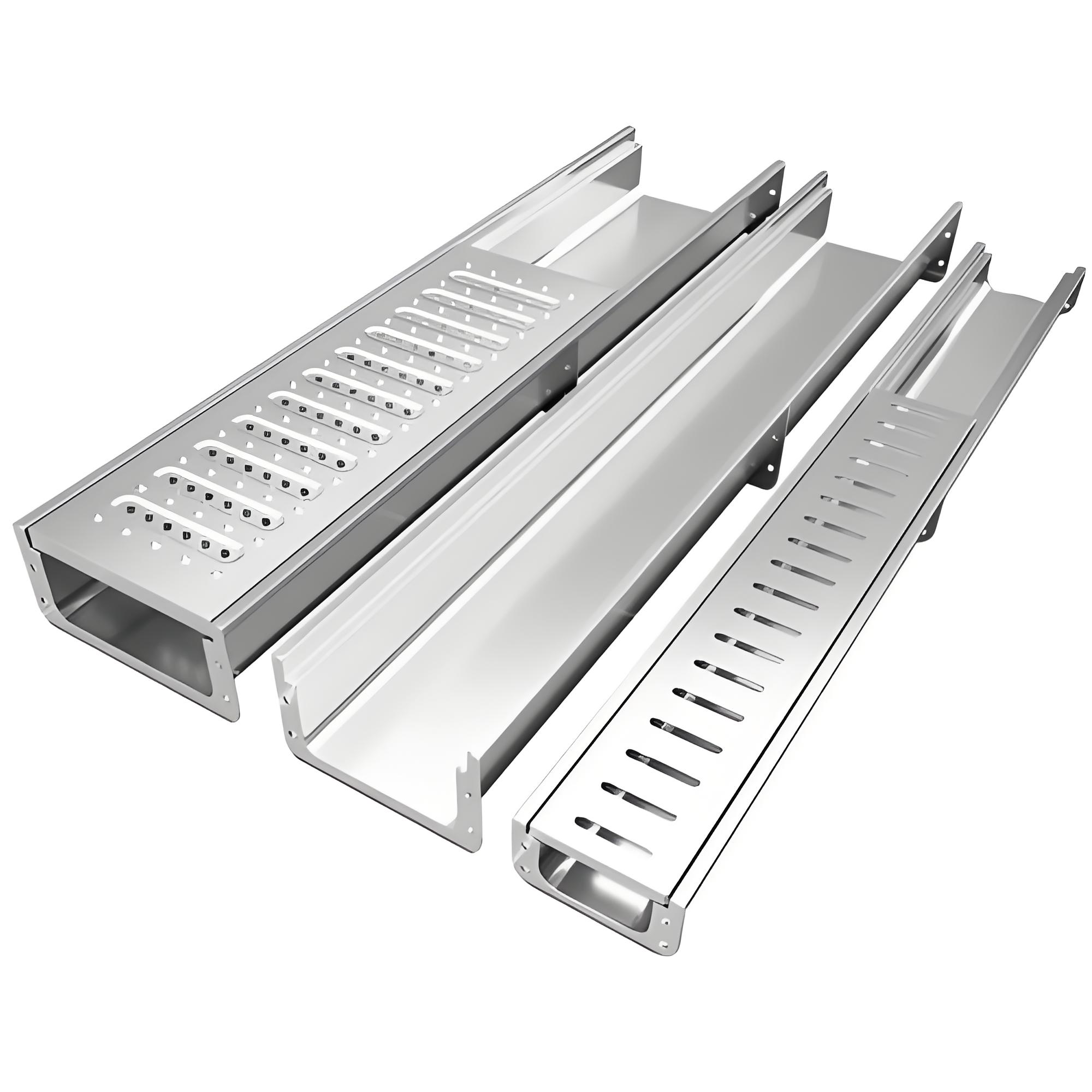
A steel grating trench cover is a practical drainage and access cover used for industrial trenches, cable trenches, drainage channels, workshops, walk…
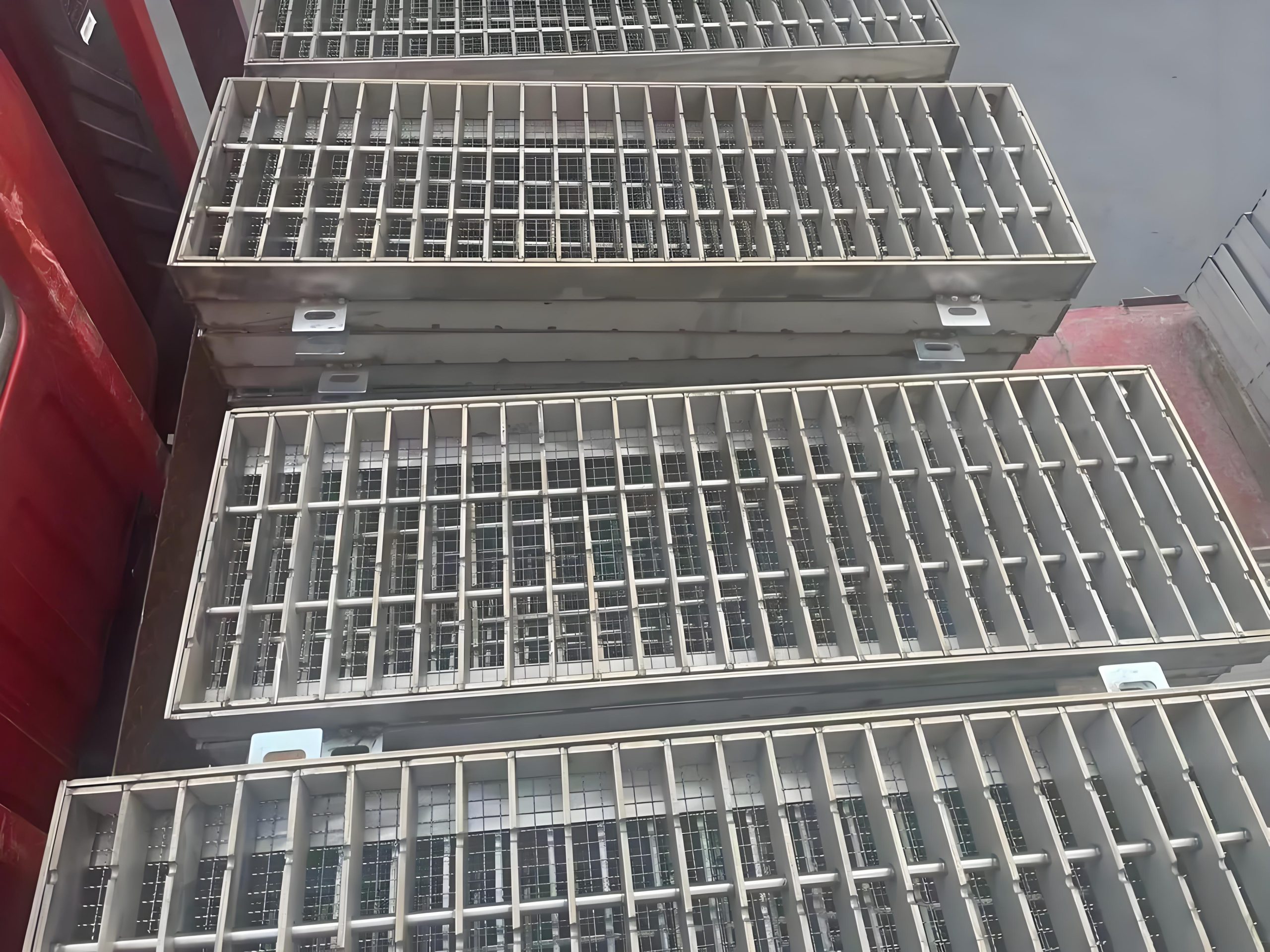
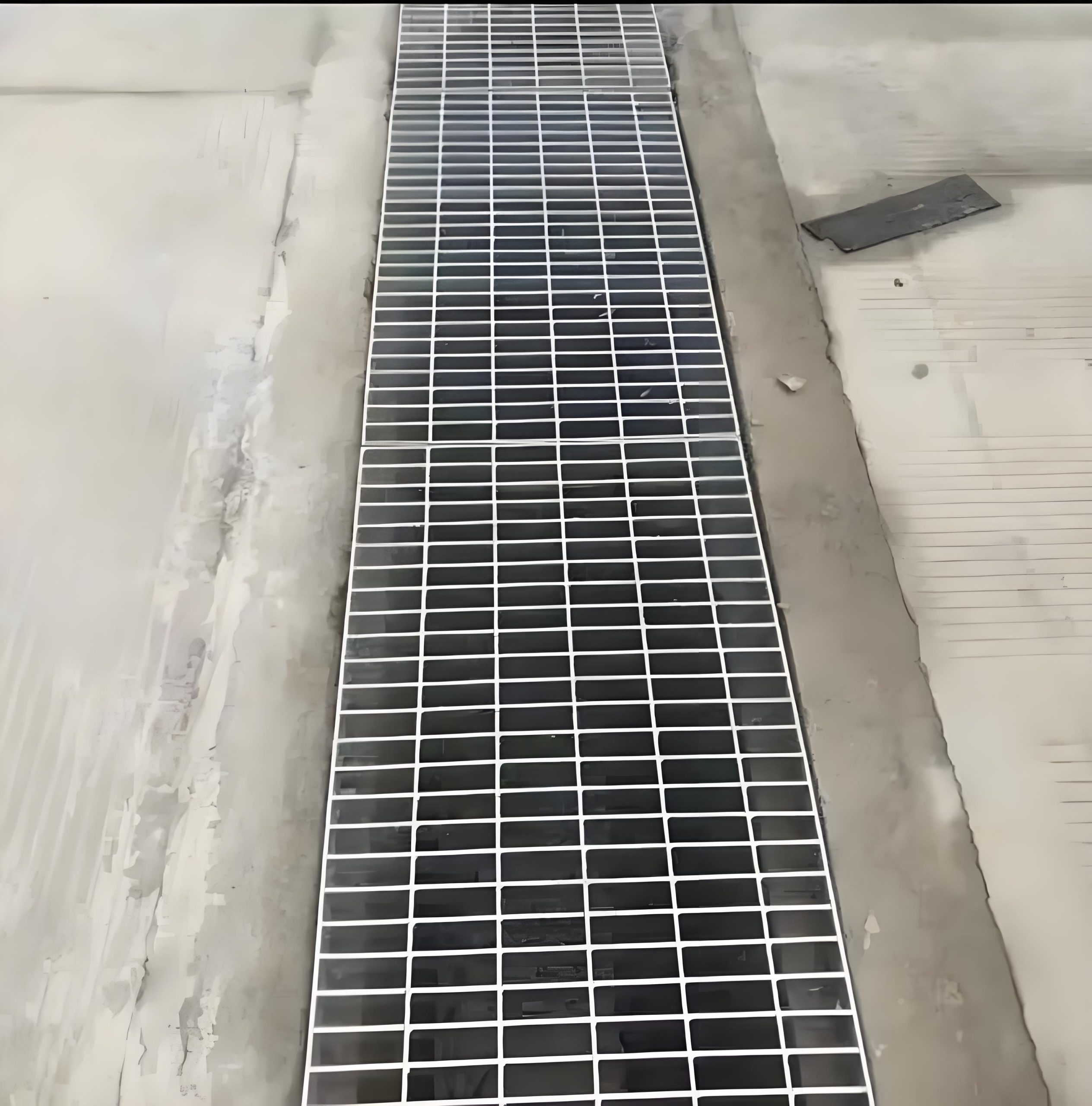
A steel grating trench cover is a practical drainage and access cover used for industrial trenches, cable trenches, drainage channels, workshops, walkways, platforms, road edges, wastewater treatment areas, and outdoor service zones. Compared with a solid steel plate cover, steel grating allows water, dust, air, and light to pass through the opening area while still providing reliable walking or traffic support. For buyers, the most important points are not only the material price, but also the load capacity, trench span, bearing bar size, surface treatment, anti-slip requirement, installation method, and whether the cover can be removed easily for maintenance.
Steel grating trench covers are commonly selected when a project needs both drainage performance and safe access. In many factories, parking areas, pump rooms, warehouses, power plants, food processing facilities, chemical plants, and public infrastructure projects, trenches are not simply open drainage channels. They may also be used for cable protection, pipe routing, machine maintenance, wastewater collection, or rainwater discharge. A proper trench cover must therefore solve several problems at the same time: it must carry the expected load, keep people and vehicles safe, allow drainage, resist corrosion, and remain convenient for inspection or cleaning.
From a factory manufacturing point of view, a steel grating trench cover is not a single standard product. It is normally produced according to the trench width, trench length, support condition, loading class, bearing bar direction, surface treatment, and installation details. For a small indoor drainage channel, light-duty welded steel grating may be enough. For forklift traffic, the bearing bar section and spacing need to be stronger. For vehicle areas, the design must consider wheel pressure, impact, span, frame support, and deformation control.
The correct steel grating trench cover should match the working environment. If the cover is used outdoors, hot-dip galvanizing is often selected for corrosion protection. If it is used in oily, wet, or sloped areas, serrated steel grating can improve anti-slip performance. If the trench must be opened frequently, removable panels, lifting handles, or bolted fixing can be considered. If the trench edge is weak or uneven, steel frames or angle frames can be supplied together with the grating cover to improve installation stability.
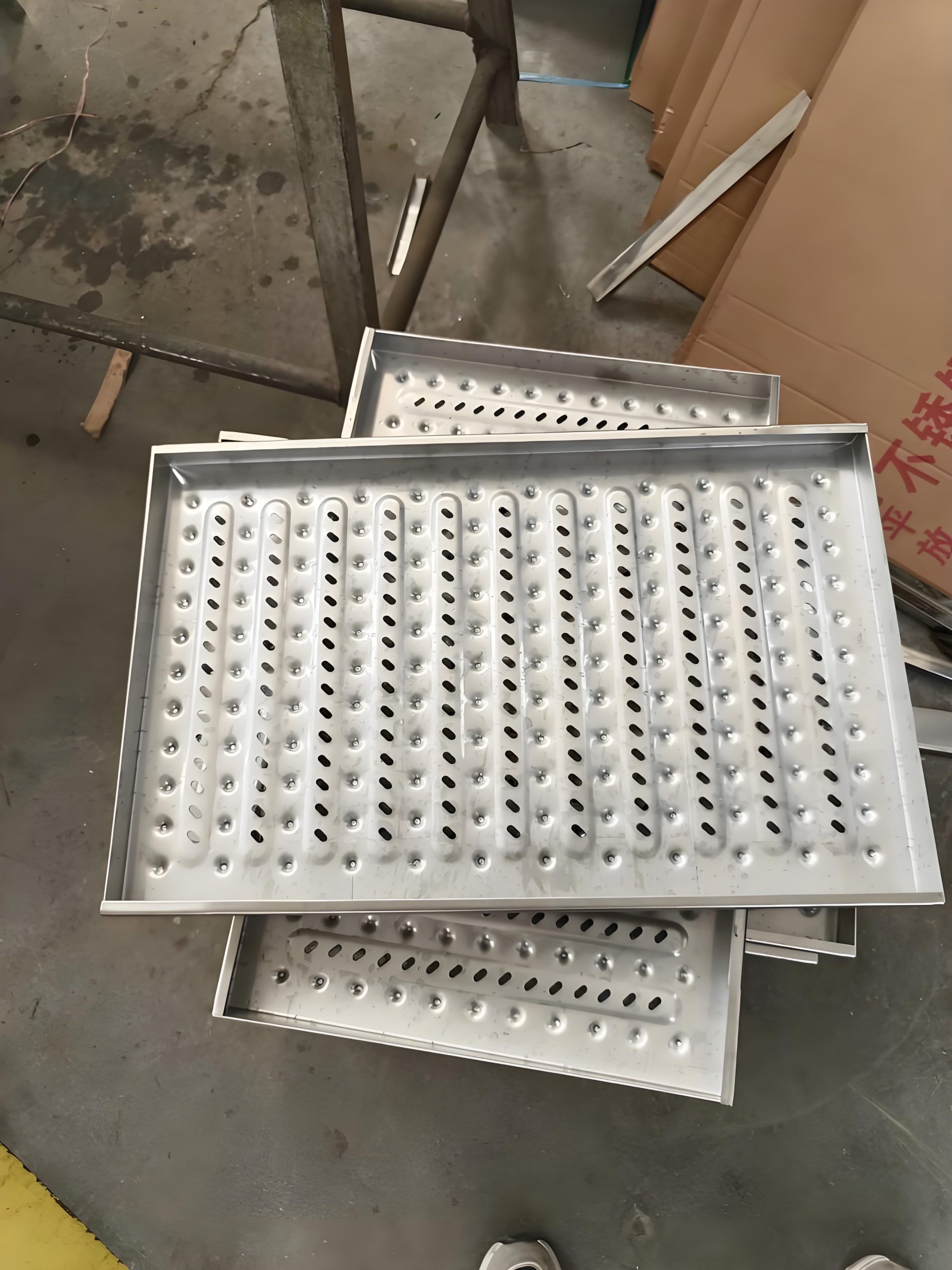
One of the main reasons steel grating is widely used as a trench cover is its open-grid structure. Water can pass through the grating openings quickly, which helps prevent surface water accumulation around workshops, platforms, loading areas, sidewalks, parking zones, and outdoor drainage systems. In many industrial areas, drainage speed is just as important as load capacity because standing water may increase slipping risk, accelerate corrosion, or affect daily operation.
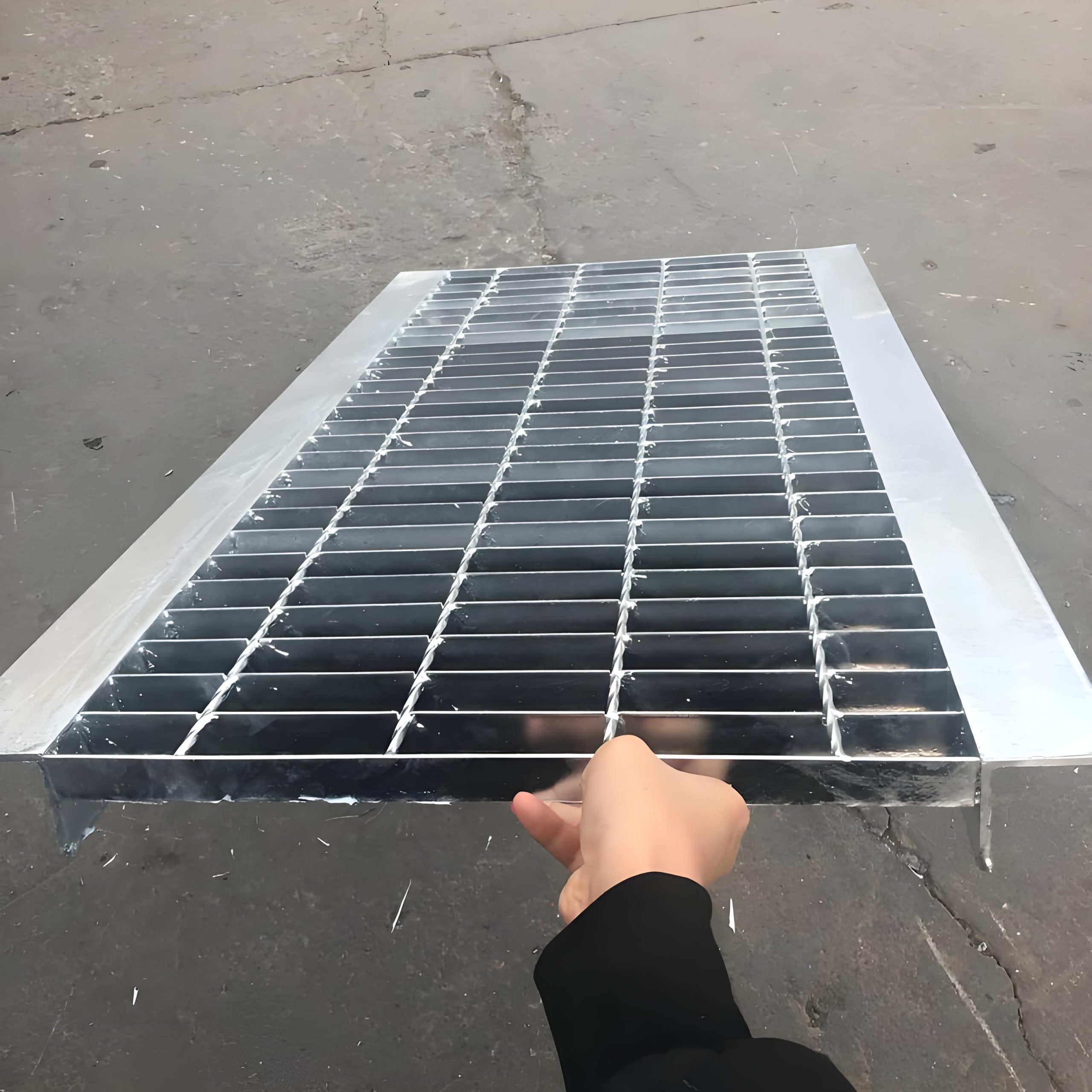
Steel grating is made with load-bearing bars arranged in one direction and cross bars fixed at regular spacing. The bearing bars carry the main load, while the cross bars maintain the position of the bearing bars and improve panel stability. This structure gives the trench cover a good balance between strength and weight. Compared with a thick solid plate, steel grating can often provide sufficient load capacity with less material weight, making installation and removal easier.
For cable trenches, pipe trenches, and industrial drainage channels, ventilation can reduce moisture buildup and help improve inspection visibility. The open surface also makes cleaning easier. Dust, small debris, and water can pass through instead of staying on the cover surface. If the trench needs regular maintenance, the grating panels can be designed in shorter sections so workers can lift and remove them conveniently.
Steel grating trench covers can be fabricated in many sizes and structures. The factory can adjust the bearing bar height, bearing bar thickness, spacing, panel width, panel length, edge banding, frame design, surface finish, and fixing method according to project drawings. This flexibility is important because trench dimensions are often different from site to site. A cover that fits one drainage channel may not fit another trench with a different span, edge support, or load requirement.
Steel grating trench covers are used in both industrial and civil construction projects. Their application depends on the load level, corrosion environment, safety requirement, and whether the trench needs frequent access. For a factory buyer, it is useful to define the application before confirming the grating size because different working areas require different structural designs.
| Application Area | Common Requirement | Suggested Grating Feature |
| Factory drainage trench | Drainage, walking safety, regular cleaning | Welded steel grating with hot-dip galvanized finish |
| Workshop floor channel | Pedestrian traffic, carts, small equipment | Light or medium-duty grating with edge banding |
| Warehouse and loading area | Forklift movement and impact load | Heavy bearing bars, closer spacing, strong frame support |
| Outdoor drainage channel | Rainwater discharge and corrosion resistance | Hot-dip galvanized steel grating trench cover |
| Cable trench | Access for inspection and ventilation | Removable panels with lifting holes or handles |
| Power plant and utility area | Heavy equipment access and safe maintenance | Heavy-duty grating with bolted fixing options |
| Sidewalk or municipal drainage | Pedestrian safety and public access | Anti-slip surface, suitable gap spacing, stable frame |
| Food or chemical processing area | Cleanability and corrosion resistance | Galvanized or stainless steel depending on environment |
In general, pedestrian trench covers focus more on safety, flatness, opening size, and anti-slip performance. Industrial trench covers focus more on load capacity, panel stiffness, welding strength, and durability. Outdoor trench covers require additional attention to corrosion protection. Vehicle-area trench covers require careful load calculation because wheel loads are concentrated and may create greater stress than distributed pedestrian loads.
Welded steel grating is one of the most common structures used for trench covers. It is normally manufactured by welding cross bars onto bearing bars under pressure or by controlled welding processes. The bearing bars are arranged parallel to each other and carry the main load across the trench span. The cross bars lock the bearing bars in position and help maintain panel shape during transportation, installation, and service.
Bearing bars are the most important load-carrying component of a steel grating trench cover. Their height and thickness directly affect the load capacity and deflection of the cover. A 25 mm high bearing bar may be suitable for light pedestrian use, while deeper bars such as 30 mm, 40 mm, 50 mm, or higher may be required for wider spans or heavier traffic. The bearing bar direction should usually cross the trench opening so the load is transferred to both sides of the support.
Cross bars connect the bearing bars and keep the grating panel stable. They are not usually the main load-carrying bars, but they are important for lateral stability and overall panel integrity. The cross bar spacing can affect walking comfort, anti-slip performance, and opening area. For industrial drainage, standard spacing is often acceptable. For public walkways or areas where small objects may fall through, closer spacing or special design may be required.
Edge banding is commonly used on trench cover panels to improve appearance, protect the bearing bar ends, and strengthen the panel edge. It also helps the grating sit more neatly inside frames or trench rebates. For removable trench covers, banding is especially useful because panels are lifted, moved, and reinstalled during maintenance. Without proper banding, bar ends may be exposed and more vulnerable to impact or deformation.
A steel grating trench cover performs well only when it is properly supported. Even a strong grating panel can fail or deform if the trench edge is weak, uneven, or too narrow for proper bearing. Angle frames, flat bar frames, embedded frames, or support ledges may be used to create a stable seating surface. For vehicle or forklift areas, frame strength must be considered together with grating strength.
Load capacity is one of the most important selection points for a steel grating trench cover. A trench cover used only by pedestrians does not need the same structure as a cover used by forklifts or vehicles. The buyer should provide the trench clear span, traffic type, maximum wheel load, panel size, support method, and any safety factor required by the project. If the working condition is uncertain, it is safer to choose a stronger bearing bar and shorter panel span.
| Traffic Type | Typical Use Condition | Key Design Focus | Common Recommendation |
| Pedestrian | Walkways, sidewalks, inspection paths | Walking safety, flatness, anti-slip surface | Light to medium bearing bars, proper opening size |
| Hand carts | Workshop movement, warehouse aisles | Small wheel pressure and smooth rolling | Medium-duty grating with stable frame support |
| Forklift | Warehouses, logistics areas, factory floors | Concentrated wheel load and impact | Heavy-duty bearing bars, reduced span, strong edge frame |
| Light vehicle | Parking areas, service roads, outdoor drainage | Wheel load, panel movement, fixing method | Heavy-duty grating with secure seating or fixing |
| Heavy vehicle | Industrial roads, truck access, loading zones | High wheel pressure and repeated traffic | Project-specific design and load verification required |
For pedestrian use, the design normally focuses on safe walking and preventing excessive deflection. For forklift use, the concentrated wheel pressure is critical because the contact area is small and the load may move repeatedly over the same trench line. For vehicle areas, the cover may need additional fixing to prevent panel movement, noise, or uplift. Heavy vehicle applications should not be selected only by appearance or common size; they require careful load review.
When requesting a quotation, buyers should avoid saying only “standard trench cover.” A better inquiry includes the trench clear opening, traffic load, surface treatment, panel quantity, and whether the cover will be fixed or removable. This allows the factory to recommend a more suitable bearing bar size and panel structure instead of giving a general price that may not match the actual site.
The trench span is the clear opening that the grating must cover. The longer the span, the greater the bending stress on the bearing bars. Bearing bar size and spacing must be selected according to this span. In most trench cover designs, the bearing bars should run across the trench width, not along the trench length. This is because the cover must transfer the load to both trench edges over the shortest practical span.
Bearing bar height is a major factor in stiffness. Increasing bar height can greatly improve the ability to resist bending. Bearing bar thickness also affects load capacity, durability, and impact resistance. Common bearing bar sizes may include 25 x 3 mm, 30 x 3 mm, 32 x 5 mm, 40 x 5 mm, 50 x 5 mm, or heavier sections depending on project requirements. The correct size depends on span and loading, not only on panel length and width.
Bearing bar spacing affects load distribution, opening area, walking comfort, and drainage performance. Wider spacing allows more drainage and reduces weight, but it may not be suitable for small wheels, high heels, public access, or heavy concentrated loads. Closer spacing improves support and can make the cover more comfortable for walking or cart movement, but it increases weight and cost.
Cross bar spacing helps maintain the grating shape and affects surface feel. Standard cross bar spacing is often used for industrial grating, but some applications may require closer spacing. If the trench cover is used in a public area, small-object protection or walking comfort may become more important than maximum open area.
| Design Factor | Influence on Trench Cover | Buyer Should Confirm |
| Trench clear span | Controls bearing bar bending and deflection | Inside width of trench opening |
| Bearing bar direction | Determines how load transfers to supports | Bars should usually cross the trench width |
| Bearing bar size | Affects strength, stiffness, and weight | Traffic type and maximum load |
| Bearing bar spacing | Affects open area, safety, and load distribution | Drainage need and walking requirement |
| Cross bar spacing | Affects panel stability and surface comfort | Industrial or public access condition |
| Support width | Affects stability and seating safety | Frame or ledge dimension on both sides |
A steel grating trench cover provides practical advantages in drainage and maintenance. In a rainy outdoor area, water needs to enter the trench quickly. In a workshop, water, cleaning liquid, or process liquid may need to flow into the drainage channel without creating puddles. Because steel grating has an open surface, it allows fast drainage while still keeping the trench covered.
The open-grid design also helps with ventilation. This is useful for cable trenches, utility trenches, and wet industrial areas where trapped moisture may cause corrosion or unpleasant odors. For trenches that collect dirt or debris, workers can visually inspect the channel more easily. If the grating panels are removable, cleaning teams can open only the affected sections without removing the entire trench line.
Another advantage is reduced surface contamination. A solid plate trench cover may hold water, mud, oil, or dust on top of the surface. Steel grating allows much of this material to pass through into the trench, where it can be flushed or cleaned. In areas where slipping is a concern, the grating structure can also provide better surface traction, especially when serrated bearing bars are used.
Serrated steel grating trench covers are used where anti-slip safety is more important. The bearing bar top surface is produced with serrations that increase friction under wet, oily, muddy, or sloped conditions. Serrated grating is common in wastewater treatment plants, chemical plants, offshore platforms, food processing workshops, outdoor walkways, and drainage areas where water is frequently present.
Serrated steel grating is recommended for trench covers in wet working areas, outdoor drainage channels, oily workshop floors, washing zones, and walking paths exposed to rain. It is also useful when workers may carry tools or materials and need better foot stability. For public areas, serrated surfaces can reduce slipping risk, but the opening size and walking comfort should also be reviewed.
Anti-slip performance is not only about serrated bearing bars. Panel flatness, correct installation, stable seating, proper fixing, and surface finish also matter. A serrated grating cover can still be unsafe if it rocks inside the frame, has sharp edges, is installed with the bearing bars in the wrong direction, or does not match the trench support. For this reason, fabrication quality and installation details should be controlled together.
| Surface Type | Main Advantage | Suitable Use |
| Plain steel grating | Smooth surface, easy handling, economical | Dry indoor areas and general drainage trenches |
| Serrated steel grating | Better anti-slip performance | Wet, oily, outdoor, or sloped trench areas |
| Hot-dip galvanized serrated grating | Anti-slip surface plus corrosion protection | Outdoor drainage, industrial plants, municipal projects |
| Stainless steel serrated grating | Corrosion resistance and hygiene-friendly surface | Food, chemical, marine, and high-corrosion environments |
Hot-dip galvanized steel grating trench covers are widely used for outdoor drainage and industrial access because the zinc coating protects the steel surface from corrosion. Outdoor trench covers are exposed to rain, humidity, temperature changes, dust, and sometimes chemical pollution. Without proper surface treatment, carbon steel can rust quickly, especially around welded joints, cut edges, and contact areas.
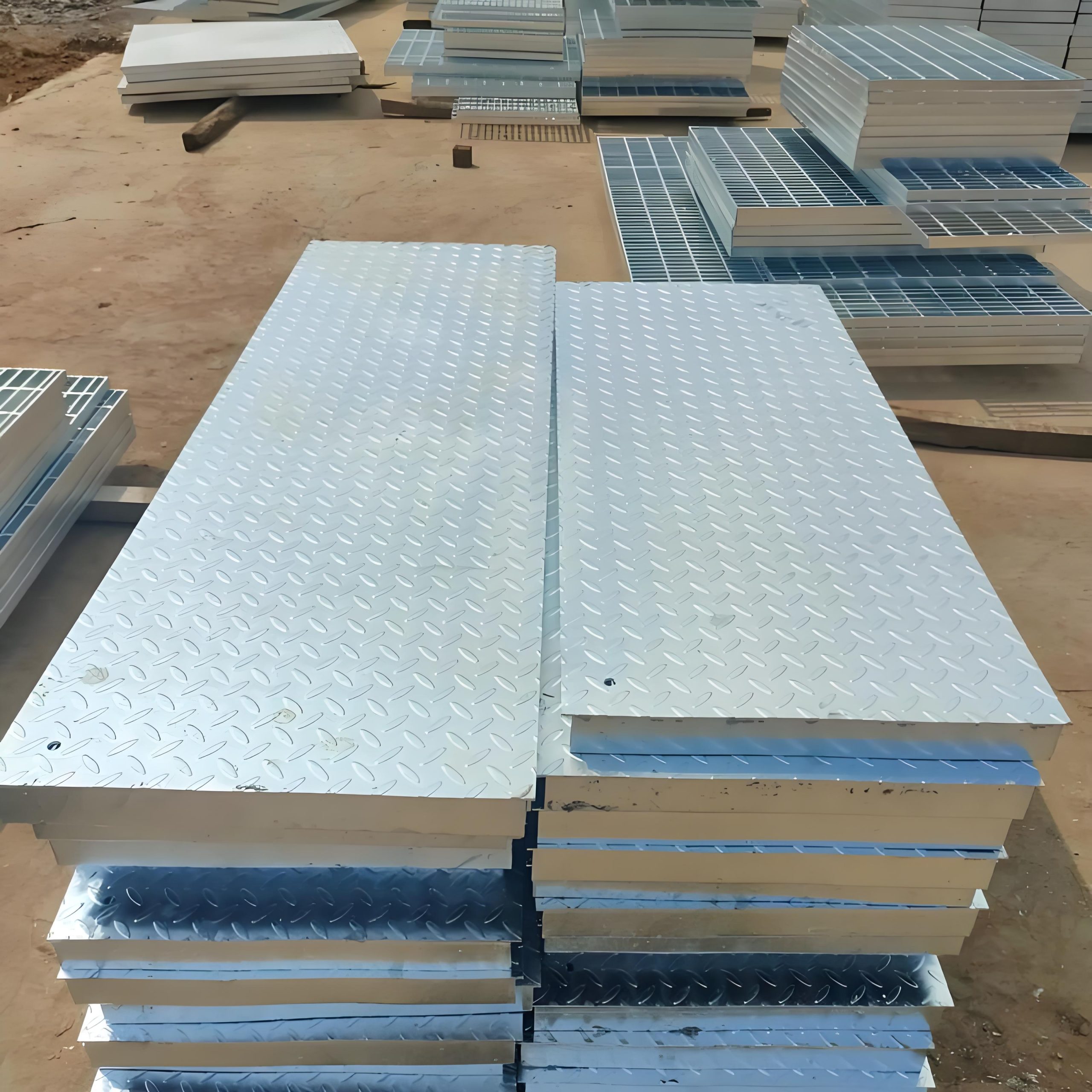
Hot-dip galvanizing provides full-surface protection after fabrication. This means the welded grating panel, banding bars, and many cut surfaces can be coated together. For trench covers, this is important because water often stays around the panel edge or frame contact area. A painted finish may be cheaper at the beginning, but it can be damaged during installation or traffic use. Galvanizing is usually more durable for outdoor or wet environments.
The zinc coating thickness depends on the steel thickness, galvanizing process, and relevant project standard. After hot-dip galvanizing, the grating surface may have a silver-gray appearance, sometimes with visible zinc patterns. Minor zinc ash, drainage marks, or color variation may occur as long as the coating protection is not affected. For buyers, the important inspection points are coating coverage, adhesion, sharp zinc burr removal, and whether the grating remains flat after galvanizing.
Although hot-dip galvanized steel grating has good corrosion resistance, it should still be inspected regularly in harsh environments. Areas exposed to chemicals, salt spray, standing water, or mechanical abrasion may require more frequent inspection. If the zinc coating is damaged during cutting or field modification, repair paint or zinc-rich coating may be needed on the affected area.
Steel grating trench covers and solid steel plate trench covers are both used to cover channels, but they are suitable for different situations. A solid plate provides a closed surface and can prevent small objects from falling into the trench, but it also blocks drainage and ventilation. Steel grating provides open drainage and lighter weight, but its opening size and load capacity must be properly selected.
| Item | Steel Grating Trench Cover | Solid Steel Plate Trench Cover |
| Drainage performance | Excellent water flow through open area | Poor unless holes or slots are added |
| Ventilation | Good airflow through grating openings | Limited ventilation |
| Weight | Usually lighter for the same opening size | Often heavier, especially for thick plates |
| Maintenance access | Easy to lift in sections if designed removable | Can be difficult to move when plate is heavy |
| Anti-slip surface | Serrated option available | Requires checkered plate or anti-slip treatment |
| Small object protection | Depends on opening size | Better because the surface is closed |
| Typical use | Drainage, ventilation, industrial access | Closed trenches, equipment pits, areas needing full cover |
If the trench is mainly used for drainage, steel grating is usually more suitable because water can enter the channel quickly. If the trench must be fully closed to prevent tools, small parts, odor, or dust from entering or leaving, solid steel plate may be considered. In many industrial projects, a combination is also possible: steel grating is used in drainage sections, while solid plate covers are used around machine foundations or special access points.
Most steel grating trench covers are customized according to site dimensions. Even when a buyer uses the word “standard,” the trench size, support width, panel length, and frame structure may differ from project to project. A factory should check the drawing or measurement before production to avoid problems during installation.
Custom size is usually based on the clear trench opening and the required bearing surface on both sides. For removable covers, the panel length should be suitable for manual handling. Very large panels may be heavy and difficult to remove, while very small panels may increase installation time and frame cost. In long drainage channels, the trench cover is normally divided into multiple sections.
Edge banding is often supplied around the grating panel. It improves the panel edge strength, reduces sharp bar ends, and gives a cleaner appearance. For trench covers exposed to repeated movement, lifting, or vehicle traffic, edge banding is strongly recommended.
Frames help the grating cover sit securely on the trench. Angle frames can be embedded in concrete, welded to steel structures, or fixed by anchors depending on site conditions. A frame can also protect the trench edge from damage. For vehicle areas, frame design is important because the load transfers from the grating into the support structure.
If the trench cover needs regular removal, lifting holes or handles can be added. Recessed handles can reduce tripping risk, while simple lifting holes are economical and suitable for many industrial applications. For heavy-duty panels, lifting points should be strong enough and positioned properly to balance the panel during removal.
| Custom Option | Purpose | Common Use |
| Edge banding | Strengthens panel edges and improves appearance | Most trench cover panels |
| Angle frame | Provides stable seating and protects trench edge | Concrete trenches and outdoor drainage channels |
| Lifting hole | Allows easy removal with hook tools | Maintenance access covers |
| Lifting handle | Improves handling for frequent opening | Cable trenches and inspection trenches |
| Bolted fixing | Prevents movement, theft, or vibration | Public areas, vehicle zones, equipment rooms |
| Serrated bearing bars | Improves anti-slip performance | Wet, oily, and outdoor areas |
The installation method affects safety, maintenance, and service life. A trench cover can be removable, bolted, clamped, welded, or seated inside a frame. The right method depends on whether the trench needs regular access and whether the cover is exposed to traffic, vibration, theft risk, or impact.
Removable trench covers are common for cable trenches, drainage channels, and inspection pits. They allow workers to lift individual panels for cleaning or maintenance. For removable installation, the panel should fit the frame properly but not be too tight, because hot-dip galvanizing and site tolerance may affect dimensions. The cover should sit flat and should not rock during walking or traffic.
Bolted fixing or saddle clips can be used when panel movement must be controlled. This is common in public areas, vehicle areas, elevated platforms, or places with vibration. Bolted installation also helps reduce noise caused by loose panels. If the cover must still be opened, the bolt or clip design should allow maintenance workers to remove the panel without damaging the grating.
Welded installation is more permanent. It may be used where the trench cover does not need regular removal or where theft prevention is important. However, welding after galvanizing may damage the zinc coating around the welded area, so repair treatment is needed. For drainage trenches that require cleaning, fully welded covers may not be practical.
Frame-seated installation is one of the most reliable methods for trench cover projects. The frame provides a defined seating surface and helps control panel position. For concrete trenches, the frame can be embedded during construction. For steel structures, the frame can be welded or bolted to the support. Correct frame levelness is important because uneven support can cause noise, rocking, or local stress.
Quality control is essential for steel grating trench covers because the product is used under foot traffic, equipment traffic, or vehicle traffic. A poor-quality trench cover may deform, make noise, slip, rust quickly, or become difficult to install. From raw material to finished product, each step should be checked according to the order requirement and application condition.
The factory should check steel grade, bar size, thickness tolerance, straightness, and material surface condition before production. Bearing bars must match the required dimensions because small changes in height or thickness may affect load capacity. For projects requiring material traceability, mill test certificates can be provided according to order requirements.
Welded joints should be firm and consistent. Missing welds, weak welds, excessive welding defects, or loose cross bars can reduce panel stability. For trench covers exposed to repeated traffic, welding quality is especially important because vibration and impact can loosen weak structures over time.
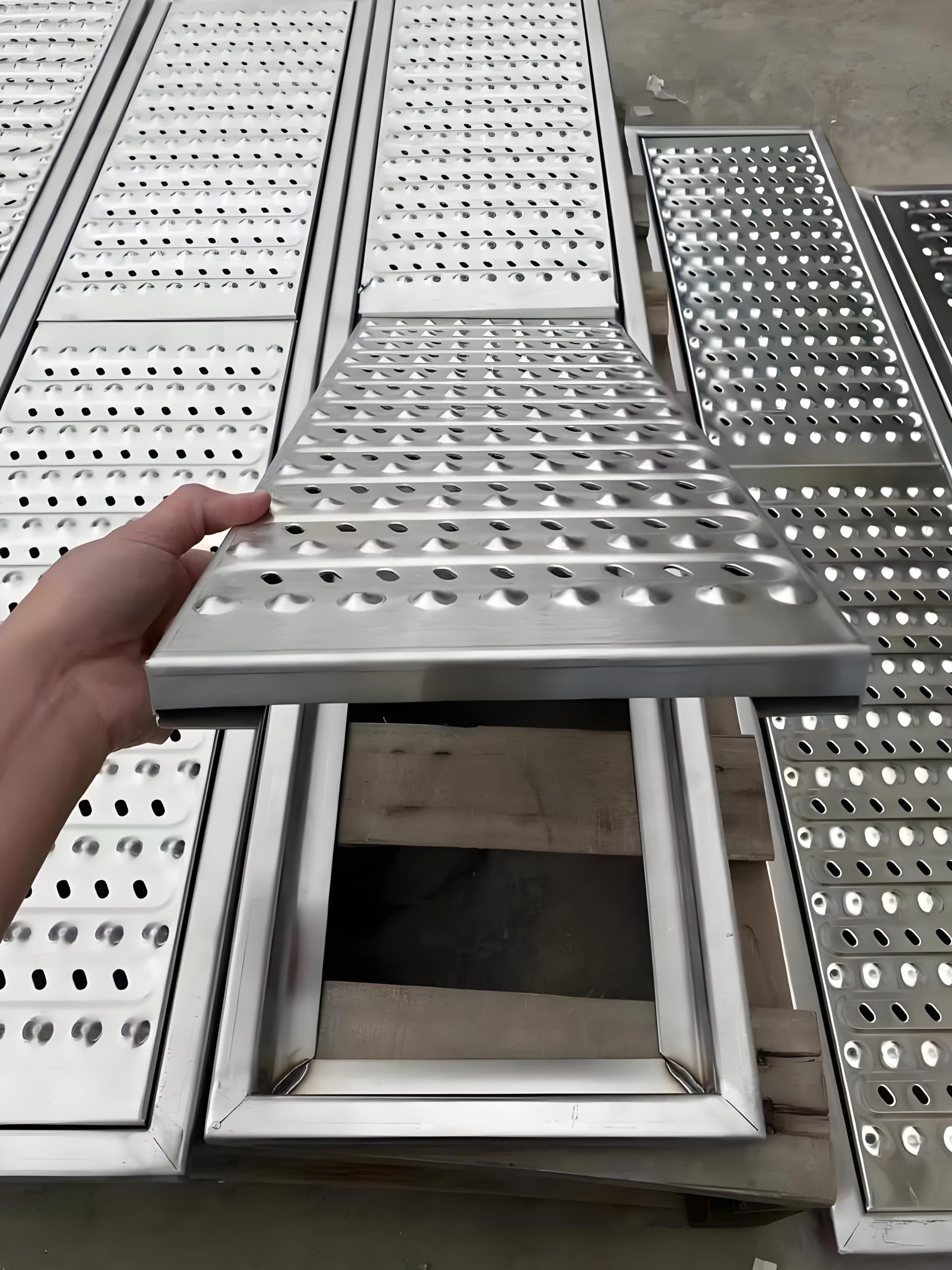
The trench cover should be reasonably flat and match the required size. If the panel is twisted or too large, it may not sit correctly in the frame. If it is too small, it may move during use. Dimensional tolerance should consider fabrication, galvanizing, and installation clearance.
After fabrication, sharp edges, excessive burrs, weld spatter, and zinc spikes should be removed where they may affect handling or safety. For hot-dip galvanized grating, the coating should cover the surface properly. For serrated grating, the serration should be clean enough to provide anti-slip function without creating unsafe sharp points.
For heavy-duty trench covers, load performance should be reviewed according to span, bearing bar size, spacing, support condition, and traffic type. If required, load testing or project-specific calculation can be discussed. Buyers should not select a trench cover only by panel thickness or weight because the real load capacity depends on the full grating structure and support system.
| Inspection Item | What to Check | Why It Matters |
| Material size | Bearing bar height, thickness, and spacing | Affects strength and deflection |
| Welding | Joint firmness and cross bar stability | Prevents looseness and structural weakness |
| Panel dimension | Length, width, squareness, clearance | Ensures proper installation |
| Flatness | Panel twist, bending, rocking risk | Improves safety and reduces noise |
| Surface finish | Burrs, sharp edges, zinc spikes | Protects workers during handling and use |
| Galvanizing | Coating coverage and surface condition | Improves outdoor corrosion resistance |
| Frame fit | Panel seating and support width | Controls movement and load transfer |
A clear inquiry helps the factory provide a more accurate steel grating trench cover price and design recommendation. If the buyer only provides the panel length and width, the quotation may miss important load and installation details. For trench covers, the most important information includes trench clear opening, traffic type, bearing bar direction, surface treatment, frame requirement, and whether the cover must be removable.
| Information Needed | Example | Reason |
| Trench clear width | 300 mm, 500 mm, 800 mm, 1000 mm | Determines bearing bar span |
| Panel length | 1000 mm per piece, 1200 mm per piece | Affects handling and layout |
| Traffic load | Pedestrian, forklift, car, truck | Determines bearing bar size and spacing |
| Surface treatment | Hot-dip galvanized, painted, stainless steel | Affects corrosion resistance and price |
| Surface type | Plain or serrated | Affects anti-slip performance |
| Frame requirement | Without frame, angle frame, embedded frame | Affects installation stability |
| Fixing method | Removable, bolted, welded, clamped | Affects maintenance and safety |
| Quantity | Total meters, total pieces, or project drawing | Affects production planning and cost |
For international buyers, drawings are especially helpful. A simple trench section drawing can show the clear opening, support ledge, frame size, panel thickness limit, and bearing bar direction. If drawings are not available, photos and site measurements can also help the factory understand the installation condition. Anping County Chuansen Silk Screen Products Co., Ltd. can produce steel grating trench covers according to project size, load requirement, surface treatment, and installation details for drainage and industrial access applications.
What is the best steel grating for trench covers?
The best steel grating for trench covers depends on the trench span, traffic load, environment, and installation method. For general drainage trenches, welded steel grating with edge banding and hot-dip galvanizing is commonly used. For wet or oily areas, serrated steel grating is better for anti-slip safety. For forklift or vehicle traffic, heavier bearing bars, closer spacing, strong frames, and secure fixing should be selected according to the actual wheel load and support condition.
Can steel grating trench covers support vehicles?
Yes, steel grating trench covers can support vehicles if they are designed for the correct load. Vehicle areas require careful selection of bearing bar size, bearing bar spacing, trench span, support frame, and fixing method. A pedestrian grating cover should not be used for vehicle traffic. For cars, forklifts, trucks, or heavy equipment, the buyer should provide wheel load, trench width, and traffic frequency so the factory can recommend a suitable heavy-duty steel grating trench cover.
Is galvanized steel grating good for outdoor drainage trenches?
Yes, hot-dip galvanized steel grating is a good choice for outdoor drainage trenches because it offers drainage performance and corrosion protection. The open-grid structure allows rainwater to enter the trench quickly, while the galvanized coating helps protect the steel from rust in wet outdoor conditions. For long-term use, the grating should be properly supported, inspected regularly, and repaired if the zinc coating is damaged during cutting, welding, or site modification.
Please Feel free to give your inquiry in the form below.we will reply you in 24 hours.