
Home > Products > Trench Cover > steel trench cover plates
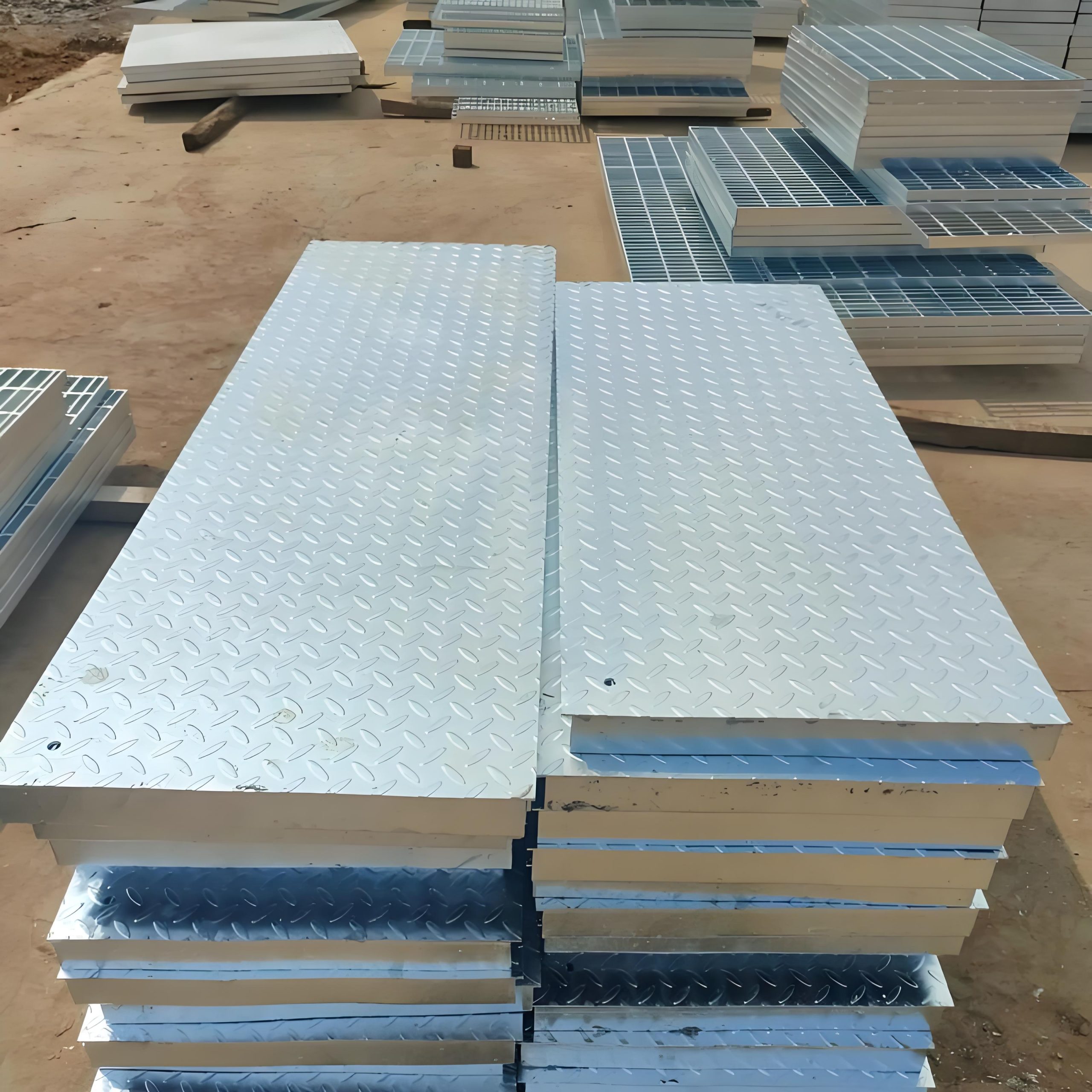
Steel trench cover plates are used to cover drainage channels, cable trenches, industrial floor trenches, utility openings, maintenance pits, and vehi…
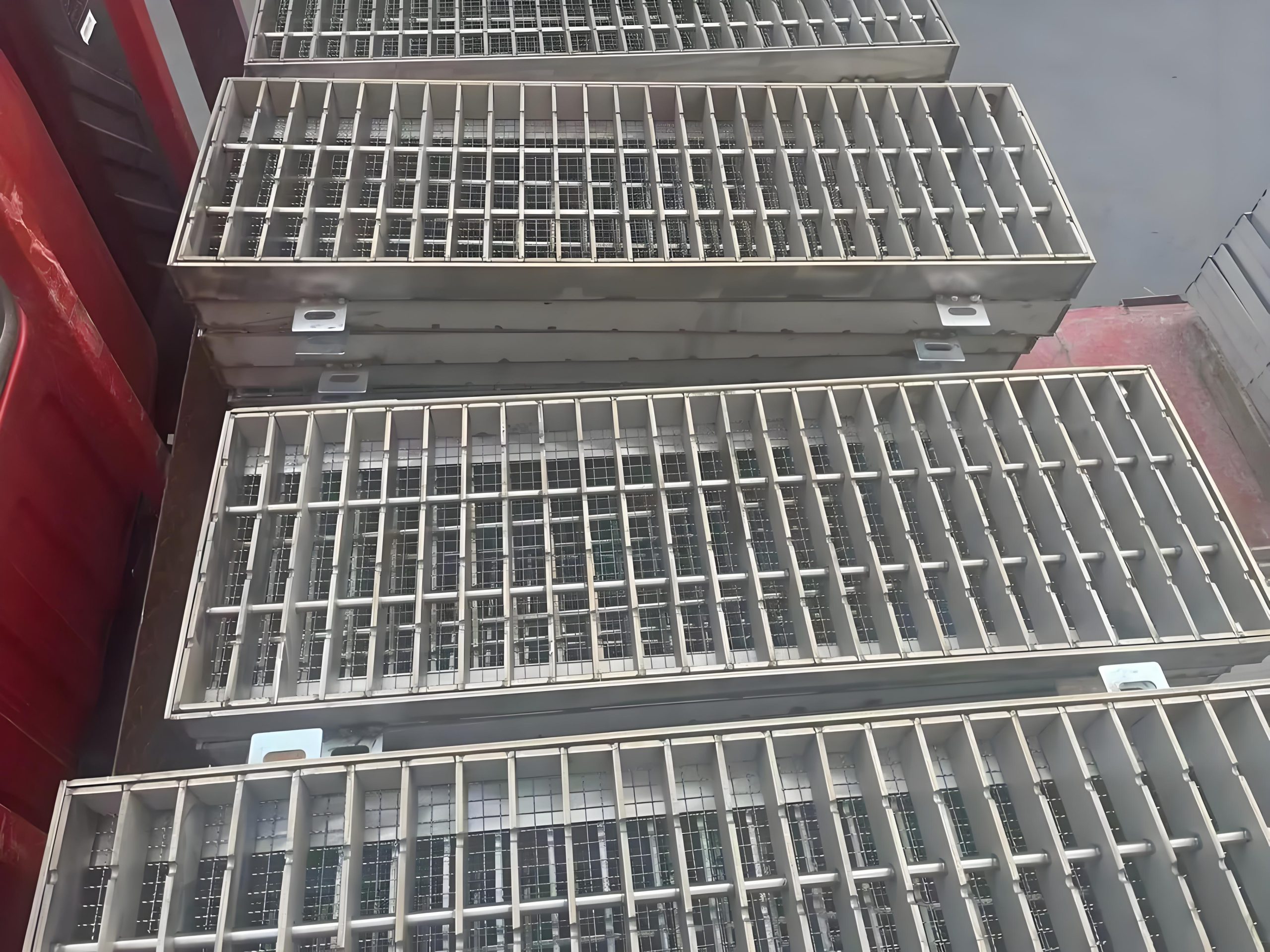
Steel trench cover plates are used to cover drainage channels, cable trenches, industrial floor trenches, utility openings, maintenance pits, and vehicle access trenches. For most projects, the main concern is not only covering the trench, but also making sure the cover plate can support the required load, provide a safe walking or driving surface, resist corrosion, allow maintenance access, and fit the trench structure accurately. Depending on the project, steel trench cover plates can be made from steel grating, chequered plate, solid steel plate, hot-dip galvanized steel, stainless steel, or custom fabricated steel structures with frames and reinforcement.
Steel trench cover plates are widely used in construction, industrial plants, workshops, warehouses, municipal drainage systems, power stations, substations, water treatment facilities, commercial buildings, and outdoor utility projects. A trench may be designed for water drainage, cable protection, pipe access, machine foundation service, or maintenance inspection. Once the trench is open, it needs a strong and safe cover system to prevent falling hazards, protect the trench contents, and allow people, carts, forklifts, or vehicles to pass over it.
A steel trench cover plate is not a single fixed product. It can be an open steel grating panel for drainage, a chequered plate cover for cable trenches, a solid steel plate for heavy-duty access, or a fabricated assembly with angle frames, lifting holes, stiffeners, and anti-slip surfaces. The correct design depends on trench width, support condition, loading requirement, surface environment, corrosion exposure, and how often the trench needs to be opened for inspection.
For drainage projects, the cover plate usually needs enough open area to allow water to flow into the channel. Steel grating trench covers are commonly used because they combine drainage performance with structural strength. For cable trenches, a closed surface is often preferred to protect cables from impact, dust, debris, and accidental contact. In this case, chequered steel plate or solid steel plate covers are more suitable. For industrial projects, cover plates may need to resist forklift traffic, pallet trucks, maintenance equipment, oil, water, chemical exposure, and repeated impact.
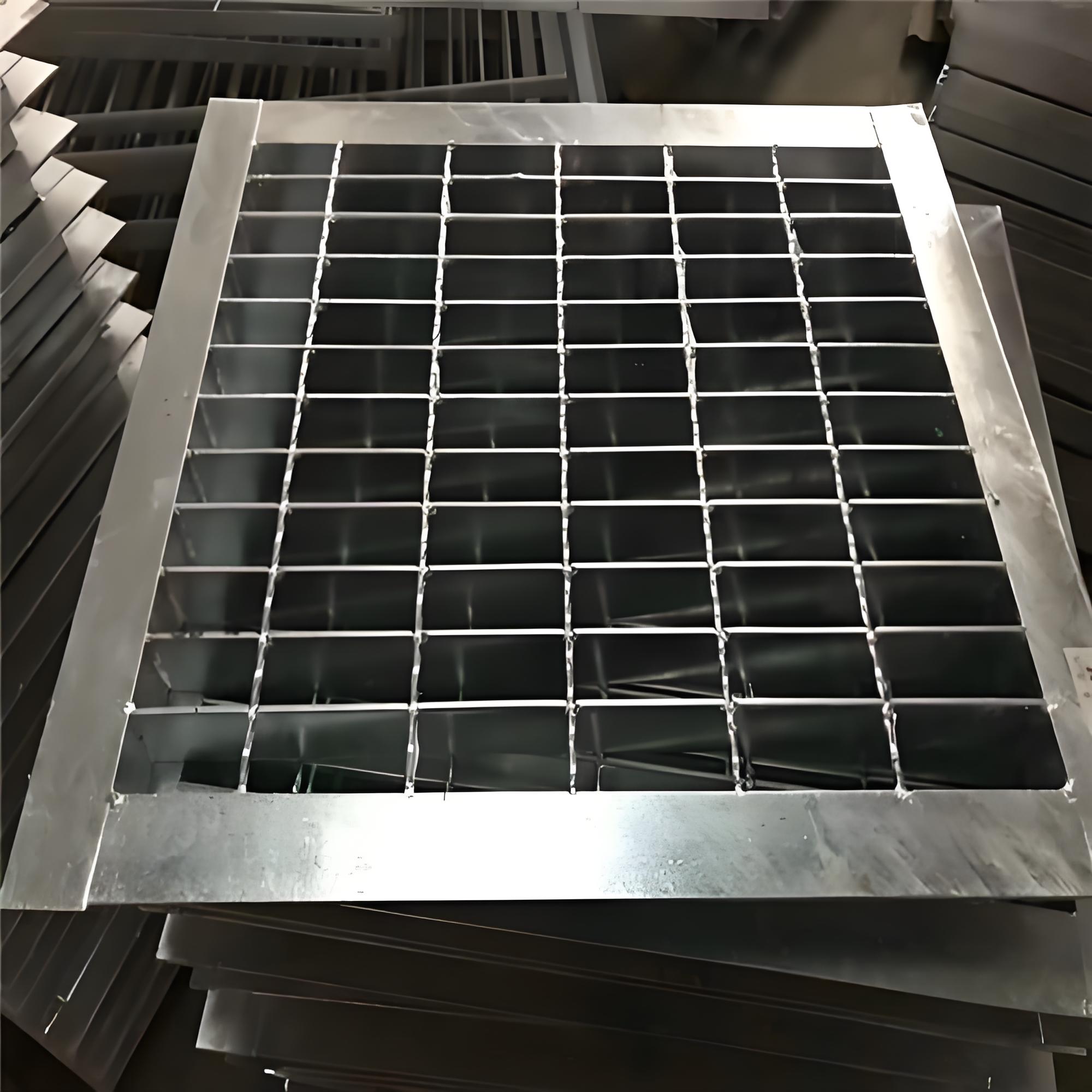
From a factory supply point of view, the most important information for steel trench cover plates includes trench clear width, trench length, load requirement, indoor or outdoor use, material grade, surface treatment, installation method, and whether frames are required. Anping County Chuansen Silk Screen Products Co., Ltd. can produce steel trench cover plates according to project drawings, trench dimensions, bearing requirements, and different installation environments.
Steel trench cover plates are selected according to application conditions. A light-duty pedestrian trench cover is different from a heavy-duty trench cover used under forklifts or trucks. A drainage trench cover is also different from a cable trench cover because the drainage cover needs water flow, while the cable cover usually needs protection and closure.
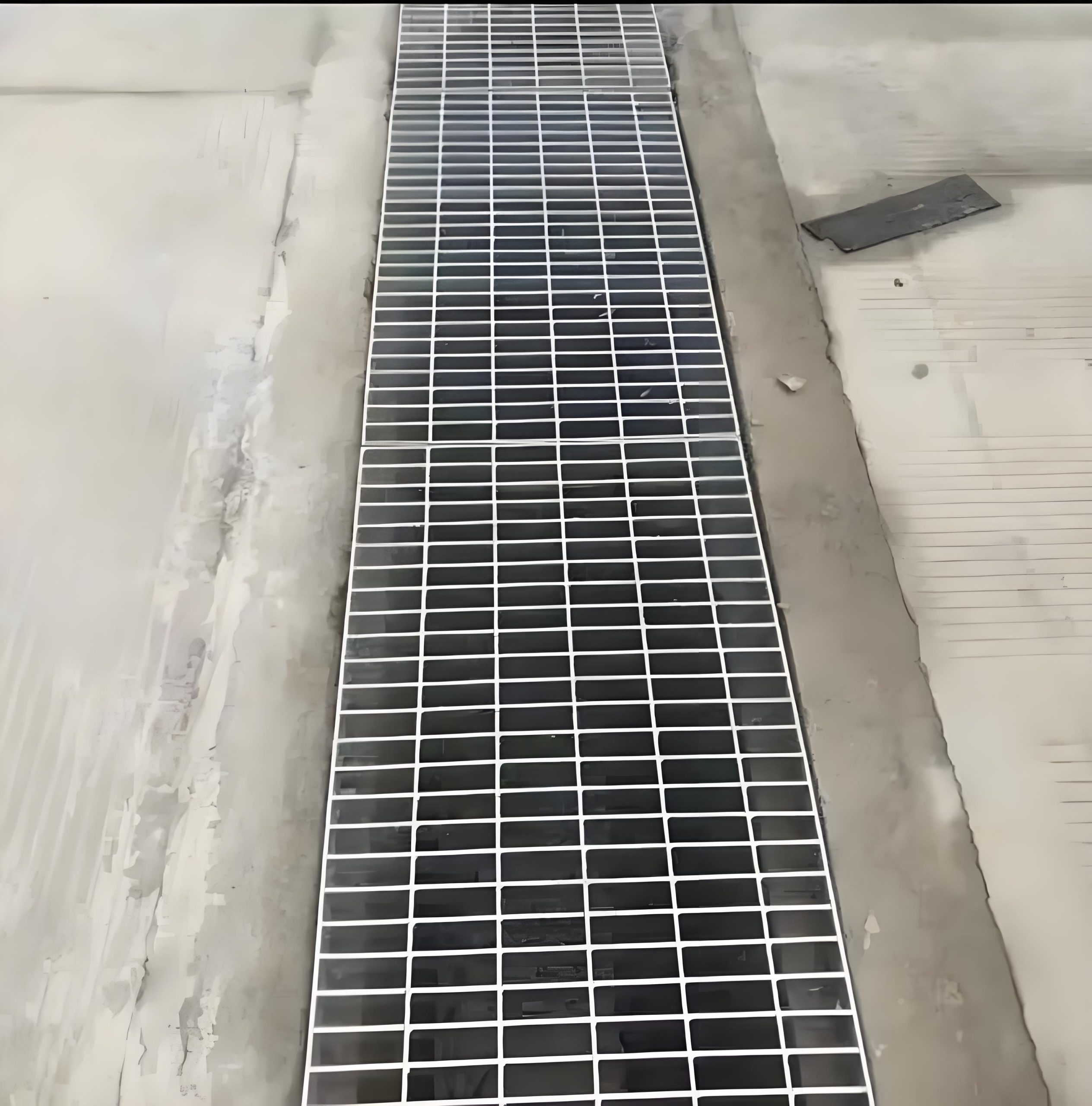
Drainage channels are one of the most common applications for steel trench cover plates. These covers are installed over channels in factories, parking areas, roads, workshops, food processing plants, warehouses, water treatment facilities, and outdoor yards. For drainage use, steel grating trench covers are usually preferred because the open grid allows water to enter the trench quickly. The bearing bars carry the load, while the open spaces prevent water from remaining on the surface.
In outdoor drainage projects, corrosion resistance is very important. Rainwater, humidity, soil moisture, wastewater, and cleaning chemicals may accelerate rust on untreated steel. For this reason, hot-dip galvanized steel trench cover plates are commonly used for long-term outdoor service. If the environment is highly corrosive, such as coastal areas or chemical plants, stainless steel trench cover plates may be considered.
Cable trenches are widely used in power plants, substations, factories, data centers, railway projects, and industrial facilities. The trench protects electrical cables, control cables, communication lines, and other service lines. The cover plate must protect the cable system while allowing maintenance workers to open the trench when inspection or repair is needed.
For cable trench cover plates, chequered steel plate and solid steel plate are common options. A closed cover prevents tools, dust, stones, water spray, and other objects from falling into the trench. Chequered plate also provides a raised anti-slip surface, which is helpful when the trench is located in walkways or operating areas. In some projects, covers are divided into short removable sections so workers can lift only the required part of the trench.
Industrial floors often include trenches for drainage, oil collection, pipelines, cables, wastewater, machine service lines, or maintenance access. In these areas, steel trench cover plates must handle real working conditions, not only static load. Workers may walk over the covers every day. Pallet trucks, tool carts, forklifts, or cleaning machines may also pass over them repeatedly.
For industrial floor trenches, the cover plate should be selected according to both load and working environment. If the area is dry and used only by workers, a lighter-duty chequered plate or steel grating cover may be enough. If forklifts pass over the trench, the cover plate may need thicker material, reinforcement ribs, heavier bearing bars, welded frames, and secure seating. If oil, water, or dust is present, anti-slip design becomes a priority.
Warehouses and loading areas often have forklifts, pallet trucks, trolleys, and delivery vehicles. These loads are different from normal pedestrian loading because wheels create concentrated pressure on a small contact area. A cover plate that looks thick may still bend if the span is too wide or the support edge is too narrow.
In forklift areas, steel trench cover plates should be designed with sufficient stiffness. Heavy-duty steel grating, reinforced chequered plate, or solid steel covers with bottom stiffeners are commonly used. The frame should also be strong enough to support repeated wheel impact. If the cover is not stable, it may make noise, move during traffic, or create an uneven floor surface.
Steel trench cover plates are also used in sidewalks, public drainage channels, utility corridors, road edges, parks, commercial buildings, and municipal maintenance areas. These projects often require stable installation, good surface finish, corrosion resistance, and convenient access for inspection. In public areas, anti-theft locks, recessed lifting holes, flush installation, and safe edge treatment may be required.
Different steel trench cover plate structures are used for different working conditions. The three most common options are steel grating trench covers, chequered plate trench covers, and solid steel trench cover plates. Each option has its own advantages and limitations.
| Cover Type | Main Feature | Suitable Applications | Selection Notes |
| Steel Grating Trench Cover | Open grid structure with bearing bars and cross bars | Drainage channels, outdoor trenches, industrial floors, walkways | Good drainage and ventilation; bearing bar size must match the load |
| Chequered Plate Trench Cover | Closed steel plate with raised anti-slip pattern | Cable trenches, indoor walkways, inspection channels, factory floors | Provides a closed surface and better cable protection |
| Solid Steel Plate Cover | Flat or reinforced closed steel plate | Heavy-duty trenches, equipment pits, vehicle areas, utility covers | Can be reinforced with stiffeners for higher load capacity |
| Framed Steel Trench Cover | Cover plate supplied with support frame or angle frame | Permanent trench systems, concrete channels, vehicle traffic areas | Improves seating, stability, edge protection, and installation accuracy |
Steel grating trench covers are made from bearing bars and cross bars. The bearing bars carry the main load, while the cross bars hold the structure together and provide lateral stability. This type of cover is commonly used for drainage channels because the open grid allows water to pass through easily. It also reduces the weight of the cover, making installation and removal easier compared with solid plates of similar size.
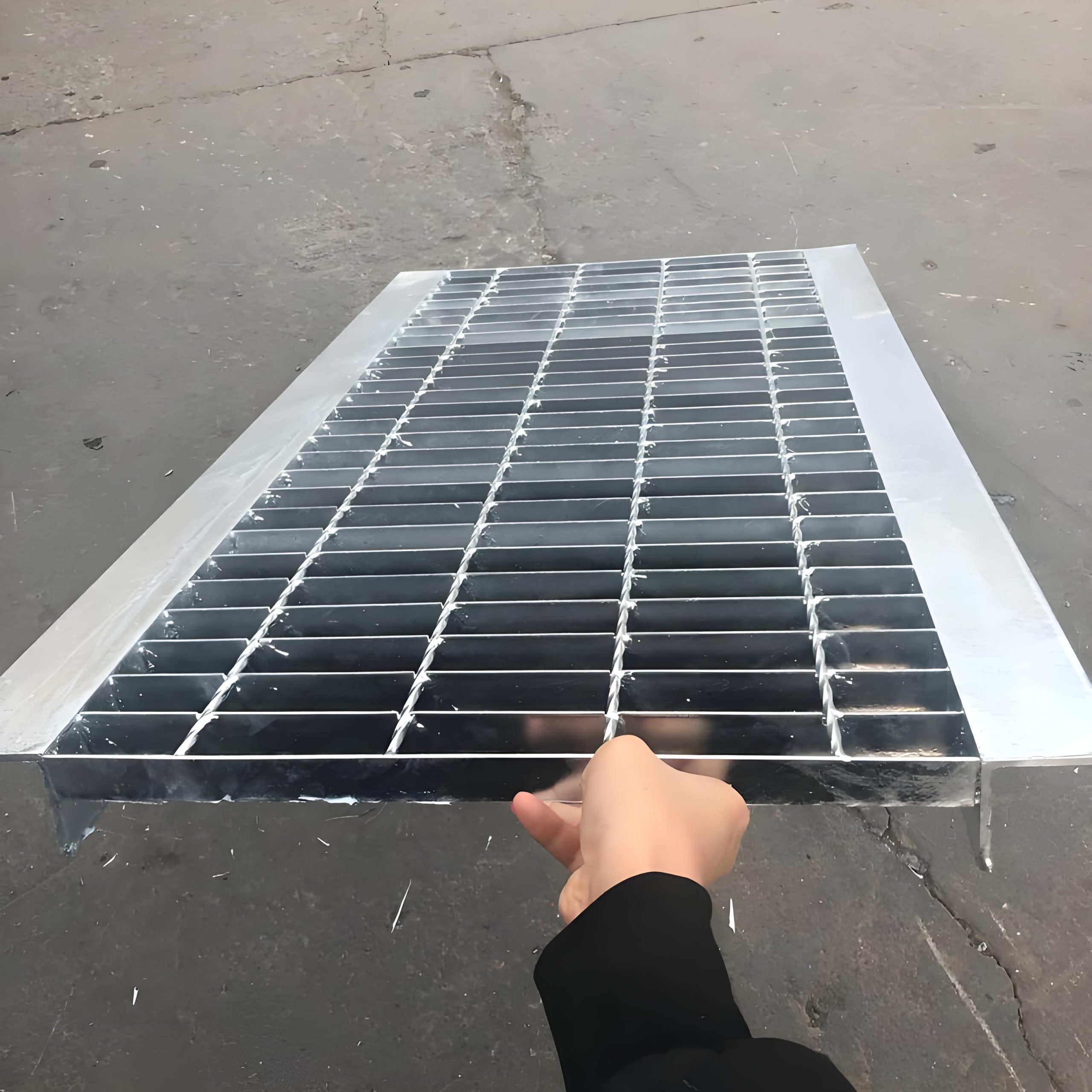
Steel grating covers can be plain or serrated. Plain steel grating is suitable for dry or general areas, while serrated steel grating provides better slip resistance in wet, oily, or muddy environments. For outdoor drainage channels, hot-dip galvanized steel grating trench covers are widely used because they provide both open drainage and corrosion protection.
Chequered plate trench covers are made from steel plates with raised patterns on the surface. The pattern improves friction and reduces slipping compared with smooth steel. These covers are often selected for cable trenches, inspection channels, workshops, machine rooms, pedestrian areas, and factory walkways where a closed surface is required.
The main advantage of chequered plate trench covers is that they prevent objects from falling into the trench. This is important for cable protection and clean working areas. The surface also looks more continuous than steel grating, which may be preferred in some indoor industrial floors. However, chequered plate does not naturally allow water drainage unless drainage holes, slots, or side gaps are added.
Solid steel trench cover plates are used when the trench needs full coverage, high impact resistance, or custom reinforcement. They can be made from flat steel plate or fabricated with bottom ribs, edge bars, support angles, handles, locking points, and lifting holes. Solid steel covers are often used in heavy-duty areas where the trench must be protected from wheel loads or falling objects.
For wide trenches, solid steel plates often need reinforcement because increasing thickness alone may make the plate too heavy and difficult to handle. Bottom stiffeners can improve bending resistance without making the whole panel excessively thick. For vehicle areas, the design should consider wheel load, span, support edge, and repeated impact.
The material affects strength, corrosion resistance, service life, appearance, maintenance, and cost. Carbon steel is common for general industrial use. Hot-dip galvanized steel is widely used outdoors. Stainless steel is selected for corrosive, hygienic, or coastal environments. The correct material should match both the load and the environment.
| Material | Main Advantage | Common Use | Important Notes |
| Carbon Steel | Strong, economical, easy to cut and weld | Indoor trenches, dry workshops, general industrial floors | Needs painting or galvanizing if exposed to moisture |
| Hot-Dip Galvanized Steel | Good corrosion resistance for outdoor use | Drainage channels, outdoor utility trenches, municipal projects | Common choice for long-term outdoor trench cover plates |
| Stainless Steel 304 | Good corrosion resistance and clean appearance | Food plants, clean workshops, indoor wet areas | Suitable for many general corrosive environments |
| Stainless Steel 316 | Better resistance to chloride and chemical corrosion | Coastal projects, chemical plants, marine environments | Higher cost but better corrosion performance |
| Painted Steel | Lower initial cost and flexible color options | Indoor areas and low-corrosion environments | Paint may need maintenance after scratching or impact |
Carbon steel is the most widely used material for steel trench cover plates because it offers good strength, easy fabrication, and competitive cost. It can be cut, welded, drilled, reinforced, and fabricated into different shapes. Carbon steel covers are suitable for dry indoor areas, general industrial floors, temporary trenches, and projects where the cover will receive paint or galvanizing after fabrication.
The limitation of carbon steel is corrosion. If carbon steel is used outdoors or in wet areas without proper surface protection, rust may appear quickly. For this reason, bare carbon steel is not recommended for long-term outdoor trench cover applications unless the buyer accepts regular maintenance.
Hot-dip galvanized steel is one of the most practical choices for outdoor steel trench cover plates. The zinc coating helps protect the steel from rain, humidity, and normal atmospheric corrosion. It is commonly used for drainage channels, factory yards, public utility trenches, outdoor walkways, wastewater areas, and road-side trenches.
For fabricated trench covers, the usual process is cutting, welding, drilling, edge reinforcement, and then hot-dip galvanizing. This helps protect the welded areas and cut edges. If cutting or welding is done after galvanizing, the damaged area should be repaired with suitable zinc-rich coating to reduce corrosion risk.
Stainless steel trench cover plates are selected when corrosion resistance, hygiene, or appearance is more important. Stainless steel 304 is suitable for many food processing plants, clean workshops, indoor wet areas, and commercial projects. Stainless steel 316 is recommended for coastal areas, marine environments, chemical plants, and locations exposed to chloride or more aggressive corrosion conditions.
Stainless steel trench covers are more expensive than carbon steel or galvanized steel, but they may reduce long-term maintenance in harsh environments. For projects where rust contamination is not acceptable, stainless steel is often a better choice.
Load capacity is one of the most important factors when selecting steel trench cover plates. Buyers should not choose a cover only by thickness or price. The correct load design depends on the trench span, support condition, traffic type, wheel load, impact, and frequency of use.
| Use Area | Typical Load | Possible Cover Option | Design Focus |
| Pedestrian Area | Workers and foot traffic | Light-duty steel grating or chequered plate | Safe walking surface and anti-slip performance |
| Maintenance Walkway | Workers with tools and small equipment | Medium-duty grating or chequered plate | Stiffness, stability, and removable sections |
| Pallet Truck Area | Small wheels and concentrated load | Reinforced plate or stronger grating | Wheel load and local bending resistance |
| Forklift Area | Heavy wheel load and repeated traffic | Heavy-duty grating or reinforced steel plate | High stiffness, frame support, and impact resistance |
| Vehicle Area | Cars, vans, trucks, or service vehicles | Heavy-duty steel cover with frame | Span design, support edge, and dynamic loading |
For pedestrian areas, the cover plate must provide a safe walking surface and enough strength to prevent visible bending. Light-duty steel grating, chequered plate, or solid steel plate may be used depending on whether drainage is required. Anti-slip performance and flush installation are important because the cover is part of the walking surface.
Small wheels can create higher local pressure than normal walking. A pallet truck may not look heavy compared with a forklift, but its small wheels concentrate the load on a narrow area. If the plate is too thin or the span is too wide, local bending may occur. For this reason, cover plates used in cart routes should have enough stiffness and stable support.
Forklift areas require careful design. Forklift wheels create heavy concentrated loads, and the cover plate receives repeated impact when forklifts pass over the trench. The cover may also be exposed to turning, braking, vibration, and uneven loading. Heavy-duty steel grating, reinforced chequered plate, or thick steel covers with bottom ribs are commonly used in these applications.
For forklift trench covers, the support frame is just as important as the cover plate itself. If the frame is weak or the seating surface is narrow, the cover may move or deform. A stable frame helps transfer the wheel load to the trench wall or concrete structure.
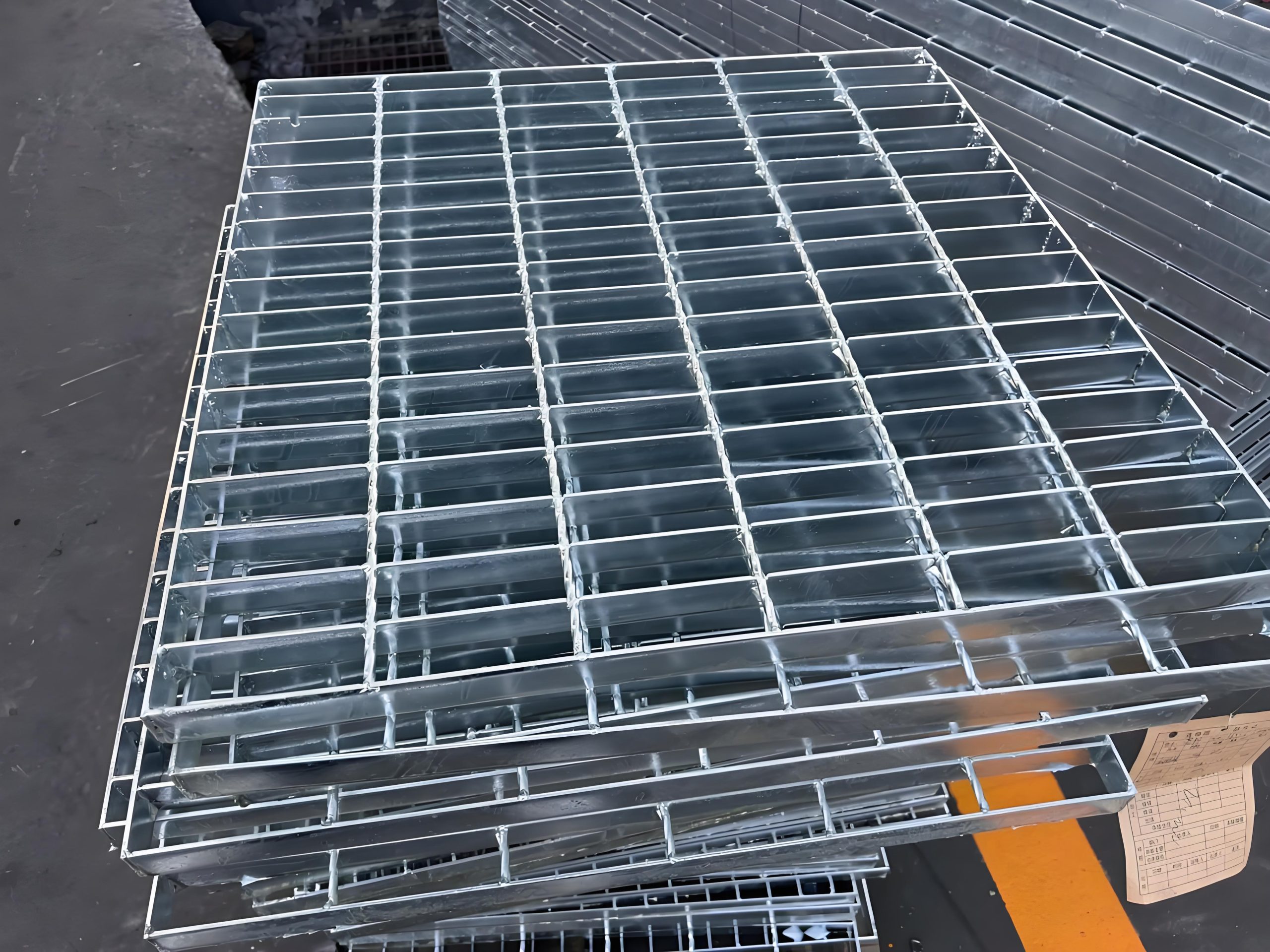
For vehicle access areas, loading docks, roads, parking areas, and industrial yards, steel trench cover plates should be designed for moving wheel loads. The design should consider the maximum vehicle type, wheel position, trench span, support width, and possible impact. If trucks or heavy vehicles pass over the trench, a simple flat plate is usually not enough unless it is properly reinforced.
Plate thickness must be selected together with trench width and support design. Many buyers ask for a certain thickness first, but thickness alone does not decide whether the cover is safe. A 6 mm plate over a narrow trench may work for light pedestrian use, but the same 6 mm plate over a wide trench may bend. The wider the unsupported span, the stronger the cover needs to be.
Trench width is the clear opening that the cover must bridge. This is one of the most important dimensions. When the trench width increases, bending stress and deflection increase. For wider trenches, the cover may need thicker plate, deeper bearing bars, closer spacing, or welded reinforcement. If the trench is very wide, intermediate support may be needed.
The support edge is the part of the trench wall, frame, or angle steel that holds the cover. If the support edge is too narrow, uneven, or weak, the cover may not sit properly. This can cause movement, noise, or unsafe gaps. For permanent installations, steel angle frames are often used to create a stable seating surface.
Long trench systems are usually divided into several cover sections. Shorter panels are easier to lift, transport, install, remove, and replace. For maintenance trenches, removable sections are more practical than one long cover plate. The panel length should be selected according to handling weight, trench layout, and inspection frequency.
For solid or chequered steel trench covers, increasing thickness improves strength but also increases weight. In many heavy-duty applications, welded reinforcement ribs are more efficient than simply using a very thick plate. Reinforcement can improve stiffness while keeping the cover manageable. For steel grating trench covers, the bearing bar height and thickness are the main factors controlling load capacity.
| Design Factor | Why It Matters | What to Confirm Before Order |
| Clear Trench Width | Controls the unsupported span | Measure the actual inside opening of the trench |
| Support Width | Affects seating stability | Confirm ledge width, frame size, or angle support |
| Load Type | Different loads need different structures | Pedestrian, pallet truck, forklift, car, or truck |
| Panel Size | Affects handling and installation | Decide whether covers should be divided into sections |
| Surface Treatment | Affects corrosion resistance | Painted, galvanized, or stainless steel |
Anti-slip performance is important for steel trench cover plates, especially in wet, oily, dusty, outdoor, or industrial environments. A trench cover is often part of the walking or driving surface. If the surface becomes slippery, it can create safety risks for workers and equipment operators.
Chequered plate provides a raised pattern that improves friction compared with smooth steel plate. It is a common choice for cable trenches, indoor walkways, factory floors, inspection channels, and maintenance covers. The raised pattern helps workers walk more safely, especially when the area is slightly wet or dusty.
Serrated steel grating is suitable for drainage channels and industrial areas where the surface may be wet, oily, or muddy. The serrated bearing bars provide extra grip. This makes serrated steel grating trench covers suitable for wastewater treatment plants, food processing areas, chemical plants, outdoor platforms, and factory drainage systems.
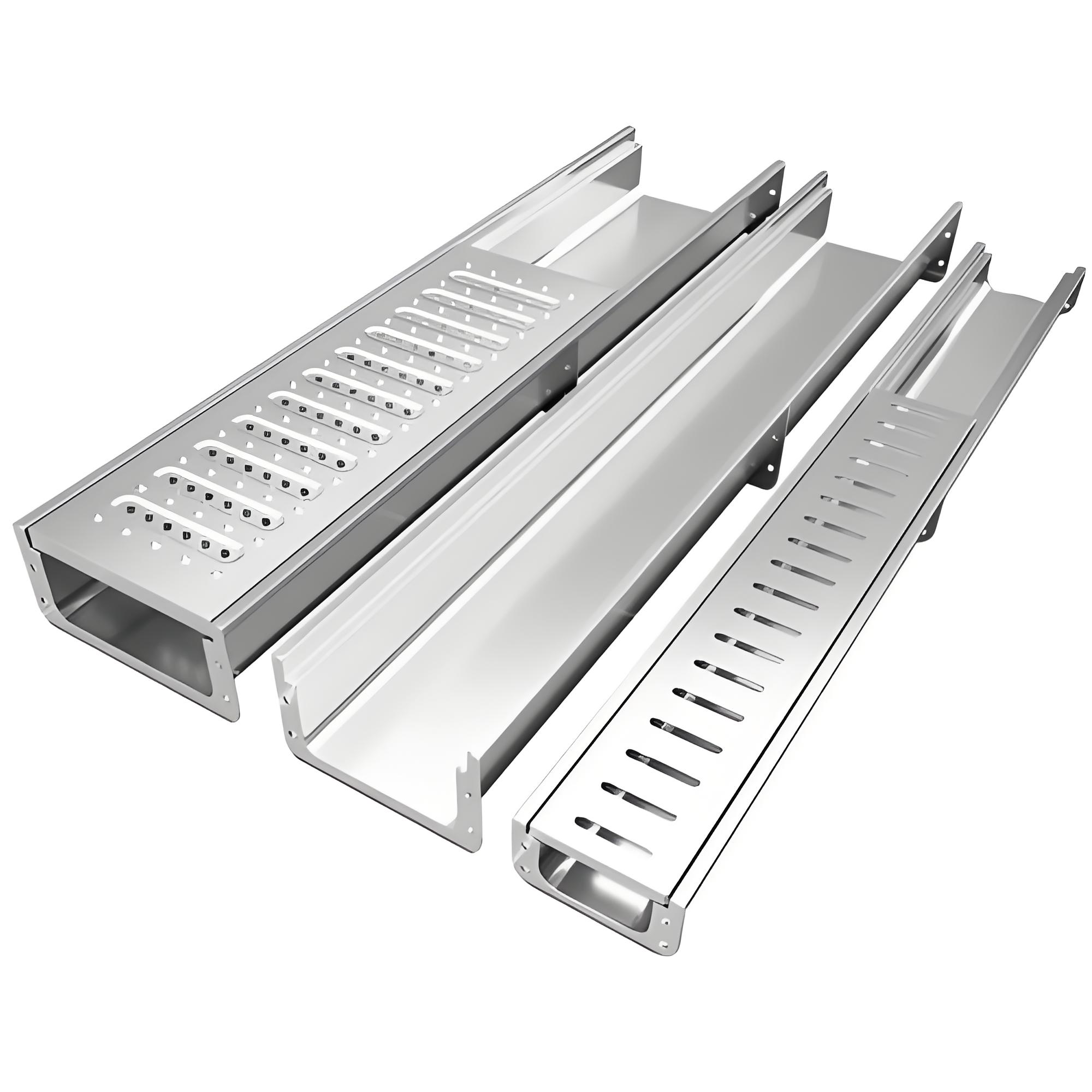
If a closed chequered plate or solid plate is used over a drainage trench, holes or slots may be required to allow water to pass through. These openings should be designed carefully. Too few openings may reduce drainage efficiency, while too many openings may reduce plate strength or create unsafe gaps. The size and spacing of drainage openings should match the project requirements.
Anti-slip safety is not only about the top surface. The edges of the cover plate should also be properly finished. Sharp corners, burrs, uneven welding, and raised edges may cause injury or tripping hazards. Edge banding, grinding, and dimensional control help improve both safety and appearance.
Hot-dip galvanized steel trench cover plates are widely used for outdoor projects because they provide better corrosion resistance than untreated carbon steel. Outdoor trench covers may be exposed to rain, humidity, water flow, soil moisture, sunlight, temperature changes, and industrial pollution. Without surface protection, carbon steel may rust quickly and require frequent maintenance.
Hot-dip galvanizing forms a zinc coating on the steel surface. This coating helps protect the base steel from corrosion. For drainage channels and outdoor utility trenches, galvanized steel trench cover plates are often a practical balance between strength, durability, and cost.
Galvanized steel trench cover plates are commonly used in industrial yards, drainage systems, sidewalks, parking areas, loading docks, municipal utility trenches, water treatment plants, outdoor platforms, and factory access areas. They are especially common for steel grating trench covers because the open grid structure has many edges and welded points that need corrosion protection.
For custom fabricated trench covers, cutting, welding, drilling, banding, reinforcement, and frame fabrication are usually completed before hot-dip galvanizing. This allows the zinc coating to cover the finished product, including welded areas and cut edges. If additional cutting or welding is done after galvanizing, the affected areas should be repaired to maintain corrosion protection.
Hot-dip galvanized steel may show zinc spangles, slight color differences, rough areas around welds, or small drainage marks. These are common features of galvanized steel and do not usually affect function. For projects with strict appearance requirements, the expected surface standard should be confirmed before production.
Many steel trench cover plates are custom products because trench dimensions are rarely the same from one project to another. The cover plate must match the clear trench width, total trench length, support edge, installation depth, and load condition. Custom fabrication allows the cover to fit the site properly and perform safely.
Custom steel trench cover plates can be produced according to drawings or site measurements. The buyer should provide the trench opening size, cover panel length, support frame details, load requirement, surface treatment, and any special openings. For long trench systems, the covers are usually divided into multiple pieces for easier lifting and maintenance.
Some trench covers require special cutting for pipes, columns, wall corners, drainage outlets, cable entries, bolts, or equipment foundations. Accurate cutting improves installation efficiency and reduces on-site modification. If the cover needs lifting holes or hand holes, these should also be marked on the drawing.
Welding is used for edge banding, frames, stiffeners, handles, hinges, locking parts, and support components. For steel grating trench covers, edge banding can improve strength and provide a clean finished edge. For solid plate covers, bottom stiffeners can improve load capacity and reduce bending.
Edge reinforcement is important when the cover plate is frequently lifted, exposed to wheel traffic, or installed in a heavy-duty area. Reinforced edges help prevent deformation and improve durability. For steel grating, banding bars protect the ends of bearing bars. For solid plates, welded flat bars or angles may be used to strengthen the perimeter.
Frames are often used when trench covers are installed in concrete channels or permanent floor systems. Angle frames provide a stable seating surface and help keep the cover flush with the surrounding floor. They also protect concrete edges from chipping under traffic. In forklift and vehicle areas, frames can greatly improve installation stability.
| Custom Feature | Purpose | Common Application |
| Custom Length and Width | Fits project trench dimensions | Drainage channels, cable trenches, factory floors |
| Edge Banding | Protects panel edges and improves strength | Steel grating trench covers |
| Bottom Stiffeners | Increases bending resistance | Wide-span or heavy-duty solid covers |
| Lifting Holes | Allows easier removal | Cable trenches and inspection covers |
| Angle Frames | Creates stable support and flush installation | Concrete trenches and permanent channels |
| Locking Devices | Prevents movement or unauthorized opening | Public areas and utility trenches |
Steel trench cover plates can be installed as removable covers or fixed covers. The right method depends on inspection needs, traffic conditions, safety requirements, and site environment. Some trenches must be opened regularly, while others only need permanent protection.
Removable covers are suitable for cable trenches, inspection pits, utility channels, drainage cleaning points, and maintenance trenches. Workers can remove one section to inspect cables, clear debris, check pipes, or repair equipment. For removable covers, panel weight should be controlled so that workers can handle the cover safely.
Removable trench cover plates may include lifting holes, recessed handles, lifting slots, or divided panel sections. If the cover is too large or too heavy, lifting equipment may be required. For frequent maintenance areas, smaller panels are usually more practical.
Fixed trench cover plates are used when the cover should not move during use. Bolts, clips, welded brackets, hinges, or locking systems may be used to secure the cover. Fixed installation is common in vehicle areas, public spaces, heavy-duty factory floors, and safety-sensitive locations.
Flush installation means the top surface of the trench cover is level with the surrounding floor. This is important for pedestrian safety, cart movement, forklift traffic, and clean floor appearance. To achieve flush installation, the cover thickness, frame height, trench depth, and floor finish must be coordinated.
If the cover plate does not sit firmly on the support edge, it may rattle when people or vehicles pass over it. Noise and movement may come from loose tolerance, uneven frames, insufficient support, or warped panels. Proper frame design, accurate fabrication, stable seating, and suitable fixing methods can reduce this problem.
Steel trench cover plates and concrete trench covers are both used in trench systems, but their performance is different. Steel covers are usually preferred when the project needs custom fabrication, lighter handling, drainage openings, frequent maintenance access, or stronger structural flexibility. Concrete covers may be suitable for simple utility trenches, but they are heavier and less convenient to remove.
| Comparison Item | Steel Trench Cover Plates | Concrete Trench Covers |
| Weight | Usually lighter and easier to handle | Heavy and often difficult to remove manually |
| Customization | Easy to cut, weld, reinforce, drill, and fabricate | Special shapes may require molds or extra casting work |
| Drainage | Steel grating allows direct water flow | Solid concrete blocks water unless openings are designed |
| Maintenance Access | Removable panels can be designed easily | Heavy covers may need lifting equipment |
| Impact Resistance | Good when reinforced and supported properly | May crack or chip under impact |
| Installation | Fast installation with prefabricated panels and frames | Heavier handling and slower replacement |
| Surface Options | Grating, chequered plate, serrated surface, galvanized finish | Limited surface design compared with steel fabrication |
For drainage channels, steel grating trench covers usually perform better because they allow water to pass through the surface directly. For cable trenches, chequered steel plates are easier to remove and reinstall than heavy concrete covers. For industrial areas, steel covers can be reinforced according to forklift or vehicle load requirements. For maintenance projects, steel covers are more convenient because one damaged section can be replaced without affecting the whole trench system.
Concrete trench covers still have their place in some low-maintenance utility trenches, but they are less flexible when the trench size is irregular or frequent inspection is required. If a project needs custom size, anti-slip surface, galvanized finish, lifting holes, frames, or heavy-duty reinforcement, steel trench cover plates are usually the more practical option.
A good trench cover design should support the daily function of the trench system. Drainage, inspection, and maintenance should be considered before production, not after installation. If the cover is difficult to remove or blocks drainage, it may create problems during long-term use.
For drainage trenches, water flow is the first requirement. Steel grating trench covers are commonly used because they provide open area across the surface. The open grid allows rainwater, wash water, or process water to enter the channel quickly. If a solid cover is required, drainage holes or slots may be added, but their size and spacing should be designed carefully.
Cable trenches, utility trenches, and maintenance channels need regular inspection. Removable steel trench cover plates make inspection easier. Workers can lift only one panel instead of opening a large section. If the project includes many covers, marking or numbering the panels can help workers reinstall them correctly.
Drainage channels often collect leaves, sand, mud, metal chips, stones, and industrial waste. If the covers are too heavy or difficult to remove, cleaning may not be done regularly. This can reduce drainage capacity and cause water accumulation. Divided panels, lifting holes, and manageable cover weight can improve maintenance efficiency.
Outdoor and wet-area trench covers should be inspected for coating damage. Galvanized steel covers can provide good corrosion protection, but any damaged areas caused by cutting, impact, or welding should be repaired. Stainless steel covers also need cleaning in chemical or chloride environments to maintain good surface condition.
Quality control is important because steel trench cover plates are used in areas where people and equipment pass every day. A poor-quality cover may bend, rattle, rust, crack at welded points, or create unsafe edges. Reliable production should control material, dimensions, welding, reinforcement, flatness, surface treatment, and final inspection.
Strength control starts with correct material and structural design. For steel grating trench covers, the bearing bar size, bar spacing, cross bar connection, and bearing direction should match the load requirement. For chequered plate or solid plate covers, thickness, reinforcement, and support span should be checked. Heavy-duty covers should be designed according to the actual load, not only by visual appearance.
Flatness affects installation quality and daily safety. A warped cover may rock on the frame, make noise, or create a tripping point. Welding, cutting, and galvanizing can all affect flatness, so the fabrication process should be controlled carefully. For large panels, reinforcement may be required to reduce deformation.
Welding quality is important for frames, stiffeners, edge banding, handles, hinges, and locking parts. Welds should be strong, continuous where required, and free from obvious defects. Poor welding may fail after repeated lifting, forklift traffic, or impact loading.
The surface finish should match the environment. Hot-dip galvanized covers should have proper zinc coating coverage. Painted covers should have clean and even coating. Stainless steel covers should have suitable surface cleaning. Edges should be free from sharp burrs to improve handling safety.
Custom trench cover plates must fit the trench correctly. If the cover is too large, installation becomes difficult. If it is too small, it may move or leave unsafe gaps. For projects with many panels, consistent size control helps speed up installation and reduces on-site adjustment.
| Inspection Item | What to Check | Why It Matters |
| Dimensions | Length, width, thickness, opening size, frame fit | Ensures accurate installation |
| Load Design | Bearing bar size, plate thickness, reinforcement | Prevents bending and structural failure |
| Welding | Weld strength, continuity, slag removal, appearance | Improves durability and safety |
| Flatness | Panel warping, uneven edges, frame contact | Reduces noise, rocking, and trip hazards |
| Surface Treatment | Galvanizing, painting, stainless finish, coating damage | Improves corrosion resistance |
| Edge Finish | Burrs, sharp corners, banding quality | Improves safe handling and installation |
Choosing steel trench cover plates should start from the project conditions. The buyer should confirm where the cover will be installed, what load it will carry, whether drainage is needed, whether the trench needs frequent access, and what type of corrosion protection is required. A cover used for indoor cable trenches should not be selected the same way as a cover used for outdoor forklift drainage channels.
For drainage channels, steel grating trench covers are usually the first option because they allow water to flow through the surface. For cable trenches, chequered plate or solid steel plate covers are often more suitable because they protect the cable system and provide a closed floor surface. For forklift or vehicle areas, reinforced steel trench cover plates or heavy-duty grating covers should be considered. For outdoor projects, hot-dip galvanized steel is commonly recommended. For coastal, chemical, or hygienic environments, stainless steel may be more suitable.
Before asking for a quotation, buyers should prepare trench drawings or basic dimensions. Important details include clear trench width, total trench length, support edge size, cover panel length, expected load, traffic type, indoor or outdoor location, surface treatment, anti-slip requirement, and whether frames, lifting holes, locks, hinges, or reinforcement are needed.
A suitable steel trench cover plate should fit the trench accurately, support the required load, remain stable during use, provide safe surface performance, and allow convenient maintenance. When the cover is properly designed, it can reduce later problems such as bending, rattling, rusting, difficult inspection, unsafe gaps, and frequent replacement.
What thickness is used for steel trench cover plates?
The thickness depends on trench width, support condition, and load requirement. Pedestrian trench covers may use lighter steel grating or thinner chequered plate, while forklift and vehicle areas usually need thicker steel plates, heavy-duty grating, or reinforced structures. The unsupported trench span is very important because a wider trench needs a stronger cover even under the same load.
Are galvanized steel trench covers good for outdoor use?
Yes, hot-dip galvanized steel trench covers are widely used outdoors because the zinc coating helps protect the steel from rain, humidity, and general atmospheric corrosion. They are commonly used for drainage channels, outdoor utility trenches, industrial yards, municipal projects, and factory access areas. For coastal or chemical environments, stainless steel may be considered for stronger corrosion resistance.
Steel grating or chequered plate trench cover?
Steel grating trench covers are better when drainage, ventilation, and open surface design are required. Chequered plate trench covers are better when the trench needs a closed surface, cable protection, or a more continuous walking area. For drainage channels, steel grating is usually more practical. For cable trenches and inspection covers, chequered plate or solid steel plate is often preferred.
Please Feel free to give your inquiry in the form below.we will reply you in 24 hours.