
Home > Products > Trench Cover > trench cover plates
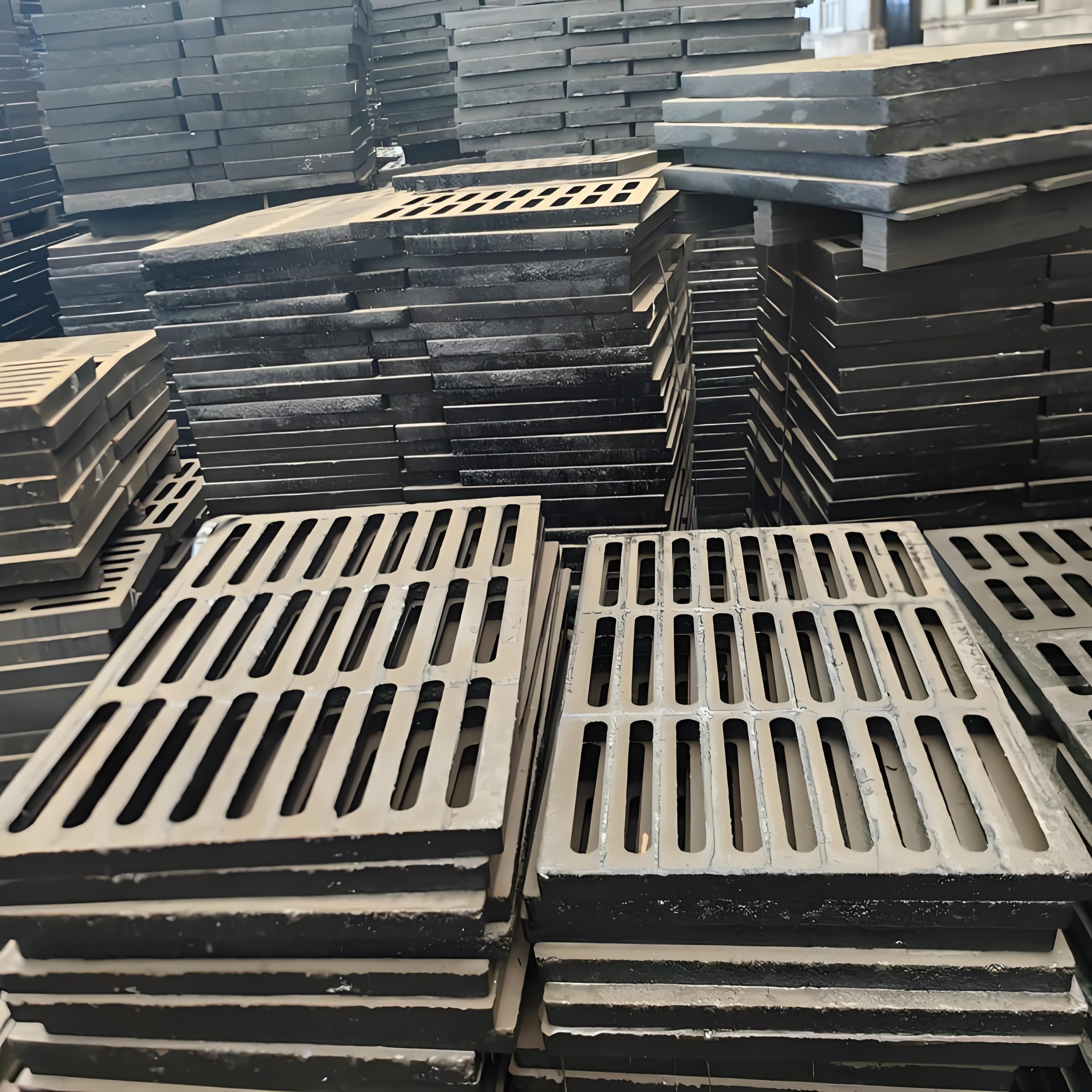
Trench cover plates are used to cover drainage trenches, cable trenches, service channels, inspection openings, utility pits, floor gutters, road drai…
Trench cover plates are used to cover drainage trenches, cable trenches, service channels, inspection openings, utility pits, floor gutters, road drainage channels, and industrial access areas. They provide a safe walking or traffic surface while allowing drainage, inspection, ventilation, or maintenance access when required. Depending on the project, trench cover plates may be made from steel grating, solid steel plate, hot-dip galvanized steel, stainless steel, cast iron, aluminum, or composite materials. For buyers, the correct trench cover plate should match the trench width, load requirement, support span, drainage needs, anti-slip surface, corrosion environment, installation method, and long-term maintenance plan.
Trench cover plates are widely used in industrial and civil projects because many sites need a safe cover over open channels. These channels may carry water, cables, pipes, wastewater, cleaning liquid, chemical drainage, or utility lines. Without a proper cover, open trenches can create trip hazards, vehicle hazards, drainage problems, and maintenance risks.
In industrial projects, trench cover plates are often installed in factories, workshops, power plants, chemical plants, water treatment facilities, warehouses, logistics yards, machinery areas, and production floors. In municipal projects, they may be used for road drains, pedestrian drainage channels, public walkways, parking areas, and utility access covers.
A trench cover plate is not only a piece of steel placed over a channel. It must transfer load safely to the trench edge or support frame. It must fit the opening correctly. It must allow water flow if drainage is required. It must be removable if the trench needs regular cleaning or inspection. It must also resist corrosion and surface wear in the actual working environment.
| Project Area | Common Trench Cover Requirement | Key Selection Point |
|---|---|---|
| Factory floor | Safe walking and cart movement over drainage or cable trenches | Load capacity, anti-slip surface, removable design |
| Outdoor drainage channel | Water flow and weather resistance | Open area, hot-dip galvanizing, support frame |
| Road or vehicle area | Vehicle load and repeated wheel pressure | Heavy-duty plate thickness, span, frame strength |
| Workshop trench | Access for cleaning, cables, pipes, or utility lines | Panel size, handles, lifting holes, edge fit |
| Municipal walkway | Pedestrian safety and drainage | Opening size, anti-slip surface, corrosion protection |
Trench cover plates can be supplied in different forms according to drainage requirement, load condition, installation method, and site environment. The most common types include steel grating trench covers, solid steel cover plates, checkered plate covers, galvanized trench covers, stainless steel trench covers, heavy-duty road drain covers, and custom fabricated trench covers.
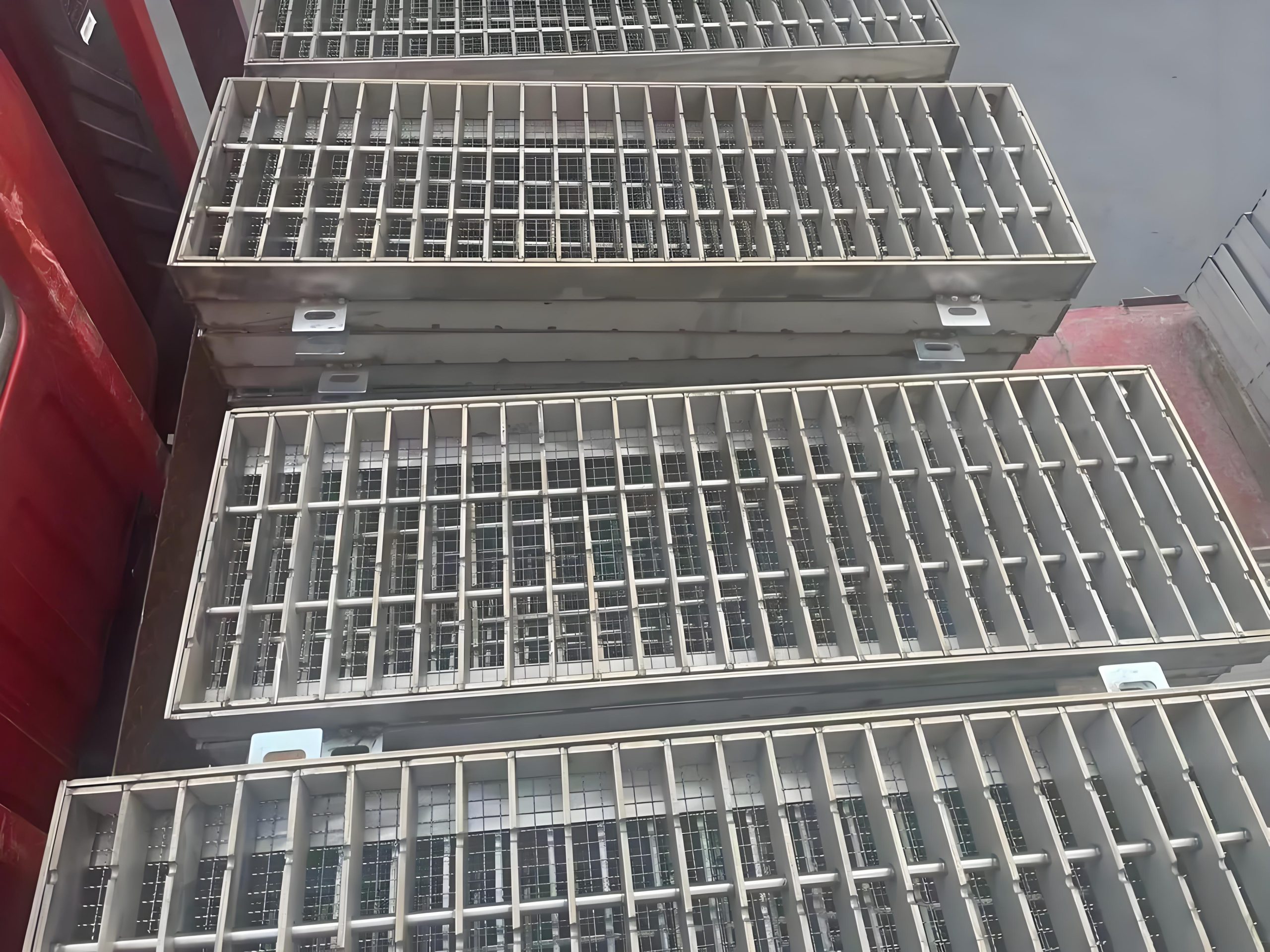
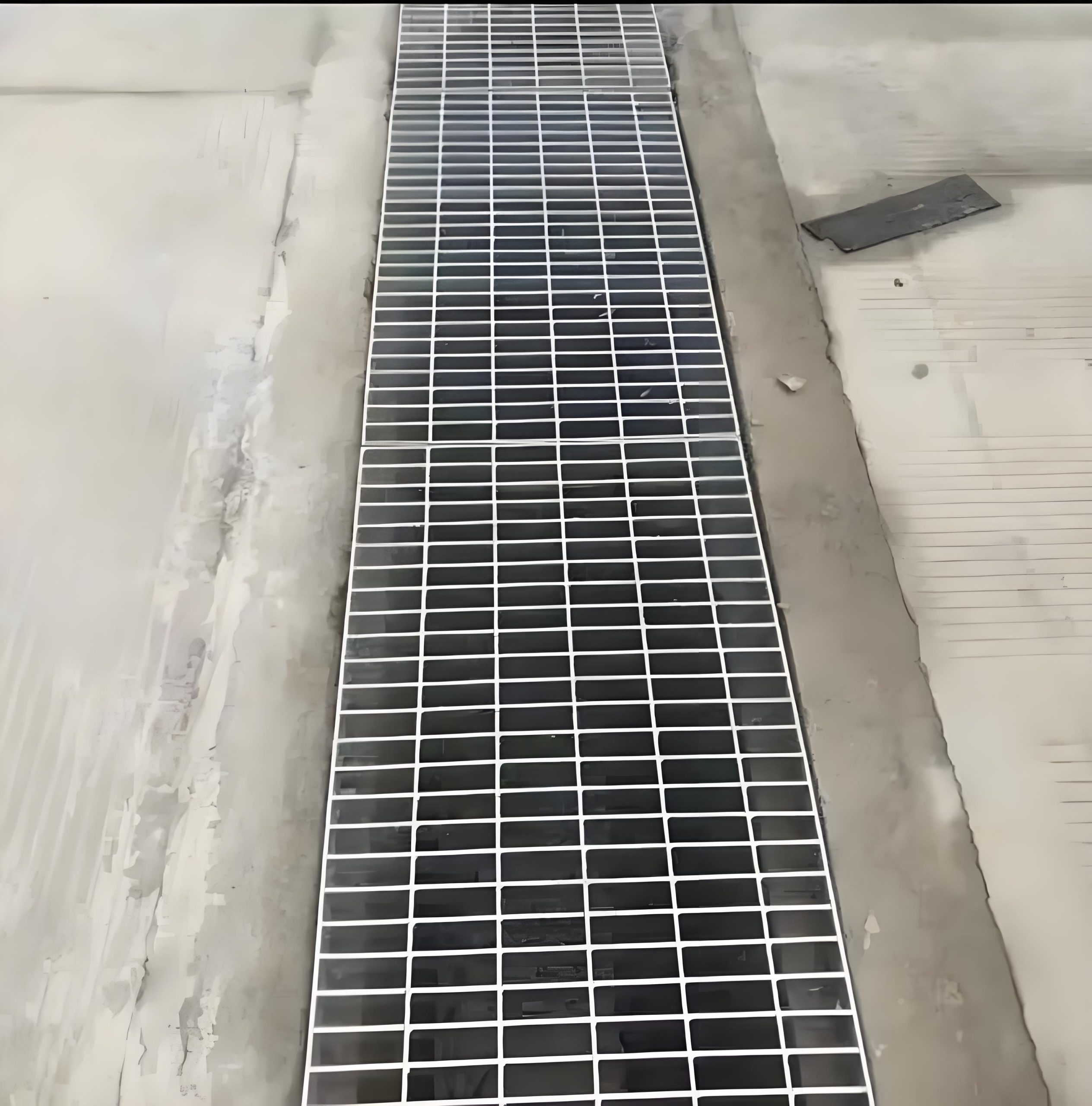
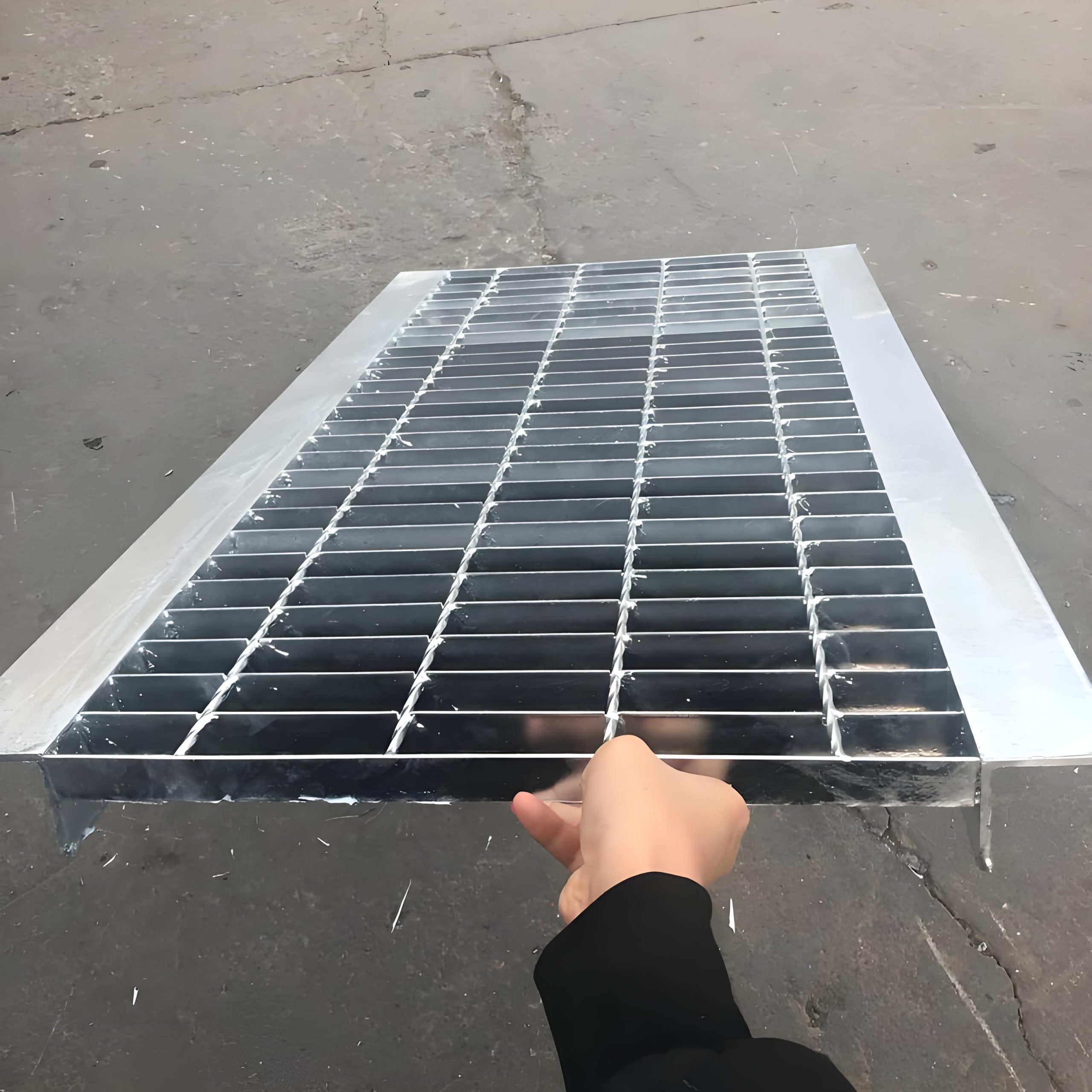
Steel grating trench cover plates are made from bearing bars and cross bars. They provide open area for drainage, ventilation, light passage, and debris fall-through. They are commonly used for drainage channels, industrial floors, outdoor platforms, water treatment plants, and workshops where water needs to pass into the trench.
Solid steel cover plates are made from steel plate without open grid. They are suitable when the trench needs to be fully covered, when small objects should not fall into the trench, or when the cover must provide a continuous surface. They are often used for cable trenches, inspection pits, machinery areas, and some vehicle zones.
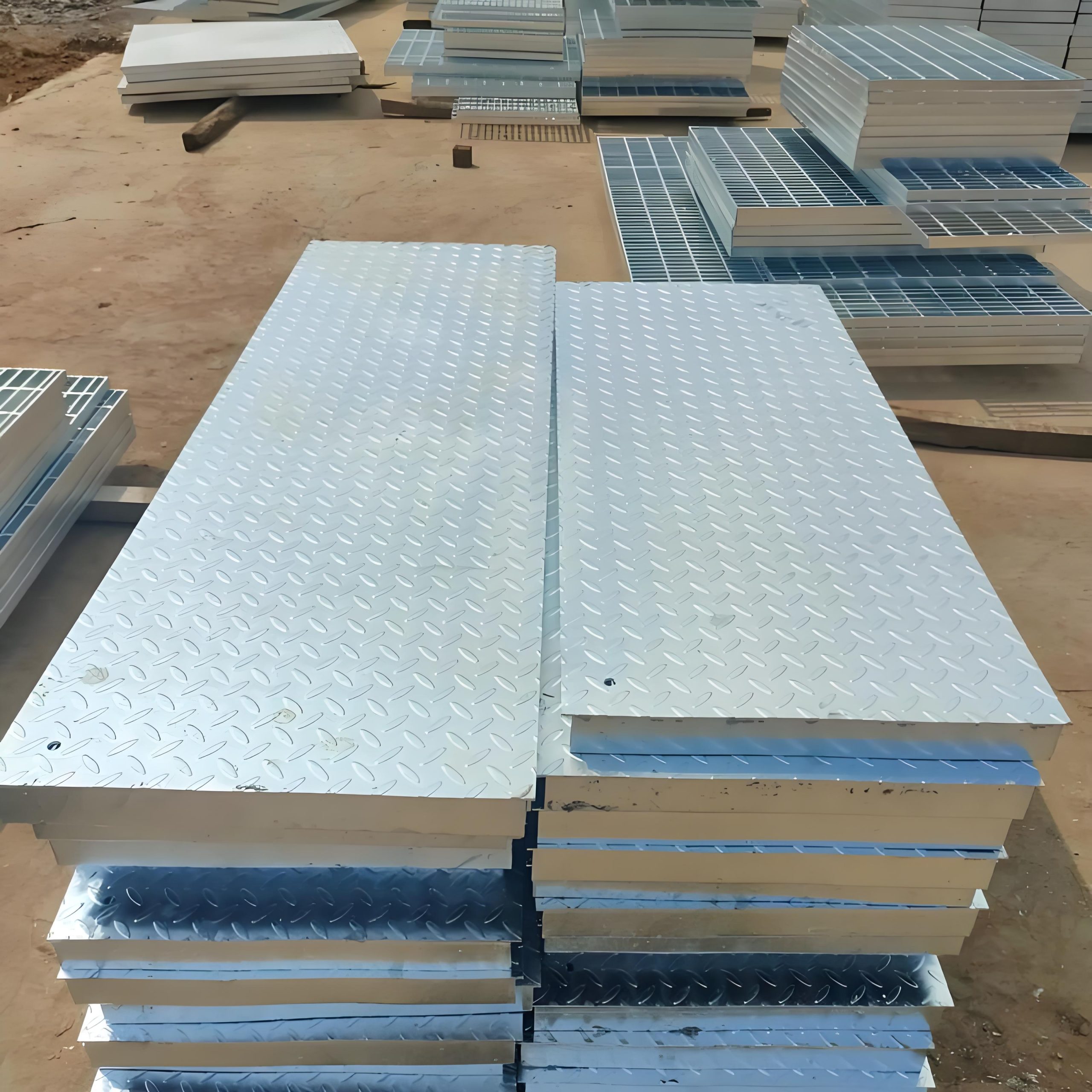
Checkered plate trench covers use raised patterns to improve foot traction. They are more slip-resistant than smooth steel plates and are commonly used in workshops, industrial floors, maintenance areas, and pedestrian access zones.
Heavy-duty trench cover plates are designed for forklifts, trucks, cars, or other vehicle loads. They may be made from heavy steel grating, thick solid steel plate, reinforced plate, or framed assemblies. The support frame is very important in these applications.
Stainless steel trench cover plates are used where corrosion resistance, hygiene, or cleaning performance is important. They are common in food plants, commercial kitchens, chemical workshops, wastewater areas, marine environments, and coastal drainage channels.
| Trench Cover Type | Main Feature | Common Application |
|---|---|---|
| Steel grating trench cover | Open grid for drainage and ventilation | Drainage channels, factories, outdoor areas |
| Solid steel cover plate | Closed surface with strong coverage | Cable trenches, service pits, machinery floors |
| Checkered plate cover | Raised anti-slip pattern | Workshops, pedestrian areas, maintenance floors |
| Heavy-duty trench cover | Designed for higher wheel loads | Road drains, forklift paths, loading areas |
| Stainless steel trench cover | Corrosion-resistant and cleanable | Food plants, chemical areas, kitchens, wastewater channels |
Steel grating trench cover plates and solid steel cover plates are both common, but they are used for different reasons. The best choice depends on whether the trench needs drainage, whether a closed surface is required, what type of load will pass over it, and how often the trench needs inspection.
Steel grating trench covers are better when drainage is important. Their open grid allows water, liquid, dust, and small debris to pass through into the channel. They are also lighter than many solid plates with the same coverage area, making them easier to remove for cleaning or inspection.
Solid steel cover plates are better when the trench must be fully closed. They prevent small tools, parts, stones, or waste from falling into the trench. They can also provide a continuous rolling surface for carts or wheels. However, they do not allow drainage unless holes, slots, or drainage gaps are added.
If the trench is mainly for water drainage, steel grating trench cover plates are usually more practical. If the trench is for cables, pipes, or inspection channels where water flow is not the main function, solid steel cover plates may be better. For vehicle areas, both types can be used, but the design must be checked according to wheel load, span, plate thickness, grating bar size, and frame strength.
| Comparison Item | Steel Grating Trench Cover Plates | Solid Steel Cover Plates |
|---|---|---|
| Drainage | Excellent water flow through open grid | Poor unless holes or slots are added |
| Weight | Usually lighter for drainage applications | Usually heavier if thick plate is required |
| Surface coverage | Open surface | Closed surface |
| Maintenance access | Easy to lift if panel size is controlled | Can be heavy and harder to remove |
| Best use | Drainage channels, wet floors, outdoor trenches | Cable trenches, service pits, machinery floors |
Material selection affects trench cover plate strength, corrosion resistance, price, service life, weight, and maintenance cost. Common material options include carbon steel, hot-dip galvanized steel, stainless steel, aluminum, cast iron, and composite materials. For industrial and drainage projects, carbon steel, galvanized steel, and stainless steel are the most common choices.
Carbon steel is strong, economical, and easy to fabricate. It is suitable for indoor industrial areas, workshops, heavy-duty covers, and projects where surface treatment can be applied. If used outdoors or in wet environments, carbon steel should usually be galvanized or painted to reduce corrosion.
Hot-dip galvanized trench covers are carbon steel covers protected by zinc coating. They are widely used outdoors because they offer good corrosion resistance at a reasonable cost. Galvanized steel grating trench covers are especially common for drainage channels and industrial floors.
Stainless steel is selected for corrosive, hygienic, wet, marine, chemical, and food processing environments. Common grades include 304, 316, and 316L. Stainless steel trench covers cost more than galvanized steel, but they can provide better long-term performance in the right environment.
Aluminum is lightweight and corrosion-resistant in many environments. It may be used for light-duty access covers, rooftop drainage covers, or areas where easy removal is important. However, load capacity must be checked carefully, especially for wheel traffic.
| Material | Main Advantage | Common Use | Buyer Note |
|---|---|---|---|
| Carbon steel | Strong and economical | Indoor trenches, workshops, heavy covers | Needs coating for wet or outdoor use |
| Hot-dip galvanized steel | Good corrosion resistance and reasonable cost | Outdoor drainage, industrial floors, municipal channels | Common choice for steel grating trench covers |
| Stainless steel | High corrosion resistance and clean surface | Food plants, kitchens, chemical areas, coastal drainage | Higher price but better for corrosive environments |
| Aluminum | Lightweight and corrosion-resistant | Light-duty access covers and rooftop drainage | Not always suitable for heavy loads |
| Cast iron | Strong for municipal and road drainage use | Road drains, public drainage systems | Heavy and less flexible for custom fabrication |
Load capacity is one of the most important factors when selecting trench cover plates. A cover used for pedestrian walkways is very different from a cover used for forklifts, cars, trucks, or loading areas. The design must consider load type, trench width, support span, cover thickness, bearing bar size, frame strength, and wheel contact area.
Pedestrian trench cover plates are used in walkways, workshops, kitchens, food plants, drainage floors, and public access zones. They must provide a stable walking surface, safe openings, anti-slip performance, and suitable corrosion resistance. The load is usually lighter than vehicle areas, but the surface must still feel firm and safe under foot.
Factories, warehouses, commercial kitchens, and food plants may use carts, trolleys, pallet jacks, or cleaning machines. These loads are more concentrated than foot traffic. The trench cover plate may need thicker material, closer spacing, stronger banding, or a reinforced frame.
Forklift and vehicle loads require careful design. Wheel loads are concentrated and can create high stress on the cover and support frame. Heavy-duty grating or thick steel plates may be needed. The trench edge or frame must also be strong enough, because a strong cover on a weak support can still fail.
For solid steel plates, thickness is important. For grating covers, bearing bar height, thickness, spacing, and direction are important. For both types, the clear span and support condition must be known before choosing the correct cover.
| Load Area | Typical Load Condition | Recommended Design Focus |
|---|---|---|
| Pedestrian area | Foot traffic and light maintenance | Walking safety, anti-slip surface, proper fit |
| Workshop floor | Workers, carts, small equipment | Cover thickness, grating bar size, support ledge |
| Warehouse trench | Trolleys, pallet jacks, occasional wheel loads | Deflection control and reinforced edges |
| Forklift area | Concentrated wheel loads and repeated traffic | Heavy-duty design, frame strength, bearing direction |
| Road or vehicle area | Cars, trucks, service vehicles | Project-specific load design and strong support frame |
Trench width, cover plate thickness, and span design are closely related. The wider the trench opening, the stronger the cover must be. For solid steel cover plates, thickness and support conditions are critical. For steel grating trench covers, bearing bar size and direction are critical.
The clear trench width is the open distance the cover must span. Buyers should provide the actual clear opening, not only the outside dimension of the trench frame. The wider the span, the greater the bending force on the cover.
The cover plate must sit on a stable support ledge or frame. If the support ledge is too narrow, uneven, or weak, the cover may rock, move, or fail under load. Proper support is especially important for vehicle areas and removable trench covers.
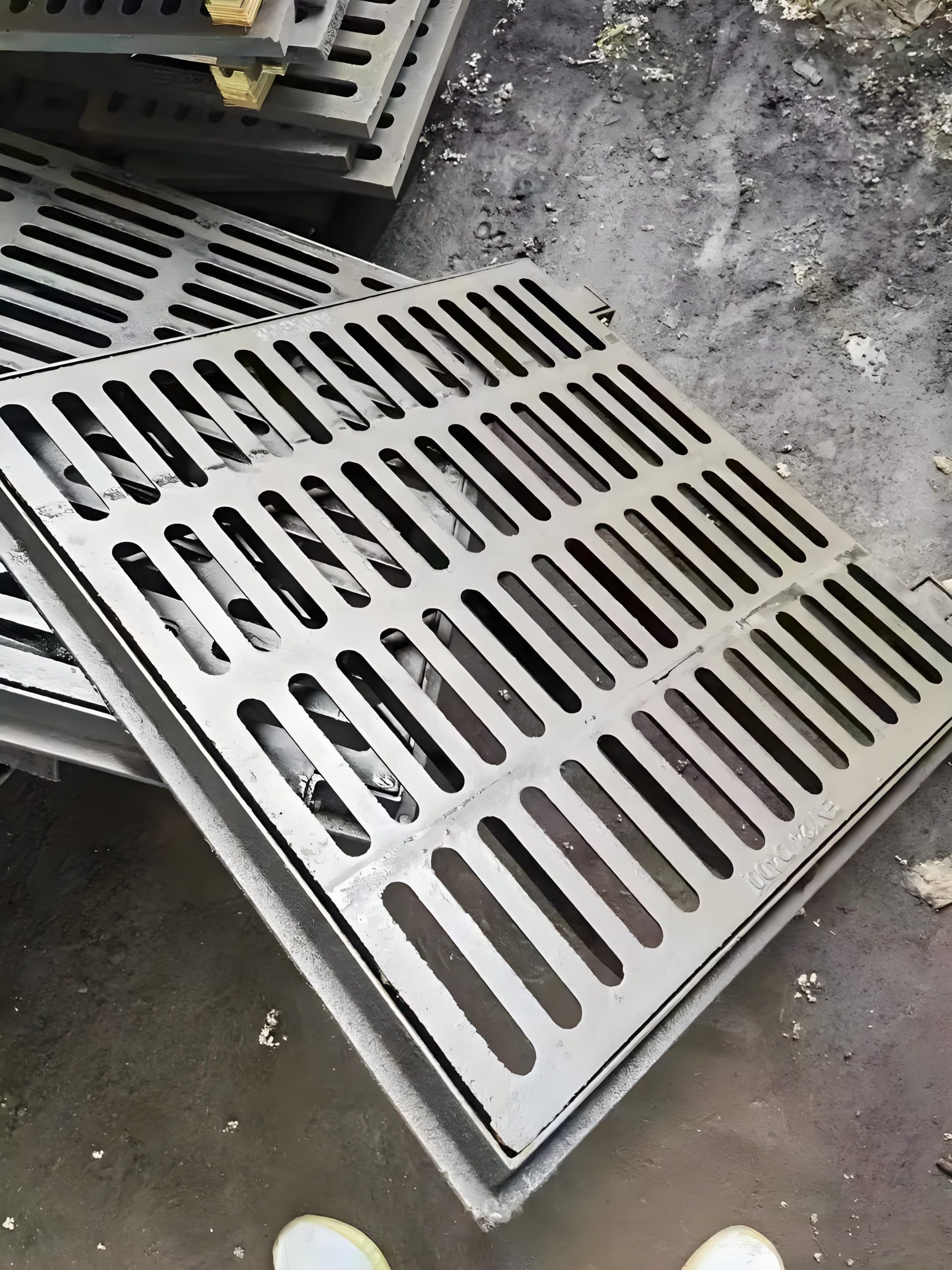
For solid cover plates, thickness should be selected according to span and load. A thin plate may bend under carts or vehicles. A very thick plate may be strong but heavy and difficult to remove.
For grating trench covers, the bearing bars must span across the trench opening. Larger bearing bars are required for wider channels or heavier loads. If the grating is installed with the bearing bars in the wrong direction, load capacity can be seriously reduced.
| Design Item | Why It Matters | Buyer Should Provide |
|---|---|---|
| Clear trench width | Determines required span capacity | Actual opening width between supports |
| Cover plate length | Affects handling, joints, and removal | Required panel length or preferred section length |
| Support ledge width | Controls bearing area and stability | Frame or ledge size on both sides |
| Plate thickness | Affects solid cover strength and weight | Load condition and span requirement |
| Grating bearing bar direction | Controls main load transfer | Direction shown on drawing |
Trench cover plates are often installed in areas where water, oil, dust, cleaning liquid, or outdoor weather can make the surface slippery. Anti-slip design is important for pedestrian safety and industrial working conditions.
Checkered steel plate has raised patterns that improve traction compared with smooth steel plate. It is commonly used for solid trench cover plates in workshops, factories, walkways, and maintenance areas.
Serrated steel grating trench covers use toothed bearing bars to improve slip resistance. They are suitable for wet drainage areas, outdoor trenches, industrial walkways, water treatment plants, and places where workers frequently walk over the covers.
Some solid cover plates may be perforated or slotted to provide drainage while keeping a more closed surface than open grating. The hole size and pattern should be designed to balance drainage, strength, and safety.
Some trench cover plates may use anti-slip coating, textured finish, or special surface treatment. These options can improve traction but may require maintenance depending on the environment.
| Anti-Slip Option | Main Benefit | Common Use |
|---|---|---|
| Checkered plate | Raised pattern improves foot grip | Solid cover plates in workshops and walkways |
| Serrated steel grating | Toothed bearing bars improve traction | Wet drainage areas and outdoor trench covers |
| Perforated or slotted plate | Allows partial drainage with a plate surface | Areas needing both coverage and water flow |
| Anti-slip coating | Improves surface friction | Special safety areas and pedestrian zones |
Drainage, ventilation, and maintenance requirements should be considered before choosing trench cover plates. Some trenches must drain water quickly. Some trenches cover cables or pipes and need regular inspection. Some covers must be removed daily or weekly for cleaning.
If the trench is designed for water or liquid drainage, steel grating covers are usually preferred because they provide large open area. Solid plates may block water unless slots or holes are added. For food plants, kitchens, workshops, and outdoor channels, drainage efficiency is often a key requirement.
Some trenches contain cables, pipes, or equipment that need air circulation. Grating covers allow air movement and reduce heat or moisture buildup. Solid cover plates provide less ventilation unless they are perforated.
If the trench needs regular cleaning or inspection, the cover should be removable. Panel length and weight should be manageable. Lifting holes, handles, or recessed lifting points can make maintenance easier.
Open grating allows debris to fall into the trench, which may be good or bad depending on the site. For drainage channels, this may be acceptable if the channel is cleaned regularly. For cable trenches, solid covers may be better because they prevent objects from falling inside.
| Requirement | Better Cover Type | Design Advice |
|---|---|---|
| Fast water drainage | Steel grating trench cover | Use suitable open area and bar spacing |
| Closed protection | Solid steel cover plate | Use when objects should not fall into the trench |
| Regular cleaning | Removable panels | Control panel size and add lifting holes or handles |
| Ventilation | Grating or perforated plate | Use open design for air movement |
| Small object protection | Solid or small-opening cover | Reduce opening size according to site safety needs |
Hot-dip galvanized trench cover plates are commonly used for outdoor drainage, industrial yards, factory floors, municipal projects, road drains, and wet service areas. The zinc coating protects carbon steel from corrosion and improves service life compared with untreated steel.
Outdoor trench covers are exposed to rain, moisture, drainage water, mud, dust, and changing weather. Untreated carbon steel can rust quickly. Hot-dip galvanizing provides a protective zinc coating over the steel surface, including edges and welded areas when galvanizing is done after fabrication.
Hot-dip galvanized steel grating trench covers are widely used because they combine corrosion protection, drainage, strength, and lower weight compared with thick solid plates. They are suitable for outdoor channels, water treatment facilities, workshops, power plants, and industrial drainage areas.
Solid steel cover plates can also be hot-dip galvanized. This is useful when a closed surface is required outdoors. Buyers should consider plate thickness, anti-slip pattern, drainage holes if needed, and weight for removal.
If galvanized trench cover plates are cut, drilled, or welded after galvanizing, the damaged zinc coating should be repaired with zinc-rich coating or another approved method. This helps reduce corrosion at exposed steel areas.
| Surface Treatment | Price Level | Corrosion Protection | Suitable Use |
|---|---|---|---|
| Black steel | Lower | Low | Temporary or dry indoor trenches |
| Painted steel | Medium | Basic protection | Indoor or low-corrosion areas |
| Hot-dip galvanized steel | Medium to high | Good outdoor protection | Outdoor drainage, factories, municipal trenches |
| Stainless steel | High | High corrosion resistance depending on grade | Food, chemical, marine, wastewater, hygienic areas |
Many trench cover plates need custom fabrication because trench openings vary by project. Custom size, edge banding, lifting handles, bolt holes, anti-theft devices, frames, and special notches can make installation safer and more efficient.
Trench cover plates should match the actual opening size and support ledge. Oversized covers may not fit. Undersized covers may move, rock, or leave unsafe gaps. Buyers should provide exact trench width, length, frame dimensions, and required tolerance.
For steel grating trench covers, edge banding improves safety and appearance. It closes the open ends of bearing bars and makes the panel easier to handle. It can also improve local edge strength around cutouts.
Removable trench covers may need handles, lifting holes, or recessed lifting points. These details are useful for drainage channels, inspection trenches, and utility covers that need regular cleaning or maintenance.
Frames help support and position trench cover plates. They are especially important for vehicle areas, road drains, and trench covers with repeated removal. A good frame keeps the cover stable and transfers loads into the surrounding structure.
For public or municipal areas, anti-theft bolts, locking devices, hinges, or special fixing methods may be required. These options add cost but improve security and prevent cover movement.
| Custom Option | Function | Recommended Use |
|---|---|---|
| Custom panel size | Matches trench opening and support frame | All project-based trench cover orders |
| Edge banding | Improves edge safety and panel finish | Steel grating trench covers and custom cutouts |
| Lifting holes | Allows workers to lift removable covers | Drainage and inspection trenches |
| Handles | Makes frequent removal easier | Workshops, kitchens, maintenance channels |
| Support frame | Provides stable seating and load transfer | Road drains, vehicle areas, municipal projects |
| Anti-theft fixing | Prevents unauthorized removal | Public drainage and municipal areas |
Trench cover plates can be installed as removable covers, welded covers, bolted covers, framed covers, or hinged covers. The correct installation method depends on whether the trench needs maintenance access, whether the cover carries vehicles, and whether security or anti-theft protection is required.
Removable trench covers simply sit on support ledges or frames. This method is common for drainage channels and inspection trenches that require regular cleaning. Panel weight should be controlled so workers can remove the covers safely.
Bolted trench cover plates are fixed with bolts to prevent movement. They are suitable for areas where covers must remain secure but still be removable for maintenance. Bolt holes should be prepared accurately according to the frame or support structure.
Welding provides permanent fixing. It may be used when the cover does not need to be removed. However, welded trench covers are not suitable for channels that require frequent cleaning. If galvanized steel is welded, the zinc coating around the weld must be repaired afterward.
Framed trench cover systems use a steel frame to support and position the cover. Frames are recommended for vehicle areas, heavy-duty drains, road trenches, and projects where stable seating is important.
Hinged trench covers are used where frequent access is required and covers should remain attached to the frame. This is common for utility access, machinery pits, and some municipal covers. Hinges add fabrication cost but improve convenience and security.
| Installation Method | Main Advantage | Suitable Application |
|---|---|---|
| Removable placement | Easy cleaning and inspection | Drainage channels, kitchens, workshops |
| Bolted fixing | Secure but removable | Industrial trenches and access covers |
| Welded fixing | Permanent and strong | Non-removable industrial covers |
| Framed installation | Stable seating and better load transfer | Road drains, vehicle areas, municipal channels |
| Hinged cover | Convenient repeated access | Utility pits and inspection covers |
Trench cover plates are used in many industries because they solve safety, drainage, access, and maintenance problems. The correct design changes depending on whether the cover is used indoors, outdoors, on a road, in a factory, or in a corrosive environment.
Factories use trench cover plates for floor drains, cable trenches, machinery channels, service pits, and maintenance areas. Steel grating covers are common for drainage, while solid plates are common for cable trenches and closed access channels.
Workshops and warehouses may require trench covers that support workers, carts, pallet jacks, cleaning machines, or occasional equipment movement. Anti-slip surfaces and removable panel design are often important.
Road drain covers and vehicle-area trench covers must be designed for wheel loads. These applications require heavy-duty covers, strong frames, accurate seating, and careful support design. A pedestrian cover should not be used in vehicle traffic areas.
Municipal projects use trench covers for sidewalks, public drainage, utility channels, parks, parking areas, and road edges. Hot-dip galvanized steel, cast iron, or heavy-duty steel covers may be selected depending on load and corrosion environment.
Food plants, commercial kitchens, and chemical workshops often use stainless steel trench cover plates because they need corrosion resistance and easy cleaning. Smooth edges, removable design, and suitable surface finish are important.
| Application | Recommended Cover Type | Key Requirement |
|---|---|---|
| Factory drainage channel | Galvanized steel grating trench cover | Drainage, load capacity, corrosion protection |
| Cable trench | Solid steel cover plate | Closed protection and removable access |
| Workshop floor trench | Checkered plate or grating cover | Anti-slip surface and cart load support |
| Road drain | Heavy-duty framed trench cover | Vehicle load and strong support frame |
| Food plant drainage | Stainless steel grating trench cover | Hygiene, cleaning, corrosion resistance |
| Municipal walkway | Galvanized or cast iron trench cover | Public safety, drainage, anti-theft design |
Quality control is important because trench cover plates are used as walking, drainage, or load-bearing covers. Poor quality may cause bending, rocking, corrosion, sharp edges, poor drainage, installation gaps, or safety hazards.
The manufacturer should confirm material grade, plate thickness, bearing bar size, bar spacing, and raw material condition before production. For stainless steel or project-specific steel grades, certificates may be required.
Trench cover plates must fit the trench opening. Length, width, diagonal difference, thickness, grating spacing, frame size, hole position, and lifting details should be checked. Accurate dimensions reduce rocking and unsafe gaps.
For grating covers, welded joints and edge banding should be checked. For framed covers, frame welding and seating should be inspected. Weak welds can reduce service life and create safety issues.
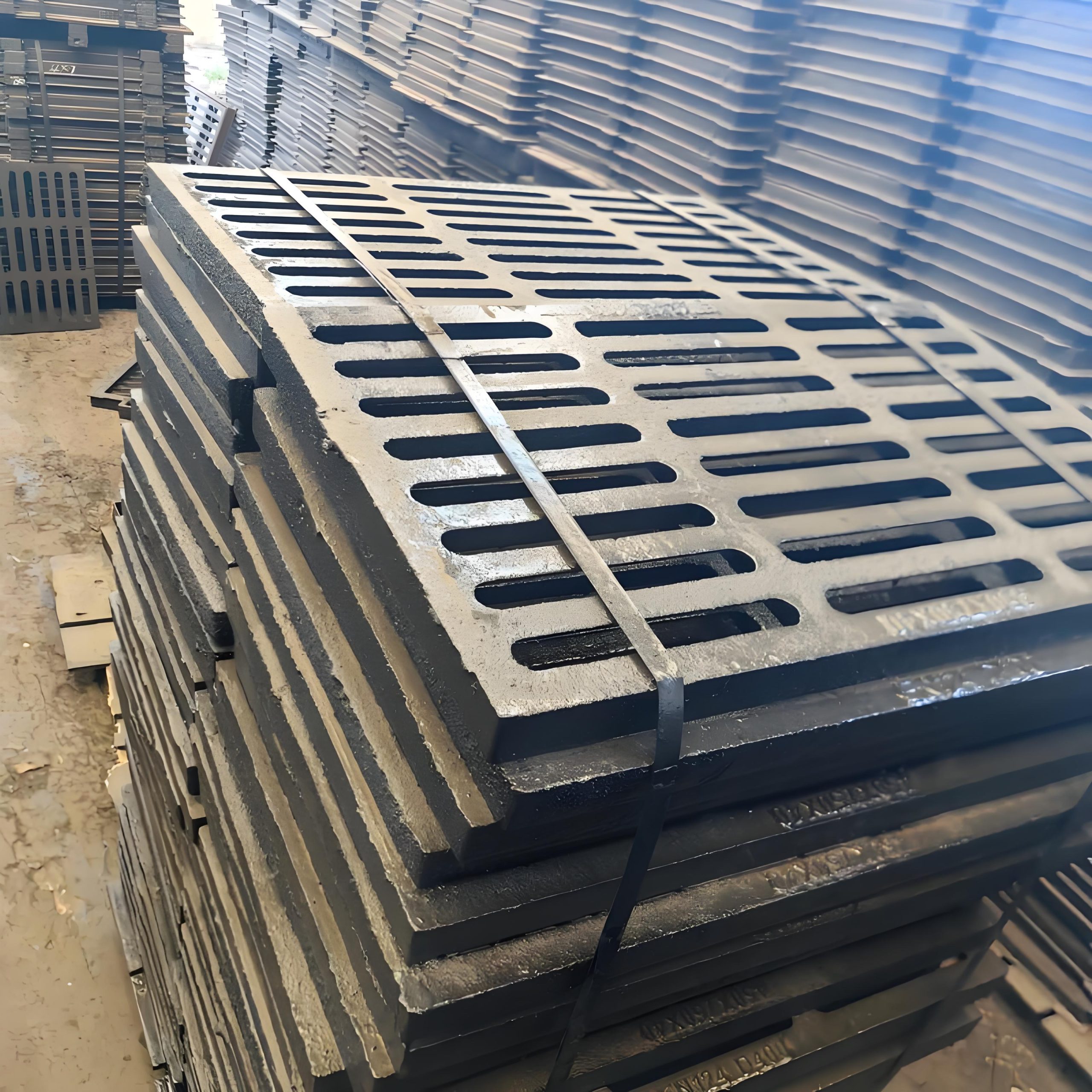
Hot-dip galvanized covers should be checked for coating coverage, bare spots, zinc buildup, sharp points, blocked openings, and coating damage. Stainless steel covers should be checked for burrs, scratches, heat tint, contamination, and finish consistency.
For heavy-duty covers, the load requirement and support design should be reviewed before production. If the cover is for vehicle traffic, the support frame and installation method should be checked along with the cover itself.
| Quality Control Item | What to Check | Why It Matters |
|---|---|---|
| Material | Grade, thickness, bearing bar size, certificates | Ensures correct strength and corrosion resistance |
| Dimensions | Length, width, diagonal, support fit, hole positions | Prevents rocking, gaps, and installation problems |
| Welding | Grating welds, edge banding, frame welds | Improves structural reliability |
| Surface finish | Galvanizing, anti-slip pattern, burrs, scratches | Improves durability and handling safety |
| Drainage opening | Open area, blocked gaps, mesh spacing | Ensures proper water flow |
| Packing | Labels, bundle strength, accessory packing | Reduces transport damage and site confusion |
To receive an accurate quotation for trench cover plates, buyers should provide complete technical details. A supplier cannot quote correctly from only the phrase “trench cover plates” because the price and design depend on material, trench width, load, cover type, surface finish, fabrication details, and quantity.
Buyers should provide clear trench width, trench length, support ledge width, frame size, required cover width, and preferred panel length. If there is an existing frame, the frame dimensions should be measured carefully.
The supplier needs to know whether the cover is for pedestrian traffic, carts, pallet jacks, forklifts, cars, trucks, or other loads. Vehicle loads require stronger design than pedestrian trench covers.
Buyers should specify whether they need steel grating covers, solid steel plates, checkered plates, stainless steel covers, galvanized trench covers, framed covers, or hinged covers. If unsure, describe the project environment and use condition.
Material options include carbon steel, hot-dip galvanized steel, stainless steel 304, stainless steel 316, aluminum, or other specified materials. Surface treatment may include black finish, painting, hot-dip galvanizing, pickling, passivation, brushing, or polishing.
Custom details may include edge banding, handles, lifting holes, bolt holes, frames, anti-theft fixing, drainage slots, perforations, notches, or panel numbers. These details affect price and production time.
Buyers should provide quantity, destination, packing requirements, delivery terms, and whether accessories are included. For export orders, clear labels, packing lists, and loading photos may be required.
| Quotation Information | Details Buyers Should Provide |
|---|---|
| Trench dimensions | Clear width, total length, support ledge, frame size, cover size |
| Load condition | Pedestrian, cart, forklift, vehicle, truck, equipment load |
| Cover type | Steel grating, solid plate, checkered plate, framed cover, hinged cover |
| Material | Carbon steel, galvanized steel, stainless steel, aluminum, cast iron |
| Surface requirement | Plain, serrated, checkered, galvanized, painted, stainless finish |
| Custom details | Banding, handles, lifting holes, frames, bolt holes, anti-theft fixing |
| Drainage requirement | Open grid, slots, holes, or closed cover design |
| Quantity and delivery | Panel quantity, destination, packing method, shipping terms |
What are trench cover plates used for?
Trench cover plates are used to cover drainage channels, cable trenches, utility pits, service channels, inspection openings, workshop floor trenches, road drains, and municipal drainage systems. They provide a safe walking or traffic surface while allowing drainage, access, ventilation, or protection depending on the cover type.
Which is better, steel grating trench covers or solid steel cover plates?
Steel grating trench covers are better when drainage, ventilation, lighter weight, and easy water flow are required. Solid steel cover plates are better when the trench needs a closed surface, when small objects should not fall inside, or when a continuous rolling surface is needed. The best option depends on drainage needs, load requirement, trench width, maintenance access, and project environment.
How do I choose the right trench cover plate thickness?
The right trench cover plate thickness depends on trench width, clear span, load type, support ledge, material, and whether the cover is a solid plate or grating. Pedestrian covers can use lighter designs, while vehicle and forklift areas require heavier plates, stronger grating bearing bars, and reinforced frames. Buyers should provide trench dimensions and load requirements before requesting a quotation.
Please Feel free to give your inquiry in the form below.we will reply you in 24 hours.