
Home > Products > Trench Cover > composite trench cover
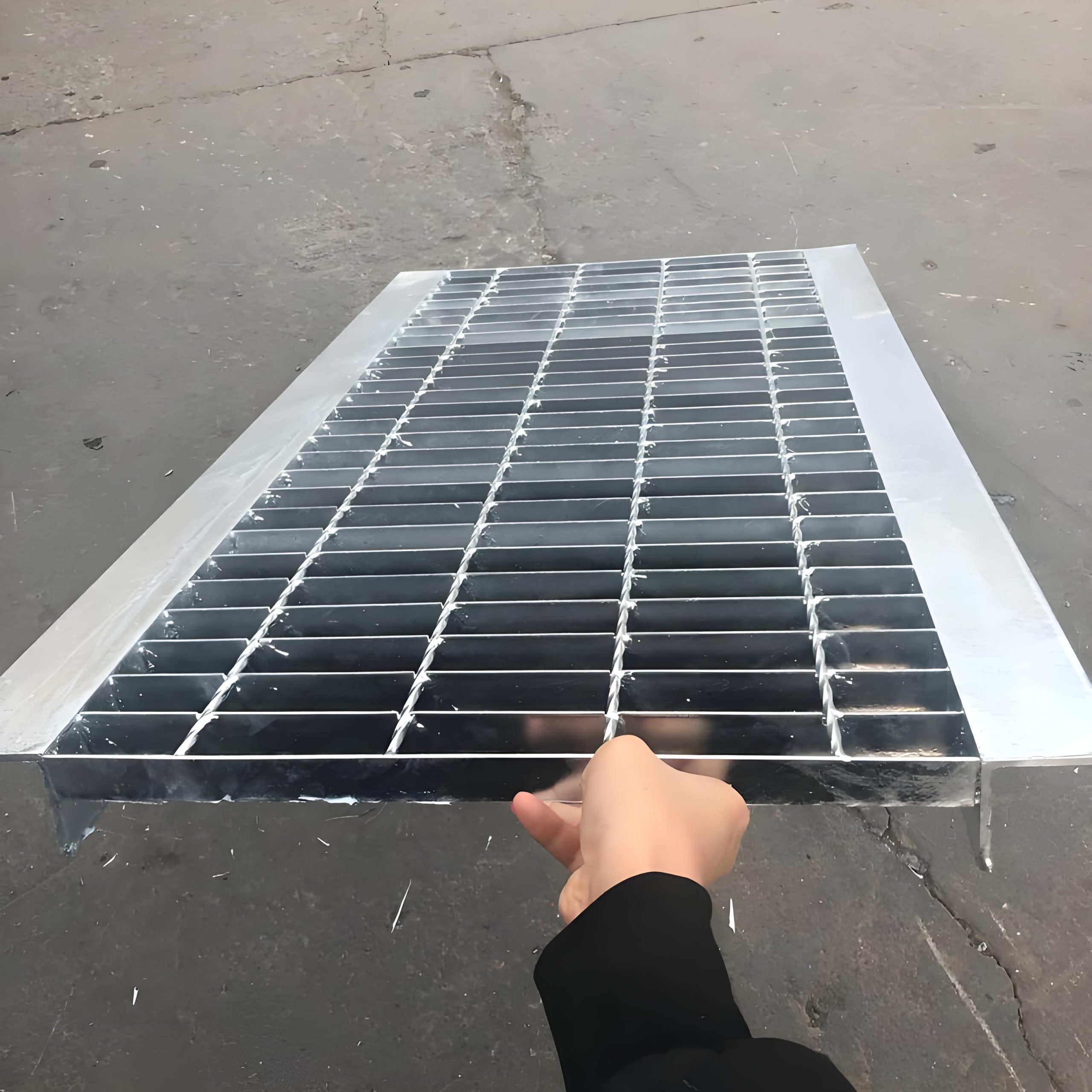
A composite trench cover is designed for cable trenches, drainage channels, utility trenches, inspection openings, and industrial access areas where t…
A composite trench cover is designed for cable trenches, drainage channels, utility trenches, inspection openings, and industrial access areas where traditional steel or concrete covers may be too heavy, corrosive, conductive, or difficult to maintain. For buyers and project engineers, the real value of a composite trench cover is not only its lighter weight, but also its non-conductive performance, corrosion resistance, anti-slip surface, flexible customization, and easier handling during daily maintenance. When selecting the right cover, the trench width, span, traffic load, outdoor exposure, cable protection requirement, and installation method should all be considered together.
Composite trench covers are widely used in cable trench systems, drainage projects, municipal utility corridors, substations, factories, chemical plants, workshops, pedestrian walkways, and outdoor maintenance channels. Compared with traditional covers, composite covers are easier to lift, safer for electrical areas, and more resistant to moisture, chemicals, and weather exposure.
In cable trench projects, the cover must protect power cables, control cables, communication lines, and service pipelines while still allowing quick inspection. In drainage projects, the cover may need anti-slip performance, weather resistance, and stable support over the trench opening. In utility projects, covers often need to be removed many times during inspection, repair, or cable replacement, so lightweight handling becomes a practical advantage.
Composite trench covers are especially useful for electrical and communication cable trenches because they are non-conductive. This helps reduce safety risks in electrical service areas, substations, industrial control rooms, and utility corridors. Unlike steel trench covers, composite covers do not create the same electrical conductivity concerns, and they are easier for maintenance workers to remove without heavy lifting equipment.
For drainage channels, composite trench covers can be designed with solid surfaces, anti-slip patterns, drainage slots, or reinforced structures depending on the project requirement. In outdoor environments, they resist rust, surface corrosion, and many common weathering problems. This makes them suitable for industrial yards, public walkways, water treatment areas, road shoulders, and plant drainage systems.
Utility trenches often require repeated opening for inspection. Heavy concrete or steel covers may slow down maintenance work and increase labor risk. Composite trench covers reduce handling difficulty, especially when covers are used in long trench lines with many removable panels. For large projects, this can improve maintenance efficiency and reduce long-term labor cost.
Composite materials are used for trench covers because they combine strength, light weight, corrosion resistance, and design flexibility. Common composite trench covers are made from fiber-reinforced polymer materials, resin systems, fillers, and surface reinforcement. The exact structure may vary by manufacturer, load class, and application, but the main purpose is to create a cover that is easier to use than concrete and less affected by corrosion than steel.
| Composite Material Feature | Practical Benefit for Trench Covers | Typical Project Value |
| Lightweight structure | Easier manual handling and faster installation | Reduces labor pressure during inspection and maintenance |
| Non-conductive performance | Improves safety around electrical cables and power facilities | Suitable for cable trenches, substations, and utility corridors |
| Corrosion resistance | Does not rust like carbon steel | Good for wet, outdoor, coastal, and chemical environments |
| Weather resistance | Resists rain, sunlight, humidity, and general outdoor exposure | Useful for drainage covers and outdoor service trenches |
| Custom molding ability | Size, color, logo, surface pattern, and markings can be designed | Helps meet project identification and safety requirements |
| Low maintenance demand | No regular anti-rust painting required in many environments | Reduces long-term maintenance work |
For many buyers, composite material is selected because it solves several practical problems at the same time. A cover may need to be strong enough for foot traffic, light enough for one or two workers to lift, safe enough for electrical cable trenches, and durable enough for outdoor exposure. Composite trench covers are designed to meet these combined requirements.
Composite trench covers can be used in many areas where access, safety, and long-term durability are important. They are not limited to one industry. The same product concept can be adapted for power plants, rail facilities, water treatment plants, factories, commercial buildings, public walkways, and municipal engineering projects.
| Application Area | Common Requirement | Why Composite Covers Are Suitable |
| Cable trench | Insulation, cable protection, frequent inspection | Non-conductive, lightweight, and easy to remove |
| Drainage trench | Outdoor durability, anti-slip walking surface, water exposure resistance | Corrosion-resistant and weather-resistant |
| Substation trench | Electrical safety and convenient maintenance | Insulating material reduces conductivity risk |
| Industrial utility trench | Resistance to chemicals, oil, water, and repeated access | Composite material can resist many corrosive environments |
| Pedestrian walkway | Safe walking surface and manageable panel weight | Anti-slip surface and lighter handling |
| Municipal service channel | Long service life and lower maintenance | No rusting and easier replacement |
In power plants, substations, transformer areas, and electrical control rooms, trench covers are often used above cable routes. Composite trench covers are suitable because they are non-conductive and easy to remove during cable inspection. This is an important difference from steel covers, especially in places where electrical safety is a major concern.
Factories often have trenches for cables, pipelines, wastewater, or production service lines. These trenches may be exposed to water, oil, chemicals, dust, and mechanical impact. Composite covers can provide a clean and safe surface while reducing the corrosion problems often seen on painted steel covers.
Outdoor utility trenches need covers that can resist rain, sunlight, temperature change, and public use. Composite trench covers can be designed with visible colors, warning marks, anti-slip surfaces, and lifting holes. This makes them practical for sidewalks, green belt utility channels, communication trenches, and drainage access areas.
Steel trench covers are strong and widely used, especially for heavy-duty industrial and vehicle areas. However, steel is heavy, conductive, and can rust if the surface protection is damaged. Composite trench covers are often chosen when the project needs lighter weight, insulation, and better corrosion resistance.
| Item | Composite Trench Cover | Steel Trench Cover |
| Weight | Lighter and easier to lift | Heavier and may require more labor or lifting tools |
| Electrical conductivity | Non-conductive | Conductive |
| Corrosion resistance | Does not rust like steel | Requires galvanizing, painting, or stainless material for corrosion protection |
| Load capacity | Can be designed for pedestrian, maintenance, and selected vehicle loads | Very suitable for high-load and heavy-duty applications |
| Maintenance | Low maintenance in many environments | May need coating repair or rust control |
| Surface temperature | Usually more comfortable to touch under sunlight than metal | Can become very hot or cold depending on weather |
| Best use | Cable trenches, pedestrian areas, corrosion environments, utility access | Heavy-duty traffic, forklift routes, high-impact industrial areas |
If the trench is used in a heavy truck route or very high-impact loading area, steel may still be the better choice. If the trench is for cables, utility inspection, pedestrian access, outdoor service channels, or corrosive conditions, composite trench covers may provide better daily convenience and lower maintenance pressure.
Concrete trench covers are common in municipal and civil engineering projects because they are strong, economical, and familiar to many contractors. However, concrete covers are heavy, can crack under impact, and are difficult to move during maintenance. Composite trench covers are often selected as an alternative when easier handling and cleaner appearance are needed.
| Item | Composite Trench Cover | Concrete Trench Cover |
| Handling | Lightweight and easier to remove | Heavy and often difficult to lift manually |
| Cracking risk | Good impact resistance when properly designed | May crack, chip, or break at corners |
| Surface finish | Can be molded with anti-slip texture, color, and markings | Usually plain surface unless treated separately |
| Electrical insulation | Good non-conductive performance | Generally non-metallic, but may contain reinforcement depending on design |
| Dimensional precision | Can be produced with controlled size and edge design | May have larger dimensional tolerance depending on casting quality |
| Maintenance access | Convenient for repeated opening | Less convenient due to heavy weight |
Concrete covers may still be suitable for low-cost civil projects where weight is not a problem and access is rarely required. Composite trench covers are more practical when the cover must be opened frequently, when appearance matters, or when reducing labor difficulty is part of the project requirement.
One of the most direct advantages of a composite trench cover is its lightweight design. In many trench systems, covers need to be removed for cable inspection, cleaning, drainage checking, pipe maintenance, or service replacement. If the covers are too heavy, maintenance work becomes slow and unsafe.
A lighter cover can reduce the number of workers required for each inspection. It can also reduce the need for lifting tools, especially in narrow utility rooms or crowded plant areas. This is important for long cable trenches where many panels may need to be opened at the same time.
Heavy trench covers can cause back strain, hand injuries, and slow maintenance operations. Composite covers are easier to lift, move, and reinstall. For facilities that require regular inspection, this advantage can be more important than the initial purchase price.
When workers can remove and reinstall covers quickly, inspection becomes less disruptive. This is useful in power facilities, industrial plants, water treatment systems, and communication projects where maintenance windows may be limited.
Heavy concrete or steel covers may damage trench edges, floor finishes, or nearby equipment when moved. Composite covers are easier to control during handling, reducing the risk of corner damage, edge chipping, and accidental dropping.
For cable trench applications, non-conductive performance is one of the main reasons buyers choose composite trench covers. Electrical cable trenches often pass through substations, power rooms, factories, rail systems, communication facilities, and utility plants. In these locations, cover material safety must be considered together with mechanical performance.
Steel covers are conductive and may require additional safety considerations in electrical environments. Composite covers provide insulation advantages because the material itself does not conduct electricity like metal. This makes them suitable for many cable trench and electrical utility applications.
| Cable Trench Requirement | Composite Cover Advantage |
| Electrical safety | Non-conductive material helps reduce conductivity risk |
| Frequent inspection | Lightweight panels are easier to remove and reinstall |
| Cable protection | Solid or reinforced cover protects cables from falling objects and foot traffic |
| Moisture exposure | Composite material does not rust in humid trench environments |
| Identification | Color and marking can identify cable routes or warning zones |
For electrical projects, buyers should still confirm the required insulation performance, flame resistance, load class, and project standards before ordering. The cover should match the actual operating environment, not only the trench size.
Outdoor trench covers are exposed to rain, sunlight, temperature changes, humidity, road dust, and sometimes chemical pollution. Steel covers may rust if the coating is damaged, and concrete covers may absorb moisture, crack, or break at edges. Composite trench covers are useful because they resist corrosion and can maintain stable appearance in many outdoor conditions.
Composite materials do not rust like carbon steel. This is helpful for drainage trenches, outdoor cable channels, wastewater plants, coastal areas, and humid industrial environments. When covers are repeatedly exposed to water, corrosion resistance can reduce maintenance work and replacement frequency.
In chemical plants, wastewater facilities, food processing plants, and industrial workshops, covers may come into contact with weak acids, alkalis, cleaning agents, oil, or other fluids. Composite trench covers can be formulated for improved chemical resistance, making them suitable for many environments where painted steel may fail quickly.
Outdoor composite covers can be produced with UV-resistant resin systems and anti-slip surfaces. This helps the cover maintain usable performance under sunlight and rain. For projects with strong sunlight exposure, the buyer should confirm UV resistance and color stability with the supplier.
Load capacity must be selected according to real site use. A composite trench cover for pedestrian walking is different from a cover used for maintenance carts, forklifts, or vehicle traffic. The buyer should not choose only by appearance or thickness. The clear span, support width, panel structure, reinforcement, and traffic frequency all affect performance.
| Traffic Condition | Common Requirement | Recommended Selection Direction |
| Pedestrian area | Safe walking surface, anti-slip texture, moderate load | Standard composite cover with anti-slip top surface |
| Maintenance walkway | Workers carrying tools, occasional equipment movement | Reinforced composite cover with suitable span design |
| Hand cart area | Small wheels, repeated rolling, smooth movement | Cover with stable surface and limited deflection |
| Light vehicle area | Higher wheel load and impact | Heavy-duty reinforced composite cover with proper support frame |
| Forklift or truck area | High concentrated wheel load | Project-specific structural design is required |
For vehicle areas, wheel load is more important than total vehicle weight alone. A small maintenance vehicle or forklift can create high local pressure because the wheel contact area is limited. For this reason, the supplier should know the trench width, wheel load, wheel type, traffic direction, and whether the cover will be crossed frequently.
For pedestrian areas, the main concerns are slip resistance, stable seating, and safe walking comfort. The cover should not rock, bend excessively, or create a trip hazard. A textured anti-slip surface is usually recommended, especially for outdoor or wet areas.
Maintenance areas may carry workers, tools, small carts, testing equipment, or cleaning machines. In these areas, the cover should be stronger than a basic pedestrian panel. It should also be easy to remove because inspection is usually part of the normal maintenance process.
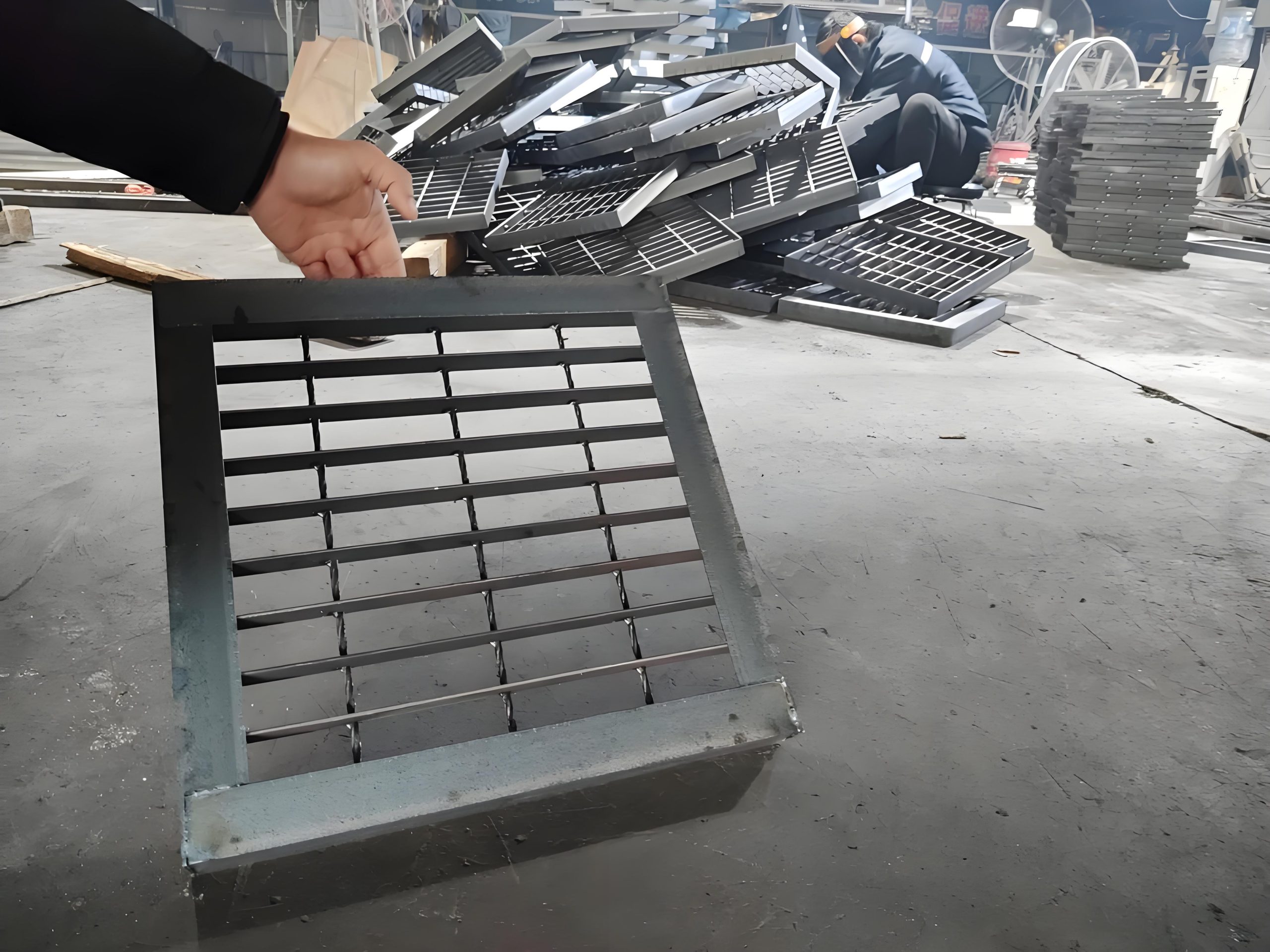
For light vehicle or occasional vehicle traffic, the cover must be designed with enough thickness, internal reinforcement, and proper edge support. In many cases, a supporting frame is recommended to distribute load and reduce cover movement.
Anti-slip performance is important for any trench cover used in walkways, outdoor drainage areas, wet utility corridors, industrial plants, and public spaces. Composite trench covers can be designed with molded patterns, textured surfaces, sanded finishes, raised ribs, or customized anti-slip layers.
| Anti-Slip Design | Suitable Use | Practical Benefit |
| Molded texture | General pedestrian and maintenance areas | Provides integrated slip resistance without extra coating |
| Raised pattern | Outdoor walkways and utility trenches | Improves grip and visibility |
| Sanded surface | Wet or oily areas | Offers stronger friction for safety-sensitive areas |
| Warning color surface | Public spaces, electrical trenches, hazard zones | Helps identify trench location and safety boundaries |
| Drainage slot design | Drainage channels and wash-down areas | Helps water pass through while maintaining walking safety |
The anti-slip surface should be selected according to the environment. A dry indoor cable trench may only need a molded textured surface. A wet outdoor drainage area may need a stronger pattern or sanded surface. If the trench is located in a public walkway, visibility and warning color may also be important.
The strength of a composite trench cover depends not only on the material, but also on the span design. The clear trench width is one of the most important dimensions because it determines the unsupported distance. A wider trench usually requires a thicker cover, stronger reinforcement, or additional support.
When buyers request composite trench covers, they should provide the clear opening width, total cover size, support width, traffic load, and whether the cover will be removable or fixed. If the trench has an existing frame, the frame size and seating depth should also be checked.
| Design Factor | Why It Matters | Buying Advice |
| Clear trench width | Controls the bending span of the cover | Measure the actual opening, not only the outside trench size |
| Cover thickness | Affects stiffness, strength, and weight | Select together with load class and span |
| Support width | Determines how securely the panel sits on the trench edge | Allow enough bearing area to reduce movement |
| Panel length | Affects handling and installation efficiency | Use manageable panel sizes for maintenance |
| Reinforcement design | Improves load capacity and reduces deflection | Recommended for wider spans or vehicle areas |
| Installation gap | Allows fitting tolerance and thermal movement | Do not design panels too tight for field installation |
A cover that works well on a narrow trench may not work on a wider trench with the same thickness. For long utility trenches, it is often better to divide the cover into multiple panels. This makes each cover easier to lift and helps reduce installation difficulty.
Composite trench covers can be customized to match project drawings, trench dimensions, safety requirements, and site identification needs. This is one of the reasons they are popular in cable trench and utility projects. Instead of using only standard gray or black covers, buyers can specify color, warning marks, logos, lifting holes, anti-slip patterns, and edge structures.
| Custom Option | Purpose | Typical Benefit |
| Custom size | Match trench width, length, and frame dimensions | Reduces cutting and adjustment work on site |
| Custom color | Identify electrical, drainage, communication, or hazard areas | Improves site management and visual safety |
| Surface marking | Add warning text, load class, cable identification, or logo | Helps users recognize the trench function |
| Lifting holes | Allow easy removal by workers | Improves maintenance convenience |
| Recessed handles | Provide lifting access without a raised obstruction | Reduces trip hazards in pedestrian areas |
| Edge design | Improve seating, overlap, and stability | Reduces movement and improves installation appearance |
| Drainage openings | Allow water to pass through | Suitable for drainage trench applications |
Color is not only for appearance. In utility projects, different colors can identify cable trenches, drainage lines, fire service channels, communication ducts, or restricted access zones. Markings can include voltage warnings, direction arrows, project numbers, load class, and safety messages.
Lifting holes make it easier to remove the cover, especially when maintenance is frequent. However, the hole design should not weaken the panel or create water entry problems in sensitive trenches. Recessed handles can be used where a flat walking surface is required.
Good edge design helps the cover sit firmly on the trench frame or concrete edge. An overlapping edge, locating edge, or reinforced edge can reduce movement, noise, and accidental displacement. For vehicle or high-traffic areas, edge stability should be reviewed carefully.
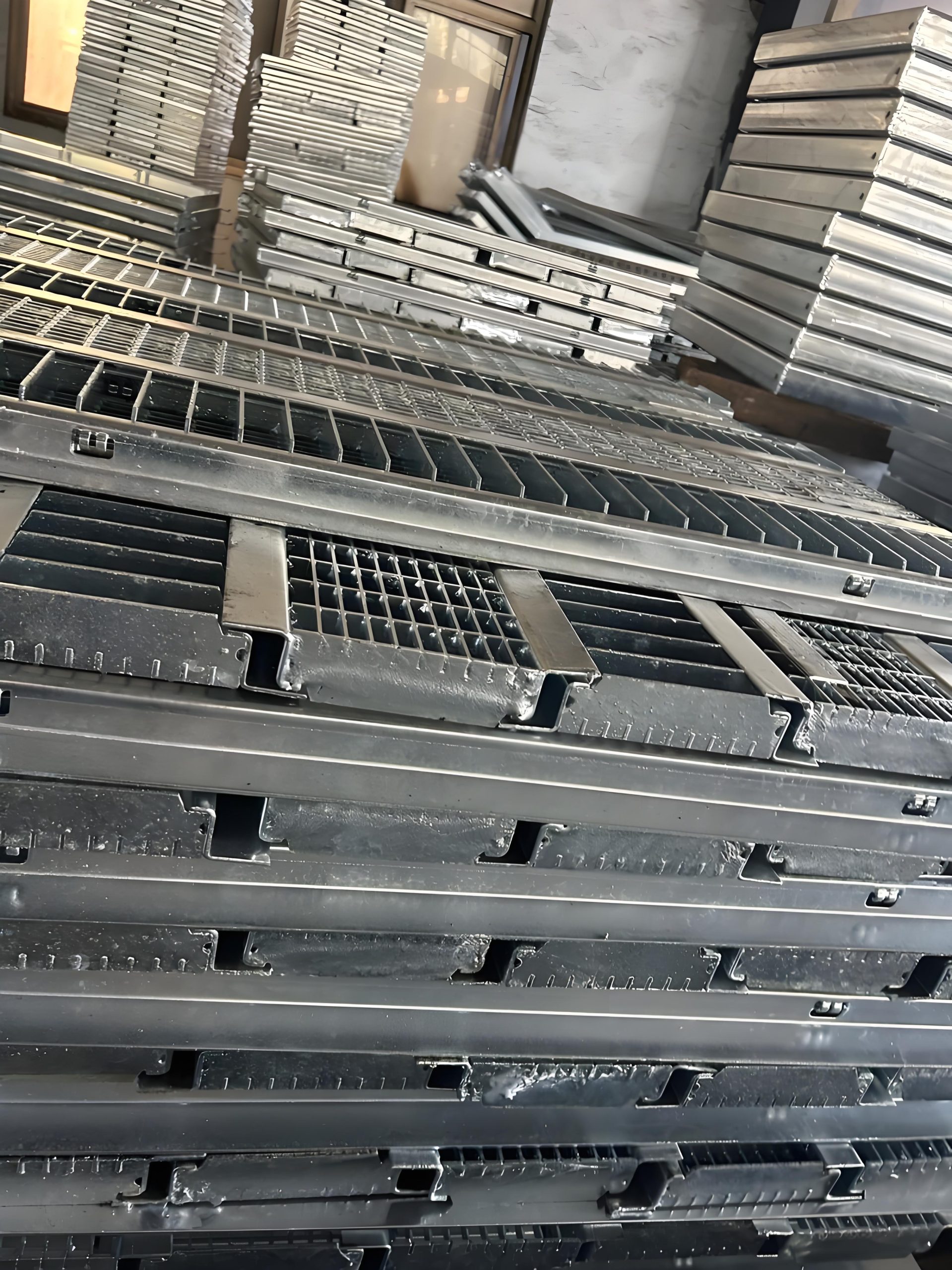
The wholesale price of composite trench covers depends on material structure, panel size, thickness, reinforcement, load capacity, surface design, color, quantity, mold requirement, and packaging. A simple pedestrian cover is usually more economical than a heavy-duty reinforced cover with custom color and markings.
| Price Factor | How It Affects Cost | Buyer Note |
| Panel size | Larger covers use more material and may require stronger structure | Provide exact trench dimensions for accurate quotation |
| Thickness | Thicker panels increase material cost but improve stiffness | Choose based on span and load, not only price |
| Load capacity | Higher load class requires better reinforcement | Vehicle areas cost more than pedestrian areas |
| Surface texture | Special anti-slip patterns or sanded surfaces may increase cost | Needed for wet, outdoor, or safety-sensitive areas |
| Color | Standard colors are usually more economical | Custom colors may require MOQ or extra production control |
| Marking and logo | Custom text, warning marks, or logo adds processing steps | Useful for utilities, public projects, and brand identification |
| Quantity | Larger wholesale orders can reduce unit cost | Bulk order planning helps control project budget |
| Packaging | Export packaging, palletizing, and protection affect total cost | Important for long-distance shipment |
When comparing wholesale prices, buyers should not only compare the unit price per piece. A cheaper cover may have lower load capacity, weaker surface texture, poor edge design, or less stable material performance. A proper quotation should include size, thickness, load requirement, material structure, surface finish, color, marking, quantity, packaging, and delivery terms.
To get a practical quotation, buyers should provide trench opening size, required cover size, expected load, indoor or outdoor use, application type, color requirement, anti-slip surface requirement, quantity, and whether lifting holes or markings are needed. If drawings are available, they should be sent before production confirmation.
For wholesale projects, consistent size and repeated panel design can help reduce production cost. If many different sizes are needed, marking each panel by location can help installation. For export orders, pallet size, container loading, packaging protection, and delivery schedule should also be considered.
Can composite trench covers be used for cable trenches?
Yes, composite trench covers are suitable for cable trenches because they are lightweight, non-conductive, and easy to remove for inspection. They are commonly used in electrical rooms, substations, communication trenches, utility corridors, and industrial cable channels where insulation and maintenance access are important.
Are composite trench covers strong enough for vehicles?
Composite trench covers can be designed for pedestrian, maintenance, and selected vehicle areas, but the correct load class must be selected according to trench width, wheel load, support condition, and traffic frequency. For forklift, truck, or heavy vehicle areas, the cover should use a reinforced structure and should be checked based on project-specific load requirements.
Is a composite trench cover better than a steel cover?
A composite trench cover is better when the project needs lighter weight, corrosion resistance, non-conductive performance, and easier maintenance. A steel trench cover may still be better for very heavy-duty traffic or high-impact industrial areas. The best choice depends on the trench application, load requirement, environment, and maintenance frequency.
Please Feel free to give your inquiry in the form below.we will reply you in 24 hours.