

Steel grating price per square foot for industrial use is a key consideration for engineers, contractors, and procurement managers working on infrastructure, manufacturing plants, and heavy-duty platforms. The final cost is influenced by multiple technical and commercial factors, including material type, load requirements, surface treatment, and fabrication complexity. Understanding how these variables interact helps buyers make cost-effective decisions while ensuring long-term performance and safety.
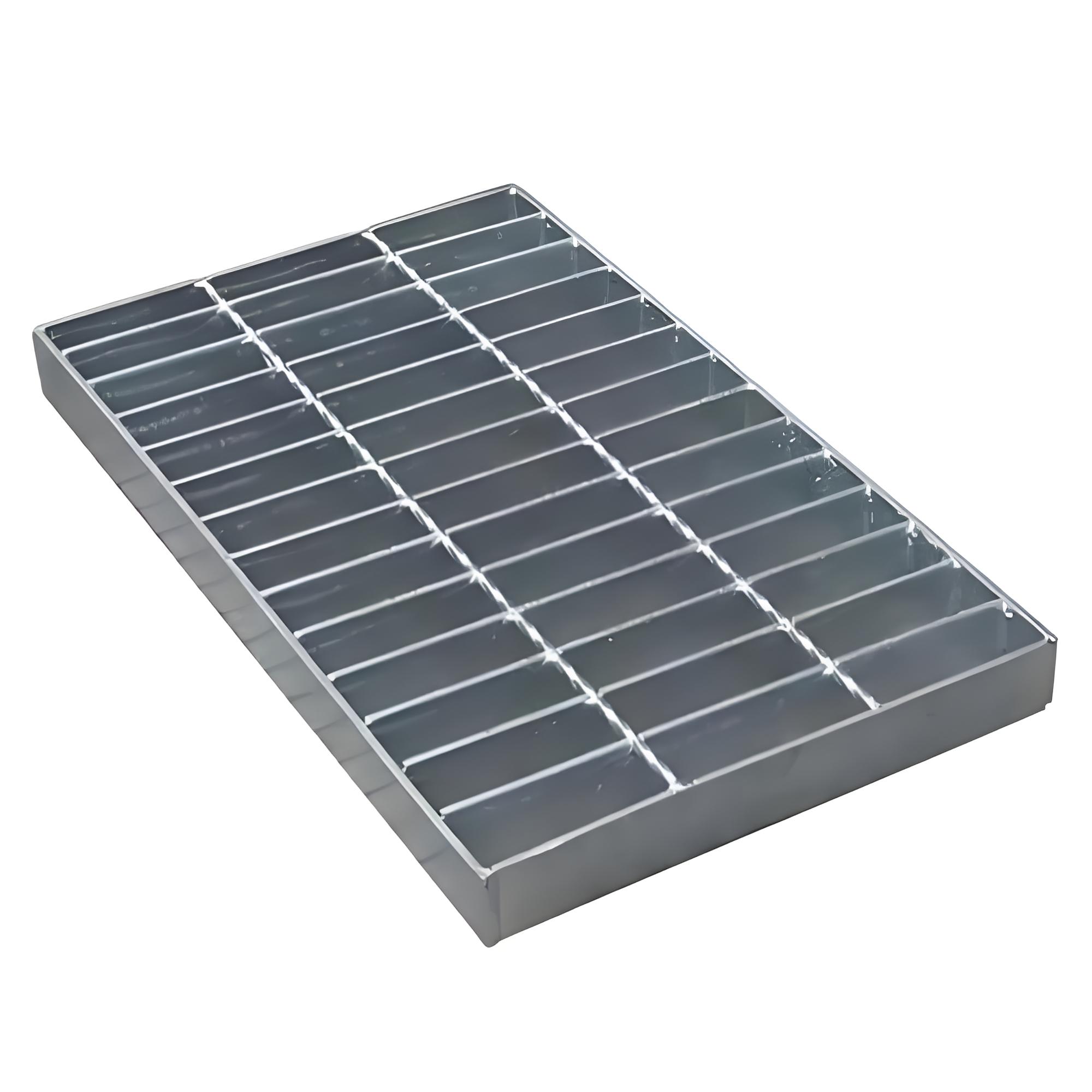
Industrial steel grating is a load-bearing panel made from a series of parallel steel bars joined by cross bars. It is widely used for flooring, walkways, trench covers, stair treads, and platforms in industrial environments. Its open design allows for drainage, ventilation, and easy maintenance, making it suitable for demanding conditions.
The price per square foot varies depending on whether the grating is made from carbon steel, galvanized steel, or stainless steel. Each material offers different levels of corrosion resistance, strength, and durability, which directly impact cost.
Welded steel grating is the most commonly used type due to its high strength and cost efficiency. It is manufactured by welding cross bars to bearing bars, creating a rigid structure suitable for heavy loads.
Press-locked grating is produced by mechanically locking cross bars into bearing bars without welding. It provides a cleaner appearance and is often used in architectural or light industrial applications, but it may come at a slightly higher cost per square foot.
Swage-locked grating uses pressure to insert cross bars into pre-punched bearing bars. This type offers excellent durability and is often used in environments requiring high strength and precision.
Steel grating is essential in industries such as oil and gas, chemical processing, power plants, water treatment facilities, and manufacturing. It is commonly installed in platforms, catwalks, drainage systems, and equipment access areas.
In these applications, the price per square foot must be evaluated alongside performance requirements. For example, areas exposed to chemicals or saltwater may require stainless steel grating, which increases cost but ensures longer service life.
Material selection is one of the most significant cost drivers. Carbon steel grating is typically the most economical option, while galvanized steel adds a protective zinc coating that increases durability and slightly raises the cost. Stainless steel, due to its alloy composition, has the highest cost per square foot.
Bearing bar size and spacing also influence pricing. Thicker and deeper bars provide higher load capacity but require more material, increasing the overall cost. Similarly, tighter bar spacing improves safety and load distribution but adds to material and manufacturing expenses.
Surface treatment plays a crucial role. Hot-dip galvanizing enhances corrosion resistance and extends service life, especially in outdoor or humid environments. Additional finishes, such as painting or powder coating, may further affect pricing.
Panel size and customization requirements can significantly impact cost. Non-standard dimensions, irregular shapes, and special edge treatments require additional fabrication, which increases labor and production time.
Load capacity is a critical factor in industrial applications. Heavier loads require stronger grating, which increases material usage and cost per square foot. Engineers must calculate load requirements carefully to avoid over-specifying, which can lead to unnecessary expenses.
Deflection limits and safety standards also influence design. Grating used in high-traffic areas or heavy machinery zones must meet strict performance criteria, which can raise costs due to higher material specifications.
The operating environment has a direct impact on both initial cost and long-term value. In corrosive environments, galvanized or stainless steel grating is often required to prevent premature failure.
While galvanized steel offers a balance between cost and durability, stainless steel provides superior resistance to corrosion and chemical exposure. This reduces maintenance and replacement frequency, which can offset the higher upfront cost per square foot over time.
Temperature extremes, moisture levels, and exposure to chemicals should all be considered when selecting the appropriate material for industrial use.
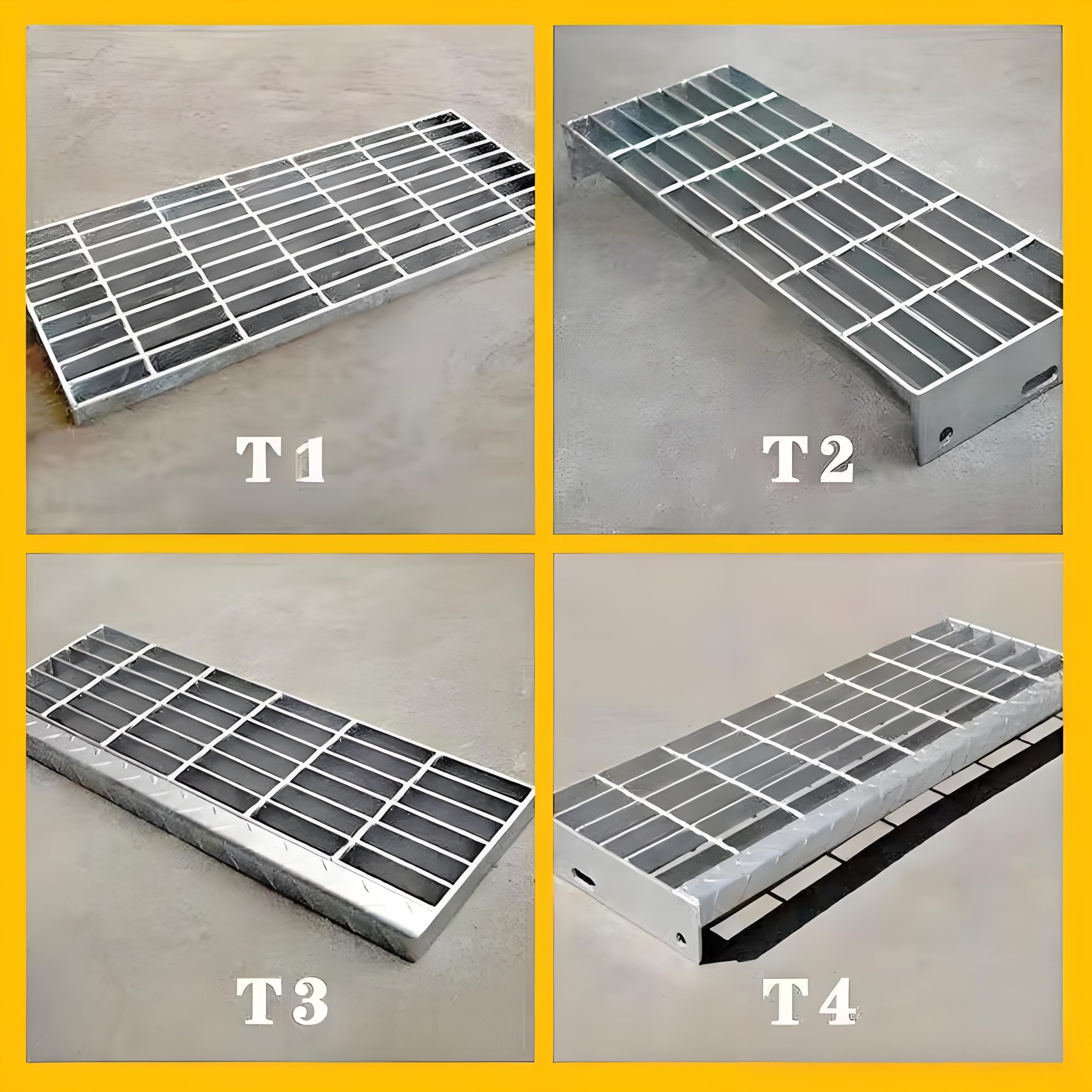
When sourcing steel grating, buyers should evaluate suppliers based on manufacturing capabilities, quality assurance processes, and export experience. Reliable suppliers provide consistent product quality and accurate technical documentation.
It is important to request detailed specifications, including material grade, coating thickness, load ratings, and fabrication tolerances. These details ensure that the grating meets project requirements and avoids costly rework or delays.
Working with experienced manufacturers such as Anping County Chuansen Silk Screen Products Co., Ltd. can improve procurement efficiency. Established suppliers are better equipped to handle large-scale orders, custom fabrication, and international logistics.
Order volume has a significant impact on steel grating price per square foot. Larger orders typically benefit from economies of scale, reducing unit costs. Standard sizes and specifications are also more cost-effective compared to custom designs.
Planning procurement in advance and consolidating orders can help reduce overall project costs. Buyers should also consider shipping methods and packaging to optimize logistics expenses.
In industrial applications, the lowest price per square foot is not always the most economical choice. Performance, durability, and maintenance requirements must be considered to determine the true cost of ownership.
Carbon steel grating may be suitable for indoor environments with minimal exposure to corrosion, offering the lowest upfront cost. Galvanized steel provides a more durable solution for outdoor use, while stainless steel is ideal for harsh or hygienic environments despite its higher cost.
Balancing these factors ensures that the selected grating meets both budget and performance expectations.
What affects steel grating price per square foot?
The price is influenced by material type, bar size and spacing, surface treatment, load requirements, customization, and order volume. Environmental conditions and transportation costs also play a role in the final pricing.
Is galvanized steel grating cost-effective for industrial use?
Galvanized steel grating offers a strong balance between cost and durability. Its zinc coating protects against corrosion, making it a practical choice for many industrial applications with moderate environmental exposure.
How to choose the right steel grating for industrial projects?
The selection depends on load requirements, environmental conditions, and budget. Evaluating these factors alongside lifecycle cost helps determine whether carbon steel, galvanized steel, or stainless steel is the best option.