

Plug-in steel grating price for platforms, walkways, and drainage systems is an important consideration for industrial buyers seeking a balance between structural performance, appearance, and long-term durability. Also known as press-locked steel grating, this type of grating is widely used in projects where precise fabrication and clean design are required. The cost per square foot varies depending on application type, load requirements, material selection, and customization level.
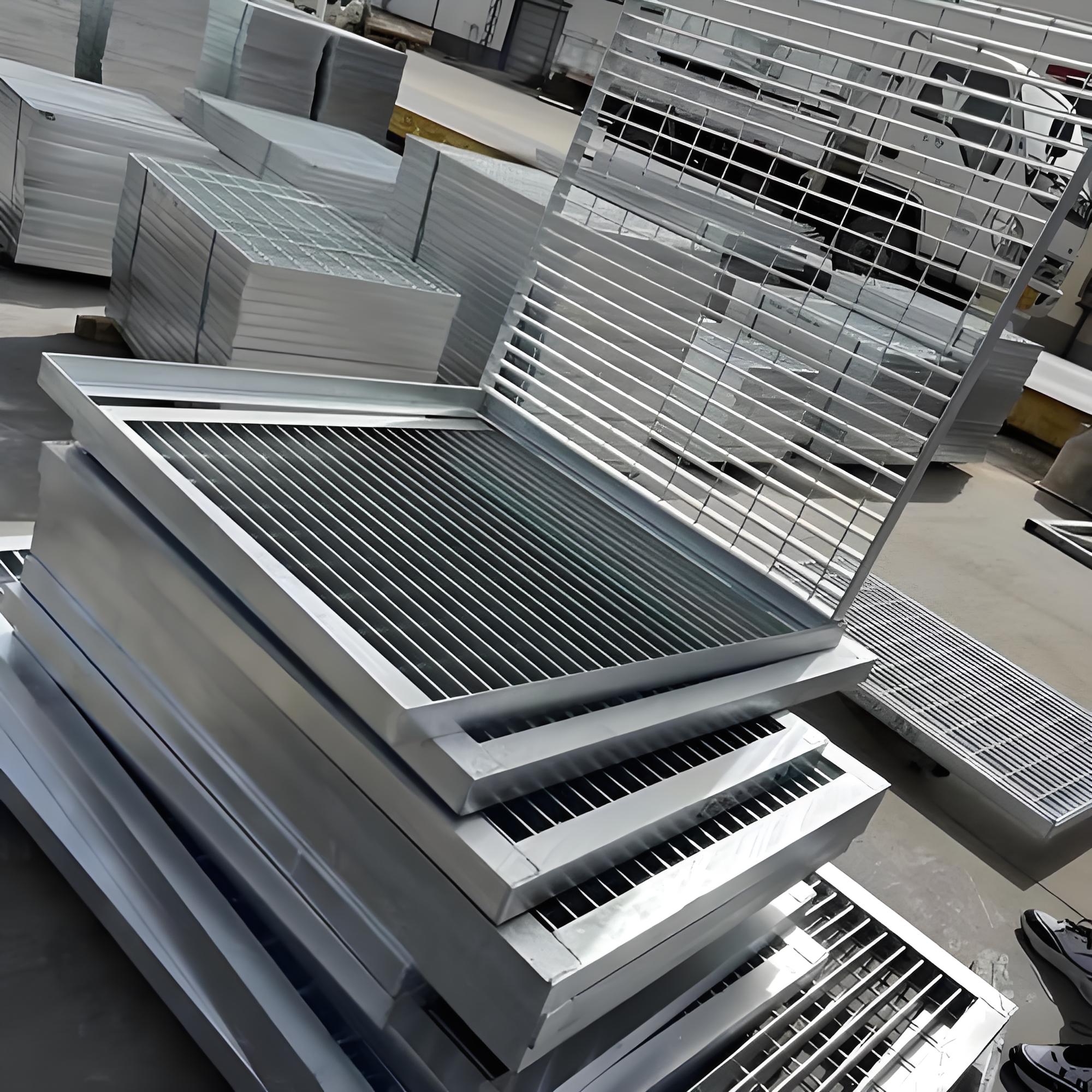
Plug-in steel grating is manufactured by inserting cross bars into pre-slotted bearing bars using high pressure. This creates a tight mechanical connection without welding, resulting in a smooth and uniform surface.
This structure provides consistent strength and an aesthetically pleasing appearance, making it suitable for both industrial and architectural applications. It is commonly used in platforms, walkways, and drainage covers where both function and design matter.
In industrial platforms, plug-in steel grating is used to support equipment and personnel while allowing ventilation and drainage. Its flat surface and structural integrity make it a reliable choice for elevated work areas.
For walkways, safety and comfort are key considerations. Plug-in grating offers a stable walking surface, and when combined with serrated edges, it improves slip resistance in wet or hazardous environments.
In drainage systems, plug-in steel grating serves as trench covers, allowing water to pass through while preventing debris from entering. Its precise construction ensures proper fitting and alignment within drainage channels.
Plug-in steel grating is available in carbon steel, galvanized steel, and stainless steel. Carbon steel provides the most economical option for indoor or low-corrosion environments.
Galvanized steel adds a protective zinc coating, increasing resistance to rust and making it suitable for outdoor and humid conditions. This process adds to the cost per square foot but extends service life.
Stainless steel offers the highest level of corrosion resistance and is used in chemical plants, marine environments, and hygienic facilities. Its alloy composition significantly increases the price compared to other materials.
The price of plug-in steel grating is heavily influenced by size and structural design. Bearing bar height, thickness, and spacing determine the load capacity and overall strength of the grating.
For platform applications, heavier loads require thicker and deeper bearing bars, which increase material usage and cost. Walkways may use lighter specifications, depending on traffic requirements.
Drainage covers often require tighter bar spacing to prevent debris from passing through, which also increases cost due to additional material and manufacturing precision.
Span length is another important factor. Longer spans require stronger grating to maintain structural integrity, which affects both design and pricing.
The press-locking process used in plug-in steel grating requires high precision. The slotting and insertion of cross bars must be accurately controlled, which increases manufacturing complexity compared to welded grating.
Customization further impacts cost. Non-standard panel sizes, irregular shapes, cut-outs, and edge banding require additional fabrication steps. These features are often necessary for drainage systems and complex platform layouts.
Surface options such as serrated grating improve safety but also add to production costs. Additional treatments, including galvanizing or polishing, contribute to the final price per square foot.
Several factors determine the overall cost of plug-in steel grating. Raw material prices fluctuate based on global steel markets, directly affecting production costs.
Design specifications such as bar size, spacing, and load requirements influence material usage and manufacturing time. Heavier-duty grating results in higher costs.
Order volume plays a significant role. Bulk orders typically reduce unit costs, while small or highly customized orders may carry a premium.
Transportation and logistics also affect pricing, especially for large panels used in platforms or drainage systems. Packaging and shipping requirements must be considered in the total cost.
Plug-in steel grating offers several advantages for platforms, walkways, and drainage applications. Its smooth surface improves aesthetics and reduces the risk of deformation during use.
The precise construction ensures consistent quality and accurate installation. This reduces on-site adjustments and speeds up project timelines.
Its versatility allows it to be used across multiple applications, making it a flexible solution for industrial projects with varying requirements.
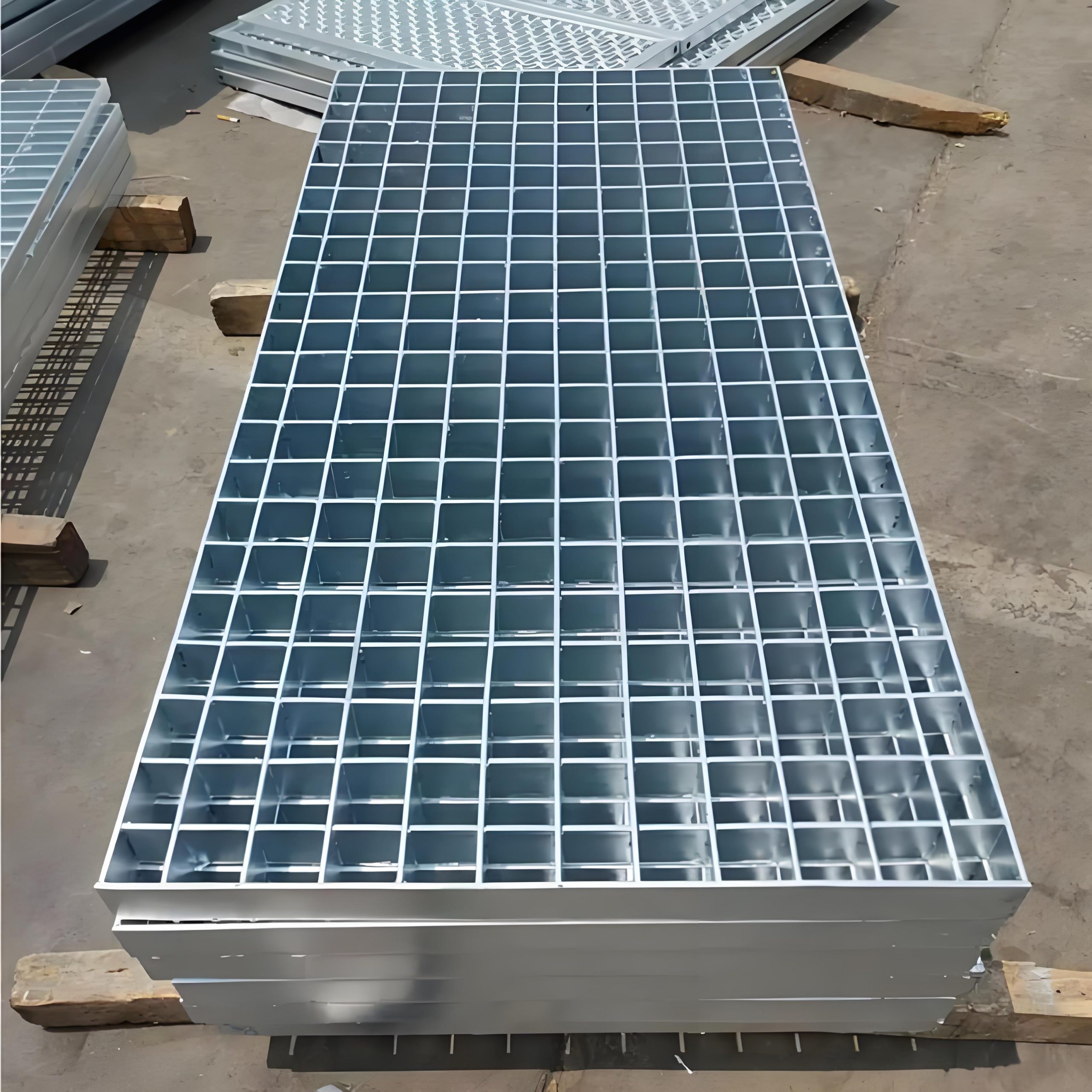
Selecting a reliable supplier is essential for ensuring product quality and cost efficiency. Buyers should evaluate suppliers based on their production capabilities, experience with custom projects, and quality control processes.
Technical support is also important. Suppliers should provide load tables, material certifications, and detailed drawings to support project requirements.
Working with experienced manufacturers such as Anping County Chuansen Silk Screen Products Co., Ltd. helps ensure consistent quality, accurate fabrication, and efficient delivery for international projects.
For platforms, optimizing load requirements and avoiding overdesign can help control costs. Selecting appropriate bar sizes ensures safety without unnecessary material usage.
For walkways, choosing standard sizes and spacing can reduce production costs while maintaining functionality. Serrated surfaces should be used only where necessary for safety.
For drainage systems, balancing bar spacing and structural strength ensures effective water flow while minimizing material costs. Standardizing panel dimensions can further improve cost efficiency.
What affects plug-in steel grating price for platforms and walkways?
The price depends on material type, bar size and spacing, load requirements, surface treatment, customization, and order volume. Heavier-duty applications typically increase cost per square foot.
Is plug-in steel grating suitable for drainage systems?
Yes, it is suitable for drainage applications as it allows water flow while providing structural support. Proper spacing and design are essential to ensure effective performance.
How to choose the right plug-in steel grating for industrial use?
The selection should be based on application type, load capacity, environmental conditions, and budget. Consulting supplier technical data helps ensure the correct specifications are chosen.