

Plug-in steel grating price is a key concern for industrial buyers looking for a balance between structural strength, aesthetic appearance, and long-term durability. Also known as press-locked steel grating, this type of grating is widely used in architectural, industrial, and commercial applications due to its clean design and precise construction. The cost per square foot varies depending on size, type, material, and fabrication requirements, making it essential to understand the pricing structure before procurement.
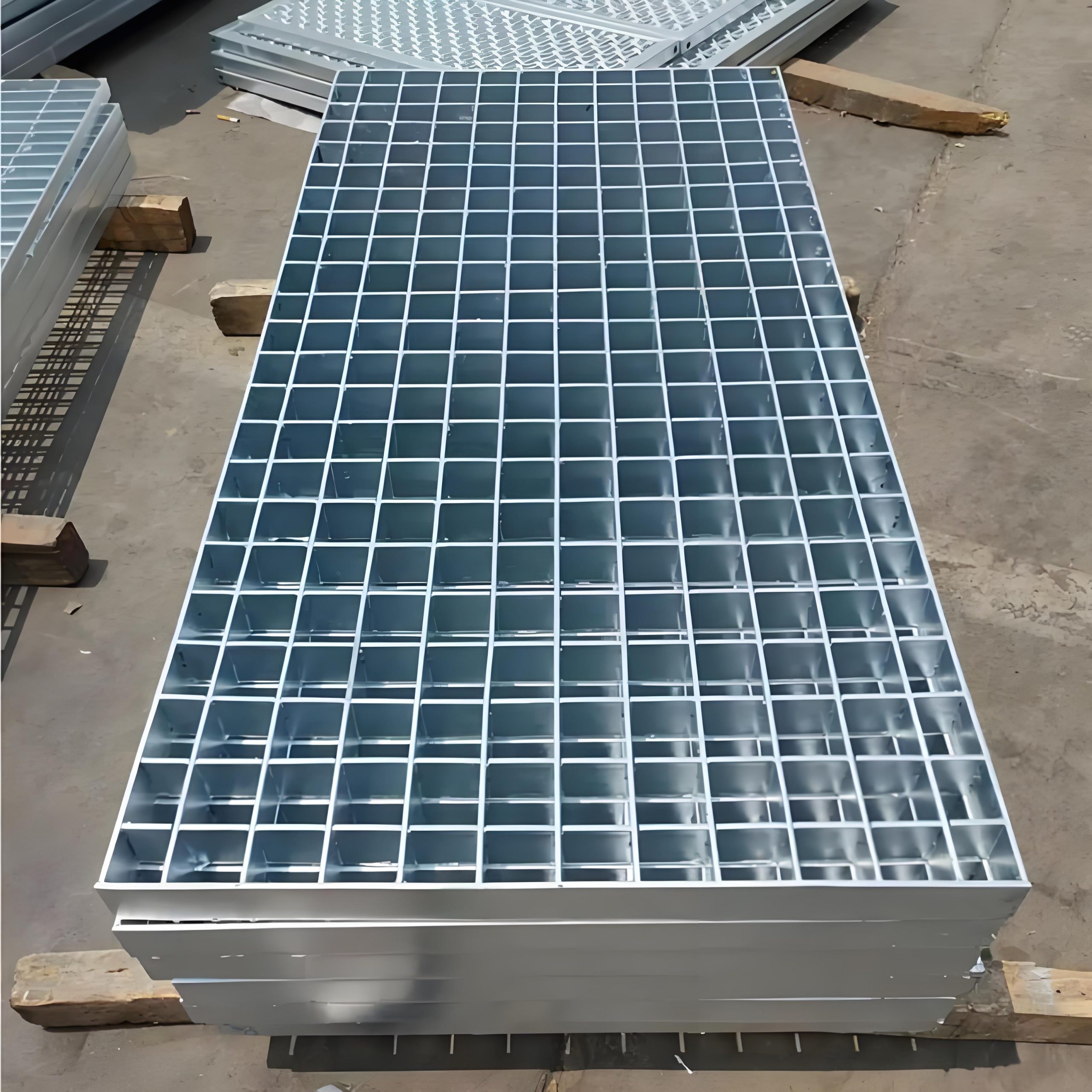
Plug-in steel grating, commonly referred to as press-locked grating, is manufactured by inserting cross bars into pre-slotted bearing bars under high pressure. This creates a firm mechanical connection without welding, resulting in a smooth and uniform surface.
This manufacturing method provides a visually appealing finish while maintaining structural integrity. It is often chosen for projects where both performance and appearance are important, such as public walkways, building facades, and industrial platforms.
Plug-in steel grating is available in different material types, including carbon steel, galvanized steel, and stainless steel. Carbon steel is the most economical option, while galvanized steel adds corrosion resistance through a zinc coating.
Stainless steel plug-in grating offers the highest level of corrosion resistance and is suitable for environments exposed to chemicals or moisture. However, it comes with a higher cost per square foot due to its alloy composition.
Surface variations such as plain and serrated designs are also available. Serrated grating improves slip resistance, making it suitable for wet or hazardous environments, while plain grating is typically used in dry conditions.
Plug-in steel grating is produced in a range of standard sizes, but it can also be customized to meet specific project requirements. Panel widths and lengths vary depending on manufacturing capabilities and transportation limitations.
Bearing bar spacing and cross bar spacing are critical size parameters. Common configurations provide a balance between load capacity and material efficiency. Tighter spacing increases strength and safety but also raises the cost per square foot.
Custom sizes, irregular shapes, and additional features such as cut-outs or edge banding will increase fabrication complexity and overall pricing.
Load capacity is one of the most important factors influencing both performance and cost. Plug-in steel grating must be designed to handle specific loads based on its application, whether for pedestrian traffic or heavy industrial use.
The load-bearing capacity depends on bearing bar dimensions, spacing, and span length. Thicker and deeper bars provide higher strength but require more material, increasing cost.
Suppliers typically provide load tables and engineering support to help buyers select the appropriate specifications. Proper load calculation ensures safety while avoiding unnecessary overdesign.
Material selection is a primary driver of plug-in steel grating price. Carbon steel offers the lowest cost, while galvanized steel adds moderate cost due to the galvanizing process. Stainless steel has the highest cost due to its composition and performance benefits.
Manufacturing precision also affects pricing. The press-locking process requires accurate slotting and alignment, which increases production complexity compared to welded grating.
Bar size, spacing, and panel thickness significantly impact material usage and cost. Heavier-duty grating requires more steel, leading to higher prices per square foot.
Surface treatment is another factor. Galvanizing improves corrosion resistance and extends service life, but it adds to the overall cost. Additional finishes or coatings may further influence pricing.
Order quantity plays a crucial role. Bulk orders typically reduce unit costs, while small or highly customized orders may result in higher prices.
Transportation and packaging costs should also be considered, especially for international buyers. Larger panels and heavier materials increase shipping expenses.
Plug-in steel grating is widely used in industrial flooring, walkways, stair treads, and ventilation panels. Its clean appearance also makes it popular in architectural applications such as facades, sunshades, and decorative structures.
In industrial environments, it provides reliable load-bearing performance while maintaining a neat and uniform surface. In commercial and public spaces, its aesthetic appeal adds value to the overall design.
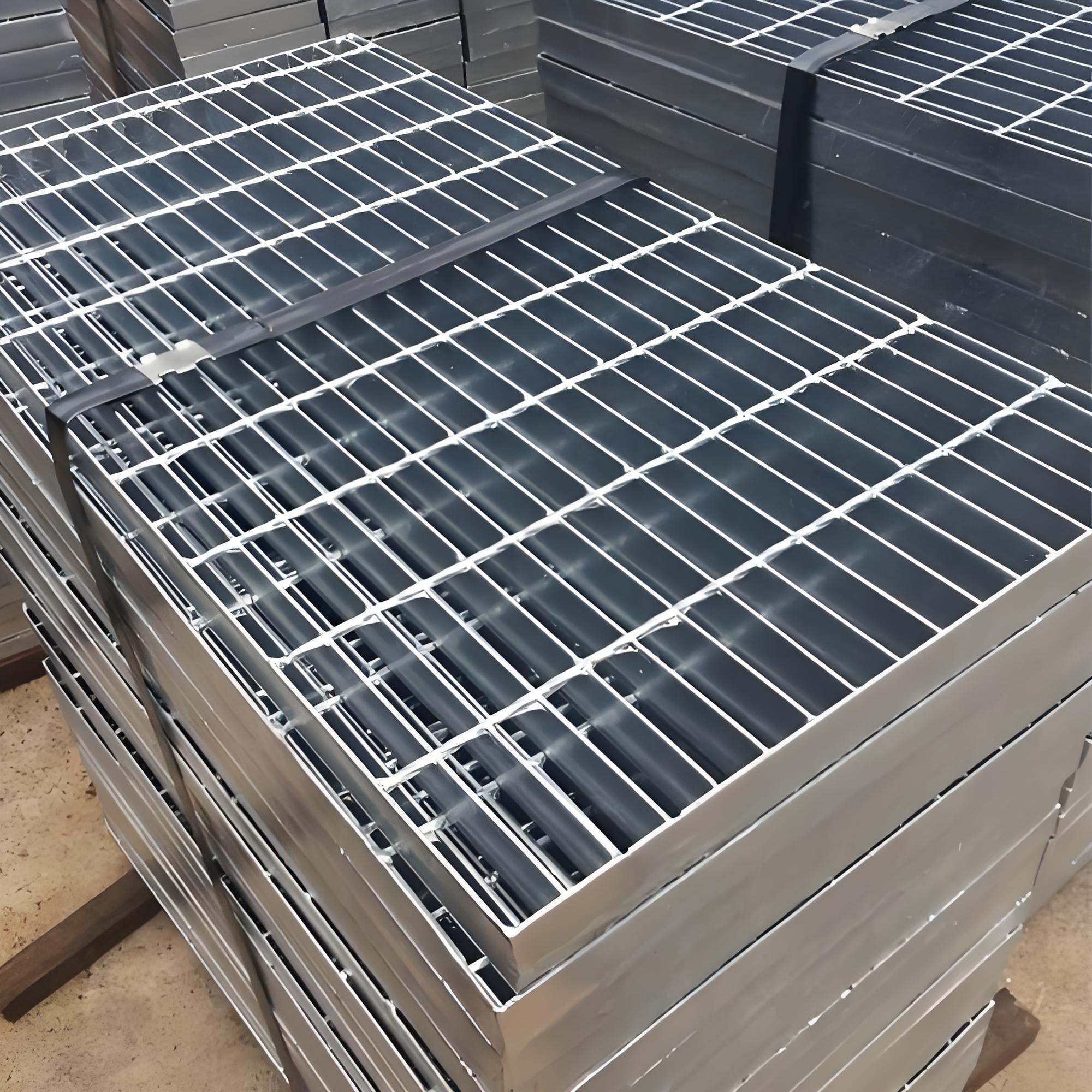
One of the main advantages is its smooth and flat surface, which enhances both appearance and safety. The absence of welding points reduces the risk of deformation and provides consistent quality.
Plug-in grating also offers good load distribution and structural stability. Its precise construction ensures accurate fitting, which simplifies installation.
In addition, it can be easily customized to meet specific design requirements, making it a versatile option for various applications.
Working with a professional supplier ensures consistent quality and accurate fabrication. Buyers should evaluate suppliers based on their manufacturing capabilities, technical expertise, and experience with custom projects.
It is important to request detailed specifications, including material grade, load ratings, and surface treatment details. These documents help verify that the product meets project requirements.
Experienced manufacturers such as Anping County Chuansen Silk Screen Products Co., Ltd. provide comprehensive solutions, including custom design, production, and export services. Their expertise helps streamline procurement and ensure reliable delivery.
To optimize costs, buyers should select standard sizes and specifications whenever possible. Customization should be limited to essential requirements to avoid unnecessary expenses.
Planning bulk purchases and consolidating orders can reduce cost per square foot. Early collaboration with suppliers also helps identify cost-effective design alternatives.
Balancing performance requirements with budget constraints ensures that the selected plug-in steel grating delivers value without overdesign.
What affects plug-in steel grating price per square foot?
The price is influenced by material type, bar size and spacing, manufacturing complexity, surface treatment, customization, and order volume. Transportation costs also play a role.
Is plug-in steel grating more expensive than welded grating?
Yes, plug-in steel grating is generally more expensive due to its precise manufacturing process and improved appearance. However, it offers advantages in aesthetics and consistency.
How to choose the right size and type of plug-in steel grating?
The selection depends on load requirements, application environment, and design preferences. Consulting supplier load tables and technical data helps determine the appropriate specifications.