

Choosing a composite steel grating supplier for drainage and trench covers is a critical step for infrastructure, municipal, and industrial projects. Composite steel grating combines the strength of steel with enhanced surface functionality, making it ideal for areas requiring both structural performance and effective water management. For buyers, understanding product structure, specifications, and procurement considerations ensures reliable performance in long-term drainage applications.
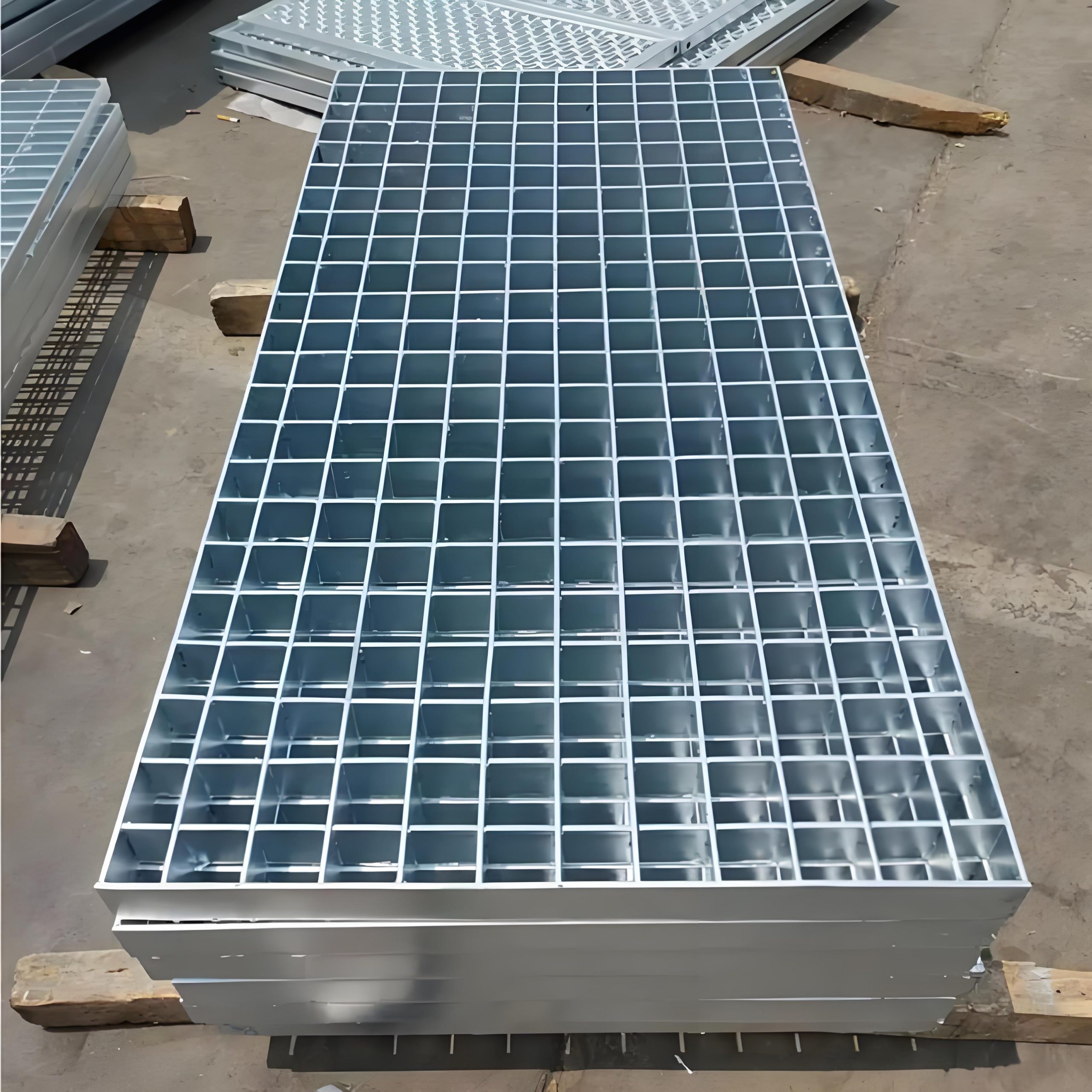
Composite steel grating typically refers to a combination of steel grating bonded with a surface plate, such as checkered plate or solid steel sheet. This design integrates the load-bearing capacity of traditional grating with improved surface coverage, making it particularly suitable for trench covers and drainage systems.
The base layer is usually welded steel grating, while the top layer provides additional strength, anti-slip performance, and partial sealing. This combination allows for both drainage and safe pedestrian or vehicle access.
The structure of composite grating consists of bearing bars, cross bars, and a surface plate. The steel grating provides structural support, while the top plate enhances rigidity and safety. The bonding process between the layers is typically achieved through welding, ensuring durability under load.
This design allows water to flow through the grating while preventing large debris from entering drainage systems. It is especially useful in urban infrastructure where both drainage efficiency and surface usability are required.
Composite steel grating is widely used in municipal drainage systems, road trench covers, industrial drainage channels, and wastewater treatment facilities. It is suitable for both pedestrian and light vehicle traffic areas.
In urban environments, trench covers must balance load capacity with safety. Composite grating provides a stable walking surface while maintaining drainage functionality. In industrial settings, it supports equipment access and ensures proper fluid management.
One of the main advantages is its enhanced load-bearing capacity compared to standard grating. The addition of a surface plate distributes loads more evenly, making it suitable for heavier applications.
Slip resistance is another key benefit. The checkered or textured plate improves traction, reducing the risk of accidents in wet conditions. This is particularly important for public infrastructure and industrial safety compliance.
Composite grating also offers better protection for drainage systems by limiting the entry of large debris while still allowing water flow. This reduces maintenance requirements and improves system efficiency.
When sourcing composite steel grating, buyers should evaluate bearing bar size, spacing, and material grade. These factors determine the load capacity and structural performance of the product.
The thickness and pattern of the surface plate are also important. Thicker plates provide higher strength but increase weight and cost. Checkered patterns enhance slip resistance and are commonly used in outdoor applications.
Galvanizing is typically applied to improve corrosion resistance. The thickness of the zinc coating affects durability, especially in outdoor or humid environments.
Panel dimensions and customization options should also be considered. Suppliers can produce panels in various sizes and shapes to fit specific trench layouts, reducing the need for on-site adjustments.
The cost of composite steel grating per square foot is influenced by several factors. Material usage is higher than standard grating due to the addition of a surface plate, which increases both weight and cost.
Steel price fluctuations directly impact the overall cost. The type of steel used, whether carbon steel or stainless steel, also plays a significant role in pricing.
Manufacturing complexity is another factor. The process of welding the plate to the grating requires additional labor and quality control, which increases production costs.
Surface treatment, such as hot-dip galvanizing, adds to the cost but significantly improves durability. Customization, including special shapes or reinforced edges, further affects pricing.
Order volume and transportation costs also influence the final price, particularly for large infrastructure projects or international shipments.
Working with a professional composite steel grating supplier ensures consistent product quality and reliable performance. Suppliers should have advanced manufacturing equipment and strict quality control processes.
Buyers should request technical documentation, including material certificates, load ratings, and galvanizing specifications. These documents verify that the product meets project requirements and industry standards.
Experienced manufacturers such as Anping County Chuansen Silk Screen Products Co., Ltd. provide comprehensive solutions, including design support, custom fabrication, and export services. Their expertise helps ensure smooth project execution.
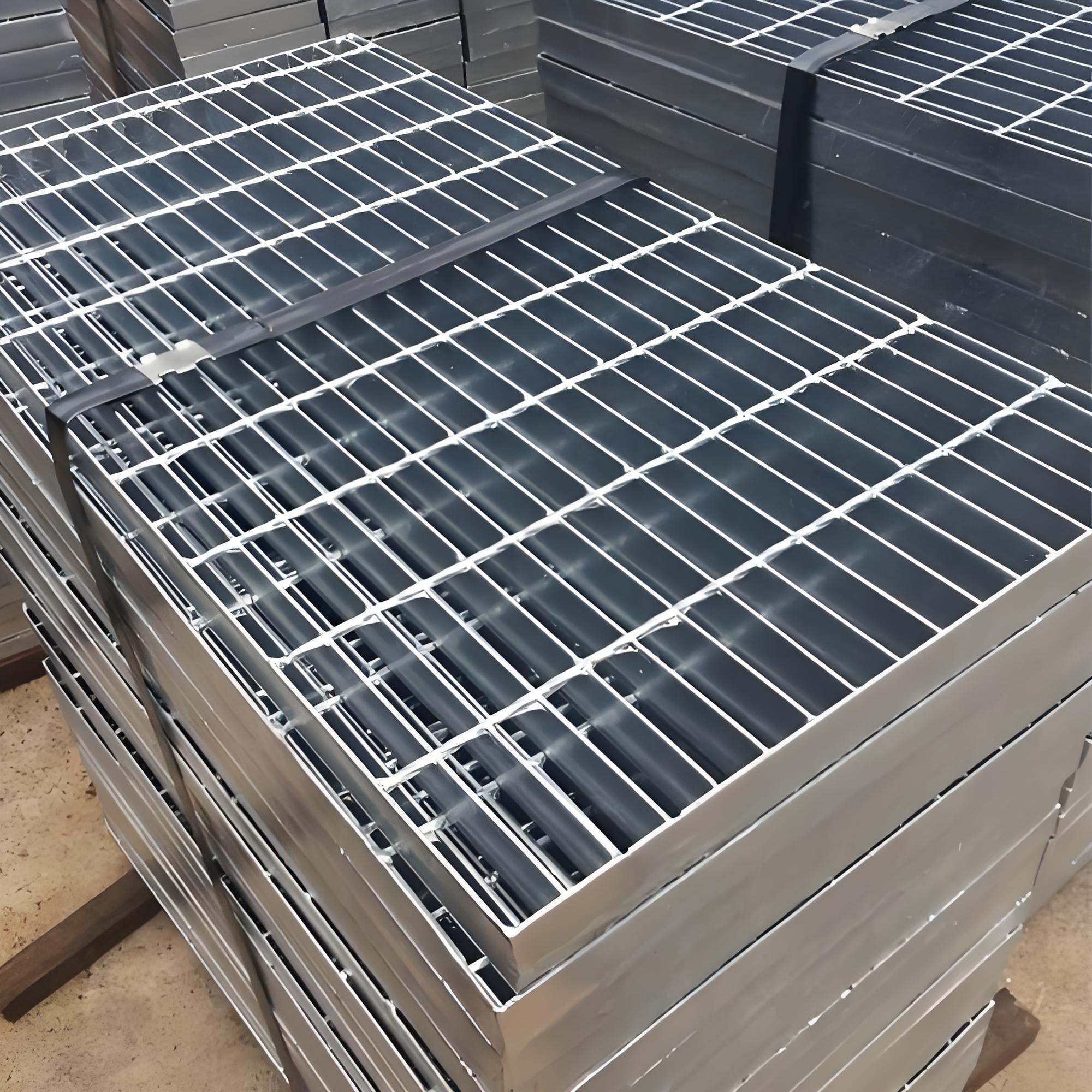
Proper installation is essential for achieving optimal performance. Composite grating panels should be securely fixed to prevent movement under load. Accurate measurement and fitting reduce installation time and improve safety.
Maintenance requirements are generally low, especially for galvanized products. Regular inspection and cleaning help maintain drainage efficiency and extend service life.
In environments with heavy debris or chemical exposure, periodic checks ensure that the grating continues to perform as intended.
Early planning is crucial when sourcing composite steel grating for drainage systems. Buyers should define load requirements, environmental conditions, and installation constraints before selecting specifications.
Standardizing panel sizes where possible can reduce costs and simplify logistics. Collaboration with suppliers during the design phase helps optimize both performance and budget.
Clear communication regarding technical requirements and delivery timelines ensures that the project stays on schedule and avoids unexpected delays.
What is composite steel grating used for?
Composite steel grating is commonly used for drainage systems, trench covers, and industrial platforms. It combines structural strength with improved surface safety and drainage performance.
What affects the price of composite steel grating?
The price is influenced by material type, plate thickness, grating specifications, galvanizing, customization, and order volume. Additional fabrication processes also increase cost.
Is composite steel grating suitable for heavy loads?
Yes, the combination of steel grating and a surface plate enhances load distribution, making it suitable for applications involving pedestrian and light vehicle traffic, depending on design specifications.