

Finding a reliable stainless steel grating supplier is essential for industrial buyers who require high corrosion resistance, precise customization, and dependable load performance. Stainless steel grating is widely used in environments where durability, hygiene, and long service life are critical. From custom sizes to specific load capacity requirements, understanding how suppliers approach fabrication and engineering helps ensure the right solution for demanding applications.
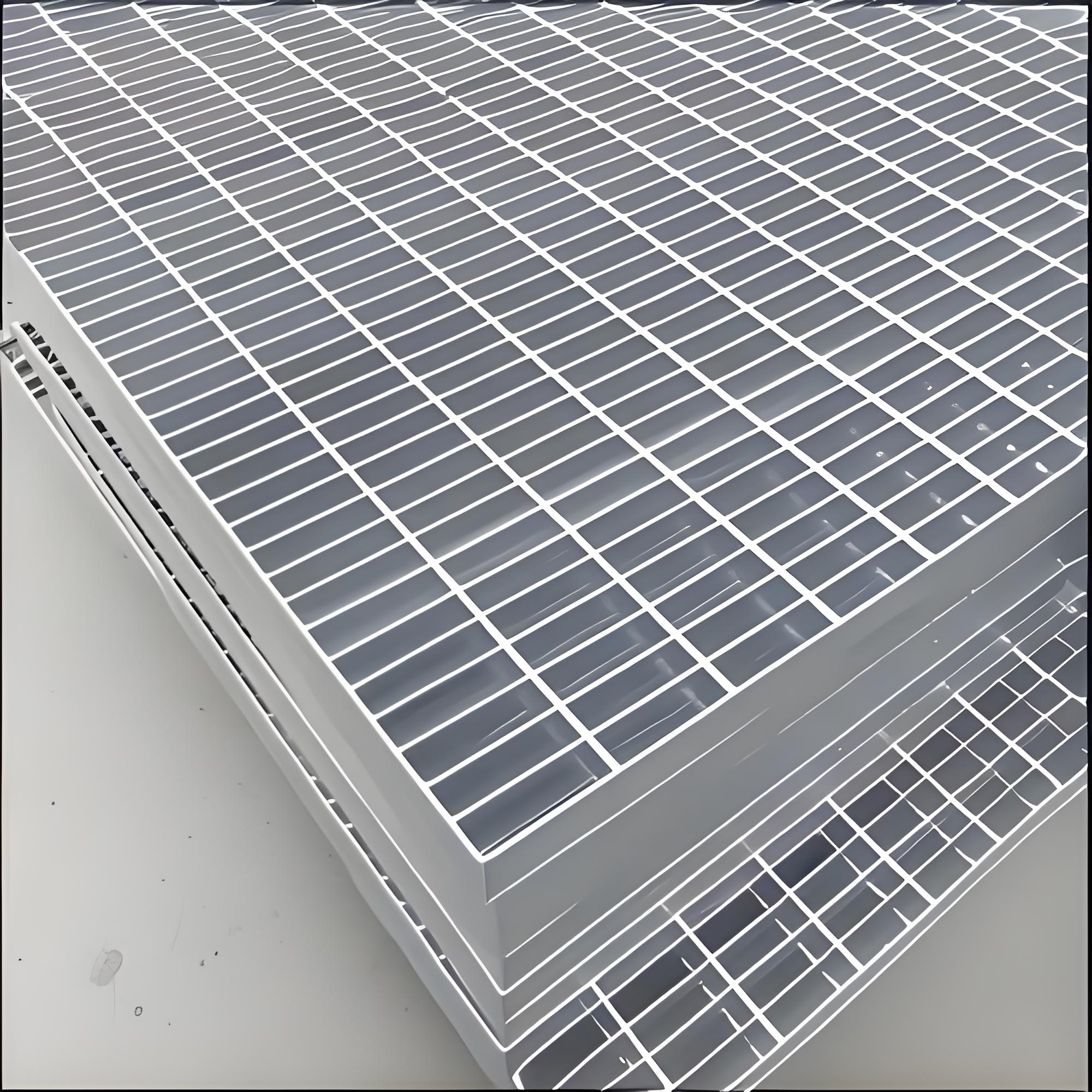
Stainless steel grating is a structural grid made from stainless steel bearing bars and cross bars, designed to provide strength, ventilation, and drainage. Unlike carbon steel, stainless steel contains chromium and other alloying elements that form a passive protective layer, preventing corrosion even in harsh environments.
This inherent corrosion resistance makes stainless steel grating ideal for industries such as food processing, pharmaceuticals, marine engineering, and chemical plants, where exposure to moisture, chemicals, or strict hygiene standards is common.
One of the main advantages of working with a stainless steel grating supplier is the ability to produce custom sizes tailored to project requirements. Standard panels may not always fit complex layouts, especially in industrial facilities with irregular structures or equipment constraints.
Custom fabrication includes cutting panels to exact dimensions, adding banding edges, and integrating features such as notches, cut-outs, or special shapes. These adjustments ensure precise installation and reduce the need for on-site modifications, saving both time and labor.
Suppliers can also adjust bearing bar spacing and cross bar configurations to meet specific safety or load requirements. While customization may increase the cost per square foot, it improves overall efficiency and performance in the final application.
Load capacity is a critical factor when selecting stainless steel grating. It determines how much weight the grating can safely support without excessive deflection or structural failure. This is especially important in industrial environments where heavy equipment, machinery, or frequent foot traffic is involved.
Load capacity depends on several design parameters, including bearing bar size, spacing, and span length. Thicker and deeper bars provide higher strength, while closer spacing improves load distribution. Suppliers typically provide load tables and engineering data to help buyers select the appropriate configuration.
Proper load calculation ensures safety and avoids overdesign, which can unnecessarily increase material usage and cost.
Stainless steel grating is commonly available in grades such as 304 and 316. Grade 304 is suitable for general industrial use and indoor environments, offering good corrosion resistance at a moderate cost.
Grade 316 contains additional molybdenum, which enhances resistance to chlorides and aggressive chemicals. This makes it the preferred choice for marine environments, coastal installations, and chemical processing facilities.
The selection of material grade directly affects both performance and price. Higher-grade stainless steel increases initial cost but provides longer service life in demanding conditions.
Surface design plays an important role in both functionality and safety. Plain surface grating is commonly used in dry environments, while serrated grating offers improved slip resistance for wet, oily, or hazardous areas.
In industries where worker safety is a priority, serrated surfaces are often specified despite the slightly higher cost. This design reduces the risk of slips and accidents, especially in outdoor or high-moisture environments.
The price of stainless steel grating per square foot is influenced by raw material costs, which are significantly higher than carbon steel due to alloy composition. Market fluctuations in nickel and chromium prices can directly impact overall pricing.
Customization requirements also affect cost. Complex shapes, non-standard dimensions, and additional fabrication processes increase production time and material waste, leading to higher prices.
Load capacity requirements contribute to pricing as well. Heavier-duty grating requires more material, which increases both weight and cost per square foot.
Surface finishing, such as polishing or passivation, may be required for certain applications, particularly in hygienic environments. These additional processes further influence the final price.
Order volume is another key factor. Larger orders typically reduce unit costs, while small or highly customized orders may carry a premium.
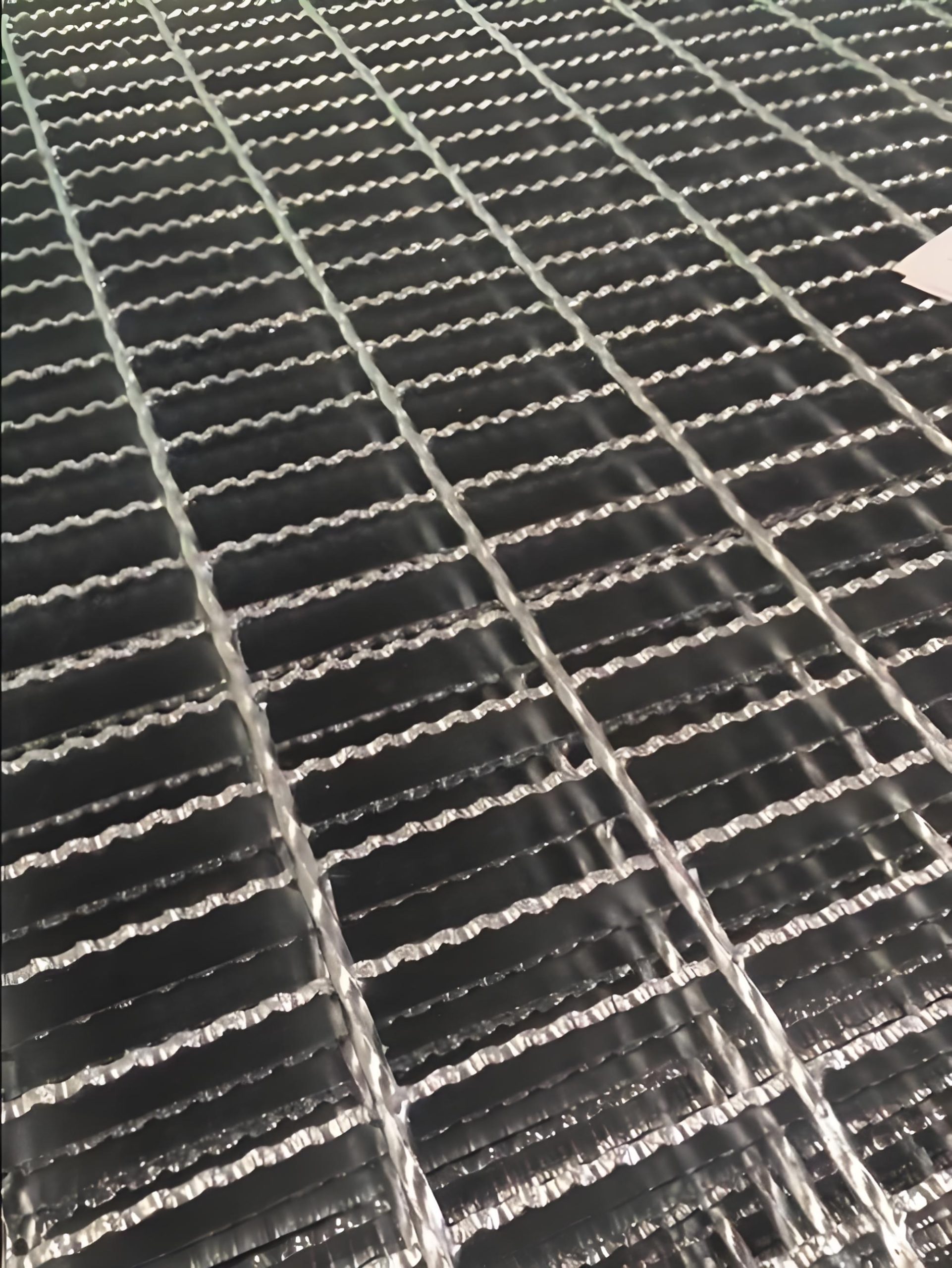
Stainless steel grating is widely used in industries that require high levels of corrosion resistance and cleanliness. In food and beverage processing plants, it supports hygienic operations by resisting contamination and allowing easy cleaning.
In marine and offshore environments, stainless steel grating withstands exposure to saltwater and harsh weather conditions. Chemical plants rely on it for resistance to corrosive substances, ensuring long-term structural integrity.
These demanding applications justify the higher cost per square foot, as the material provides reliability and reduces maintenance over time.
Working with a professional supplier ensures consistent product quality and reliable performance. Buyers should evaluate suppliers based on their manufacturing capabilities, experience with custom fabrication, and ability to meet international standards.
Technical support is an important consideration. Suppliers should be able to provide detailed drawings, load calculations, and material certifications to support project requirements.
Established manufacturers such as Anping County Chuansen Silk Screen Products Co., Ltd. offer comprehensive solutions, including custom design, production, and export services. Their experience helps streamline procurement and ensures timely delivery.
Clear communication and responsiveness are essential when handling custom orders. A reliable supplier will work closely with buyers to ensure that all specifications are accurately implemented.
While custom sizes and high load capacity improve performance, they also increase cost. Industrial buyers must balance these factors by selecting specifications that meet requirements without overdesigning.
Optimizing panel dimensions, selecting appropriate material grades, and standardizing certain elements can help control costs while maintaining performance. Early planning and collaboration with suppliers are key to achieving this balance.
What affects stainless steel grating price per square foot?
The price is influenced by material grade, customization level, load capacity requirements, surface finishing, and order volume. Higher-grade materials and complex designs typically increase costs.
Can stainless steel grating be customized to specific sizes?
Yes, suppliers can produce custom sizes, shapes, and configurations to meet project requirements. This includes cut-outs, edge banding, and special dimensions for precise installation.
How to determine the right load capacity for stainless steel grating?
Load capacity is determined by evaluating the expected weight, span, and usage conditions. Suppliers provide load tables and technical support to help select the appropriate grating design.