

Choosing a reliable galvanized steel grating supplier is essential for industrial buyers who need consistent quality, competitive pricing, and precise specifications. Galvanized steel grating is widely used in platforms, walkways, trench covers, and stair treads due to its strength, corrosion resistance, and cost efficiency. Understanding how suppliers structure pricing, what sizes are available, and how specifications impact performance helps ensure the right purchasing decision for long-term industrial use.
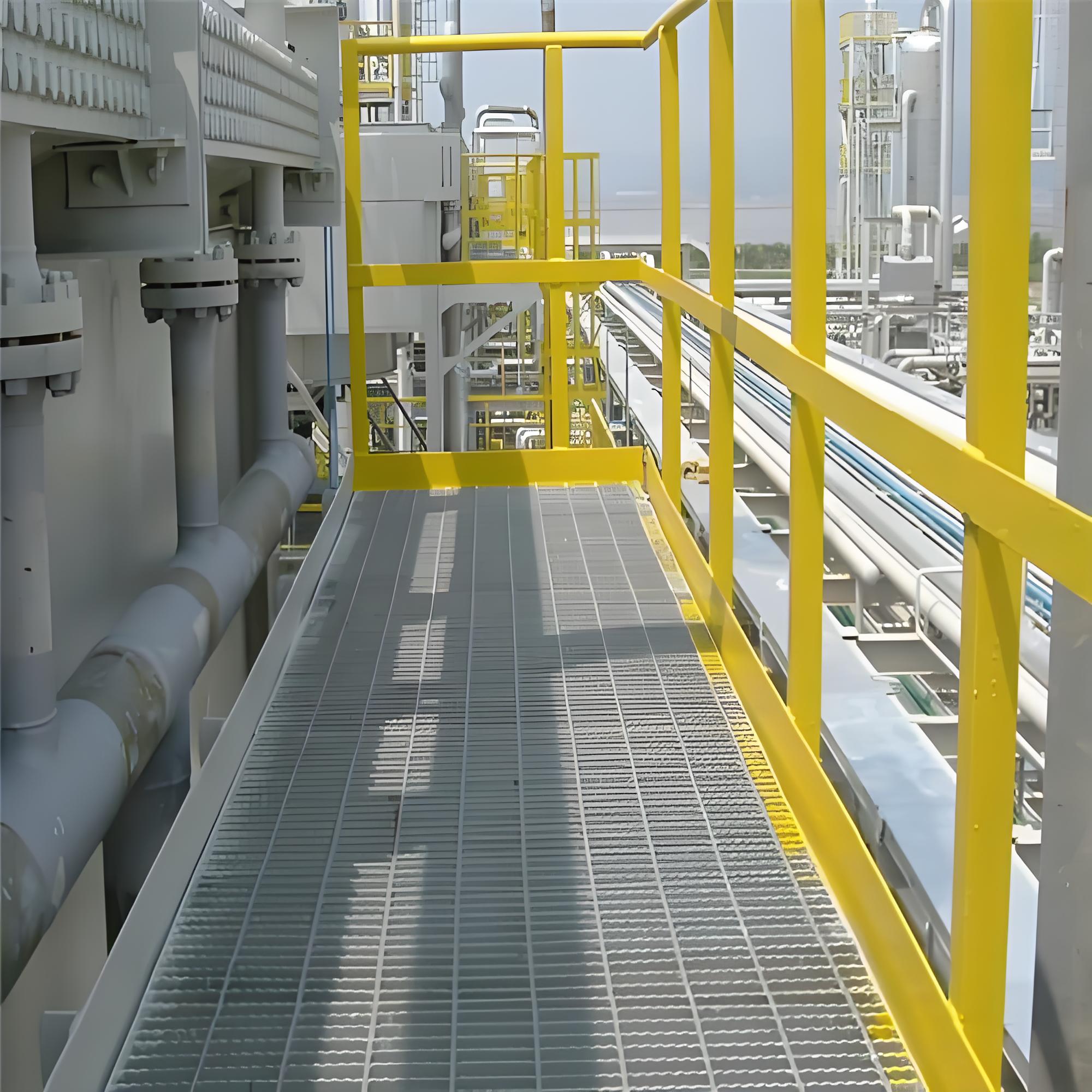
Galvanized steel grating is manufactured from carbon steel and coated with a layer of zinc through a hot-dip galvanizing process. This coating provides protection against corrosion, making it suitable for outdoor and industrial environments where exposure to moisture, chemicals, and weather is common.
The galvanizing process not only extends service life but also reduces maintenance requirements. For many industrial applications, this makes galvanized grating a preferred choice over untreated steel.
Galvanized steel grating is available in a wide range of sizes to meet different load and application requirements. Standard panel widths typically range from 2 to 3 feet, while lengths can extend up to 20 or 24 feet depending on transportation and fabrication limits.
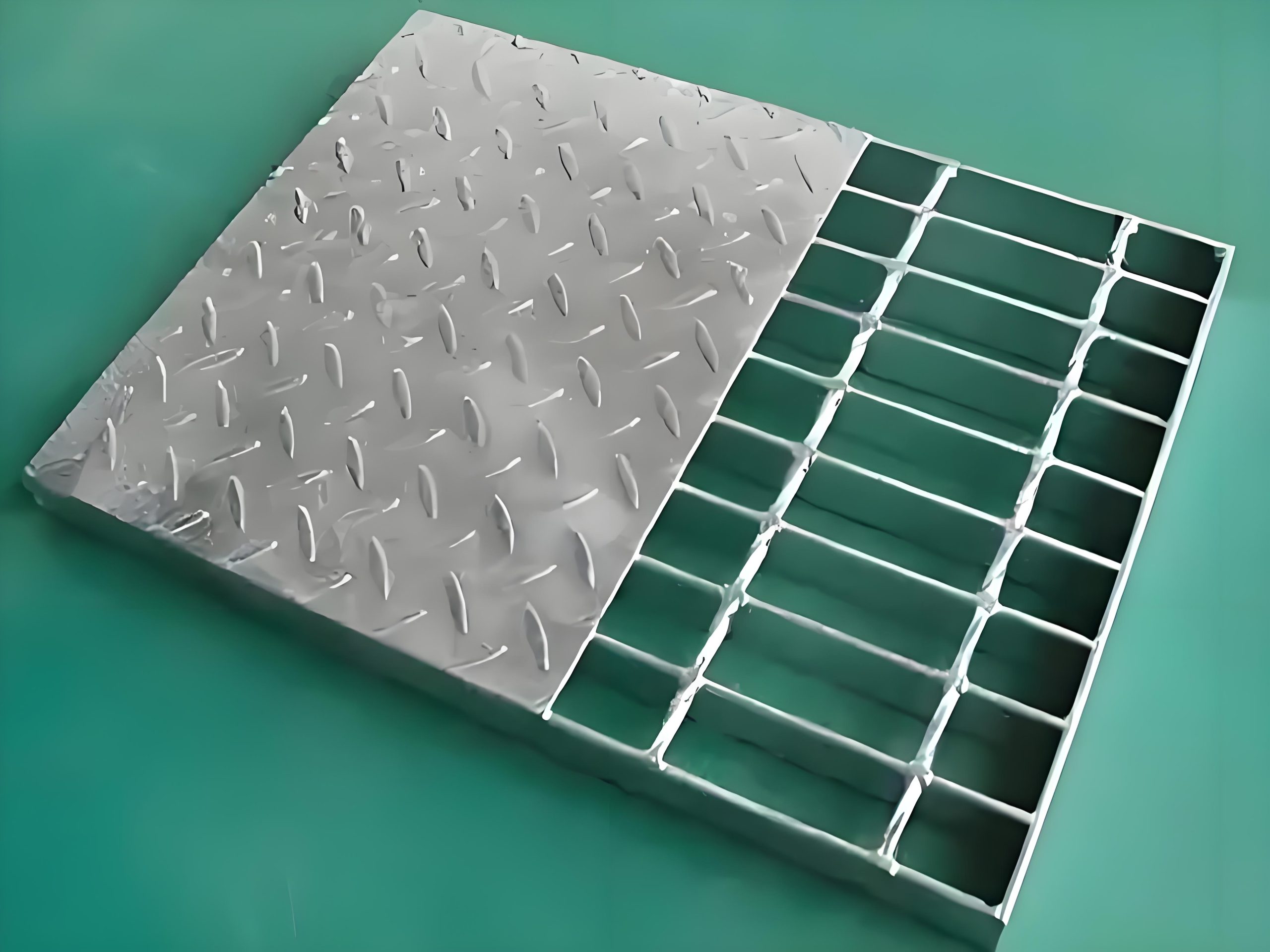
Bearing bar spacing is one of the most important size parameters. Common spacing options include 19-W-4 and 19-W-2, which refer to the distance between bearing bars and cross bars. Tighter spacing improves load distribution and safety but increases material usage and cost.
Bearing bar height and thickness also vary depending on load requirements. Heavier-duty applications require deeper and thicker bars, which directly influence the overall strength and price per square foot.
When sourcing from a galvanized steel grating supplier, buyers should focus on several critical specifications. Material grade determines the base strength of the grating, while galvanizing thickness affects corrosion resistance and durability.
Load capacity is another essential factor. Grating must meet specific load ratings based on its intended use, whether for pedestrian walkways or heavy industrial equipment. Suppliers should provide load tables and technical data to support their products.
Surface type also matters. Plain grating is suitable for dry environments, while serrated grating provides enhanced slip resistance for wet or oily conditions. Choosing the right surface improves safety and compliance with industry standards.
The price of galvanized steel grating per square foot depends on multiple variables. Raw material cost is a primary factor, as carbon steel prices fluctuate based on global market conditions. The addition of the zinc coating introduces extra processing cost, which is reflected in the final price.
Grating specifications such as bar size, spacing, and panel dimensions significantly influence pricing. Heavier and more complex designs require more material and labor, increasing the cost.
Customization also plays a role. Non-standard sizes, special edge treatments, and additional fabrication processes such as cutting or welding will raise the price compared to standard panels.
Order quantity affects pricing as well. Bulk purchases typically result in lower cost per square foot due to economies of scale, while small orders may carry higher unit costs.
Shipping and packaging are particularly important for international buyers. Larger panels and heavier loads increase transportation costs, which suppliers may include in their quotations.
Galvanized steel grating is widely used across industries such as oil and gas, power plants, water treatment facilities, and manufacturing. It is commonly installed in platforms, catwalks, drainage systems, and stair treads.
In these applications, the balance between cost and durability is critical. Galvanized grating provides reliable performance in outdoor and moderately corrosive environments, making it a practical solution for many industrial projects.
Experienced suppliers offer more than just products. They provide technical support, design recommendations, and customization services to meet specific project requirements. This ensures that the selected grating performs as expected under real operating conditions.
Quality control is another key advantage. Reputable manufacturers follow strict production standards and provide inspection reports, ensuring consistent product quality across large orders.
Working with established exporters such as Anping County Chuansen Silk Screen Products Co., Ltd. can simplify the procurement process. Suppliers with international experience understand packaging requirements, documentation, and shipping logistics, reducing the risk of delays.
Selecting the right galvanized steel grating supplier involves evaluating production capacity, technical expertise, and reliability. Buyers should look for suppliers who can handle both standard and customized orders efficiently.
Requesting samples and reviewing past project experience can provide insight into product quality. Certifications and compliance with international standards are also important indicators of a trustworthy supplier.
Clear communication is essential, especially for international transactions. Suppliers should be responsive and able to provide detailed quotations, technical drawings, and delivery timelines.
Industrial buyers must balance price considerations with technical requirements when selecting galvanized steel grating. Choosing the lowest-cost option may lead to insufficient load capacity or reduced durability, while over-specifying can increase project costs unnecessarily.
Careful evaluation of application conditions, load requirements, and environmental factors ensures that the selected grating delivers optimal performance at a reasonable cost per square foot.
What affects galvanized steel grating price per square foot?
The price is influenced by raw material costs, bar size and spacing, galvanizing thickness, customization, order volume, and shipping factors. Heavier and more complex designs typically result in higher costs.
What are standard sizes of galvanized steel grating?
Standard panels usually range from 2 to 3 feet in width and up to 20 or 24 feet in length, with common bar spacing such as 19-W-4. Custom sizes are also available depending on project requirements.
How to choose a reliable galvanized steel grating supplier?
Buyers should evaluate suppliers based on manufacturing capability, quality control, certifications, and export experience. Requesting technical data and samples helps ensure the product meets project specifications.