

Galvanized steel grating for walkways, platforms, and drainage systems is one of the most widely used solutions in industrial and infrastructure projects. Its combination of strength, corrosion resistance, and cost efficiency makes it suitable for environments where durability and safety are critical. For engineers and procurement professionals, understanding its structure, specifications, and application suitability is essential when selecting the right product.
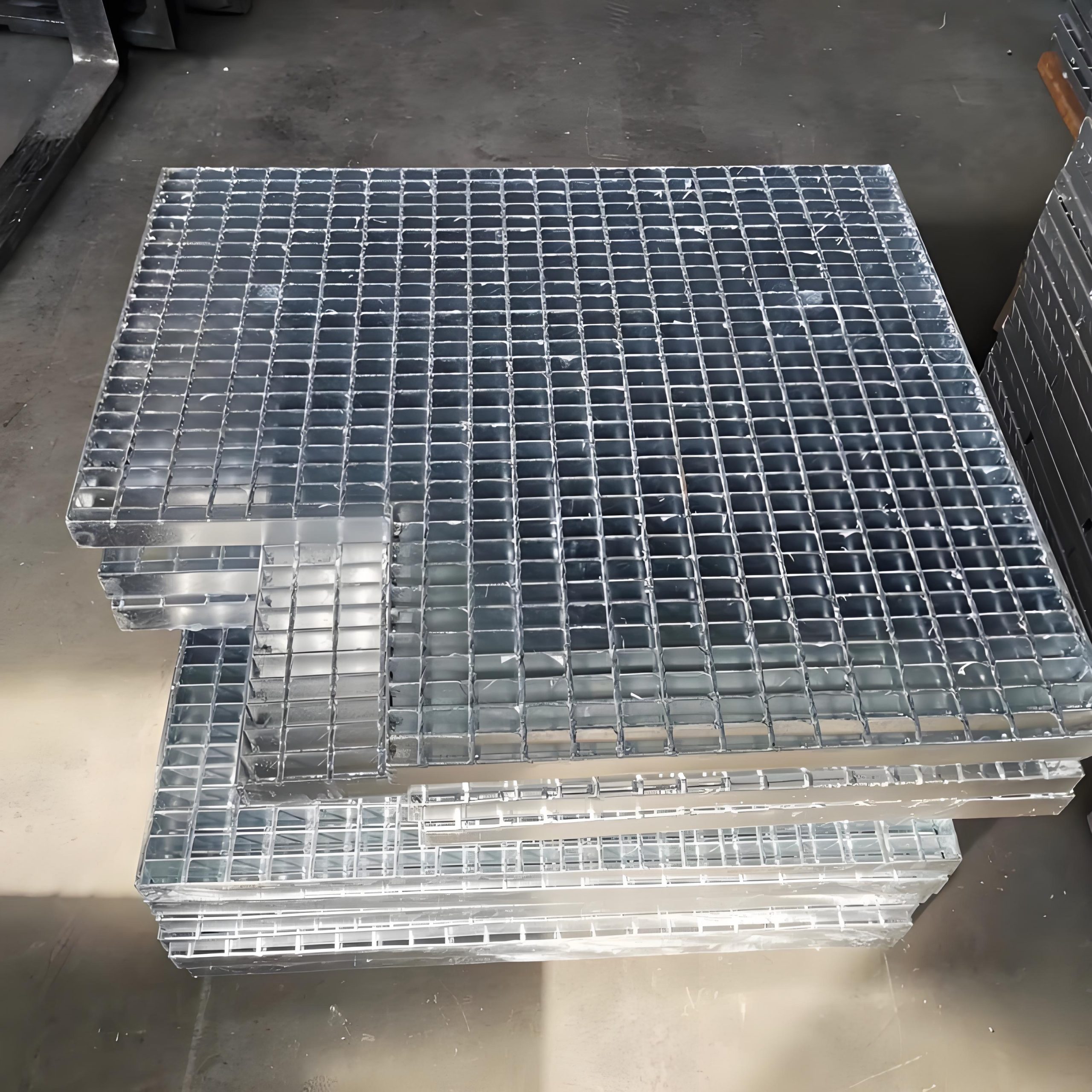
Galvanized steel grating is manufactured from carbon steel and coated with a layer of zinc through a hot-dip galvanizing process. This protective coating prevents corrosion by shielding the base metal from moisture and environmental exposure.
The grating consists of bearing bars and cross bars arranged in a grid pattern, providing load-bearing capacity while allowing air, light, and liquids to pass through. This design makes it highly effective for both structural support and drainage applications.
In walkway systems, galvanized steel grating provides a stable and safe walking surface. Its open design reduces water accumulation, minimizing slip hazards in outdoor or wet environments.
Serrated grating is often used in walkways to enhance traction. This is especially important in industrial sites, construction areas, and public infrastructure where safety standards must be met.
The durability of the galvanized coating ensures long service life, even in environments exposed to rain, humidity, or occasional chemical contact.
Industrial platforms require materials that can support heavy loads while maintaining structural integrity. Galvanized steel grating is widely used for equipment platforms, maintenance areas, and elevated workspaces.
The load capacity of the grating depends on bearing bar size, thickness, and spacing. Proper design ensures that the platform can handle both static and dynamic loads without excessive deflection.
The ventilation provided by the grating also improves working conditions by allowing heat and fumes to dissipate, which is particularly beneficial in industrial environments.
Galvanized steel grating is commonly used as trench covers and drainage grates. Its open structure allows water to flow freely while preventing large debris from entering the drainage system.
In urban and industrial drainage applications, proper grating design ensures efficient water management and reduces the risk of flooding. The strength of the grating allows it to support pedestrian and light vehicular traffic.
Corrosion resistance is a key advantage in drainage systems, as constant exposure to moisture can quickly degrade untreated materials.
Key specifications for galvanized steel grating include bearing bar size, spacing, and thickness. These parameters determine the load capacity and overall performance of the grating.
Common spacing configurations provide a balance between strength and material efficiency. Closer spacing increases load capacity and safety but also raises material usage.
The thickness of the zinc coating is another important factor. A thicker coating provides better corrosion protection, extending the service life of the grating in harsh environments.
Surface types include plain and serrated options. Serrated grating improves slip resistance, making it suitable for walkways and high-risk areas.
Galvanized steel grating offers several advantages that make it a preferred choice in industrial applications. Its high strength-to-weight ratio allows it to support heavy loads without excessive material usage.
The galvanizing process provides long-term corrosion resistance, reducing maintenance and replacement costs. This is particularly important for outdoor and high-moisture environments.
The open grid design ensures efficient drainage and ventilation, improving safety and operational efficiency. It also allows for easy inspection and cleaning.
In addition, galvanized grating is versatile and can be adapted to various applications, including walkways, platforms, and drainage systems.
The cost of galvanized steel grating depends on several factors. Material prices for carbon steel fluctuate based on market conditions, directly affecting production costs.
Grating specifications such as bar size, spacing, and panel dimensions influence material usage and manufacturing complexity. Heavier-duty grating typically results in higher costs.
The galvanizing process adds to the cost but significantly improves durability. Customization, including special sizes or fabrication features, also increases pricing.
Order volume and transportation costs play a role as well, with bulk orders generally offering lower cost per square foot.
When selecting galvanized steel grating, buyers should consider the specific requirements of each application. Walkways require a focus on safety and slip resistance, while platforms demand higher load capacity.
Drainage systems require proper spacing and corrosion resistance to ensure long-term functionality. Matching specifications to application needs helps optimize both performance and cost.
Standard sizes are generally more cost-effective, but custom solutions may be necessary for complex layouts. Early planning and coordination with suppliers can improve efficiency and reduce expenses.
Working with experienced manufacturers such as Anping County Chuansen Silk Screen Products Co., Ltd. ensures access to technical support, consistent quality, and reliable delivery for international projects.
Industrial buyers should evaluate suppliers based on production capacity, quality control, and experience in handling large-scale projects. Requesting technical documentation and certifications helps verify product performance.
Clear communication of specifications, including load requirements and environmental conditions, ensures accurate manufacturing and avoids costly errors.
Comparing multiple supplier quotes based on both price and quality helps achieve the best value for the project.
What is galvanized steel grating used for?
It is used for walkways, industrial platforms, and drainage systems due to its strength, corrosion resistance, and ability to allow water and air to pass through.
What affects galvanized steel grating cost per square foot?
The cost is influenced by material prices, grating specifications, galvanizing thickness, customization, order volume, and transportation.
Is galvanized steel grating suitable for outdoor use?
Yes, the zinc coating provides strong corrosion resistance, making it ideal for outdoor environments exposed to moisture and weather conditions.