

In our factory’s long-term experience producing steel grating orders, one of the most frequently asked questions from customers is: “Which is more durable—stainless steel grating or galvanized steel grating?” On the surface, this seems like a material comparison, but in reality, it involves evaluating service environment, corrosion mechanisms, mechanical wear, maintenance frequency, and total lifecycle cost. From the manufacturing perspective of Anping County Chuansen Silk Screen Products Co., Ltd., no single material can “completely outperform” the other in all scenarios. What truly determines service life is the match between the material itself and the actual working conditions.
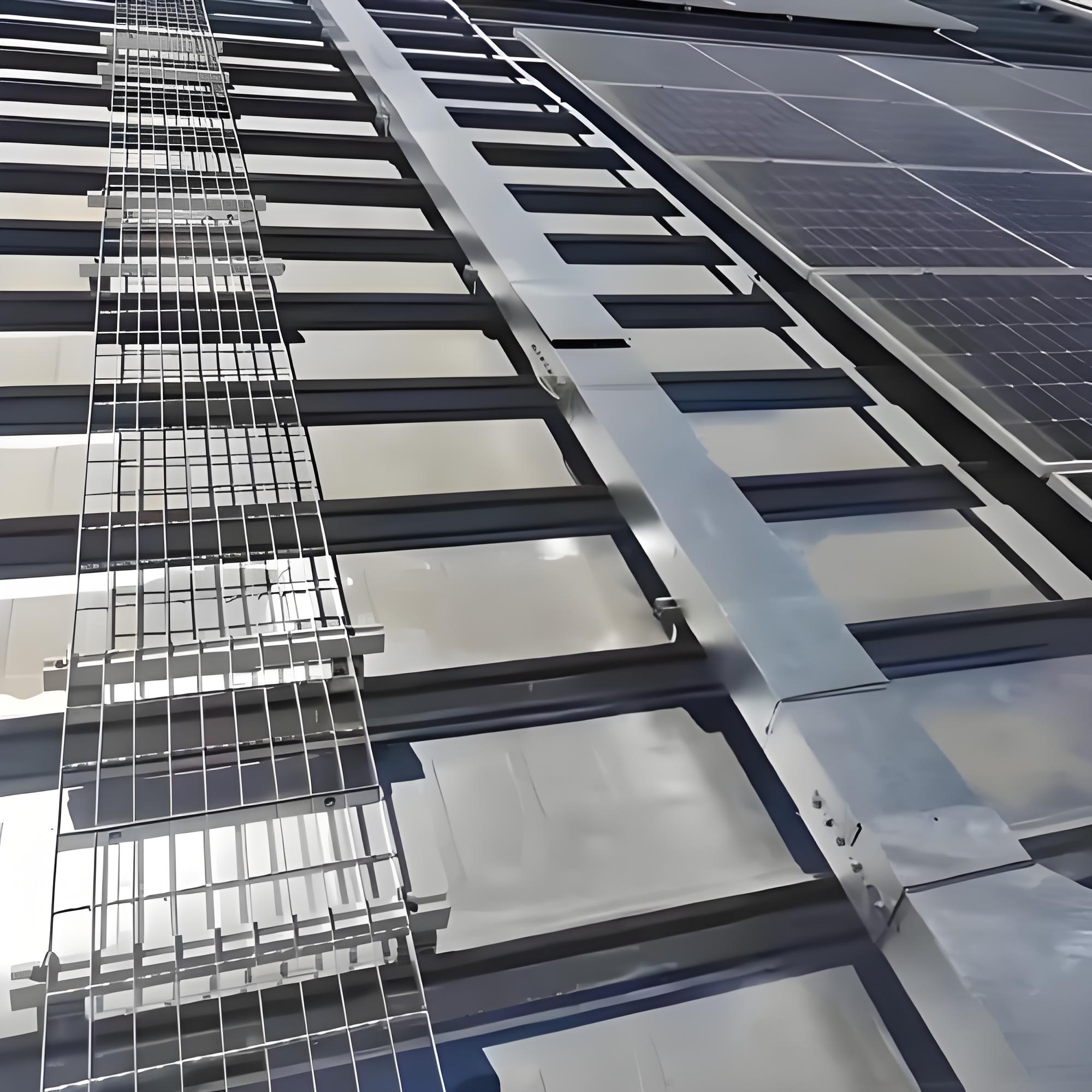
First, let’s clarify the fundamental difference. The corrosion resistance of stainless steel grating comes from the material itself. It does not rely on a surface coating but on alloying elements such as chromium, nickel, and molybdenum, which form a stable passive film on the surface. This film is extremely thin but critical. As long as the environment does not severely damage it, stainless steel can maintain long-term corrosion resistance.
Galvanized steel grating is different. Its base material is typically carbon steel, and the protective function comes from the zinc coating. This zinc layer acts as both a physical barrier and a sacrificial anode. In simple terms, when the surface is slightly damaged, the zinc corrodes first, protecting the underlying steel from rusting. This is why hot-dip galvanized grating is still widely used in general outdoor environments and offers good cost performance.
From a manufacturing standpoint, both types can appear neat and uniform, but their durability logic is fundamentally different. Stainless steel provides “built-in protection,” while galvanizing “delays the start of corrosion.” Once the zinc coating is worn through, cut edges are exposed, or welds are not properly treated, the carbon steel will begin to corrode. In contrast, even if stainless steel is scratched, its passive film can regenerate under suitable conditions.
We often remind buyers not to judge based on initial appearance, but to consider what remains after 5 or 10 years. Galvanized products often look bright and uniform at delivery, while stainless steel shows its advantage in long-term stability, especially in high humidity, high salinity, or chemically aggressive environments.
The first step in determining durability is not selecting a material, but classifying the environment. Durability is not an abstract concept—it reflects real on-site performance. Many projects initially focus only on material, but once we understand the actual conditions (sea air, chemicals, condensation, forklift traffic), the judgment changes significantly.
In humid or freshwater environments, such as municipal drainage areas or outdoor platforms without significant salinity, hot-dip galvanized grating performs well. With sufficient zinc coating thickness, a service life of over 10 years is common, especially in inland regions with low salt content.
However, stainless steel is generally more stable even in such environments. It does not rely on coating thickness consumption. For example, 304 stainless steel in general humid environments often outlasts galvanized grating. In food plants, wastewater facilities, and washdown areas, many customers switch to stainless steel to avoid future replacements.
In coastal or high-chloride environments, the difference becomes more significant. Zinc coatings degrade faster in salt-rich conditions. Once damaged, rust can spread quickly. For export projects in such environments, we rarely recommend standard galvanizing unless the customer accepts shorter maintenance cycles.
For stainless steel in coastal areas, grade selection is critical. While 304 is common in urban environments, 316 performs better in high-salt conditions due to its molybdenum content, which improves resistance to pitting and chloride corrosion. Stainless steel is not “completely rust-proof”—incorrect grade selection can still lead to failure.
In chemical or industrial environments, the evaluation becomes more complex. Galvanized coatings are sensitive to acids and alkalis and may deteriorate rapidly. In chemical plants or pickling lines, we have seen localized degradation occur quickly.
Stainless steel generally performs better in industrial environments, but only if the alloy matches the medium. Chloride cleaners, strong acids, or stagnant liquids can still cause pitting or stress corrosion. Therefore, we always confirm chemical type, concentration, temperature, and exposure frequency before recommending a grade.
As for UV exposure and weathering, these are often overestimated. Steel grating itself is not significantly affected by UV. The real factors are moisture cycles, salt deposition, and contaminants. In harsh atmospheric conditions, stainless steel typically offers better long-term stability.
Many people focus on corrosion but overlook mechanical wear. Steel grating is subject to foot traffic, tool dragging, carts, and even forklifts. Continuous friction gradually damages protective layers.
Galvanized grating performs well in static conditions, but under frequent wear, the zinc layer thins over time. Once worn through, the underlying steel is exposed and corrosion accelerates.
Stainless steel has an advantage here. Even when scratched, its passive film regenerates. It does not rely on a consumable coating, so it maintains more stable performance under moderate wear.
For anti-slip serrations, durability depends on how long the teeth maintain their shape. In galvanized grating, serration tips wear first, while stainless steel typically maintains surface integrity longer.
However, mechanical life also depends on flat bar thickness, load design, welding quality, and spacing. Material alone does not determine performance.
Initial price is easy to compare, but maintenance costs often become more critical. Hot-dip galvanized grating has lower upfront cost, typically around $25–$80 per m² (converted from RMB pricing). It offers good value in standard environments.
Stainless steel grating has higher initial cost. 304 stainless steel typically ranges from $80–$180 per m², while 316 may reach $120–$250 per m² or more. Actual prices depend on specifications and market conditions.
However, focusing only on purchase price can be misleading. Galvanized grating may require more maintenance over time, including inspections, repainting, and partial replacement. In high-downtime-cost environments, these hidden costs can exceed material savings.
Stainless steel maintenance focuses on cleaning and prevention. It avoids coating depletion but requires removal of salt and contaminants to prevent pitting.
Appearance tolerance is another hidden cost. In industries like food, pharmaceutical, or architectural projects, stainless steel maintains a cleaner appearance over time, which can influence replacement decisions.
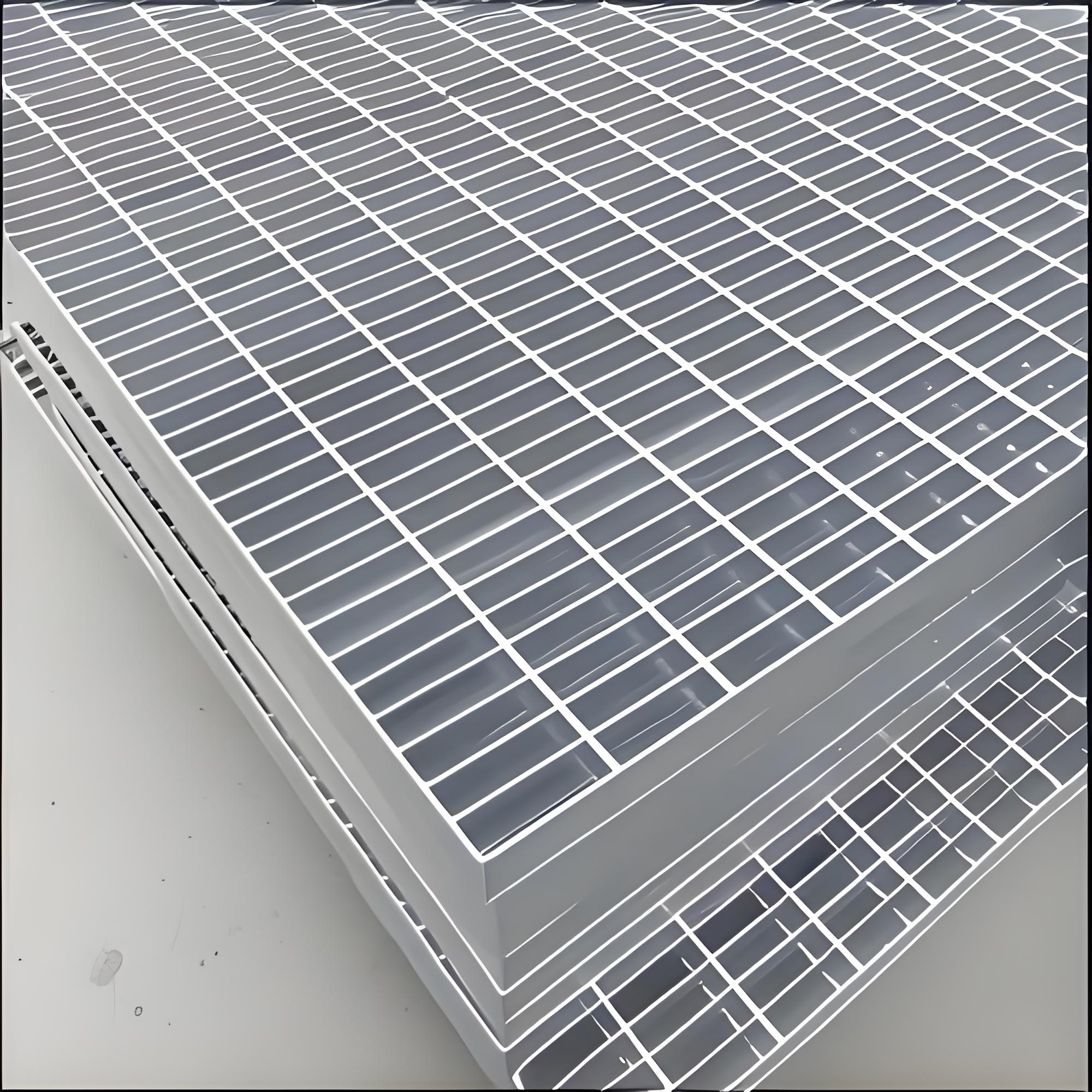
The biggest differences often appear in localized failures rather than uniform corrosion. Common weak points include cut edges, welds, bolt holes, and installation areas.
For galvanized grating, these areas are prone to early corrosion, especially after on-site cutting without proper zinc repair.
Stainless steel is more stable but not immune. Poor welding, contamination, or improper surface treatment can lead to localized corrosion.
Galvanic corrosion is also a concern in mixed-material systems. Improper combinations of metals can accelerate corrosion, especially in humid or saline environments.
From a lifecycle perspective, the better choice depends on the application. In inland environments with limited budgets, galvanized grating is often the practical choice.
In coastal, chemical, or high-maintenance-cost environments, stainless steel often provides better long-term value. Although the initial cost is higher, it reduces future maintenance and replacement needs.
In simple terms, galvanized grating is “lower upfront cost, environment-dependent longevity,” while stainless steel is “higher upfront cost, but reduced long-term risk in harsh conditions.”
From our manufacturing experience, the best approach is practical: choose galvanized when replacement is feasible and budget is limited; choose stainless steel when maintenance is difficult and corrosion conditions are severe.
In short, asking “which is more durable” usually points to stainless steel. But asking “which is more suitable and cost-effective for your project” requires evaluating environment, wear, maintenance capability, and budget together.
What is the price difference between stainless steel and galvanized grating?
Typical ranges: galvanized grating $25–$80 per m²; 304 stainless steel $80–$180 per m²; 316 stainless steel $120–$250 per m² or higher. Prices vary depending on specifications, load requirements, and quantity.
Are standard sizes available in stock?
Most projects are customized. Some semi-finished materials may be available, but finished grating is usually produced based on drawings.
What is the typical lead time?
Small orders: 7–15 days. Larger or complex orders: 15–30 days or longer. Galvanized grating may take additional time due to the galvanizing process.