
In many high-corrosion environments—such as coastal platforms, chemical plants, or food processing areas—ordinary carbon steel grating often begins to rust or even fail within a short period of use. In such cases, 316 stainless steel bar grating becomes a more reliable choice. However, in real procurement scenarios, the key challenges are not only about the material itself, but also about the factory’s processing capability, raw material control, and quality consistency. Therefore, choosing the right manufacturer is more critical than simply comparing prices.
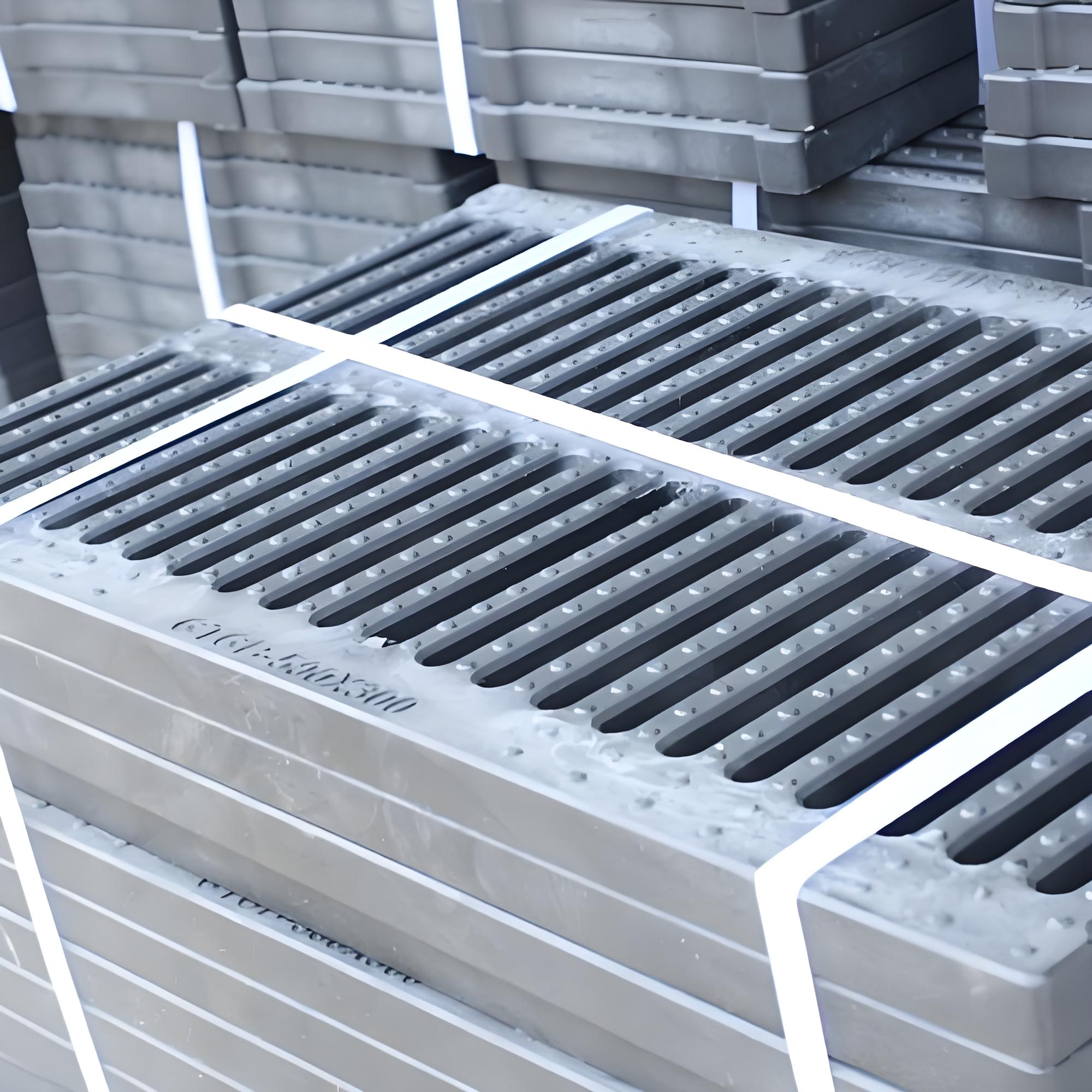
316 stainless steel bar grating is a grid-like structural product made from 316 stainless steel through welding or press-locking processes. It is commonly used in industrial platforms, walkways, trench covers, and drainage systems.
The biggest advantage of this material is its excellent corrosion resistance, especially in chloride-containing environments such as seawater, salt spray, or certain chemical media, where it significantly outperforms standard stainless steels. At the same time, its strength and load-bearing capacity meet the requirements of most industrial applications.
In practical engineering, selecting a professional factory is essential. Even if the correct material is used, poor welding, dimensional inaccuracies, or inadequate surface treatment can directly affect service life and safety.
1. Material advantages of 316 vs 304
Compared to 304 stainless steel, 316 contains higher nickel content and added molybdenum. The presence of molybdenum significantly improves resistance to chloride-induced corrosion.
In coastal or chemical environments, 304 stainless steel is more prone to pitting corrosion, while 316 can effectively delay or even prevent such issues. From a long-term perspective, this results in lower maintenance costs.
In terms of pricing, 316 is typically 20%–40% more expensive than 304. In the current market, the reference price for 316 stainless steel grating is approximately $80–$180 per square meter, depending on specifications and processing complexity.
2. Common applications requiring 316 grating
316 material is commonly used in applications with high corrosion resistance requirements, such as offshore platforms, port facilities, and seawater treatment systems.
In the chemical industry, especially in areas with strong acidic or alkaline exposure, 316 grating can significantly reduce replacement frequency.
Additionally, in food processing and pharmaceutical cleanrooms, where hygiene standards are strict, 316 stainless steel is better suited for cleanliness and contamination control.
1. Raw material sourcing
Qualified factories typically use certified 316 stainless steel coils or flat bars and can provide full Material Test Reports (MTR).
Material traceability is crucial, especially for export projects or large-scale engineering, where clients often require heat numbers and chemical composition data.
2. Manufacturing methods
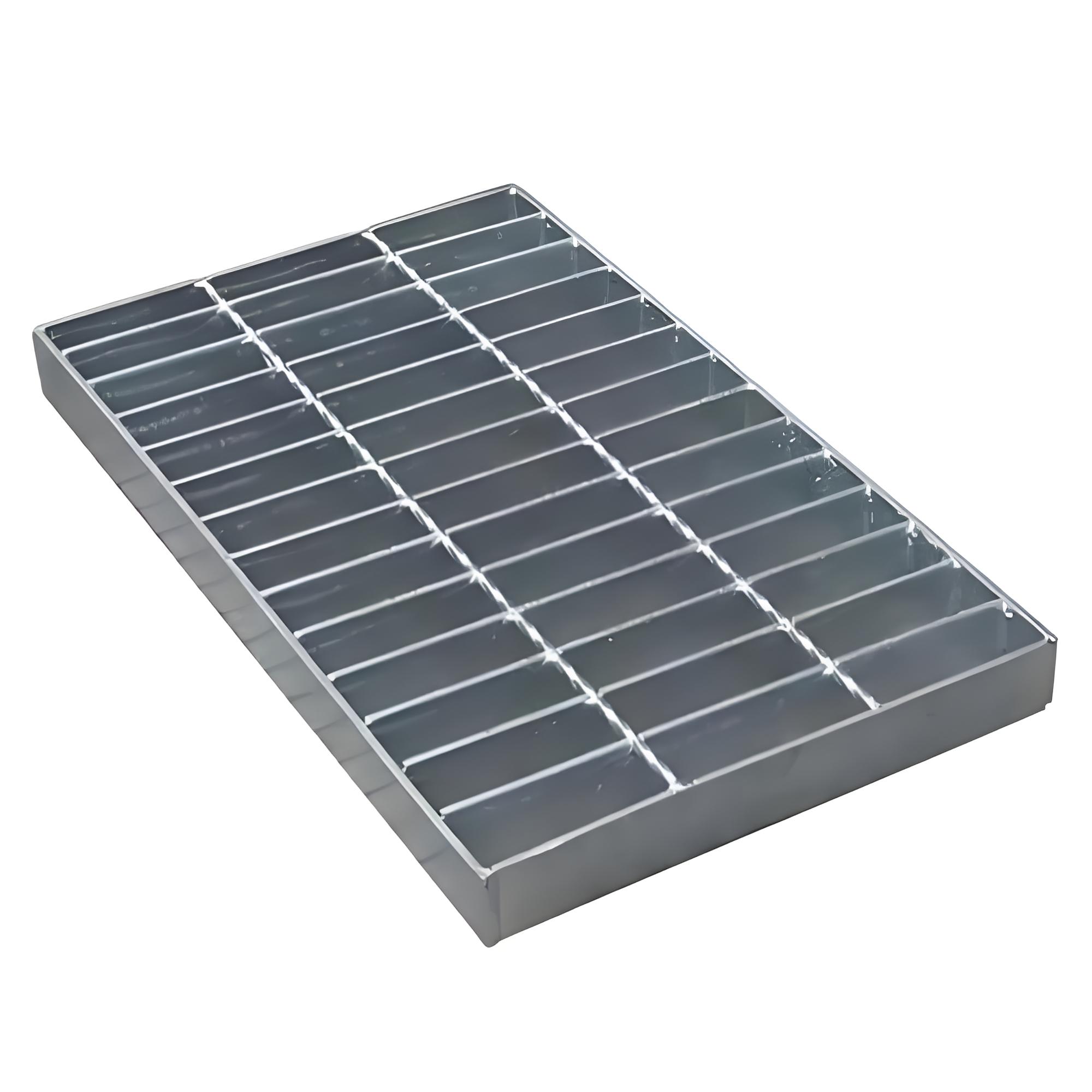
Common production methods include press-locked and welded grating. Press-locked grating offers a more uniform appearance, while welded grating provides stronger structural integrity, making it suitable for heavy-duty applications.
In terms of equipment, hydraulic presses, automated welding lines, and leveling machines are typically used, all of which directly impact product accuracy and consistency.
3. Custom fabrication capabilities
In real projects, fully standard sizes are rare, so factories must have secondary processing capabilities such as cutting, bending, banding, and hole-making.
For special structures such as circular, irregular, or equipment-cutout gratings, laser cutting is often used.
4. Surface finishing options
Unlike carbon steel, 316 stainless steel does not require galvanizing. However, it is usually treated with pickling and passivation to improve surface stability.
For applications with higher surface requirements—such as food or pharmaceutical industries—electropolishing can be applied to achieve a smoother and easier-to-clean surface.
1. Bearing bar sizes
Common bearing bar heights include 20mm, 25mm, 30mm, 40mm, and 50mm, with thicknesses typically ranging from 3mm to 5mm.
Different combinations of height and thickness directly affect load capacity and overall weight.
2. Bar spacing
Common bearing bar spacing includes 30mm, 40mm, and 60mm, which determines the open area and load distribution.
Cross bar spacing is typically 50mm or 100mm, providing structural stability and support.
3. Standard panel sizes
Standard panel lengths are usually up to 6000mm, with widths generally not exceeding 1200mm, depending on equipment capacity.
Products exceeding standard sizes typically require segmentation or splicing.
4. Special types
For anti-slip requirements, serrated grating can be provided, suitable for wet or oily environments.
I-bar grating offers reduced weight and is suitable for applications with lower load requirements but cost-saving needs.
Heavy-duty grating is designed for vehicle traffic or high-load areas.
1. Manufacturing standards followed
Most factories produce according to standards such as ASTM, BS, AS, or China’s YB/T 4001, depending on project requirements.
2. In-process and final inspections
During production, inspections include dimensional checks, welding strength verification, and flatness control.
Before shipment, final inspections ensure compliance with drawings and specifications.
3. Material verification
To avoid material substitution, some factories use spectrometers to verify chemical composition and confirm that the material is genuine 316 stainless steel.
This step is especially critical in high-specification projects, particularly when price differences are significant.
Compared to carbon steel grating, 316 stainless steel does not suffer from coating failure and subsequent rusting, resulting in more stable long-term performance.
Although the initial cost is higher, reduced maintenance and replacement frequency often result in lower lifecycle costs.
Factories specializing in stainless steel products typically maintain dedicated production lines to prevent carbon steel contamination.
Additionally, professional manufacturers can provide value-added services such as cut-to-size fabrication, edge banding, and welded frames, reducing on-site installation workload.
The density of 316 stainless steel is close to that of carbon steel, approximately 7.9–8.0 g/cm³, so the weight is nearly the same for identical specifications.
For example, a common model such as G325/30/100 has a theoretical weight of approximately 28–32 kg/m², depending on bearing bar thickness and manufacturing method.
In actual quotations, weight is a key factor, as the high cost of 316 material means that any weight variation directly impacts the total price.
When selecting a 316 stainless steel bar grating factory, the focus should be on material authenticity, processing precision, and customization capability rather than price alone.
In practice, it is recommended to request material test reports, conduct spot checks on welding quality if necessary, and understand the supplier’s production capacity and lead time.
What is the price of 316 stainless steel bar grating?
Based on market conditions, the price typically ranges from $80 to $180 per square meter, depending on specifications, weight, and processing complexity.
What is the typical lead time for 316 stainless steel grating?
Standard specifications can usually be completed within 10–20 days. For customized sizes or complex fabrication, the lead time may extend to 3–4 weeks.
Can I get custom sizes from a 316 grating factory?
Most professional factories support customization, including non-standard sizes, irregular cutting, and framed structures, which are very common in real engineering projects.
