

Anti-slip steel grating price is a key consideration for industrial buyers looking to improve workplace safety while maintaining structural performance. Designed with serrated or textured surfaces, anti-slip grating is widely used in environments where moisture, oil, or heavy foot traffic increases the risk of slipping. The cost per square foot varies depending on specifications, load requirements, surface treatment, and application scenarios.
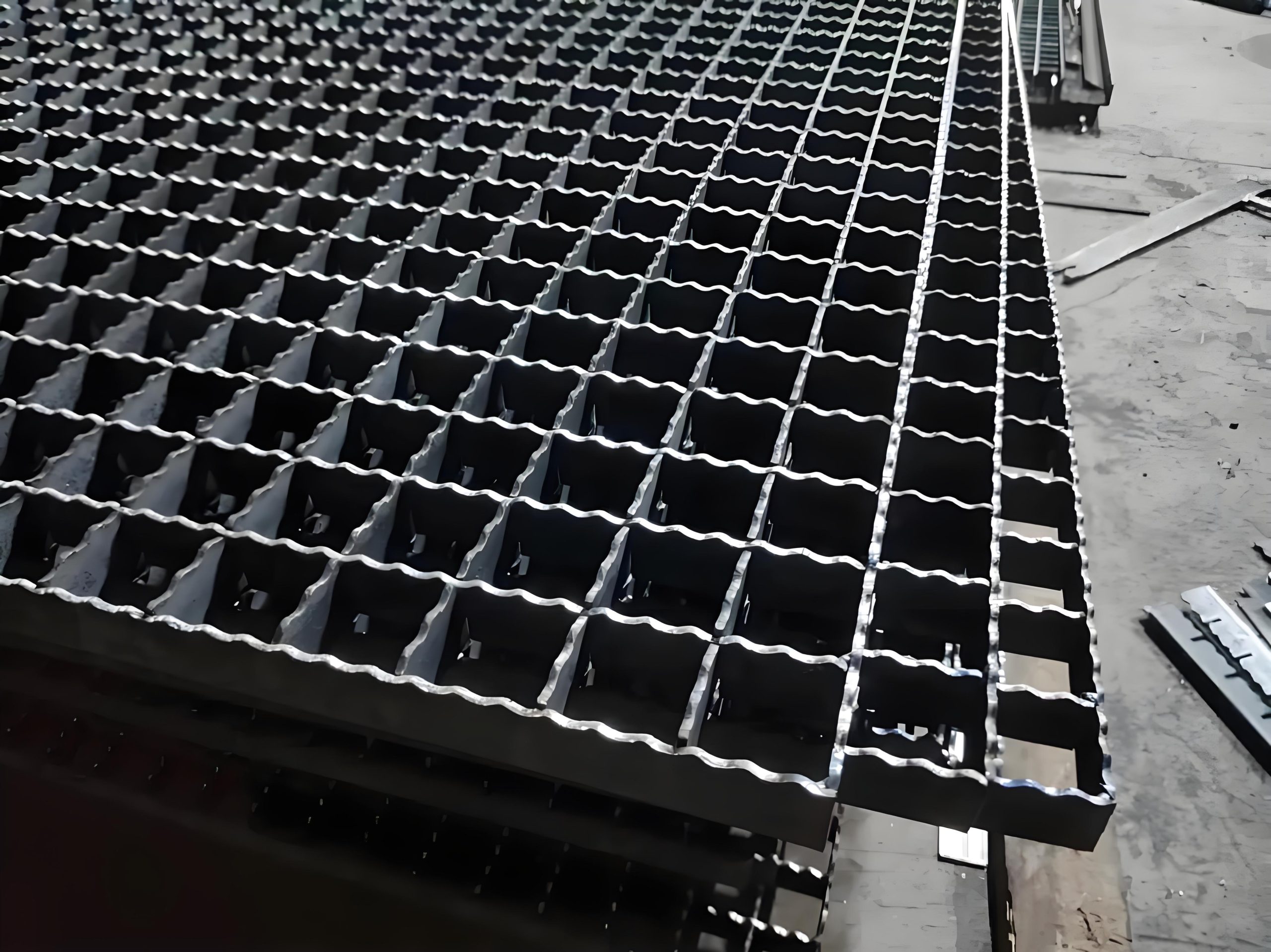
Anti-slip steel grating is a type of metal grating designed with enhanced surface traction. This is typically achieved through serrated bearing bars or additional surface treatments that create friction underfoot.
Compared to smooth grating, anti-slip designs significantly improve safety in industrial environments. They are commonly manufactured from carbon steel, galvanized steel, or stainless steel, depending on the required corrosion resistance and application conditions.
There are several types of anti-slip grating used in industrial projects. Serrated steel grating is the most common, featuring notched edges along the bearing bars to increase grip.
Press-locked anti-slip grating offers a uniform surface with enhanced traction, combining precision manufacturing with safety performance. It is often used in architectural and public access areas.
Additional anti-slip options include perforated grating and safety grating panels, which provide maximum slip resistance in high-risk environments such as oil platforms and chemical plants.
Anti-slip steel grating is widely used across multiple industries where safety is a priority. In industrial platforms, it provides stable footing for workers operating heavy machinery.
Walkways and catwalks benefit from anti-slip surfaces, especially in outdoor or wet environments where standard grating may become hazardous.
In drainage systems and trench covers, anti-slip grating ensures safe pedestrian and vehicle access while allowing efficient water flow.
It is also commonly used in stair treads, loading docks, and offshore installations where slip resistance is critical for operational safety.
The specifications of anti-slip steel grating directly affect its performance and price per square foot. Key parameters include bearing bar height, thickness, and spacing.
Higher bearing bars increase load capacity, making them suitable for heavy-duty industrial platforms. Thicker bars improve durability but also increase material costs.
Bar spacing determines both load distribution and safety. Closer spacing enhances strength and prevents objects from falling through, but requires more material.
Load capacity must be selected based on actual usage conditions, including pedestrian traffic, equipment loads, and potential impact forces.
Material selection plays a major role in determining anti-slip steel grating cost. Carbon steel is the most cost-effective option for indoor applications with minimal exposure to corrosion.
Galvanized steel grating is coated with zinc to resist rust, making it ideal for outdoor environments and drainage systems. The galvanizing process increases the cost but significantly extends service life.
Stainless steel grating provides superior corrosion resistance and is commonly used in chemical plants, food processing facilities, and marine environments. Its higher alloy content results in a higher price per square foot.
Additional surface treatments, such as polishing or coating, may be applied depending on project requirements, further influencing cost.
The price of anti-slip steel grating depends on several key factors. Material type is one of the most significant, as stainless steel costs more than galvanized or carbon steel.
Grating specifications, including bar size, spacing, and load requirements, determine the amount of material used and the complexity of manufacturing.
The type of anti-slip design also impacts cost. Serrated grating is generally more affordable than specialized safety grating with complex patterns.
Customization requirements, such as non-standard sizes, cut-outs, and edge finishes, increase production time and cost.
Order quantity plays an important role, with bulk purchases typically reducing the cost per square foot. Transportation and packaging also contribute to the final price, especially for large industrial projects.
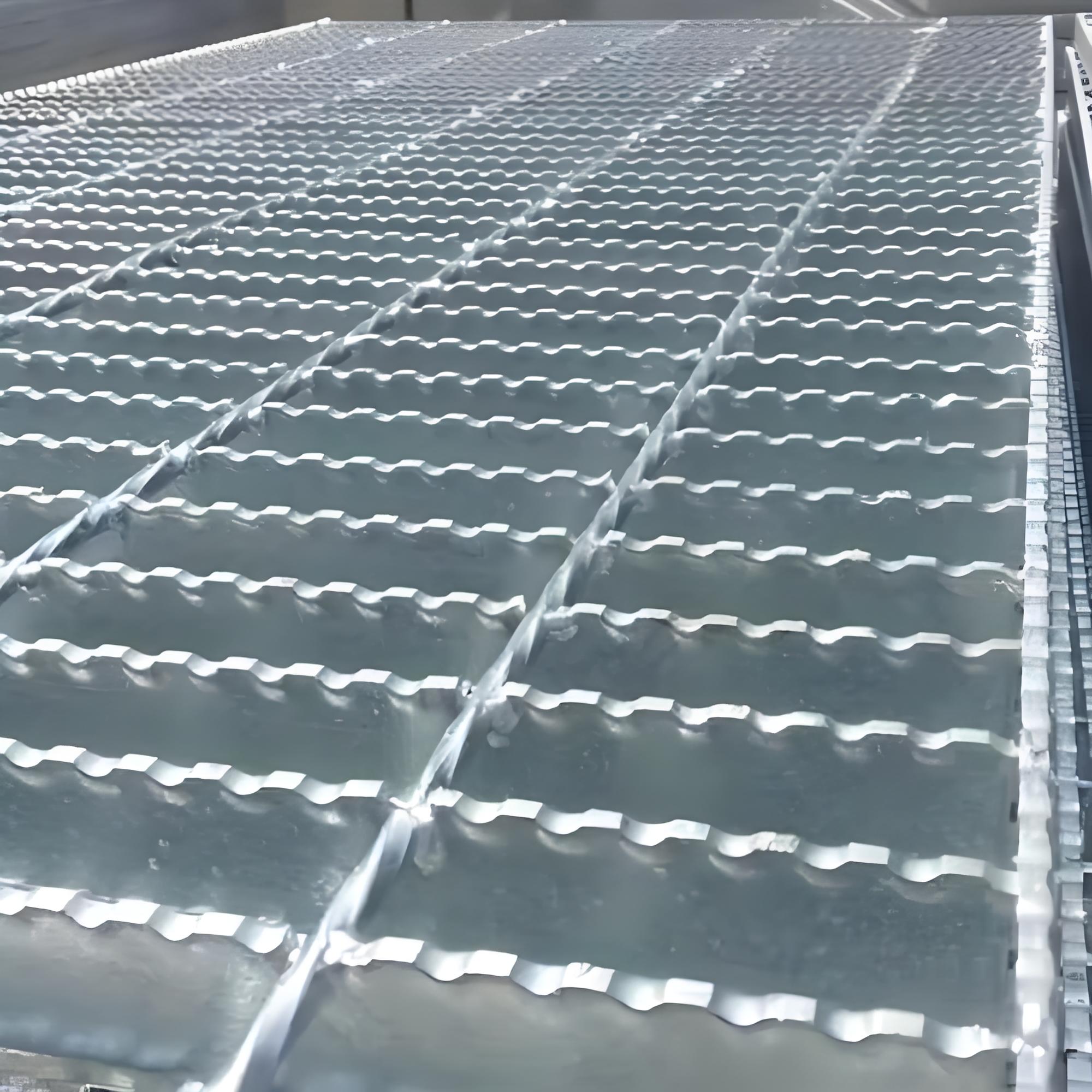
Anti-slip steel grating improves workplace safety by reducing the risk of slips and falls. This is particularly important in industries where water, oil, or chemicals are present.
It offers strong load-bearing capacity while maintaining ventilation and drainage, making it suitable for a wide range of applications.
The durability of steel grating ensures long service life, even in harsh environments, reducing maintenance and replacement costs over time.
Its versatility allows it to be used in platforms, walkways, drainage systems, and stair treads, providing a consistent safety solution across different areas of a project.
Choosing the right anti-slip steel grating requires careful evaluation of application requirements. Load capacity should be matched to actual usage conditions to avoid overdesign or underperformance.
Environmental factors such as moisture, chemicals, and temperature should guide material selection. Galvanized or stainless steel is recommended for corrosive environments.
Standard panel sizes can help reduce costs and simplify installation, while custom designs may be necessary for complex layouts.
Working with experienced manufacturers such as Anping County Chuansen Silk Screen Products Co., Ltd. ensures access to technical support, accurate specifications, and reliable production quality.
For industrial platforms, higher load requirements often result in increased costs due to thicker bearing bars and stronger structures.
Walkways typically require moderate load capacity but benefit from serrated surfaces for improved safety, balancing performance and cost.
Drainage systems require tighter spacing and corrosion-resistant materials, which can increase price but ensure long-term functionality.
In high-risk environments such as offshore platforms or chemical plants, premium materials and advanced anti-slip designs may be necessary, leading to higher overall costs.
What affects anti-slip steel grating price per square foot?
The price is influenced by material type, grating specifications, load requirements, surface design, customization, and order quantity. Additional treatments and transportation also impact the final cost.
Is serrated steel grating better for industrial safety?
Serrated steel grating provides improved traction compared to smooth grating, making it more suitable for environments where slipping hazards exist, such as wet or oily surfaces.
How to choose the right anti-slip steel grating?
The selection should consider load capacity, environmental conditions, application type, and budget. Matching specifications to actual usage ensures safety and cost efficiency.