

316L stainless steel bar grating is widely used in environments with strict requirements for load-bearing capacity and corrosion resistance, such as shipbuilding, chemical plants, pharmaceutical facilities, offshore platforms, and food processing production lines. For purchasers, the most common concerns typically center on three aspects: price, specifications, and actual corrosion resistance. In actual procurement, 316L stainless steel bar grating is not merely a “corrosion-resistant upgrade of 304”; its low-carbon design gives it distinct advantages in welded structures, particularly when post-fabrication corrosion risks must be controlled. For projects requiring long-term service life in environments with high chlorine, humidity, acidity, or stringent hygiene requirements, understanding material differences, factory specification ranges, and pricing logic is more important than simply comparing initial costs.
In practical engineering applications, 316L stainless steel grating and 316 stainless steel grating are often compared side by side. Both belong to the molybdenum-containing austenitic stainless steel family and generally offer comparable corrosion resistance. Consequently, many procurement professionals first ask: What exactly makes 316L better than 316, and is it significantly more expensive? According to industry standards, the “L” in 316L stands for “low carbon.” The most direct difference lies in the stricter control of carbon content. While this change may seem minor, its significance is particularly evident in welded components.
For products like stainless steel grating panels, welding is one of the core manufacturing processes. Whether it involves press-welded, interlocking, or custom-framed welded structures, the weld zones are all subject to heat input effects. Because 316L has a lower carbon content, it more effectively reduces the risk of intergranular corrosion sensitization in the heat-affected zone during welding. In other words, when post-weld solution annealing is not performed, or when on-site installation and welding conditions are complex, 316L is generally more suitable for long-term service than 316. It is particularly well-suited for applications with high post-weld corrosion resistance requirements, such as chemical, offshore, and pharmaceutical cleanroom equipment platforms.
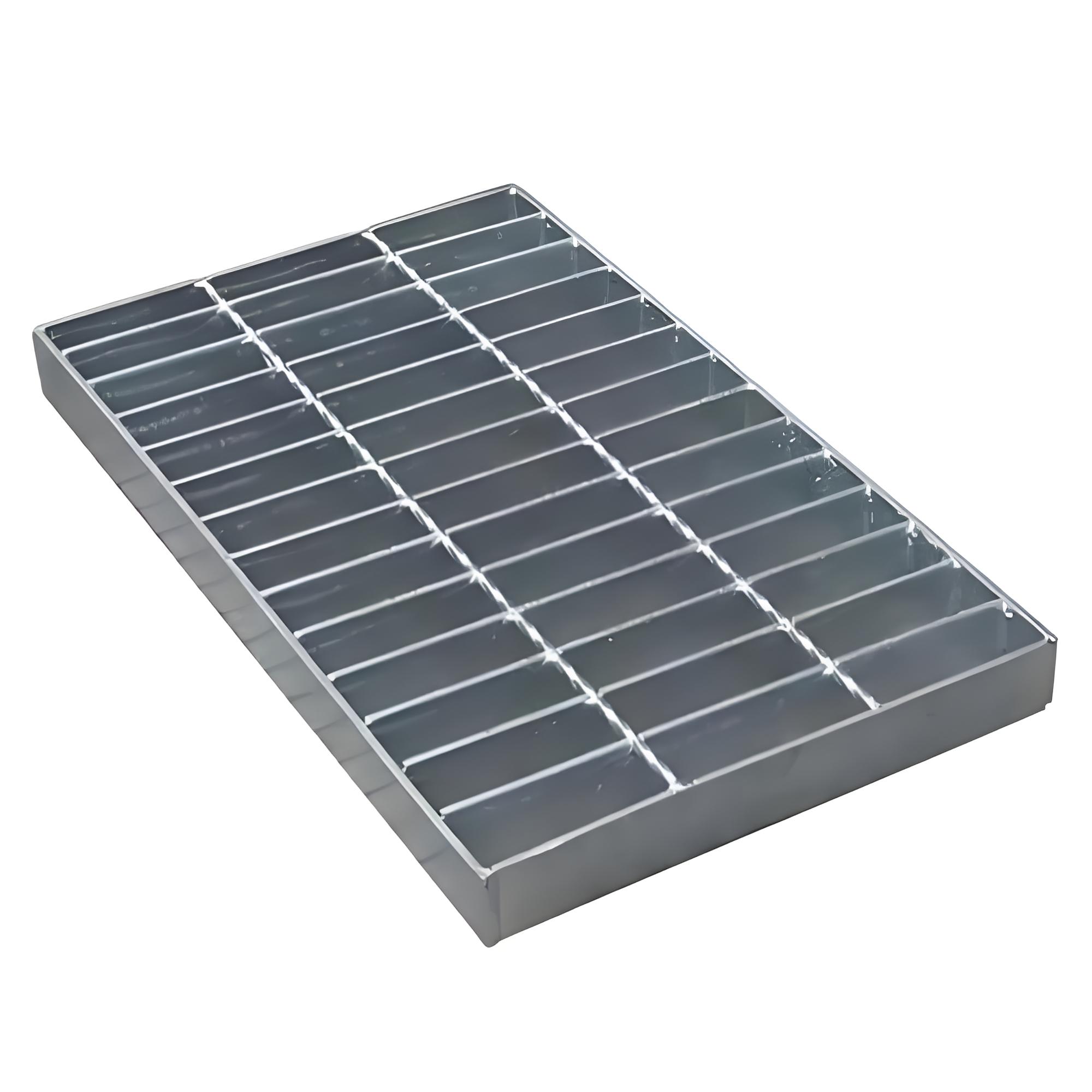
From a procurement perspective, many project drawings specify 316L rather than 316. The core reason is not a difference in strength, but rather the lower risk associated with post-welding stability and long-term maintenance. For grating panels, the material itself accounts for only a portion of the total cost; cutting, drilling, edging, welding, acid washing, passivation, inspection, packaging, and transportation all influence the final quotation. Consequently, in actual factory quotations, the price difference between 316L and 316 is often not as significant as one might imagine.
From the perspective of raw material market dynamics, the basic raw material compositions of 316L and 316 are similar, and the primary differences do not result in drastic cost fluctuations. In many cases, the ex-factory prices of the two are highly overlapping, with the price difference being negligible. For standardized grating orders, if the structural specifications are identical, price fluctuations for 316L compared to 316 are usually only minor adjustments and do not result in the significant jump seen when upgrading from 304 to 316. Precisely for this reason, in highly corrosive environments, an increasing number of buyers are opting directly for 316L to ensure more stable performance over the product’s lifecycle.
When accepting such orders, Anping County Chuansen Silk Screen Products Co., Ltd. typically first confirms the customer’s operating environment before determining whether 316 or 316L is more appropriate. If the project involves coastal environments, chemical media, chloride ions, extensive welding and assembly, or locations where maintenance will be difficult later on, 316L is often the more prudent recommendation from the factory.
The ex-factory price of 316L Stainless Steel Bar Grating is typically influenced by multiple factors, including stainless steel raw material market conditions, grating dimensions, flat bar specifications, mesh spacing, processing methods, surface treatments, and order quantities. Therefore, it is difficult to cover all product models with a single fixed price in the market. For international procurement, a more practical approach is to understand the relationship between pricing per ton and pricing per square meter, which facilitates quicker budget assessments.
Pricing per ton is the most common method used by manufacturers and traders, as the cost of stainless steel is primarily determined by weight. Taking standard 316L stainless steel grating as an example, the current reference ex-factory price is generally around USD 4,200–6,800 per ton. For lightweight, small-gauge, thin flat bars with standard mesh configurations, the price may be closer to the lower end of the range; for heavy-duty load-bearing gratings with large flat bars, greater height, complex fabrication, and requirements for edge finishing and custom cutouts, the price will be closer to the upper end of the range or even exceed it.
Pricing per square meter is more relevant to end users, as on-site installation is typically calculated by area. The price per square meter is essentially derived from “weight per unit area × price per ton.” For example, for a 316L grating panel covering the same 1 square meter, a design with a lower density of 30×100 horizontal and vertical bars will have a significantly lower weight than a 30×30 high-density design; when the flat bar thickness increases from 3 mm to 5 mm and the height increases from 25 mm to 50 mm, the weight per unit area rises significantly, and the price per square meter increases accordingly.
In actual estimates, common ex-factory reference prices for 316L stainless steel grating typically fall within the range of USD 55–180 per square meter. Lightweight drainage channel covers, equipment access steps, and non-heavy-duty platforms generally fall within the lower end of this range; while offshore platforms, chemical plant walkways, heavy-duty maintenance areas, and high-strength structural zones may fall within the higher range. This price range is for factory reference only and does not include additional costs such as special certifications, long-distance logistics, on-site installation, or import duties.
Typical price fluctuations due to specification changes generally range between ±15–25%, a pattern that warrants close attention during the procurement phase. For example, changing the mesh spacing from 40x100mm to 30x30mm increases material density and the number of weld points, often resulting in a significant increase in the unit price. Each increase in flat bar height grade or thickness by 1mm also increases the weight per square meter, thereby driving up the quoted price. Conversely, if load-bearing requirements allow for moderately wider spacing or reduced flat bar height, the unit price may decrease by approximately 15%.
In addition, items such as custom cutting, baseboards, mounting clips, edge-wrapping flat bars, cutouts for utility lines, anti-slip serrated finishes, and post-welding acid washing and passivation will also have a cumulative impact on the final price. Many buyers only compare the base sheet prices while overlooking subsequent processing costs, which ultimately leads to budget discrepancies. Anping County Chuansen Silk Screen Products Co., Ltd. typically incorporates both base material costs and processing fees into its quotations to avoid repeated revisions later on.
The technical parameters of 316L stainless steel grating must be determined comprehensively based on load-bearing capacity, span, traffic type, hygiene grade, and corrosion resistance requirements. For standard factory production, the most critical parameters include flat bar thickness, flat bar height, mesh spacing, crossbar spacing, and finished panel dimensions. The following is a table of the most common and representative standard factory parameters in the industry.
| Parameter Item | Common Range | Description |
| Material | 316L Stainless Steel | Suitable for highly corrosive environments and applications requiring high corrosion resistance after welding |
| Flat Bar Thickness | 3mm / 4mm / 5mm / 6mm | Greater thickness results in higher load-bearing capacity and weight |
| Flat Bar Height | 20mm–80mm | Common sizes: 25mm, 30mm, 40mm, 50mm, 60mm |
| Mesh spacing | 30x30mm / 30x50mm / 40x100mm | 30x30mm is denser, suitable for high-safety applications and fall protection for small items |
| Crossbar spacing | 50mm or 100mm | Affects overall rigidity, weight, and manufacturing costs |
| Surface Finish | Smooth / Anti-slip serrated | Anti-slip serrated is typically recommended for wet or oily environments |
| Manufacturing Method | Welded / Custom-machined | Cut, edge-finished, drilled, and framed according to drawings |
| Common plate dimensions | Customized per project | Typically manufactured based on platform module size and support beam spacing |
Flat bar specifications are the primary factor determining load-bearing capacity and cost. Thicknesses of 3–6 mm and heights of 20–80 mm are the most common standard ranges in factories. For pedestrian platforms, equipment walkways, and maintenance steps, flat bars with a thickness of 3–5 mm and a height of 25–40 mm are generally preferred; for heavy-load areas, areas with frequent cart traffic, and offshore equipment zones, heavy-duty configurations with a thickness of 5–6 mm and a height of 50–80 mm may be used.
The choice of grid spacing directly affects safety, drainage, and material consumption. A 30x30mm grid typically constitutes a high-density structure, providing a more stable footing and better suited for areas with stringent requirements for preventing the fall of tools and parts. A 30x50mm grid is a common balanced solution that strikes a good compromise between load-bearing capacity, drainage, and cost. The 40x100mm configuration is better suited for lightweight, drainage-priority, and material-saving applications, but offers relatively weaker protection against small falling objects.
Crossbar spacing is typically 50mm or 100mm. The 50mm crossbar configuration is denser, providing higher overall stability and a more refined visual appearance, but requires more material and welding work; The 100mm spacing is more economical and suitable for industrial installation projects with moderate load requirements and large areas. The specific choice depends on the span, load capacity, and user comfort.
If the project is located near the coast, in a pump room, pharmaceutical plant, food processing line, or chemical liquid handling area, the manufacturer typically recommends evaluating whether a slip-resistant serrated surface is needed, as well as post-welding acid washing and passivation treatment. Although these technical details do not alter the basic specifications, they significantly impact the long-term stability of the finished product under actual operating conditions.
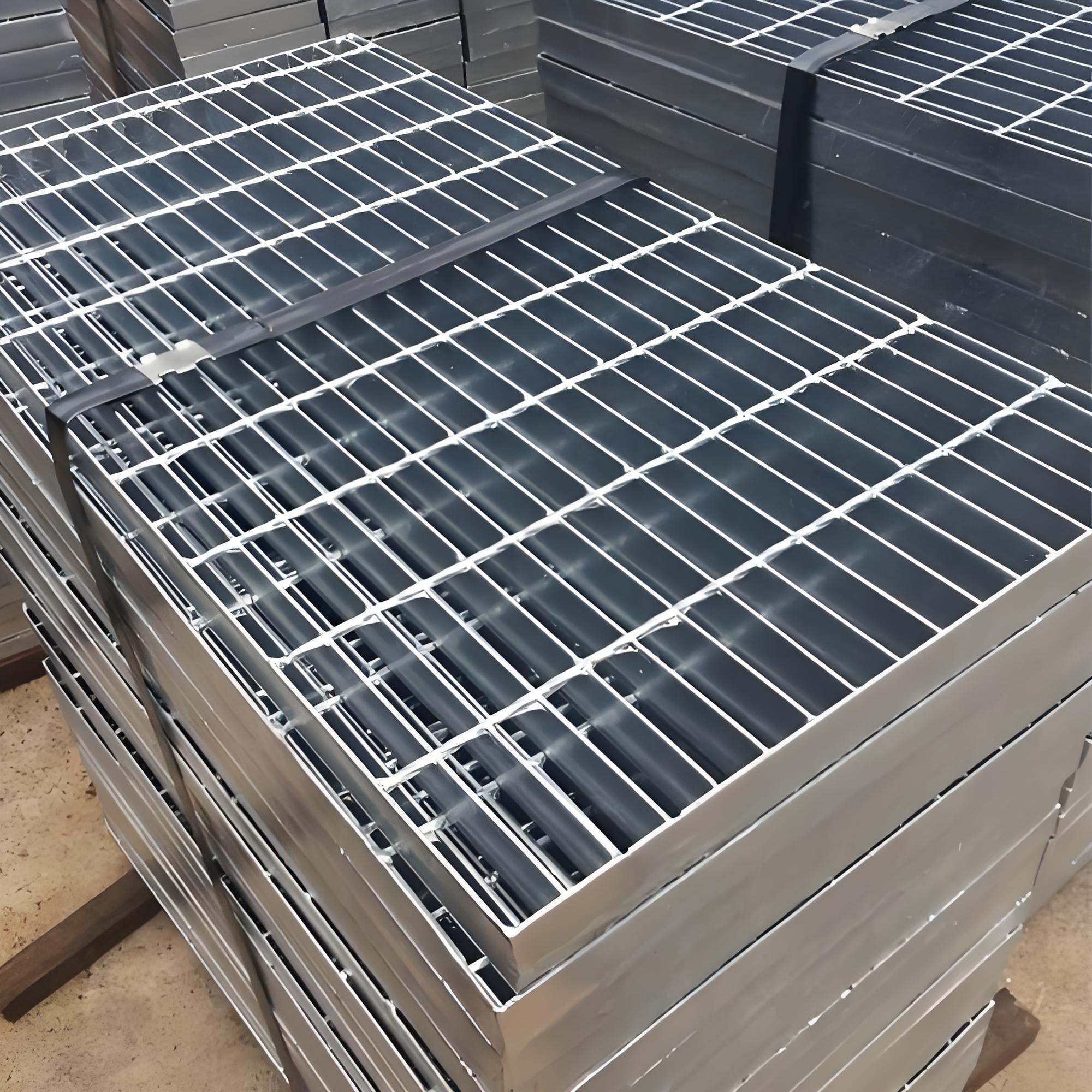
The reason 316L stainless steel grating is widely used in high-end industrial environments lies in its molybdenum content, which provides significantly better resistance to pitting and crevice corrosion than 304. Many users know that 316L is “more corrosion-resistant,” but without quantification, it is difficult to make an effective selection. For factory and engineering procurement, a comparison of corrosion resistance must consider at least three dimensions: critical pitting temperature (CPT), range of applicable media, and actual corrosion rates in marine environments.
First, consider the critical pitting temperature (CPT). A higher CPT indicates stronger resistance to pitting corrosion in chlorine-containing environments. The CPT of 304 in chloride environments is typically lower, generally indicating a risk of localized pitting corrosion at lower temperatures; due to the addition of molybdenum, the CPT of 316L is usually higher than that of 304. In engineering terms, this is often understood to be approximately 10–20°C higher than 304, though specific values are influenced by surface condition, chloride ion concentration, weld quality, and test conditions. In humid, high-salt environments, areas exposed to sea breeze, salt spray zones, and chlorine-containing cleaning processes, this difference is critical during long-term use.
Next, consider the recommendations for chemical media. 316L is not a “universal” material resistant to all acids and alkalis, but rather offers significant advantages under specific corrosion conditions. In hydrochloric acid environments, stainless steel in general requires cautious use, and 316L is not suitable for continuous contact with high-concentration or high-temperature hydrochloric acid. If exposure is limited to low concentrations, occasional splashes, or brief contact, and is accompanied by timely rinsing and passivation maintenance, 316L can serve as a structural material under limited operating conditions; however, it should not be simply regarded as a primary material for long-term resistance to hydrochloric acid.
In sulfuric acid environments, 316L performs relatively acceptably under low-concentration, low-temperature conditions; however, as concentration or temperature increases, the corrosion rate may rise rapidly, so decisions must be based on specific concentration and temperature. For continuous exposure to medium-to-high concentration sulfuric acid, further evaluation is typically required to determine whether a higher-grade corrosion-resistant alloy should be used. In chloride environments, 316L is significantly superior to 304, offering practical advantages particularly in low- to medium-concentration chloride solutions and marine atmospheres; however, risk management is still necessary in high-temperature, high-chloride environments.
A more practical guideline for procurement is as follows: if the site involves cleaning and disinfectants, seawater splashes, salt fog, chloride ion accumulation, chemical residue, or a hot and humid environment, 316L is generally more suitable than 304 for grating panels. This is because, in addition to direct immersion, grating panels have structural features such as gaps, weld points, liquid accumulation, and trapped contaminants, all of which can amplify the risk of localized corrosion in 304.
Annual corrosion rate data in seawater immersion environments is a key concern for many offshore and coastal projects. Generally, in natural seawater immersion or splash environments, the uniform corrosion rate of 316L is typically lower, with common reference values ranging from approximately 0.01 to 0.03 mm/year. In contrast, 304 faces significantly higher corrosion risks in similar environments, particularly exhibiting a stronger tendency toward localized pitting and crevice corrosion. It is important to emphasize that failure of stainless steel in seawater is often not due to uniform thinning, but rather the occurrence of localized corrosion first. Therefore, relying solely on the average corrosion rate is insufficient; attention must also be paid to weld zones, connection points, areas of fouling accumulation, and areas with long-term salt buildup.
If a project is located in a tidal zone, splash zone, or enclosed humid and hot area, post-weld passivation and regular freshwater rinsing can significantly impact the actual service life of 316L grating panels. For orders involving high-salt environments, Anping County Chuansen Silk Screen Products Co., Ltd. typically advises clients not to focus solely on material grades, but to also incorporate surface treatment, installation methods, and post-installation maintenance into their technical requirements.
The application of 316L stainless steel grating is not simply a matter of “using it wherever rust is likely to occur,” but rather it is typically concentrated in areas that simultaneously require structural load-bearing capacity, hygiene standards, and corrosion resistance. In particular, when standard carbon steel hot-dip galvanized grating has an insufficient service life and 304 stainless steel cannot reliably withstand chloride or acidic, humid, and hot environments, 316L becomes a more common upgrade solution.
Seawater pump rooms are a typical application. The interior of a pump room is subject to long-term conditions of high humidity, high salinity, equipment vibration, and uneven ventilation. The floor and maintenance platforms are frequently exposed to seawater splashes, salt fog deposits, and equipment rinse water. If standard 304 is used, pitting corrosion is more likely to occur at weld edges, areas where water accumulates, and connection clamps. 316L, however, offers greater corrosion resistance, making it particularly suitable for walkways around pump bases, drain cover plates, maintenance platforms, and equipment access passages.
Ship decks and offshore platforms are also key applications for 316L grating. Unlike land-based structures, marine environments feature higher salt fog concentrations, prolonged exposure to moisture, and issues such as mechanical abrasion, rinsing, temperature fluctuations, and localized salt accumulation. Grating is commonly used in deck walkways, equipment maintenance areas, drainage zones, and around engine rooms. Since these areas require both unobstructed drainage and slip-resistant, corrosion-resistant properties, 316L anti-slip serrated grating is typically selected.
In areas of chemical plants exposed to acidic media, compatibility with the specific medium is of paramount importance. For example, in acid washing rooms, chemical dosing zones, tank platforms, around drainage channels, and in wastewater treatment areas, acid mists, chemical splashes, moisture condensation, and high-temperature steam are common. Even if the chemical liquids themselves do not come into prolonged contact with the grating, residual liquids, volatiles, or cleaning agent deposits in the environment can cause continuous corrosion of the material. Due to its excellent overall corrosion resistance, 316L is commonly used for walkways, steps, and maintenance platforms in these areas.
Pharmaceutical and cleanroom equipment also represent typical high-standard applications. In addition to corrosion resistance, these environments emphasize ease of cleaning, low contamination, weld quality, and surface finish. The low-carbon composition of 316L makes it better suited for maintaining corrosion resistance stability after welding, while also more easily meeting the material requirements for peripheral platforms, drainage areas, maintenance walkways, and sterile production support spaces in clean equipment. Many pharmaceutical plants and high-end food processing facilities prioritize 316L over 304 in areas exposed to disinfectants, purified water, cleaning solutions, and wet hot steam.
In addition to the scenarios mentioned above, coastal wastewater treatment plants, seafood processing areas, salt plant equipment platforms, laboratory chemical operation zones, battery material production areas, and semiconductor wet process auxiliary areas are also common environments for 316L stainless steel grating. The decision to ultimately adopt this material depends not on the industry name, but on actual on-site conditions such as the presence of chloride ions, high humidity, welded structures, frequent cleaning and disinfection, or exposure to corrosive media.
Many buyers provide only the statement “I need 316L stainless steel grating” when requesting a quote. In reality, this is far from sufficient for a factory to provide an accurate price and reasonable technical advice. Grating is a product typically selected based on specific operating conditions; different environmental conditions will result in significantly different specifications and post-processing requirements. If the information is incomplete, the quote will either be inflated or require frequent revisions later on, which not only affects procurement efficiency but also increases the risk of operational issues.
First, it is essential to clarify whether the grating will come into contact with chemical solutions and their concentrations. This is crucial because while 316L offers better corrosion resistance than 304, it does not mean it can unconditionally withstand all chemical media. Factories typically need to know the specific medium, such as hydrochloric acid, sulfuric acid, hypochlorite, sodium chloride solution, alkaline solutions, cleaning agents, disinfectants, or seawater; they also need to know the concentration of the medium—whether it involves low-concentration splashing, intermittent contact, or continuous immersion. Only with this information can we determine whether 316L is suitable, or if a higher-grade material or additional surface treatment is required.
The second key factor is the ambient temperature range. Temperature has a significant impact on corrosion rates, particularly in chloride-containing or acidic environments, where high temperatures can significantly increase the risk of pitting and crevice corrosion. When requesting a quote, it is best to provide the minimum and maximum operating temperatures, as well as whether steam, hot water rinsing, solar heating, or equipment heat dissipation areas are present. For example, in a chloride environment, the corrosion risk assessment at room temperature is completely different from that at temperatures above 60°C. Only after the manufacturer has this temperature information can they make a more informed determination regarding grating plate thickness, welding methods, and post-welding treatment requirements.
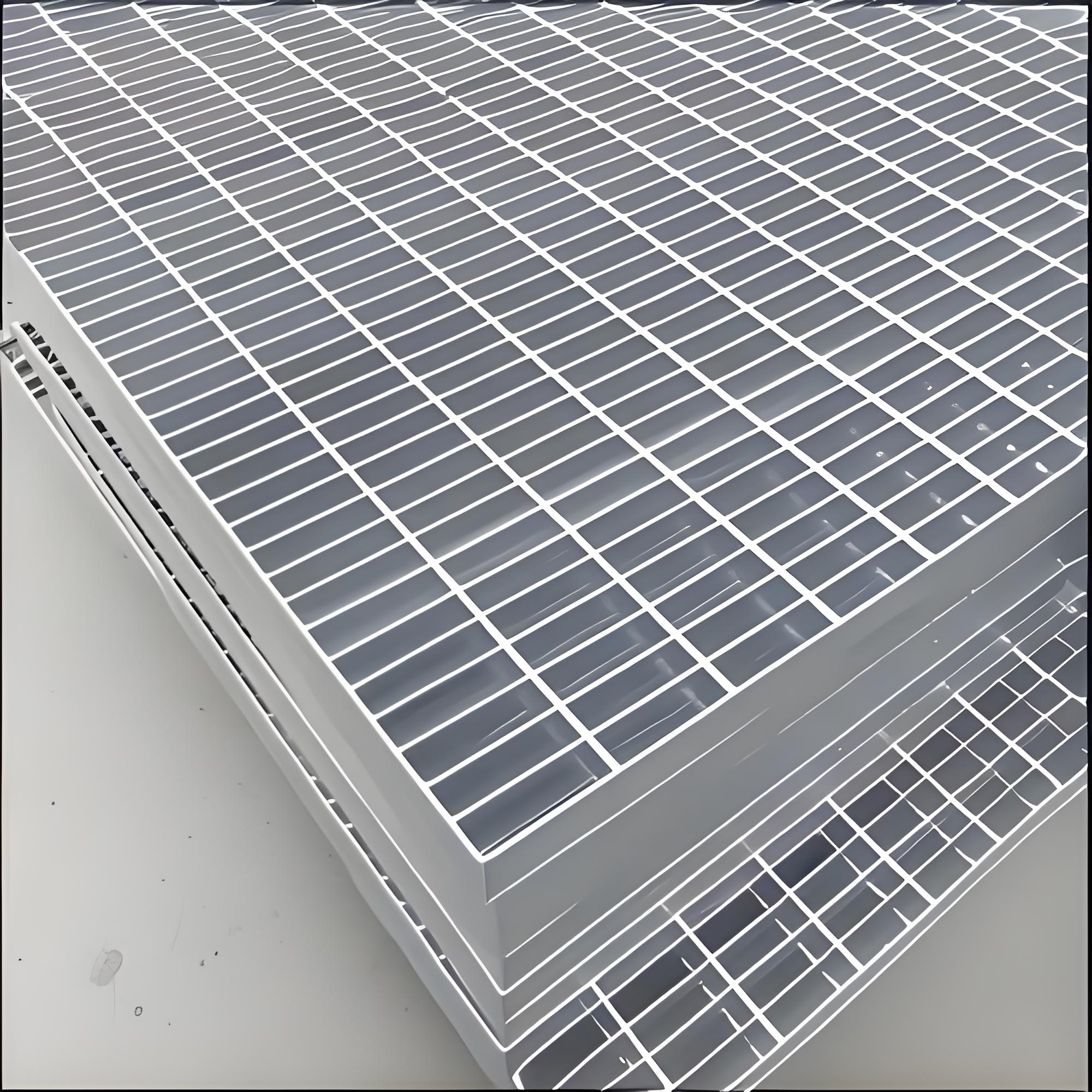
The third key consideration is whether post-welding passivation is required. For applications with high corrosion resistance requirements—particularly in marine environments, pharmaceutical equipment areas, cleanrooms, and chemical process zones—post-welding acid pickling and passivation are often not optional extras but critical processes that significantly impact long-term performance. Welding destroys the original passivation film on the stainless steel surface and creates color changes and localized sensitive areas within the heat-affected zone. Without proper treatment, actual corrosion resistance may fall short of expectations. Before providing a quote, the manufacturer must confirm whether the client has included this requirement in the technical specifications.
In addition, manufacturers typically need to know whether the grating panels will be used on platforms, walkways, trench covers, or stair treads; whether they will bear pedestrian or vehicular loads; the dimensions of individual panels, span direction, support beam spacing, and whether edge finishing or cutouts are required; whether anti-slip serrated edges are required; and whether matching installation clamps are needed. These factors collectively determine the final weight per ton, price per square meter, and manufacturing complexity.
When handling inquiries for 316L stainless steel grating, Anping County Chuansen Silk Screen Products Co., Ltd. generally recommends that customers provide as much information as possible regarding the medium, ambient temperature, load requirements, dimensional drawings, and post-welding treatment requirements. For highly corrosive projects, the earlier these conditions are clarified, the easier it is to obtain a more accurate factory price and a more appropriate product configuration.
Is 316L stainless steel bar grating better than 304 for seawater areas?
If the project is located in coastal areas, salt fog zones, seawater pump rooms, ship decks, or areas exposed to seawater spray, 316L is generally significantly superior to 304. This is because 316L contains molybdenum, providing superior resistance to chloride pitting and crevice corrosion, making it particularly suitable for grating structures intended for long-term service after welding. For natural marine atmospheres and seawater splash environments, 316L is the more common and reliable choice.
How is the price of 316L bar grating calculated per square meter?
The price per square meter is essentially determined by the weight per unit area and the processing cost per ton of raw material. The main factors affecting weight include the flat bar thickness, flat bar height, mesh spacing, and crossbar spacing. Under normal circumstances, the reference ex-factory price for 316L stainless steel grating is approximately USD 55–180 per square meter. Prices will increase further if thicker flat bars, tighter mesh, anti-slip serrated edges, edge finishing, custom cutting, or post-weld passivation are required.
What information should be provided to get an accurate factory quote?
To obtain a more accurate quote, we recommend providing at least the following details: material specification (316L); intended application (platform, walkway, trench cover, or stair tread); load requirements and span; flat bar specifications or target plate thickness; mesh spacing; individual panel dimensions and quantity; whether the product will be exposed to seawater, acids, or other chemical solutions and their concentrations; ambient temperature range; whether anti-slip serration is required; and whether post-weld pickling and passivation treatment is needed. The more complete the information provided, the more closely the factory’s pricing and specification recommendations will align with the actual project requirements.