

Bar Steel Grating is a typical functional material used in both industrial and civil infrastructure. Although its structure is relatively simple, it serves multiple purposes such as load-bearing, drainage, and safety protection.
From an application perspective, drainage systems, trench covers, and stair treads share many common requirements: sufficient load capacity, efficient drainage performance, anti-slip features, and long-term durability.
In many projects, in order to reduce initial costs, buyers may choose ordinary processing workshops. However, in actual use, problems such as weak welding, deformation, and corrosion often occur. In contrast, professional steel grating factories have more experience in material control, process stability, and detailed finishing.
1. Focused product segments
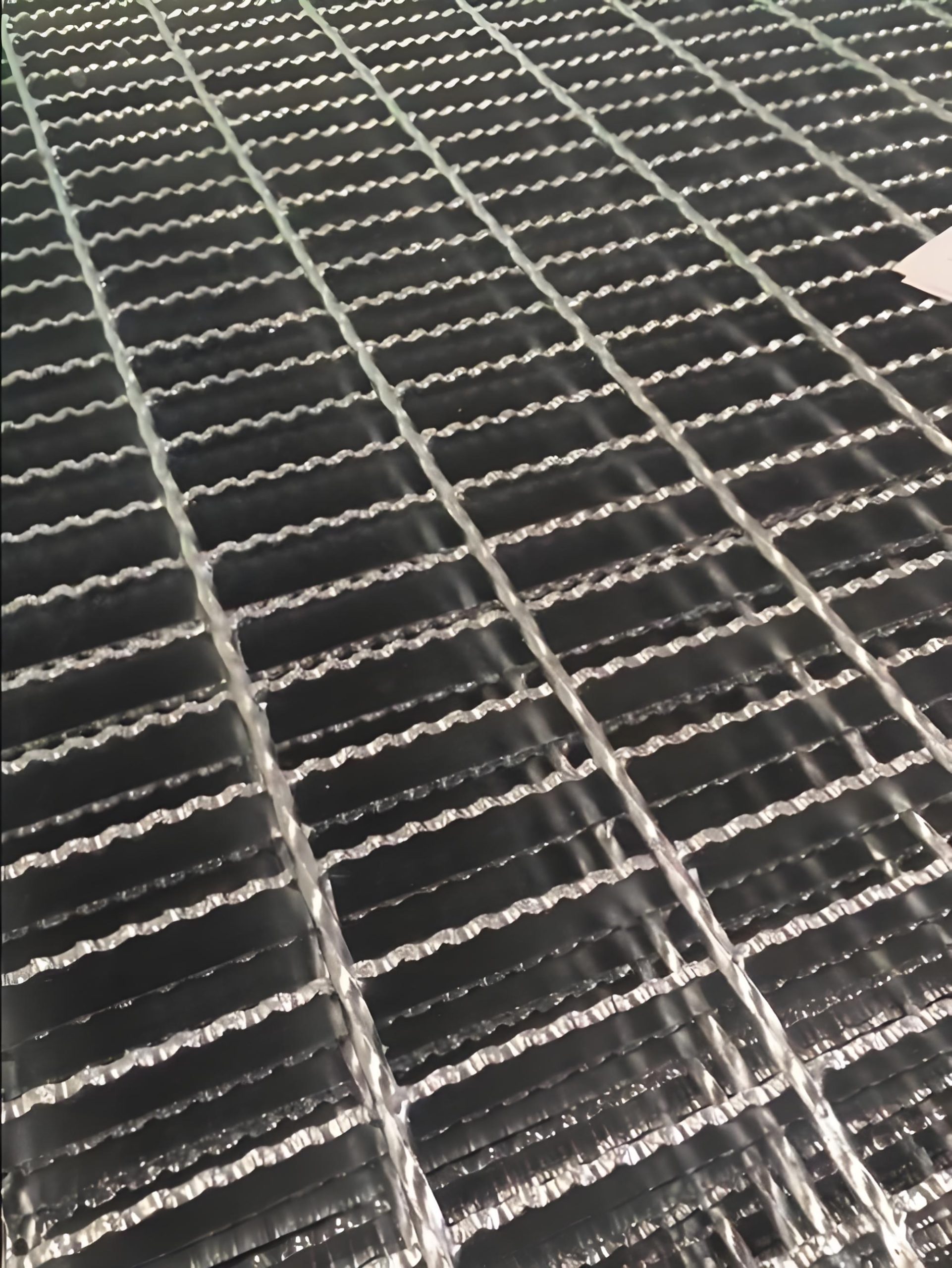
Our factory typically concentrates on several core application areas, such as drainage gratings, trench covers, and stair treads. Although these products are structurally similar, they differ significantly in design and production details.
Drainage grating emphasizes open area and water flow efficiency, trench covers require higher structural strength, while stair treads focus on anti-slip performance and safety standards.
2. Production advantages
In terms of manufacturing capacity, our factory, Anping County Chuansen Silk Screen Products Co., Ltd., is equipped for large-scale production, ensuring consistency while shortening delivery time.
At the same time, mature factories support both standard specifications and non-standard customization, including different sizes, irregular shapes, and framed structures, which are very common in real projects.
1. Design requirements
Drainage grating requires a high open area so that rainwater or industrial wastewater can pass through quickly, preventing water accumulation.
At the same time, drainage environments often involve corrosive elements such as sediment, wastewater, or chemical residues, making corrosion resistance a critical factor.
2. Common specifications
Typical bearing bar spacing for drainage grating is 30mm or 40mm, which is relatively wide to improve drainage efficiency.
Bearing bar height is usually between 20–32mm, suitable for light to medium load applications such as pedestrian areas or light equipment zones.
3. Optional types
Depending on the environment, flat type or serrated anti-slip grating can be selected. For surfaces frequently exposed to water or oil, serrated grating is recommended.
In terms of material, hot-dip galvanized carbon steel and stainless steel are commonly used. For general municipal drainage, hot-dip galvanizing is sufficient, while stainless steel is recommended for highly corrosive environments.
1. Special requirements
Trench covers not only need to cover drainage channels but also support pedestrian or vehicle loads, making structural design more complex.
Many projects require removable designs, such as hinges or locking mechanisms, for easy maintenance.
Edge reinforcement is also essential, typically using flat bars or angle steel for banding to improve overall rigidity.
2. Common specifications
Trench covers usually use bearing bars with heights of 32–50mm to meet medium to heavy load requirements.
Typical bearing bar spacing is 30mm or 40mm, with common models such as G323/30/100 and G405/40/100.
3. Structural types
Common forms include flat covers, U-shaped trench covers, and custom designs with drainage holes.
For special projects such as around equipment or curved trenches, custom fabrication based on drawings is usually required.
1. Special requirements
The most critical requirement for stair treads is safety. Therefore, anti-slip nosing is typically added at the front edge.
Installation methods can include welding or bolted connections, allowing for easier replacement when needed.
Additionally, products must comply with relevant safety standards such as ASTM or OSHA.
2. Common specifications
Typical bearing bar heights for stair treads are 25–32mm, balancing strength and weight.
Serrated bars are preferred due to their superior anti-slip performance compared to plain bars.
Cross bar spacing is usually 50mm, increasing foot contact points and improving safety.
3. Accessories
Common accessories include anti-slip nosing plates, installation clips, and side brackets.
Although these details may seem minor, they directly affect installation efficiency and user experience.
1. Standard production range
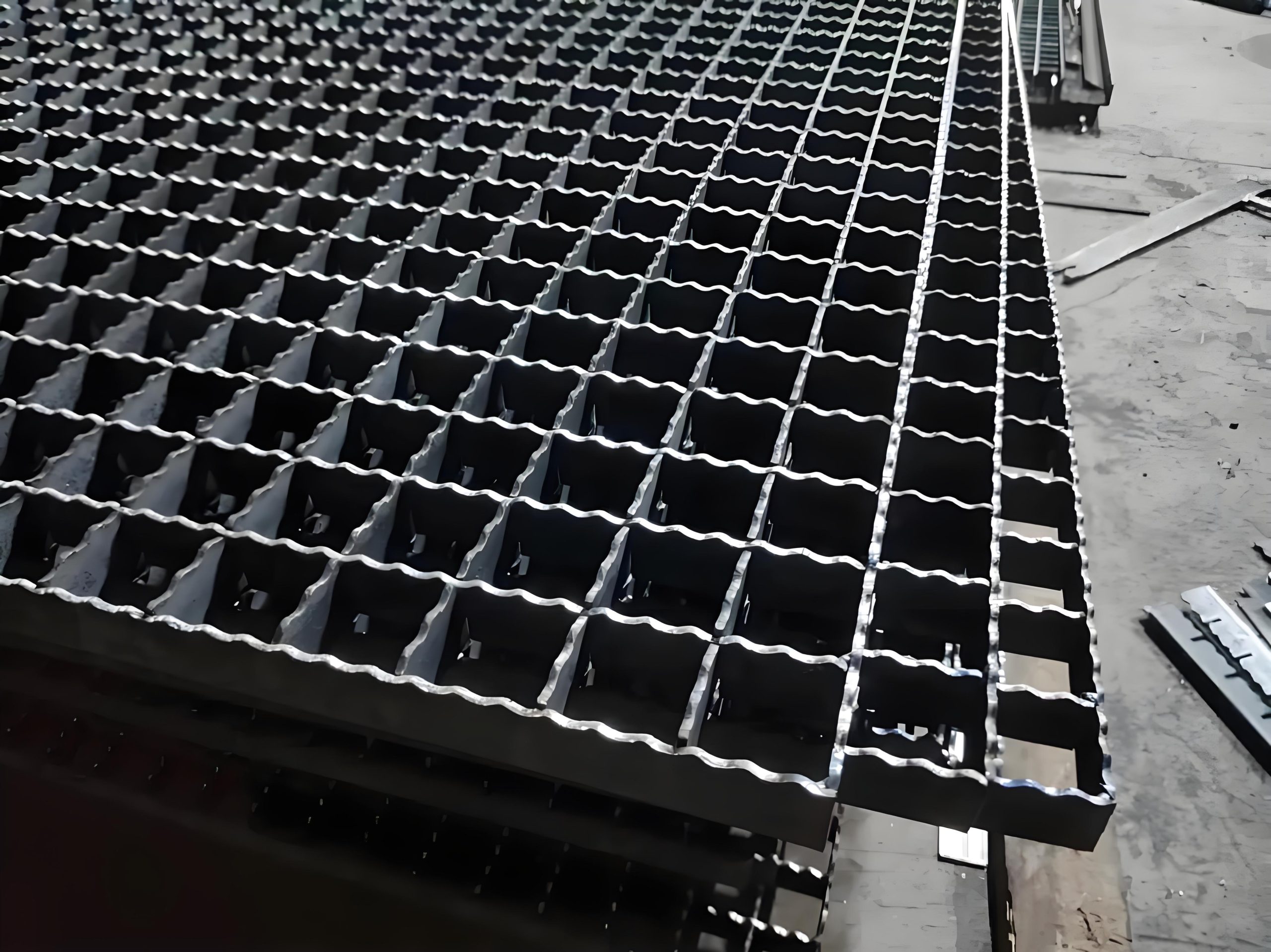
Factories typically produce bearing bars with heights ranging from 20–75mm and thicknesses from 3–6mm.
The maximum panel size is usually up to 6000×1200mm. Larger sizes require segmented fabrication.
2. Surface treatment
Hot-dip galvanizing is the most common treatment, offering good weather resistance and suitability for most outdoor environments.
For special applications, painting or epoxy coating can also be applied.
For stainless steel products, the surface is usually left natural or treated with pickling.
3. Customization capabilities
In real projects, standard specifications often cannot fully meet requirements, so factories must support cutting, corner trimming, and curved processing.
For trench covers, integrated solutions with frames or hinges can also be provided.
Additionally, different anti-slip grades can be offered based on the application environment.
1. Applicable standards
Domestic production typically follows YB/T 4001 standards, while export projects may adopt ASTM, BS, or AS/NZS standards.
2. Key inspection points
Inspection focuses on load capacity testing, welding strength, and overall flatness.
For stair treads, anti-slip performance must also be verified to meet safety requirements.
The weight of steel grating is mainly determined by bearing bar size and spacing, which are also key factors influencing price.
Cross bar spacing also affects weight—for example, 50mm spacing is typically 10–15% heavier than 100mm spacing.
If the product includes banding or frames, the overall weight will increase.
In terms of material, stainless steel and carbon steel have similar densities, but galvanizing adds a certain amount of additional weight.
G253/30/100 (light-duty drainage trench): approximately 25–28 kg/m², suitable for pedestrian drainage areas.
G325/30/100 (trench cover): approximately 30–35 kg/m², suitable for medium load applications.
G255/40/100 (serrated, stair tread): approximately 22–26 kg/m², balancing anti-slip performance and lightweight design.
What is the price of bar steel grating for drainage and trench covers?
Generally, hot-dip galvanized steel grating ranges from $30 to $80 per square meter, while stainless steel grating is more expensive, typically around $80 to $180 per square meter, depending on specifications, weight, and fabrication requirements.
How long does it take to produce custom steel grating?
Standard specifications can usually be completed within 7–15 days, while customized products (such as framed or irregular designs) typically require 15–25 days, depending on complexity and order volume.
Do steel grating factories provide ready-to-install trench covers?
Most professional factories can provide complete trench cover systems, including frames, hinges, and locking devices. Customers only need to install them on-site, which significantly reduces construction time.