

Custom trench drain grates are made to fit a specific drainage channel, frame, traffic condition, opening pattern, and site layout. They are used when standard grate sections do not match the existing trench, when a project requires curved or irregular drainage lines, when higher traffic loads are involved, or when public safety, corrosion resistance, hygiene, or architectural appearance must be controlled. A reliable custom trench drain grate supplier should confirm the clear opening, support ledge, frame size, load requirement, drainage pattern, material, locking method, and fabrication drawing before production starts.
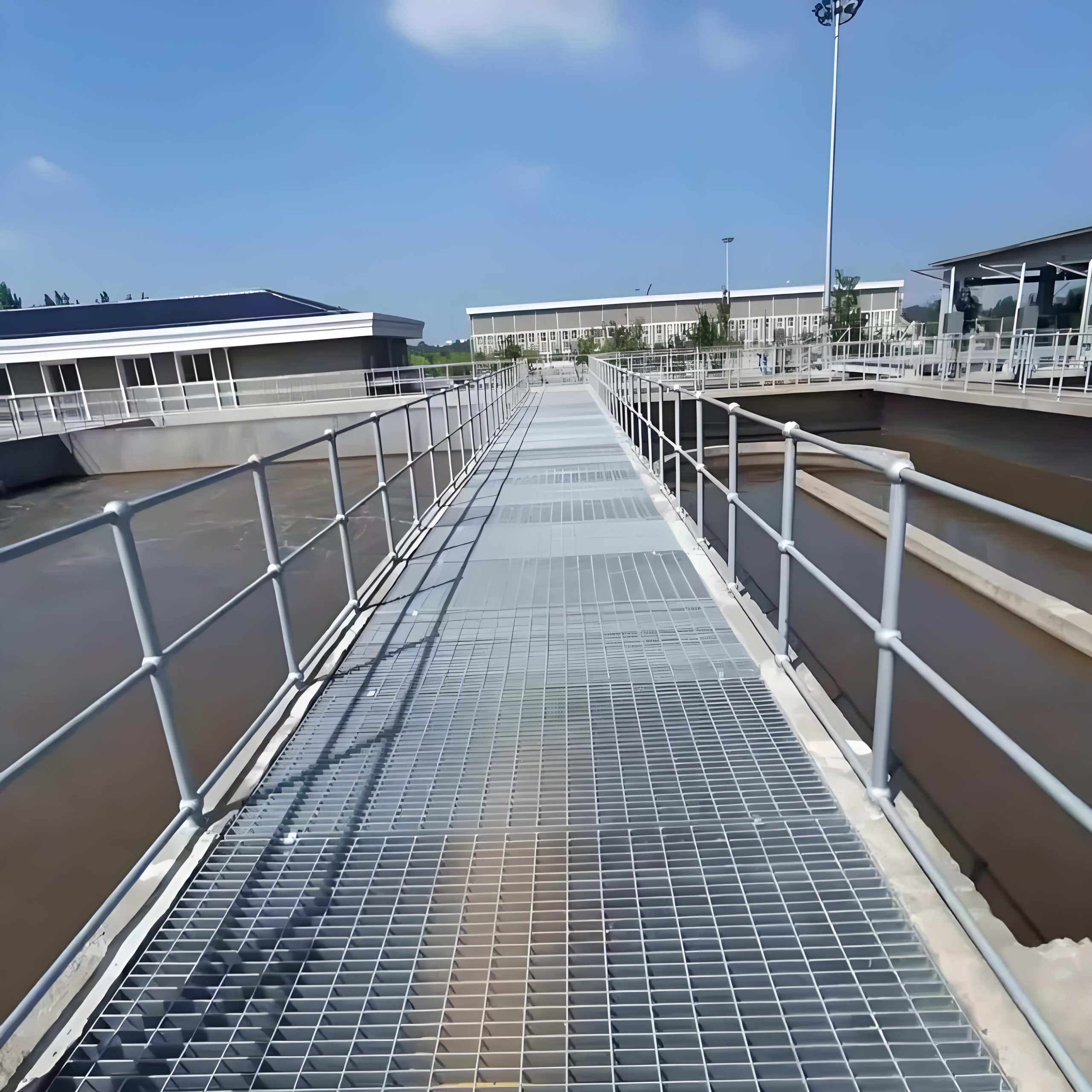
A trench drain grate becomes custom when one or more of its dimensions, materials, opening patterns, structural details, or installation methods differ from standard stock products. Custom does not always mean complicated. A simple replacement grate may be custom because it needs to match an existing frame width and bolt-hole pattern. A large industrial drainage project may be custom because it requires heavy-duty panels, curved sections, corner connections, special locks, and engineered support frames.
Custom trench drain grates are commonly used in factories, warehouses, food-processing plants, commercial kitchens, parking areas, loading docks, public plazas, swimming pools, ports, airports, road drainage systems, utility trenches, and wastewater facilities.
The first step in custom grate design is confirming whether the grate will fit a new drainage channel or replace an existing cover. New projects allow the channel, frame, grate, and concrete surround to be designed as a complete system. Replacement projects require careful measurement because even similar-looking channels can have different clear openings, frame details, ledge widths, grate depths, and locking positions.
For a new installation, the custom grate supplier can coordinate the grate dimensions with the proposed channel width, channel depth, outlet layout, frame type, concrete support, and required traffic load. This is the best time to select the opening pattern, material, locking system, and removable panel arrangement.
A drainage channel should be designed as a full hydraulic and structural system. The grate opening pattern affects water intake, but total drainage capacity also depends on channel width, channel depth, slope, outlet diameter, pipe capacity, rainfall intensity, and debris conditions.
For replacement grates, do not order based only on the visible grate width. The supplier should receive actual measurements and photos of the existing trench, support frame, bearing ledges, locking points, and surrounding floor or pavement conditions.
A grate that is too narrow may move, rock, or leave unsafe gaps. A grate that is too wide may not seat on the frame. A grate with the wrong thickness may sit above or below the finished floor, creating a trip hazard or allowing traffic loads to concentrate on the edge.
For standard channel-width references, materials, and drainage selection points, see our drainage channel grating price and size guide.
Accurate site measurement is one of the most important parts of a custom trench drain grate order. A detailed sketch is helpful, but photographs with a tape measure can also help the factory understand the existing conditions.
The clear opening is the unsupported width between the two support edges of the trench or frame. It is the most important structural dimension for a fabricated bar grating cover because the bearing bars must span across this opening.
For example, a grate may have an overall width of 350 mm but only a 300 mm clear opening because it sits on 25 mm bearing ledges on each side. The bearing-bar load calculation should be based on the clear span, not only the outside panel width.
The bearing ledge is the support surface on which the grate rests. It may be formed by a steel angle frame, ductile iron edge rail, concrete rebate, stainless steel channel frame, or other structural support. The ledge must be wide enough to provide stable support and transfer the expected traffic load safely into the channel body and surrounding structure.
For removable grates, the bearing ledge should also allow enough clearance for installation and removal without causing excessive movement. A well-fitted grate should sit flat, resist rocking, and remain flush with the surrounding surface.
Custom trench drainage often requires more than straight rectangular grate sections. Commercial, industrial, landscape, and infrastructure projects may include curves, angled drainage runs, intersections, changing trench widths, and irregular layouts around buildings or equipment.
Straight grates can be manufactured to custom length and width based on the channel opening and support frame. Long trenches are usually divided into manageable sections for transport, installation, cleaning, and future replacement.
Modular lengths such as 500 mm or 1000 mm are common because they are easier to handle. However, custom lengths may reduce unnecessary joints in special layouts or allow panels to align with paving joints, columns, door thresholds, or equipment lines.
Curved trench drain grates are used around circular plazas, fountains, pool decks, landscaping features, equipment bases, round buildings, and architectural drainage routes. The supplier needs the inner radius, outer radius, arc length, channel width, support-frame detail, opening pattern, and section division.
Curved grates can be fabricated from stainless steel, galvanized steel, aluminum, ductile iron, or composite materials depending on load, corrosion, and appearance requirements. Smaller radii or complex curves may require more fabrication time and a higher unit price.
Drainage systems may include inside corners, outside corners, tee intersections, cross intersections, outlet sections, and catch-basin covers. These pieces should be designed as part of the complete channel layout so grate joints align correctly and water can flow without creating debris traps.
| Custom Grate Shape | Typical Application | Important Information for the Factory |
|---|---|---|
| Straight Custom Length | Industrial trenches, loading bays, long walkways | Clear width, panel length, support ledge, load, material |
| Inside Corner | Building perimeters, washdown areas, equipment rooms | Corner angle, grate joint detail, drainage direction |
| Outside Corner | Plazas, landscape drainage, equipment pads | Outside geometry, frame profile, opening pattern |
| Tee Section | Branch drainage lines and floor-layout intersections | Main channel width, branch width, joint arrangement |
| Radius Section | Pool decks, curved facades, fountains, circular structures | Inner radius, outer radius, arc length, panel division |
| Outlet or Catch Basin Cover | Drain outlets, inspection pits, drainage collection points | Opening size, lifting method, frame, maintenance access |
The opening design of a custom trench drain grate affects water intake, drainage capacity, slip resistance, debris retention, cleaning frequency, traffic safety, and visual appearance. The best design depends on the project environment and expected traffic.
Bar grates use parallel steel, stainless steel, aluminum, or ductile iron bars. They provide good structural strength and can offer high open area for drainage. Bar grates are common in industrial yards, loading docks, factories, warehouse floors, vehicle areas, and wide drainage trenches.
Bar spacing should be selected carefully. Wide bar spacing improves water intake and debris passage but may not be suitable for high heels, small wheels, canes, or public pedestrian traffic.
Slotted grates use narrow linear openings to collect surface water. They are often selected for commercial entrances, pedestrian walkways, pool decks, public plazas, landscape drainage, and architectural projects where a clean linear appearance is required.
Slot width and orientation should match the traffic direction. Long narrow slots should be reviewed for bicycle, stroller, wheelchair, and heel-safety requirements before production.
Mesh grates use a denser bar or grid pattern. They are useful where smaller openings, improved foot support, and better small-object retention are needed. Mesh designs are common in commercial walkways, equipment platforms, food areas, light industrial floors, and drainage channels where debris should remain above the grate.
Perforated drain grates use punched holes or shaped openings in metal plate. They can provide a clean appearance and smaller openings while allowing distributed water intake. Perforated stainless steel grates are often used in commercial kitchens, food plants, pool areas, hospitals, washdown zones, and architectural drainage systems.
| Opening Design | Main Benefit | Typical Application |
|---|---|---|
| Wide Bar Grate | High water intake and good debris passage | Industrial yards, utility trenches, heavy drainage zones |
| Close Mesh Grate | Smaller openings and better walking support | Commercial walkways, platforms, small-object-sensitive areas |
| Longitudinal Slot Grate | Clean linear appearance and efficient surface-water collection | Entrances, plazas, pool decks, architectural drainage |
| Perforated Grate | Fine opening pattern and improved debris retention | Kitchens, washdown areas, food plants, public interiors |
| Decorative Laser-Cut Grate | Custom appearance and branding opportunity | Hotels, retail projects, public spaces, landscapes |
Open area is the percentage of the grate surface through which water can enter the trench. Higher open area can improve intake, but it can reduce the amount of solid material available to carry traffic loads. Smaller openings can improve pedestrian safety and debris retention, but they may require more frequent cleaning.
The grate opening pattern should be selected together with the channel width, channel depth, slope, outlet size, rainfall intensity, washdown flow, debris load, and maintenance plan. A grate with high open area cannot compensate for an undersized channel or outlet pipe.
For high-rainfall outdoor areas, a wide-open bar grate may be appropriate if public safety requirements permit it. For a food-processing floor, a perforated stainless steel grate may be better because it retains larger food debris and can be removed for cleaning. For a public plaza, a narrow-slot heel-safe grate may provide the best balance of appearance, pedestrian comfort, and drainage.
Custom trench drain grates should be designed for the heaviest realistic traffic condition. A grate used only by pedestrians may require a very different structure from a grate located in a loading dock, forklift route, road crossing, port, or airport pavement.
The grate, frame, channel body, concrete surround, edge rails, locking system, and pavement support must work as one complete load-bearing system. A heavy grate installed on weak support edges may still fail or move under traffic.
| Traffic Condition | Typical Custom Grate Focus | Important Information to Provide |
|---|---|---|
| Pedestrian Walkway | Heel safety, slip resistance, flush fit, drainage | Pedestrian use, opening requirement, finish level, slope |
| Cart and Trolley Area | Small-wheel support and close opening pattern | Wheel diameter, wheel width, wheel material, maximum load |
| Warehouse Forklift Route | Heavy-duty grate, reinforced frame, stable locking | Forklift axle load, wheel load, tire type, travel direction |
| Commercial Parking Area | Vehicle-rated grate and frame | Vehicle type, wheel path, traffic volume, braking zones |
| Loading Dock or Industrial Yard | High concentrated load resistance and durable edge support | Truck load, turning traffic, impact, pavement structure |
| Port or Airport Area | Special engineered heavy-duty drainage system | Aircraft or heavy vehicle load, frame, channel, pavement design |
For forklift and vehicle applications, provide the actual wheel load and wheel contact area whenever possible. Descriptions such as “heavy duty” or “forklift use” are useful but may not provide enough information for the factory to select the correct bar depth, grate thickness, frame, and support arrangement.
Public-facing trench drain grates need more attention than ordinary industrial covers. Pedestrians may wear high heels, use canes, push strollers, move carts, or travel with bicycles and wheelchairs. The grate openings, surface pattern, panel joints, and frame transitions should all be designed to reduce trip and entrapment risks.
Heel-safe grates use narrow slots or smaller openings to reduce the chance of footwear becoming trapped. The exact opening requirement depends on the applicable project standard, accessibility rules, traffic pattern, and local authority requirements.
For long slots, orientation is important. Openings should be positioned to reduce hazards for wheels and walking traffic. The finished grate should sit flush with surrounding paving, concrete, tile, or flooring and should not rock in the frame.
Slip resistance can be improved through serrated bars, textured surfaces, raised patterns, perforated anti-slip designs, abrasive inserts, or suitable material finishes. The best surface depends on whether the area is dry, wet, oily, exposed to snow, frequently washed down, or used by the public.
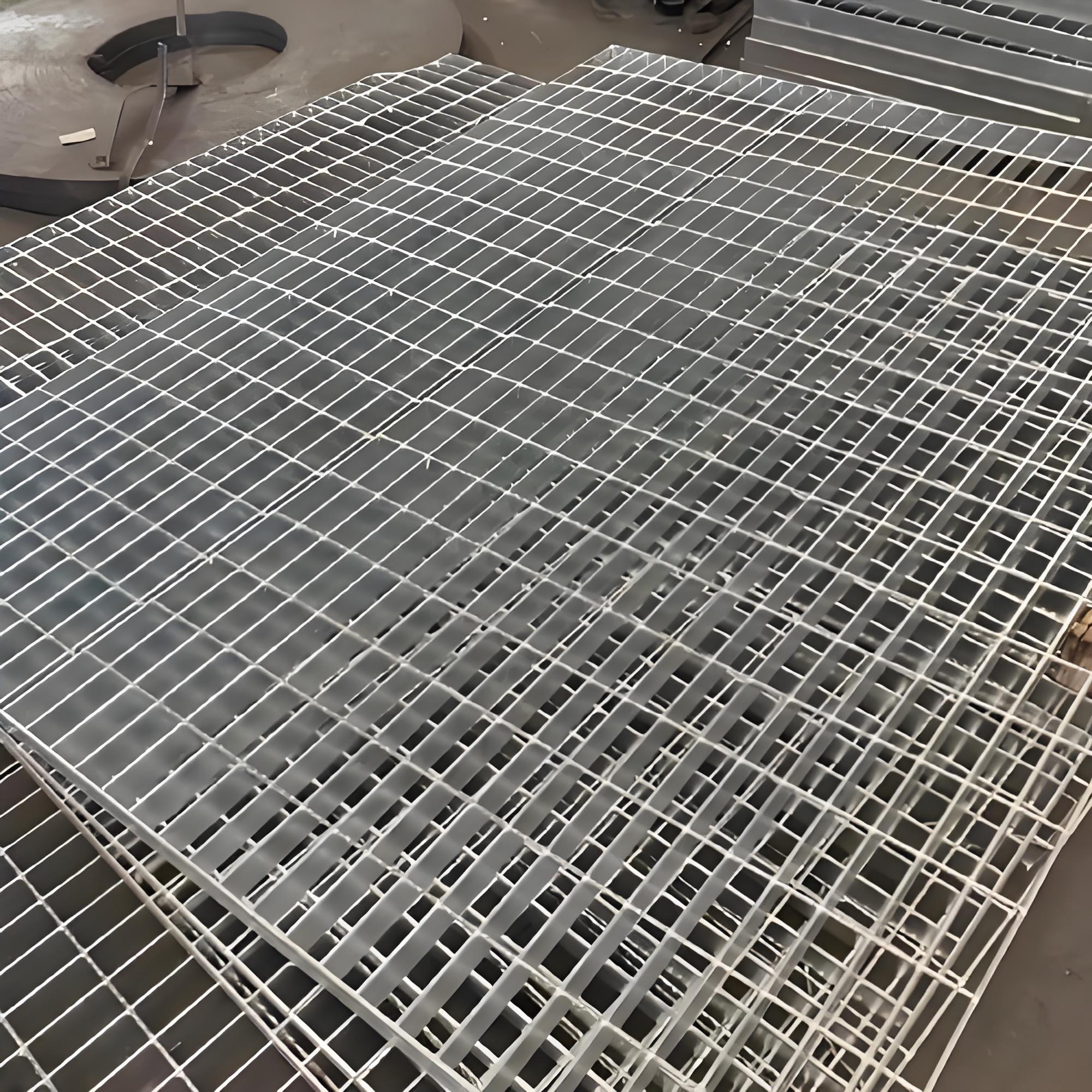
Material selection affects custom trench drain grate strength, corrosion resistance, hygiene, appearance, manufacturing method, maintenance, and cost. The correct material should match the operating environment and load condition.
Hot-dip galvanized steel is a practical and economical material for many industrial trenches, warehouse drains, outdoor walkways, loading areas, commercial yards, and general drainage applications. The steel grate is fabricated first and then galvanized, allowing the zinc coating to protect welded joints, cut edges, banding bars, and frames.
Stainless steel is often selected for commercial kitchens, food plants, breweries, hospitals, pharmaceutical facilities, swimming pools, marine sites, chemical plants, and architectural drainage systems. Type 304 stainless steel is suitable for many general wet and hygienic environments. Type 316 or 316L stainless steel is commonly selected where chloride exposure, salt spray, seawater, or stronger chemicals are expected.
Cast iron and ductile iron are common choices for heavy-duty traffic drainage. Ductile iron is especially useful for parking areas, loading docks, roads, vehicle routes, industrial yards, ports, and other applications involving repeated wheel loads and impact.
Custom cast products can provide strong ribbed profiles and integrated locking details. However, low-volume custom cast iron or ductile iron designs may require pattern tooling, which can increase the initial project cost.
Composite grates can be lightweight, corrosion resistant, non-metallic, and less attractive for theft in some applications. They may be used in pedestrian areas, landscaped sites, chemical environments, utility corridors, and selected parking applications.
Composite grates should be selected carefully for load capacity, ultraviolet resistance, chemical compatibility, fire exposure, impact resistance, and long-term deflection. A composite grate suitable for pedestrian use may not be suitable for forklift or vehicle traffic.
| Material | Main Advantages | Typical Applications |
|---|---|---|
| Hot-Dip Galvanized Steel | Strong, economical, practical outdoor corrosion protection | Industrial trenches, walkways, warehouses, loading areas |
| 304 Stainless Steel | Good hygiene and corrosion resistance | Kitchens, food plants, hospitals, interior wet areas |
| 316 or 316L Stainless Steel | Improved chloride and marine resistance | Coastal sites, pools, chemical plants, marine facilities |
| Ductile Iron | High load capacity and impact resistance | Parking areas, road drainage, forklifts, loading docks |
| Composite | Lightweight, corrosion resistant, non-metallic | Pedestrian, landscape, utility, and selected chemical applications |
Custom trench drain grates should be selected for actual exposure conditions, not only for initial price. Water, cleaning chemicals, oil, food residue, salt, chlorides, fertilizer, chemical fumes, and standing debris can all affect the service life of the grate and frame.
Stainless steel is commonly selected for commercial kitchens, food plants, breweries, and washdown areas because it is cleanable and corrosion resistant. The grates should be removable for cleaning, and the opening pattern should help retain larger food debris above the drain.
Chemical plants and wastewater facilities should confirm compatibility between the grate material and the actual chemicals, concentration, temperature, cleaning agents, splash exposure, and immersion conditions. Galvanized steel may be suitable in some conditions, but stainless steel, composite, or another corrosion-resistant solution may be necessary in more aggressive environments.
Marine sites and coastal facilities are exposed to salt spray, chlorides, humidity, and weather. Type 316 or 316L stainless steel is often preferred for these conditions. Galvanized steel may still be suitable for selected structures, but its expected service life should be reviewed against salt exposure and maintenance access.
For outdoor factories, loading yards, trench covers, walkways, and utility areas, hot-dip galvanized steel is often the most economical corrosion-resistant option. It provides strong structural performance with zinc protection for many general outdoor environments.
For more information about trench cover materials, galvanizing, frames, and custom support options, see our steel grating trench cover page.
Custom trench drain grates may need to be removable for cleaning, inspection, utility access, pump maintenance, or channel flushing. At the same time, they need to remain secure during pedestrian or vehicle use.
Loose lay-in grates can be suitable for low-traffic areas where frequent removal is needed. In public, vehicle, forklift, or vibration-prone areas, bolted or locked systems are usually preferred to prevent rattling, lifting, theft, or accidental displacement.
Large removable panels should be divided into manageable sections. A very heavy grate may be structurally strong but difficult to remove safely for cleaning or maintenance. Lifting points should be positioned to balance the panel and should not create trip hazards when the grate is installed.
The frame is as important as the grate. It supports the grate, transfers load into the channel body and surrounding concrete or steel, protects trench edges, and helps control finished floor level. A custom grate should always be checked together with its frame and support condition.
For vehicle areas, the frame and edge rail must be strong enough to resist repeated wheel loading. The supporting concrete should be designed to prevent cracking, settlement, or edge damage. A heavy-duty grate cannot perform correctly if the frame or surrounding support is weak.
Edge angles are often used with fabricated steel grating covers. They provide a stable bearing surface, protect the concrete trench edge, and help create a flush finished surface. The angle size, thickness, anchoring, and frame welds should be specified according to the expected load.
For trench cover dimensions, edge banding, lifting holes, and custom frame details, see our custom trench cover plates page.
Custom trench drain grate production begins with the approved drawing and material specification. The factory then prepares the grate body, frame, support angles, locking parts, lifting details, and finish according to the project requirement.
For custom grates that must match an existing trench, a trial fit or approved fabrication drawing is highly recommended before full production. This is particularly important for long curved sections, irregular frames, vehicle-rated systems, and replacement grates with unknown original manufacturers.
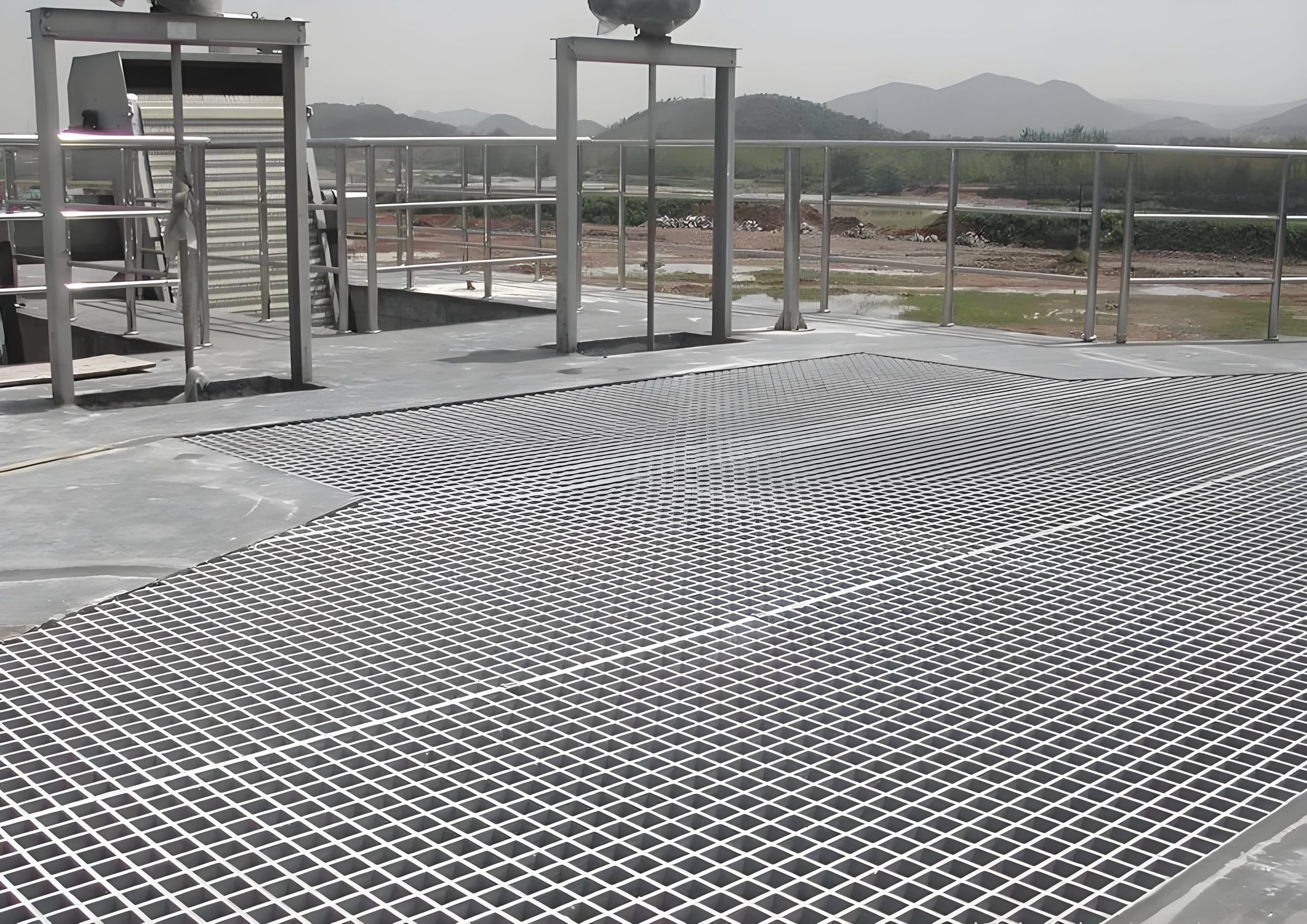
A complete inquiry allows the factory to quote the correct custom trench drain grate and avoid revisions caused by missing details. A CAD drawing is ideal, but a dimensioned sketch, photographs, and measurement list can also be enough for many replacement projects.
A clear request can read:
Please quote custom hot-dip galvanized steel bar grating trench covers for a 300 mm clear trench opening, 1000 mm section length, 40 mm × 5 mm bearing bars spanning the trench width, serrated top surface, banded edges, galvanized angle frame, recessed lifting holes, bolt-down fixing, suitable for the specified forklift wheel load, with export packing and FOB price.
How do I measure a custom trench drain grate?
Measure the clear trench opening, overall grate width, grate length, support ledge width, frame depth, grate thickness, bolt-hole centers, locking positions, and finished floor level. For replacement grates, also provide photographs of the existing frame and channel. The clear opening and bearing ledge dimensions are especially important because they determine fit and structural span.
What material is best for a custom trench drain grate?
Galvanized steel is often the most economical choice for general outdoor and industrial drainage. Stainless steel 304 is suitable for many kitchens, food plants, and wet areas, while 316 or 316L stainless steel is preferred for marine, coastal, chemical, and chloride-rich environments. Ductile iron is commonly selected for heavy vehicle and forklift traffic, while composite materials can be useful for lightweight and corrosion-resistant pedestrian applications.
Can custom trench drain grates carry forklift traffic?
Yes, custom trench drain grates can be designed for forklift traffic, but the complete system must be engineered for the actual wheel load. The grate, frame, channel body, support angles, concrete surround, locking system, and installation detail must all be suitable. Provide forklift axle load, wheel load, wheel type, contact area, travel direction, and turning locations when requesting a quote.