

Steel grating cost per square foot is one of the most frequently searched topics by buyers in construction, industrial, and infrastructure sectors. Understanding how pricing works is essential for making cost-effective procurement decisions. Steel grating is widely used for flooring, walkways, trench covers, and stair treads due to its strength, durability, and load-bearing capacity. However, the price per square foot can vary significantly depending on material, manufacturing process, surface treatment, and specification requirements.
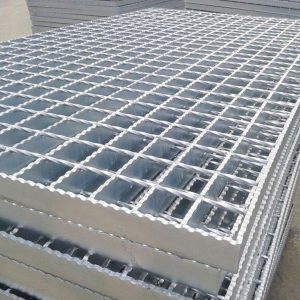
Steel grating is a grid-like metal structure made by welding or pressure-locking bearing bars and cross bars. It is designed to provide high strength while maintaining open spaces for drainage, ventilation, and light transmission. The structure allows it to support heavy loads while minimizing material usage, which directly influences the cost per square foot.
Steel grating is typically manufactured using carbon steel or stainless steel. Carbon steel grating is often hot-dip galvanized to improve corrosion resistance, while stainless steel grating is used in environments requiring superior chemical resistance and hygiene standards. The choice of material plays a major role in determining overall cost.
Different types of steel grating have different manufacturing methods and cost structures. Welded steel grating is the most common and economical type. It is produced by resistance welding, making it suitable for general industrial use. Its price per square foot is usually lower compared to other types due to efficient mass production.
Press-locked steel grating offers a more refined appearance. It is manufactured by mechanically locking cross bars into bearing bars. This type is often used in architectural applications where aesthetics matter. Its cost per square foot is generally higher due to more complex production processes.
Swage-locked grating is another premium option. It uses high-pressure hydraulic swaging to lock the bars together. This results in a smooth finish and excellent structural integrity. The price per square foot tends to be higher than welded grating but offers better consistency and visual appeal.
Stainless steel grating is typically the most expensive option. It is used in environments such as food processing, chemical plants, and offshore platforms. Its cost per square foot is significantly higher due to raw material costs and fabrication difficulty.
Steel grating is widely used across various industries. In industrial plants, it serves as flooring for platforms, walkways, and maintenance areas. In municipal infrastructure, it is commonly used as trench covers and drainage grates. These applications require high load capacity and durability, which directly influence specification and cost.
In commercial and architectural projects, steel grating is used for facades, ceilings, and decorative walkways. In such cases, appearance and customization become important, which can increase the price per square foot.
In the oil and gas industry, steel grating is used on offshore platforms and refineries. These environments require anti-corrosion treatments such as hot-dip galvanizing or stainless steel material, both of which increase cost.
Transportation infrastructure such as bridges and airports also relies on steel grating for drainage systems and safety walkways. Load requirements and environmental exposure play a key role in determining pricing.
Steel grating offers several advantages that justify its cost. It has high strength-to-weight ratio, allowing it to support heavy loads while remaining lightweight. This reduces transportation and installation costs.
Its open structure provides excellent drainage and ventilation. This makes it ideal for environments where water, oil, or debris accumulation is a concern. The anti-slip surface improves safety, especially in industrial settings.
Technical parameters that influence cost include bearing bar size, spacing, cross bar spacing, and load capacity. For example, closer bar spacing increases strength but also increases material usage, which raises the price per square foot.
Surface treatment is another important factor. Hot-dip galvanizing adds a protective zinc coating, increasing durability but also adding to the cost. Painted or untreated grating is cheaper but less resistant to corrosion.
Choosing the right steel grating requires understanding project requirements. The first step is determining load capacity. Heavy-duty applications require thicker bearing bars and smaller spacing, which increases cost per square foot.
Next is selecting the appropriate material. Carbon steel is cost-effective for general use, while stainless steel is suitable for corrosive environments. Galvanized steel is a popular choice due to its balance between cost and durability.
Panel size and customization also affect pricing. Standard sizes are more economical, while custom sizes require additional cutting and fabrication, increasing the cost.
Surface treatment should be selected based on environmental conditions. For outdoor or marine environments, hot-dip galvanizing is recommended despite its higher cost, as it extends service life and reduces maintenance expenses.
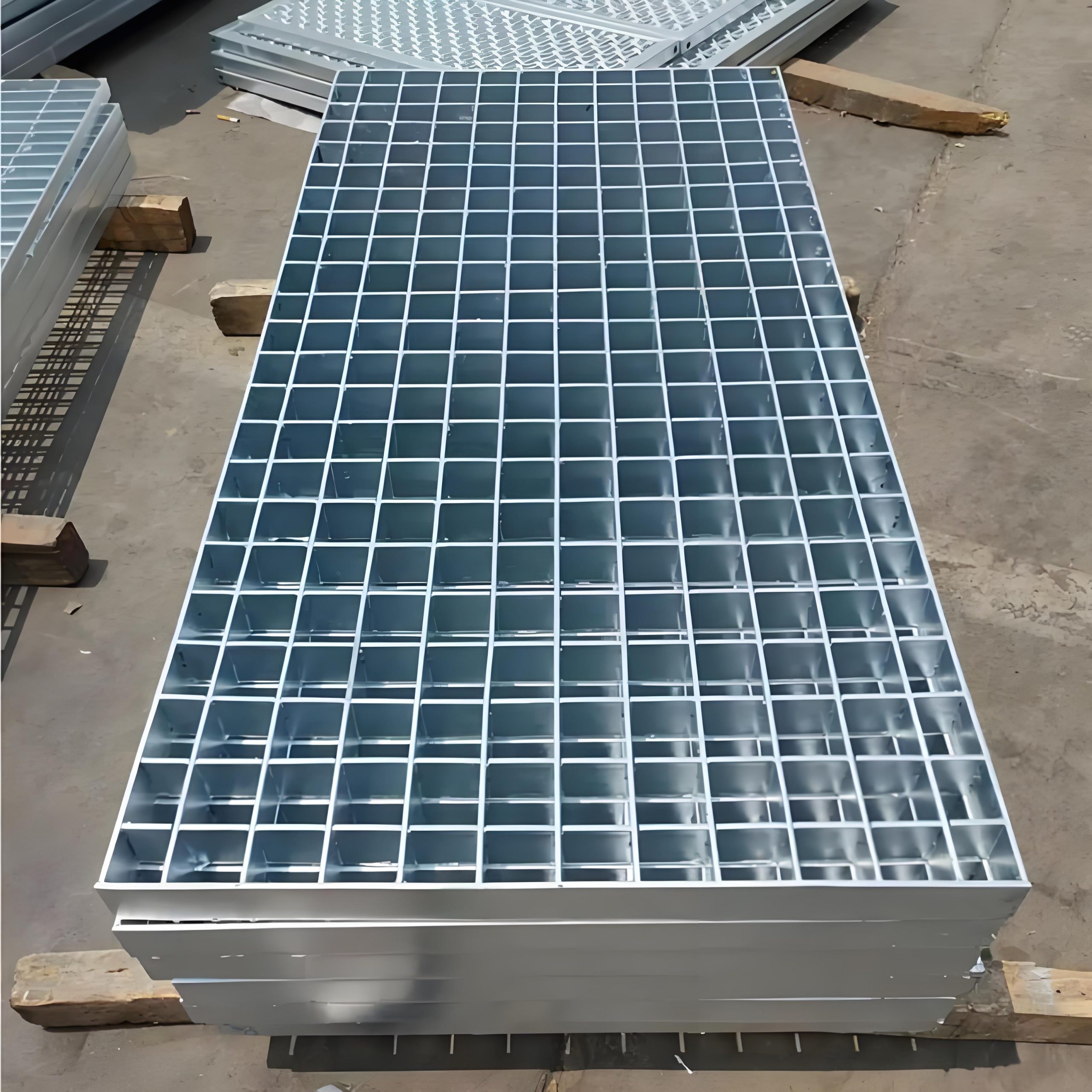
The cost per square foot of steel grating is influenced by multiple factors. Raw material price is the most significant factor. Fluctuations in steel prices directly impact the overall cost.
Manufacturing method also affects pricing. Welded grating is generally more affordable, while press-locked and swage-locked grating are more expensive due to additional processing steps.
Surface treatment plays a key role. Galvanizing increases cost but provides long-term protection. Stainless steel options have the highest cost due to material properties.
Specification details such as bar thickness, spacing, and panel size directly influence material consumption. Higher load requirements lead to higher costs.
Order quantity is another factor. Bulk orders usually reduce the price per square foot due to economies of scale. Small or customized orders tend to have higher unit costs.
Transportation and logistics also contribute to total cost. Heavier and larger panels increase shipping expenses, especially for international buyers.
As a general reference, steel grating price per square foot can vary widely depending on these factors. Buyers should focus on value rather than just price, considering durability and long-term performance.
When sourcing steel grating, it is important to work with experienced manufacturers who understand international standards. Buyers should request detailed specifications, including material grade, dimensions, and surface treatment.
Quality certifications and testing reports are essential for ensuring product reliability. Reputable suppliers provide documentation to verify load capacity and coating thickness.
Communication is key in international trade. Clear technical drawings and requirements help avoid misunderstandings and reduce the risk of errors.
Anping County Chuansen Silk Screen Products Co., Ltd. is a manufacturer specializing in steel grating, trench covers, and stair treads. With experience in global export markets, the company provides customized solutions based on project requirements. Their production capabilities cover various types of grating, including welded, press-locked, and galvanized options.
Lead time and after-sales support should also be considered. Reliable suppliers offer consistent delivery schedules and technical assistance.
What is the average steel grating cost per square foot?
The cost per square foot varies depending on material, type, and specifications. Carbon steel welded grating is generally more affordable, while stainless steel and customized designs are more expensive. Factors such as galvanizing, bar spacing, and load requirements significantly influence the final price.
What factors most affect galvanized steel grating cost?
The main factors include raw steel price, zinc coating thickness, manufacturing method, and specification details like bar size and spacing. Galvanizing adds durability but increases cost, especially when higher coating thickness is required for harsh environments.
How to choose the right steel grating for my project?
Selection depends on load requirements, environmental conditions, and budget. For heavy-duty industrial use, thicker bearing bars and smaller spacing are recommended. For corrosive environments, galvanized or stainless steel is preferred. Standard sizes help reduce cost, while custom designs offer flexibility for specific applications.