
Cheap price 316 stainless steel grating does not mean choosing the lowest-quality grating or replacing 316 material with cheaper steel. For buyers, the real goal is to purchase genuine 316 stainless steel grating at a reasonable factory price by selecting the right bearing bar size, spacing, panel size, surface finish, fabrication method, order quantity, and packing plan. 316 stainless steel grating is usually more expensive than carbon steel or galvanized steel grating because it contains higher-cost alloying elements and provides better corrosion resistance in wet, coastal, marine, chemical, food processing, wastewater, and chloride-exposed environments. A good supplier should help buyers reduce unnecessary cost while keeping the required corrosion resistance, load capacity, and service life.
316 stainless steel grating is commonly used in projects where ordinary carbon steel grating, painted steel grating, or hot-dip galvanized steel grating may not provide enough corrosion resistance. It is especially useful in wet industrial environments, coastal areas, marine walkways, chemical plants, wastewater treatment plants, food processing facilities, drainage channels, and outdoor access platforms.
When buyers search for cheap price 316 stainless steel grating, they usually want a lower purchasing cost without losing the benefit of 316 stainless steel. This requires a careful balance. A low price is useful only if the material is truly 316 stainless steel, the grating structure can carry the required load, and the panel dimensions match the project drawings.
In a professional purchasing context, “cheap price” should mean cost-effective, factory-direct, correctly specified, and free from unnecessary over-design. It should not mean wrong material, weak welding, poor surface finish, inaccurate dimensions, or hidden weight reduction. For corrosion-resistant projects, saving a small amount at the beginning can become expensive later if the grating rusts, bends, does not fit, or needs replacement.
| Buyer Goal | Correct Cost-Saving Method | Risky Low-Price Method |
|---|---|---|
| Lower purchase cost | Choose suitable bar size and spacing | Use undersized bearing bars |
| Keep corrosion resistance | Use genuine 316 stainless steel | Replace 316 with 304 or carbon steel without approval |
| Reduce fabrication cost | Simplify panel layout where possible | Remove necessary banding or support details |
| Reduce shipping cost | Optimize panel size, packing, and quantity | Use weak packing that damages panels |
| Improve total value | Confirm drawings, load, and finish before production | Buy only by the lowest square meter price |
316 stainless steel grating costs more than carbon steel grating because the raw material itself is more expensive. 316 stainless steel contains alloying elements that improve corrosion resistance, especially in environments with moisture, chlorides, chemicals, and salt air. Carbon steel is cheaper, but it usually needs galvanizing, painting, or coating to resist rust.
Carbon steel grating is usually the most economical choice for general industrial flooring, platforms, walkways, and trench covers. Hot-dip galvanized carbon steel costs more than black steel but remains cheaper than stainless steel in many cases. 316 stainless steel grating has a higher raw material cost because of its chemical composition and corrosion-resistant performance.
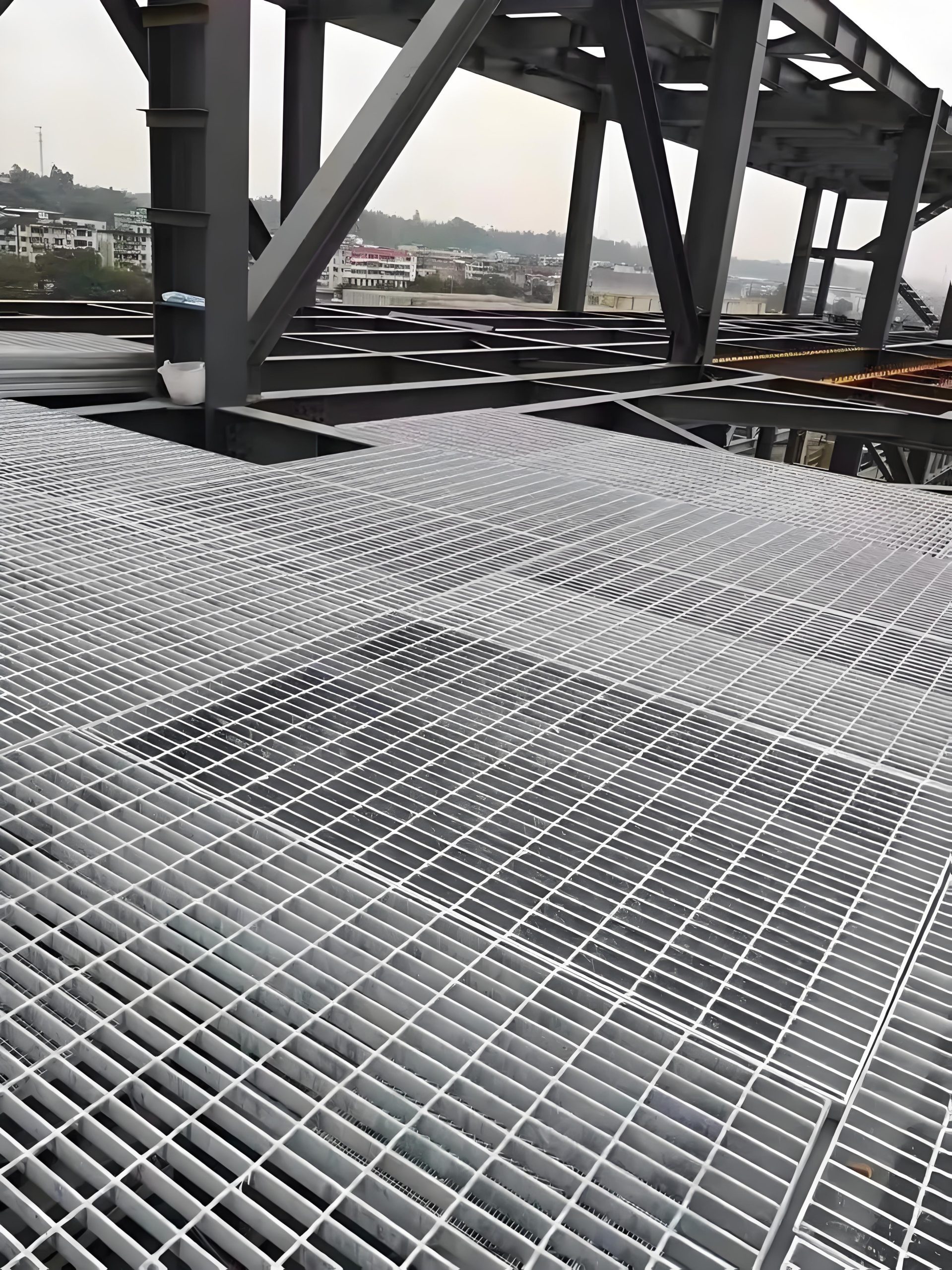
Stainless steel fabrication often needs more careful cutting, welding, surface cleaning, and packing. If the project requires pickling, passivation, brushing, or polishing, the final cost increases further. Stainless steel also needs careful handling to reduce scratches and contamination.
Although 316 stainless steel grating has a higher initial price, it may reduce long-term maintenance costs in corrosive environments. In coastal, chemical, marine, wastewater, or food processing applications, replacing corroded carbon steel grating can be more expensive than selecting 316 stainless steel at the beginning.
| Item | Carbon Steel Grating | 316 Stainless Steel Grating |
|---|---|---|
| Initial material cost | Lower | Higher |
| Corrosion resistance | Needs coating or galvanizing | Better corrosion resistance without zinc coating |
| Outdoor wet service | Usually requires hot-dip galvanizing | Suitable for many wet and corrosive environments |
| Maintenance requirement | May need coating repair over time | Lower maintenance in suitable environments |
| Best use | General platforms, walkways, economical covers | Marine, chemical, food, wastewater, coastal areas |
The price of 316 stainless steel grating is affected by material grade, bearing bar size, bearing bar spacing, cross bar spacing, grating type, surface finish, panel size, fabrication complexity, order quantity, packing method, and shipping distance. Buyers should review all of these factors before comparing suppliers.
316 stainless steel costs more than 304 stainless steel and carbon steel. If the quotation says 316 stainless steel grating, buyers should confirm the material grade clearly. For welded grating in more demanding corrosive environments, 316L may be requested, which can also affect price.
Steel weight is one of the largest cost factors. Larger bearing bars and closer spacing increase the amount of stainless steel per square meter. Since stainless steel is expensive, even a small increase in weight can have a noticeable price impact.
Welded stainless steel grating is often practical for industrial applications. Press-locked stainless steel grating may cost more due to slotting, pressing, and appearance requirements. Serrated stainless steel grating may also cost more because of additional anti-slip processing.
Natural finish is usually more economical. Pickling, passivation, brushing, polishing, or special cleaning adds cost but may be necessary for food, chemical, marine, or visible architectural areas.
| Price Factor | Lower Cost Option | Higher Cost Option | Buyer Advice |
|---|---|---|---|
| Material grade | 304 stainless steel | 316 or 316L stainless steel | Use 316 where corrosion exposure requires it |
| Bearing bar size | Smaller and thinner bars | Deeper and thicker bars | Select by load and span, not price only |
| Bar spacing | Wider spacing | Closer spacing | Balance walking comfort, load, and cost |
| Grating type | Simple welded grating | Press-locked, serrated, or special grating | Choose according to application and appearance |
| Surface finish | Natural finish | Pickled, passivated, brushed, or polished finish | Use advanced finish only when needed |
| Fabrication | Standard rectangular panels | Cutouts, banding, holes, stair tread details | Provide drawings for accurate pricing |
Material grade has a direct impact on stainless steel grating price. Buyers sometimes ask for cheap price 316 stainless steel grating, but some low-price offers may use 304 stainless steel, mixed materials, or unclear grade descriptions. This creates risk in corrosive projects.
304 stainless steel grating is more economical and suitable for many general indoor or mild corrosion environments. 316 stainless steel grating is more expensive because it provides better resistance in chloride, salt air, marine, wastewater, and chemical environments. If the project is near the sea, exposed to chlorides, or used in corrosive drainage areas, 316 may be worth the higher price.
316L stainless steel has lower carbon content than 316. It is often considered for welded stainless steel products used in demanding corrosive or hygienic environments. If the project requires 316L, buyers should not accept a 316 quotation unless the substitution is approved by the engineer or project owner.
For project orders, buyers may request material certificates or grade confirmation. This is especially important when the price is much lower than market expectations. A low price loses value if the material cannot be verified.
| Material Grade | Price Level | Corrosion Resistance | Typical Use |
|---|---|---|---|
| 304 stainless steel | Lower than 316 | Good for general use | Indoor platforms, food areas, commercial floors |
| 316 stainless steel | Higher than 304 | Better for chloride and marine exposure | Coastal, wastewater, chemical, marine, drainage projects |
| 316L stainless steel | Similar or sometimes higher depending on market | Better choice for many welded corrosive applications | Food, chemical, hygienic, marine, welded grating panels |
Bearing bar size, spacing, and weight strongly affect the price of 316 stainless steel grating. Since 316 stainless steel material is expensive, the amount of steel used per square meter becomes very important.
Bearing bars are the main load-carrying members. Common sizes may include 25 x 3 mm, 30 x 3 mm, 30 x 5 mm, 40 x 5 mm, and other custom dimensions. Larger bearing bars provide higher load capacity but increase weight and cost.
Closer bearing bar spacing uses more bars per square meter. This improves walking comfort and load distribution but raises the price. Wider spacing reduces cost and weight, but it may not be suitable for every walking or load condition.
Cross bar spacing affects panel stability and appearance. Common spacing may include 50 mm, 76 mm, or 100 mm. Closer cross bar spacing uses more material and may require more processing, increasing the cost slightly.
For stainless steel grating, weight control is one of the most practical ways to reduce cost. However, reducing weight must not reduce safety. The grating should still meet load, span, deflection, and walking requirements.
| Specification Item | Lower Price Direction | Higher Price Direction | Important Warning |
|---|---|---|---|
| Bearing bar height | Lower height | Higher height | Lower height may not support longer spans |
| Bearing bar thickness | Thinner bar | Thicker bar | Do not reduce thickness below load requirement |
| Bearing bar spacing | Wider spacing | Closer spacing | Opening size must still be safe for users |
| Cross bar spacing | Wider spacing | Closer spacing | Panel stability should not be ignored |
| Total weight | Lower kg/m² | Higher kg/m² | Weight must match load and span design |
Standard sizes and custom sizes have different cost structures. Standard 316 stainless steel grating panels are usually more economical if the project can accept regular dimensions. Custom panels cost more because they require drawing review, cutting, edge banding, cutouts, holes, special shapes, and panel numbering.
Standard panels are useful for simple platforms, regular walkways, stock supply, and projects where cutting on site is acceptable. However, site cutting stainless steel may create rough edges, additional labor, and surface treatment concerns.
Custom panels are produced according to drawings. They may include pipe openings, drain openings, column notches, machine cutouts, stair tread side plates, bolt holes, lifting holes, special banding, and irregular shapes. Although the price is higher, custom fabrication can save installation time and improve final fit.
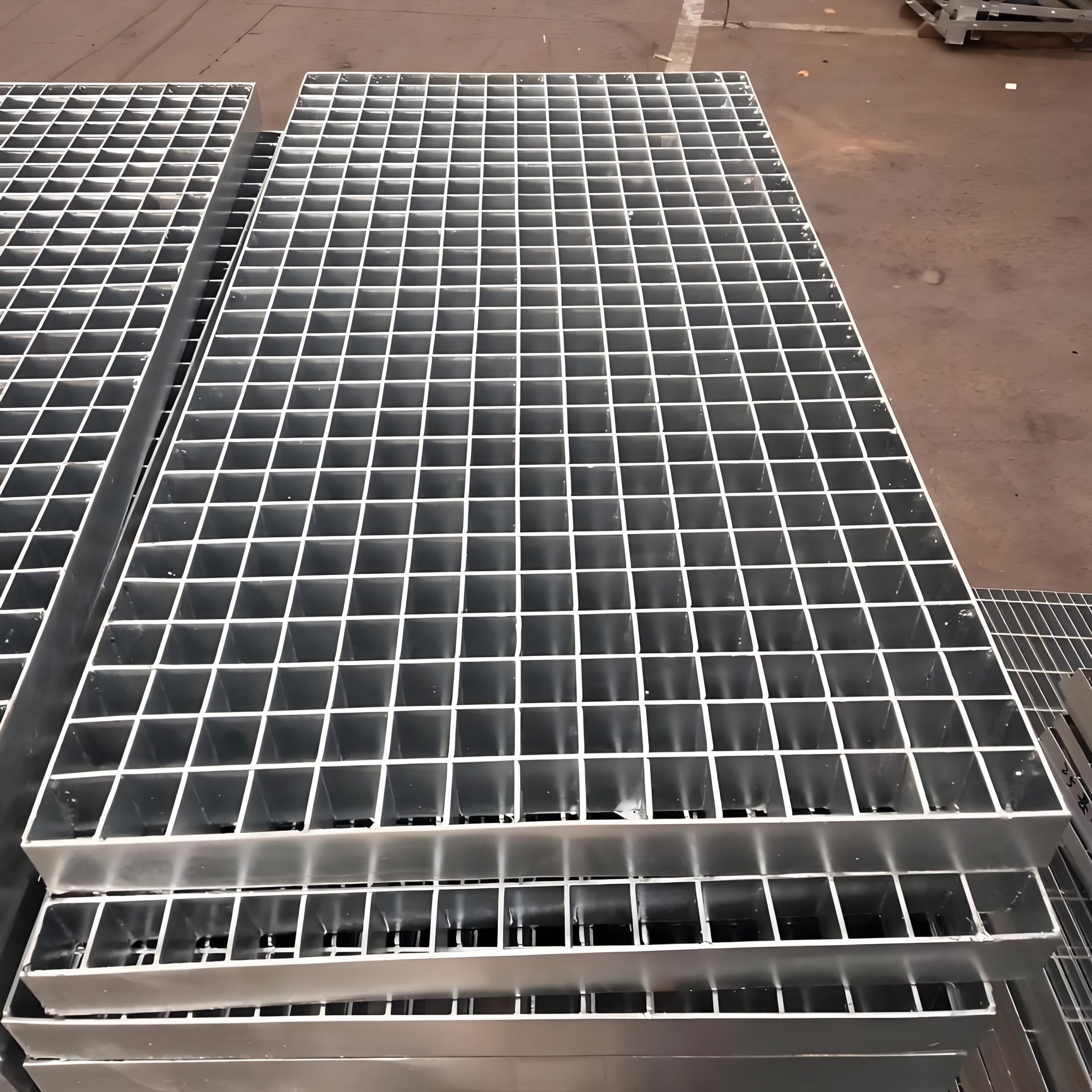
Buyers can reduce custom cost by simplifying panel shapes, using repeated panel sizes, avoiding unnecessary small pieces, confirming drawings before production, and reducing last-minute design changes. Repeated sizes are usually more economical than many one-off irregular panels.
| Comparison Item | Standard 316 Grating | Custom 316 Grating |
|---|---|---|
| Price level | Usually lower | Usually higher |
| Production time | Faster if specification is common | Requires drawing confirmation |
| Installation fit | May need site cutting | Designed to fit project layout |
| Fabrication details | Simple rectangular panels | Cutouts, holes, banding, special shapes |
| Best use | Simple walkways and stock panels | Food plants, chemical areas, drainage covers, equipment platforms |
Welded and press-locked 316 stainless steel grating have different production methods and cost levels. Buyers should choose based on load requirement, appearance, cleaning requirement, and application environment.
Welded 316 stainless steel grating is made by welding cross bars to bearing bars. It is strong and practical for industrial platforms, drainage covers, walkways, wastewater facilities, and chemical plant access floors. It is often a cost-effective choice when strength and corrosion resistance are more important than a highly architectural appearance.
Press-locked 316 stainless steel grating is made by pressing cross bars into bearing bars. It usually has a cleaner and more uniform grid appearance. It may cost more because the manufacturing process requires slotting, pressing, closer tolerance control, and better surface appearance management.
For industrial use, welded 316 stainless steel grating is often more cost-effective. For architectural, commercial, public, or visible areas, press-locked 316 stainless steel grating may be worth the higher cost because it provides a cleaner appearance and more uniform surface.
| Comparison Item | Welded 316 Stainless Steel Grating | Press-Locked 316 Stainless Steel Grating |
|---|---|---|
| Production method | Cross bars welded to bearing bars | Cross bars pressed into bearing bars |
| Price level | Usually more economical | Usually higher |
| Appearance | Industrial and practical | Cleaner and more architectural |
| Typical use | Platforms, drainage covers, industrial floors | Commercial walkways, visible floors, architectural areas |
| Buyer focus | Strength and cost control | Appearance and precise grid pattern |
Surface finish has a clear impact on the final price of 316 stainless steel grating. Some finishes are mainly for cleaning and corrosion performance, while others are for appearance. Buyers should choose the finish according to the real environment, not only visual preference.
Natural finish is usually the most economical surface option. It is suitable for many general industrial applications where appearance is not the main concern. However, welded areas may still need cleaning if corrosion resistance or hygiene is important.
Pickling removes welding scale, heat tint, and surface contamination. It improves surface condition after fabrication. It adds cost but is often useful for welded 316 stainless steel grating in chemical, food, wastewater, or marine environments.
Passivation helps improve the stainless steel surface condition and supports corrosion resistance. It is often requested for hygienic, chemical, pharmaceutical, and food-related applications. It increases cost but can be important for long-term performance.
Brushed or polished finish improves appearance and may be required for architectural or public areas. These finishes cost more and need careful packing to prevent scratches during transport and installation.
| Surface Finish | Price Impact | Main Benefit | Suitable Use |
|---|---|---|---|
| Natural finish | Lower | Basic stainless steel surface | General industrial grating |
| Pickled finish | Medium | Removes heat tint and scale | Welded stainless steel grating |
| Passivated finish | Medium to high | Improves surface corrosion resistance | Food, chemical, hygienic, and marine areas |
| Brushed finish | Higher | Improves visible appearance | Commercial and architectural areas |
| Polished finish | Higher | Smoother and cleaner appearance | Public, decorative, and special projects |
Reducing the cost of 316 stainless steel grating should be done carefully. The best approach is to remove unnecessary cost while keeping the correct material grade, load capacity, corrosion resistance, and installation quality.
If the whole project does not require 316 stainless steel, buyers may divide the project by environment. Highly corrosive zones can use 316, while mild indoor areas may use 304 or galvanized steel if allowed by the project design. This should be confirmed by the engineer or project owner.
Do not over-design the bearing bar. If the load and span allow a smaller size, using a reasonable bar can reduce material cost. However, reducing the bearing bar below the required load capacity is not acceptable.
Repeated panel sizes reduce cutting complexity, drawing work, and fabrication mistakes. If the layout can use repeated sizes, the manufacturer may produce more efficiently.
Natural or pickled finish may be enough for some industrial projects. Brushed or polished finishes should be used only when appearance or cleaning requirements justify the cost.
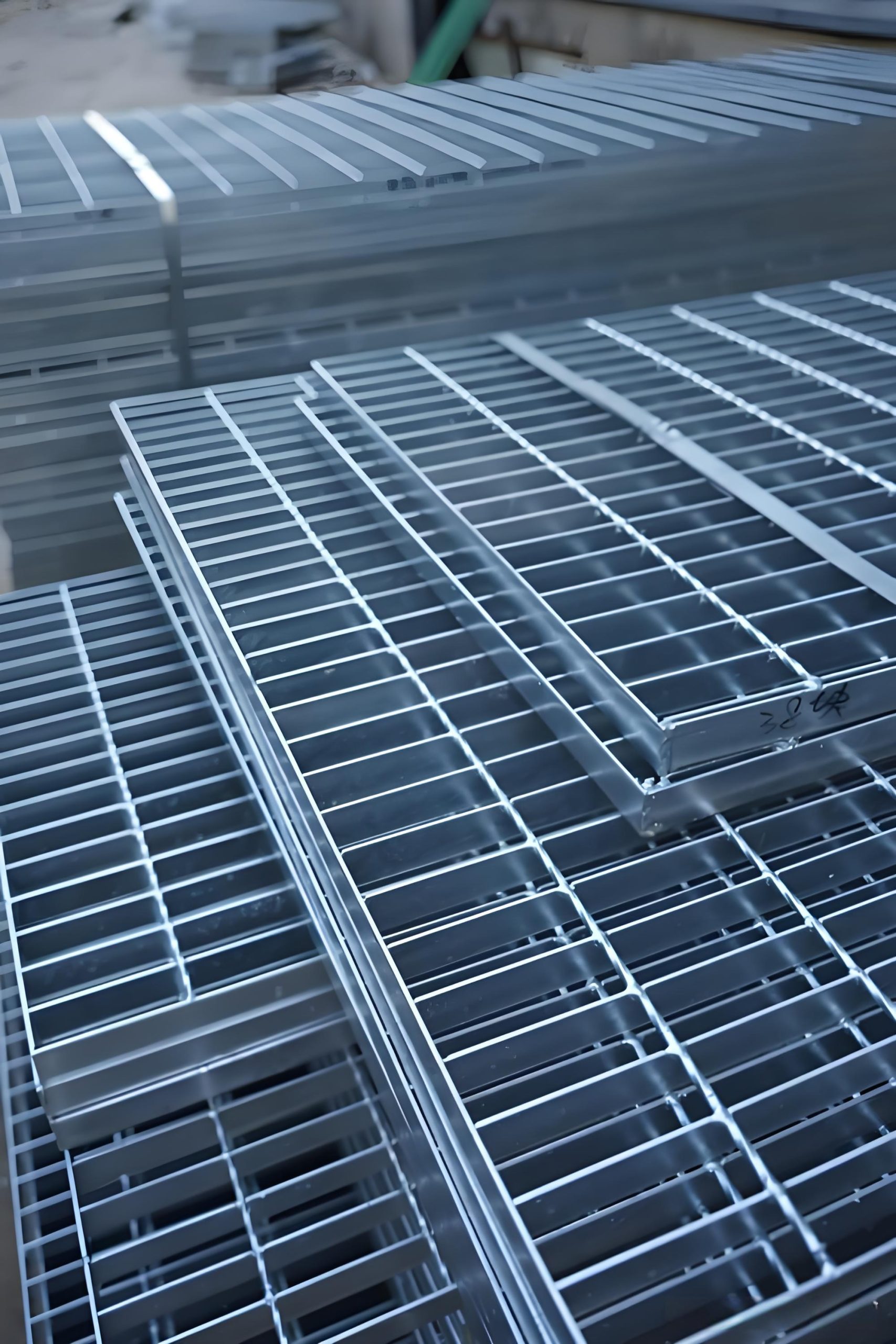
Larger orders may reduce unit processing cost because raw material purchasing, production setup, packing, and shipping can be arranged more efficiently. Combining panels in one order may reduce total cost.
| Cost-Saving Method | How It Reduces Cost | What Must Not Be Sacrificed |
|---|---|---|
| Optimize bar size | Reduces stainless steel weight | Load capacity and deflection safety |
| Use wider spacing where suitable | Reduces material per square meter | Walking comfort and opening safety |
| Simplify panel layout | Reduces cutting and banding labor | Installation fit and maintenance access |
| Select practical finish | Avoids unnecessary polishing cost | Corrosion resistance and cleaning requirement |
| Use repeated sizes | Improves production efficiency | Correct support span and bearing direction |
Cheap 316 stainless steel grating and low-quality grating are not the same thing. A good cheap price means the manufacturer controls cost through efficient production, reasonable specification, and direct supply. Low-quality grating usually means unclear material, weak fabrication, poor welding, rough surface, inaccurate size, or missing quality control.
The biggest risk is receiving a material that is not genuine 316 stainless steel. Some low-price offers may use 304 stainless steel or mixed materials. In corrosive environments, this can lead to early rusting or failure to meet project requirements.
Another risk is reducing bearing bar size or increasing spacing too much. The panel may look similar from a distance, but it may not carry the required load or may feel unstable under foot.
Weak welding can cause loose cross bars, panel deformation, poor load transfer, and safety problems. Stainless steel welds may also need proper cleaning or passivation to reduce corrosion risk around welded areas.
Rough edges, scratches, heat tint, contamination, and burrs can affect appearance, cleaning, and corrosion performance. For food, chemical, and marine applications, poor surface treatment can create long-term problems.
| Low-Quality Risk | Possible Problem | Buyer Check |
|---|---|---|
| Wrong material grade | Lower corrosion resistance than expected | Confirm 316 material and certificate if required |
| Thin bearing bars | Low load capacity and excessive deflection | Check bar size, spacing, and span |
| Weak welding | Loose bars and unstable panels | Ask about welding inspection and production photos |
| Rough surface | Cleaning difficulty and corrosion-sensitive areas | Confirm finish requirements before order |
| Poor packing | Scratches, bending, missing accessories | Confirm packing method and labels |
316 stainless steel grating is worth the cost when corrosion resistance, hygiene, cleaning, and long service life are more important than the lowest initial price. In the right environment, 316 stainless steel can reduce maintenance and replacement costs.
Marine and coastal environments expose grating to salt air and moisture. 316 stainless steel grating is often used for dock walkways, marine platforms, coastal drainage covers, bridge access areas, and waterfront service zones.
Chemical facilities may expose grating to corrosive liquids, vapors, cleaning agents, and wet process areas. 316 stainless steel grating can be a suitable option when 304 or galvanized steel is not enough.
Food processing plants often require washable, corrosion-resistant, and hygienic flooring or drainage covers. 316 stainless steel grating may be selected where cleaning chemicals, salt, acids, or washdown conditions are demanding.
Wastewater plants often include wet, corrosive, and maintenance-heavy environments. 316 stainless steel grating is commonly used around tanks, channels, pumps, filters, and inspection platforms.
For drainage areas exposed to corrosive water, salt, chemicals, or continuous moisture, 316 stainless steel trench covers may provide better long-term durability than lower-cost coated steel.
| Application | Why 316 Stainless Steel Grating Is Valuable | Common Product Form |
|---|---|---|
| Marine walkway | Better resistance to salt air and moisture | Serrated or plain walkway grating |
| Chemical plant | Improved resistance in corrosive process areas | Welded or press-locked grating |
| Food processing | Washdown resistance and hygienic surface | Drainage covers and platform grating |
| Wastewater treatment | Suitable for wet and corrosive service | Tank walkways, channel covers, access platforms |
| Coastal drainage | Longer service life in chloride exposure | Trench covers and drainage grating |
Quantity, packaging, and shipping can significantly affect the final cost of 316 stainless steel grating. Since stainless steel material is expensive and finished surfaces can be scratched, packing and logistics should be planned carefully.
Larger orders may reduce unit processing cost because material purchasing, production setup, cutting, welding, finishing, and packing can be arranged more efficiently. Small custom orders may have higher unit cost because setup labor is spread over fewer panels.
316 stainless steel grating should be packed to reduce scratches, staining, and contamination. Brushed or polished surfaces require more careful separation. Contact with rusty carbon steel should be avoided because it may cause surface contamination.
316 stainless steel grating can be heavy, especially when using thick bearing bars or close spacing. The total shipping cost depends on weight, volume, destination, delivery terms, and packing method. Buyers should ask for estimated total weight before confirming shipment.
For project orders, panel numbers should match the drawings. Clips, bolts, fasteners, handles, or other accessories should be packed separately and clearly labeled. Missing accessories can delay installation.
| Bulk Order Factor | Impact on Final Cost | Buyer Advice |
|---|---|---|
| Order quantity | Larger quantities may reduce unit processing cost | Send full panel list for better pricing |
| Packing method | Better protection may add cost | Use proper packing to avoid surface damage |
| Shipping weight | Higher weight increases freight | Confirm kg/m² and total order weight |
| Panel size | Large panels may be harder to load and unload | Balance size with installation handling |
| Accessories | Clips, bolts, and fasteners add cost | Include accessories in the quotation request |
Before choosing a cheap price supplier for 316 stainless steel grating, buyers should check material authenticity, production capability, welding quality, surface finish, dimensional control, custom fabrication experience, packing method, and delivery reliability. A low quotation should be reviewed carefully if it is much lower than other offers.
Confirm whether the supplier is quoting real 316 stainless steel. If the project requires material certificates, ask before ordering. The quotation should clearly state 316 or 316L, not only “stainless steel grating.”
Compare bearing bar size, bearing bar spacing, cross bar spacing, panel size, surface type, and finish. If one supplier is much cheaper, the specification may be lighter or the finish may be different.
For custom projects, the supplier should handle drawings, cutouts, banding, stair tread details, trench covers, holes, and panel numbering. A cheap supplier without fabrication ability may create installation problems.
Confirm whether the price includes natural finish, pickling, passivation, brushing, polishing, or other treatment. Surface finish can affect both price and performance.
Stainless steel grating needs careful packing to avoid scratches and contamination. For export orders, the supplier should provide packing lists, labels, shipping marks, loading photos, and clear communication.
For buyers looking for factory-based steel grating supply, Anping County Chuansen Silk Screen Products Co., Ltd. can be considered when evaluating 316 stainless steel grating, galvanized steel grating, welded grating, trench covers, stair treads, and custom grating panels. Buyers should still confirm material grade, drawings, load requirements, surface finish, packing method, and delivery terms before placing an order.
| Supplier Check Item | What to Confirm | Why It Matters |
|---|---|---|
| Material grade | 316 or 316L stainless steel, certificate if needed | Prevents wrong material risk |
| Specification | Bearing bar size, spacing, cross bar spacing | Ensures quotations are comparable |
| Fabrication ability | Cutouts, banding, holes, custom panels, stair treads | Improves installation fit |
| Surface finish | Natural, pickled, passivated, brushed, polished | Affects corrosion resistance and appearance |
| Quality control | Material, welding, size, finish, packing inspection | Reduces project risk |
| Delivery support | Packing, labels, documents, loading photos | Important for export and project orders |
To get an accurate 316 stainless steel grating quotation, buyers should provide complete technical and commercial details. Without specification, load, drawing, surface finish, and quantity, the supplier can only give a rough price.
State clearly whether the project requires 316 or 316L stainless steel. If material certificates are required, include this in the inquiry. If the environment is uncertain, describe the corrosion exposure so the supplier can help confirm the grade.
Provide bearing bar size, bearing bar spacing, cross bar spacing, surface type, and panel size. If the correct specification is not known, provide load and clear span so the manufacturer can recommend suitable options.
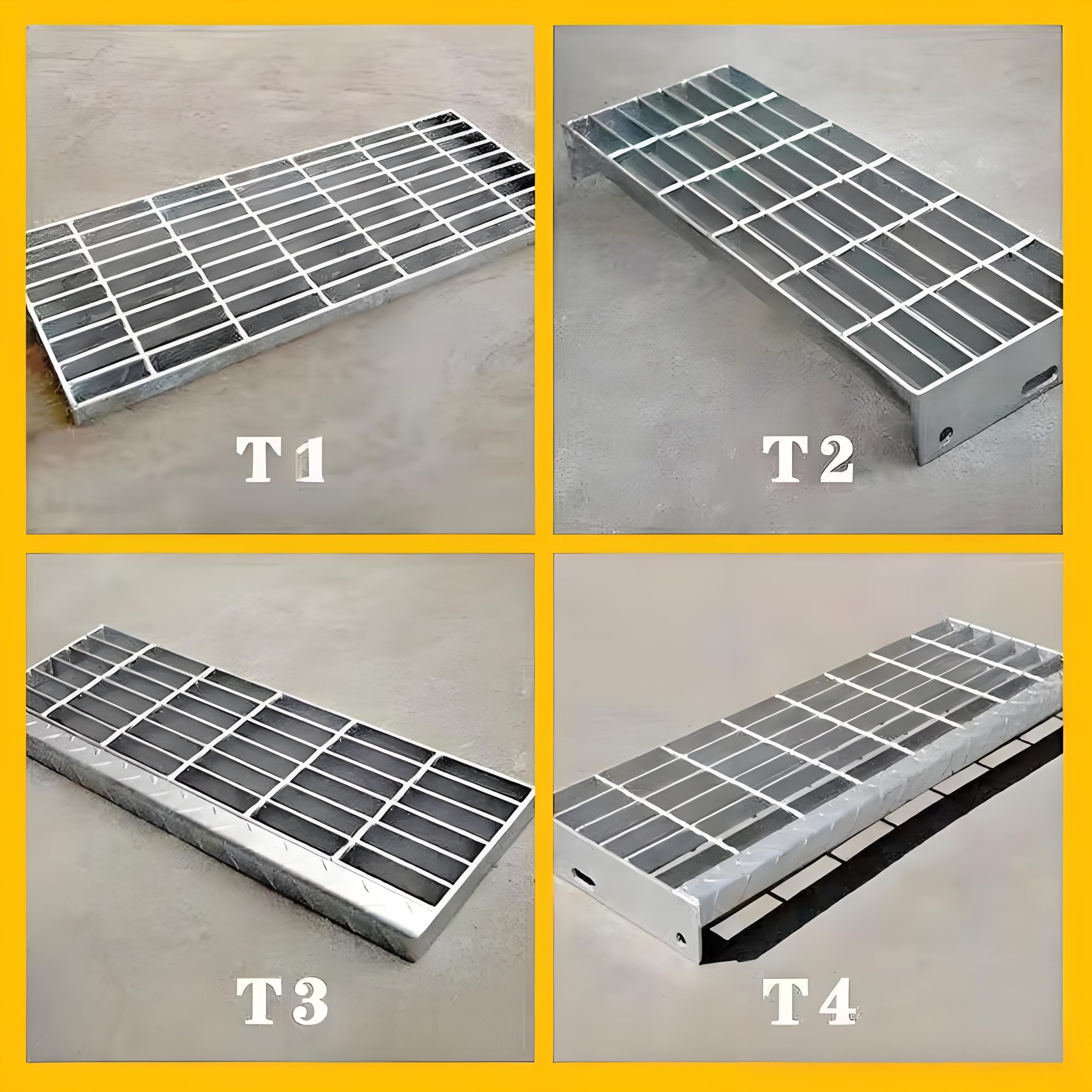
For custom panels, provide CAD drawings, PDF drawings, sketches, or panel schedules. Drawings should show length, width, bearing bar direction, cutouts, holes, banding, stair tread details, drainage openings, and panel numbers.
Confirm whether the grating should be natural finish, pickled, passivated, brushed, polished, serrated, or specially cleaned. Surface finish affects price and production time.
Provide total quantity, delivery destination, shipping terms, packing requirement, accessory list, and documentation requirement. For bulk orders, estimated total weight and packing plan should be confirmed before shipment.
| Quotation Information | Details Buyers Should Provide |
|---|---|
| Material grade | 316 stainless steel, 316L stainless steel, certificate requirement |
| Grating type | Welded, press-locked, serrated, plain, stair tread, trench cover |
| Bar specification | Bearing bar size, bearing bar spacing, cross bar spacing |
| Panel size | Length, width, quantity, tolerance, panel number |
| Load condition | Pedestrian, cart, equipment, drainage cover, vehicle load |
| Clear span | Unsupported distance between beams or support frames |
| Surface finish | Natural, pickled, passivated, brushed, polished, serrated |
| Custom details | Cutouts, holes, edge banding, stair side plates, lifting holes |
| Delivery | Packing, destination, shipping terms, export documents |
Why is 316 stainless steel grating expensive?
316 stainless steel grating is expensive because 316 stainless steel material costs more than carbon steel and 304 stainless steel. It also requires careful cutting, welding, surface finishing, and packing. The higher price is mainly due to better corrosion resistance, especially in coastal, marine, wastewater, chemical, and chloride-related environments.
How can I buy cheap 316 stainless steel grating safely?
To buy cheap 316 stainless steel grating safely, confirm the material grade, bearing bar size, spacing, load requirement, surface finish, fabrication details, and packing method before ordering. The best way to reduce cost is to optimize the specification, use repeated panel sizes, choose a practical finish, and order suitable quantities. Do not reduce cost by accepting unclear material or undersized grating.
Is 316 stainless steel grating better than galvanized steel grating?
316 stainless steel grating is better than galvanized steel grating in many corrosive environments such as marine, coastal, chemical, food processing, and wastewater areas. Galvanized steel grating is usually cheaper and suitable for many outdoor industrial projects, but its zinc coating can wear or need repair. The better choice depends on corrosion exposure, load, budget, maintenance expectations, and project service life.
