

Cheap price drainage channel stainless steel grating is used when buyers need a corrosion-resistant, washable, durable, and safe drainage cover at a reasonable cost. It is commonly installed over floor drainage channels, kitchen drains, food processing drainage trenches, chemical workshop drains, wastewater channels, industrial floor gullies, commercial drainage systems, and wet-area access paths. For procurement, “cheap price” should not mean thin material, weak welding, wrong stainless steel grade, poor surface finish, or unsafe load capacity. A practical low-cost solution should use the correct stainless steel grade, suitable bearing bar size, proper open area, accurate channel width, reliable welding, and a surface finish that matches the drainage environment.
Drainage channel stainless steel grating is a removable or fixed grating cover placed over a drainage trench or channel. It allows water, cleaning liquid, waste fluid, dust, and small debris to pass through while providing a walking or working surface above the channel. Stainless steel is selected because drainage areas are often wet, washed frequently, exposed to cleaning chemicals, or located in food, kitchen, chemical, marine, or industrial environments.
When buyers search for cheap price drainage channel stainless steel grating, they usually want a lower purchase cost without losing corrosion resistance and safety. This is possible if the product is designed correctly. Cost can be controlled by selecting the right grade, avoiding unnecessary over-thick bars, using standard panel lengths where possible, simplifying custom cutouts, and choosing a practical surface finish. However, cost should not be reduced by using the wrong material or making the grating too weak for the actual load.
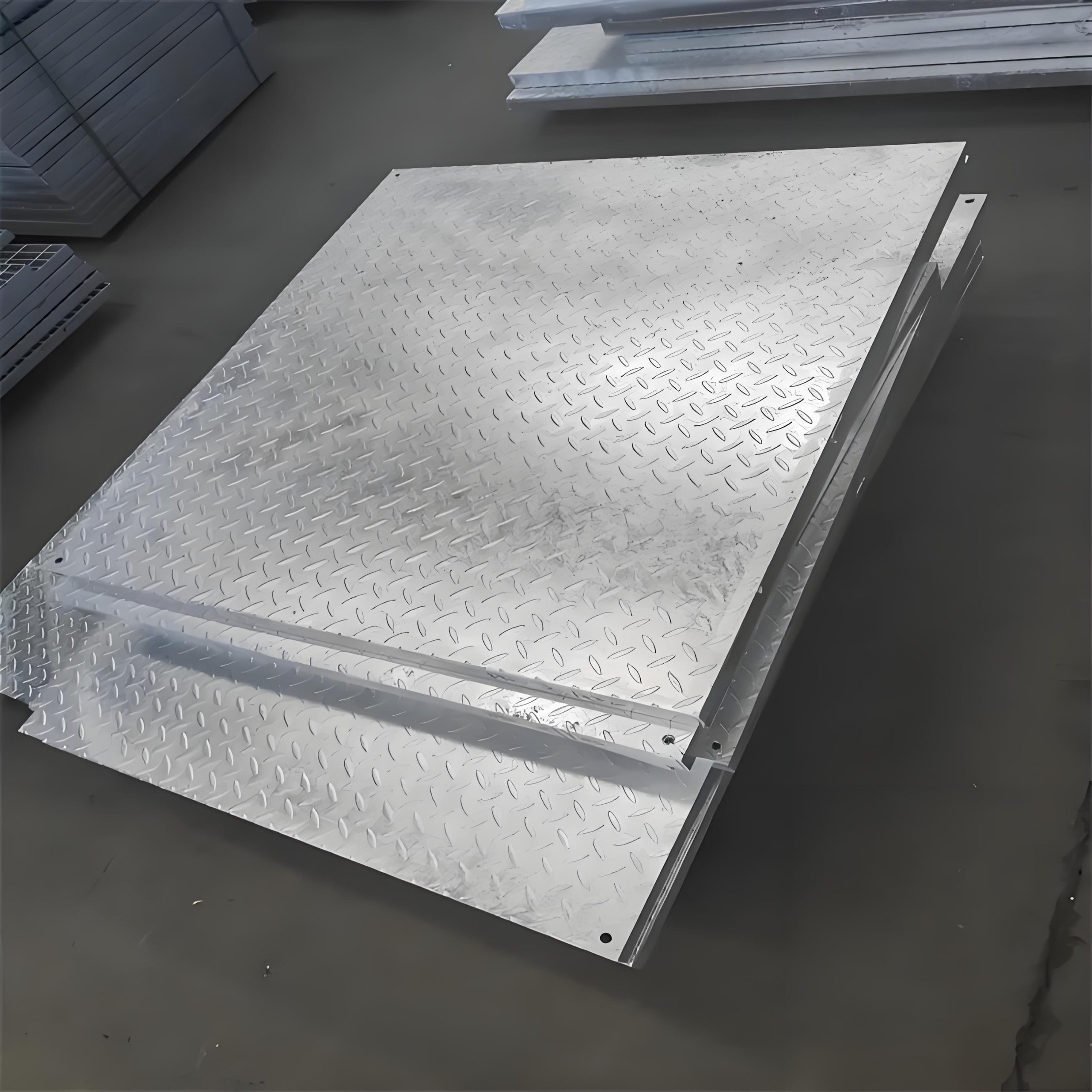
Cheap price should mean cost-effective design, not poor-quality drainage covers. A good drainage grating should fit the channel width, sit firmly on the support ledge, provide enough drainage opening, resist corrosion, support the expected foot or equipment load, and be easy to remove for cleaning if needed.
| Buyer Goal | Correct Cost-Saving Method | Risky Low-Price Method |
|---|---|---|
| Lower purchase cost | Optimize bar size, spacing, and panel length | Use thin bars that cannot carry the load |
| Corrosion resistance | Select 304 or 316 according to environment | Use unclear stainless steel grade |
| Good drainage flow | Choose suitable open area and mesh spacing | Use openings that clog easily |
| Easy cleaning | Use removable panels and smooth edge treatment | Use rough edges and poor welding |
| Safe walking surface | Select plain or serrated surface according to slip risk | Ignore anti-slip needs in wet areas |
Stainless steel grating is widely used for drainage channels because drainage areas are usually exposed to water, moisture, cleaning liquids, grease, food residue, chemicals, salt, or wastewater. Carbon steel may rust quickly in these environments if the coating is damaged. Galvanized steel may work for many outdoor drainage projects, but in hygienic, food, chemical, or highly wet areas, stainless steel often provides better long-term performance.
Drainage channels are often wet for long periods. Stainless steel grating resists corrosion better than untreated carbon steel and does not rely on zinc coating like galvanized steel. This is important in kitchens, food plants, chemical workshops, coastal areas, and washdown rooms.
Stainless steel has a cleaner surface than many coated materials. In food processing areas, commercial kitchens, beverage factories, and pharmaceutical workshops, stainless steel drainage grating is often preferred because it can be washed and maintained more easily.
The open-grid structure allows water and liquids to enter the drainage channel quickly. Compared with solid covers, grating reduces surface water accumulation and helps keep walking areas safer.
Stainless steel grating can provide long service life if the grade and specification are selected correctly. It is especially useful where drainage covers are removed often for cleaning, because the material does not need paint or zinc coating repair after normal handling.
| Reason for Using Stainless Steel | Practical Benefit in Drainage Channels |
|---|---|
| Corrosion resistance | Suitable for wet floors, washdown areas, and chemical exposure |
| Clean surface | Useful for kitchens, food plants, and hygienic drainage systems |
| Open-grid design | Allows fast water flow into drainage channels |
| Removable panel option | Supports regular drain cleaning and inspection |
| No coating repair under normal use | Reduces maintenance compared with painted or damaged coated steel |
The price of drainage channel stainless steel grating depends on material grade, bearing bar size, grating thickness, mesh spacing, channel width, panel length, surface type, welding method, surface finish, custom fabrication, order quantity, packing, and shipping. A low price must be compared based on the same specification, otherwise buyers may compare two very different products.
304 stainless steel is usually more economical than 316 stainless steel. 316 stainless steel costs more but provides better corrosion resistance in chloride, marine, chemical, and more demanding wet environments. If a supplier offers a very low price, buyers should confirm whether the material is truly 304 or 316.
Stainless steel price is strongly affected by weight. Larger bearing bars, thicker bars, and closer spacing increase the amount of stainless steel per square meter or per piece. This increases cost but may be necessary for higher load areas.
Drainage channel covers often need custom widths and lengths. Extra cutting, banding, side notches, lifting holes, handles, anti-slip edges, or frame matching can increase cost. Repeated sizes are usually more economical than many different custom lengths.
Natural finish is usually the cheapest. Pickling, passivation, brushing, polishing, or special cleaning increases the final price. Food plants, kitchens, and chemical areas may need better finishing than ordinary workshop drainage covers.
| Price Factor | Lower Cost Option | Higher Cost Option | Buyer Advice |
|---|---|---|---|
| Material grade | 304 stainless steel | 316 or 316L stainless steel | Choose according to corrosion environment |
| Bearing bar size | Smaller and thinner bars | Deeper and thicker bars | Must match load and channel span |
| Panel size | Standard repeated lengths | Many custom lengths and irregular shapes | Use repeated sizes when the channel layout allows |
| Surface type | Plain surface | Serrated or anti-slip surface | Use anti-slip surface for wet walking areas |
| Finish | Natural finish | Pickled, passivated, brushed, or polished | Select based on hygiene and appearance requirement |
| Fabrication | Simple rectangular grating | Banding, holes, handles, notches, frames | Confirm drawings before quotation |
304 and 316 stainless steel are both used for drainage channel grating, but their cost and corrosion resistance are different. Choosing between them is one of the most important decisions for controlling price and service life.
304 stainless steel drainage grating is suitable for many indoor drainage projects, commercial kitchens, general food processing areas, light washdown zones, workshops, and drainage channels with moderate corrosion exposure. It is usually cheaper than 316 and can be a good cost-saving choice when the environment is not too aggressive.
316 stainless steel drainage grating provides better corrosion resistance in chloride, salt, marine, chemical, and more aggressive wet environments. It is commonly used in coastal areas, seafood processing, chemical workshops, wastewater treatment plants, marine facilities, and drainage channels exposed to corrosive liquids.
316 stainless steel is worth the higher price when 304 may corrode too quickly. If the drainage channel is exposed to salt water, chloride cleaning chemicals, acidic liquids, chemical splashes, or marine air, 316 can reduce long-term replacement and maintenance risk.
| Material Grade | Price Level | Corrosion Resistance | Typical Drainage Application |
|---|---|---|---|
| 304 stainless steel | Lower | Good for general wet and indoor environments | Kitchens, workshops, indoor drainage channels, food areas |
| 316 stainless steel | Higher | Better resistance to chloride and chemical exposure | Marine drainage, chemical areas, coastal projects, wastewater channels |
| 316L stainless steel | Similar or sometimes higher depending on market | Useful for welded products in demanding corrosion environments | Food, chemical, hygienic, and welded drainage covers |
For buyers, the cheapest safe option depends on the environment. If the project is a normal indoor kitchen drain, 304 may be enough. If the drain is in a chemical or coastal area, 316 may be the cheaper option in the long term because it can last longer.
Bearing bar size and grating thickness directly affect the price and load capacity of drainage channel stainless steel grating. The grating must be strong enough to cover the channel safely. If the panel is too thin, it may bend, vibrate, or become unsafe under foot traffic, carts, or equipment loads.
Bearing bar height helps resist bending. A deeper bearing bar is usually better for wider channels and heavier loads. For narrow kitchen drains, smaller bars may be enough. For workshop drainage channels, chemical plant trenches, or areas with carts, stronger bars may be needed.
Thicker bars increase strength and durability, but they also increase stainless steel weight and price. Buyers should avoid choosing thickness only by price. The grating thickness must match the channel span and expected load.
Drainage channel grating may carry pedestrians, workers, carts, trolleys, cleaning machines, forklifts, or light vehicles depending on the location. A kitchen drain cover and an industrial workshop drain cover may look similar, but their load requirements can be very different.
The support ledge or frame under the grating is important. Even a strong grating can fail or move if the support is too narrow, uneven, or weak. Buyers should provide channel width and support details before quotation.
| Load Level | Typical Bearing Bar Direction | Common Application | Selection Focus |
|---|---|---|---|
| Light pedestrian load | Small to medium bearing bars | Kitchen drains, indoor floor channels | Walking safety and easy cleaning |
| Pedestrian and cleaning carts | Medium bearing bars | Food plants, commercial kitchens, workshops | Deflection control and removable panel weight |
| Industrial trolley load | Stronger bearing bars and closer spacing | Factories, processing areas, service corridors | Wheel load and support ledge review |
| Forklift or vehicle load | Heavy-duty custom design | Industrial drainage trenches and loading areas | Wheel load, frame design, bearing bar direction |
Drainage channel stainless steel grating is often customized according to channel width and panel length. The price changes when the panel size, support method, and fabrication details change. Accurate sizing is important because drainage covers must fit the channel properly and remain stable during use.
Channel width determines the span of the grating cover. Wider channels usually require stronger bearing bars or closer spacing. Narrow channels may use lighter grating. Buyers should provide the clear channel width and support ledge width, not only the outside frame size.
Panel length affects handling and cleaning. Long panels reduce joints but are harder to remove. Short panels are easier to lift for cleaning but require more pieces and possibly more banding. For kitchens and food plants, removable panel length should be practical for workers.
Using repeated panel sizes can reduce cost. If a drainage line is long, dividing it into repeated sections can make production, packing, and installation easier. Many different custom lengths increase cutting and labeling work.
Some drainage grating panels need notches around columns, floor drains, pipe outlets, wall corners, or equipment bases. These special shapes increase fabrication cost but improve site fit.
| Size Factor | Price Effect | Practical Advice |
|---|---|---|
| Wider channel | Usually higher cost due to stronger bar requirement | Confirm clear span and support ledge |
| Longer panel | May reduce joints but increases handling difficulty | Balance length with cleaning and removal needs |
| Short repeated panels | May add more banding but improves maintenance | Useful for kitchens and food plants |
| Irregular shapes | Higher fabrication cost | Provide drawings before quotation |
| Many different sizes | Higher sorting, cutting, and labeling cost | Use repeated sizes where possible |
Drainage channel areas are often wet, oily, greasy, or exposed to cleaning liquids. Anti-slip performance is therefore important. Stainless steel drainage grating can be supplied with plain surface, serrated bearing bars, anti-slip nosing, or other surface designs depending on the project requirement.
Plain stainless steel drainage grating has smooth bearing bar tops. It is easier to clean and often suitable for indoor drainage channels where slip risk is controlled. In food and kitchen areas, plain surfaces may be preferred when hygiene and cleaning are the main concern.
Serrated stainless steel grating has toothed bearing bars to improve traction. It is useful for wet workshops, outdoor drainage channels, chemical areas, marine walkways, and areas where workers may walk over the drainage cover frequently.
Some drainage covers may use anti-slip edge strips or special front edges, especially where the drainage grating is part of a walking path. The design depends on the channel layout and safety requirement.
Serrated surfaces improve traction but may hold more dirt, grease, or food residue than smooth surfaces. For food plants and commercial kitchens, buyers should balance anti-slip safety with cleaning requirements.
| Surface Option | Main Advantage | Possible Limitation | Best Use |
|---|---|---|---|
| Plain surface | Easy to clean and economical | Lower slip resistance in wet or greasy areas | Kitchens, food areas, indoor drainage channels |
| Serrated surface | Better traction | May retain more dirt or grease | Wet workshops, outdoor drains, industrial walkways |
| Anti-slip nosing or edge | Improves foot grip at key contact zones | Adds fabrication cost | Walking paths and step-like drainage areas |
Drainage efficiency depends on the open area and mesh spacing of the stainless steel grating. A good drainage cover should allow water and liquids to enter the channel quickly while still providing a safe walking or working surface.
Open area is the space between the bars. Larger openings allow faster drainage and easier debris fall-through, but may not be suitable for all walking areas. Smaller openings improve foot comfort and may reduce the risk of small objects falling into the channel.
Bearing bar spacing affects both strength and drainage. Closer spacing improves load distribution and walking comfort but reduces open area and increases cost. Wider spacing improves drainage and reduces cost but may not meet safety or load requirements.
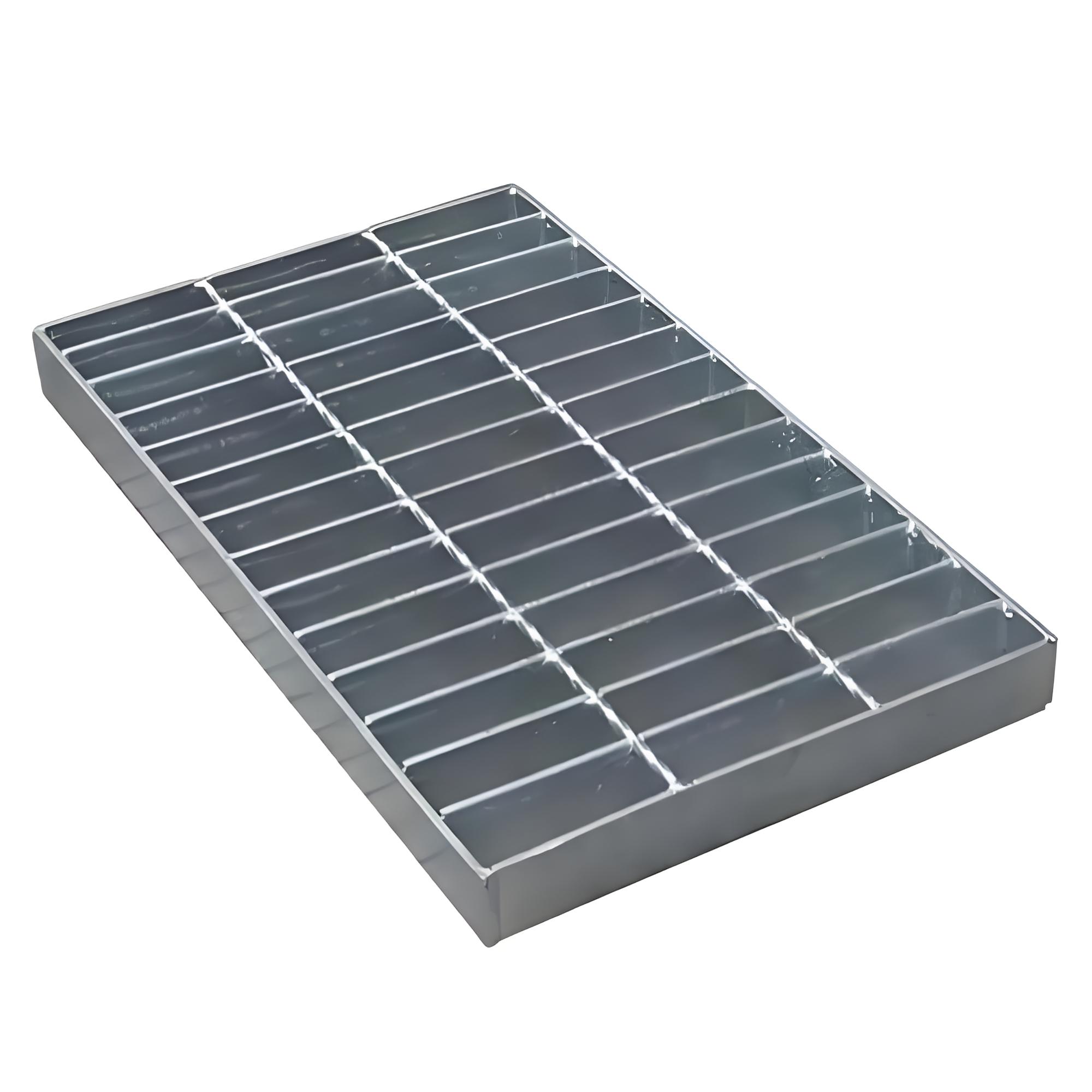
Cross bar spacing affects panel stability and opening pattern. A tighter cross bar spacing creates a more stable grid but may reduce open area slightly and increase cost. Wider spacing is more economical but must still support the panel structure.
In food plants and kitchens, large food residue may clog narrow openings. In chemical workshops, drainage flow may need to move quickly to prevent standing liquid. The mesh design should match the type of liquid and debris expected in the channel.
| Design Item | Smaller Opening Effect | Larger Opening Effect | Selection Advice |
|---|---|---|---|
| Bearing bar spacing | Better walking comfort and load distribution | More drainage opening and lower cost | Balance safety, flow, and budget |
| Cross bar spacing | More stable grid appearance | More open space and lower weight | Choose according to panel stability needs |
| Open area | Less liquid flow but safer small openings | Faster drainage but larger gaps | Match drainage flow and user safety |
| Debris control | May block larger waste from entering channel | Allows more debris to pass through | Consider cleaning frequency and channel design |
Welded stainless steel grating is commonly used for drainage channel covers because it provides a strong and stable open-grid structure. The cross bars are welded to the bearing bars, and the panel can be cut, banded, and finished according to the channel layout.
Welded stainless steel grating is practical for drainage covers because it can carry walking loads, support cleaning access, allow water flow, and fit custom channel dimensions. It is often more cost-effective than decorative or high-precision pressure-locked grating for industrial drainage channels.
Welding quality matters because drainage covers may be lifted frequently for cleaning. Weak welds can cause loose bars, unstable panels, and safety issues. Stainless steel welds should be clean and properly finished when corrosion resistance or hygiene is important.
Drainage covers often need banded edges. Banding improves handling safety, strengthens the panel edge, and gives a clean finished appearance. Banded panels are easier to remove and replace during maintenance.
Many drainage channel grating panels are removable. The manufacturer should consider panel weight, lifting holes, handles, support ledge, and maintenance frequency. A panel that is too long or too heavy may be difficult for workers to lift safely.
| Welded Grating Feature | Benefit for Drainage Channel Covers |
|---|---|
| Strong welded intersections | Provides stable structure for walking and handling |
| Open-grid design | Allows water and liquid to enter the channel |
| Custom cutting | Matches channel width and layout |
| Edge banding | Improves safety, appearance, and panel strength |
| Removable design | Allows channel cleaning and inspection |
Surface finish affects the price, appearance, cleaning performance, and corrosion resistance of drainage channel stainless steel grating. Buyers should choose the finish according to environment, hygiene requirement, and budget.
Natural stainless steel finish is usually the lowest-cost option. It is suitable for many general drainage channels, workshops, and industrial floors where appearance requirements are not high.
Pickling removes welding scale, heat tint, and surface contamination after fabrication. It can improve the surface condition of welded stainless steel grating and is useful in wet or corrosive environments.
Passivation helps improve the stainless steel surface condition and is often requested in food, chemical, pharmaceutical, and hygienic drainage applications. It adds cost but can improve long-term performance.
Brushed or polished finish is used when appearance or cleaning smoothness matters. It is more common in commercial kitchens, visible drainage areas, architectural spaces, or clean industrial facilities. It increases cost and requires better packing protection.
| Surface Finish | Price Impact | Main Benefit | Suitable Drainage Use |
|---|---|---|---|
| Natural finish | Lower | Economical stainless surface | General workshops and industrial drains |
| Pickled finish | Medium | Removes weld scale and heat tint | Wet drainage channels and welded grating covers |
| Passivated finish | Medium to high | Improves surface corrosion resistance | Food, chemical, hygienic drainage systems |
| Brushed finish | Higher | Cleaner visible appearance | Commercial kitchens and visible floor drains |
| Polished finish | Higher | Smoother appearance and easier cleaning | Special hygienic and architectural drainage areas |
Cost can be reduced without sacrificing corrosion resistance if buyers optimize the design instead of cutting essential quality. The key is to keep the correct stainless steel grade and load capacity while avoiding unnecessary material weight, excessive custom details, and over-specified finishes.
Use 304 stainless steel where the environment is mild and 316 is not necessary. Use 316 stainless steel where chloride, marine, chemical, or aggressive corrosion exposure exists. Choosing the correct grade prevents both over-spending and early corrosion.
Select the bearing bar size according to channel width and load. Do not use heavy-duty grating where pedestrian load is the only requirement. At the same time, do not reduce the bearing bar below safe load capacity.
Repeated panel lengths reduce cutting and sorting work. Panels should also be short enough for workers to remove during cleaning. A practical panel length can save cost and improve maintenance.
If the grating is hidden in an industrial drainage area, natural or pickled finish may be enough. Polished finish should be used only when hygiene, cleaning, or appearance requires it.
Bulk orders can reduce unit processing and packing cost. If the project has several drainage lines, combining them into one order may help control price.
| Cost-Saving Method | How It Saves Cost | Do Not Sacrifice |
|---|---|---|
| Use 304 where suitable | Reduces material cost compared with 316 | Corrosion resistance in aggressive environments |
| Optimize bearing bar size | Reduces stainless steel weight | Load capacity and deflection safety |
| Use repeated panel sizes | Reduces cutting and sorting labor | Correct fit and removable design |
| Choose practical finish | Avoids unnecessary polishing cost | Cleaning and corrosion requirements |
| Simplify custom details | Reduces fabrication time | Installation fit and drainage function |
Cheap price stainless steel grating should not be confused with low-quality drainage covers. A good price comes from efficient manufacturing and suitable design. A low-quality product may use unclear material, thin bars, weak welding, poor surface treatment, inaccurate size, or weak packing.
If a drainage channel requires 316 stainless steel but the supplier uses 304 or unclear stainless steel, corrosion may appear earlier than expected. Buyers should confirm the material grade clearly, especially for chemical, coastal, marine, or wastewater drainage projects.
Thin grating may bend under foot traffic, carts, or equipment movement. In drainage channels, bending panels can create trip hazards, noise, and maintenance problems.
Weak welding can cause bars to loosen when panels are lifted for cleaning. Poor weld finishing can also create rough points where dirt and corrosion may start.
If panel dimensions are inaccurate, the grating may rock, move, jam inside the channel, or leave unsafe gaps. Drainage grating must fit the support ledge properly.
Burrs, sharp edges, heat tint, scratches, and contamination can affect cleaning and corrosion resistance. This is especially important in food, kitchen, and chemical areas.
| Low-Quality Problem | Possible Result | Buyer Check |
|---|---|---|
| Unclear stainless steel grade | Early corrosion or wrong material performance | Confirm 304, 316, or 316L clearly |
| Thin bearing bars | Bending, vibration, unsafe walking surface | Check bar size, channel span, and load |
| Weak welding | Loose bars and short service life | Ask about welding quality and inspection |
| Inaccurate size | Poor fit, rocking panels, unsafe gaps | Provide exact channel width and drawings |
| Rough surface finish | Cleaning difficulty and corrosion-sensitive spots | Confirm finish and edge treatment |
Drainage channel stainless steel grating is used in many environments where water and liquids must be removed quickly while maintaining a safe floor surface. Different applications require different material grades, surface finishes, and load designs.
Commercial kitchens use stainless steel drainage grating over floor drains and channel drains. The grating should be easy to clean, removable, corrosion resistant, and safe under foot. 304 stainless steel is common, while 316 may be selected when cleaning chemicals or salt exposure is stronger.
Food plants require drainage grating that can withstand washdown, cleaning agents, food residue, moisture, and regular removal for sanitation. Smooth edges, good welding, and suitable surface finish are important.
Workshops may use stainless steel drainage grating where water, oil, coolant, cleaning liquid, or industrial residue enters the floor channel. Load capacity should be checked if carts, trolleys, or equipment pass over the channel.
Chemical drainage areas may require 316 or 316L stainless steel. The exact chemical exposure should be reviewed before material selection. Surface treatment such as pickling or passivation may also be needed.
Wastewater plants and wet processing areas use stainless steel grating around channels, tanks, pumps, and drainage lines. Corrosion resistance, removable design, anti-slip surface, and cleaning access should be considered.
| Application | Recommended Focus | Common Material Option |
|---|---|---|
| Commercial kitchen | Easy cleaning, removable panels, smooth edges | 304 or 316 stainless steel |
| Food processing plant | Washdown resistance, hygiene, surface finish | 304, 316, or 316L stainless steel |
| Workshop drainage | Load capacity, oil resistance, removable access | 304 or 316 stainless steel |
| Chemical area | Chemical corrosion resistance and weld treatment | 316 or 316L stainless steel |
| Wastewater channel | Wet service durability and anti-slip safety | 316 stainless steel where corrosion is stronger |
To get an accurate cheap price drainage channel stainless steel grating quotation, buyers should provide complete technical details. A supplier cannot quote correctly if the inquiry only says “stainless steel drainage grating.” The channel size, load, material, finish, and fabrication requirements must be clear.
Buyers should provide clear channel width, support ledge width, required grating width, panel length, channel depth if relevant, and whether the grating sits flush with the floor. These details affect fit and stability.
State whether the project requires 304, 316, or 316L stainless steel. If the environment includes chloride, salt, chemical exposure, or aggressive cleaning agents, describe the working condition so the supplier can recommend the correct grade.
Confirm whether the grating will carry pedestrians, kitchen carts, cleaning machines, workshop trolleys, forklifts, or vehicles. Load requirement and channel span strongly affect bearing bar size and price.
Confirm whether the grating should be plain, serrated, natural finish, pickled, passivated, brushed, or polished. Food and chemical projects may need better finishing than ordinary drainage covers.
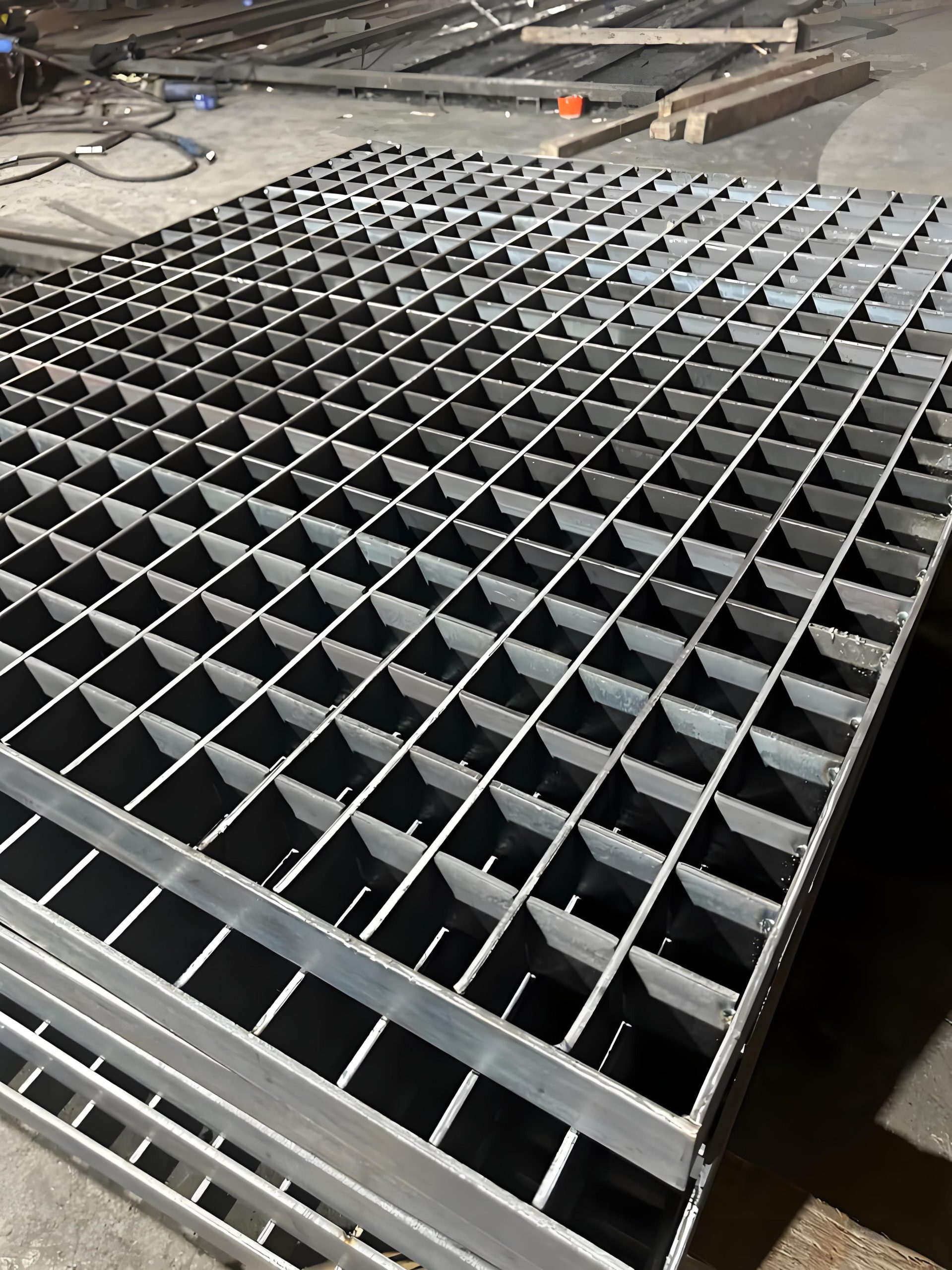
Provide drawings if the drainage grating includes special shapes, notches, corners, lifting holes, handles, frames, edge banding, bolt holes, or panel numbering. Drawings reduce quotation errors and production mistakes.
Provide total quantity, panel list, destination, packing requirement, and shipping terms. If the order is for export, clear labels, packing lists, and loading photos may be useful.
| Quotation Information | Details Buyers Should Provide |
|---|---|
| Channel size | Clear channel width, support ledge, grating width, panel length |
| Material grade | 304, 316, 316L stainless steel, certificate requirement if needed |
| Load condition | Pedestrian, cart, trolley, cleaning machine, forklift, vehicle load |
| Grating specification | Bearing bar size, bar spacing, cross bar spacing, open area |
| Surface type | Plain, serrated, anti-slip edge, special surface |
| Surface finish | Natural, pickled, passivated, brushed, polished |
| Custom details | Banding, cutouts, notches, lifting holes, handles, frames |
| Quantity and delivery | Panel quantity, destination, packing method, shipping terms |
What is the best stainless steel for drainage channel grating?
304 stainless steel is suitable for many indoor drainage channels, commercial kitchens, workshops, and general food processing areas. 316 stainless steel is better for coastal, marine, chemical, wastewater, chloride, and more corrosive drainage environments. If the grating is welded and used in a demanding hygienic or chemical area, 316L may also be considered.
How can I reduce the cost of stainless steel drainage grating?
The cost can be reduced by choosing the correct stainless steel grade, optimizing bearing bar size, using suitable spacing, selecting repeated panel lengths, simplifying custom shapes, and choosing a practical surface finish. Buyers should not reduce cost by accepting unclear material, thin bars, weak welding, or poor surface treatment, because these problems can shorten service life and create safety risks.
Is stainless steel drainage grating better than galvanized grating?
Stainless steel drainage grating is usually better for kitchens, food plants, chemical areas, marine environments, wastewater channels, and places requiring frequent cleaning or higher corrosion resistance. Galvanized grating is often cheaper and suitable for many outdoor industrial drains, but its zinc coating can be damaged or worn over time. The better choice depends on corrosion exposure, hygiene requirements, load, budget, and expected service life.