

When comparing galvanized vs stainless steel grating cost per sq ft, buyers are often balancing upfront budget with long-term performance. Both materials are widely used in industrial flooring, walkways, trench covers, and stair treads, yet their pricing structures differ significantly due to raw material composition, manufacturing processes, and lifecycle durability. Understanding these differences helps procurement managers, engineers, and project planners make informed decisions based on real operating conditions rather than price alone.
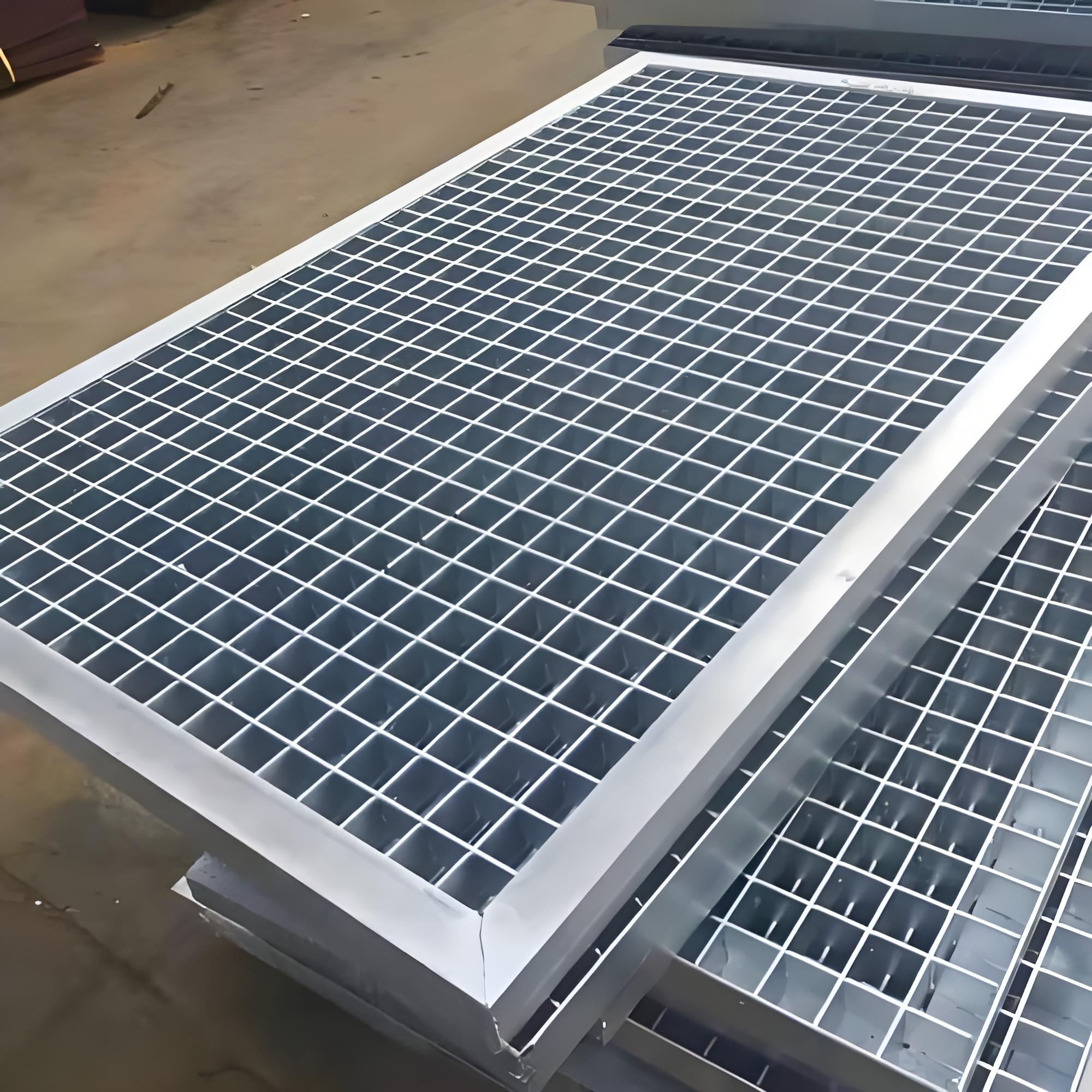
Steel grating is a grid-like structure made by welding or locking bearing bars and cross bars. It is designed to provide strength, load-bearing capacity, and drainage while maintaining ventilation and safety. The choice between galvanized and stainless steel directly impacts corrosion resistance, maintenance frequency, and overall cost per square foot.
Galvanized steel grating typically uses carbon steel as the base material, coated with a layer of zinc through hot-dip galvanizing. Stainless steel grating, on the other hand, is made from alloys containing chromium and nickel, which provide inherent corrosion resistance without additional coating.
Galvanized steel grating is commonly available in welded, press-locked, and swage-locked forms. The hot-dip galvanizing process adds a protective zinc layer that prevents rusting in moderate environments. This makes it a cost-effective solution for outdoor and industrial applications where exposure to moisture is present but not extremely aggressive.
Stainless steel grating is also manufactured in similar structural types, but it uses materials such as 304 or 316 stainless steel. Type 304 is suitable for general environments, while 316 offers enhanced resistance to chlorides and chemicals, making it ideal for marine and chemical industries.
The difference in alloy composition is a major driver behind the cost gap per square foot. Stainless steel contains higher-value elements, which significantly increase raw material costs compared to carbon steel used in galvanized grating.
Galvanized steel grating is widely used in construction platforms, drainage trench covers, industrial flooring, and stair treads. It performs well in environments such as factories, warehouses, and municipal infrastructure projects where exposure conditions are moderate.
Stainless steel grating is typically selected for more demanding environments, including food processing plants, pharmaceutical facilities, offshore platforms, and chemical processing plants. In these applications, hygiene, corrosion resistance, and long service life are critical requirements.
The intended application plays a key role in determining the effective cost per square foot. While stainless steel has a higher initial cost, it may reduce replacement and maintenance expenses in harsh environments.
Galvanized steel grating offers a strong balance between performance and affordability. The zinc coating provides sacrificial protection, meaning it corrodes before the base steel does. This extends the service life in environments exposed to rain, humidity, and occasional chemical contact.
Stainless steel grating provides superior corrosion resistance without relying on coatings. Its chromium content forms a passive oxide layer that self-repairs when damaged. This makes it highly reliable in corrosive or sanitary environments.
From a technical standpoint, stainless steel also offers better resistance to extreme temperatures and chemical exposure. However, it is heavier in terms of cost per unit weight, which directly affects pricing per square foot.
Selecting the right grating involves evaluating load requirements, spacing, thickness, and surface treatment. Bearing bar size and spacing determine the load capacity, while cross bar configuration affects stability and safety.
For galvanized grating, buyers should consider coating thickness, typically measured in microns, as this affects durability. Thicker coatings provide better protection but may slightly increase cost per square foot.
For stainless steel grating, material grade selection is critical. Type 304 is generally sufficient for indoor or mildly corrosive environments, while type 316 is recommended for marine or chemical exposure. Choosing a higher grade increases upfront cost but ensures longer service life.
Surface options such as serrated or plain bars also influence both performance and cost. Serrated grating improves slip resistance, which is essential for safety in wet or oily conditions.
Several variables influence the final cost per square foot of both galvanized and stainless steel grating. Raw material price is one of the most significant factors. Stainless steel alloys are inherently more expensive due to their composition, leading to higher baseline costs.
Manufacturing complexity also impacts pricing. Custom sizes, non-standard bar spacing, and special fabrication requirements increase production time and labor costs. This applies to both galvanized and stainless options, although the effect is more pronounced in stainless steel due to higher material waste costs.
Surface treatment and finishing processes play another role. Hot-dip galvanizing adds an extra processing step, while stainless steel may require polishing or passivation depending on the application. Each process contributes to the overall cost structure.
Order volume is another critical factor. Bulk purchases typically reduce the cost per square foot due to economies of scale. Smaller, customized orders often carry higher unit costs.
Transportation and packaging also influence pricing, especially for international buyers. Heavier materials or longer panel sizes increase shipping costs, which may be reflected in the final price.
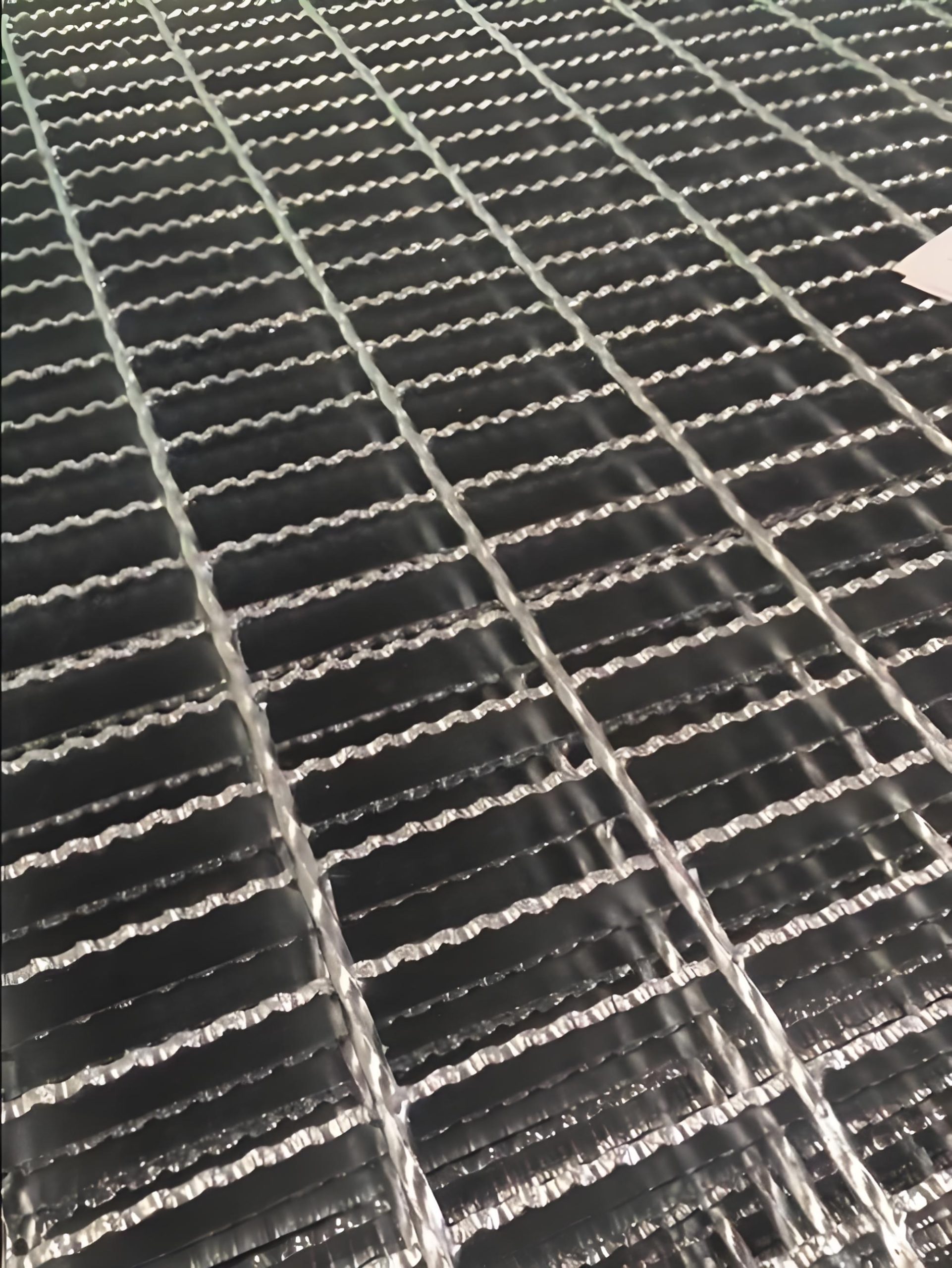
When sourcing steel grating for global projects, it is important to evaluate suppliers based on production capability, quality control, and export experience. Consistent quality ensures that the grating meets load and safety standards, reducing the risk of project delays or failures.
Buyers should request detailed technical specifications, including material certificates, coating thickness reports, and load test data. These documents help verify that the product meets project requirements.
Working with experienced manufacturers such as Anping County Chuansen Silk Screen Products Co., Ltd. can streamline the procurement process. Suppliers with established export operations are better equipped to handle packaging, documentation, and logistics efficiently.
It is also advisable to compare lifecycle costs rather than focusing solely on initial price per square foot. In many cases, a higher upfront investment in stainless steel grating can result in lower maintenance and replacement costs over time.
In large-scale infrastructure or industrial flooring projects, galvanized steel grating is often selected due to its lower initial cost and adequate performance in typical outdoor conditions. It provides a practical solution where budget constraints are a primary concern.
In contrast, stainless steel grating is preferred in environments where corrosion resistance and hygiene cannot be compromised. Although the cost per square foot is higher, it delivers long-term value by minimizing maintenance and downtime.
The decision ultimately depends on project priorities, environmental conditions, and expected service life. Evaluating these factors helps determine which material offers the best cost-performance balance.
What affects steel grating cost per square foot?
The cost is influenced by raw material type, manufacturing complexity, surface treatment, order volume, and transportation. Stainless steel generally costs more due to its alloy composition, while galvanized steel offers a more economical option for standard applications.
Is galvanized steel grating worth the cost?
Galvanized steel grating provides excellent value for projects in moderate environments. Its protective zinc coating extends service life at a lower initial cost, making it a practical choice for many industrial and construction applications.
How to choose between galvanized and stainless steel grating?
The choice depends on environmental conditions, required durability, and budget. Galvanized grating is suitable for general use, while stainless steel is ideal for corrosive or sanitary environments where long-term performance is critical.