
Steel grating and cast iron drain grates both cover drainage openings, but they are built and specified differently. Steel grating uses bearing bars connected by cross bars and can be fabricated to fit long channels or unusual openings. Cast iron drain grates are molded as individual components, often with a matching frame and a defined inlet pattern. Steel is frequently practical for custom industrial trenches and platforms; cast iron is common in streets, parking areas, and established drainage systems. The right choice depends on the actual wheel loads, clear span, frame, drainage demand, opening size, corrosion exposure, access needs, and replacement plan. Neither material should be selected from its appearance or a general “heavy-duty” label alone.
| Selection Factor | Steel Grating | Cast Iron Drain Grates |
|---|---|---|
| Construction | Separate bearing bars joined by cross bars | One-piece or multi-part cast component, often supplied with a matching frame |
| Typical shape | Rectangular panels, long trench covers, and custom shapes | Standard square, rectangular, round, or channel inlet patterns |
| Load path | Bearing bars span between supports | Cast ribs and body transfer load into the seating frame |
| Traffic options | Pedestrian through heavy-duty vehicle designs, subject to engineering verification | Pedestrian through traffic-rated assemblies, subject to product classification |
| Custom fabrication | Can be cut, banded, and reinforced to suit project drawings | Custom casting may require tooling and a minimum production quantity |
| Weight | Varies widely with bearing bar size and panel area | Can be heavy for its size, particularly with a substantial frame |
| Corrosion protection | Galvanizing, paint, stainless steel, or another specified system | Often supplied with a coating; exposed iron can oxidize |
| Replacement | Usually requires matching panel dimensions, support, and bar direction | Usually requires a compatible grate-and-frame model or verified fit |
“Cast iron” needs further definition in a purchase specification. Gray cast iron and ductile iron have different mechanical behavior. Many modern traffic-rated products use ductile iron, so the exact material, product standard, tested assembly, and installation details matter more than a broad material label.
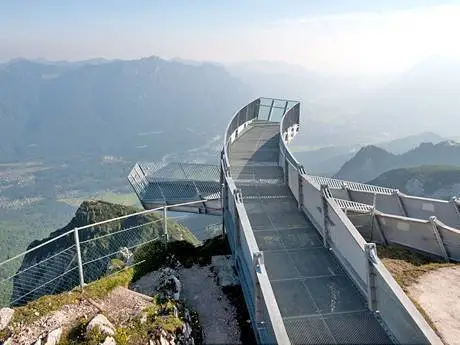
Steel grating is an open grid made from parallel bearing bars and connecting cross bars. In a drainage application, the bearing bars normally span across the channel opening and rest on support ledges or a frame. Their height, thickness, spacing, and clear span determine much of the panel’s structural behavior.
Steel grating is available as welded, press-locked, swage-locked, or riveted construction. A grating panel can be made for a pedestrian drain, an industrial trench, or a vehicle crossing, but those products require different dimensions and load checks.
Steel panels can be fabricated in different lengths and widths, with cutouts, edge banding, lifting handles, hinges, or removable sections. This flexibility is useful around pipework, columns, equipment, and channels that do not match a standard cast product.
Custom fabrication still needs an approved design. Cutting bearing bars or placing a wheel near an unsupported opening can reduce capacity. For dimensional terms and bearing bar selection, see the guide to steel bar grating dimensions and specifications.
Cast iron drain grates are shaped components produced by pouring molten iron into a mold. The casting forms the ribs, openings, bearing surfaces, and sometimes hinge or locking features. Many grates are supplied as part of a grate-and-frame assembly.
Cast drain grates are used in road gullies, parking areas, curb inlets, pedestrian drainage, yards, and channel systems. Their openings may be slots, curved inlets, cross patterns, or other designs intended to collect water while meeting traffic and pedestrian requirements.
Gray cast iron has good compressive performance and can be cast into detailed shapes. It is relatively brittle compared with ductile iron and steel. Suitability depends on the product’s design and rating, not only its material designation.
Ductile iron, also called nodular iron, has improved ductility and toughness compared with gray cast iron. It is common in modern traffic-rated drainage components. A supplier should state the actual material grade and provide the applicable product documentation.
A cast grate may fit only its matching frame. The seat, depth, locking points, hinge geometry, and bearing surfaces all affect stability. A grate that appears to match an opening can still rock, sit too high, or transfer loads incorrectly if the frame differs.
Steel grating is assembled from bars cut to the required dimensions. Panels are trimmed, banded, and fitted with project-specific details. Carbon steel panels may be galvanized or painted after fabrication, while stainless panels may be cleaned and treated according to the exposure.
Fabrication is especially practical for long runs with repeated rectangular covers. A panel schedule can identify standard modules, joints, support points, and removable access sections.
Cast grates require molds. Standard models can be produced repeatedly and are often available with matching frames. A unique pattern, dimension, or hinge arrangement may require new tooling, engineering, testing, and minimum order quantities.
Steel bar spacing controls the clear opening in grating. Cast grate openings are formed by the mold and may be shaped to direct runoff toward the inlet. The opening pattern affects drainage, small-object entry, pedestrian footing, and wheel interaction.
For either product, specify the clear channel opening, overall grate size, frame size, seating depth, permitted gap, surface level, and installation tolerance. A nominal “500 mm drain grate” does not establish which dimension is 500 mm.
| Dimension | Why It Matters |
|---|---|
| Clear opening | Defines the unobstructed drain or channel width and often the structural span |
| Overall grate size | Determines coverage and fit within the frame |
| Seating or bearing width | Transfers load from the grate to the frame |
| Frame height and outside size | Controls fit with surrounding concrete or paving |
| Opening width and orientation | Affects drainage, wheels, footwear, and object retention |
| Panel or casting weight | Determines lifting and maintenance requirements |
Both steel grating and cast iron drain grates can be designed for traffic, but their ratings must be interpreted correctly. The required product depends on where it is installed, the vehicles that can reach it, the support conditions, and the applicable standard.
Pedestrian grates must support the specified foot traffic and maintenance loads. Opening size, walking comfort, slip resistance, and accessibility can be as important as gross strength. A grate in a pedestrian route may also encounter occasional carts or cleaning equipment.
Parking areas and service routes introduce concentrated wheel loads. The panel or casting, frame, anchors, and surrounding pavement must work together. A grate intended for pedestrian use should not be upgraded by simply placing it in a heavier frame.
Forklifts and trucks can create high wheel loads over small contact areas. Braking, turning, repeated crossing, and impact at the grate edge add demands. Heavy-duty steel grating can be designed for these conditions, and appropriately rated cast assemblies are also available.
For steel, the calculation should identify bearing bar size, span, wheel contact area, load position, edge details, and frame strength. For cast products, verify the rated grate-and-frame assembly and its specified installation. A load label on a grate alone may not cover a different frame or support arrangement.
Some drainage products use load classes under standards such as EN 124 or EN 1433, according to each standard’s scope. Familiar class labels include A15, B125, C250, D400, E600, and F900. The numbers relate to specified test loads. They are not direct statements of allowable vehicle mass.
A D400 product is associated with a 400 kN test load under defined conditions; it does not mean that every installation can carry any vehicle weighing 40 tonnes. Select the applicable class from the standard’s installation categories, then check the actual product, frame, foundation, and traffic conditions.
A steel panel may meet a strength requirement but move more than the project permits. Cast assemblies may rock or damage their seating if the frame is uneven. Check serviceability, seating, noise, and stability as well as ultimate load performance.
Drainage performance depends on more than the percentage of visible openings. Water must reach the grate, pass through it, and flow away through the channel or pipe below. Grate location, road slope, inlet depth, debris, and downstream capacity all affect the result.
Open bar grating can provide a large passage area and good ventilation. Bearing bar and cross-bar spacing determine the nominal openings. Close-mesh designs can reduce the entry of larger debris or small objects, though they may also need more frequent cleaning.
Cast grates can use slots or shaped openings designed for a particular drainage layout. Some designs are better suited to collecting runoff moving along a curb or approaching from a specific direction. Open area alone cannot describe this hydraulic behavior.
Leaves, sediment, packaging, and process waste can block either type of grate. Wide openings may admit more material into the channel; small openings may collect debris on top. Decide where debris should be captured and how workers will remove it.
Open steel grating often allows more airflow than a relatively closed cast pattern. Where a utility trench needs ventilation, compare the actual free opening and any requirements for preventing objects or water from entering.
Where drainage capacity is critical, ask for inlet performance data or a project hydraulic calculation. A grate with 50% geometric open area does not necessarily pass twice as much runoff as one with 25% open area in the installed location.
Weight varies widely in both product families. A shallow pedestrian steel panel can be easy to lift, while a deep vehicle-rated panel can be very heavy. Cast iron grates are often heavy for their footprint, especially when the frame is included.
Drain grates may need removal for cleaning or inspection. Specify the weight of the removable component, the frequency of opening, and the intended lifting method. A grate that technically lifts out but requires an unavailable machine will be difficult to maintain.
Large steel panels may require lifting points, mechanical handling, and a planned installation order. Banding and cutouts should be completed in the factory where possible. Field cutting can remove structural material and damage protective coatings.
Cast grates may have lifting holes or recessed handles. Use the manufacturer’s lifting method to avoid damaged edges or unsafe prying. The frame must be seated and anchored as required by the product design.
For traffic applications, surrounding concrete or pavement can be as important as the grate. A strong cover over a weak, poorly supported frame can move, crack adjacent material, or create a wheel-impact point.
Vehicle wheels can make a loose grate rattle. Correct bearing, frame alignment, positive restraint where required, and compatible seating details help control noise and movement. Do not rely on the grate’s weight alone to keep it stable.
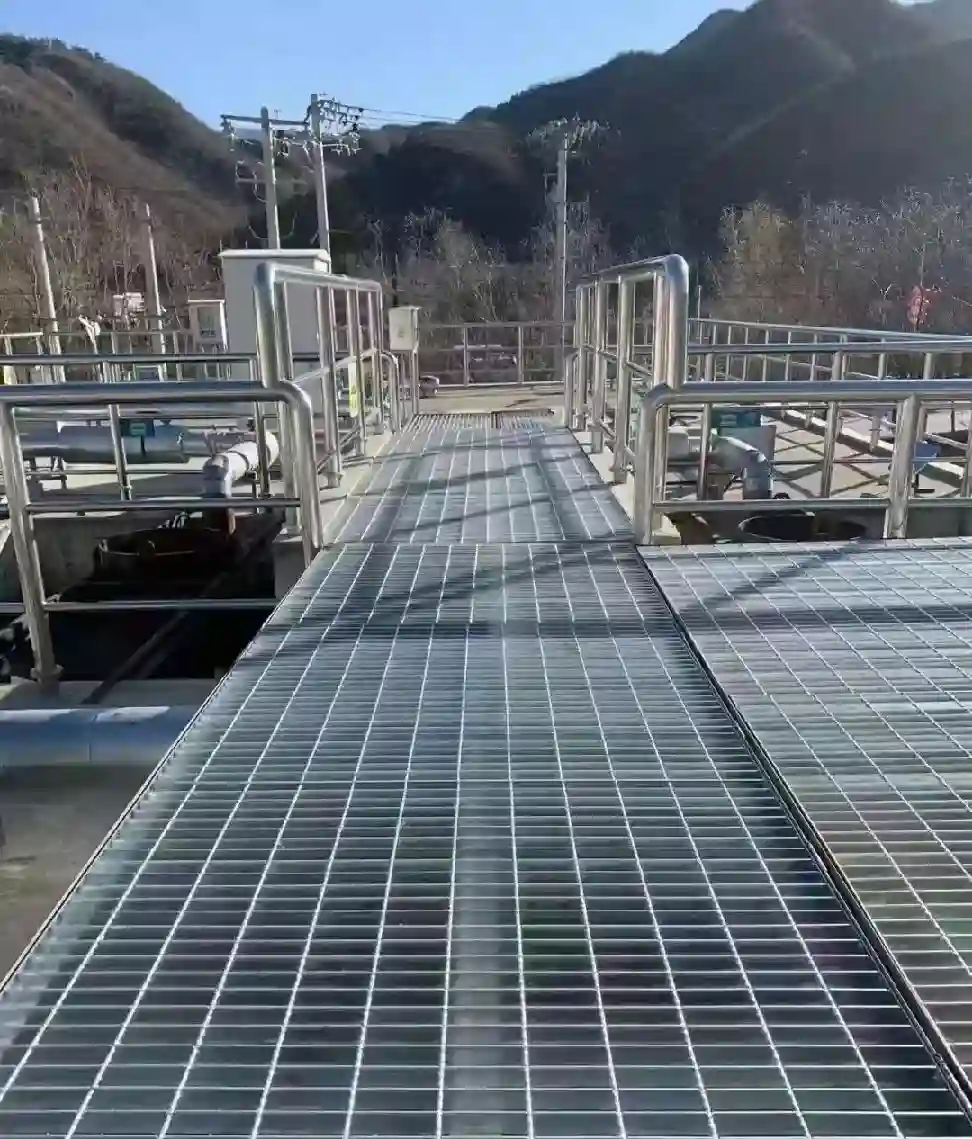
Hot-dip galvanizing provides zinc protection for carbon steel. It is often a practical choice for general outdoor drainage, industrial trenches, and wet areas with compatible chemistry. Abrasion, salt, acidic runoff, and persistent deposits can shorten coating life.
Painted grating can provide color and a selected barrier coating. Its service life depends on surface preparation, coating system, edge coverage, and maintenance. Damaged areas that expose steel may need prompt repair.
304 stainless steel may suit freshwater and mild processing environments. 316 or 316L provides improved resistance to many chloride-bearing conditions. Neither grade is immune to every chemical or stagnant seawater condition. Crevices at clips and frames still need attention.
Cast iron can oxidize when exposed to water and oxygen. Many cast drain products have paint, bituminous coating, powder coating, or another finish, but the coating’s purpose and durability vary. Some surface rust may be largely cosmetic, while deeper section loss or damage to the seat can affect performance.
Coastal salt, deicing chemicals, wastewater, acidic condensate, and industrial cleaners can affect both steel and cast iron. Provide the actual liquid chemistry, temperature, and exposure frequency when selecting material and coating. For severe exposure, a suitable stainless steel or another engineered material may be more economical over time.
Drain grates are part of a walking or driving surface. Slip resistance, opening orientation, surface level, and stability must be considered together.
Steel bearing bars can be plain or serrated. Serrated bars can improve traction in wet or contaminated locations. They may retain residue, so cleaning remains necessary.
Cast grates may have raised patterns or textured ribs. The pattern can provide traction and can help direct water, but its suitability depends on footwear, surface contamination, slope, and wear.
Wide openings can catch narrow heels, walking aids, bicycle tires, or small cart wheels. The orientation of slots relative to travel direction matters. Specify the maximum permitted clear opening for the intended users and location.
Grates should sit at the correct level relative to surrounding pavement or flooring. Rocking, raised corners, damaged frames, or missing clips can create a trip or wheel-impact hazard even when the grate itself has adequate strength.
When a grate is lifted, protect the opening and control access. Reinstall the correct grate in its matching frame and secure any specified bolts, clips, hinges, or locks before reopening the area.
Replacement projects often begin with an existing frame. The safest purchase is based on measured dimensions and verified compatibility rather than a nominal grate size.
A replacement cast grate should match the frame’s seating geometry, depth, locking features, and bearing surfaces. A grate from another manufacturer may have the same nominal dimensions but a different underside profile or hinge arrangement.
A fabricated steel panel can be designed to fit an existing opening, but the frame must provide adequate bearing and strength. Edge banding, hold-downs, and panel thickness should be detailed so the panel sits flush and resists movement.
A pedestrian frame may be insufficient for a vehicle-rated grate. Replacing only the top component does not automatically upgrade the drainage system. Check the frame, anchors, surrounding concrete, and foundation.
Photographs can help communicate the existing condition, but dimensioned drawings and physical measurements should control fabrication.
Steel grating panels can be made removable with clips or bolts. They may also use lifting handles or hinged sections. For long channels, smaller panels can make cleaning access more practical, though additional joints and hardware add cost.
Cast products may sit loose in a frame or use bolts, hinges, or locks. The selected arrangement depends on traffic, security, uplift, and access frequency. A heavily trafficked area may need positive restraint even if the grate is heavy.
Open grates allow some visual inspection, but sediment and debris often require grate removal. Provide a clear lifting method and a temporary cover or barrier procedure while the channel is open.
| Steel Grating | Cast Iron Grate and Frame |
|---|---|
| Corrosion, coating loss, and pitting where applicable | Rust, coating loss, and section deterioration |
| Bent or cracked bearing bars and damaged welds | Cracks, broken ribs, and chipped bearing edges |
| Loose clips, bolts, hinges, and banding | Loose locks, hinges, frame anchors, and seating inserts |
| Rocking panels and insufficient bearing | Rocking grate and uneven frame support |
| Blocked mesh and debris under the panel | Blocked inlet openings and sediment in the channel |
A damaged steel panel may sometimes be repaired under an approved procedure, but cutting or welding can alter the load path and coating. A cracked cast grate is generally a replacement concern, especially in a traffic area. Decisions should follow the manufacturer’s guidance and the project’s inspection criteria.
Price varies by size, material, load rating, frame, finish, quantity, and delivery. There is no reliable universal rule that steel grating always costs less than a cast iron drain grate, or the reverse.
A steel panel quotation may exclude its frame and fasteners. A cast grate quotation may include a frame, or it may cover only the replacement top. Check the same scope before comparing totals.
For a new installation, include the grate, frame, support or concrete work, anchors, installation labor, freight, inspection, and future access. For a replacement, include removal, disposal, frame repair, traffic control, and downtime.
A standard cast grate can be economical when it matches an existing frame and is readily available. A discontinued model may require replacement of both grate and frame. Fabricated steel grating can fit unusual openings, but a custom panel needs accurate measurements and engineering review.
Compare initial purchase, installation, cleaning, corrosion maintenance, repair, and expected replacement over the same study period. A less expensive grate can become costly if it rattles under traffic, is difficult to lift, blocks frequently, or requires premature frame replacement.
For background on how steel bar dimensions and fabrication affect project cost, see the steel grating price and load capacity guide.
These are starting points. A long channel may use cast or ductile iron modules, and an engineered steel cover can serve a traffic route. The selected product must meet the actual loading, hydraulic, installation, and maintenance requirements.
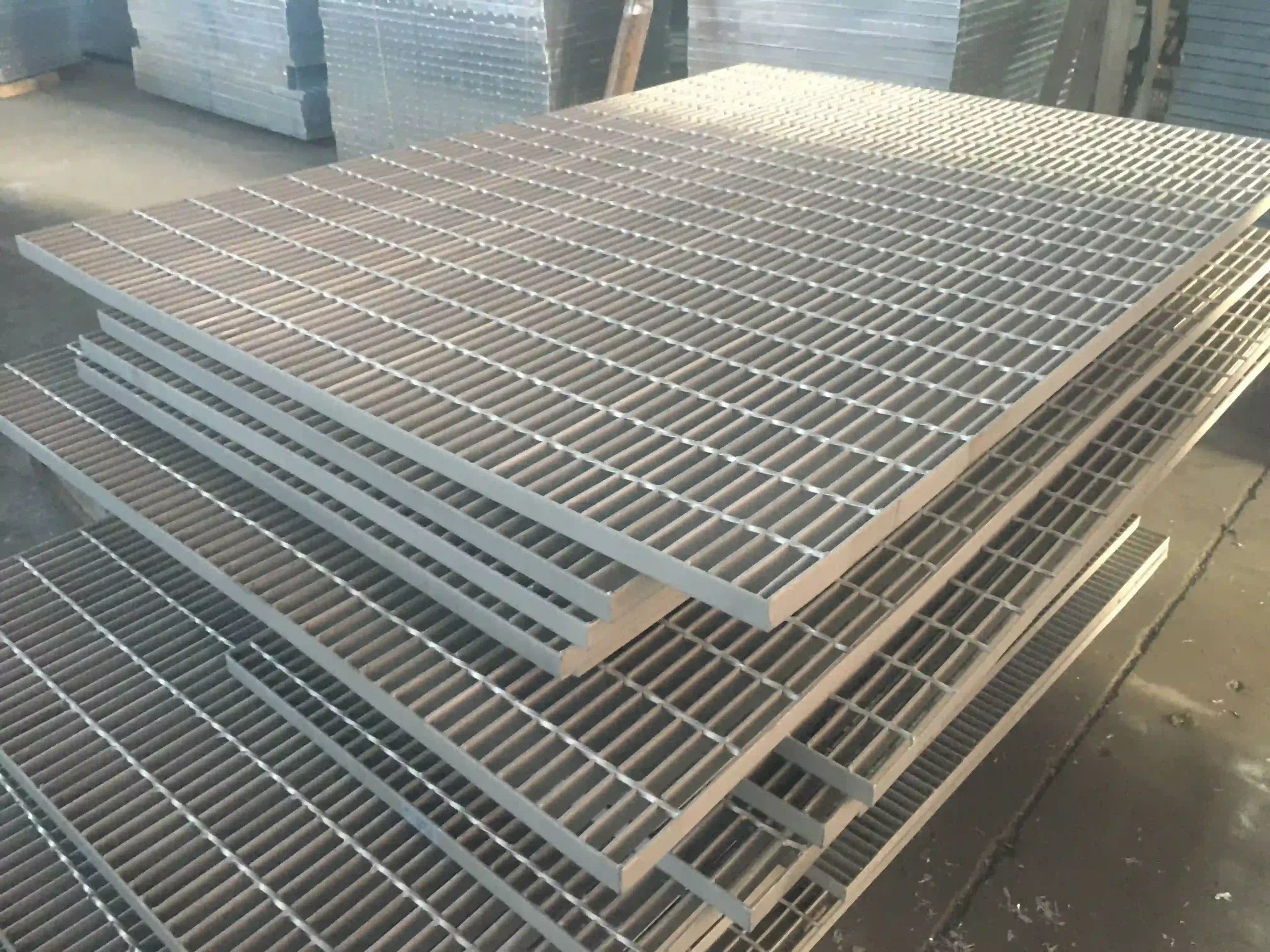
Identify whether the grate is in a pedestrian route, factory floor, parking area, curb line, forklift route, or roadway. Record all vehicles that can reasonably reach it, including maintenance equipment.
Specify the governing standard and class where applicable, or provide design wheel loads, contact areas, span, and deflection requirements. Check the complete grate-and-frame system.
Determine the runoff or process flow, inlet location, channel capacity, and likely debris. Compare actual inlet performance where drainage is critical.
Provide clear opening, seating dimensions, frame depth, surface level, and available bearing. For replacements, check the condition and compatibility of the existing frame.
State whether the site is wet, coastal, chemically exposed, subject to deicing salt, or cleaned with aggressive products. Choose the metal and finish accordingly.
Decide how often the grate will be removed, who will lift it, and whether it needs hinges, handles, locks, or captive hardware. Include the weight of the removable component.
Request separate prices for the grate, frame, fixings, fabrication, coating, delivery, and installation. Include future cleaning and replacement in the comparison.
| Project Requirement | Starting Option to Evaluate | Critical Check |
|---|---|---|
| Unusual industrial trench dimensions | Fabricated steel grating | Bar direction, span, banding, and support fit |
| Standard traffic inlet with matching frame | Rated cast or ductile iron assembly | Applicable standard, class, frame, and installation |
| High airflow through a channel | Open steel grating or an open cast design | Actual free opening and object retention |
| Frequent cleaning access | Manageable removable or hinged modules of either material | Panel weight, lifting method, and restraint |
| Forklift or heavy vehicle traffic | Engineered steel cover or rated cast assembly | Wheel loads, frame support, edge loading, and repeated traffic |
| Corrosive process drainage | Suitable stainless steel or an exposure-compatible alternative | Liquid chemistry, temperature, deposits, and fasteners |
When requesting a quote, include a dimensioned drawing, installation location, load requirement, drainage conditions, material and finish, frame details, access features, quantity, and delivery location. That information allows suppliers to propose comparable products rather than pricing different interpretations of the same opening.
Which is stronger, steel grating or cast iron drain grates?
Neither material has a universal strength advantage across all products. Engineered steel grating can carry heavy loads when the bearing bars, span, frame, and fasteners are designed correctly. Traffic-rated ductile iron grate-and-frame assemblies can also carry demanding loads. Compare documented ratings for the exact installed assembly, including wheel contact area and support conditions.
Can steel grating replace a cast iron drain grate?
Yes, if the replacement steel panel is designed for the clear span, traffic loads, drainage requirement, and existing frame. Check bearing length, panel depth, surface level, opening size, and restraint. A steel panel should not simply be cut to fit a cast frame without confirming that the frame can support and secure it.
Are cast iron drain grates better for roads?
Cast or ductile iron grate-and-frame assemblies are common in roads because standard traffic-rated products are available. Engineered steel drainage covers can also be used where the applicable requirements permit them. For either option, specify the correct product class or design loads and verify the frame, surrounding pavement, drainage performance, and installation details.
