
Roadway grating is a traffic-rated surface component used for drainage channels, roadside gullies, catch basins, bridge decks, trench drains, industrial yards, loading areas, parking facilities, ports, and airport pavements. It must collect water efficiently while supporting the traffic load expected at the installation point. A suitable roadway grating is selected by matching the material, load class, frame design, opening pattern, drainage capacity, anti-slip performance, corrosion protection, and installation method. The grate, frame, channel, and surrounding support structure should be treated as one complete system.
Roadway grating is different from ordinary platform grating. Industrial floor grating is usually designed around bearing bars spanning between supports, while roadway drainage grating is often part of a cast or fabricated frame-and-channel assembly that must withstand repeated wheel loads, impact, vibration, braking forces, and environmental exposure.
The primary function of roadway grating is to allow stormwater and surface runoff to enter a drainage system without creating a dangerous opening in the pavement. It must remain stable under traffic, resist corrosion, avoid excessive noise or rocking, and maintain enough open area for water collection.
Typical roadway grating materials include ductile iron, gray cast iron, galvanized steel, stainless steel, aluminum in selected lightweight applications, and composite materials. Ductile iron is widely used for traffic-rated road drainage because it provides strength, toughness, and flexibility in complex cast designs. Galvanized and stainless steel are common for custom trench drains, architectural channels, industrial drainage, and corrosion-sensitive locations.
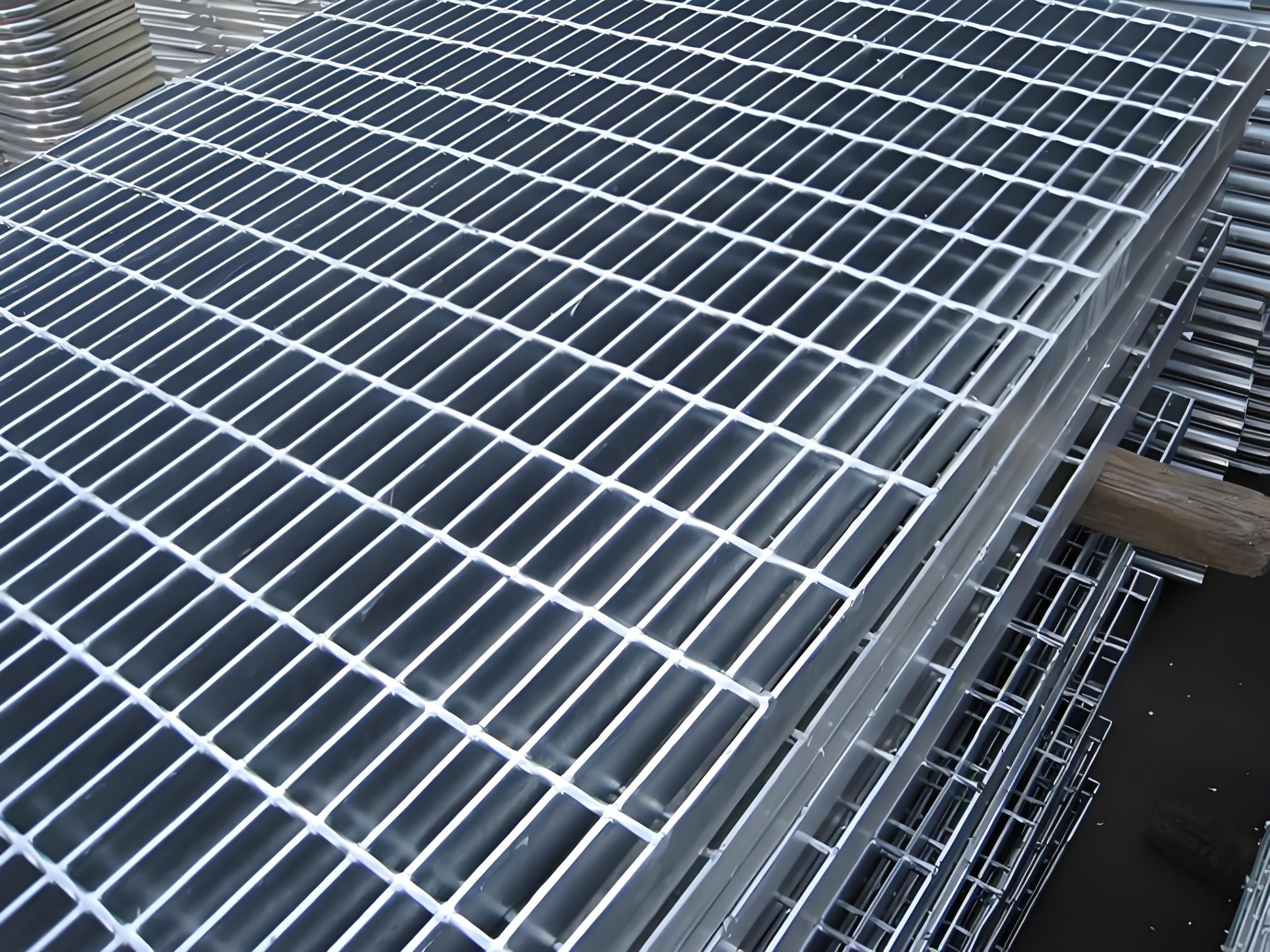
Roadway grating is used wherever water must be collected from a traffic or pedestrian surface while keeping the area safely accessible. The product shape, material, load class, and opening pattern should match the actual location.
| Application | Main Purpose | Typical Grating Type | Key Selection Requirement |
|---|---|---|---|
| Roadside gullies | Collects runoff flowing along the road kerb. | Ductile iron gully grate and frame. | Traffic load, high water intake, stable frame seating. |
| Trench drainage channels | Drains long linear areas such as roads, yards, and ramps. | Steel, stainless steel, ductile iron, or composite grate. | Channel compatibility, load class, slot pattern, drainage capacity. |
| Catch basins | Covers a drainage pit while allowing surface-water entry. | Square or rectangular cast iron grate. | Clear opening, debris management, vehicle loading. |
| Parking areas | Prevents ponding around vehicle routes and bays. | Ductile iron, galvanized steel, or composite grate. | Car traffic, turning loads, corrosion from de-icing salts. |
| Industrial yards | Drains heavy-use areas around plants, docks, and warehouses. | Heavy-duty ductile iron or reinforced steel grate. | Forklift loads, truck traffic, chemical exposure, debris. |
| Bridge drainage | Collects water from bridge decks and ramps. | Custom steel or ductile iron drain grate. | Corrosion resistance, secure fixing, drainage performance. |
| Ports and airports | Drains large paved surfaces carrying extreme wheel loads. | F900-class ductile iron or engineered heavy-duty system. | High impact, repeated load, large runoff volume, maintenance access. |
| Pedestrian and cycle areas | Drains public surfaces without creating trip or wheel hazards. | Heel-safe stainless steel, cast iron, or composite grate. | Slot safety, accessibility, anti-slip surface, easy cleaning. |
Roadway gratings can be manufactured as point-drain grates, long channel-drain covers, kerb inlets, bridge-drain covers, and custom traffic grates. The product should be selected according to the direction of runoff and the shape of the drainage structure underneath.
Road gully grates are usually square or rectangular cast products installed in a frame above a drainage chamber. They are often positioned next to kerbs or at roadway low points where runoff naturally collects. The grating opening pattern is designed to accept water while resisting traffic loads and retaining larger debris.
Linear trench drain grates cover long, narrow drainage channels. They are often supplied in modular 500 mm or 1000 mm sections and can be joined to create continuous drainage runs. They are widely used across driveways, loading docks, warehouse entrances, road crossings, industrial floors, airport pavements, and bridge approaches.
Kerb inlets collect water through openings in the vertical kerb face, while combination inlets collect water through both the kerb and the horizontal grate. They can provide better performance in high-flow road conditions because runoff can enter from more than one direction.
Heavy-duty roadway gratings are made with deep ribs, reinforced frames, thick walls, secure seating areas, and traffic-rated designs. They are used where trucks, trailers, forklifts, container vehicles, airport equipment, or heavy machinery pass over drainage channels.
Pedestrian, cycling, and public-access areas often require narrow slots or carefully designed openings. The aim is to prevent high heels, walking aids, wheelchair wheels, trolley casters, and bicycle tyres from becoming trapped while still allowing sufficient drainage.
Roadway grating materials should be chosen according to traffic load, environment, corrosion risk, project appearance, maintenance plan, and available budget. No single material is best for every roadway drainage application.
Ductile iron is one of the most common materials for traffic-rated roadway drainage products. It is manufactured through a casting process that allows engineers to form deep reinforcing ribs, anti-rock seating surfaces, drainage slots, hinges, locks, logos, and other features within one component.
Ductile iron is especially suitable for road gullies, catch basin grates, carriageways, industrial yards, freight terminals, docks, and airport areas. It is generally preferred for high-load traffic drainage systems because it can provide high strength and good impact performance when designed and tested correctly.
Gray cast iron is still used for certain drainage covers, light-traffic grates, municipal replacement products, and traditional infrastructure applications. It can offer a cost-effective solution, but the product should be selected according to the required load class and local specification. It should not be substituted for ductile iron in high-impact traffic applications unless the design and standard specifically allow it.
Galvanized steel is commonly used for fabricated trench-drain covers, industrial drainage channels, custom drain panels, loading-bay channels, and pedestrian or light-traffic drainage systems. It can be fabricated from welded bar grating, press-locked grating, flat-bar slots, perforated plate, or anti-slip plate.
For many industrial and outdoor applications, hot-dip galvanized steel provides a practical balance between price, strength, and corrosion protection. It is less suitable for severe marine exposure, strong acids, constant chemical splash, or hygiene-sensitive applications where stainless steel may be a better choice.
Stainless steel roadway grating is commonly used for commercial drainage, food plants, swimming pools, hospitals, public buildings, coastal projects, washdown areas, and architectural channel systems. It is valued for corrosion resistance, clean appearance, and suitability for wet environments.
Grade 304 stainless steel is often used for general wet indoor and commercial drainage. Grade 316 or 316L is commonly selected for higher chloride exposure, marine projects, saltwater environments, swimming-pool drainage, and selected chemical-process areas. Material grade should be chosen according to the actual exposure condition rather than appearance alone.
Composite grating can provide low weight, corrosion resistance, electrical insulation, low theft value, and reduced handling risk. Composite drainage products are useful in pedestrian areas, utility sites, coastal paths, chemical facilities, and selected parking applications.
Composite products vary greatly in structural performance. A composite grate should be specified by its tested load class and complete system design, not only by its material name. The frame, locking method, support construction, and installation detail are all essential to traffic performance.
| Material | Traffic Performance | Corrosion Resistance | Typical Application |
|---|---|---|---|
| Ductile iron | Excellent for medium, heavy, and extreme traffic applications. | Good with suitable coating and maintenance. | Road gullies, D400 roadways, ports, industrial yards. |
| Gray cast iron | Suitable for selected municipal and lower-duty applications. | Moderate with protective finish. | Pedestrian areas, light-duty drainage, replacement covers. |
| Galvanized steel | Good for custom trench and industrial drainage systems. | Good in many outdoor environments. | Loading bays, industrial floors, custom channels. |
| Stainless steel | Design-dependent; commonly used for pedestrian and commercial drainage. | High in suitable grades. | Food facilities, pool decks, public areas, coastal projects. |
| Composite | Depends on certified system and load class. | High in many wet and chemical environments. | Pedestrian, utility, coastal, and selected traffic areas. |
Standard roadway grating sizes are usually defined by the clear opening of the frame or channel, not only by the visible grate dimensions. A 600 mm × 600 mm grate, for example, may refer to the clear opening, while the outer frame dimensions are larger.
| Nominal Opening | Typical Product | Common Use |
|---|---|---|
| 300 mm × 300 mm | Small square drain grate. | Walkways, landscaped drainage, small access points. |
| 400 mm × 400 mm | Medium catch basin grate. | Car parks, commercial yards, pedestrian drainage. |
| 450 mm × 450 mm | Square road or utility drain grate. | Urban drainage and local road applications. |
| 500 mm × 500 mm | Traffic-rated gully grate and frame. | Car parks, streets, industrial sites. |
| 600 mm × 600 mm | Large traffic drainage grate. | Road gullies, utility access, high-flow areas. |
| 450 mm × 750 mm | Rectangular kerbside gully grate. | Road edges, drainage channels, urban carriageways. |
Linear roadway drainage systems are often supplied in 100 mm, 150 mm, 200 mm, 250 mm, or 300 mm nominal channel widths. Standard grate modules are commonly 500 mm or 1000 mm long, allowing long drainage runs to be assembled from multiple sections.
When requesting a quote, specify the clear channel opening, outside frame width, grate length, channel depth, load class, and support detail. This prevents mismatch between the grate and the drainage body.
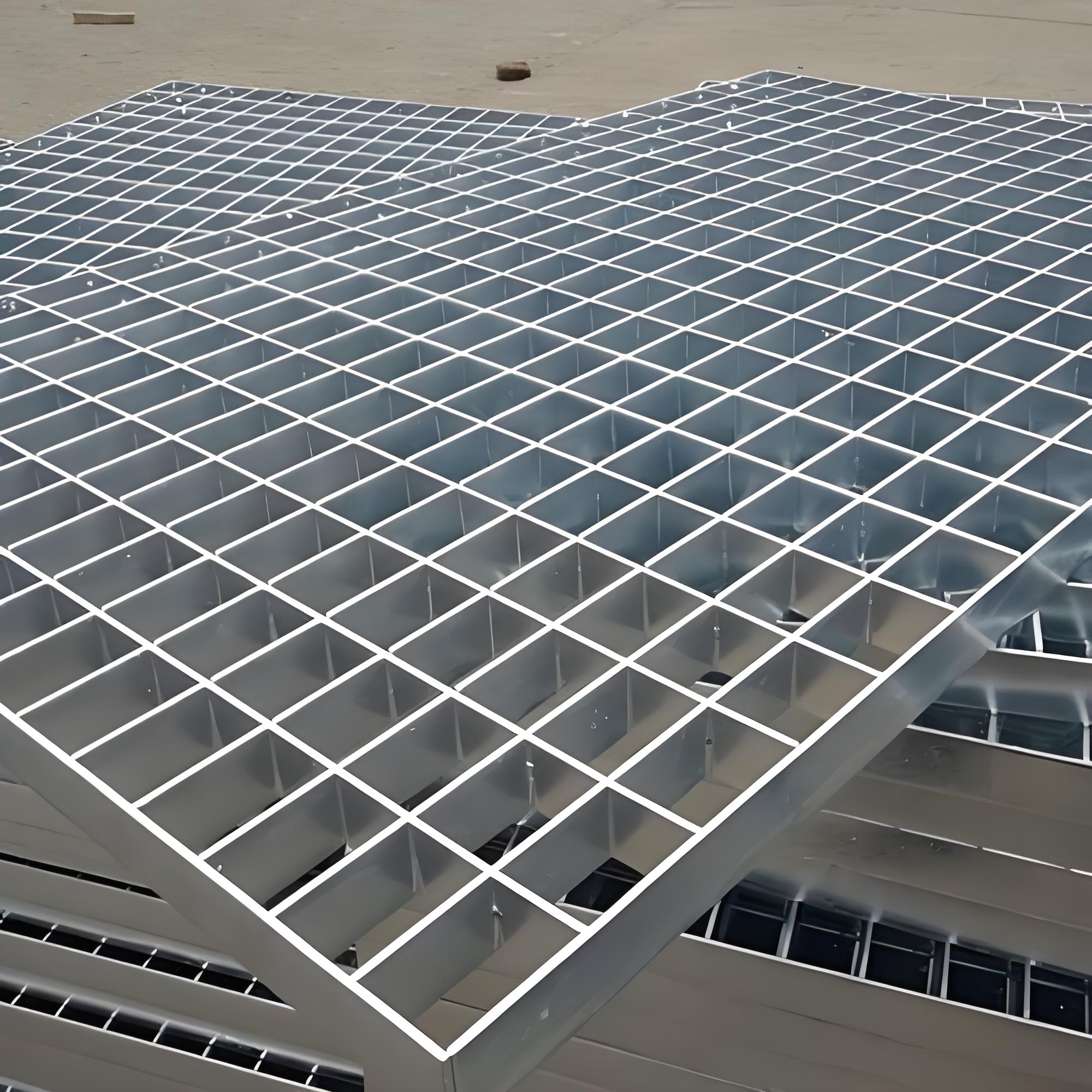
Roadway grating must be selected according to the heaviest realistic load that may pass over it. Traffic class should not be selected based only on the normal vehicle type. Consider occasional service trucks, emergency vehicles, forklifts, delivery vehicles, wheel position, turning movement, braking, impact, and pavement condition.
European-style drainage load classifications commonly use A15, B125, C250, D400, E600, and F900. The number corresponds to the test load in kilonewtons. The product must be rated as a complete system, including the grate, frame, channel, seating arrangement, and installation method.
| Load Class | Test Load | Typical Installation Area | Typical Material |
|---|---|---|---|
| A15 | 15 kN | Pedestrian routes, gardens, cycle paths, private non-traffic areas. | Stainless steel, galvanized steel, composite, light cast products. |
| B125 | 125 kN | Footways, private driveways, car parks, low-speed vehicle areas. | Ductile iron, cast iron, galvanized steel, tested composite systems. |
| C250 | 250 kN | Kerbside drainage, road shoulders, commercial parking areas. | Ductile iron, reinforced steel, heavy-duty channel systems. |
| D400 | 400 kN | Public carriageways, roads, heavy-traffic routes. | Ductile iron and engineered roadway drainage systems. |
| E600 | 600 kN | Industrial yards, docks, freight terminals, high-duty forklift areas. | Heavy ductile iron and specialized drainage assemblies. |
| F900 | 900 kN | Airport aprons, ports, military bases, extreme wheel-load zones. | Special heavy-duty ductile iron systems. |
For drainage channels in circulation areas, EN 1433 is a commonly used product-system reference. Manufacturers of channel systems use it to classify drainage covers for pedestrian and vehicle areas. See this EN 1433 drainage grating overview for examples of materials and applications.
For U.S. civil projects, AASHTO M 306 applies to drainage, sewer, utility, and related frames, grates, rings, and covers where traffic service and load-bearing performance are relevant. Local authority specifications and project drawings should always govern final product selection.
Roadway drainage capacity is determined by the complete hydraulic system, not only by the visible grate. The grate’s open area, slot shape, inlet location, road slope, channel size, gully capacity, pipe size, debris load, and rainfall intensity all affect performance.
Open area is the percentage of the grate surface available for water entry. More open area can improve water collection, but the grate must still retain enough material to carry its required load. Heavy traffic grates often need strong ribs, so their open area may be lower than a light pedestrian grate.
Slot direction affects water intake and safety. Long parallel slots can efficiently capture flow in linear drains, but their orientation should consider bicycle tyres, wheelchairs, trolley wheels, and pedestrian footwear. Diagonal or transverse slots can improve safety in some applications, while grid patterns may provide multidirectional intake.
Even a large grate can perform poorly if it is installed above the surrounding pavement level or away from the natural flow line. Roadway drainage should direct water toward the inlet. In high-flow locations, multiple gullies, larger catch basins, combination kerb-and-grate inlets, or continuous channel drains may be necessary.
Leaves, sediment, packaging waste, gravel, ice, and road debris can reduce drainage capacity. A practical drainage design may include silt baskets, sediment traps, maintenance access, removable grates, lifting points, and scheduled cleaning. The best grating pattern is one that provides adequate intake while remaining manageable for maintenance crews.
Roadway gratings should provide safe traction in wet weather and should remain stable under traffic. Surface texture, grate seating, opening geometry, and frame support all contribute to safety.
Ductile iron road grates often use raised ribs, textured cast surfaces, diagonal patterns, or anti-slip profiles. Fabricated steel trench grates may use serrated bar grating, perforated anti-slip plate, or expanded metal. Stainless steel drainage covers may use embossed patterns, slot geometry, or textured finishes to improve grip.
Roadway grates must fit their frames securely. A grate that rocks or rattles under wheels can damage pavement edges, create traffic noise, wear the frame seat, and eventually become unsafe. Non-rock seating points, resilient inserts, locking bolts, captive hinges, or precision-machined contact surfaces may be used to improve stability.
Public walkways, cycle paths, transport stations, shopping areas, and commercial entrances require careful opening design. Narrow slots and appropriate bar spacing help reduce the risk of trapping heels, walking aids, bicycle tyres, stroller wheels, wheelchairs, and trolleys.
Roadway gratings are exposed to rain, standing water, road salt, de-icing chemicals, fuel, oil, vehicle residue, pollution, soil moisture, and coastal salt spray. The corrosion-protection system should match the expected environment and maintenance plan.
Cast roadway gratings are often supplied with bitumen coating, paint, epoxy, or another protective finish. These coatings help protect the casting during transport and service, but repeated traffic, abrasion, and installation damage can affect the finish. The structural material, wall thickness, and drainage design remain important for long-term durability.
Hot-dip galvanized steel is widely used for fabricated trench grates and custom roadway drainage covers. The steel is fabricated first and then dipped in molten zinc, which coats the bars, welded joints, and fabricated edges.
ISO 1461:2022 specifies general properties and test methods for hot-dip galvanized coatings on fabricated iron and steel articles. If galvanizing is required, the purchase order should state the applicable standard, inspection documents, and any coating-repair requirements after field cutting or drilling.
Stainless steel is often selected for high-hygiene, washdown, coastal, swimming-pool, architectural, and chemical environments. Grade 304 may be suitable for many wet indoor applications, while grade 316L is frequently chosen for higher chloride exposure. Neither grade should be selected without reviewing the actual cleaning chemicals, temperature, salt concentration, and exposure duration.
Composite roadway grating can provide strong corrosion resistance and low maintenance in wet, coastal, chemical, or utility environments. The product should be verified for UV exposure, temperature range, anti-slip performance, locking method, load class, and compatibility with the channel or frame.
Roadway trench grating is commonly installed across vehicle entrances, industrial yards, warehouse doors, ramps, car parks, container terminals, and road crossings. It distributes traffic load to the channel frame and surrounding concrete support while allowing water to enter the drainage system.
| Drainage Environment | Practical Grating Choice | Important Consideration |
|---|---|---|
| Pedestrian plaza or sidewalk | Stainless steel, galvanized steel, composite, or cast iron. | Heel-safe slots, appearance, accessibility, easy cleaning. |
| Residential driveway | Galvanized steel, ductile iron, or tested composite. | Vehicle loading, occasional delivery traffic, drain width. |
| Commercial car park | Ductile iron or heavy galvanized steel system. | Traffic frequency, turning wheels, drainage volume. |
| Factory loading dock | Heavy-duty ductile iron or reinforced steel grate. | Forklifts, pallet traffic, impact, oil, debris. |
| Food or beverage facility | 304 or 316 stainless steel. | Hygiene, washdown chemicals, cleanability, drainage slope. |
| Coastal or pool environment | 316 stainless steel or selected composite system. | Chloride exposure, surface comfort, corrosion resistance. |
| Port or airport pavement | Engineered ductile iron heavy-duty system. | F900 or project-specific heavy-load requirement. |
A traffic-rated grate requires a traffic-rated support system. The grate transfers wheel loads into the frame, channel walls, surrounding concrete, and pavement. If the channel body or concrete encasement is weak, a heavy-duty grate can still fail in service.
The installation detail should define the concrete strength, channel support, reinforcement, pavement thickness, joint treatment, frame level, and drainage fall. Heavy-duty roadway systems should be installed according to the manufacturer’s instructions and the project engineer’s detail.
Custom roadway grating may be required for road upgrades, bridge decks, airport drainage, port projects, industrial facilities, urban streetscape work, drainage retrofits, or unusual channel geometry. A capable manufacturer can produce custom dimensions, opening patterns, frames, locking systems, and marking details from drawings.
Custom ductile iron products may require a new mold or pattern. This makes low-volume custom castings more expensive than standard products. For small custom projects, fabricated galvanized or stainless steel grating can be more economical because standard bars, plate, and frames can be cut and welded to size.
Roadway grating manufacturing differs by material. Cast ductile iron products, fabricated steel grates, stainless steel drainage covers, and composite grates each require different equipment and quality checks.
Cast roadway grates are made in a foundry. A pattern is produced for the grate and frame, molds are prepared, molten iron is poured, and the product is cooled, cleaned, and finished. After casting, the grate may be machined, ground, coated, marked, assembled with the frame, and inspected.
Foundry manufacturing is suitable for products with complex ribs, slots, logos, hinges, locking points, and anti-rock seating surfaces. It also allows consistent mass production once the pattern and quality process are established.
Fabricated steel roadway gratings may be produced from welded bar grating, press-locked grating, flat-bar slots, perforated plate, or expanded metal. Material is cut, assembled, welded or mechanically locked, banded, framed, and then galvanized or coated as required.
The manufacturer should confirm the direction of the load-bearing bars, support spacing, frame detail, vehicle load, slot pattern, and corrosion-protection requirement before fabrication. These points are especially important for custom trench covers and long channel-drain panels.
Stainless steel drainage grates can be laser cut, punched, bent, welded, polished, pickled, or passivated according to the project design. The finish should match the use of the area. A commercial kitchen drain may need smooth, cleanable slots, while a public outdoor stainless channel may need higher slip resistance and stronger frame support.
Composite roadway gratings are typically molded from reinforced resin systems. Their performance depends on resin formulation, reinforcement layout, mold quality, frame design, locking mechanism, and the tested load rating of the complete assembly.
Roadway grating standards differ by market, product type, and installation environment. The product specification should identify the correct standard rather than using broad language such as “heavy duty” or “road grade.”
EN 124 load classes are widely referenced for gully tops and manhole tops in traffic and pedestrian areas. EN 1433 is commonly used for linear drainage channel systems and classifies grates and covers for different installation locations. The standard, product material, frame, channel, and test requirement should be aligned.
Load classes such as A15, B125, C250, D400, E600, and F900 should be supported by documentation for the actual product system. A supplier should be able to provide product drawings, marking information, test records, and installation guidance when the project requires it.
For road and civil infrastructure projects in the United States, AASHTO requirements may apply. AASHTO M 306 covers frames, grates, rings, and covers for drainage, sewer, utility, and related civil-engineering structures where traffic service and load-bearing performance are important.
State, municipal, airport, port, highway-authority, and project-specific specifications may impose further requirements for material, load capacity, marking, locking, frame geometry, coating, testing, and installation. These requirements should be reviewed before manufacturing begins.
| Quality Check | Purpose | Typical Product |
|---|---|---|
| Load testing | Confirms the traffic-rating performance of the grate and frame system. | Ductile iron, composite, and channel-drain assemblies. |
| Dimensional inspection | Confirms fit, seating depth, clear opening, and frame compatibility. | All roadway grating products. |
| Anti-rock fit check | Ensures the grate sits securely without rattle or movement. | Road gullies, traffic frames, heavy covers. |
| Surface inspection | Checks casting quality, sharp edges, coating condition, and finish. | Cast iron, galvanized steel, stainless steel, composite. |
| Material certificate | Confirms specified material grade or alloy. | Stainless steel and project-controlled cast products. |
| Coating inspection | Verifies galvanizing, paint, epoxy, or protective finish. | Galvanized steel and coated castings. |
A reliable roadway grating supplier should understand drainage, traffic load, material selection, and installation support. The supplier should be able to provide more than a catalog image or a low price. It should provide clear drawings, product data, appropriate test information, inspection records, packing details, and responsive technical communication.
The most dependable manufacturer is the supplier that can confirm the technical suitability of the complete roadway drainage assembly. A low-cost grate that does not fit the channel, does not meet the required traffic class, rocks under vehicles, or has insufficient corrosion resistance can create expensive repair and safety problems after installation.
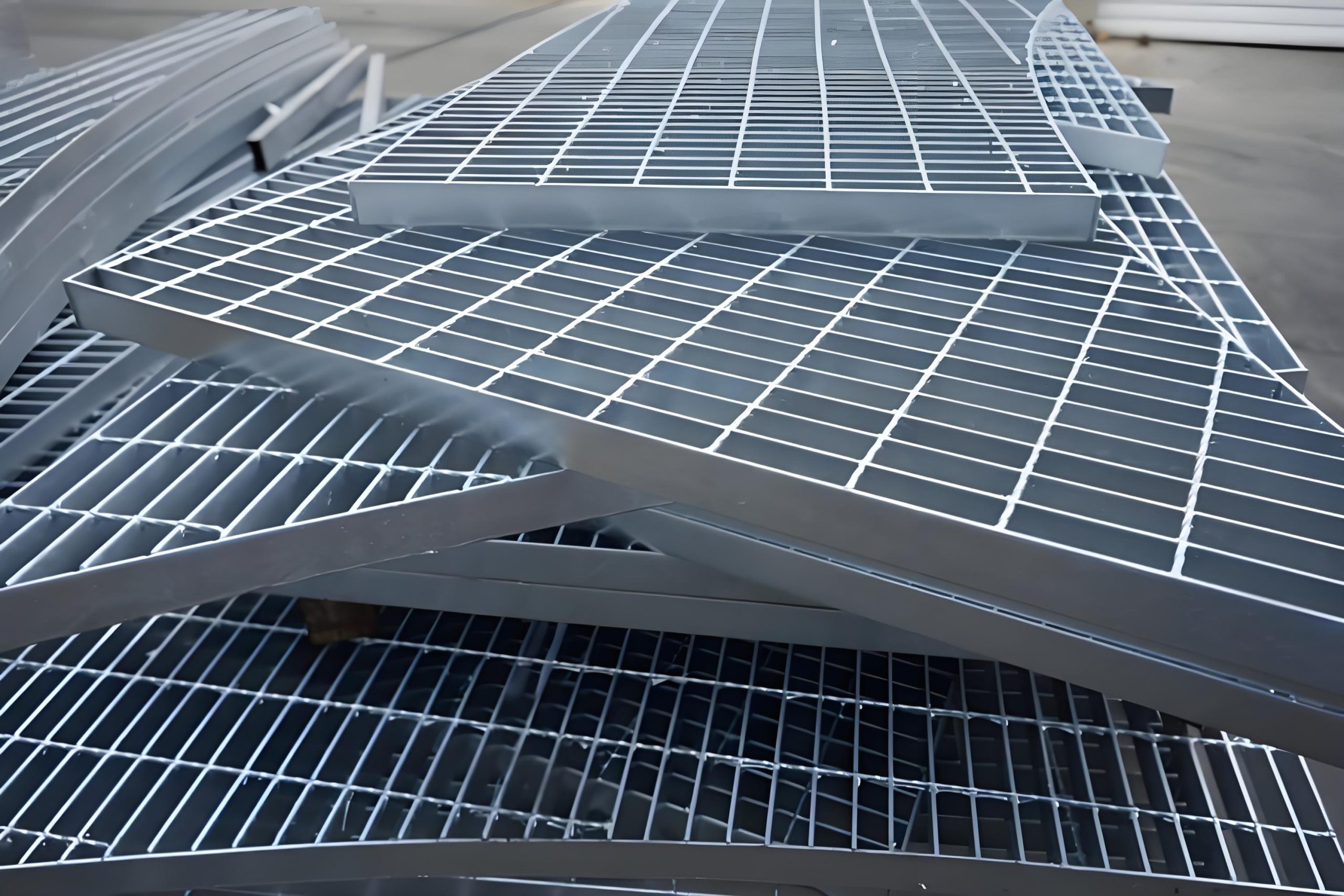
What is roadway grating used for?
Roadway grating is used to cover drainage channels, road gullies, catch basins, trenches, and stormwater inlets while allowing water to enter the drainage system. It is installed on roads, car parks, industrial yards, bridges, loading docks, ports, airports, sidewalks, and public-access areas.
What load class is needed for roadway drainage grating?
D400 is commonly selected for public roads and heavy-traffic carriageways. C250 is often used near kerbs and commercial traffic areas, B125 is typically used for footways, private driveways, and car parks, while E600 and F900 are used for industrial yards, ports, and airport areas. Final selection must consider actual wheel loads, traffic frequency, impact, and local project requirements.
Which material is best for roadway grating?
Ductile iron is often the best choice for high-traffic roadway drainage because it supports heavy loads and can be cast with strong ribs and stable frame features. Galvanized steel is useful for custom trench drains, stainless steel is preferred for corrosive or hygiene-sensitive areas, and composite grating can be suitable where low weight, corrosion resistance, or low theft value is important.
