

Stainless steel grate is widely used in industrial flooring, drainage systems, platforms, stair treads, food processing areas, marine facilities, and chemical plants because it combines high strength, corrosion resistance, clean appearance, and long service life. Choosing the right stainless steel grate is not only about selecting 304 or 316 material. It also involves understanding manufacturing types, surface options, load requirements, mesh spacing, international standards, surface treatment, and the actual working environment.
Stainless steel grate is a metal grating product made from stainless steel bearing bars and cross bars. It is designed to provide a strong, open, non-slip, and corrosion-resistant surface for walking, drainage, ventilation, light transmission, and equipment access. Compared with carbon steel grating, stainless steel grate performs better in wet, corrosive, hygienic, or high-cleanliness environments.
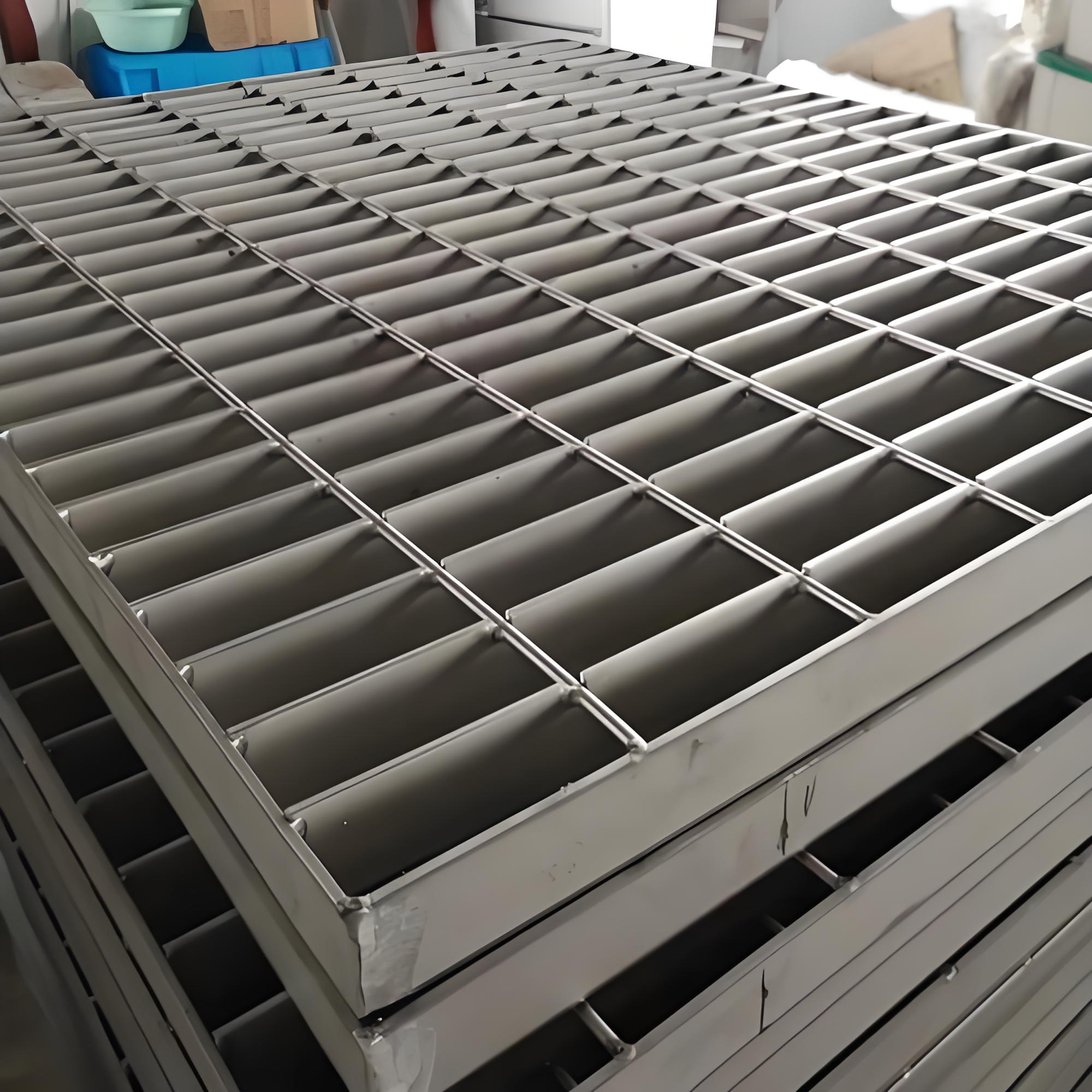
In most projects, the most common stainless steel grate materials are 304, 316, and 316L. For special industrial conditions, other grades such as 310S, 321, 2205 duplex stainless steel, and 904L may also be selected. The final choice depends on corrosion level, temperature, load capacity, hygiene requirements, budget, and applicable standards.
| Item | Common Options | Main Consideration |
|---|---|---|
| Material Grade | 304, 316, 316L, 321, 310S, 2205, 904L | Corrosion resistance, temperature, chemical exposure |
| Manufacturing Type | Welded, press-locked, swage-locked | Strength, appearance, application area |
| Surface Type | Plain, serrated, anti-slip | Walking safety and drainage conditions |
| Surface Finish | Mill finish, polished, pickled, passivated | Cleanliness, corrosion protection, appearance |
| Standards | ASTM, EN, DIN, ISO, project specifications | Material, load, dimensions, tolerance, safety |
Stainless steel grate is an open-grid structure made from parallel bearing bars connected by cross bars. The bearing bars carry the main load, while the cross bars keep the structure stable and distribute force. The open area allows water, oil, dust, snow, air, and light to pass through, making stainless steel grating practical for industrial and commercial use.
A typical stainless steel grate includes bearing bars, cross bars, end plates, and sometimes fixing clips or frames. The bearing bar size, bar spacing, cross bar spacing, and panel dimensions are selected according to the expected load and installation position.
| Component | Function |
|---|---|
| Bearing Bar | Main load-carrying part of the grate |
| Cross Bar | Connects bearing bars and improves stability |
| End Plate | Closes the panel edge and improves appearance |
| Fixing Clip | Secures the grate to steel supports or frames |
| Frame | Often used for trench covers and drainage covers |
Stainless steel grate is often used in areas where ordinary steel may rust too quickly or where hygiene and durability are important. Typical locations include food factories, beverage plants, pharmaceutical workshops, wastewater treatment plants, chemical production lines, offshore platforms, shipyards, kitchens, public drainage channels, industrial walkways, and stair systems.
For example, a food processing factory may choose 304 stainless steel grate for indoor drainage channels and platforms. A coastal chemical plant may choose 316L stainless steel grate because chloride and chemical exposure are stronger. A marine project may require duplex stainless steel grate when higher strength and better chloride resistance are needed.
304 stainless steel grate is one of the most widely used stainless steel grating materials. It contains chromium and nickel, giving it good corrosion resistance, clean appearance, and reliable forming and welding performance. For general indoor industrial environments, food processing areas, commercial kitchens, and architectural drainage systems, 304 stainless steel grate is often a cost-effective choice.
304 stainless steel has good resistance to atmospheric corrosion, many organic chemicals, fresh water, and mildly corrosive environments. It is also easy to clean, which makes it suitable for areas where hygiene matters. Compared with galvanized steel grating, 304 stainless steel grate does not rely on a zinc coating for corrosion protection. The corrosion resistance comes from the stainless steel material itself.
The biggest advantage of 304 stainless steel grate is balance. It offers better corrosion resistance than carbon steel and galvanized steel, while usually costing less than 316 or duplex stainless steel. For many factories, 304 stainless steel grate provides the right combination of price, performance, hygiene, and availability.
304 stainless steel grate is also commonly available in welded, press-locked, and custom fabricated forms. It can be supplied as platform grating, trench cover, stair tread, walkway panel, machine access floor, or drainage cover.
| Application | Why 304 Is Used |
|---|---|
| Food processing floors | Clean surface, corrosion resistance, easy washing |
| Commercial kitchen drainage | Resists moisture and daily cleaning |
| Beverage production areas | Suitable for wet indoor environments |
| Architectural walkways | Good appearance and stable performance |
| Indoor industrial platforms | Durable and low maintenance |
Although 304 stainless steel grate is versatile, it is not always the best choice for high-salt, strong acid, strong alkali, or marine environments. In those cases, 316, 316L, or higher alloy stainless steel may be more suitable.
316 and 316L stainless steel grates are designed for more demanding corrosion conditions. Compared with 304, 316 stainless steel contains molybdenum, which improves resistance to chlorides and many chemical environments. This makes 316 stainless steel grate a common option for coastal areas, marine platforms, chemical processing plants, wastewater treatment facilities, and outdoor drainage systems exposed to deicing salts.
316L is the low-carbon version of 316 stainless steel. The lower carbon content helps reduce the risk of carbide precipitation during welding, which improves corrosion resistance around welded areas. For welded stainless steel grating used in corrosive environments, 316L is often preferred when the project requires better performance after welding.
| Grade | Main Feature | Typical Use |
|---|---|---|
| 316 | Good chloride and chemical corrosion resistance | Marine, chemical, outdoor industrial areas |
| 316L | Lower carbon, better welded corrosion performance | Welded grating, chemical plants, hygienic systems |
316 or 316L stainless steel grate is recommended when the grating will be exposed to salt spray, seawater, chemical cleaning agents, acidic liquids, wastewater, or outdoor corrosive atmospheres. In food, pharmaceutical, and chemical factories, cleaning chemicals can be aggressive, so 316L grating may be a safer long-term choice than 304.
Although 304, 316, and 316L cover most stainless steel grate requirements, some projects need special stainless steel grades. These materials are selected for high temperature, high strength, severe chloride exposure, strong acids, or other harsh service conditions.
310S stainless steel grate is used in high-temperature environments. It has better oxidation resistance at elevated temperatures than 304 or 316. It may be selected for furnace areas, heat treatment workshops, drying equipment platforms, and hot gas environments.
321 stainless steel contains titanium stabilization, which improves resistance to intergranular corrosion after exposure to high temperatures. It can be used in heat-affected industrial areas where standard austenitic stainless steel may not perform well over time.
2205 duplex stainless steel grate combines high strength with strong resistance to chloride stress corrosion cracking. It is often considered for offshore platforms, desalination plants, marine structures, and chemical processing areas. Because duplex stainless steel has higher strength, it may allow optimized bearing bar design in some projects, but fabrication and welding requirements should be controlled carefully.
904L stainless steel grate is used in very corrosive environments, especially where strong acids are present. It is more expensive than 304 and 316, so it is normally selected only when the service environment justifies the cost.
| Grade | Key Benefit | Typical Application |
|---|---|---|
| 310S | High-temperature oxidation resistance | Furnace areas, heat treatment plants |
| 321 | Improved high-temperature stability | Thermal processing areas |
| 2205 Duplex | High strength and chloride resistance | Offshore, marine, desalination |
| 904L | Strong acid corrosion resistance | Chemical and acid processing plants |
The manufacturing method affects the strength, appearance, cost, and application of stainless steel grate. The three common types are welded stainless steel grate, press-locked stainless steel grate, and swage-locked stainless steel grate.
Welded stainless steel grate is made by welding cross bars to bearing bars. It is strong, stable, and suitable for heavy-duty industrial use. Because welding creates strong joints, welded stainless steel grating is common for platforms, walkways, stair treads, equipment access areas, and drainage covers that must handle frequent foot traffic or equipment loads.
For corrosive environments, the welded areas should be properly cleaned, pickled, or passivated. This helps restore corrosion resistance and improve long-term performance.
Press-locked stainless steel grate is made by pressing cross bars into slotted bearing bars. It has a neat appearance, accurate spacing, and a smooth grid pattern. This type is often used in architectural areas, commercial floors, ventilation grilles, decorative walkways, and places where appearance is important.
Swage-locked stainless steel grate is produced by mechanically locking cross rods into bearing bars. It is often used where a lighter structure, clean appearance, and good strength are required. Aluminum grating commonly uses this method, but stainless steel swage-locked grating can also be supplied for specific applications.
| Manufacturing Type | Main Advantage | Common Use |
|---|---|---|
| Welded | High strength and stable structure | Industrial platforms, walkways, stair treads |
| Press-Locked | Clean appearance and accurate spacing | Architectural grating, drainage covers, public areas |
| Swage-Locked | Mechanical locking and neat finish | Light to medium duty flooring and custom projects |
The surface type of stainless steel grate should be selected according to safety requirements. Wet, oily, icy, or sloped areas normally need better slip resistance than dry indoor platforms.
Plain stainless steel grate has flat bearing bars with a smooth top surface. It is easy to clean and suitable for dry or low-slip-risk areas. It is commonly used in food processing rooms, equipment platforms, inspection walkways, and clean industrial areas.
Serrated stainless steel grate has notched bearing bars that increase friction. It is more suitable for wet, oily, or outdoor areas where slipping is a concern. Serrated grating is often used for stair treads, wastewater platforms, marine walkways, and industrial drainage covers.
Anti-slip stainless steel grate can include serrated bearing bars, special notched surfaces, anti-slip nosing for stair treads, or customized safety patterns. In areas with frequent washing, oil mist, chemical liquids, or rain exposure, anti-slip grating can help improve worker safety.
| Surface Option | Best For | Notes |
|---|---|---|
| Plain | Dry and clean areas | Easy to clean, simple appearance |
| Serrated | Wet, oily, or outdoor areas | Better slip resistance than plain surface |
| Anti-Slip Custom | High-safety walkways and stairs | Can be designed for specific project requirements |
Stainless steel grate standards may cover material grade, chemical composition, mechanical properties, load capacity, deflection, dimensions, tolerance, surface finish, fabrication quality, and safety requirements. In international projects, stainless steel grating is often specified according to ASTM, EN, DIN, ISO, or project-specific standards.
ASTM standards are often used in North American and international projects. For stainless steel bars, plates, and structural products, standards such as ASTM A240, ASTM A276, ASTM A479, and related specifications may be referenced depending on the raw material form. The project drawing or purchase specification should clearly state the required stainless steel grade, such as 304, 316, or 316L.
European projects often use EN material designations and DIN-based grating dimensions. For example, stainless steel grades may be identified by EN numbers such as 1.4301 for 304, 1.4401 for 316, and 1.4404 for 316L. DIN and EN-related grating standards may define bearing bar spacing, cross bar spacing, panel tolerance, stair tread dimensions, and load performance.
Some projects use ISO standards or company specifications, especially in oil and gas, offshore, chemical, energy, and infrastructure projects. These specifications may include stricter requirements for material certificates, welding procedures, passivation, anti-slip performance, traceability, and inspection documents.
| Standard System | Common Use | What It May Define |
|---|---|---|
| ASTM | Material and industrial specifications | Grade, chemical composition, mechanical properties |
| EN | European material and product requirements | Material numbers, dimensions, tolerances |
| DIN | Grating dimensions and industrial design references | Spacing, bearing bar size, stair tread design |
| ISO | International project specifications | Quality, testing, safety, inspection |
| Project Standard | Oil, gas, marine, chemical, food plants | Load, finish, documentation, installation details |
Correct material identification is important because stainless steel grates with similar appearance may have very different corrosion resistance. 304 and 316 stainless steel can look almost the same, but their performance in chloride environments is not the same. For this reason, stainless steel grate orders should clearly specify the grade and required material certificate.
| Common Name | UNS | EN Number | Main Application |
|---|---|---|---|
| 304 | S30400 | 1.4301 | General industrial and food areas |
| 304L | S30403 | 1.4307 | Welded general stainless structures |
| 316 | S31600 | 1.4401 | Marine and chemical environments |
| 316L | S31603 | 1.4404 | Welded corrosive environments |
| 321 | S32100 | 1.4541 | High-temperature service |
| 2205 Duplex | S32205 / S31803 | 1.4462 | High strength and chloride resistance |
Material verification can include mill test certificates, positive material identification testing, chemical composition reports, and supplier traceability records. For important projects, especially chemical, marine, food, pharmaceutical, and offshore applications, buyers should request documentation before shipment.
Load capacity is one of the most important factors when selecting stainless steel grate. A grating panel must safely support people, carts, equipment, vehicles, or maintenance loads without excessive deflection. The load capacity depends mainly on bearing bar height, bearing bar thickness, span direction, support spacing, material strength, and mesh spacing.
The bearing bar is the main load-carrying element. A taller bearing bar usually provides higher load capacity. A thicker bearing bar can improve strength and durability, especially in heavy-duty or impact-prone areas. Common bearing bar sizes may include 25 x 3 mm, 30 x 3 mm, 32 x 5 mm, 40 x 5 mm, and larger sizes for heavy loads.
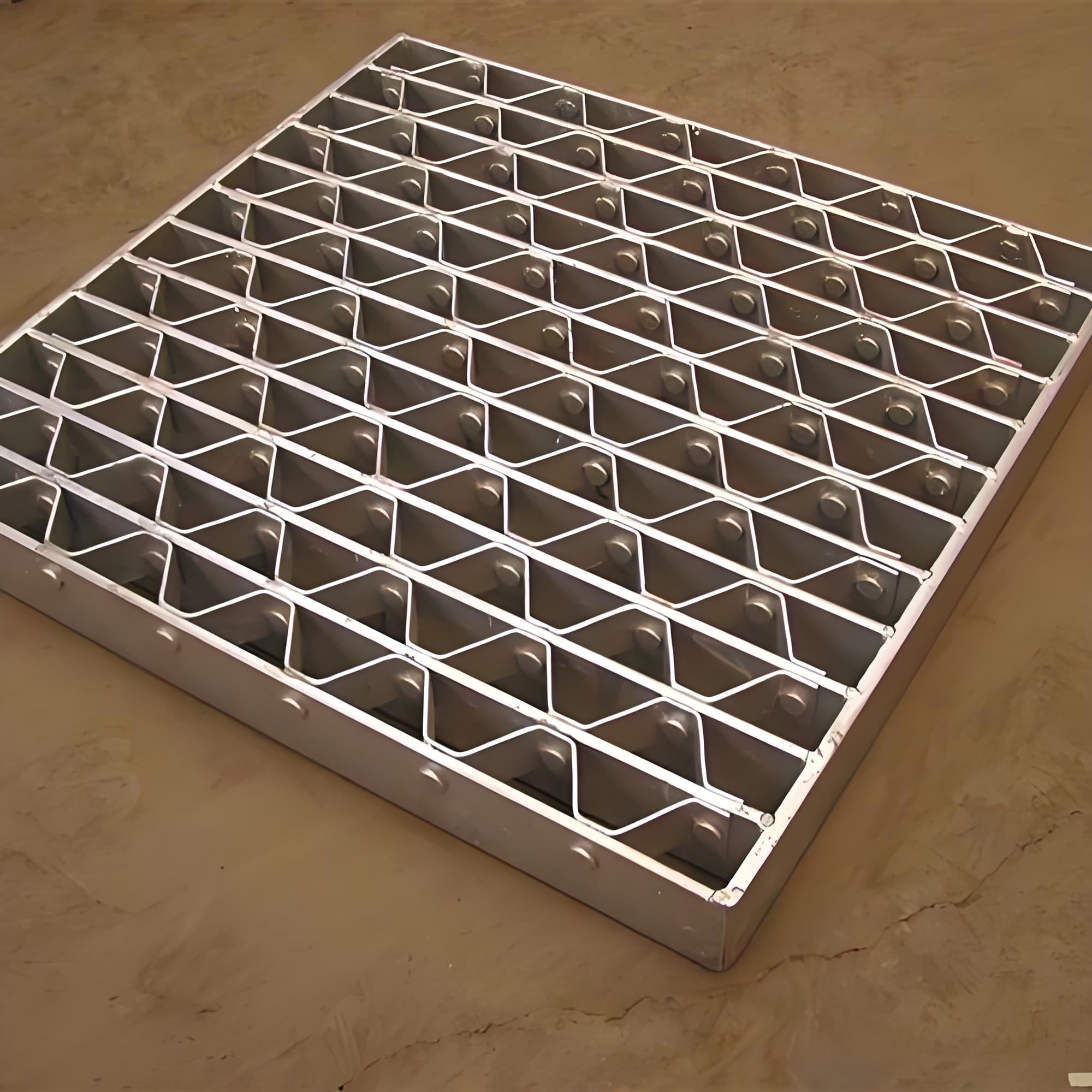
Mesh spacing affects open area, drainage, walking comfort, heel safety, and load distribution. Smaller openings provide better walking comfort and may reduce the risk of small objects falling through. Larger openings improve drainage, ventilation, and light transmission.
| Spacing Type | Common Options | Selection Factor |
|---|---|---|
| Bearing Bar Spacing | 19 mm, 25 mm, 30 mm, 33 mm, 40 mm | Load, walking comfort, open area |
| Cross Bar Spacing | 50 mm, 76 mm, 100 mm | Panel stability and application type |
| Close Mesh | Small opening design | Public areas, small-wheel carts, heel safety |
| Open Mesh | Larger opening design | Drainage, ventilation, industrial platforms |
The bearing bars must run in the direction of the span between supports. If the panel is installed in the wrong direction, the load capacity can be greatly reduced. For this reason, drawings should show bearing bar direction, support width, panel size, and fixing method clearly.
Stainless steel grate may need to support pedestrian loads, maintenance loads, trolley loads, forklift loads, or vehicle wheel loads. Wheel loads are especially important because they create concentrated pressure. For heavy-duty drainage covers, the wheel contact area and traffic frequency should be considered during design.
Stainless steel grate is selected in many industries because it can handle moisture, cleaning, corrosion, and heavy use better than many other flooring materials. Different industries have different priorities, so the material grade and surface design should match the working environment.
In food processing plants, stainless steel grate is used for drainage channels, washdown floors, inspection platforms, machine access steps, and cleaning areas. 304 stainless steel is common for general food environments, while 316L may be chosen where stronger cleaning chemicals, salt, or acidic ingredients are present.
Food processing grates should be easy to clean, resistant to trapped dirt, and designed with safe edges. Smooth welds, proper passivation, and removable trench covers can make daily sanitation easier.
Chemical plants often require 316L, duplex stainless steel, or special alloy grating depending on the chemicals involved. Acid, alkali, solvents, chloride-containing liquids, and high humidity can all influence material selection. In these environments, the cheapest material is not always economical because premature corrosion can lead to replacement costs and safety risks.
Marine environments expose stainless steel grate to salt spray, seawater, humidity, and wind. 316 or 316L stainless steel is often used for general marine applications, while duplex stainless steel may be selected for more demanding offshore or desalination projects. Surface treatment and regular cleaning are also important because salt deposits can increase corrosion risk.
Factories use stainless steel grate for platforms, stairs, mezzanines, machine maintenance areas, drainage channels, and production floors. The right grating design improves safety, drainage, ventilation, and access while reducing maintenance needs.
| Industry | Recommended Material | Typical Grate Use |
|---|---|---|
| Food Processing | 304, 316L | Drainage covers, platforms, washdown areas |
| Chemical | 316L, 2205, 904L | Process floors, tank access, trench covers |
| Marine | 316, 316L, 2205 | Walkways, docks, offshore platforms |
| Pharmaceutical | 304L, 316L | Clean platforms, drainage, equipment access |
| Wastewater | 316, 316L | Walkways, covers, maintenance platforms |
Stainless steel grate can be fabricated into many product forms. The most common are drainage covers, walkways, industrial platforms, and stair treads. Each application has its own design points.
Stainless steel drainage grates are used in factories, commercial kitchens, public squares, parking areas, food workshops, and chemical plants. They allow water and liquid waste to drain quickly while providing a safe walking or traffic surface. For drainage channels, the grate should fit the frame properly and be removable for cleaning.
Stainless steel walkway grating is used in elevated access routes, equipment inspection lines, rooftops, marine facilities, and industrial plants. Anti-slip surface options are important for wet or outdoor walkways. The bearing bar direction must match the support span for safe performance.
Platforms require stable load-bearing capacity and comfortable walking performance. In food, chemical, and pharmaceutical plants, stainless steel platforms are often preferred because they resist corrosion and are easier to clean than painted carbon steel structures.
Stainless steel stair treads are usually made from grating panels with end plates and anti-slip nosing. Serrated surfaces are commonly used when stairs are exposed to water, oil, dust, or outdoor weather. The tread size, nosing type, and fixing hole position should match the stair stringer design.
| Product Form | Key Design Point | Common Surface |
|---|---|---|
| Drainage Cover | Frame fit, easy removal, corrosion resistance | Plain or serrated |
| Walkway | Load capacity, slip resistance, span direction | Serrated for wet areas |
| Platform | Deflection control and worker safety | Plain or serrated |
| Stair Tread | Nosing, side plates, fixing holes | Serrated or anti-slip |
Surface finish affects corrosion resistance, appearance, cleanability, and maintenance. Stainless steel grate may be supplied with mill finish, polished finish, pickled finish, passivated finish, or a combination depending on the project requirements.
Mill finish is the standard surface condition of stainless steel raw material. It is suitable for many general industrial applications where appearance is not the main concern. However, after welding and fabrication, additional cleaning may be needed to remove heat tint, weld scale, or contamination.
Polished stainless steel grate has a smoother and brighter appearance. It may be used in architectural projects, commercial drainage systems, and areas where appearance and cleanability are important. Polishing can also help reduce surface roughness, but the polishing grade should be specified clearly.
Pickling removes weld scale, heat tint, and surface contamination caused by fabrication. It helps restore the stainless steel surface after welding. Pickled stainless steel grate is common in industrial and chemical applications where corrosion resistance is important.
Passivation helps improve the protective chromium oxide layer on stainless steel. It is often specified for food processing, pharmaceutical, chemical, and marine projects. Passivation is especially useful after welding, cutting, grinding, or other fabrication steps.
| Finish | Main Purpose | Suitable Applications |
|---|---|---|
| Mill Finish | Standard industrial surface | General platforms and walkways |
| Polished | Better appearance and cleanability | Commercial and hygienic areas |
| Pickled | Removes weld scale and heat tint | Chemical and industrial grating |
| Passivated | Improves corrosion-resistant surface layer | Food, pharmaceutical, marine, chemical |
Selecting the right stainless steel grate requires a practical review of the environment, load, safety, cleaning method, and standard requirements. A good selection should avoid both under-specification and unnecessary over-specification.
The first step is to identify what the grate will be exposed to. Indoor dry areas may use 304 stainless steel, while wet, salty, or chemical areas may require 316L or higher grades. Temperature, cleaning chemicals, humidity, and contact with food or wastewater should all be considered.
Different grates are needed for pedestrian areas, machine platforms, cart traffic, forklift areas, and vehicle drainage covers. The supplier should know the clear span, support condition, load type, and required deflection limit before recommending bearing bar size and spacing.
Welded stainless steel grate is usually selected for heavy-duty industrial use. Press-locked stainless steel grate is preferred when appearance and accurate grid spacing matter. Swage-locked designs may be used for special projects requiring a neat mechanically locked structure.
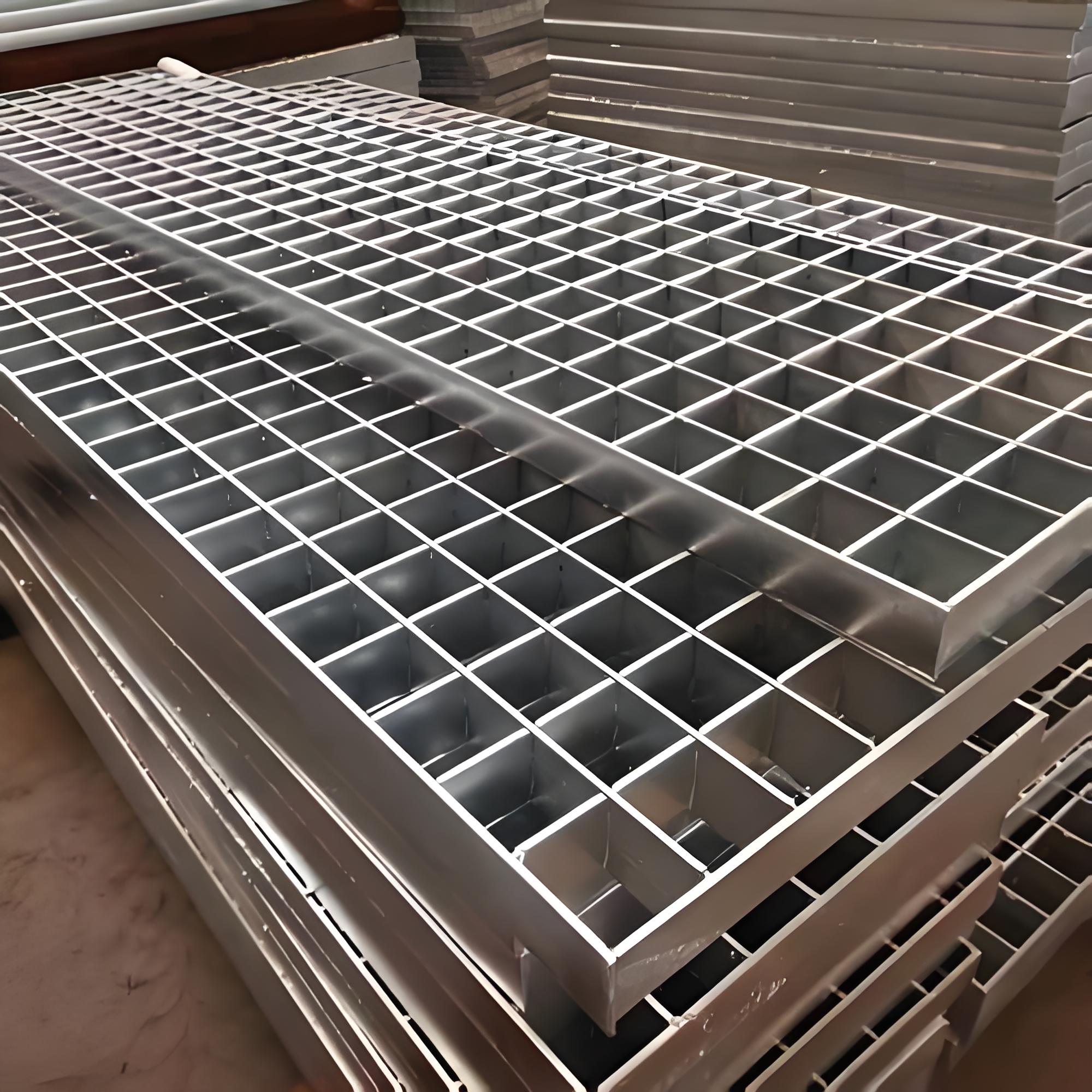
Plain surface is suitable for dry and clean areas. Serrated or anti-slip surface should be used for wet, oily, outdoor, or sloped walking areas. Stair treads should normally include anti-slip nosing, especially in industrial and outdoor locations.
For corrosive or hygienic environments, pickling and passivation may be required after fabrication. Material certificates, inspection reports, and compliance with ASTM, EN, DIN, or project standards should be confirmed before production.
| Selection Question | Recommended Check |
|---|---|
| Is the area dry or wet? | Dry areas may use 304; wet or corrosive areas may need 316L |
| Is salt or chloride present? | Consider 316, 316L, or duplex stainless steel |
| Will the grate be welded? | Consider low-carbon grades and passivation |
| Is the surface slippery? | Use serrated or anti-slip design |
| Are carts or vehicles used? | Confirm wheel load and bearing bar size |
| Is hygiene important? | Use easy-clean design, proper finish, and suitable grade |
Many stainless steel grate problems come from unclear specifications. A quotation that only says “stainless steel grating” is not enough for a reliable project. Material grade, panel size, bearing bar size, spacing, surface type, finish, standard, and load requirement should be confirmed.
304 stainless steel performs well in many general environments, but it is not the best choice for seawater, salt spray, or strong chloride exposure. In these cases, 316L or duplex stainless steel may provide better service life.
If the bearing bars are installed in the wrong direction, the grate may not support the intended load. Installation drawings should clearly show the bearing bar span direction.
Plain stainless steel stair treads can become slippery in wet or oily conditions. Serrated bearing bars and anti-slip nosing are safer for stairs, outdoor walkways, and washdown areas.
Welding, cutting, and grinding can affect the stainless steel surface. For corrosive environments, pickling and passivation after fabrication can improve performance and appearance.
What is the best stainless steel grade for grating?
The best stainless steel grade for grating depends on the environment. 304 stainless steel is suitable for general indoor, food processing, and light industrial use. 316 and 316L stainless steel are better for marine, coastal, chemical, wastewater, and wet corrosive environments. For severe chloride exposure or high-strength requirements, 2205 duplex stainless steel may be selected.
Is 304 or 316 stainless steel grate better?
316 stainless steel grate has better corrosion resistance than 304, especially in chloride, salt, and marine environments. However, 304 stainless steel grate is more economical and works well in many general applications. If the grate is used indoors in a clean environment, 304 is often enough. If it is used near the sea, in chemical areas, or in strong washdown conditions, 316 or 316L is usually the better choice.
Where is stainless steel grate commonly used?
Stainless steel grate is commonly used for drainage covers, industrial walkways, work platforms, stair treads, food processing floors, chemical plant access areas, marine walkways, wastewater treatment platforms, and commercial kitchen drainage systems. It is chosen when corrosion resistance, hygiene, strength, drainage, and long service life are important.